Fruit Trees That Fail In Oregon’s Climate And Aren’t Worth Growing
Not every fruit tree is a good match for Oregon’s climate, even if it looks great at the garden center. Many homeowners plant with high hopes, only to end up with weak growth, poor harvests, or trees that struggle year after year.
That can be disappointing, especially after putting in the time, money, and effort to care for them.
Oregon’s weather can be tricky. Cool springs, wet winters, late frosts, and short warm seasons in some areas all play a role in how well fruit trees perform.
Some varieties simply aren’t built to handle these conditions, no matter how much attention they get. And when a tree keeps underperforming, it can take up valuable space that could be used for something more productive.
If you’ve ever wondered why a tree isn’t thriving or why certain fruits never seem to ripen properly, climate is often the reason. Knowing what doesn’t work is just as helpful as knowing what does.
It saves frustration and helps you make smarter planting choices.
Whether you’re planning a new backyard orchard or thinking about replacing a struggling tree, this list can help guide your decisions.
Here are fruit trees that tend to fail in Oregon’s climate and usually aren’t worth growing.
1. Lemon Trees
Picture this: you bring home a gorgeous potted lemon tree, imagining fresh lemonade all summer long. The glossy leaves and fragrant blooms make it seem like the perfect addition to your patio.
But within a few months, reality sets in hard.
Oregon winters are simply too cold for lemons to survive outdoors year-round. Even in milder valley areas, nighttime temperatures regularly drop below what citrus can tolerate.
Frost damage shows up as blackened leaves, dropped fruit, and eventually dead branches. You’ll find yourself hauling the tree indoors every fall, then back outside every spring, an exhausting routine that gets old fast.
Indoor overwintering brings its own headaches. Your heated home lacks the humidity and light levels lemons crave.
Spider mites and scale insects love dry indoor air and will attack your stressed tree relentlessly. Fruit production drops to nearly nothing without proper pollination and seasonal temperature changes.
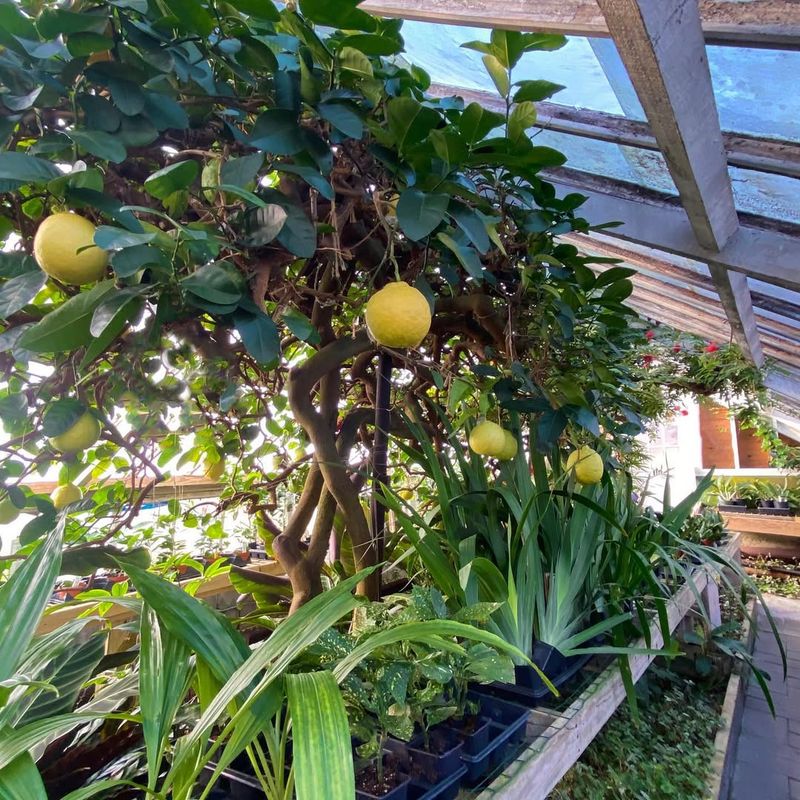
Even greenhouse growing proves challenging. Lemons need consistent warmth, bright light, and careful watering to produce well.
Most Oregon gardeners discover their lemon tree becomes an expensive, high-maintenance houseplant that rarely delivers the harvest they imagined. Better options include cold-hardy fruits that actually thrive in our climate without constant babysitting and seasonal shuffling.
2. Orange Trees
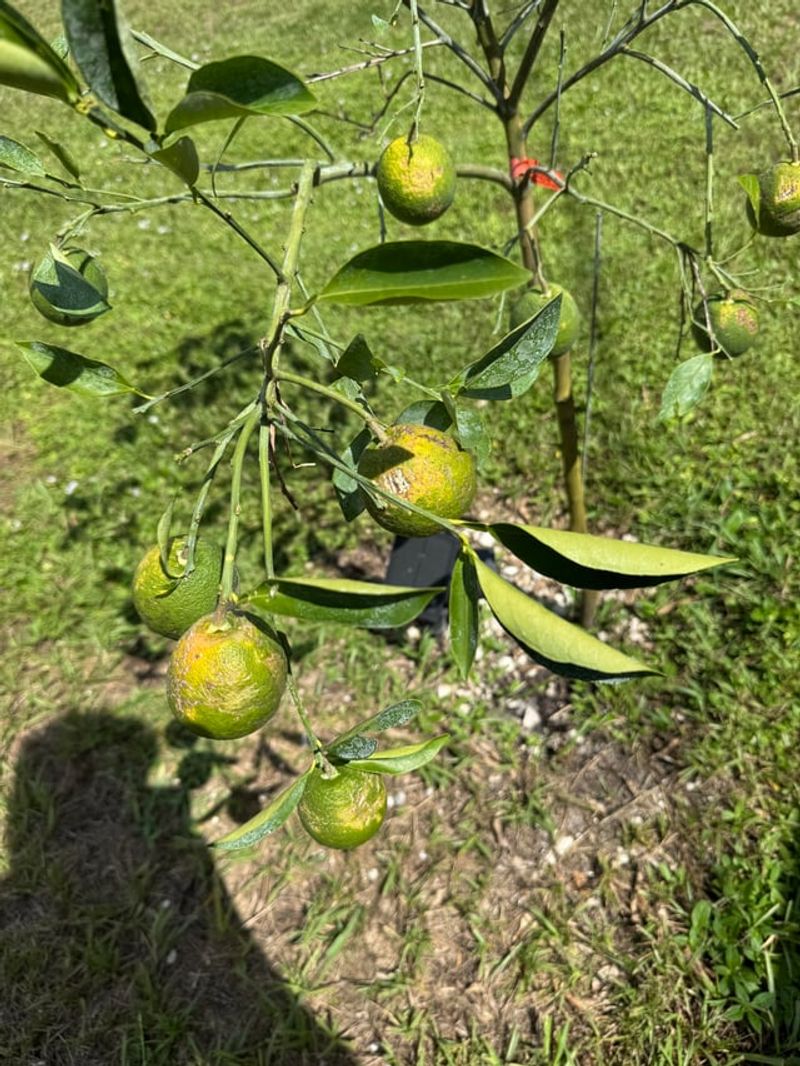
You’ve probably seen those cheerful orange trees at the nursery and thought about how amazing fresh-squeezed juice would taste. The idea of growing your own citrus feels almost magical.
Unfortunately, Oregon’s climate has other plans entirely.
Cold temperatures kill orange trees quickly and without mercy. Even a single night below freezing can cause severe damage to branches, leaves, and any developing fruit.
Valley gardeners might get through some winters unscathed, but eventually a cold snap arrives and devastates the tree. Coastal areas fare slightly better but still can’t provide the consistent warmth oranges require.
Beyond cold damage, oranges need serious heat accumulation to ripen properly. Our cool Pacific Northwest summers simply don’t deliver enough warm days.
Fruit stays green, tastes sour, and never develops the sweetness you’d expect. Even if your tree survives winter, the harvest disappoints tremendously.
Container growing and indoor wintering become necessary, but oranges are large trees that quickly outgrow practical pot sizes. Moving a heavy container tree twice yearly gets exhausting.
Indoor conditions stress the tree, inviting pests and reducing fruit production to almost nothing. After a few years of struggle, most Oregon gardeners realize oranges demand far more effort than they’re worth.
Focus instead on fruits bred for cool climates that actually reward your care with reliable harvests.
3. Peach Trees
Few things sound more appealing than biting into a sun-warmed peach from your own backyard. Nurseries stock beautiful peach varieties that promise juicy, sweet fruit.
But Oregon’s spring weather has a cruel habit of crushing those dreams right when trees start blooming.
Peaches bloom early, often when late frosts still threaten. One cold morning wipes out the entire year’s crop before fruit even begins forming.
You’ll watch your tree burst into gorgeous pink blossoms, only to see them turn brown and drop after an unexpected freeze. This heartbreaking cycle repeats year after year in many Oregon locations.
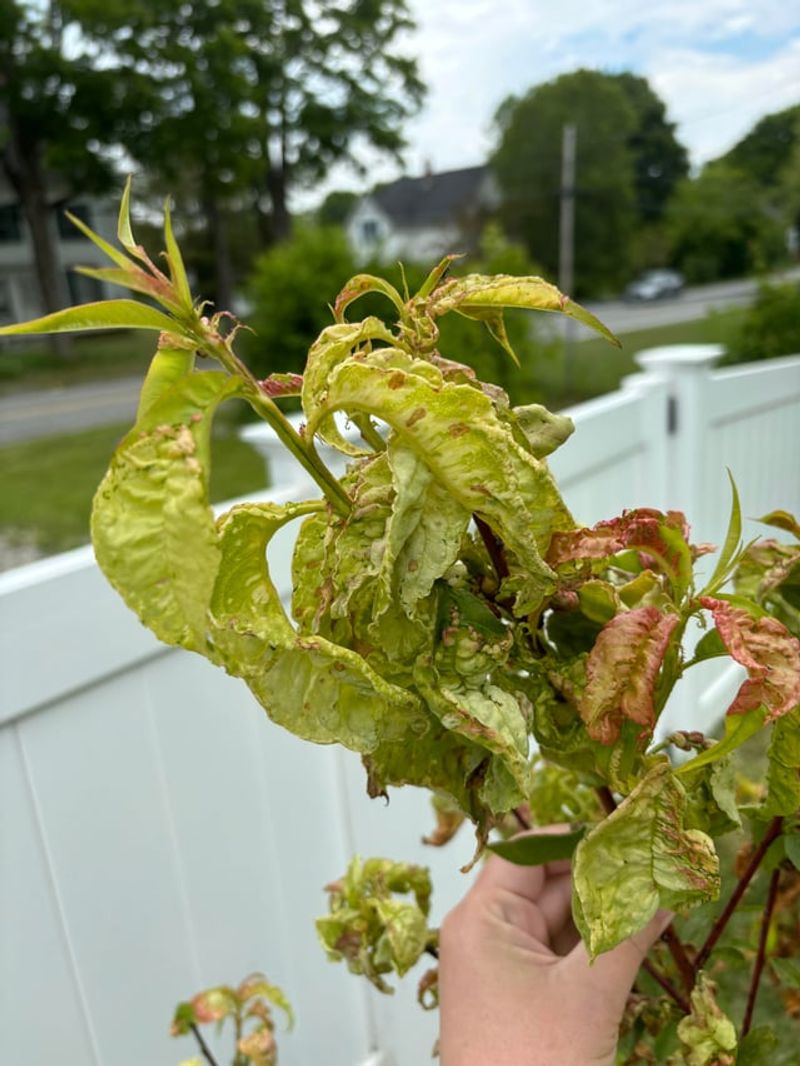
Even when frost doesn’t strike, peaches face serious disease pressure here. Our wet spring weather creates perfect conditions for peach leaf curl, a fungal disease that distorts leaves and weakens trees.
Without aggressive fungicide sprays starting before bud break, your tree will struggle with constant infections. Many organic gardeners find the chemical routine required for healthy peaches conflicts with their values.
Cool summers present another challenge. Peaches need substantial heat to develop proper sweetness and flavor.
Oregon’s moderate temperatures often leave fruit tasting bland and disappointing. Warmer microclimates and southern-facing walls help somewhat, but most backyard locations can’t provide what peaches truly need.
Gardeners eventually realize they’re fighting nature instead of working with it.
4. Apricot Trees
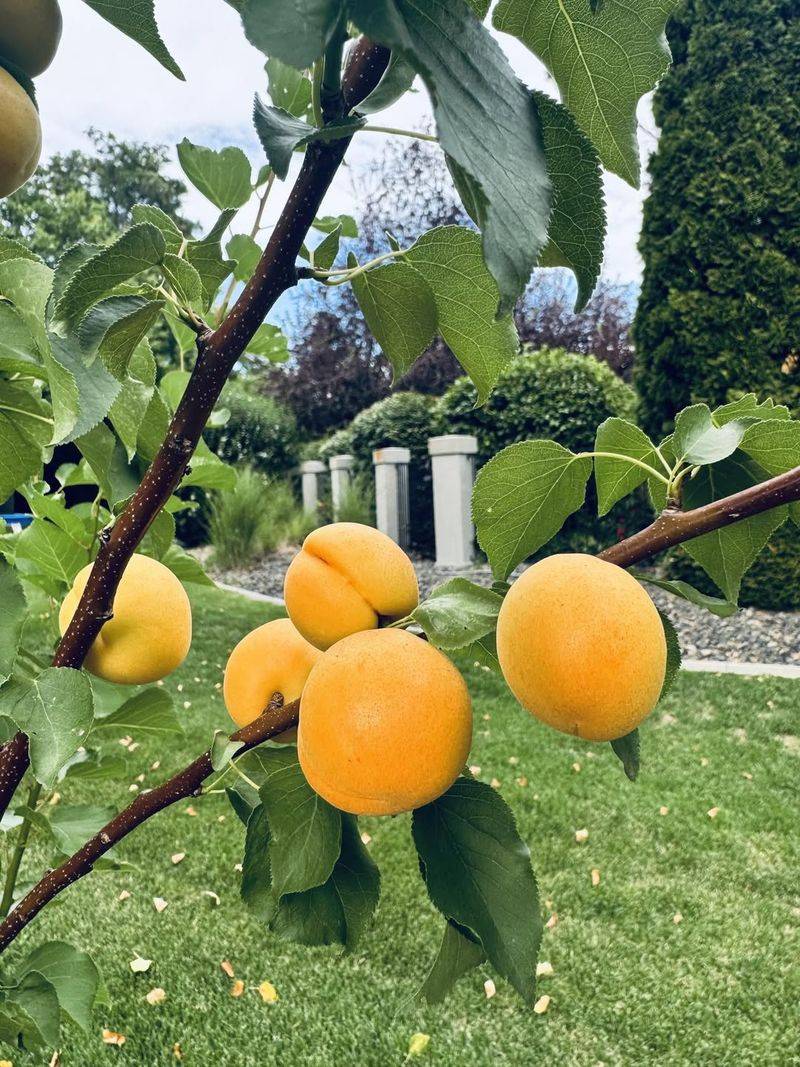
Apricots seem like such a reasonable choice at first glance. They’re smaller than peach trees, and the fruit tastes incredible when perfectly ripe.
Gardening catalogs make them look easy and productive. Then you plant one in Oregon and discover why experienced local growers avoid them.
The bloom timing issue hits apricots even harder than peaches. These trees flower extremely early, sometimes when winter barely feels finished.
Late frosts destroy blossoms with depressing regularity. You might get a decent crop once every four or five years if you’re lucky, but most seasons deliver nothing but frustration and empty branches.
Brown rot fungus loves Oregon’s damp spring conditions and attacks apricots aggressively. The disease causes fruit to rot right on the tree, creating mummified apricots that harbor infection for next year.
Wet weather during bloom also prevents proper pollination, leading to poor fruit set even when frost doesn’t strike. Fighting these problems requires intensive spray schedules that many home gardeners find overwhelming.
Even in ideal years, apricots ripen during our often-cool early summer. Without enough heat, fruit stays firm and tart instead of developing that melting, sweet perfection you’re hoping for.
The tree itself grows beautifully and looks healthy, which makes the chronic lack of edible harvest even more disappointing. After several fruitless years, most Oregon gardeners conclude apricots simply aren’t worth the space they occupy.
5. Avocado Trees
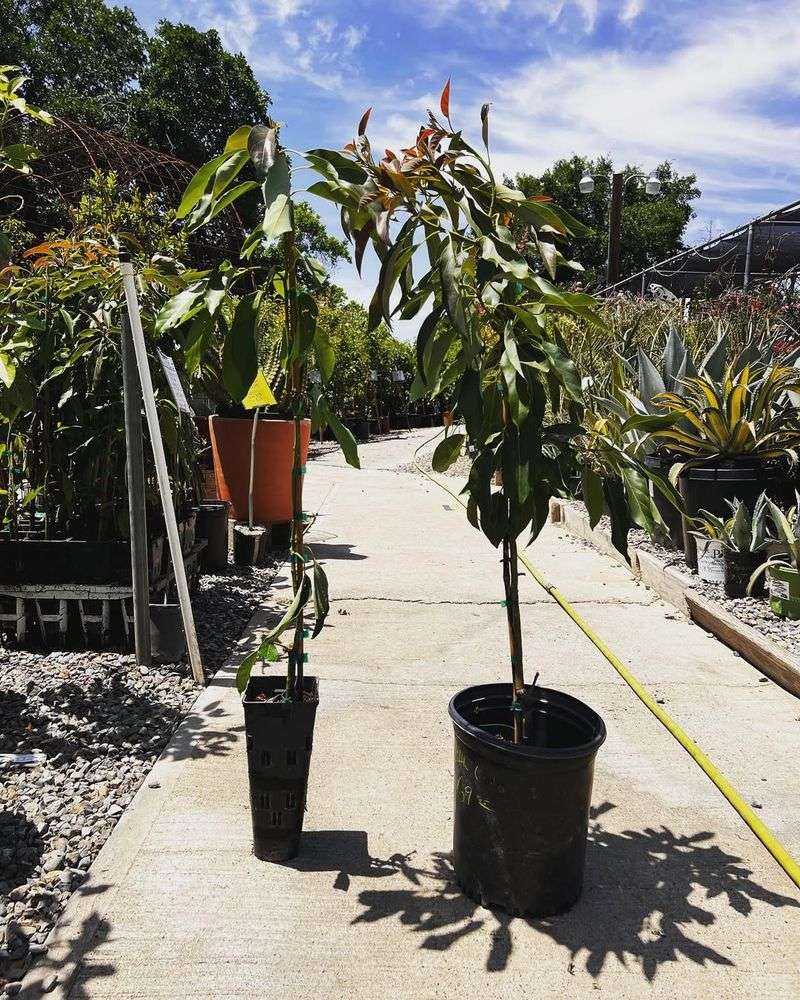
Avocado trees are becoming more popular at garden centers, and it’s easy to understand why. The idea of harvesting creamy, homegrown avocados feels exciting and modern.
But Oregon’s climate is fundamentally incompatible with avocado production. These trees evolved in warm, frost-free environments and struggle the moment temperatures dip below mild winter ranges.
Even short cold snaps cause severe leaf burn, branch dieback, and permanent structural damage. Many Oregon winters drop well below what avocados can tolerate, especially outside protected urban microclimates.
Cool summers present another major obstacle. Avocados require long, warm growing seasons to properly develop fruit.
Oregon’s mild summer temperatures simply don’t provide enough heat accumulation for reliable production.
Wet winter soils also create root problems. Avocados are extremely sensitive to standing water and heavy clay soils, which are common across much of the state.
Root rot sets in quickly, leading to declining tree health and eventual failure.
Container growing sounds like a solution, but avocado trees grow rapidly and develop large root systems that quickly outgrow practical pot sizes. Moving heavy containers indoors each winter becomes physically demanding and unsustainable long-term.
After years of effort with little or no harvest, most Oregon gardeners realize avocados are better suited to southern climates where warmth and dry winters support consistent production.
6. Fig Trees
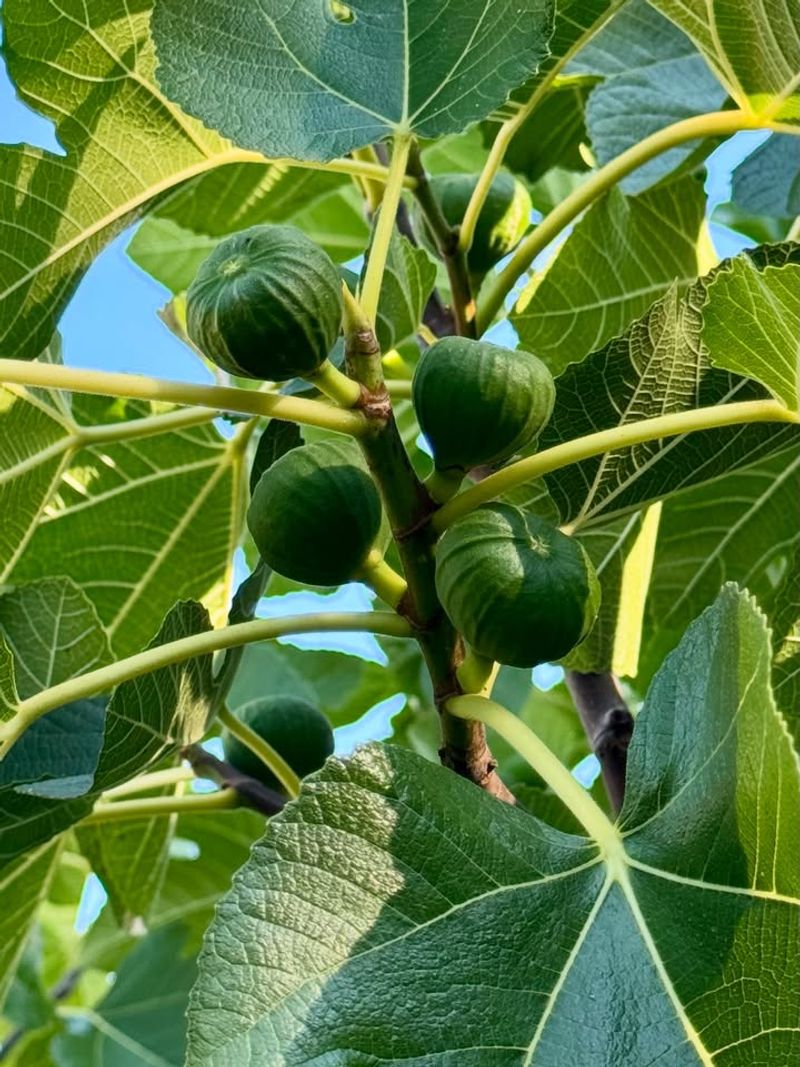
Figs have a romantic Mediterranean appeal that draws Oregon gardeners in. You imagine sitting outside eating fresh figs on warm evenings.
Nurseries often stock cold-hardy varieties that supposedly survive Pacific Northwest winters. But survival and productivity are two very different things.
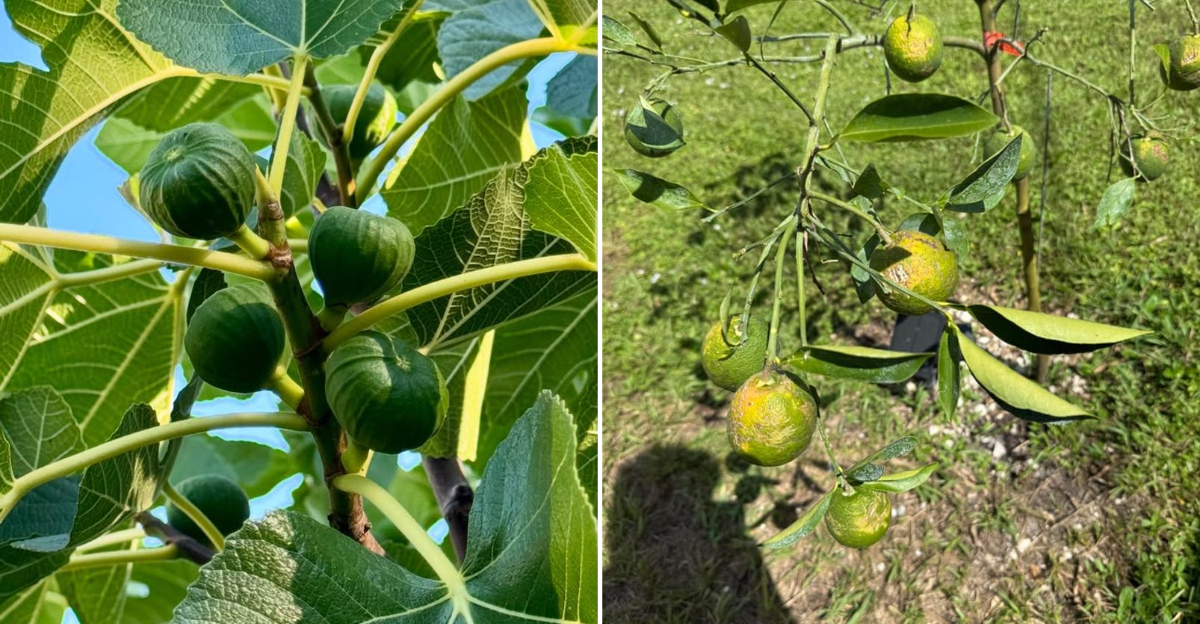
Most fig varieties need long, hot summers to ripen fruit properly. Oregon’s cool growing season means figs often stay hard and green well into fall, never developing sweetness or that jammy interior texture you’re expecting.
Even cold-hardy varieties bred for northern climates struggle to accumulate enough heat here. You’ll end up with a tree full of unripe fruit that eventually drops or rots.
Winter damage presents constant problems. Cold snaps kill branches back to the ground, forcing the tree to regrow from roots each year.
This eliminates any fruit production since figs bear on older wood. Even with heavy mulching and winter protection, maintaining a productive fig tree requires significant effort and luck.
Coastal gardeners fare slightly better, but inland areas face regular winter dieback.
Container growing helps somewhat by allowing you to move trees into protected spaces during winter. However, figs grow large quickly and demand big pots, making this approach impractical for most people.
After several seasons of green, inedible figs and winter-damaged branches, Oregon gardeners typically realize Mediterranean fruits don’t match our climate reality, no matter how appealing they seem.
7. Pomegranate Trees
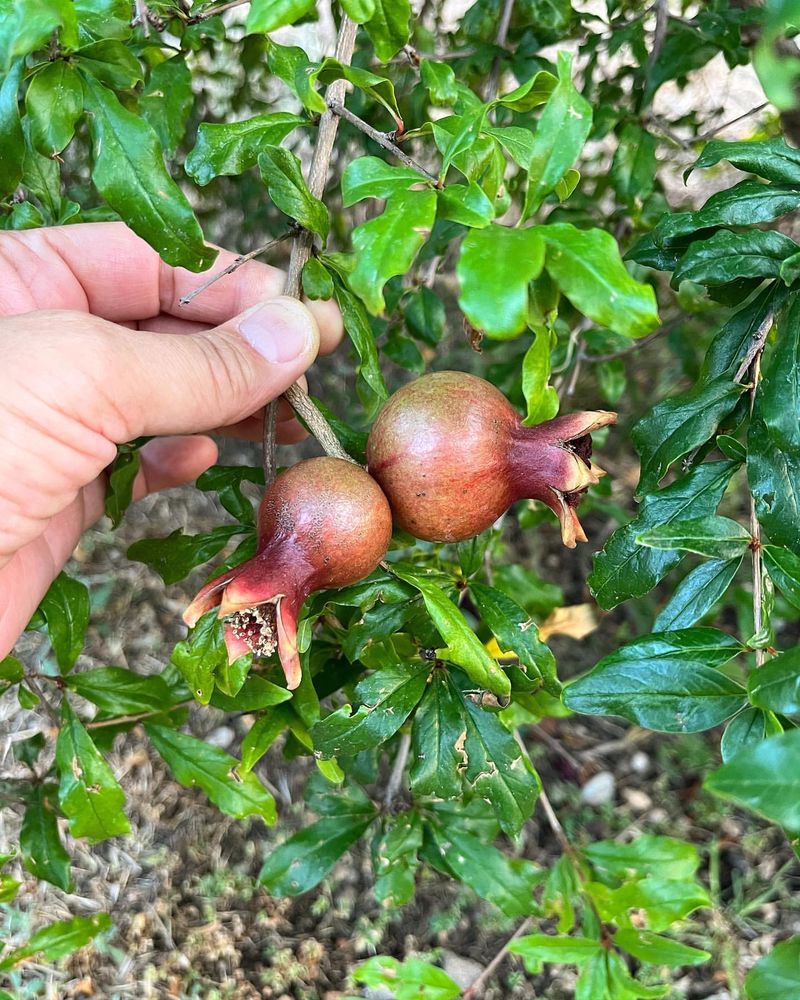
Pomegranates look stunning with their bright flowers and exotic fruit. Seeing them at the nursery makes you want to try something different and exciting.
The trees themselves are beautiful ornamentals with attractive foliage. But getting actual edible pomegranates in Oregon requires more luck than most gardeners possess.
These trees need serious heat and a long growing season to ripen fruit properly. Oregon’s cool summers leave pomegranates hard, sour, and completely unpalatable.
Even in the warmest valley microclimates, fruit rarely develops the deep red color and sweet-tart flavor that makes pomegranates worth eating. You’ll harvest rock-hard fruit in fall that never softens or sweetens no matter how long you wait.
Winter cold kills pomegranate trees outright in many Oregon locations. Even supposedly hardy varieties suffer severe dieback during typical winter temperatures.
Trees might resprout from roots come spring, but you’ll never build up the mature wood needed for good fruit production. Constant freeze damage keeps trees small and struggling.
Container growing becomes necessary for most Oregon gardeners attempting pomegranates. This means hauling heavy pots indoors each fall and providing adequate winter storage space.
Even with this effort, fruit production remains minimal and quality stays disappointing. After years of work for inedible harvests, most people realize pomegranates belong in hot, dry climates, not the Pacific Northwest.
Focus your energy on fruits that actually reward you with delicious, reliable crops.
8. Olive Trees
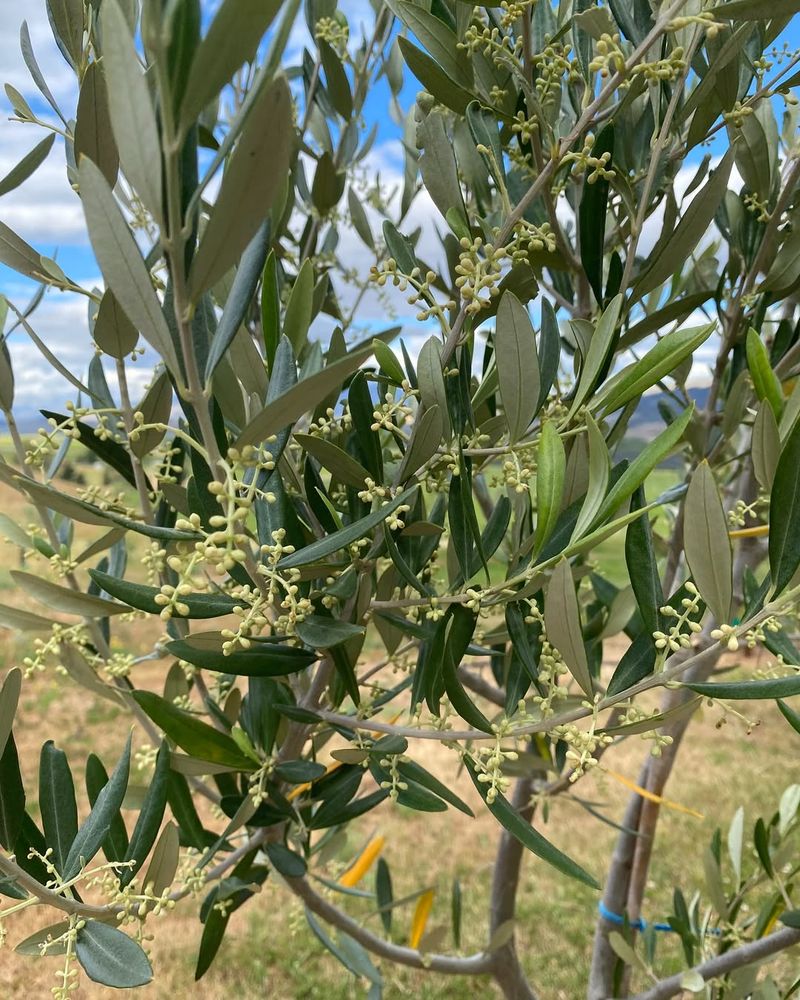
The dream of making your own olive oil or curing your own olives sounds wonderfully self-sufficient. Some nurseries even sell cold-hardy varieties marketed for northern climates.
But Oregon’s conditions clash fundamentally with what olives need.
Olives require hot, dry summers and mild winters, essentially the opposite of what we have. Our cool, damp growing season prevents proper fruit development and ripening.
Even if your tree survives and produces olives, they’ll likely stay small, bitter, and never reach the quality needed for eating or oil production. The fruit needs specific heat accumulation that Oregon simply doesn’t deliver.
Winter cold kills olive trees regularly across most of Oregon. Even brief temperature drops below the mid-teens can cause severe damage or death.
Valley areas occasionally provide mild enough conditions for survival, but productive cropping remains nearly impossible.
Wet winter soil also causes root problems since olives evolved in Mediterranean climates with dry winters.
You might keep an olive tree alive as an ornamental in a protected microclimate or container, but expecting a harvest sets you up for disappointment. The tree becomes an expensive decoration rather than a productive food source.
After investing years hoping for olives that never materialize, most Oregon gardeners conclude these trees belong in climates that actually suit them.
Choose fruits bred for cool, wet regions instead of fighting nature season after season.
9. Almond Trees
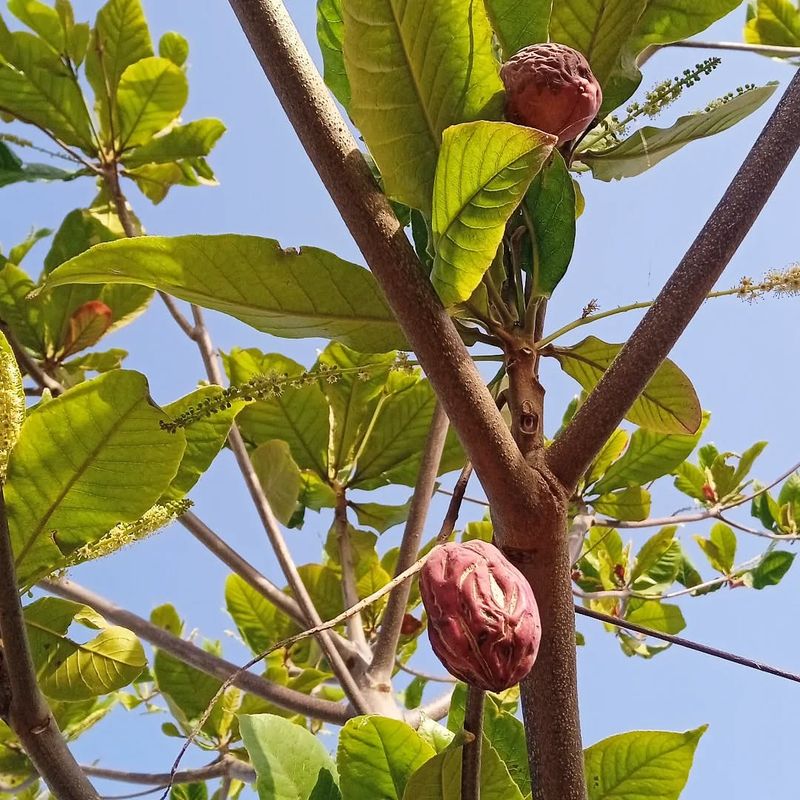
Almond blossoms rank among the most beautiful sights in early spring, and the idea of harvesting your own nuts sounds fantastic. Nurseries sometimes stock almond trees, and gardeners get tempted by the novelty.
But California’s Central Valley and Oregon’s Willamette Valley might as well be different planets when it comes to growing almonds.
Almonds bloom extremely early, making them incredibly vulnerable to frost damage. Oregon’s unpredictable spring weather destroys blossoms almost every single year.
Even one cold night after bloom starts eliminates any chance of harvest. You’ll enjoy pretty flowers for a few days, then watch frost turn them brown and worthless.
Actual nut production happens so rarely it becomes nearly mythical.
These trees also need hot, dry summers to properly mature nuts. Oregon’s cool, often-damp conditions prevent kernels from developing correctly.
Moisture during the growing season promotes hull rot and other fungal problems. Commercial almond production requires specific climate conditions we simply cannot provide, no matter how carefully you choose your planting location.
Even if you somehow got almonds to form, they’d likely stay small and poorly filled. The effort required for such minimal and unreliable returns makes no practical sense.
Almond trees become purely ornamental in Oregon, providing brief spring beauty but zero food value. After several fruitless years, gardeners realize they’re maintaining a tree that will never deliver on its promise.
Better to plant nut trees actually suited to our climate.
10. Nectarine Trees
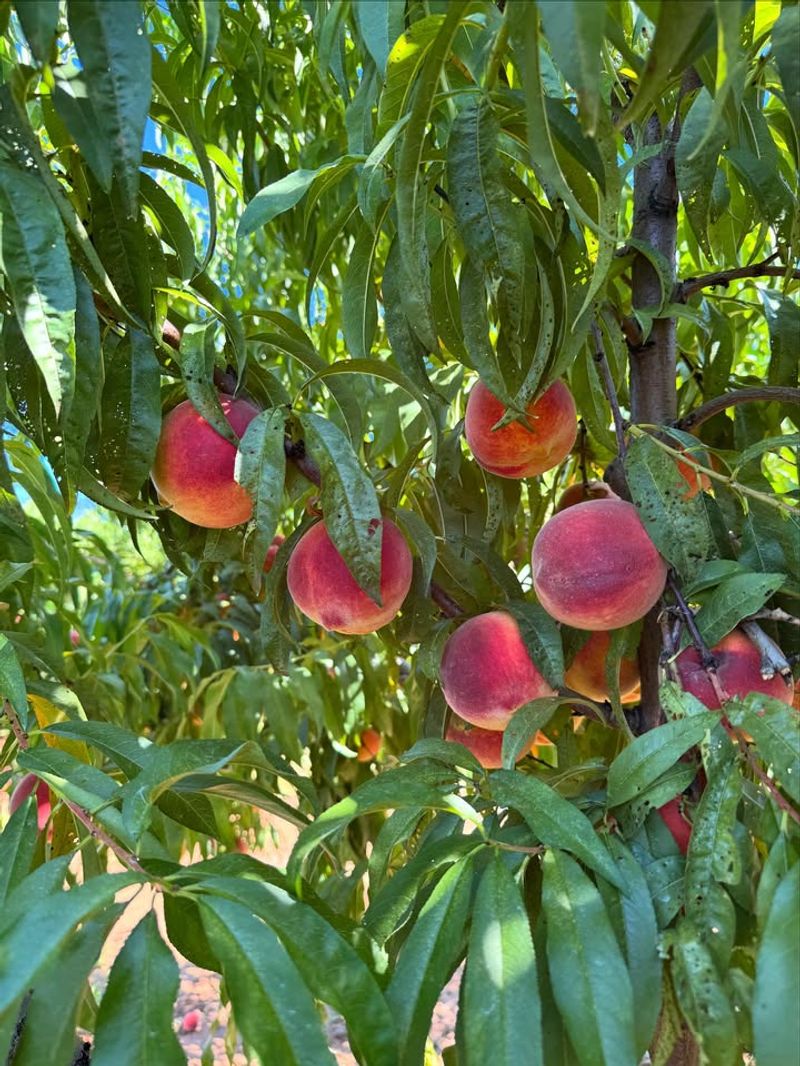
Nectarines are basically fuzzless peaches, so you’d think their challenges would be identical. They are, but somehow nectarines manage to be even more frustrating.
Gardeners attracted to that smooth skin and sweet flavor quickly discover these trees combine all of peach’s problems with a few extra headaches thrown in.
Early blooming makes nectarines extremely frost-vulnerable just like peaches. Late spring cold snaps wipe out crops with depressing regularity.
But nectarines seem even more sensitive to temperature fluctuations, with flowers aborting from weather stress even when frost doesn’t technically occur. You’ll see blossoms drop for seemingly no reason, leaving branches bare and fruitless.
Disease pressure hits nectarines harder than almost any other fruit tree in Oregon. Peach leaf curl attacks aggressively, and brown rot devastates any fruit that manages to form.
The smooth skin that makes nectarines attractive also makes them more susceptible to cracking and insect damage. Wet spring weather during bloom promotes fungal problems that plague trees all season long.
Cool summers prevent proper ripening even in good years. Fruit stays hard and tart, never developing that juicy sweetness that makes nectarines worthwhile.
Many Oregon gardeners report their nectarines taste more like sour apples than stone fruit. After battling disease, frost, and disappointing harvests year after year, most people give up and remove these trees.
Focus instead on fruits that actually thrive in our unique Pacific Northwest conditions without constant struggle and heartbreak.