10 Fruit Trees That Grow Quickly In Georgia Home Gardens
Georgia’s long growing season gives fruit trees a head start that many gardeners in other states can only wish for. Warm springs and hot summers push young trees to establish and produce faster than expected.
For home gardens across Georgia, quick-growing fruit trees feel especially rewarding. They turn patience into harvests sooner, which keeps motivation high.
Many gardeners are surprised by how fast certain fruit trees take off once planted in Georgia soil.
Fast growth matters because it means earlier shade, earlier fruit, and less waiting to see results.
In Georgia yards, quicker-growing trees also bounce back faster from pruning and seasonal stress. That resilience makes them easier to manage year after year.
Backyard space feels more useful when fruit trees start filling out instead of sitting bare. Growth you can see builds confidence with every season.
Choosing the right fast-growing tree helps Georgia gardeners enjoy fresh fruit without years of waiting.
1. Peach Trees
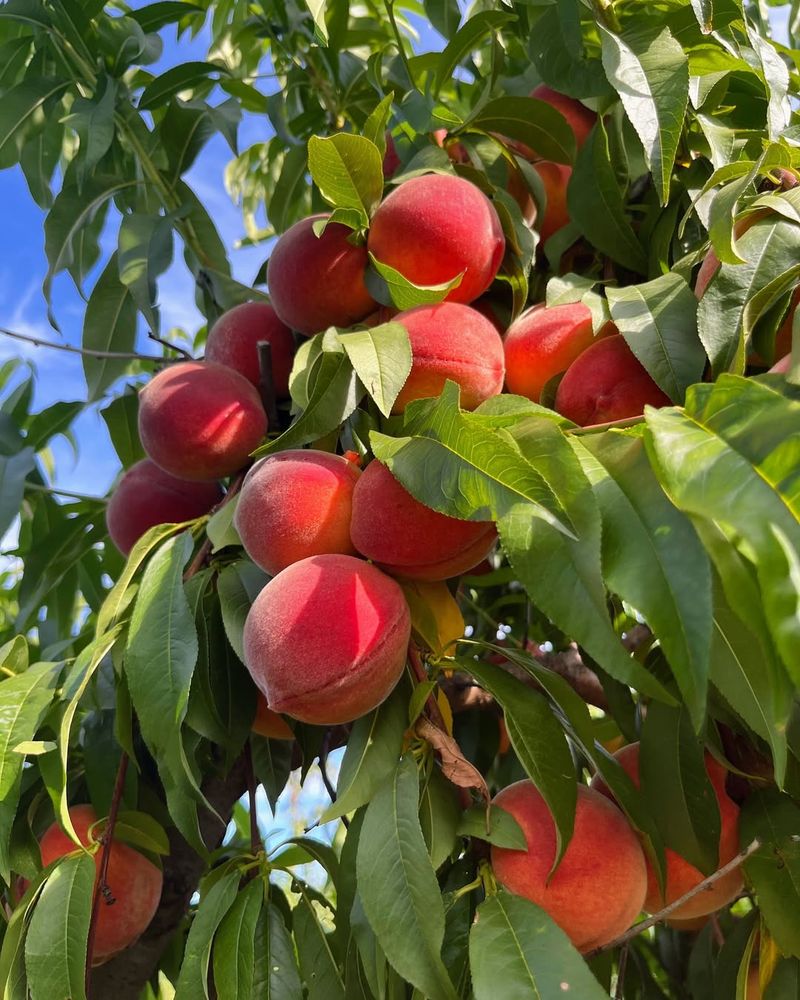
Nothing says summer in Georgia quite like biting into a juicy, sun-warmed peach fresh from the tree.
This state is famous for its peaches, and for good reason—the climate here creates ideal conditions for these beloved fruit trees.
Most peach varieties will start producing fruit within just two to three years after planting, which makes them a fantastic choice for gardeners who want results without endless waiting.
Georgia gardeners should look for low-chill varieties that need fewer cold hours during winter to set fruit properly.
Varieties like Elberta, Georgia Belle, and Redhaven perform exceptionally well across the state. Peach trees love full sun and need at least six to eight hours of direct sunlight daily to thrive and produce abundant crops.
Proper care includes regular watering during dry spells and annual pruning to maintain good air circulation through the branches.
Fertilize in early spring with a balanced fruit tree fertilizer to encourage healthy growth.
Watch for common pests like peach tree borers and treat them promptly to keep your trees productive for many years ahead.
With consistent care and the right variety, peach trees reward Georgia gardeners with reliable harvests that feel well worth the effort each growing season.
2. Fig Trees
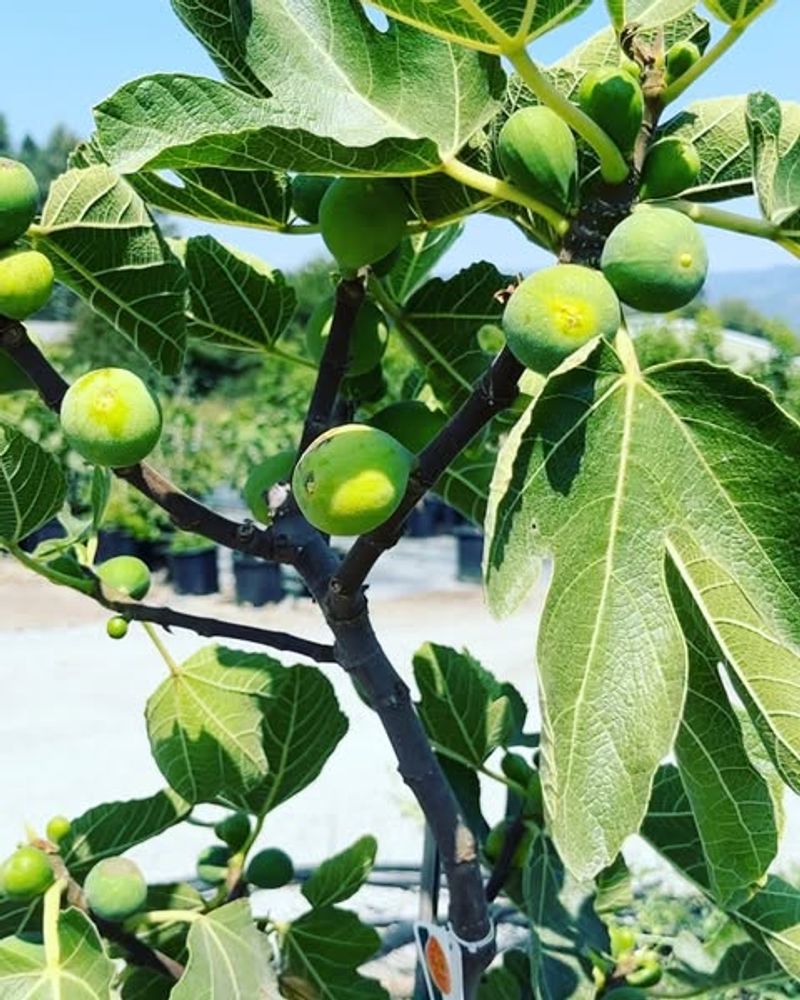
Few fruit trees match the fig when it comes to rapid growth and quick fruit production in Georgia. Many gardeners see their first harvest during the very first or second season after planting, making figs one of the fastest producers you can grow.
These Mediterranean natives adapt beautifully to Georgia’s climate, thriving in the warm summers and tolerating the mild winters common throughout most of the state.
Brown Turkey and Celeste are two varieties that perform particularly well for Georgia home gardeners. Both types produce sweet, delicious fruit that you can eat fresh, dry, or preserve for later enjoyment.
Fig trees prefer well-drained soil and full sun exposure, though they can tolerate some afternoon shade in hotter regions of Georgia.
Maintenance is refreshingly simple compared to many other fruit trees. Water regularly during establishment and dry periods, but figs are fairly drought-tolerant once their roots take hold.
Minimal pruning is needed, mainly to remove damaged branches or control size.
Mulch around the base helps retain moisture and regulate soil temperature throughout Georgia’s changing seasons.
Because they require little attention once established, fig trees are an excellent option for Georgia gardeners who want dependable fruit without intensive upkeep.
3. Apple Trees
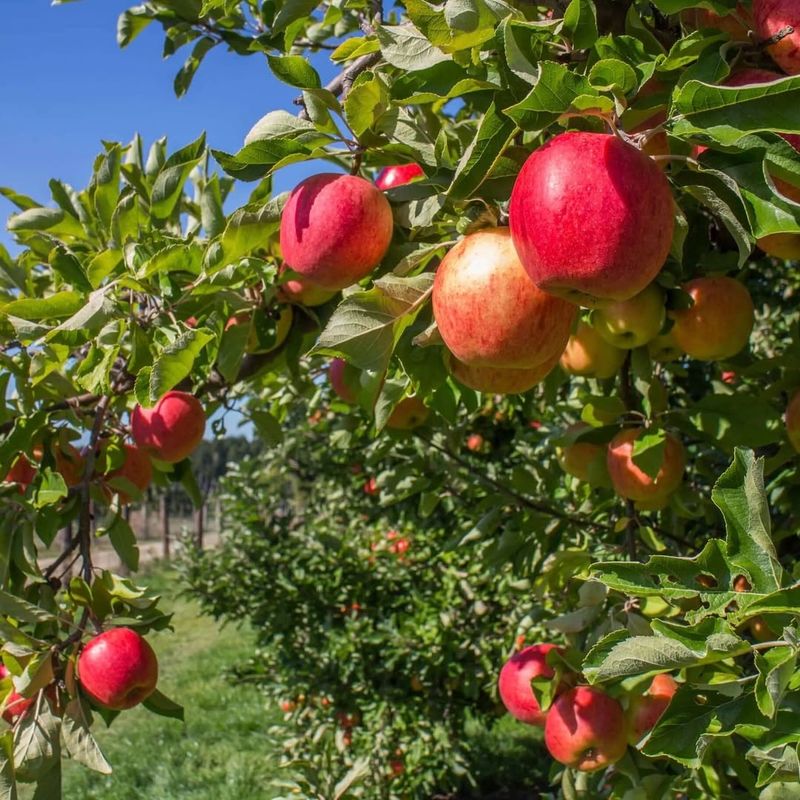
Crisp autumn mornings in Georgia call for fresh apples, and you can grow your own with surprising ease. While apples have a reputation for being finicky, choosing the right varieties makes all the difference for Southern gardeners.
Low-chill apple cultivars bred specifically for warmer climates will begin bearing fruit within three to four years of planting in Georgia yards.
Look for varieties like Anna, Dorsett Golden, and Gala, which all require fewer chill hours than traditional Northern apples.
These trees need full sun and well-drained soil enriched with organic matter. Plant at least two different varieties to ensure proper cross-pollination, which significantly improves fruit set and quality throughout Georgia growing regions.
Regular care includes watering during dry spells and applying mulch to keep roots cool during hot Georgia summers.
Prune annually in late winter to maintain an open center that allows sunlight to reach all branches. Watch for common issues like apple scab and fire blight, which can affect trees in Georgia’s humid climate.
Preventive sprays and good sanitation practices keep trees healthy and productive for many seasons.
With the right varieties and steady care, apple trees can become a reliable and rewarding addition to Georgia home gardens year after year.
4. Persimmon Trees
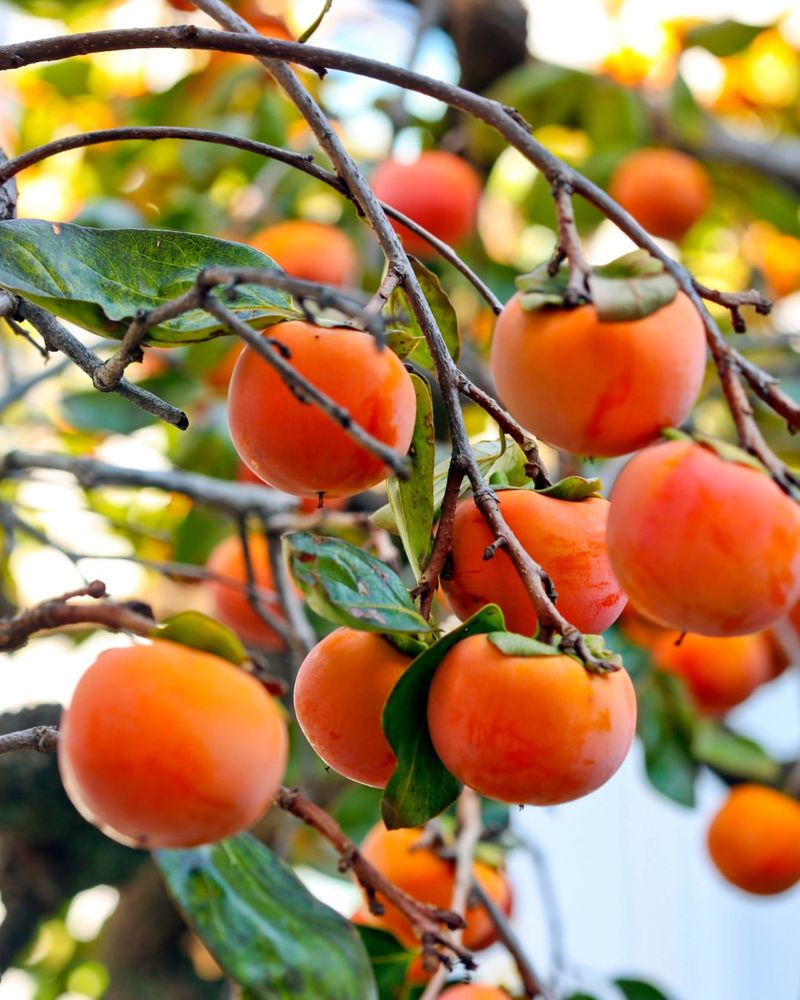
Bright orange persimmons hanging from bare branches create a stunning fall display in Georgia landscapes.
Native American persimmons grow wild throughout the state, but cultivated Asian varieties offer larger fruit and faster production for home gardeners.
These adaptable trees often begin producing within three to four years and can handle a wide range of soil conditions found across Georgia.
Fuyu and Jiro are popular non-astringent varieties that you can eat while still firm, unlike traditional persimmons that must fully ripen. American varieties like Meader also perform excellently in Georgia, producing smaller but intensely flavorful fruit.
Persimmon trees tolerate partial shade but produce more abundant crops in full sun locations throughout the state.
Once established, persimmons are remarkably low-maintenance and drought-tolerant, perfect for busy Georgia gardeners.
They rarely need fertilizing and have few serious pest problems. Minimal pruning is required, mainly to shape young trees and remove crossing branches.
The trees are also quite cold-hardy, easily handling Georgia’s winter temperatures while thriving in the summer heat that would stress many other fruit species.
5. Pear Trees
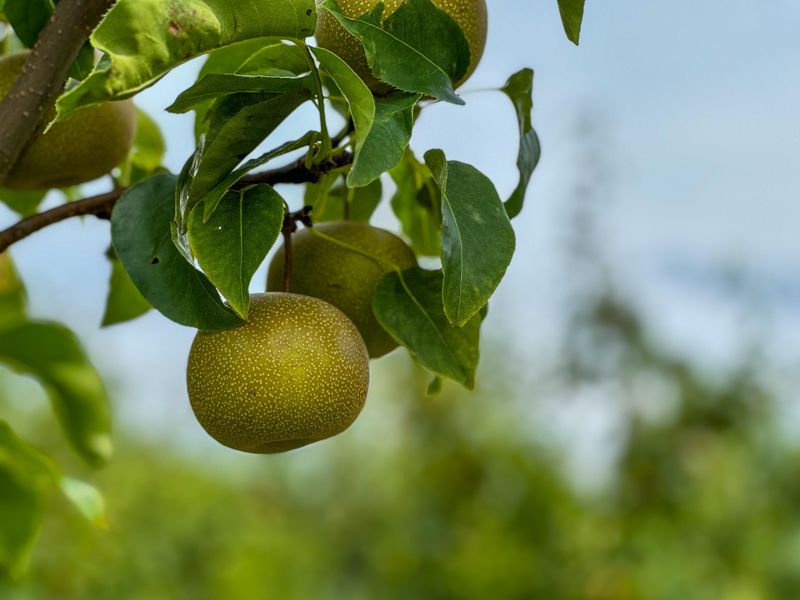
Elegant pear trees bring both beauty and bounty to Georgia home gardens with their spring blossoms and delicious fall harvests.
Southern varieties adapted to Georgia’s climate will typically start producing fruit within four to five years after planting. These trees are generally easier to grow than apples and face fewer pest problems in Georgia’s conditions.
Orient, Kieffer, and Ayers are excellent choices for Georgia gardeners, offering good disease resistance and heat tolerance.
Like apples, pears benefit from cross-pollination, so plant at least two compatible varieties for best results. Full sun and well-drained soil are essential for healthy growth throughout Georgia’s diverse regions.
Pear trees need consistent moisture, especially during fruit development in Georgia’s hot summers. Mulching helps retain soil moisture and keeps roots cooler during peak heat.
Prune in late winter to maintain a strong central leader and remove any diseased or damaged wood.
Fire blight can affect pears in Georgia, so choose resistant varieties and remove infected branches promptly. With proper care, your pear trees will reward you with bushels of sweet, juicy fruit for decades.
6. Plum Trees
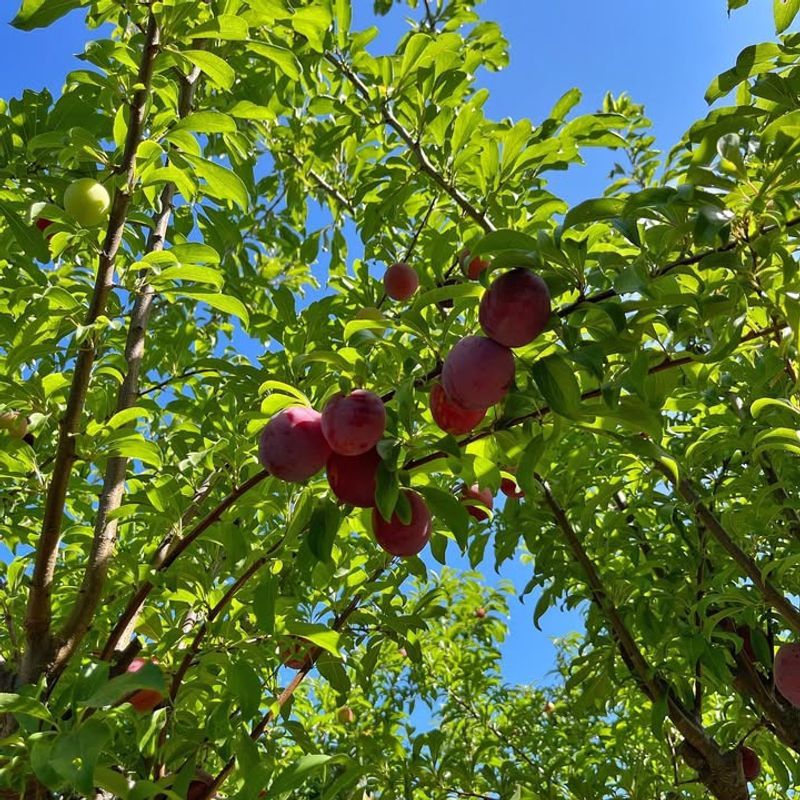
Juicy plums fresh from your own tree are a summertime treat that Georgia gardeners can enjoy with minimal wait time.
Japanese plum varieties grow particularly fast in Georgia’s climate and often produce their first crop within just two to three years.
These trees burst into gorgeous bloom each spring before leafing out, adding ornamental value alongside their productive nature.
Methley, AU Roadside, and Bruce are top performers for Georgia conditions, offering excellent flavor and reliable production.
Japanese plums are self-fertile, meaning you can plant just one tree and still get fruit, though yields improve with a pollination partner. Choose a sunny location with good drainage to give your plum trees the best start in Georgia soil.
Water regularly during the growing season, especially when fruit is developing during Georgia’s hot, dry summer months.
Thin fruit when plums are still small to prevent branch breakage and improve fruit size and quality. Prune annually to maintain an open center that improves air circulation and sunlight penetration.
Plum curculio can be a pest in Georgia, so consider protective sprays or bagging fruit to ensure a clean harvest.
7. Satsuma Orange Trees
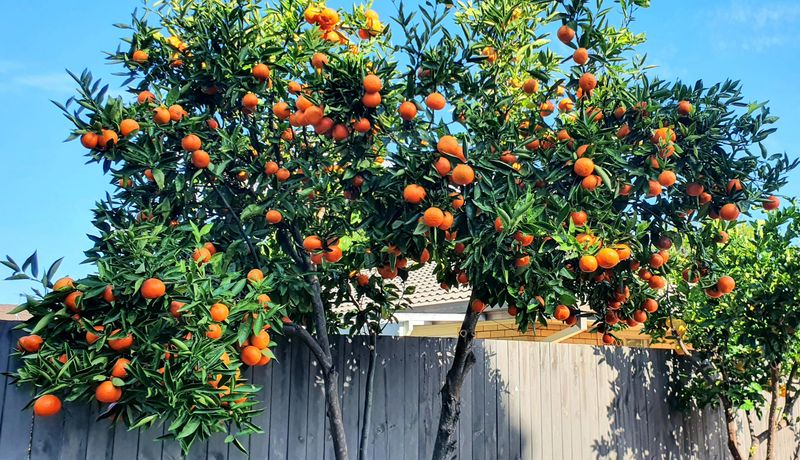
Citrus in Georgia might sound impossible, but satsuma oranges prove otherwise for gardeners in the southern parts of the state.
These cold-hardy citrus trees can tolerate temperatures down to about 15 degrees Fahrenheit, making them viable in Georgia’s coastal regions and warmer inland areas.
Satsumas begin producing fruit remarkably quickly, often within two to three years of planting.
Owari is the most popular satsuma variety for Georgia, producing sweet, easy-to-peel fruit that ripens in late fall and early winter.
Plant in the warmest, most protected spot in your Georgia yard, ideally near a south-facing wall that provides extra warmth and wind protection. Well-drained soil is absolutely essential since citrus roots cannot tolerate standing water.
Container growing is an excellent option for Georgia gardeners outside the warmest zones, allowing you to move trees indoors during hard freezes.
Water consistently but avoid overwatering, which causes root problems. Fertilize with citrus-specific fertilizer during the growing season.
Protect young trees with frost blankets when temperatures threaten to drop below 20 degrees. With proper care, your satsuma will provide fresh citrus when most Georgia fruit trees are dormant.
8. Mulberry Trees
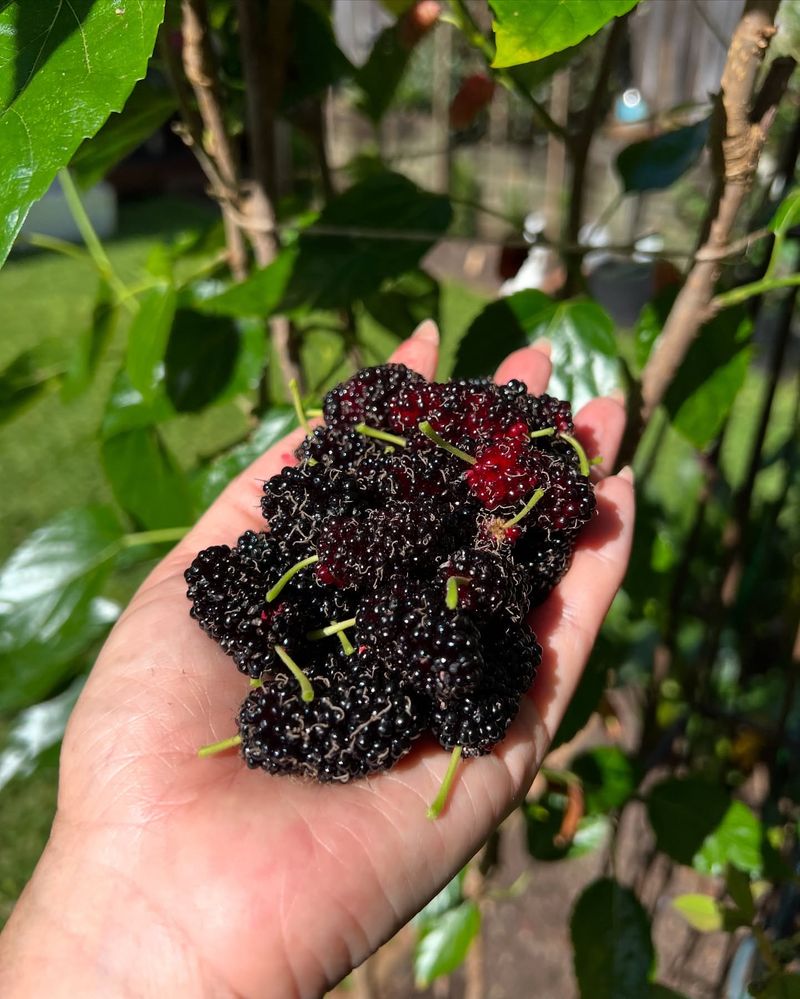
Fast-growing mulberry trees are champions of quick production in Georgia home gardens. Many varieties start bearing fruit during their very first or second year after planting, making them ideal for impatient gardeners who want results fast.
These adaptable trees tolerate a wide range of soil conditions throughout Georgia and grow vigorously in the state’s warm, humid climate.
Black mulberries offer the best flavor, though Illinois Everbearing is a popular choice that produces over an extended season in Georgia.
Mulberry trees grow quickly, often adding several feet of height each year, and can reach full size within just a few years. They prefer full sun but tolerate partial shade better than most fruit trees, making them versatile for various Georgia yard situations.
Maintenance is minimal since mulberries are remarkably self-sufficient once established in Georgia landscapes.
They rarely need fertilizing and have few serious pest or disease problems. Water during extended dry periods, though mature trees handle drought well.
Be aware that ripe berries can stain patios and sidewalks, so plan placement carefully.
Birds love mulberries too, which can be a benefit for wildlife enthusiasts or a challenge for those wanting to harvest every berry.
9. Pomegranate Trees
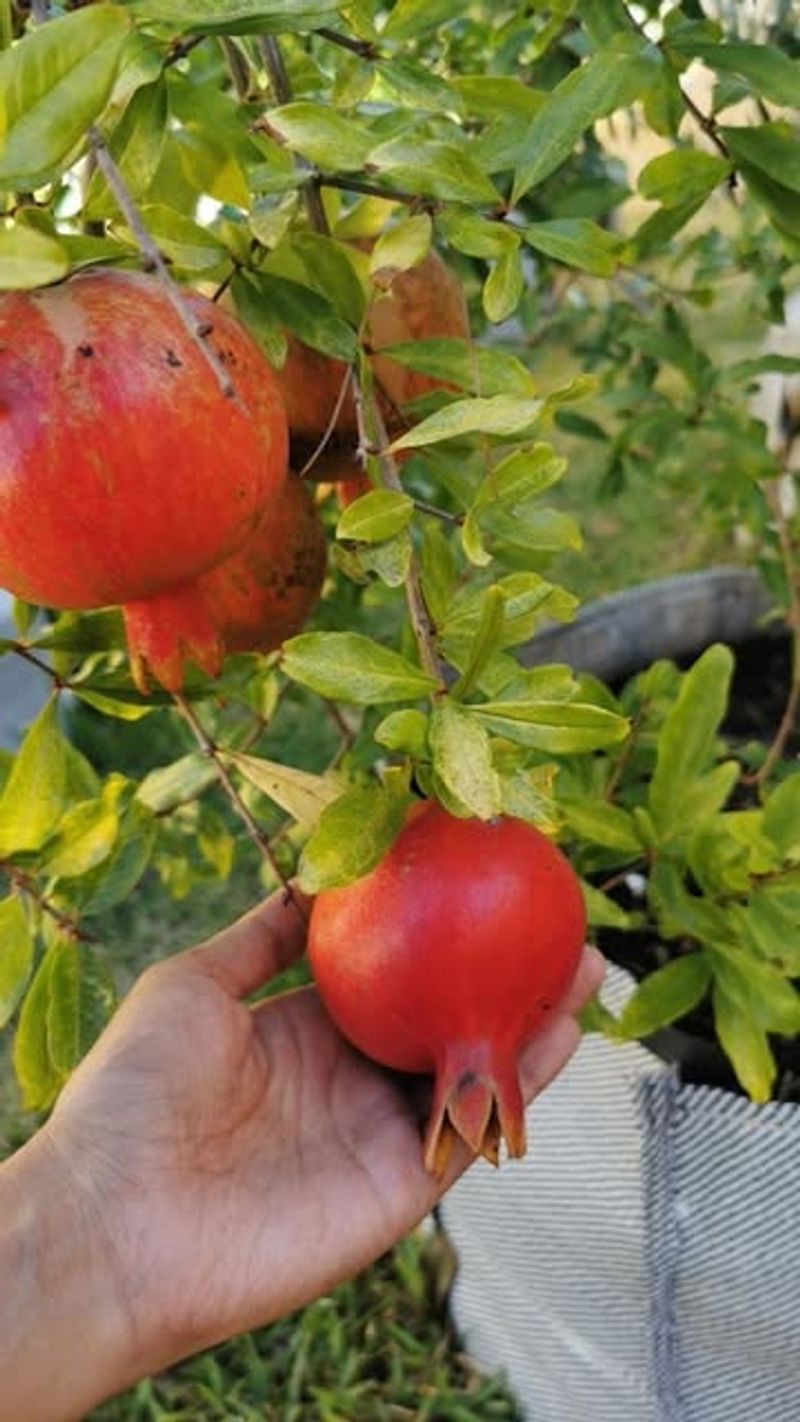
Exotic pomegranates bring a touch of Mediterranean flair to Georgia gardens while producing fruit faster than many traditional orchard trees.
These shrubby trees typically begin bearing within two to three years and thrive in Georgia’s hot summers. Pomegranates are remarkably heat and drought-tolerant once established, making them perfect for low-maintenance Georgia landscapes.
Wonderful is the most widely grown variety, producing large, ruby-red fruit with excellent flavor. Other varieties like Eversweet offer different flavor profiles for adventurous
Georgia gardeners to explore.
Plant in full sun with well-drained soil for best results throughout the state. Pomegranates actually prefer lean soil and don’t need rich, heavily amended conditions like many other fruit trees.
Water regularly during the first growing season to establish strong roots, then reduce watering as trees mature in Georgia’s climate.
Too much water during fruit ripening can cause fruit to split. Prune to maintain a tree form or allow natural shrubby growth depending on your landscape goals.
Pomegranates have few pest problems in Georgia and are quite cold-hardy for a subtropical fruit, tolerating winter temperatures throughout most of the state with ease.
10. Jujube Trees
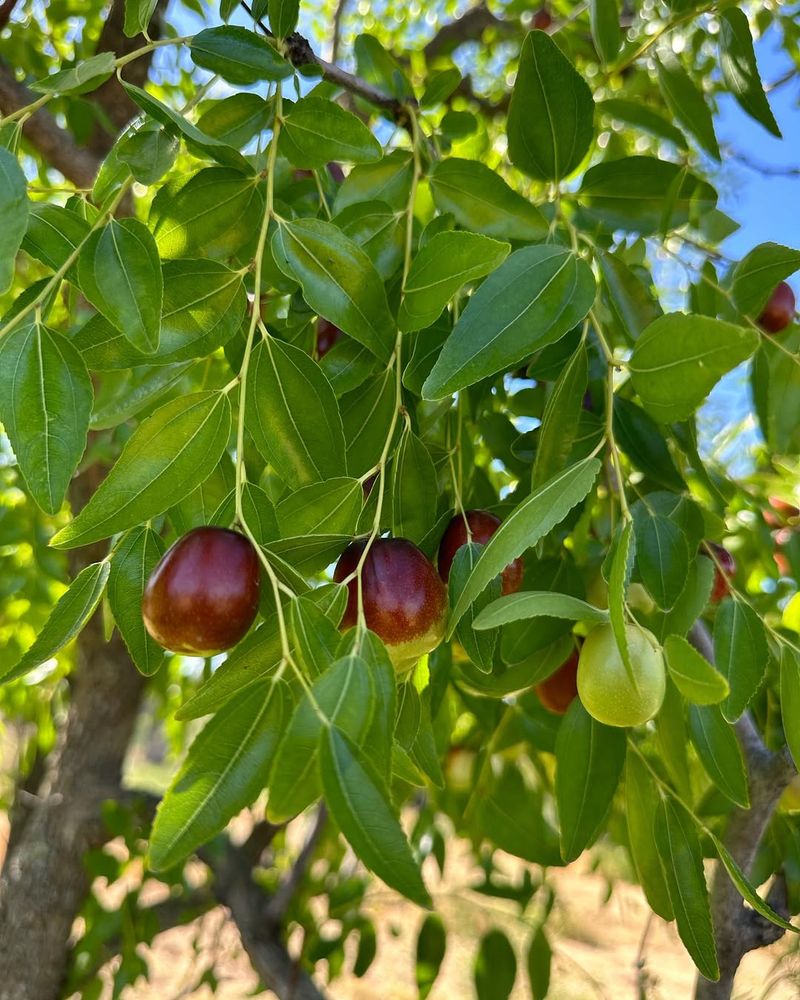
Often called Chinese dates, jujubes are an underappreciated fruit tree that performs exceptionally well in Georgia’s climate.
These tough trees produce their first crop within three to four years and handle heat, drought, and poor soil better than almost any other fruit tree you can grow.
Jujubes thrive in Georgia’s long, hot summers, which bring out the best sweetness in the apple-like fruit.
Li and Lang are two excellent varieties for Georgia gardeners, producing large, crisp fruit that tastes similar to apples when fresh.
Dried jujubes develop a date-like sweetness and chewy texture. Plant in full sun with well-drained soil anywhere in Georgia.
These trees are remarkably adaptable and will grow in sandy, clay, or rocky soils that challenge other fruit species.
Minimal care is needed once jujubes are established in Georgia landscapes. They’re highly drought-tolerant and rarely need supplemental watering after the first year.
Fertilizing is usually unnecessary unless growth seems particularly slow. Prune lightly to shape and remove dead wood.
Jujubes have virtually no pest or disease problems in Georgia, making them perfect for organic gardeners. The trees also provide lovely shade and attractive, glossy foliage throughout the growing season.