8 Fruit Trees That Should Be Sprayed Before Bud Break In Arizona
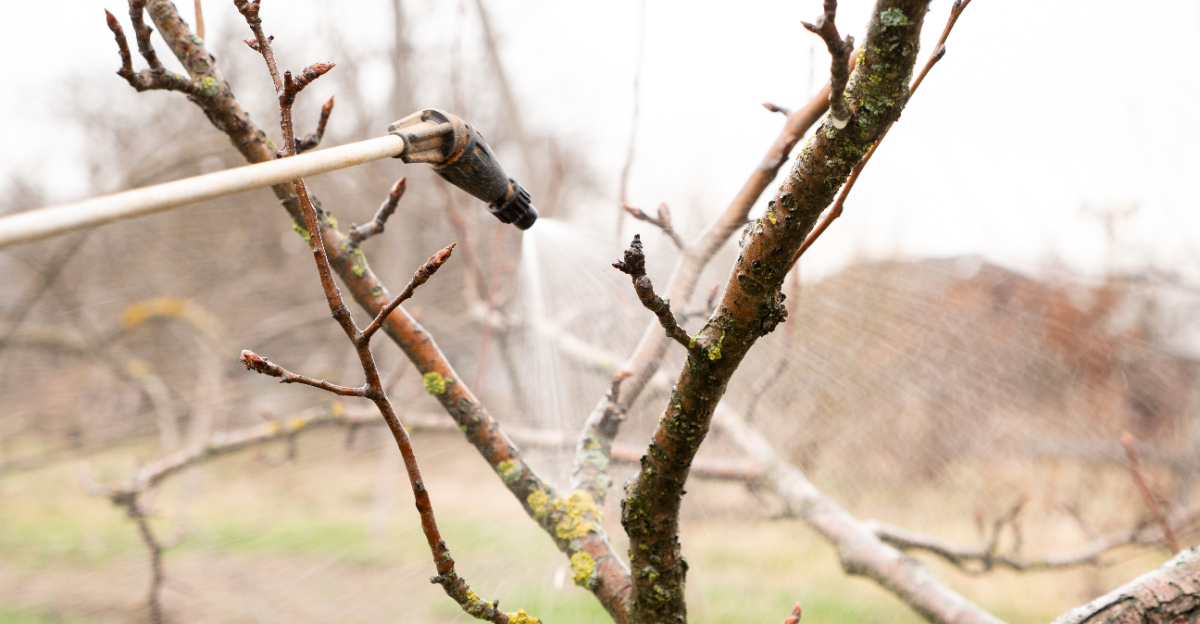
Your Arizona fruit trees are quietly preparing for spring right now, and if you miss the proper spray timing, pests and diseases can take hold before the buds even open.
Bud break is the critical window when sprays protect next season’s growth, and getting it right can make the difference between a healthy, productive tree and a frustrating harvest.
This early-season care is especially important in Arizona’s climate, where warm days can encourage insects and fungal spores to emerge quickly.
Trees like apples, peaches, and pears benefit from targeted sprays before the buds swell, helping them withstand summer heat and remain strong through fruiting.
Knowing exactly when and how to spray ensures your orchard or backyard trees start the season protected. With careful timing, you set your fruit trees up for stronger growth, larger harvests, and a healthier, more reliable crop throughout the year.
1. Apple Trees Need Protection Before Spring Growth Starts In Arizona
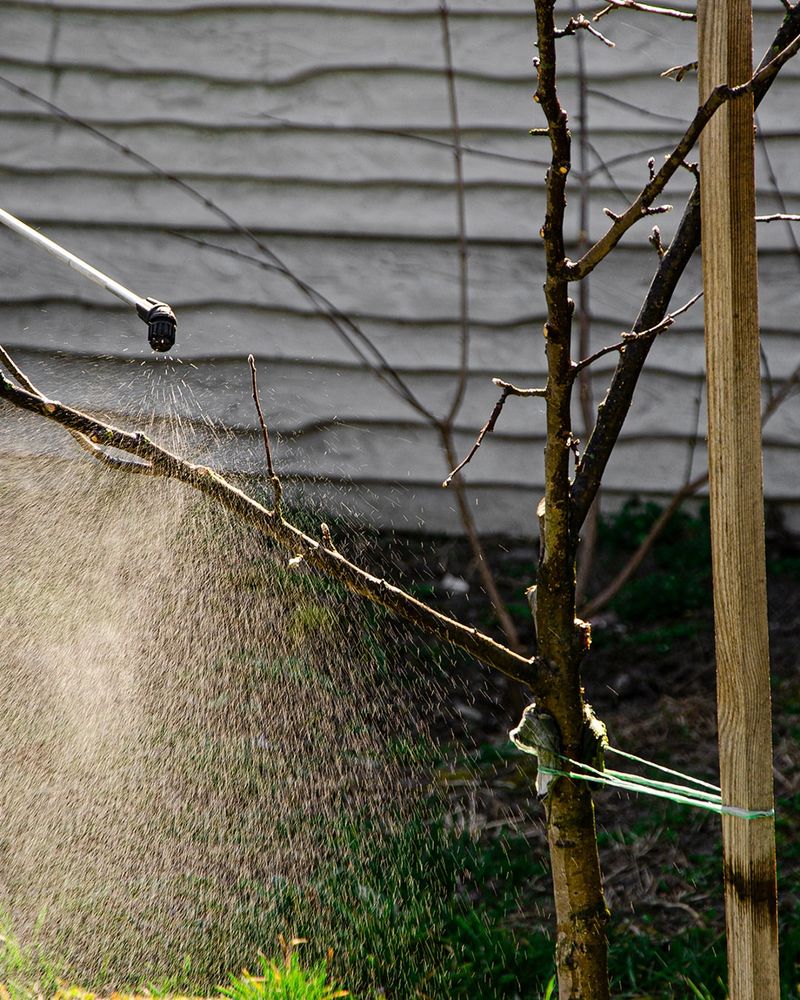
Apple trees in Arizona wake up earlier than their counterparts in cooler climates, making timing absolutely crucial for dormant oil applications. Temperatures can shift rapidly across the state, and once those buds start swelling, your window closes fast.
Applying horticultural oil or copper-based sprays during true dormancy smothers overwintering insects and fungal spores that would otherwise explode into full-blown infestations come April.
Codling moth larvae, aphid eggs, and scale insects hide in bark crevices all winter long, waiting for warmth to activate them. A thorough spray coating every branch and trunk crevice interrupts their life cycle before they can damage developing fruit.
Arizona’s dry climate helps, but it doesn’t eliminate these threats entirely.
Most apple varieties grown in Arizona, from Anna to Dorsett Golden, benefit enormously from this preventive approach. You’re essentially giving your trees armor before the battle begins.
Fungal diseases like powdery mildew also get their start during bud swell, and early treatment keeps leaves clean and productive.
Plan your spray for a calm day when temperatures will stay above 40 degrees for at least 24 hours. Coverage matters more than gallons applied, so take your time and hit every surface.
Arizona growers who skip this step often regret it by June when fruit drop and leaf damage become obvious.
You can also improve results by pruning before you spray, since removing crowded or crossing branches allows better coverage deep into the canopy. In Arizona’s intense sun, avoid spraying during the heat of the day and aim for morning hours to reduce the risk of leaf or bark injury.
Always read the product label carefully, especially for copper rates, because overapplication can cause damage on certain apple varieties in warm winter conditions.
2. Pear Trees Benefit From A Clean Slate Before Bud Break
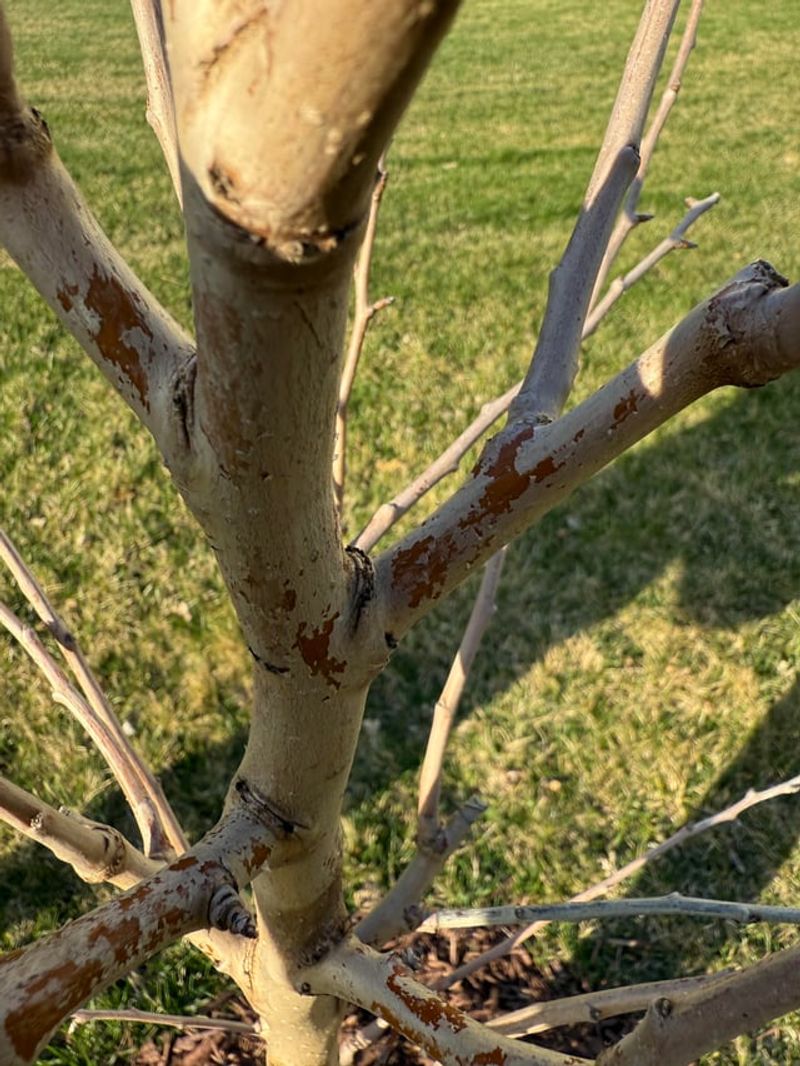
Fire blight stands as the most devastating disease pear trees face in Arizona, and it overwinters in infected wood just waiting for spring moisture to spread. Copper sprays applied before buds crack open significantly reduce bacterial populations on bark surfaces.
This single application can mean the difference between a healthy pear harvest and watching entire branches blacken and wither.
Pear psylla, a tiny jumping insect, also overwinters on pear bark and emerges with warming temperatures to feed on new growth. Their feeding creates sticky honeydew that attracts sooty mold, turning leaves black and reducing photosynthesis.
Early dormant oil suffocates overwintering adults before they can reproduce.
Arizona pear growers in areas like Prescott and Payson deal with temperature fluctuations that can trigger early budding, so monitoring weather forecasts becomes essential. You want trees completely dormant but temperatures mild enough for spray effectiveness.
Late January through early February typically offers the best window across most of Arizona’s pear-growing regions.
Asian pear varieties popular in Arizona gardens respond particularly well to pre-bud-break treatments. Their thin bark makes them vulnerable to pest damage, so protection pays off quickly.
Mix copper and oil carefully according to label directions, as some combinations can damage sensitive tissue if applied incorrectly during marginal temperatures.
Prune out any visibly infected wood well below the damaged area before applying copper, since bacteria can remain active inside cankers.
Avoid spraying if rain is expected within 24 hours, as moisture can wash off protective residues and reduce effectiveness in Arizona’s unpredictable winter weather patterns.
3. Peach Trees Require Early Sprays To Prevent Leaf Curl In Arizona
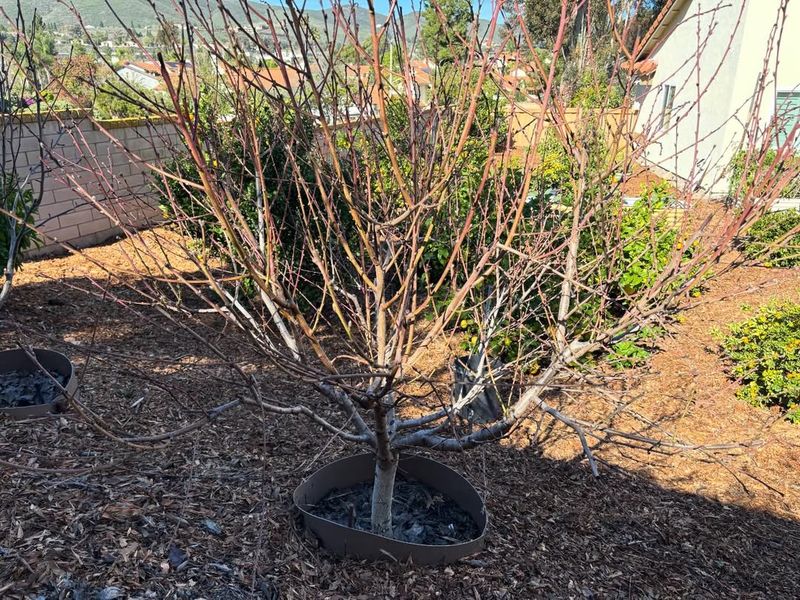
Leaf curl fungus causes peach leaves to pucker, redden, and drop prematurely, weakening trees and reducing fruit quality dramatically.
This fungal disease requires moisture to infect trees, and in Arizona, winter rains combined with warming temperatures create perfect conditions right around bud swell.
Copper fungicides applied during full dormancy provide excellent protection that lasts through the critical infection period.
Timing proves absolutely critical because once buds crack open even slightly, infection can occur rapidly. Arizona’s variable spring weather makes this tricky, as a warm week in February can push development faster than expected.
Check your peach trees weekly starting in late January to catch that perfect dormant stage.
Peach twig borer also overwinters in bark and emerges to attack new shoots as they develop. Dormant oil applications smother larvae before they can tunnel into tender growth.
Arizona growers from Mesa to Flagstaff report significantly cleaner trees when they maintain this early spray schedule consistently.
Most Arizona peach varieties, including Desert Gold and Bonanza, show strong responses to preventive spraying. You’ll notice fuller canopies, healthier leaves, and better fruit set compared to untreated trees.
Some growers apply a second spray two weeks after the first if winter rains have been heavy, providing extra insurance against persistent fungal pressure.
4. Nectarine Trees Face The Same Early Season Risks As Peaches
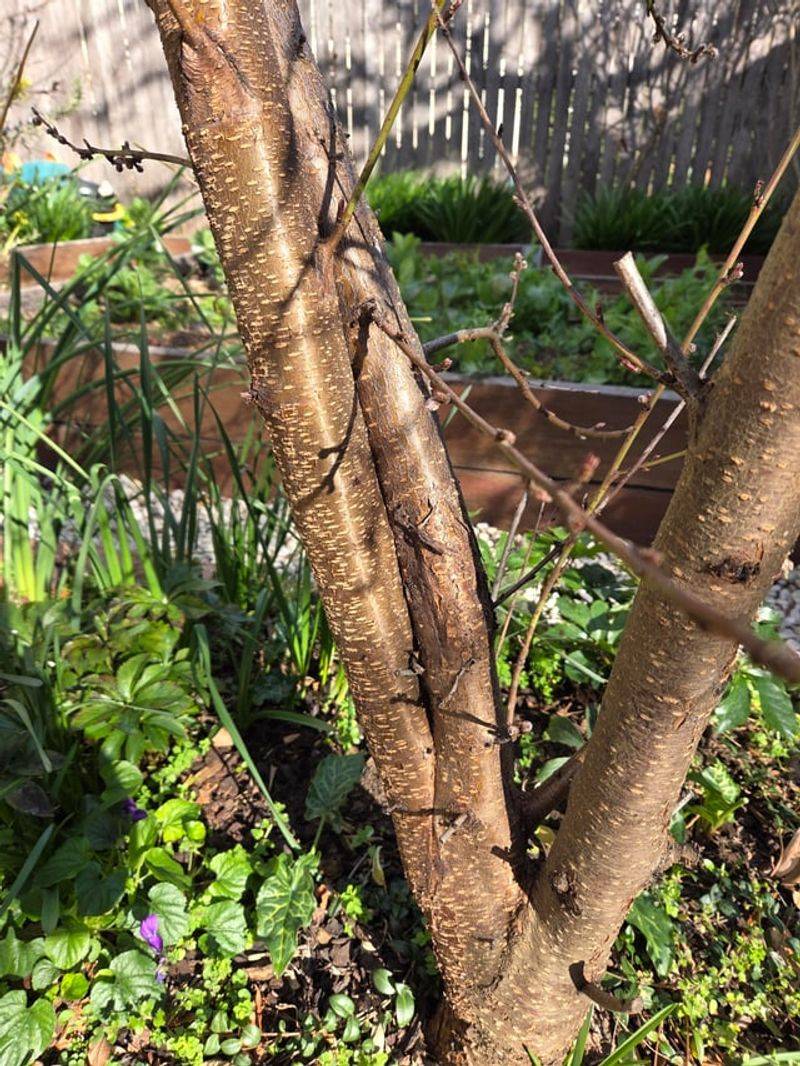
Genetically, nectarines are simply fuzzless peaches, which means they share identical pest and disease vulnerabilities. Leaf curl hits nectarines just as hard, often worse because their smooth fruit skin makes them more attractive to certain insects.
Arizona nectarine growers must treat these trees with the same urgency they give peaches, applying copper sprays before any bud activity begins.
Brown rot fungus also threatens nectarine blossoms and fruit in Arizona’s spring weather. While full infection happens later during bloom, spores overwinter on mummified fruit and infected twigs.
Early copper applications reduce these spore reservoirs significantly. Removing old fruit from trees before spraying maximizes effectiveness.
Scale insects particularly favor nectarine bark in Arizona orchards, hiding under protective coverings that make them hard to control once active. Horticultural oil penetrates these shields during dormancy, providing control that’s nearly impossible to achieve later.
Arizona’s low humidity actually helps oil sprays work more effectively, as they don’t wash off before suffocating target pests.
Varieties like Snow Queen and Panamint thrive in Arizona when given proper early-season protection. Watch for that critical moment when bark starts showing slight color changes near buds, signaling dormancy is ending.
Spray before this happens, ideally on a day when temperatures will stay moderate and winds remain calm for thorough coverage.
5. Plum Trees Respond Better When Treated Before Buds Swell
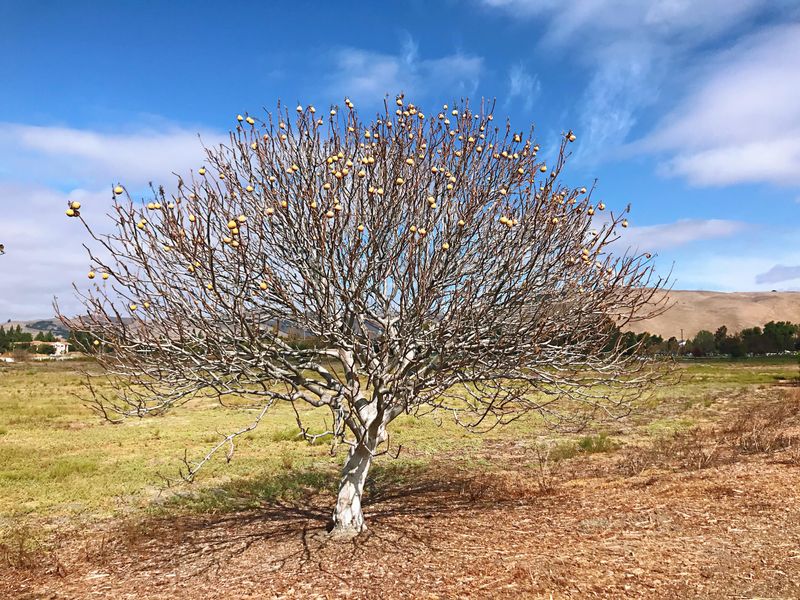
Black knot disease creates ugly black swellings on plum branches that weaken trees and reduce fruiting capacity over time. This fungal infection spreads during wet spring weather, but spores overwinter on existing knots and infected wood.
Copper sprays during dormancy help suppress spore release when conditions favor infection. Arizona plum growers should combine spraying with pruning out visible knots during winter for best control.
Plum curculio, though less common in Arizona than eastern states, still appears in some areas and causes significant fruit damage when present. These beetles overwinter in ground debris and climb trees as temperatures warm.
Dormant oil doesn’t control them directly, but it does eliminate other pests that might weaken trees and make them more susceptible to all problems.
Japanese plum varieties grown across Arizona, from Santa Rosa to Methley, benefit from thorough dormant coverage. Their early bloom time means they need protection applied well before February in warmer areas like Yuma or the low desert around Phoenix.
Higher elevation growers near Prescott or Flagstaff can usually wait until late February.
Aphids also overwinter as eggs on plum bark, and a well-timed oil spray eliminates these before they hatch into colonies that curl leaves and spread viruses.
Arizona’s intense summer heat already stresses plum trees, so preventing spring pest problems helps them enter summer in stronger condition.
6. Apricot Trees Should Be Sprayed Before Arizona’s Warm Spell Speeds Growth
Apricots bloom incredibly early in Arizona, sometimes as early as late January in warm years. This early bloom makes them vulnerable to diseases that activate with the first hint of warmth.
Copper sprays create a protective coating that prevents spore germination on vulnerable tissue.
Shot hole disease causes distinctive circular leaf spots that eventually drop out, leaving leaves looking like someone used them for target practice. This fungus overwinters on infected twigs and old leaves, releasing spores during spring rains.
Early copper applications drastically reduce disease severity, keeping foliage healthy and productive throughout the growing season.
Apricot trees in Arizona often experience rapid bud development during warm spells, giving you a narrow window for dormant treatments. Monitor trees closely starting in January, especially in low desert areas around Tucson and Phoenix.
Once buds show green tissue, dormancy has ended and spray effectiveness drops significantly.
Scale insects love apricot bark, and their populations can build quickly in Arizona’s climate. Dormant oil penetrates their waxy coverings, providing control that’s both effective and environmentally gentle.
Varieties like Gold Kist and Katy perform beautifully in Arizona when given this early protection, producing abundant crops of sweet fruit without the leaf damage that weakens untreated trees.
7. Cherry Trees Need Early Attention Before Buds Open
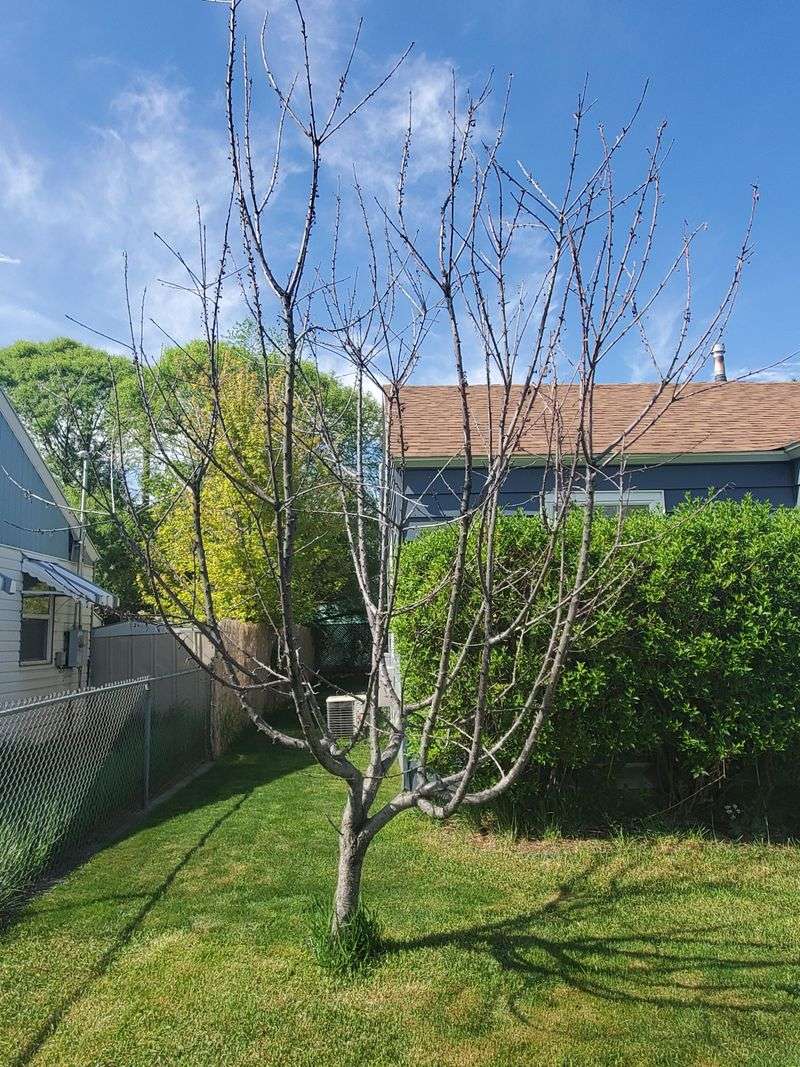
Sweet cherries struggle in most of Arizona, but sour cherry varieties like Montmorency succeed in higher elevations where winter chill requirements are met. These trees face bacterial canker and brown rot threats that dormant sprays help prevent.
Copper applications during full dormancy reduce bacterial populations on bark surfaces before spring temperatures activate them.
Cherry leaf spot fungus overwinters on fallen leaves and infected twigs, ready to release spores during spring moisture events. While raking and destroying fallen leaves helps, dormant copper sprays provide additional protection by coating surfaces where spores might land.
Arizona growers in areas with late winter or early spring moisture benefit most from this preventive approach.
Scale insects and aphid eggs also overwinter on cherry bark, waiting for warmth to resume activity. Horticultural oil applications smother these overwintering stages effectively.
Cherry trees already face stress from Arizona’s intense summer sun, so entering the growing season without pest pressure gives them a significant advantage.
Higher elevation areas around Flagstaff, Show Low, and the White Mountains offer the best cherry-growing conditions in Arizona.
Growers in these regions should plan dormant sprays for late February or early March, depending on elevation and that year’s weather patterns.
Watch for swelling buds as your signal that time is running out for dormant applications.
8. Pecan Trees Perform Better When Treated Ahead Of Spring Flush
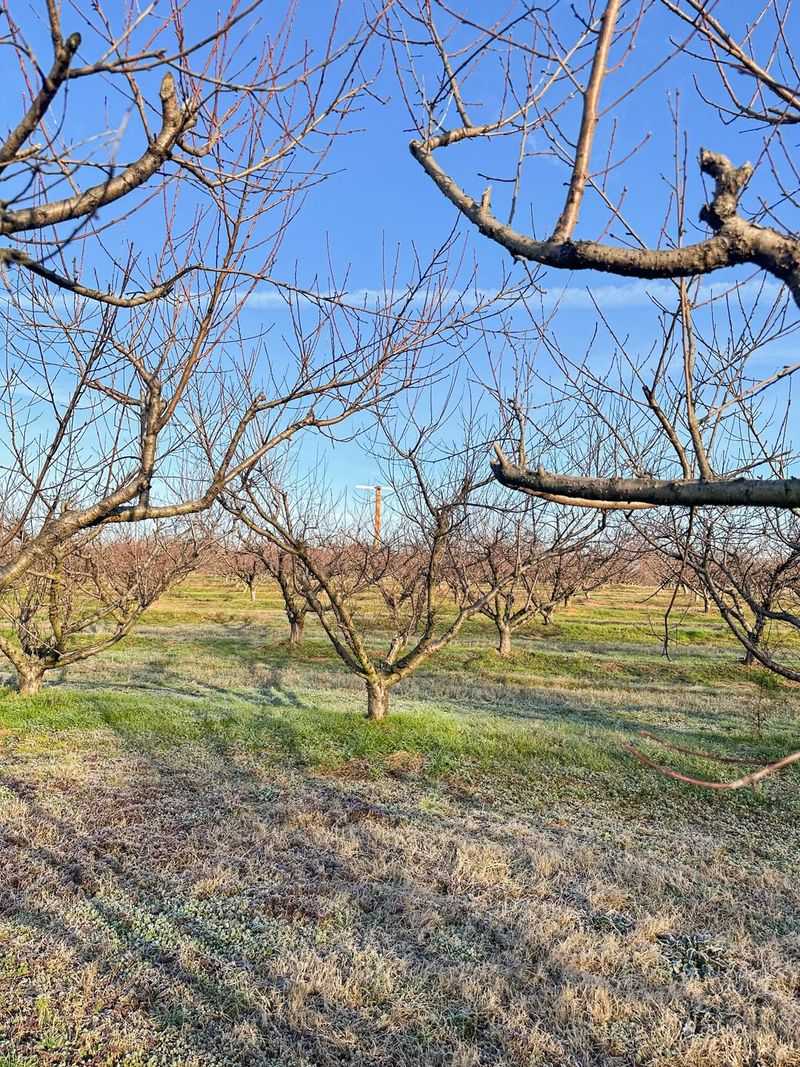
Pecan trees represent a significant commercial crop in southern Arizona, and proper dormant management separates profitable orchards from struggling ones.
Pecan weevils overwinter in soil but adults emerge in late summer, while other pests like aphids and mites overwinter on bark and in bud scales.
Dormant oil applications help reduce these populations before spring growth begins.
Zinc deficiency commonly affects Arizona pecans, and some growers include zinc sulfate in their dormant sprays to provide early nutrition.
This isn’t strictly a pest control measure, but combining treatments saves time and ensures trees get needed nutrients right when spring growth demands them.
Arizona’s alkaline soils often lock up zinc, making foliar applications more effective.
Pecan scab fungus can devastate crops in areas with spring humidity, though Arizona’s dry climate reduces pressure compared to southeastern states.
Still, copper sprays during dormancy provide insurance, especially in years when unusual weather patterns bring more moisture than normal.
Commercial orchards around Sahuarita and Green Valley maintain strict spray schedules that include pre-bud-break applications.
Timing matters less critically for pecans than stone fruits because their later bud break provides a longer window. Most Arizona pecan growers spray in late February or March, before catkins begin elongating.
Thorough coverage of the entire canopy ensures maximum benefit, though mature trees require specialized equipment to reach upper branches effectively.