Fruit Trees That Struggle In Alabama Yards And Are Rarely Worth The Effort
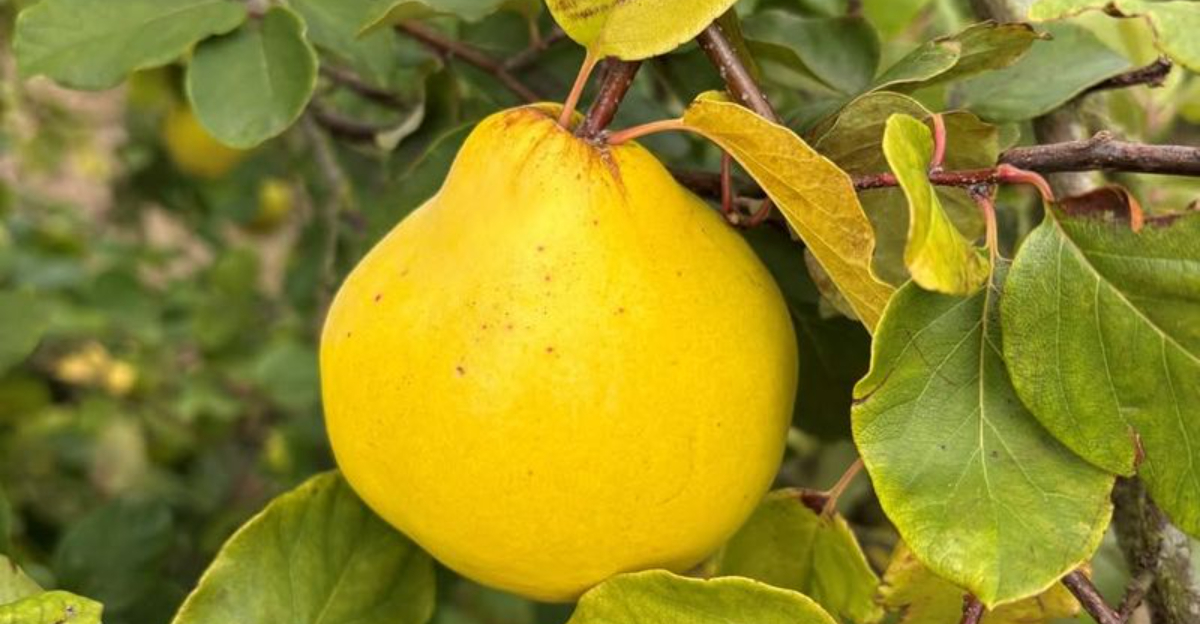
Alabama’s hot summers, mild winters, and high humidity create a challenging environment for many fruit trees commonly sold at nurseries.
While some trees flourish, others struggle year after year due to insufficient winter chill, disease pressure, and heat stress.
Home gardeners often plant trees based on popularity rather than climate suitability, only to experience disappointing yields or declining health.
Recognizing which fruit trees are rarely worth the effort in Alabama helps gardeners make smarter choices from the start.
Selecting trees adapted to Alabama’s growing conditions leads to stronger growth, fewer pest problems, and better long-term success.
Understanding these challenges can save gardeners years of frustration while improving overall garden productivity.
Apricot
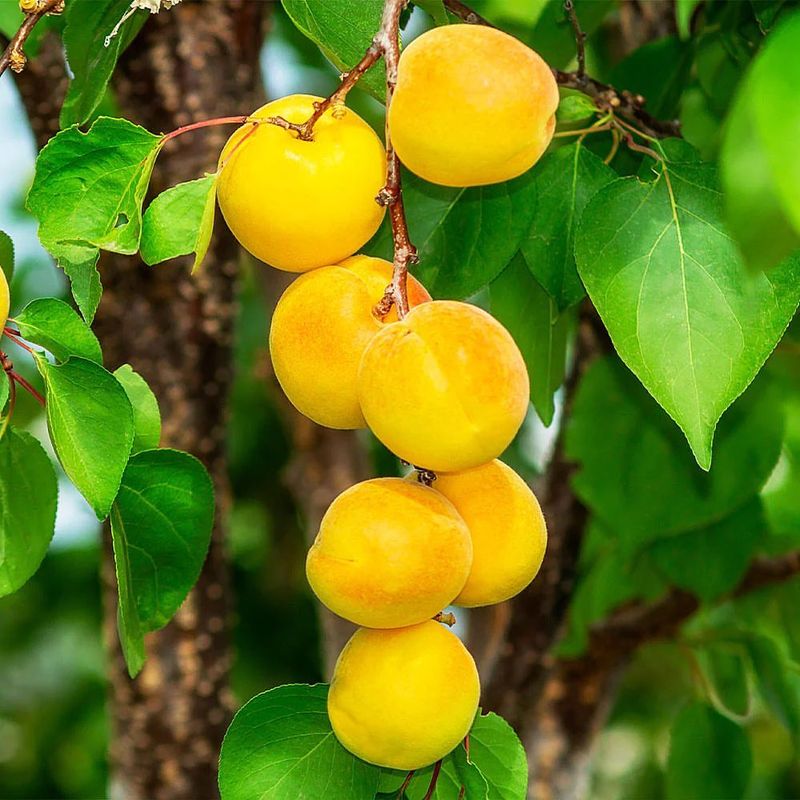
Apricots offer a unique sweet-tart flavor and velvety texture that makes them wonderful for eating fresh or turning into jams and desserts.
Alabama’s unpredictable late winter and early spring weather creates a frustrating cycle of hope and disappointment for anyone attempting to grow these temperamental trees.
Apricot trees bloom extremely early, often in late February or early March, responding to the first warm days of approaching spring.
This early blooming habit works perfectly in Mediterranean climates with consistent spring weather, but Alabama’s climate frequently brings warm spells followed by sudden freezes.
When temperatures drop below freezing after bloom, the delicate flowers and developing fruit suffer complete loss, eliminating any chance of harvest that year.
This pattern repeats so regularly in Alabama that many gardeners experience years without a single apricot, despite having healthy and vigorous trees.
The heartbreak of watching beautiful blooms get destroyed by late frosts makes apricots one of the most disappointing fruit trees to attempt in the state.
Gardeners seeking reliable fruit production should choose later-blooming options like peaches or persimmons, which flower after the danger of hard freezes has passed and consistently produce abundant crops throughout Alabama without the constant worry of spring frost damage.
Granny Smith Apple

That bright green tartness of a Granny Smith apple makes it perfect for pies and baking, earning it a special place in kitchens nationwide.
Alabama’s climate, however, creates a hostile environment for these trees that prefer cooler and drier growing conditions.
The combination of intense summer heat and relentless humidity creates ideal conditions for fungal diseases that plague Granny Smith trees mercilessly.
Common problems include apple scab, powdery mildew, and cedar apple rust, all of which thrive in warm and moist environments.
These diseases not only damage leaves and reduce photosynthesis but also cause fruit to develop unsightly spots and deformities that make them inedible.
Managing these issues requires constant spraying with fungicides throughout the growing season, turning what should be a simple backyard hobby into an exhausting chemical battle.
Many Alabama gardeners find themselves spending more time fighting disease than enjoying fresh apples from their efforts.
Instead of struggling with Granny Smith, Southern growers should consider disease-resistant varieties like Enterprise or GoldRush that handle humidity far better while still offering excellent flavor for cooking and fresh eating.
Bartlett Pear
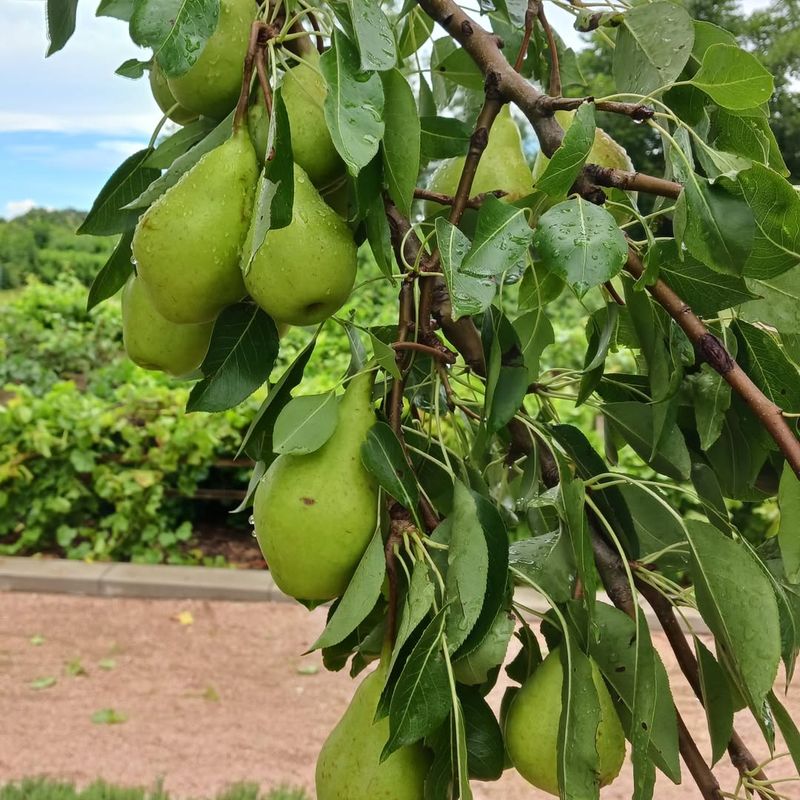
Bartlett pears deliver that classic sweet and juicy flavor that many people associate with the perfect pear eating experience.
Unfortunately, these trees face a serious enemy in Alabama: fire blight, a bacterial disease that spreads rapidly in warm and humid spring weather.
Fire blight gets its name from the scorched appearance it gives to infected branches, which turn black and curl as though burned by flames.
The bacteria enters through blossoms during bloom time and quickly travels through the tree’s vascular system, potentially destroying entire branches or even the whole tree within a single growing season.
Alabama’s spring weather, characterized by warm temperatures and frequent rain, creates perfect conditions for this devastating disease to flourish and spread between trees.
Bartlett pears are particularly susceptible compared to other pear varieties, making them an especially risky choice for Southern gardens.
Even vigilant pruning and copper sprays often fail to stop the disease once it takes hold in your orchard.
Gardeners seeking pear success in Alabama should instead plant fire blight-resistant varieties like Kieffer or Orient, which tolerate the region’s climate much better and produce reliable harvests year after year without constant disease management.
Bing Cherry
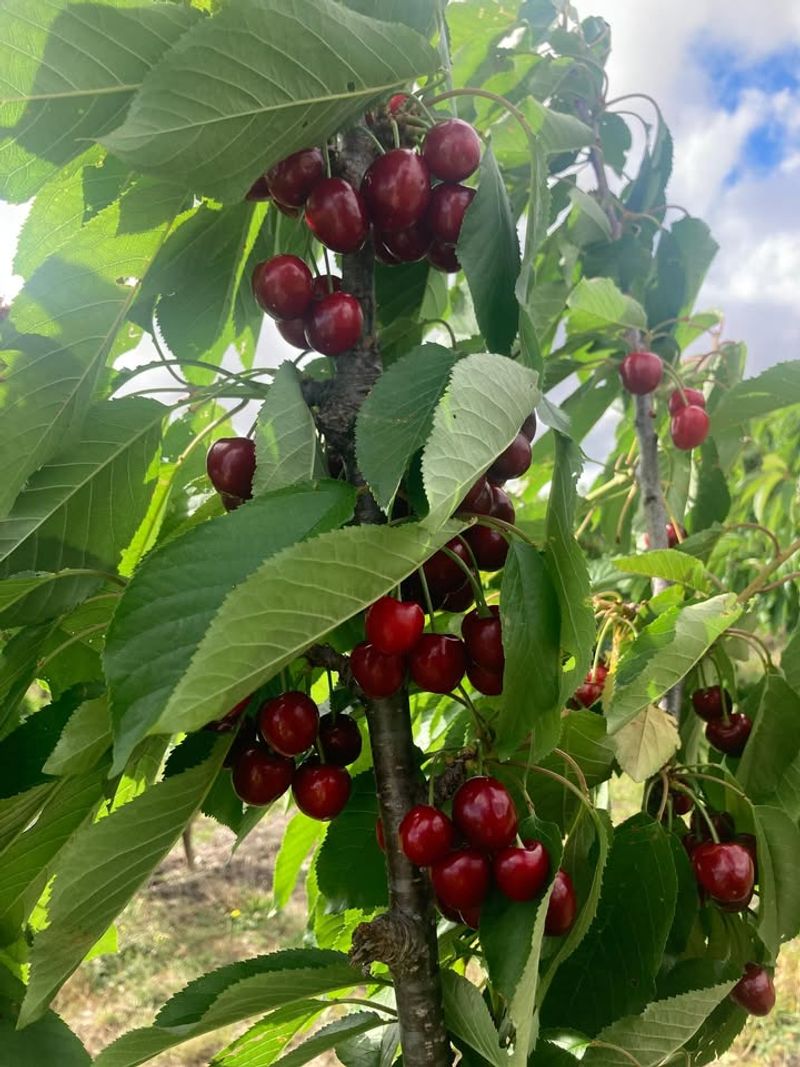
Few fruits taste as luxurious as a perfectly ripe Bing cherry, with its deep red color and sweet flavor that seems almost too good to be true.
These cherries originated in Oregon and thrive in regions with cold winters and dry summers, conditions that Alabama simply cannot replicate.
Bing cherries require extensive winter chilling, typically around 700 to 800 hours below 45 degrees, which Alabama’s mild winters fail to provide consistently.
Without proper dormancy, the trees produce irregular blooms and minimal fruit set, leaving gardeners with beautiful trees but empty branches come harvest time.
Additionally, sweet cherries like Bing cannot tolerate high humidity, which promotes fungal diseases and causes fruit to split and rot before ripening.
Summer rains in Alabama often arrive just as cherries begin to mature, causing them to absorb water rapidly and crack open, ruining the crop.
The combination of insufficient chilling and excessive moisture makes Bing cherries one of the most frustrating fruit trees for Alabama gardeners to attempt.
Those craving homegrown cherries should consider planting tart cherry varieties or trying native alternatives like black cherry, which adapt much better to Southern growing conditions and still provide delicious fruit for preserves and baking.
Honeycrisp Apple

Honeycrisp apples have become incredibly popular across America for their crisp texture and sweet-tart flavor that makes them a grocery store favorite.
However, these beloved apples need something Alabama simply cannot provide: enough cold winter hours to properly set fruit and develop strong blooms.
Most apple varieties require a certain number of chill hours, which are hours below 45 degrees Fahrenheit during winter dormancy.
Honeycrisp trees need between 800 and 1,000 chill hours to perform well, but most Alabama locations only receive 400 to 600 hours annually.
Without adequate chilling, the trees produce weak and irregular flowering in spring, leading to poor fruit set or no fruit at all.
Even when a few apples manage to develop, they often lack the signature crunch and flavor that makes Honeycrisp so desirable.
Gardeners who plant this variety in Alabama typically face years of disappointment as their trees fail to produce meaningful harvests.
Better alternatives include low-chill apple varieties specifically bred for Southern climates, such as Anna or Dorsett Golden, which require only 200 to 300 chill hours and perform beautifully in Alabama yards.
European Plum
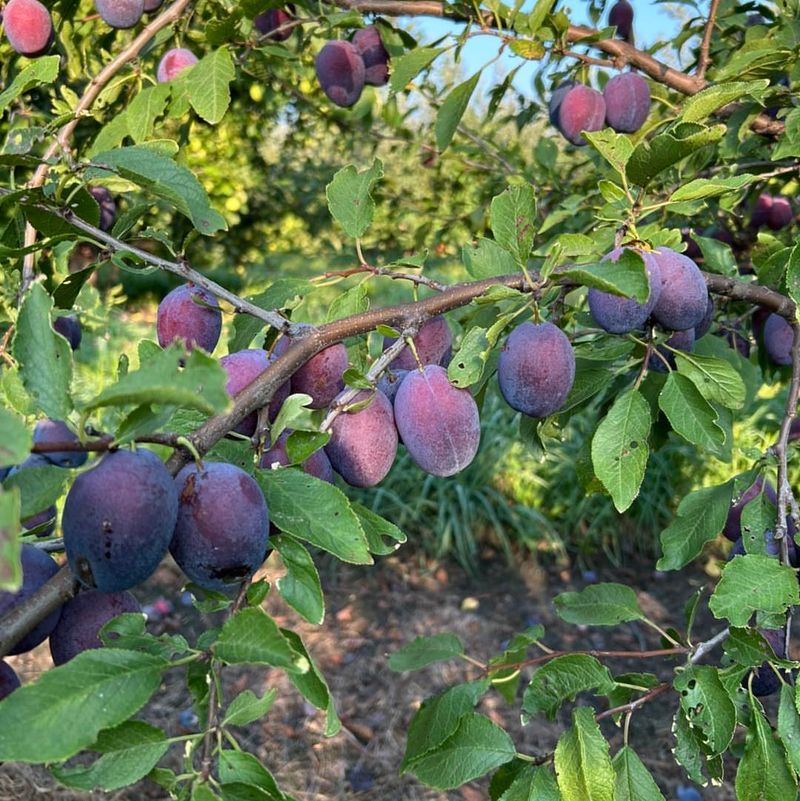
European plums, including varieties like Italian Prune and Stanley, produce wonderful fruit for fresh eating, drying, and making preserves.
These plums evolved in cooler European climates and struggle tremendously when faced with Alabama’s combination of heat, humidity, and mild winters.
The extended humid conditions throughout Alabama’s growing season create perfect breeding grounds for fungal diseases that attack European plum trees relentlessly.
Brown rot, black knot, and plum pox virus all thrive in warm and moist environments, causing fruit to rot on the tree and branches to develop ugly black galls.
Managing these diseases requires intensive spray programs that many home gardeners find impractical and expensive to maintain throughout the long growing season.
Even with regular treatments, European plums often produce poor-quality fruit that rots before fully ripening or develops so much disease damage that it becomes inedible.
Additionally, many European plum varieties need more winter chill than Alabama provides, leading to irregular blooming and inconsistent fruit production from year to year.
Alabama gardeners achieve much better results by planting Japanese plum varieties like Methley or AU-Producer, which were specifically developed for Southern climates and resist common diseases while producing abundant and delicious fruit in hot and humid conditions.
Rainier Cherry

Rainier cherries command premium prices at farmers markets thanks to their stunning yellow-red coloring and incredibly sweet flavor profile.
These gorgeous fruits require even more specific growing conditions than Bing cherries, making them virtually impossible to grow successfully in Alabama.
The thin skin that gives Rainier cherries their delicate appearance becomes a major liability in humid Southern climates where moisture is abundant.
Rain during the ripening period causes the fruit to absorb water quickly, leading to extensive cracking that ruins the entire crop within hours.
Even morning dew can be enough moisture to cause problems, and Alabama’s summer humidity ensures that trees rarely experience the dry conditions these cherries desperately need.
Cracked cherries quickly develop rot and attract insects, turning what should be a beautiful harvest into a disappointing mess of spoiled fruit.
Beyond moisture issues, Rainier cherries also require significant winter chilling that Alabama cannot consistently provide, resulting in poor bloom and fruit set.
The combination of climate incompatibility and extreme sensitivity to moisture makes Rainier cherries one of the worst possible choices for Alabama home orchards, where gardeners will find far better success with heat-tolerant stone fruits like peaches and plums specifically bred for Southern regions.
High Chill Apple Varieties
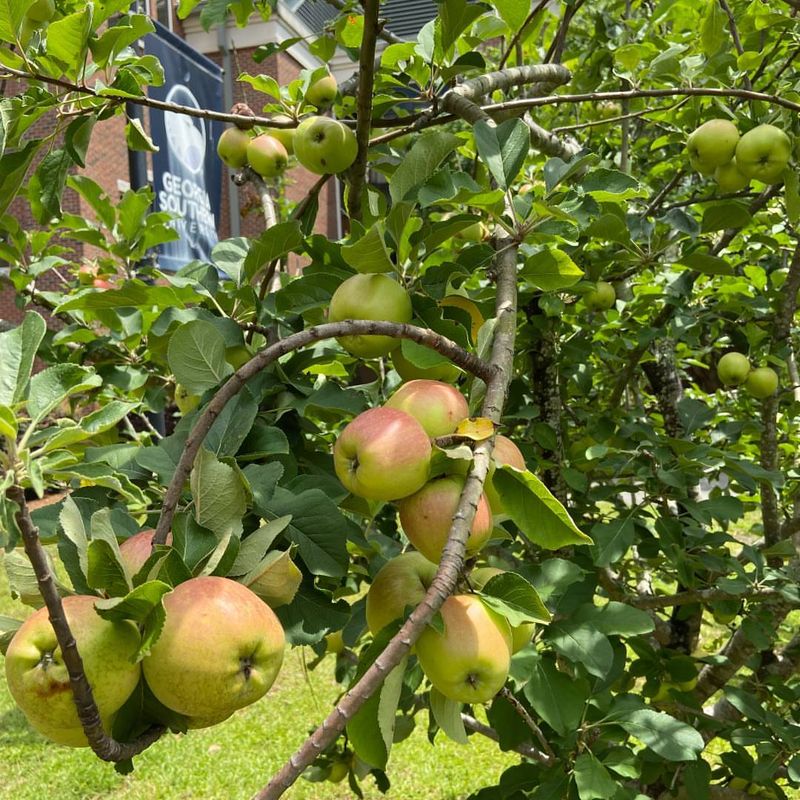
Many popular apple varieties sold at garden centers across the country require high chill hours that make them completely unsuitable for Alabama growing conditions.
Varieties like Fuji, Gala, and Jonathan need between 600 and 900 chill hours to properly complete their dormancy cycle and produce quality fruit.
Alabama’s mild winters rarely provide more than 400 to 600 chill hours, leaving these trees unable to meet their biological requirements for healthy growth and fruiting.
When high-chill apples do not receive adequate cold exposure, they exhibit delayed and irregular leaf-out in spring, followed by poor and scattered flowering.
The few flowers that do appear often fail to develop into fruit, or they produce small and misshapen apples with poor flavor and texture.
Gardeners who unknowingly plant high-chill varieties often spend years wondering why their trees look healthy but never produce meaningful harvests despite proper care and maintenance.
The frustration of caring for unproductive trees makes high-chill apples a common mistake among new Alabama fruit growers who purchase varieties without checking dormancy requirements first.
Success with apples in Alabama requires choosing low-chill varieties specifically bred for Southern climates, such as Anna, Dorsett Golden, or Ein Shemer, which need only 200 to 300 chill hours and consistently produce abundant and delicious fruit throughout the state.
Sweet Cherry Varieties
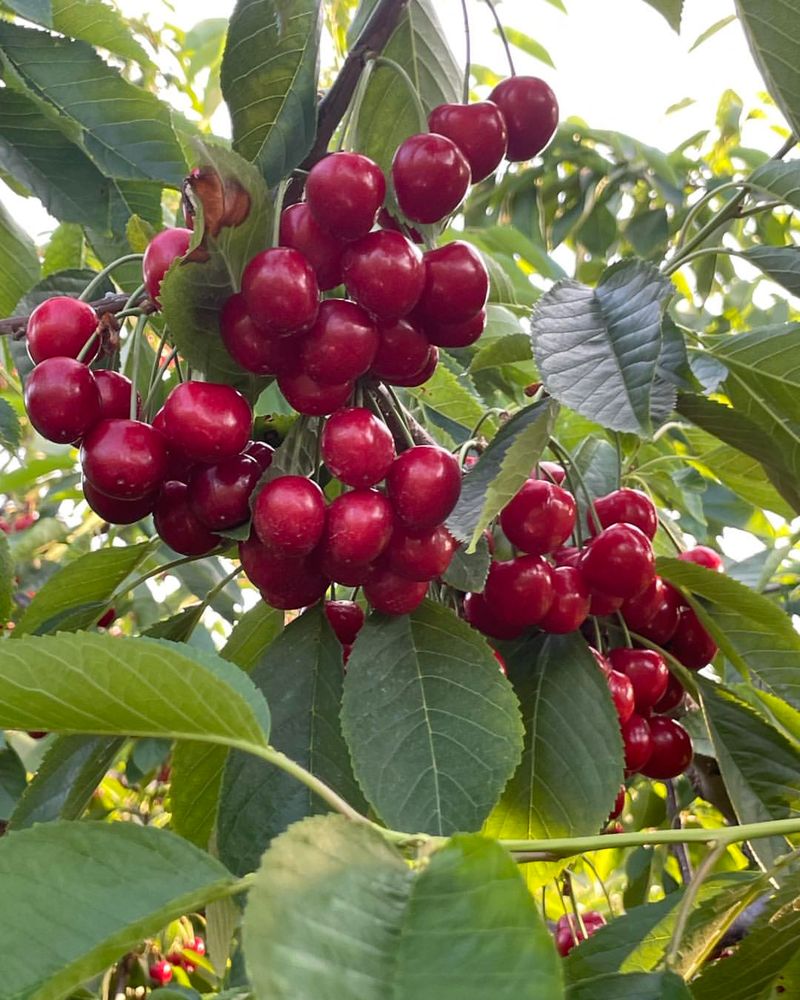
Sweet cherries as a group represent some of the most challenging fruit trees for Southern gardeners to grow successfully in their home landscapes.
Nearly all sweet cherry varieties, including popular types like Lambert, Stella, and Black Tartarian, require extended cold dormancy periods that Alabama winters simply cannot deliver.
These trees need between 700 and 1,000 chill hours to properly break dormancy and produce strong flowering, but most Alabama locations receive less than half that amount.
Without adequate chilling, sweet cherry trees produce sparse and weak blooms that result in minimal fruit set and disappointing harvests year after year.
Beyond the chilling requirement issue, sweet cherries also demand low humidity during fruit development, which Alabama’s climate cannot provide during the critical ripening period.
High moisture levels cause the fruit to crack, develop fungal infections, and rot before reaching maturity, often ruining the small amount of fruit that manages to set.
The combination of insufficient winter chill and excessive summer humidity makes sweet cherries one of the most consistently unsuccessful fruit tree categories for Alabama home orchards.
Gardeners who love cherries should explore tart cherry varieties like Montmorency, which require fewer chill hours and tolerate humidity better, or consider growing native fruiting trees that naturally thrive in Southern conditions without constant struggle and disappointment.
Quince

Quince trees produce unique fruits that have been prized for centuries in Mediterranean and Middle Eastern cuisines for making jellies, pastes, and baked dishes.
While quince has a romantic appeal and interesting history, growing these trees in Alabama proves extremely challenging due to the state’s wet and hot summer conditions.
Quince fruit and foliage are exceptionally susceptible to fungal diseases that flourish in humid environments, including fire blight, leaf spot, and fruit rot.
Alabama’s combination of high temperatures and frequent summer rainfall creates ideal conditions for these diseases to spread rapidly and cause extensive damage throughout the growing season.
The fruit itself often develops rot before reaching maturity, turning brown and mushy while still hanging on the tree and making it completely unusable.
Even fruits that appear healthy at harvest often develop storage rots quickly, limiting their usefulness for the traditional long-keeping purposes that make quince valuable in other climates.
Managing disease pressure on quince requires constant vigilance and frequent fungicide applications that most home gardeners find impractical and costly to maintain.
Alabama gardeners seeking unusual fruits with similar culinary uses should consider growing Asian persimmons or mayhaws instead, both of which tolerate Southern humidity beautifully and produce reliable crops of unique fruits perfect for preserves and traditional Southern recipes without the constant disease battles.