Fruit Trees That Thrive In Tennessee Backyards
Plant the tree. Eat the payoff.
There is something deeply satisfying about stepping into your own yard and picking fruit straight from the branch.
In Tennessee, that dream is not far-fetched at all. The state has the kind of growing conditions fruit trees appreciate: long warm days, workable winters, and enough rain to keep things moving without making life too difficult.
A good fruit tree does more than fill a basket. It brings spring blossoms, summer shade, and the kind of harvest that makes a backyard feel useful as well as beautiful.
One season you are planting it.
Before long, you are watching branches bend under peaches, apples, or pears and wondering why you did not start sooner. Tennessee gives gardeners plenty to work with, but success still comes down to choosing the right tree for the right spot.
Some varieties settle in quickly and produce with very little fuss. Others need a bit more patience but reward it generously.
The best part is that growing fruit is not reserved for people with orchards and acres of land. Sometimes all it takes is one well-placed tree to change the whole feel of a yard and give you something worth looking forward to every season.
1. Peach Trees
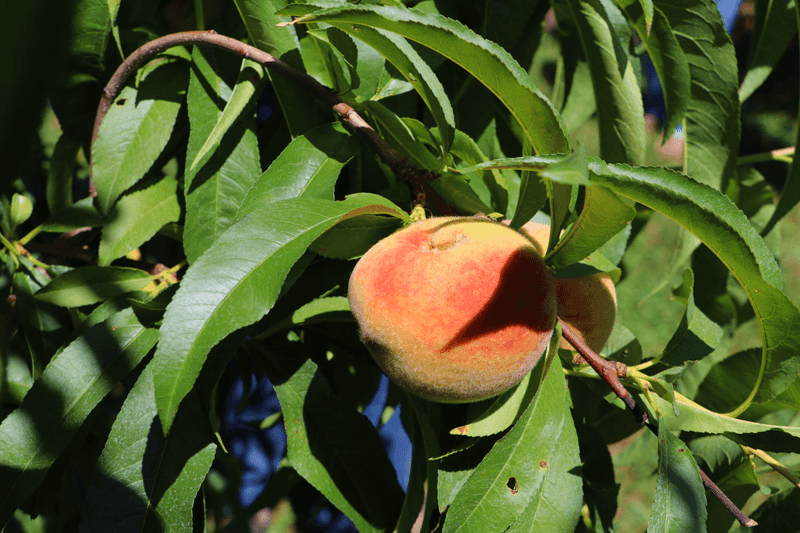
Few backyard rewards feel as satisfying as picking a ripe peach straight from the tree and eating it while it is still warm from the Tennessee sun.
Peaches are one of the most loved fruit trees in the state, not just because the fruit tastes incredible, but because the climate gives them a real chance to thrive.
Warm summers, a long growing season, and plenty of suitable planting areas make Tennessee an excellent place for homegrown peaches.
Most peach varieties need between 750 and 1,000 chill hours in winter to set fruit properly, and much of Tennessee falls right into that range. That balance of winter cold and summer heat is what helps peach trees flower well and produce reliably.
For home gardeners, varieties like Reliance, Contender, and Redhaven are especially good choices because they are known for handling late frosts better than many other types. That matters in a state where spring weather can shift quickly.
Planting location plays a major role in success. Peach trees need full sun for the best fruit production, along with good air circulation to lower the risk of disease and help foliage dry quickly after rain.
Well-drained soil is equally important, since soggy roots can weaken the tree and reduce its lifespan.
Most peach trees begin producing within two to four years after planting, which makes them a fairly quick reward compared to some other fruit trees. Thinning young fruit early in the season helps the remaining peaches grow larger, sweeter, and more flavorful.
Regular pruning in late winter also keeps the tree open, healthy, and productive. With the right care, one peach tree can bring beauty in spring and baskets of fresh fruit by summer.
2. Apple Trees
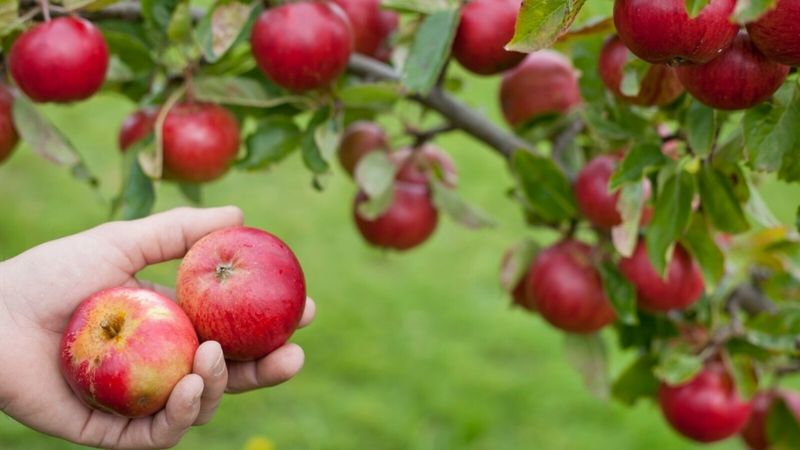
Apple trees have earned their place in Tennessee gardens for generations. And once you grow your own, it is easy to understand why.
There is something timeless about reaching up on a crisp fall morning and picking an apple straight from the branch. Beyond the harvest itself, apple trees bring spring blossoms, summer shade, and that classic orchard feeling that makes a yard feel both beautiful and useful.
Tennessee offers strong growing conditions for apples, especially in the eastern part of the state, where cooler elevations help many varieties perform exceptionally well. Choosing the right type is the first step to success.
Reliable options such as Honeycrisp, Gala, Fuji, and Arkansas Black all grow well in many Tennessee landscapes and give home gardeners a nice mix of flavor, texture, and harvest season.
Pollination is one of the most important parts of growing apples. Most apple trees cannot produce well on their own, so planting two compatible varieties near each other is usually necessary for a good crop.
That small bit of planning can make a huge difference once harvest season arrives.
Apple trees also need the right setup to stay healthy. They do best in well-drained, slightly acidic soil and need at least six hours of direct sunlight each day.
Pruning in late winter helps shape the tree, improve airflow, and encourage strong new growth in spring. Pest pressure is common, but a simple and consistent spray schedule can help protect developing fruit.
Most apple trees begin producing a worthwhile harvest within three to five years. Once they do, the reward is more than just fresh fruit.
It is baskets of apples, homemade cider, pies from your own kitchen, and the satisfaction of growing something that keeps giving year after year.
3. Pear Trees
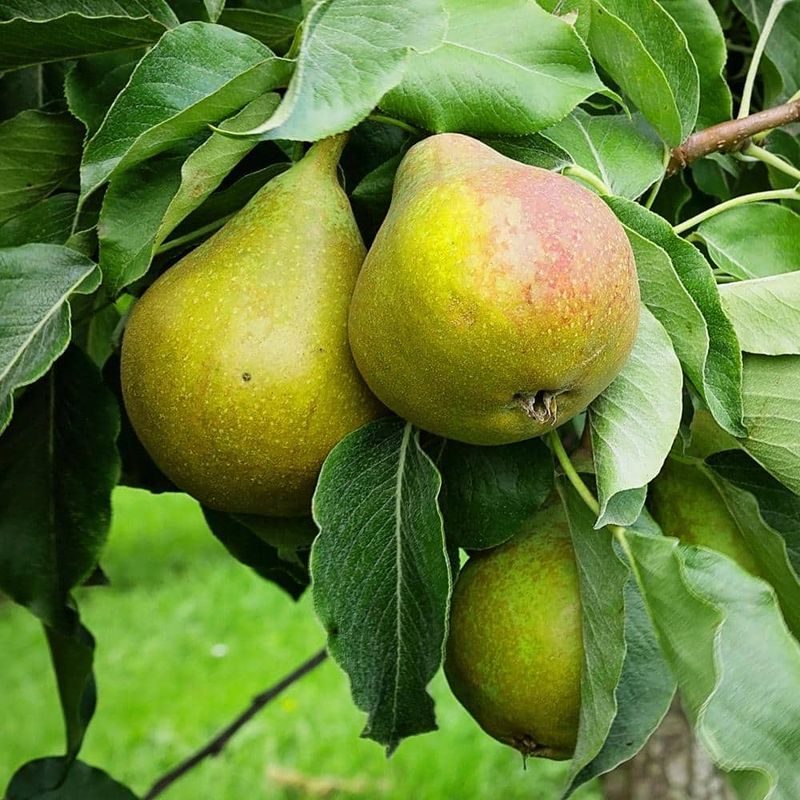
Pear trees are quietly one of the best-kept secrets among Tennessee home orchardists. They are easier to manage than apples, more forgiving of heavy clay soils, and they produce generous harvests with minimal fuss year after year.
Once established, a pear tree can live and produce fruit for several decades.
Asian pear varieties like Hosui and Shinseiki thrive beautifully in the state’s climate and are known for their crisp, juicy texture that feels more like a cross between a pear and an apple.
European varieties like Bartlett and Moonglow also do well and tend to produce the classic soft, buttery fruit most people love for eating fresh or canning.
Fire blight is the main disease concern with pears, but choosing resistant varieties and planting in a spot with good airflow dramatically reduces the risk. Like apples, most pear trees need a second compatible tree nearby for pollination.
They prefer full sun and well-drained soil, and they respond well to annual pruning. Plan on waiting three to five years for a full harvest, but the long-term reward of fresh homegrown pears makes every bit of that wait completely worthwhile.
4. Fig Trees
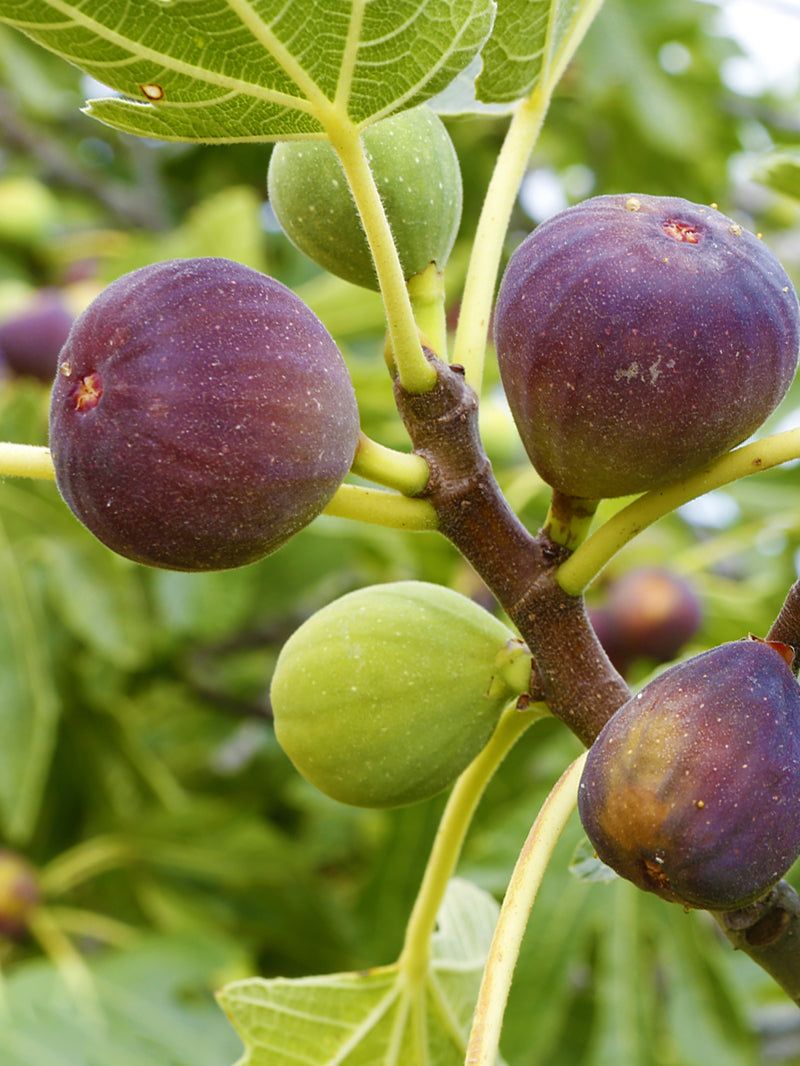
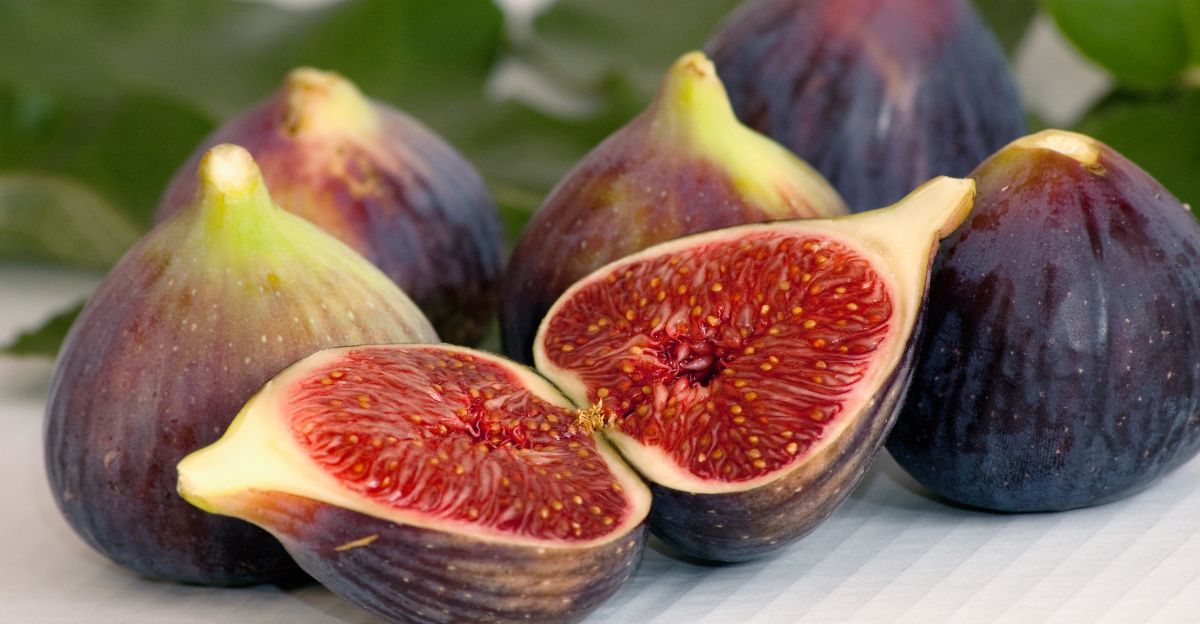
Figs are a little unexpected in a Tennessee backyard, but they absolutely belong there. These trees thrive in the state’s warm summers and produce incredibly sweet, honey-rich fruit that tastes nothing like anything you will find in a grocery store.
Once you taste a homegrown fig, store-bought ones will never satisfy you again.
Brown Turkey and Celeste are the two most widely grown fig varieties across the state, and both are cold-hardy enough to handle Tennessee winters without much trouble.
In colder areas or during unusually harsh winters, wrapping the trunk or mulching heavily around the base gives the tree the protection it needs to bounce back strong each spring.
Fig trees prefer full sun and well-drained soil, and they grow surprisingly fast once established. A young tree planted in spring can start producing fruit within its first or second season, which makes figs one of the quickest fruit trees to reward a new grower.
They require very little pruning and are largely pest-resistant, making them a low-maintenance option for busy homeowners. Fresh figs are delicious eaten straight from the tree, baked into pastries, or turned into homemade preserves that capture summer in a jar.
5. Persimmon Trees
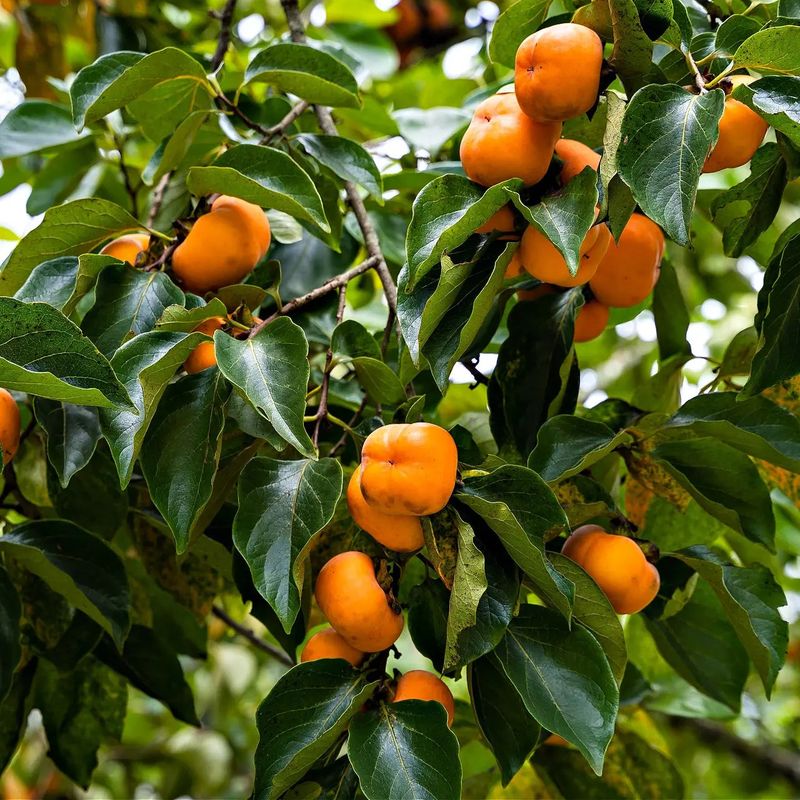
Persimmons are one of the most underrated fruit trees you can plant in a Tennessee yard, and that is honestly a shame. American persimmons are native to this region, which means they are naturally adapted to local soils, rainfall patterns, and temperature swings.
They practically take care of themselves once established.
The native American persimmon produces smaller fruit than Asian varieties, but the flavor is intensely sweet and rich after the first frost softens the fruit. Asian varieties like Fuyu and Hachiya produce larger, more marketable fruit and are also well-suited to the state’s climate.
Fuyu persimmons are especially popular because they can be eaten firm, unlike astringent varieties that must be fully soft before eating.
Persimmon trees are remarkably tough. They tolerate drought, clay soil, and neglect far better than most other fruit trees.
They rarely suffer from serious pests or diseases, which makes them an ideal choice for gardeners who want a productive tree without a heavy maintenance schedule. Most trees begin producing within three to four years of planting.
The brilliant orange fruit also adds a stunning visual display to the yard in fall, making persimmon trees as beautiful as they are productive.
6. Plum Trees
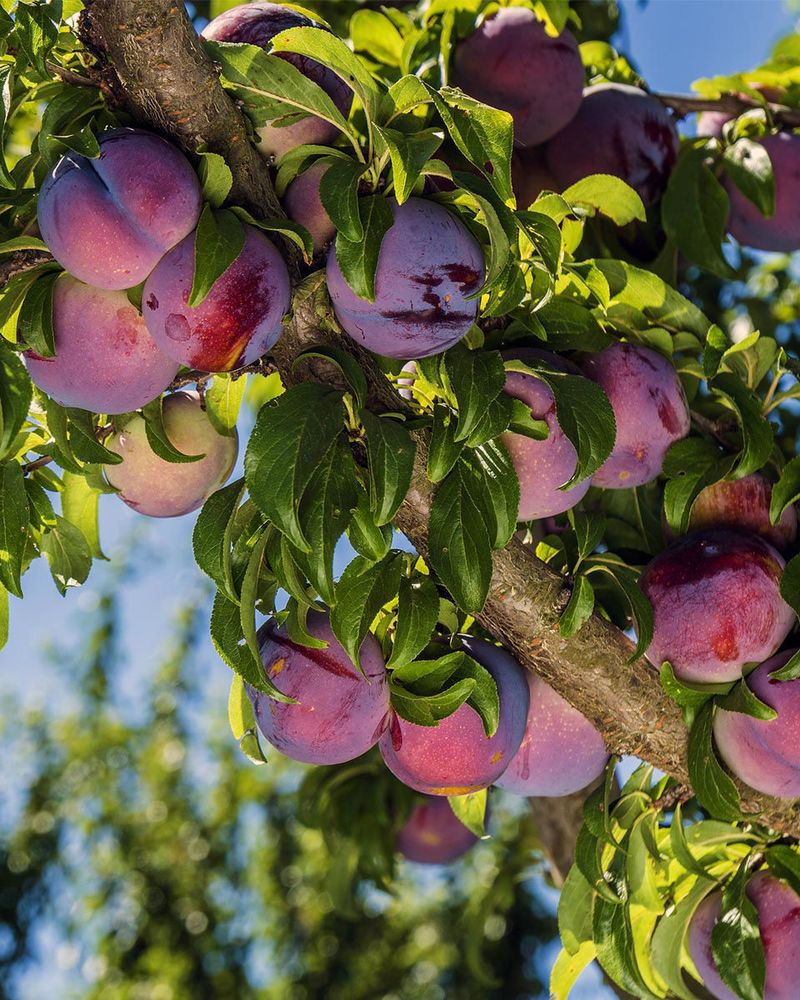
Plum trees bring bold color and incredible flavor to any backyard, and Tennessee’s climate suits them surprisingly well. These trees are some of the earliest to bloom in spring, which means they are also among the first to put fruit on your table.
Few things are more exciting than watching those small green plums swell into deep purple or golden-yellow beauties over the course of a season.
Japanese plum varieties like Bruce, Methley, and AU Rosa are popular choices across the state because they handle the heat well and tend to produce large, juicy fruit.
European varieties are also an option, though they generally prefer the cooler conditions found in the higher elevations of East Tennessee.
Planting two compatible varieties improves pollination and leads to noticeably better harvests.
Plum trees prefer full sun and well-drained soil, and they benefit from annual pruning to keep the canopy open and the wood healthy. Brown rot is the most common disease issue, but good air circulation and timely fruit removal reduce its impact significantly.
Most plum trees begin producing within two to three years of planting, making them one of the faster-fruiting options available to backyard growers looking for a quick, colorful, and delicious return on their effort.
7. Cherry Trees
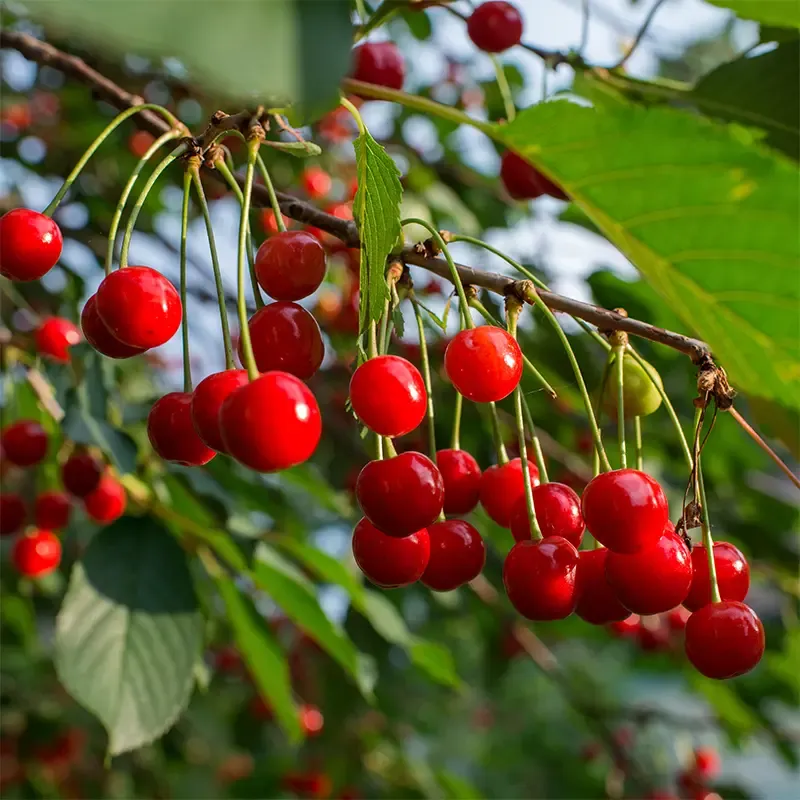
Cherry trees might seem like they belong in cooler climates, but certain varieties do remarkably well when planted in the right Tennessee location.
Sour cherry varieties are the most reliable performers across the state and tend to be far more forgiving of the summer heat than sweet cherries. They are also incredibly versatile in the kitchen, perfect for pies, jams, and preserves.
Montmorency is the gold standard among sour cherries and grows well throughout much of the state.
For sweet cherry lovers, selecting low-chill varieties and planting in spots that offer afternoon shade during the hottest months can make a real difference in tree health and fruit production.
Raised beds or slopes with excellent drainage also help keep cherry roots happy during wet Tennessee winters.
Cherry trees tend to be on the smaller side compared to other fruit trees, which makes them a great fit for yards with limited space. They bloom early and beautifully in spring, covering themselves in white or pink blossoms before the leaves fully emerge.
Most trees begin producing within three to four years. Birds absolutely love cherries, so a simple netting solution over the tree as fruit ripens is a practical way to make sure you actually get to enjoy your harvest before the local wildlife does.
8. Pawpaw Trees
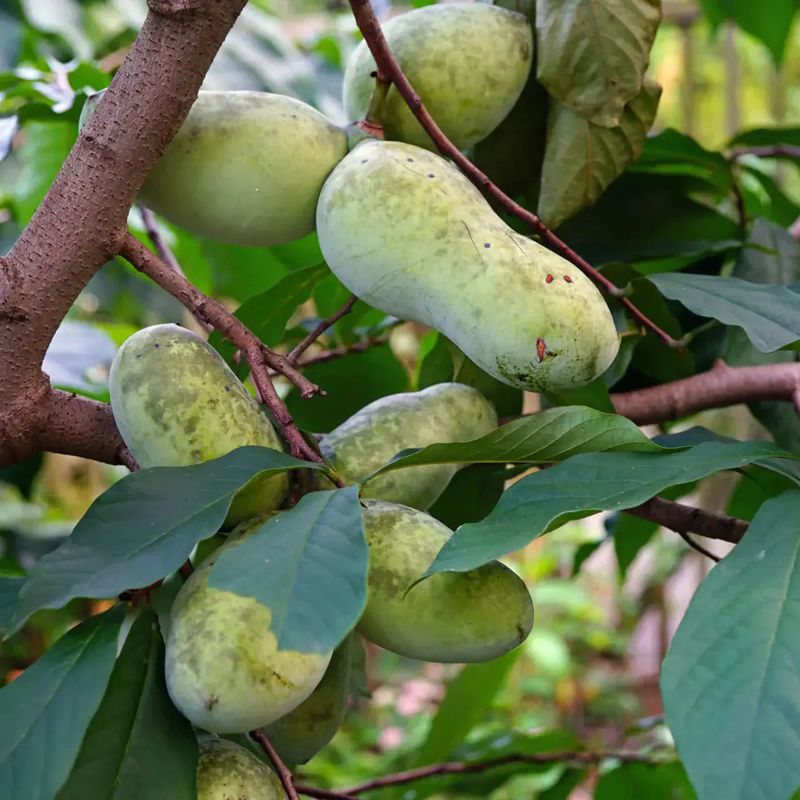
Pawpaws are the most exciting fruit tree most Tennessee gardeners have never planted, and that needs to change. This native North American fruit tree produces a large, custard-like fruit with a tropical flavor that tastes like a cross between a banana and a mango.
It is completely unlike anything else you can grow in a temperate backyard.
Pawpaws are native to the forests of the eastern United States, and Tennessee sits right in the heart of their natural range.
They grow naturally along creek banks and forest edges, which tells you a lot about what they love: moist, rich, well-drained soil and some shade when young, transitioning to more sun as they mature.
They are also remarkably cold-hardy once established, surviving winter temperatures well below freezing without any trouble.
One of the best things about pawpaw trees is that deer and most common garden pests leave them alone, thanks to natural compounds in the leaves and bark. You will need at least two trees from different genetic sources for good pollination and fruit set.
Pawpaw fruit does not ship well, which is exactly why growing your own is such a special experience. Ripe pawpaws are soft, fragrant, and incredibly rich, a true backyard treasure worth every bit of growing effort.