12 Fruit Trees That Won’t Thrive In Louisiana And Aren’t Worth Planting
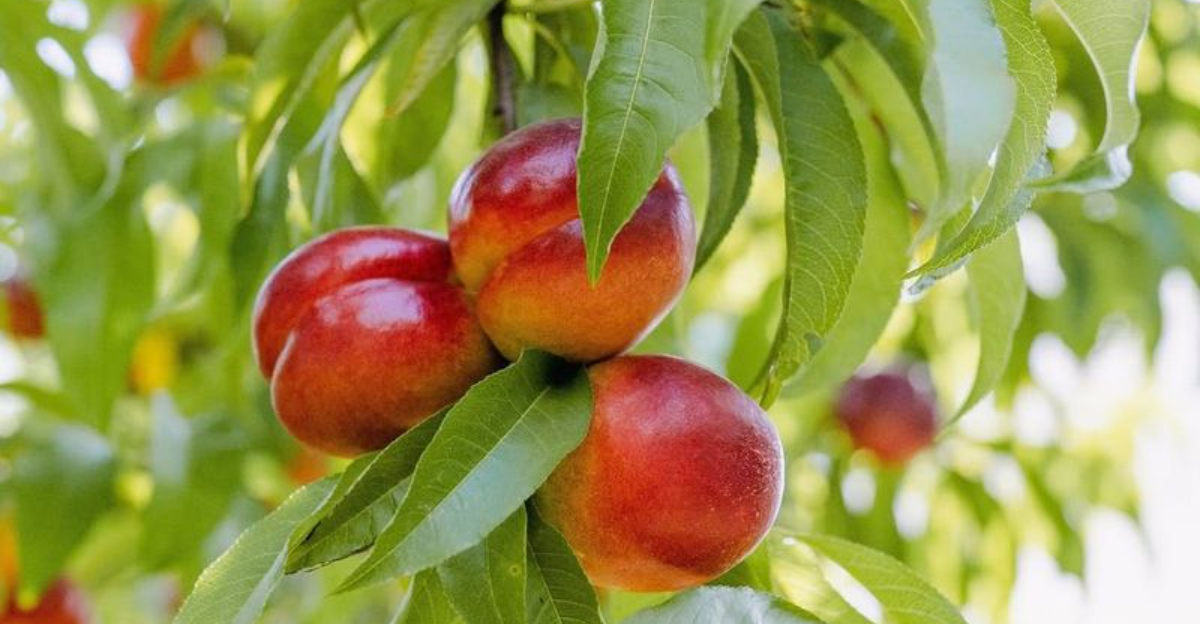
Louisiana gardeners know how lucky they are to grow citrus, figs, and peaches in their warm, humid climate.
But not every fruit tree can handle the intense summer heat, unpredictable freezes, and heavy rainfall that define this region.
Some trees simply refuse to cooperate, no matter how much care you give them.
Choosing the wrong variety means wasted time, money, and garden space.
Learning which fruit trees struggle in Louisiana helps you avoid disappointment and focus on plants that actually produce a harvest.
This guide highlights twelve fruit trees that won’t reward your efforts in the Pelican State.
1. Cherry Trees Struggle With Heat And Humidity
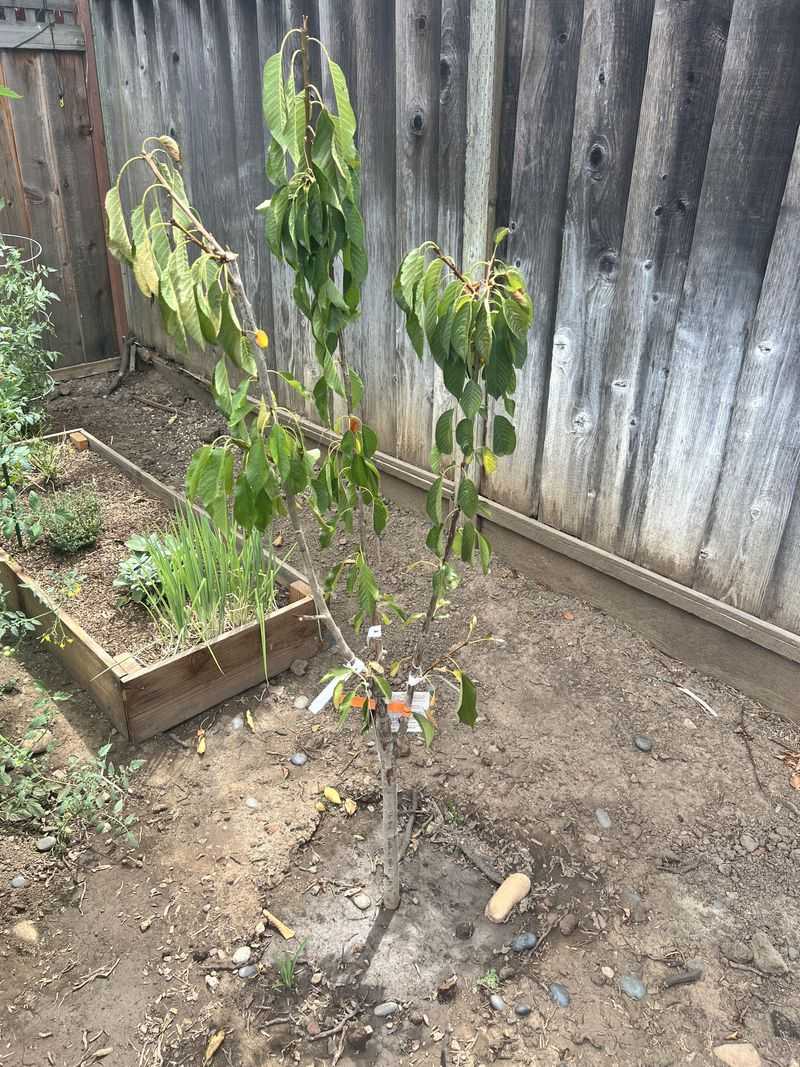
Sweet cherries need a specific number of chill hours that Louisiana winters rarely provide.
Most cherry varieties require 800 to 1,200 hours below 45 degrees Fahrenheit to set fruit properly.
Louisiana typically offers only 200 to 600 chill hours, depending on your location.
The state’s high humidity also creates perfect conditions for fungal diseases like brown rot and leaf spot.
Cherry trees planted in Louisiana often produce sparse, disappointing harvests or none at all.
Even sour cherry varieties, which need fewer chill hours, struggle with the intense summer heat.
The combination of inadequate winter cold and oppressive summer conditions stresses these trees beyond recovery.
Gardeners who try growing cherries in Louisiana usually give up after a few frustrating seasons.
The trees may survive, but they won’t produce the abundant fruit you’re hoping for.
Instead of cherries, consider planting figs or mayhaws that actually enjoy the local climate.
Your time and garden space deserve trees that reward your efforts with real harvests.
2. Apricot Trees Face Disease Pressure
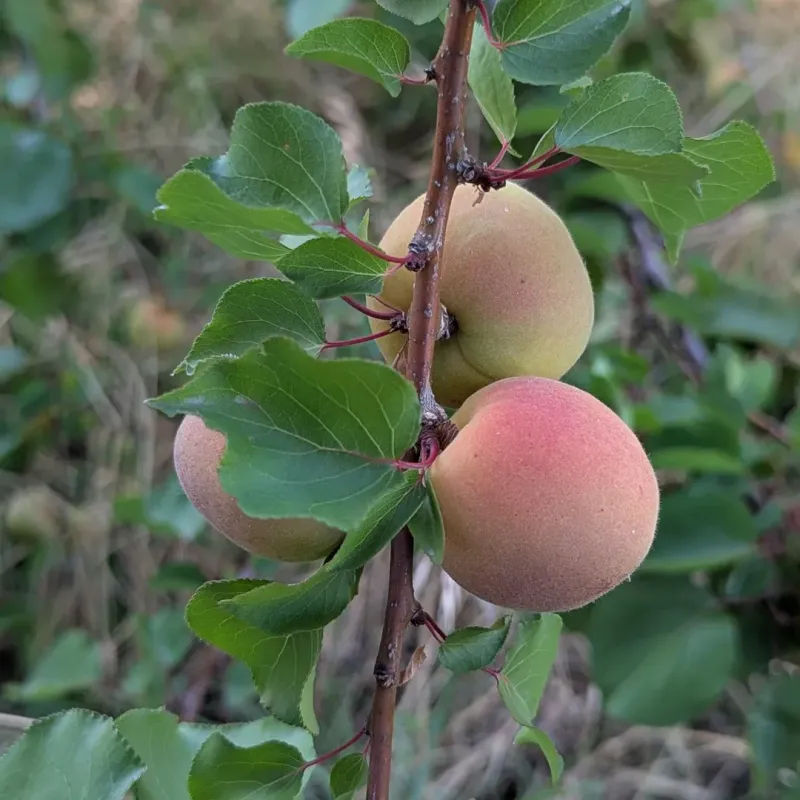
Apricots bloom incredibly early in spring, often during late February or early March.
Louisiana’s unpredictable late frosts frequently damage or destroy these delicate early blossoms.
One warm week tricks the tree into blooming, then a sudden freeze wipes out your entire potential crop.
Beyond frost damage, apricots are extremely susceptible to bacterial canker and brown rot fungus.
The state’s humid conditions accelerate the spread of these diseases throughout the growing season.
Even with aggressive fungicide spraying, keeping apricot trees healthy in Louisiana proves nearly impossible.
The combination of weather unpredictability and disease pressure creates a losing battle for home gardeners.
Commercial growers in Louisiana avoid apricots entirely because they simply aren’t economically viable.
Your apricot tree might look beautiful for a year or two before succumbing to environmental stress.
Rather than fighting nature, choose fruit trees bred specifically for Gulf Coast conditions.
Plums and Japanese persimmons offer similar fruit qualities without the constant struggle.
3. Apple Varieties Need More Winter Chill
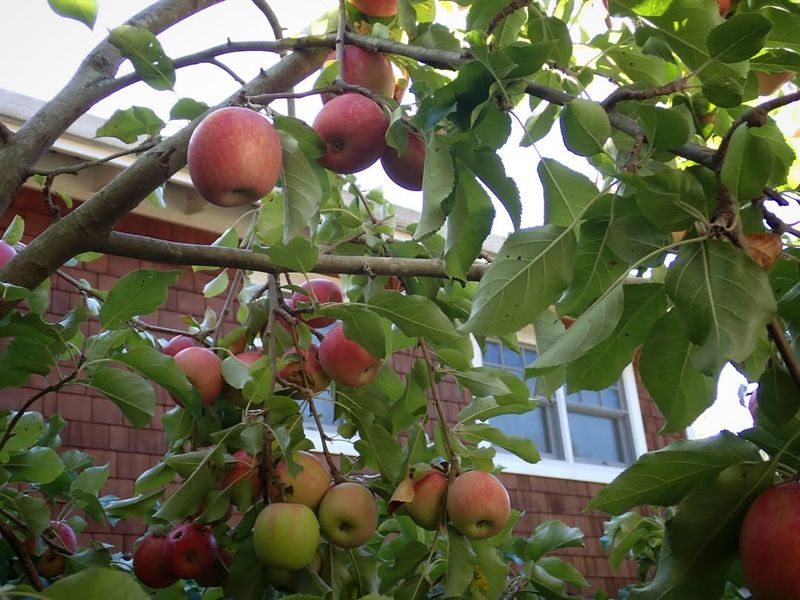
Most popular apple varieties were developed for northern climates with cold, snowy winters.
These trees require 800 to 1,000 chill hours to break dormancy and produce fruit properly.
Louisiana’s mild winters leave standard apple trees confused and unable to set a decent crop.
While low-chill varieties like Anna and Dorsett Golden exist, they still face significant challenges here.
The extreme summer heat and humidity create ideal conditions for fire blight and apple scab.
These diseases can devastate an apple tree in Louisiana within a single growing season.
Even low-chill varieties produce inferior fruit quality compared to apples grown in cooler regions.
The texture, flavor, and size of Louisiana-grown apples rarely match what you find in stores.
Constant spraying and maintenance are required just to keep trees marginally productive.
For most Louisiana gardeners, the effort-to-reward ratio simply doesn’t make sense.
Focus your energy on pears and Asian pears that handle the climate much better.
4. Pear Trees Attract Fire Blight Easily
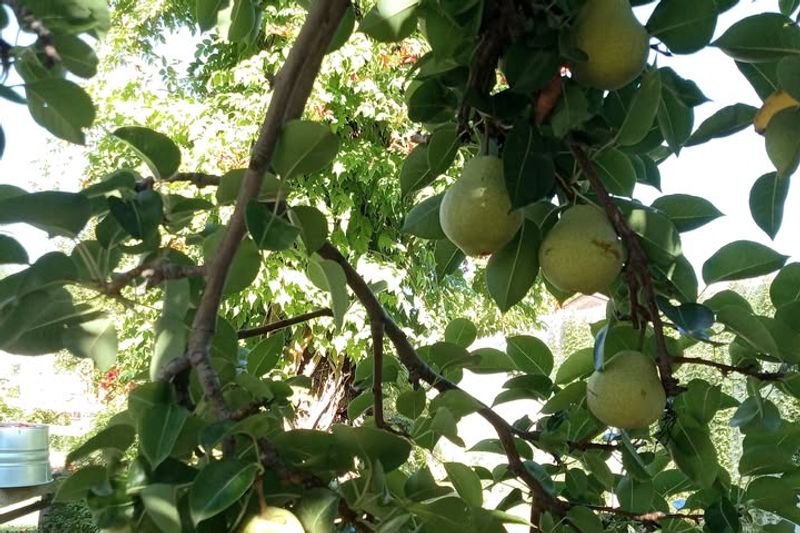
European pear varieties are notoriously susceptible to fire blight, a devastating bacterial disease.
Louisiana’s warm, humid springs create perfect conditions for this disease to spread rapidly through orchards.
Fire blight causes branches to blacken and curl as if scorched by flames.
Once established, the bacteria can destroy an entire pear tree within a single growing season.
Even resistant varieties struggle when faced with Louisiana’s intense disease pressure.
The high humidity and frequent spring rains allow bacteria to spread from flower to flower.
Controlling fire blight requires constant vigilance, pruning infected branches, and multiple antibiotic sprays.
Home gardeners rarely have the time or resources to manage this disease effectively.
Many Louisiana orchardists have abandoned European pears entirely due to repeated losses.
Asian pear varieties show better resistance but still face significant challenges in this climate.
Consider planting pineapple pears or other fire blight-resistant selections if you must grow pears.
5. European Plum Trees Struggle With Humidity

European plum trees were developed in cooler, drier regions of the world and rarely adapt well to Louisiana’s warm, humid climate.
Most European plum varieties require between 700 and 1,200 chill hours to break dormancy and produce fruit reliably, a requirement that Louisiana winters often fail to meet.
Without adequate winter cold, plum trees may leaf out unevenly, bloom poorly, or fail to set fruit altogether.
Even in years when flowering occurs, Louisiana’s frequent spring rains interfere with pollination and reduce fruit formation.
The state’s persistent humidity creates ideal conditions for fungal diseases such as brown rot and black knot, which quickly spread throughout the canopy.
Developing fruit often rots on the branch before it can mature, especially during wet springs and early summers.
Many gardeners attempt aggressive fungicide schedules, only to find disease pressure overwhelming in Louisiana conditions.
Trees may appear healthy and vigorous while producing little to no usable fruit year after year.
Late spring frosts further compound the problem by damaging fragile blooms just as trees come out of dormancy.
Because of these challenges, European plums are rarely productive for Louisiana home gardeners.
Figs and muscadines provide far more reliable harvests with significantly less effort in this climate.
6. Avocado Trees Cannot Survive Louisiana Winters
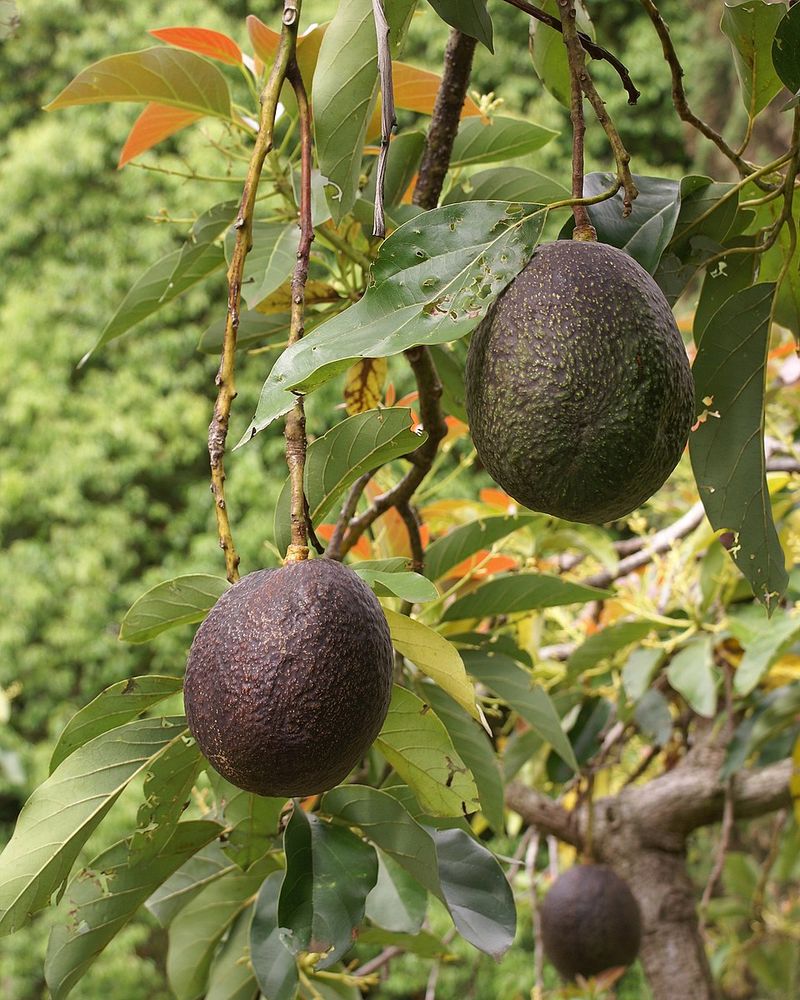
Avocado trees evolved in tropical and subtropical regions where freezing temperatures are rare, making them poorly suited for Louisiana’s winter conditions.
Most avocado varieties suffer severe damage when temperatures fall below 28 degrees Fahrenheit, a threshold Louisiana regularly reaches during winter cold snaps.
Even a single hard freeze can damage branches, destroy flower buds, or cause the tree to decline permanently.
Louisiana’s unpredictable winters make it impossible to rely on consistent cold protection year after year.
In addition to cold damage, the state’s heavy rainfall and poorly drained soils promote root rot, which avocados are highly susceptible to.
High humidity further weakens trees by encouraging fungal issues in both roots and foliage.
Some avocado trees survive one or two mild winters, giving gardeners false hope before declining suddenly after a colder season.
Flowering is inconsistent, and fruit set is extremely unreliable throughout most of Louisiana.
Protecting avocado trees with coverings and heat sources becomes impractical for most home gardeners.
Many trees are lost before they ever reach fruiting age.
For Louisiana gardeners, avocados are a high-risk planting with little chance of long-term success.
7. Pomegranate Trees Suffer From Fruit Rot
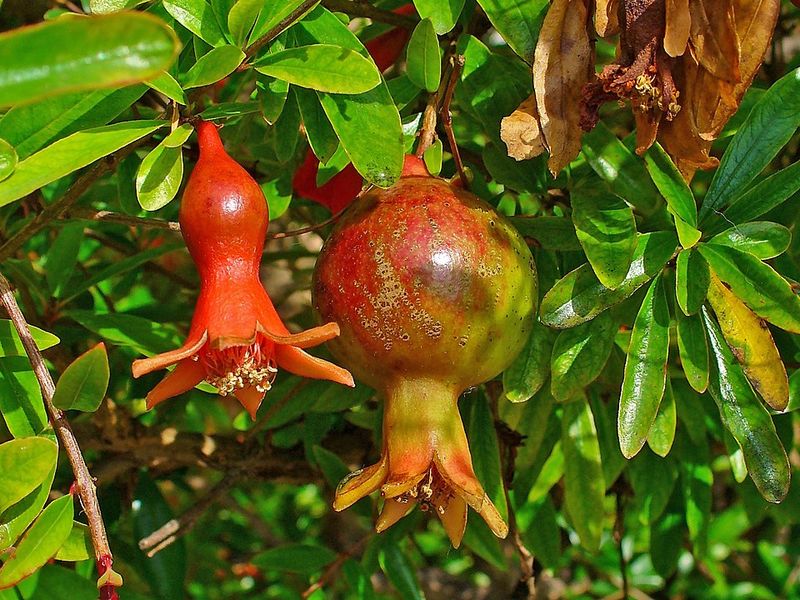
Pomegranate trees are often advertised as excellent choices for hot climates, but Louisiana’s persistent humidity and frequent summer rainfall create conditions that severely limit their usefulness as productive fruit trees.
While pomegranate trees can survive and even grow well in much of Louisiana, problems begin almost immediately once fruit starts to develop during the warm, wet part of the growing season.
Heavy rain, which is common during Louisiana summers, causes developing pomegranates to split open, especially after long dry spells followed by sudden storms.
Once fruit splits, moisture collects inside the thick skin, creating ideal conditions for fungal rot and insect damage that quickly ruin the fruit from the inside out.
Even fruit that does not visibly split often suffers internal rot due to Louisiana’s constant humidity, which prevents the fruit from drying properly as it matures.
Repeated rainfall during ripening also dilutes sugars, leaving fruit with poor color and bland flavor compared to pomegranates grown in drier regions.
Many Louisiana gardeners report trees that flower heavily year after year but produce few, if any, usable pomegranates at harvest time.
The long wait for fruit makes repeated crop failures especially frustrating for home gardeners.
Managing fruit rot requires careful spraying and near-perfect timing, which is difficult to maintain in Louisiana’s unpredictable weather.
In Louisiana, pomegranate trees may survive, but they rarely deliver the productive harvests gardeners expect.
8. Sweet Orange Trees Lack Cold Hardiness

Sweet orange trees require consistently mild winters and long frost-free seasons, conditions that Louisiana cannot reliably provide outside of a few protected coastal areas.
Across much of Louisiana, winter temperatures regularly fluctuate enough to damage flower buds, young fruit, and tender new growth on sweet orange trees.
Even brief dips into the mid-20s, which occur periodically throughout the state, can eliminate an entire season’s crop without destroying the tree outright.
This creates a cycle where trees survive year after year but fail to produce meaningful harvests.
Louisiana’s unpredictable freezes make it impossible to count on consistent fruit production from sweet oranges.
High humidity adds another layer of difficulty by increasing the risk of citrus canker, greasy spot, and other fungal and bacterial diseases.
Heavy rainfall common in Louisiana further stresses trees by promoting root problems in soils that already drain poorly.
Many gardeners invest years caring for sweet orange trees before realizing that survival does not mean productivity in this climate.
A single cold winter can erase seasons of progress.
While satsumas and mandarins thrive in Louisiana, sweet oranges lack the cold tolerance needed for reliable success.
9. Nectarine Trees Battle Constant Diseases
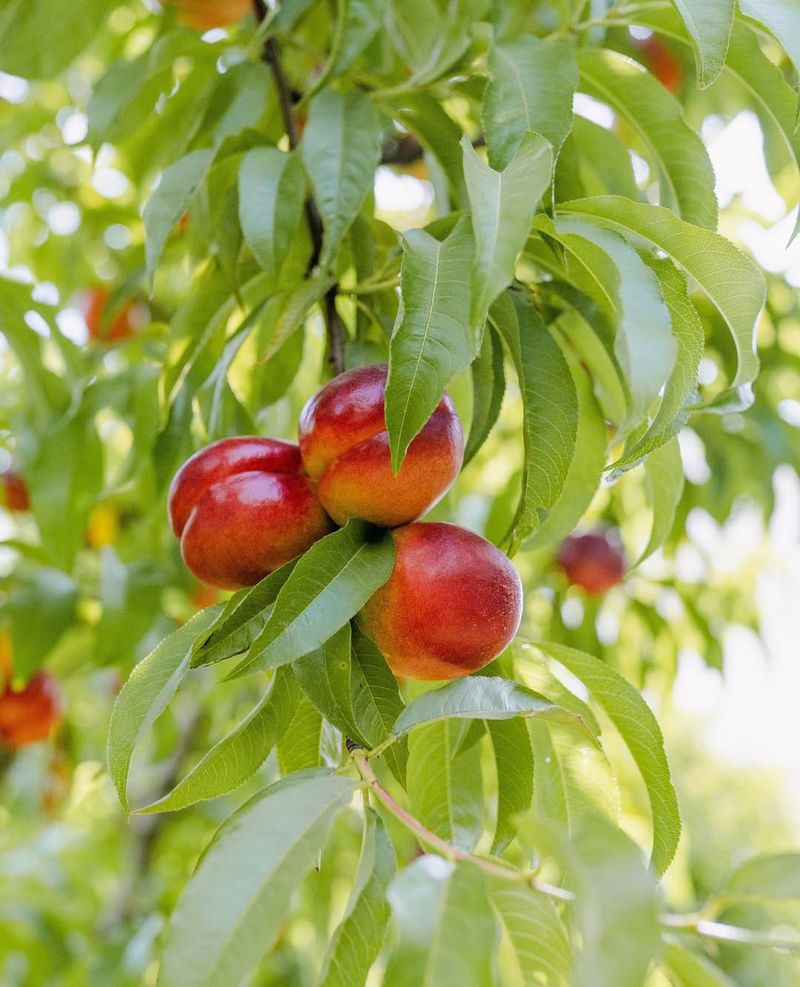
Nectarines are essentially fuzzless peaches with similar growing requirements and disease susceptibilities.
While peaches can succeed in Louisiana with proper care, nectarines face even greater challenges.
The smooth skin of nectarines makes them more vulnerable to insect damage and fungal infections.
Brown rot fungus spreads rapidly in Louisiana’s humid conditions, ruining fruit before harvest.
Plum curculio beetles attack nectarines aggressively, leaving crescent-shaped scars on developing fruit.
Without the fuzzy protection that peaches have, nectarines suffer more severe pest damage.
Controlling diseases and pests on nectarine trees requires an intensive spray schedule.
Most home gardeners find the maintenance demands overwhelming and ultimately not worth the effort.
Even with perfect care, nectarine production in Louisiana remains inconsistent and unpredictable.
The trees may look healthy but fail to produce usable fruit due to disease pressure.
Stick with well-adapted peach varieties that offer better disease resistance and more reliable harvests.
10. Almond Trees Cannot Handle Louisiana’s Humidity

Almond trees evolved in climates with dry summers and low humidity, making Louisiana’s warm, wet growing season a constant obstacle to both tree health and nut production.
Persistent humidity creates ideal conditions for fungal diseases that attack almond blossoms, leaves, and developing nuts.
Rain during the blooming period interferes with pollination, which immediately reduces nut set before the season has truly begun.
As nuts develop, frequent rainfall encourages hull rot and kernel mold, problems that worsen with each passing storm.
Louisiana’s long, humid summers prevent the nuts from drying properly on the tree, a critical step for successful almond production.
Almond trees also bloom very early, often before Louisiana’s winter weather has settled.
Late cold snaps, which are common across much of the state, frequently destroy flowers and eliminate crops in a single night.
Even when trees appear healthy, harvests remain inconsistent or nonexistent.
Gardeners who attempt almonds in this state often face repeated disappointment despite careful management.
The climate mismatch ultimately makes almond trees an impractical choice for these gardens.
11. Quince Trees Are Highly Susceptible To Fire Blight
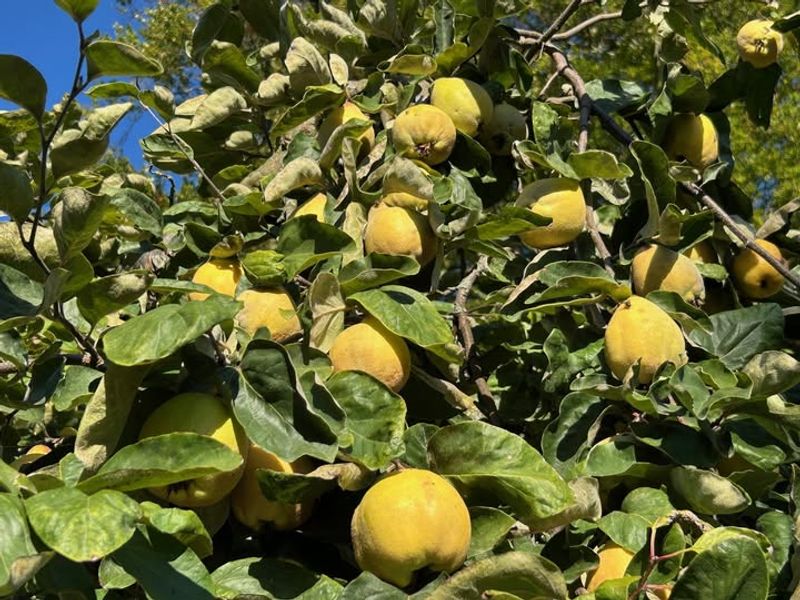
Quince trees are closely related to pears and share their extreme susceptibility to fire blight, a bacterial disease that thrives in Louisiana’s warm, humid spring conditions.
During Louisiana’s rainy spring weather, fire blight spreads easily through blossoms, which are highly vulnerable to infection.
Once the bacteria enters the tree, it moves rapidly through shoots and branches, often reaching the main trunk within a single growing season.
Infected limbs quickly blacken and curl, giving the appearance that the tree has been scorched by fire.
Frequent rain allows the disease to spread aggressively from flower to flower and from tree to tree.
As infections worsen, fruit production declines sharply, even if the tree initially appears healthy.
Managing fire blight requires constant pruning and careful monitoring, a process that becomes exhausting for most home gardeners.
Even varieties labeled as resistant struggle under Louisiana’s intense disease pressure.
Many quince trees decline after only a few years in these conditions.
For most gardeners, quinces demand far more effort than the harvest can justify.
12. Loquat Trees Bloom Too Early
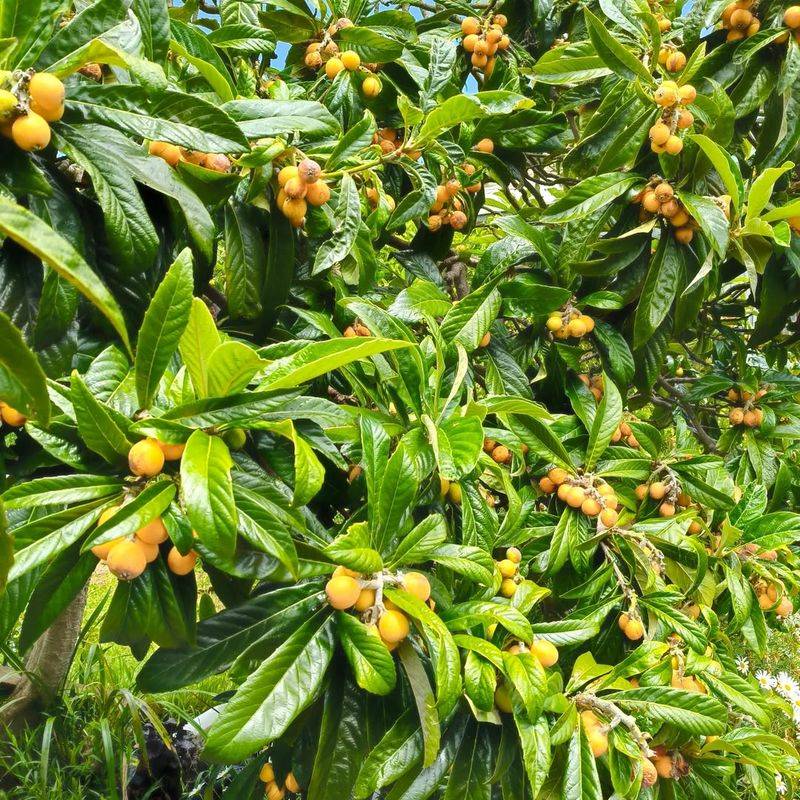
Loquat trees bloom in late fall and winter, often beginning as early as December in Louisiana, which places their flowers at constant risk from cold weather.
Because Louisiana winters are unpredictable, even light frost can destroy flowers and developing fruit.
A single freeze event is enough to wipe out the entire crop for the year.
This problem occurs regularly across northern and central Louisiana, where winters are rarely mild enough for reliable loquat production.
Even in southern Louisiana, sudden temperature drops can cause repeated crop failure.
Rainy spring weather further increases problems by promoting fruit rot and fungal disease.
The trees themselves grow well and appear healthy, which often misleads gardeners into expecting fruit.
Many loquat trees bloom year after year without producing a harvest.
Only the warmest and most protected areas see occasional success.
For most of the state, loquat trees function more as ornamentals than as productive fruit trees.