5 Fruit Trees To Plant In Georgia In March And 4 Better Planted Later In Spring
March is when many Georgia gardeners start thinking seriously about planting fruit trees. The soil is warming, garden centers begin filling with young trees, and it finally feels like the growing season is getting underway.
It is a great time to plant certain fruit trees that establish well while temperatures are still mild.
At the same time, not every fruit tree benefits from being planted this early. Some varieties settle in best when the soil warms a bit more and the risk of sudden cold snaps passes.
Planting them too soon can slow early growth or make young trees struggle during their first weeks in the ground.
That timing difference is why choosing the right trees for March planting matters. Some fruit trees can get a strong start right now, while others are better off waiting a little longer before going into Georgia garden soil.
1. Apple Trees Establish Strong Roots When Planted In Early Spring
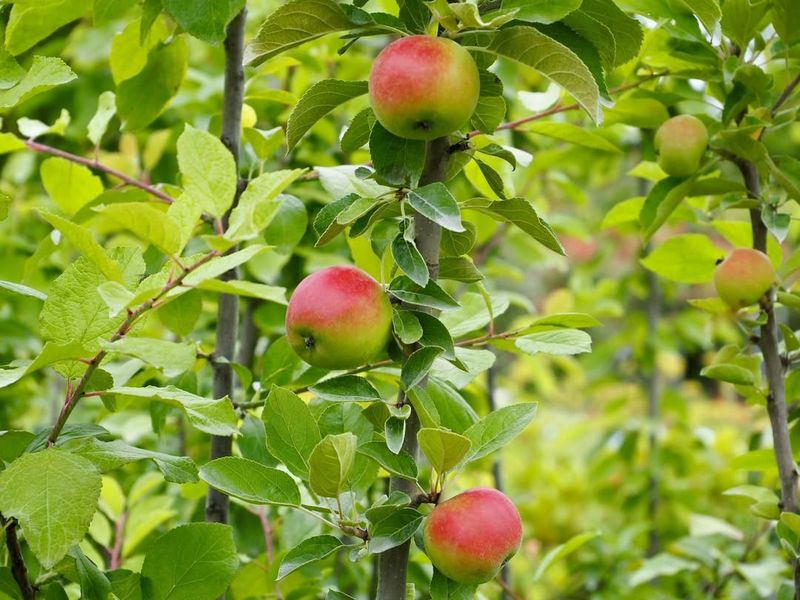
Apple trees have a short window in Georgia, and March is right in the middle of it. Plant too late and the summer heat hits before roots have time to settle in.
Varieties like Fuji and Gala handle Georgia summers better than most, but they still need that cool early spring period to anchor themselves properly.
Pick a spot with full sun, at least six to eight hours daily. Red clay is common across Georgia, so break it up well and mix in compost before planting.
Compacted soil slows root spread and holds too much water after heavy spring rains.
After planting, water deeply once a week unless rain takes care of it. Keep a two to three inch layer of mulch around the base, but pull it back from the trunk itself.
Mulch piled against bark traps moisture and invites rot.
Apple trees in Georgia also need a second variety nearby for cross-pollination. Plant two different varieties within 50 feet of each other for a solid fruit set.
Without a pollinator partner, your harvest will be thin no matter how well the tree grows.
Prune young apple trees lightly during their first years so the branches form a strong, open structure. Good airflow through the canopy helps reduce common problems like fungal diseases that thrive in Georgia’s humid spring weather.
2. Peach Trees Benefit From Planting Before Georgia’s Heat Arrives
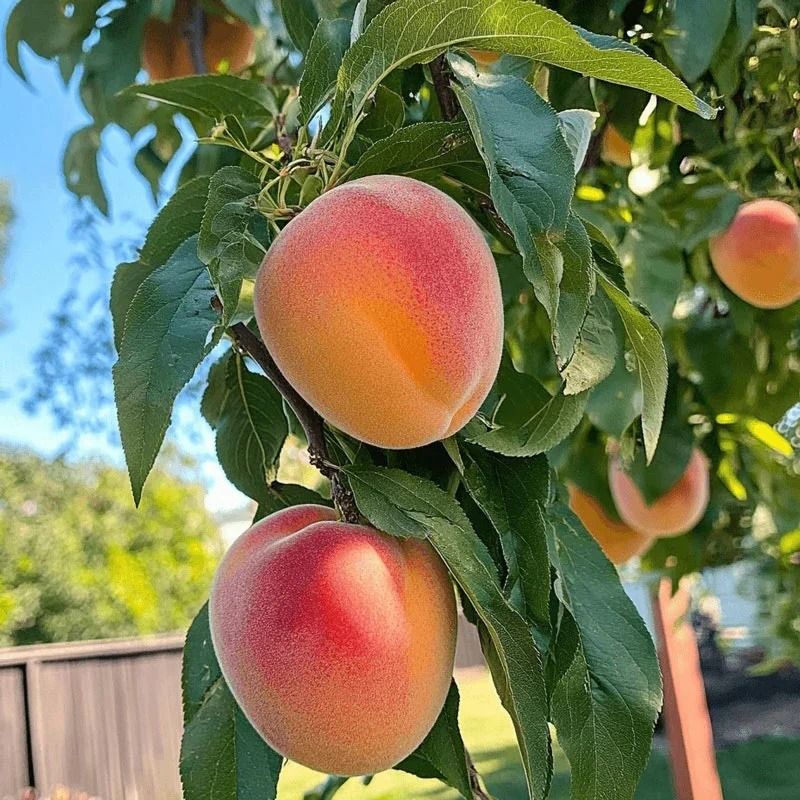
Georgia and peaches go together for a reason. The state’s climate suits peach trees almost perfectly, but only if you get them in the ground before the heat locks in.
Late March planting gives roots six to eight weeks of cooler soil to spread before summer shows up.
Elberta and Georgia Belle are two varieties that have been grown here for generations. Both handle the humidity and heat well, but they still need good air circulation around the canopy to avoid fungal problems.
Avoid low spots in your yard where cold air and moisture pool overnight.
Peach trees want well-drained, slightly sandy soil. If your spot holds standing water after rain for more than an hour, that is the wrong location.
Raised planting beds can help in areas with heavier soil common in central Georgia.
Pruning matters more with peaches than almost any other fruit tree. Cut back about a third of the new growth each late winter to keep the canopy open and productive.
Skip pruning and the tree gets crowded fast, fruit size drops, and disease pressure goes up significantly over time.
Peach trees also benefit from a consistent watering routine during their first growing season while roots establish. Once established, they become much more drought-tolerant but still perform best with occasional deep watering during long dry spells.
3. Plum Trees Adapt Quickly When Planted In March Soil
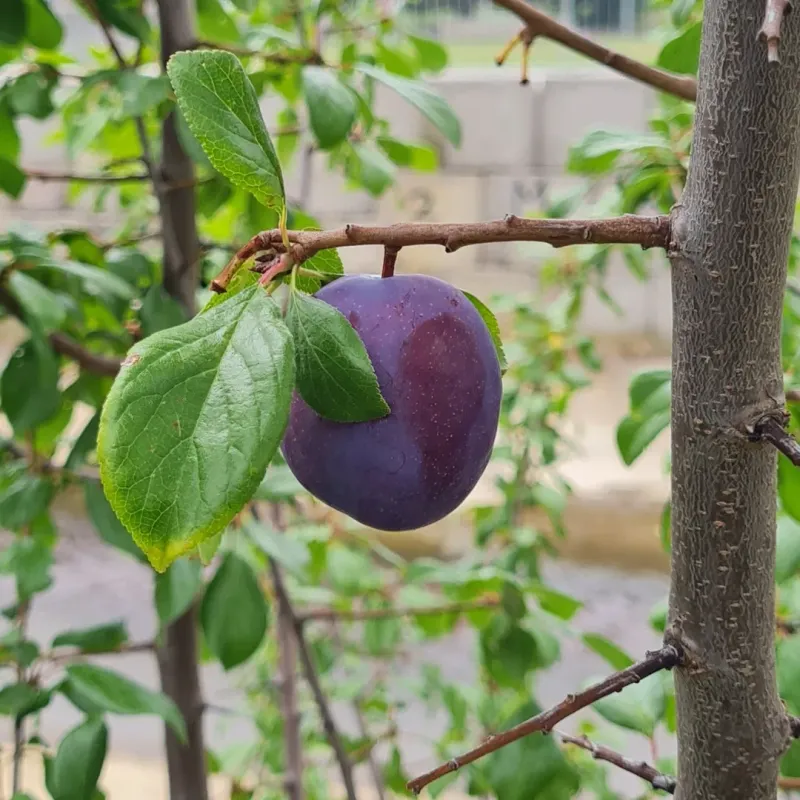
Plum trees are surprisingly tough. They settle into new soil faster than most fruit trees, which makes March planting in Georgia a smart move.
Get them in while nighttime temps are still mild and the roots push out quickly without the stress of summer heat bearing down.
Methley is one of the most popular varieties across Georgia because it is self-fertile, meaning you do not need a second tree for fruit. Santa Rosa is another solid pick but does better with a pollinator nearby.
Both produce well in the Piedmont and coastal plain regions.
Dig the planting hole about twice as wide as the root ball but no deeper than the root flare. Planting too deep is one of the most common mistakes and it slows establishment significantly.
The root flare, where the trunk widens at the base, should sit right at or just above ground level.
Water consistently for the first eight weeks after planting. Plum trees are not drought-tolerant while young, but they also dislike soggy roots.
A consistent, moderate watering schedule beats irregular deep soaks every time during that critical first growing season in Georgia.
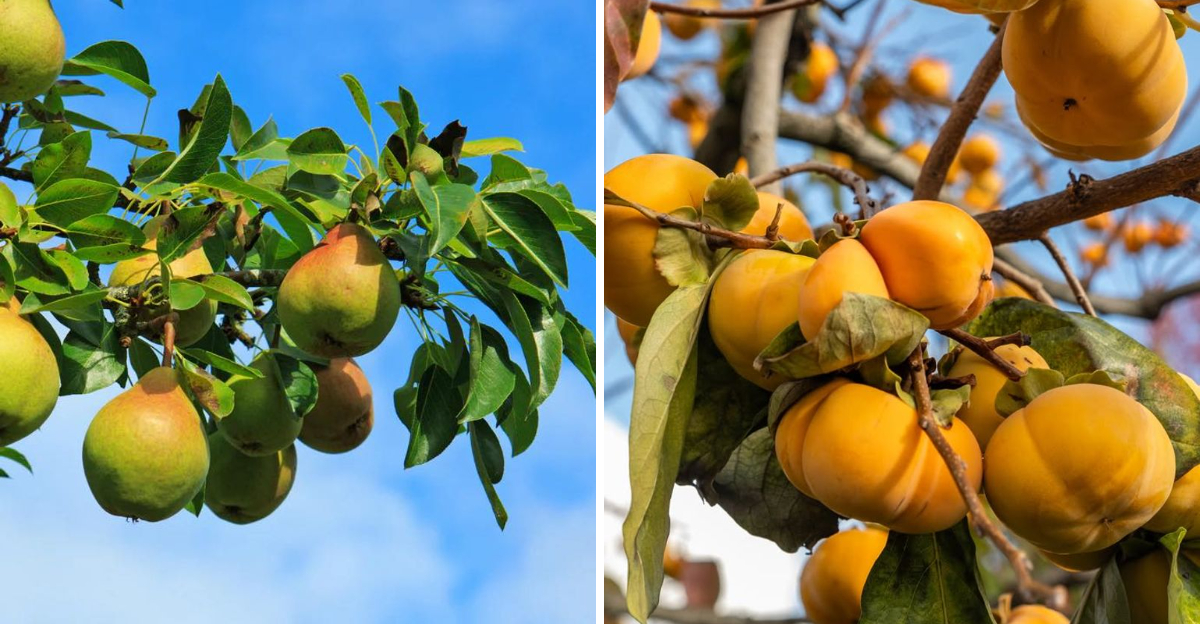
4. Pear Trees Settle In Well During Georgia’s Cool Spring Weather
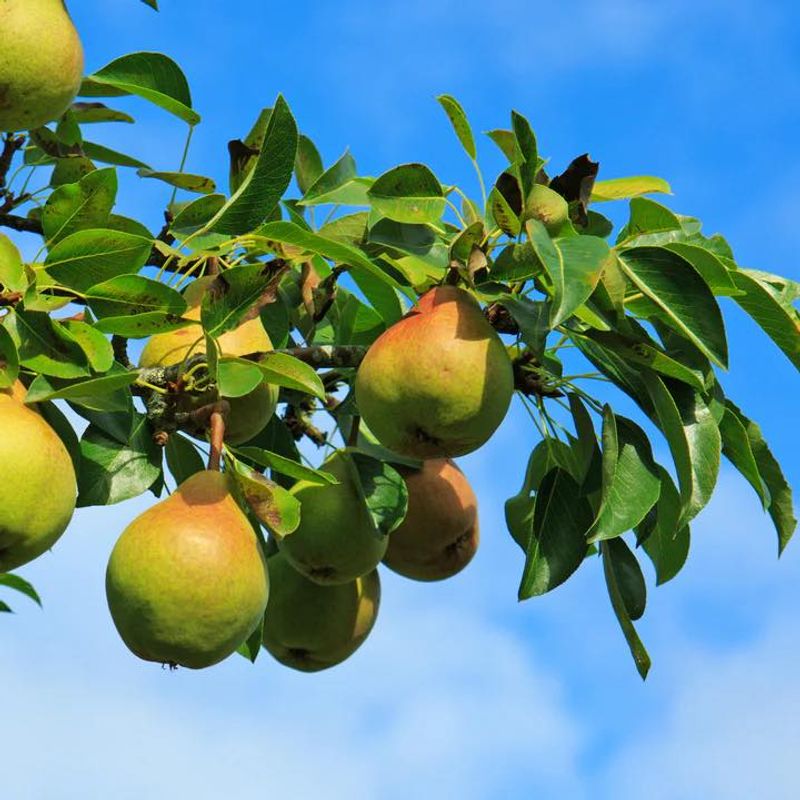
Pear trees are one of the more patient fruit trees you can grow. They take a couple of years before producing fruit, but March planting in Georgia gives them the best foundation for that long-term payoff.
Cool soil and mild air make root establishment much smoother than summer planting ever could.
Kieffer and Bartlett are two varieties worth knowing. Kieffer handles Georgia’s heat and humidity better and also shows stronger resistance to fire blight, a bacterial disease that can spread fast during warm, wet springs across the state.
Bartlett is sweeter but needs more attention.
Soil drainage is critical for pears. Standing water around roots, even briefly, causes problems that show up weeks later as yellowing leaves and weak new growth.
If your soil drains slowly, build up a slightly raised planting mound to improve drainage naturally.
Pear trees benefit from a light application of balanced fertilizer about four weeks after planting. Do not fertilize at the time of planting because fresh roots are sensitive and too much nitrogen early on pushes leafy growth at the expense of root development.
Patience and restraint early on pays off later.
5. Fig Trees Grow Strong Roots When Planted In Early Spring
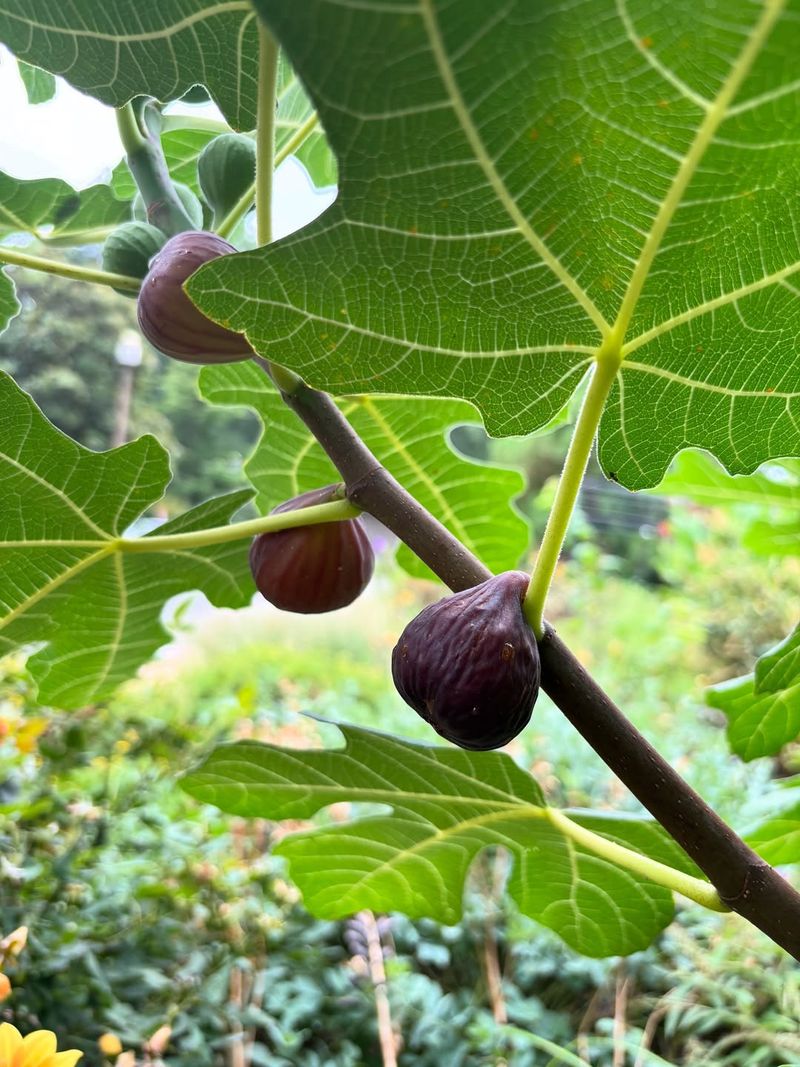
Few fruit trees reward a Georgia gardener as reliably as a fig. Plant one in March, give it a decent spot, and it will likely outlive the fence around it.
Figs are vigorous growers and early spring planting lets them push out an impressive root system before summer heat hits full force.
Brown Turkey and Celeste are the two most common varieties grown across Georgia, from the Atlanta suburbs down to the Gulf coastal areas. Both handle heat well and bounce back quickly after a cold snap.
Celeste tends to produce smaller, sweeter fruit and is slightly more cold-hardy for north Georgia gardeners.
Full sun is non-negotiable for figs. Six hours minimum, eight is better.
A south-facing wall or fence nearby can provide extra warmth in colder parts of the state and help protect the tree during unexpected late-season cold snaps in March and early April.
Figs planted in spring rarely need much supplemental water after the first season. During the first year, water weekly if rain is sparse.
Mulching heavily around the base holds soil moisture and keeps root temps stable during Georgia’s unpredictable late spring weather swings.
6. Persimmon Trees Prefer Warmer Soil Before Planting
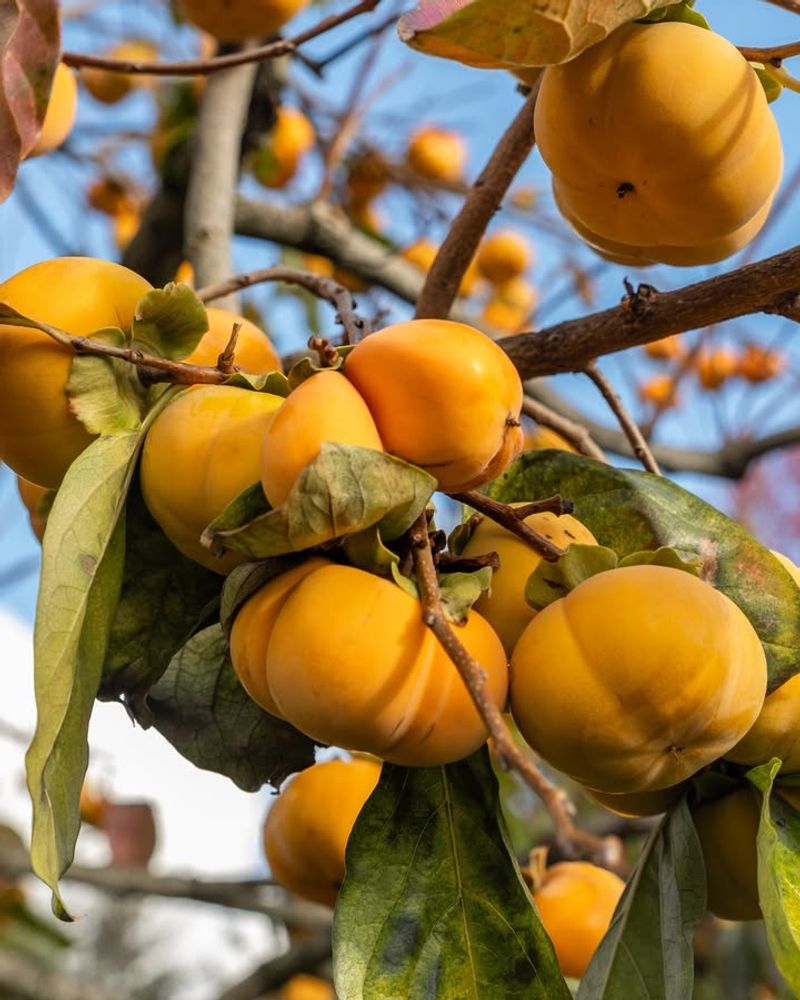
Persimmon trees are not in a rush, and honestly, neither should you be when planting them. Waiting until late April or early May in Georgia gives the soil time to warm up past 60 degrees, which is where persimmon roots actually start moving.
Plant too early and the tree just sits there doing nothing for weeks.
American persimmons are native to this region and extremely well-suited to Georgia conditions.
Asian varieties like Fuyu and Hachiya produce larger fruit and are popular in home gardens across the state, but they need that warmer soil to get started on the right foot.
Persimmons are not picky about soil type. Sandy loam, clay, even rocky hillside soils work fine as long as drainage is reasonable.
What they cannot tolerate is waterlogged roots, so avoid low areas of your yard where water collects after heavy spring rains.
Skip heavy fertilizing the first year. Persimmons respond poorly to nitrogen overload early on.
A light top dressing of compost around the drip line is all that is needed during the first growing season. Let the tree develop at its own pace and it will reward you with minimal fuss for decades.
7. Pomegranate Trees Establish Better After Temperatures Rise
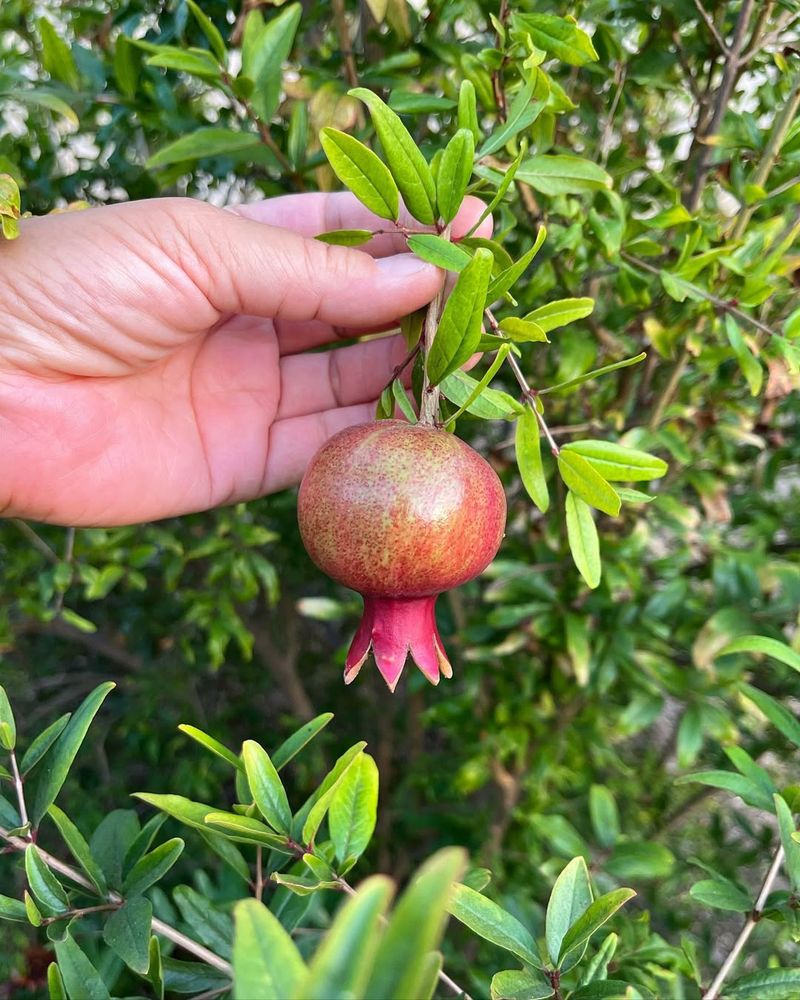
Pomegranate trees look tropical, and in a way, they kind of are. Planting them in Georgia before the soil warms up is a gamble that rarely pays off.
Wait until late April at the earliest, and you will see noticeably stronger growth during that first season compared to trees rushed into cold ground.
Parfianka and Salavatski are two varieties that perform well in Georgia’s climate. Both handle summer heat without complaint and produce heavily once they hit their stride around year three.
Parfianka is known for its rich flavor while Salavatski is prized for cold hardiness, which matters in the northern parts of the state.
Full sun is a hard requirement. Pomegranates planted in partial shade produce weak growth and very little fruit.
A south or west-facing slope is ideal in Georgia, where the tree gets maximum heat exposure through summer and early fall when fruit is developing.
Watering during the first season should be steady but not excessive. Drought stress causes fruit to crack later in the season, which is frustrating after months of watching the fruit develop.
A two-inch layer of mulch around the base helps regulate soil moisture without keeping roots too wet.
8. Mulberry Trees Transplant More Easily Once Spring Warms
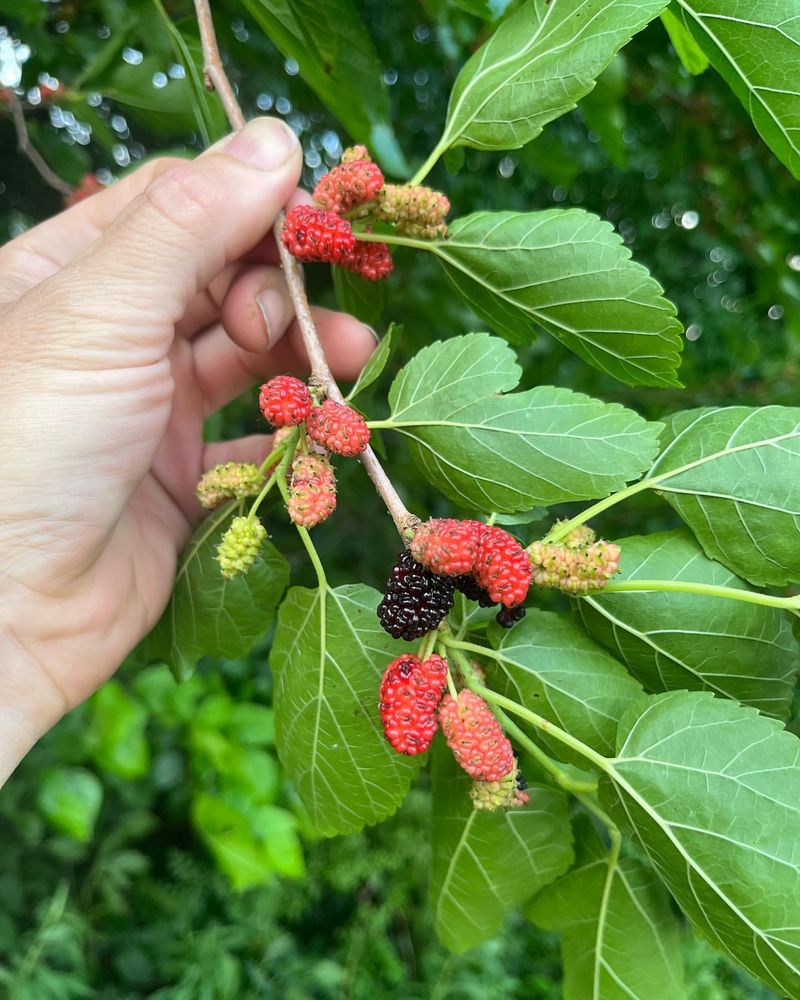
Mulberry trees are fast growers, sometimes almost alarmingly so, but that speed works against them if you transplant during cold, wet early spring conditions.
Waiting until mid to late April in Georgia lets the soil warm and the tree settle in without the shock of cold ground slowing everything down at once.
Illinois Everbearing is a popular mulberry variety for Georgia because it produces over a long season rather than dumping all its fruit at once.
Pakistan Mulberry is another option that produces impressively large fruit, though it is better suited for central and south Georgia where winters are milder.
Mulberries are not fussy about soil but they do want room. These trees spread wide and their roots travel far, so keep them away from driveways, water lines, and foundations.
A spot at least 15 to 20 feet from any structure is a reasonable minimum for long-term planting.
Once established in Georgia’s warm climate, mulberry trees are remarkably self-sufficient. During the first season, water weekly during dry stretches.
After that, natural rainfall handles most of the work. Fruit typically begins in year two or three and continues reliably for decades with minimal intervention.
9. Loquat Trees Handle Planting Better In Warmer Weather
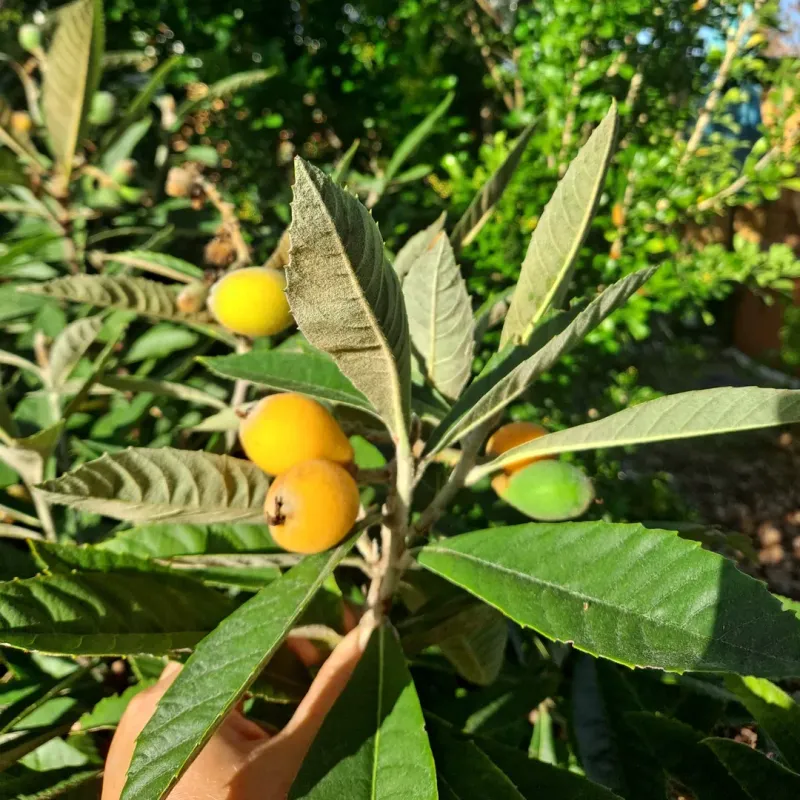
Loquat trees are a bit of an underrated gem in Georgia gardens, especially in the southern half of the state. Planting in early spring when soil temperatures are still low can stress the roots and slow growth noticeably.
Waiting until late April or May gives loquats the warm start they genuinely need to push out healthy new growth.
Loquats are evergreen, which means they keep their leaves year-round and provide visual interest even when not fruiting.
Fruit typically ripens in late winter to early spring, which is unusual and actually makes the loquat one of the first fresh fruits available from a home garden each year in Georgia.
Cold hardiness is a real concern for loquats north of Macon. Below 15 degrees Fahrenheit and the fruit can sustain damage, though the tree itself usually survives.
In north Georgia, a sheltered south-facing wall provides meaningful protection during hard freezes.
Soil preparation before planting makes a big difference with loquats. Work in compost to improve drainage and loosen compacted soil.
Water deeply after planting and keep the root zone consistently moist through the first summer. Once the tree gets through its first Georgia summer, it typically handles heat very well going forward.