12 Fruit Trees Washington Homeowners Trim In Winter For Bigger Yields
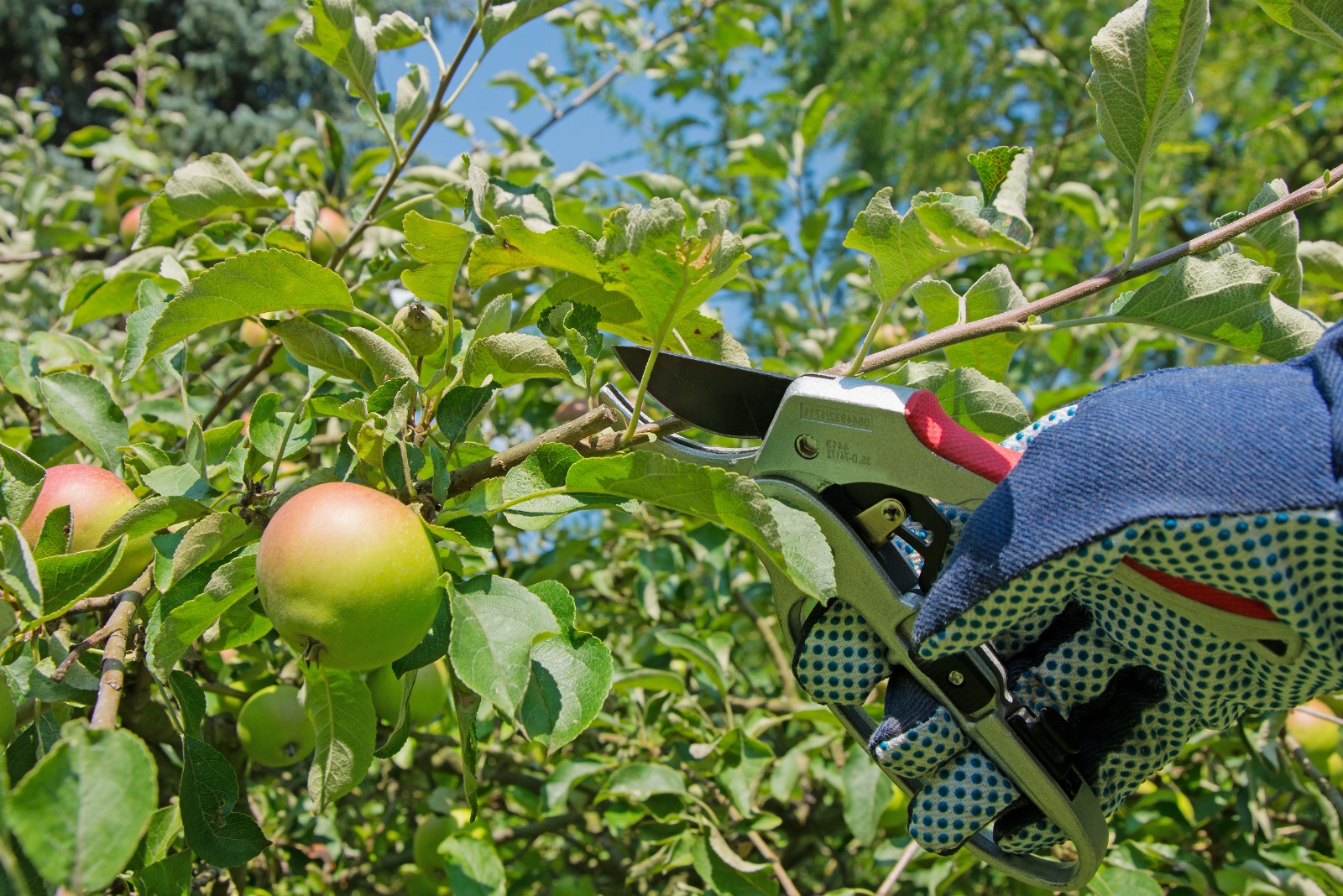
Washington winters may feel still, but fruit trees stay busy beneath that calm surface.
A winter prune works like a reset button.
I’ve stepped out in the cold, made clean cuts, and watched those same trees respond with surprising strength once temperatures rise.
Branches return thicker, better spaced, and far more reliable.
During dormancy, trees waste no energy trying to heal leaves or fruit.
Every ounce of stored power waits for spring.
Remove weak, crowded limbs in winter and that energy shifts where it counts.
Strong branches take over, air moves freely, and sunlight reaches deeper into the canopy.
The result shows fast.
This quiet seasonal rhythm pays dividends later.
Blossoms form with purpose, fruit sets evenly, and limbs carry weight without strain.
Harvests improve not by luck, but by timing.
Winter pruning feels simple, even understated, yet it shapes the entire year ahead.
In Washington orchards and backyard gardens alike, that cold-weather effort turns patience into payoff and transforms silence into abundance.
1. Apple Trees
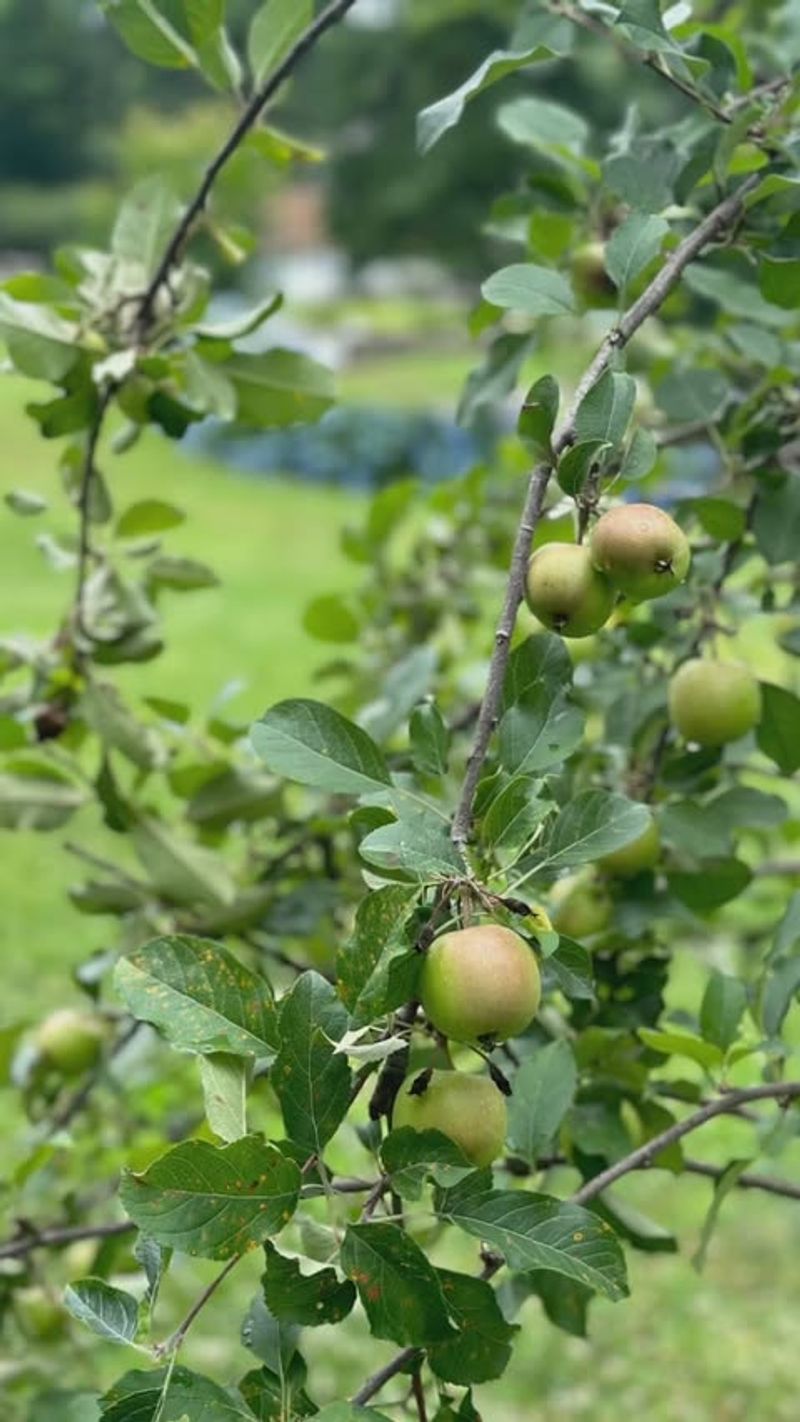
Washington orchards are famous for their crisp, juicy apples, and winter trimming plays a huge role in that success.
Cutting back overgrown branches during dormancy allows sunlight to reach every part of the tree when warmer weather arrives.
Homeowners across the state remove dead wood and crossing limbs to prevent disease and encourage stronger growth.
Proper pruning creates an open canopy that helps apples ripen evenly.
Late February through early March works best, right before buds start swelling with new life.
2. Pear Trees
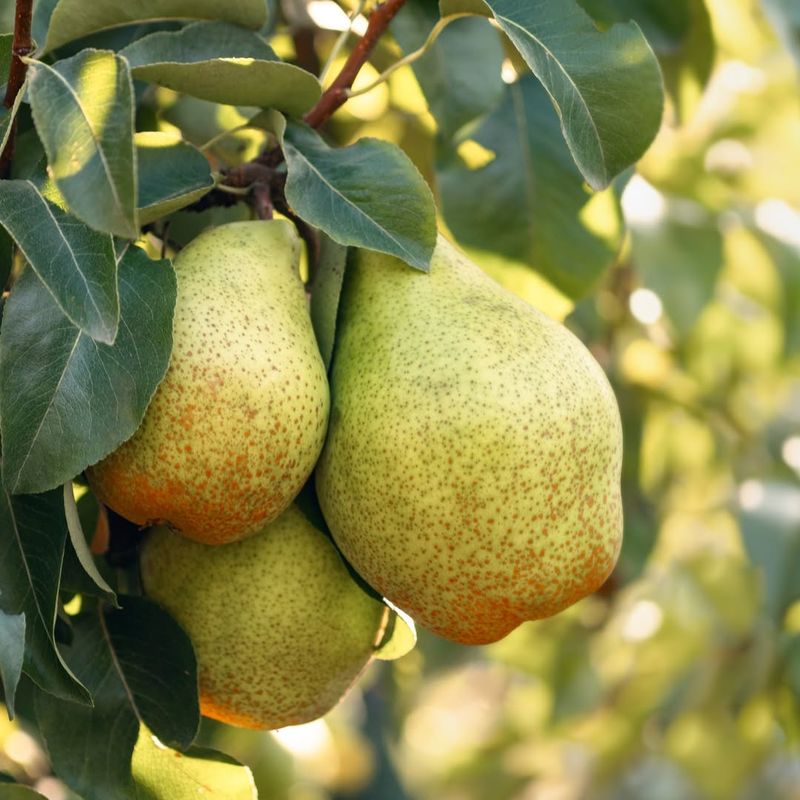
Washington’s cool winters and mild summers create ideal conditions for pears, but long-term success depends on smart pruning.
Winter dormancy offers the perfect window.
With leaves gone and growth paused, branch structure shows clearly, making each cut count.
Young trees gain shape and balance, while mature trees regain focus and strength.
Gardeners target crowded limbs first.
When branches overlap and compete, fruit quality drops and disease risk climbs.
Thinning restores airflow and sunlight, two essentials for healthy pears.
Attention also turns to water sprouts, those fast, vertical shoots that drain energy without offering fruit. Removing them redirects resources toward sturdy, fruit-bearing wood.
This approach keeps trees productive without constant intervention.
A well-pruned pear tree responds with steady growth, strong limbs, and reliable yields year after year. I
n Washington gardens, this winter habit builds resilience and longevity.
With a little cold-season care, pear trees settle into a rhythm that rewards patience with sweet, buttery harvests for decades, not just a season or two.
3. Cherry Trees
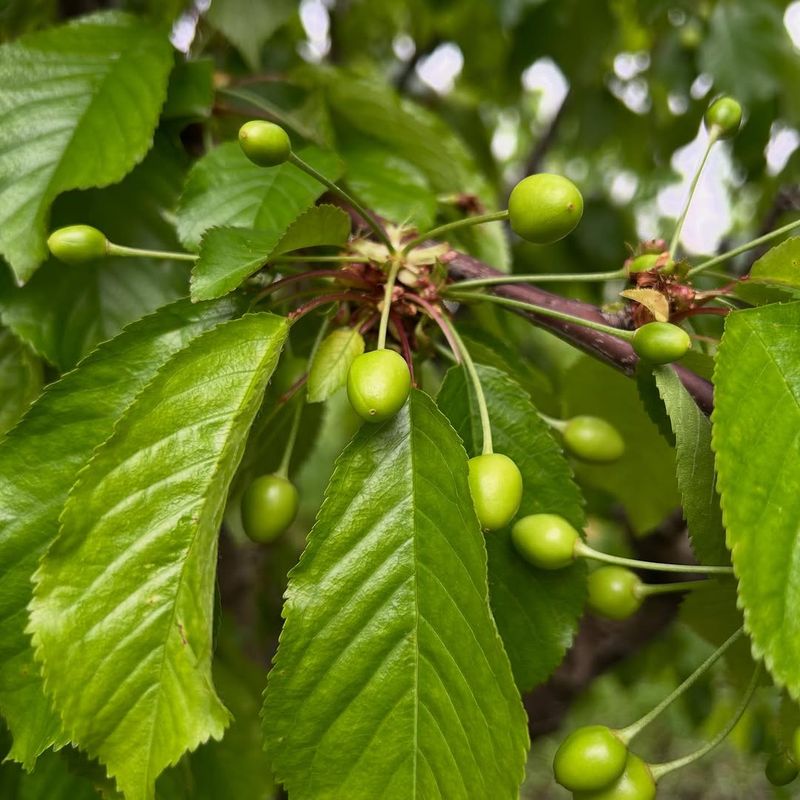
Few things taste better than fresh cherries picked right from your own backyard tree.
Winter pruning keeps cherry trees healthy and encourages bigger, sweeter fruit when summer rolls around.
Washington growers trim away damaged branches and thin the canopy to improve air circulation.
Better airflow means fewer fungal problems and happier trees overall.
Sweet cherries especially benefit from careful shaping during their dormant period, setting the stage for spectacular spring blossoms and juicy summer treats.
4. Plum Trees
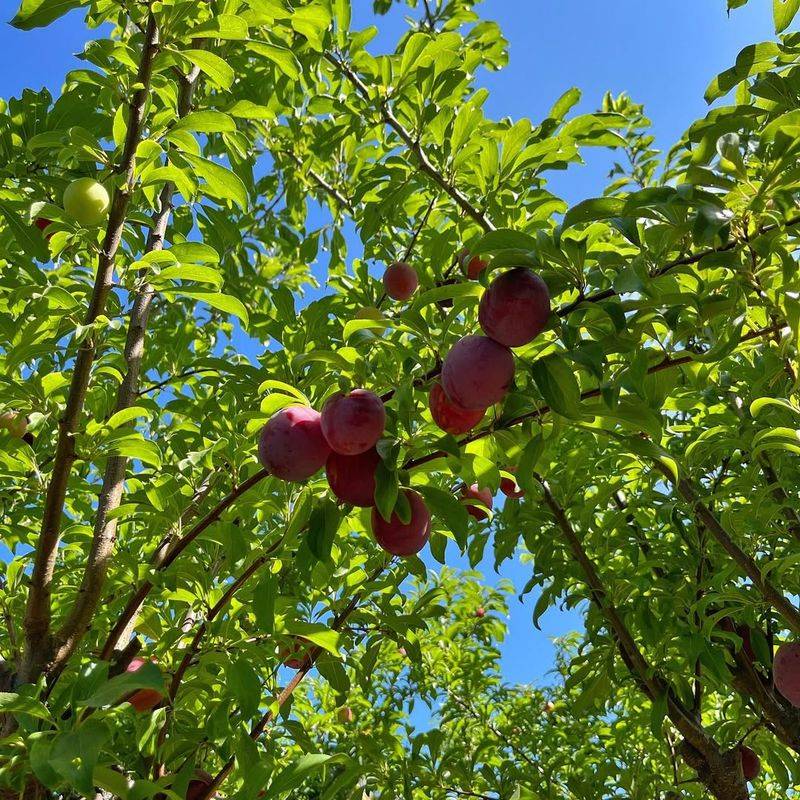
Plums thrive in Washington yards when homeowners give them a little winter attention.
Dormant pruning removes branches that grow inward or rub against each other, preventing wounds that invite pests.
Opening up the center of the tree lets light penetrate deeply, which helps plums develop their full flavor and color.
Many Washington gardeners prune plums in late winter before sap starts flowing heavily.
A well-maintained plum tree rewards you with abundant fruit perfect for fresh eating or homemade jam.
5. Peach Trees
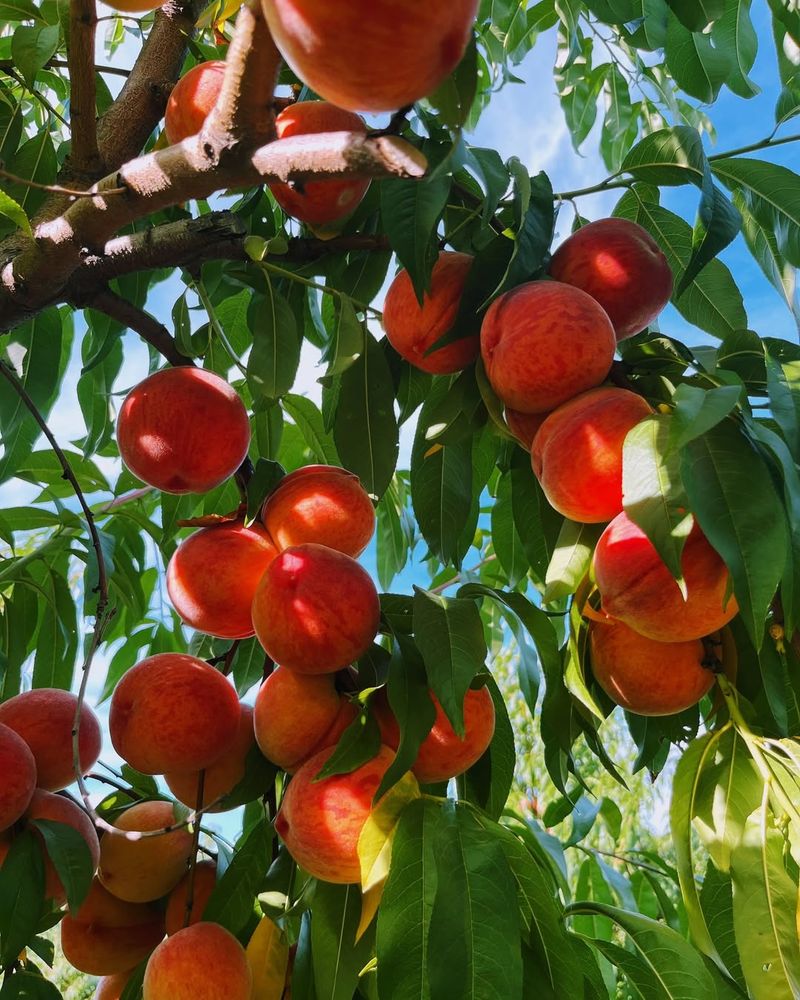
Juicy peaches might seem like a southern crop, but they grow surprisingly well in parts of Washington with proper care.
Winter pruning is essential because peach trees produce fruit on wood that grew the previous year.
Homeowners trim back about one-third of the tree’s growth to encourage fresh, productive branches.
Removing older wood makes room for vigorous new shoots that will carry next summer’s harvest.
Late winter pruning also helps prevent overcrowding and keeps peach trees manageable for backyard spaces.
6. Apricot Trees
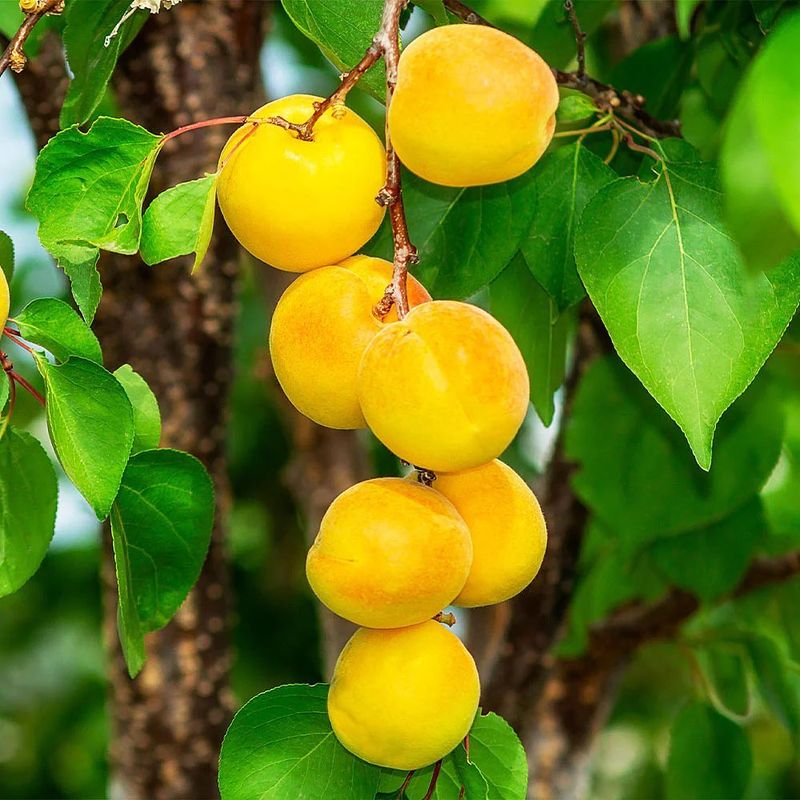
Golden apricots taste like sunshine, and Washington gardeners can grow them successfully with thoughtful winter maintenance.
Trimming during dormancy helps control the tree’s size while boosting fruit production.
Apricots bloom early, so pruning too late might accidentally remove flower buds and reduce your harvest.
Smart homeowners across Washington trim in mid-winter before any warm spells trigger early blooming.
Thinning crowded branches also improves fruit quality by ensuring each apricot gets enough light and nutrients to develop fully.
7. Nectarine Trees
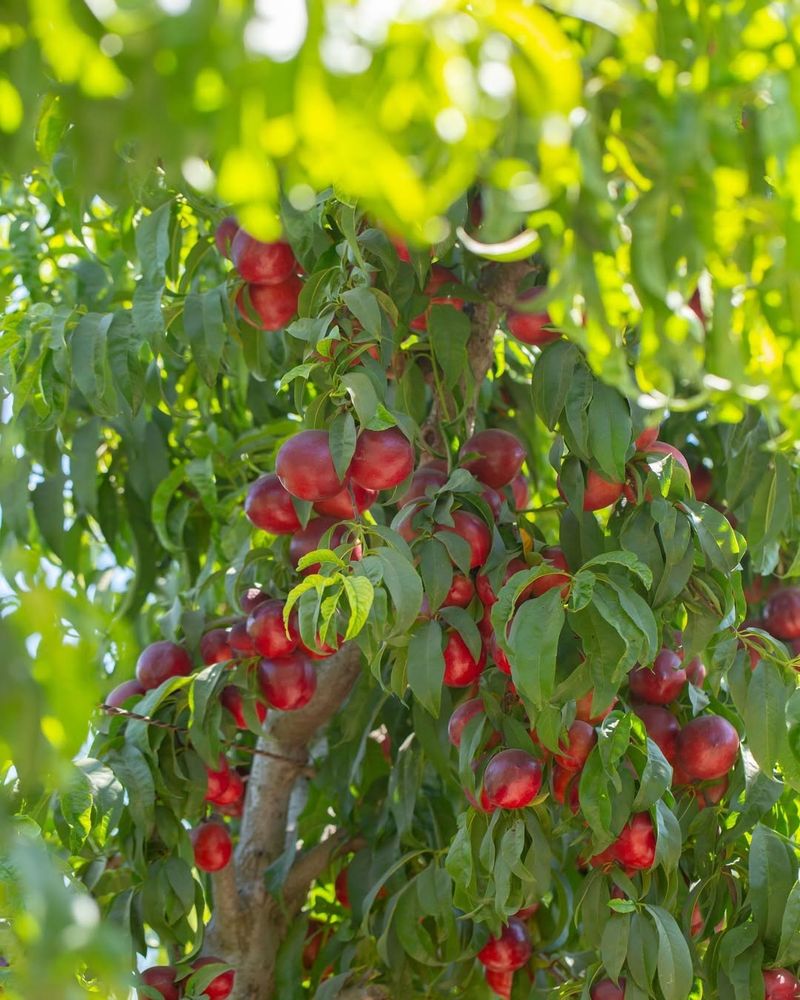
Smooth-skinned nectarines are basically fuzzless peaches, and they need similar winter care to produce well.
Washington homeowners prune nectarines aggressively during dormancy to stimulate new fruiting wood.
Cutting back last year’s growth by about half might seem extreme, but it’s exactly what nectarine trees need.
This hard pruning encourages the vigorous shoots that produce the biggest, sweetest fruit.
Proper winter trimming also keeps nectarine trees from becoming tangled messes that are difficult to harvest later.
8. Fig Trees
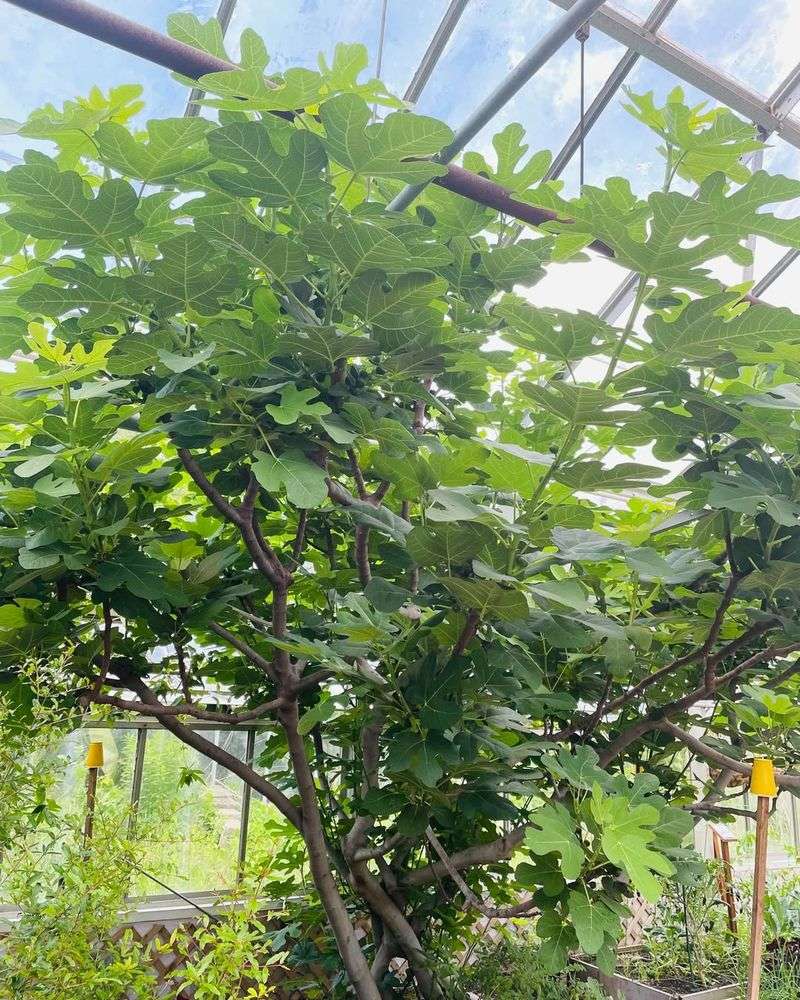
Figs might surprise you as a Washington crop, but certain varieties handle the climate beautifully with winter protection.
Pruning during dormancy removes branches damaged by cold and shapes the tree for better production.
Homeowners often trim figs to keep them compact and manageable, especially container-grown varieties.
Removing dead wood prevents disease and helps the tree focus energy on healthy, fruit-bearing branches.
Light winter pruning combined with mulching helps Washington fig trees bounce back strong when spring warmth returns.
9. Asian Pear Trees
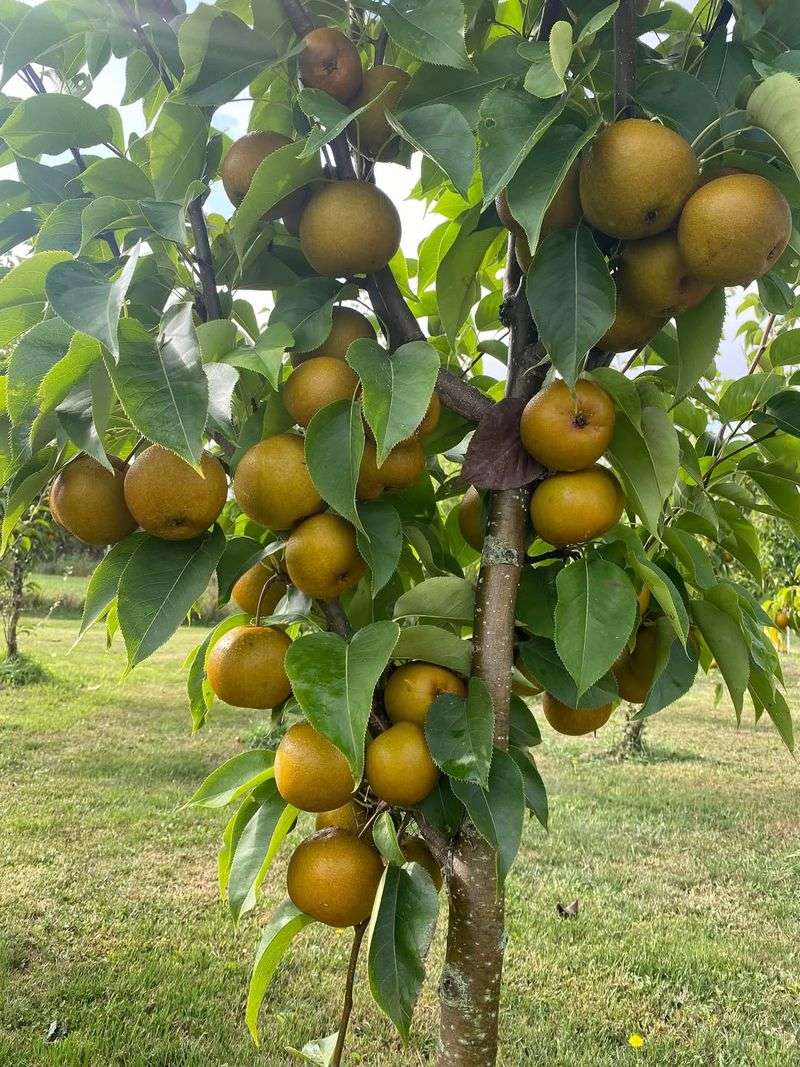
Crisp Asian pears combine the texture of apples with classic pear sweetness, making them popular in Washington gardens.
Winter pruning keeps these trees productive by removing excess growth and maintaining good structure.
Gardeners thin out branches that cross or grow too close together, improving airflow throughout the canopy.
Better air circulation means healthier leaves and fewer fungal issues during humid spring weather.
Regular winter maintenance helps Asian pear trees produce those perfectly round, crunchy fruits that taste amazing fresh or sliced into salads.
10. Quince Trees
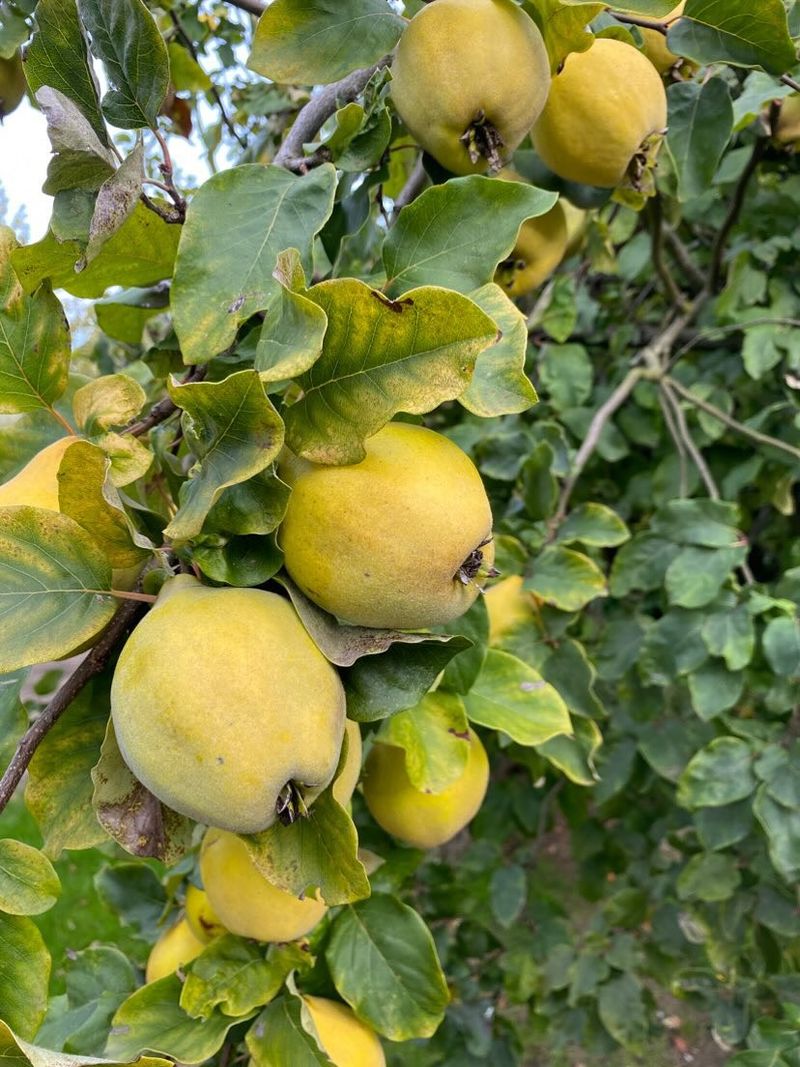
Quince trees might not be as common as apples, but Washington homeowners who grow them appreciate their fragrant fruit and beautiful spring flowers.
Winter pruning helps maintain the tree’s vase-like shape and removes unproductive wood.
Cutting back crowded branches allows light to reach the interior, which improves fruit development.
Quinces grow on new wood, so thoughtful pruning encourages fresh growth that will bear fruit.
Regular winter trimming keeps quince trees attractive and productive for making delicious jellies and preserves.
11. Persimmon Trees
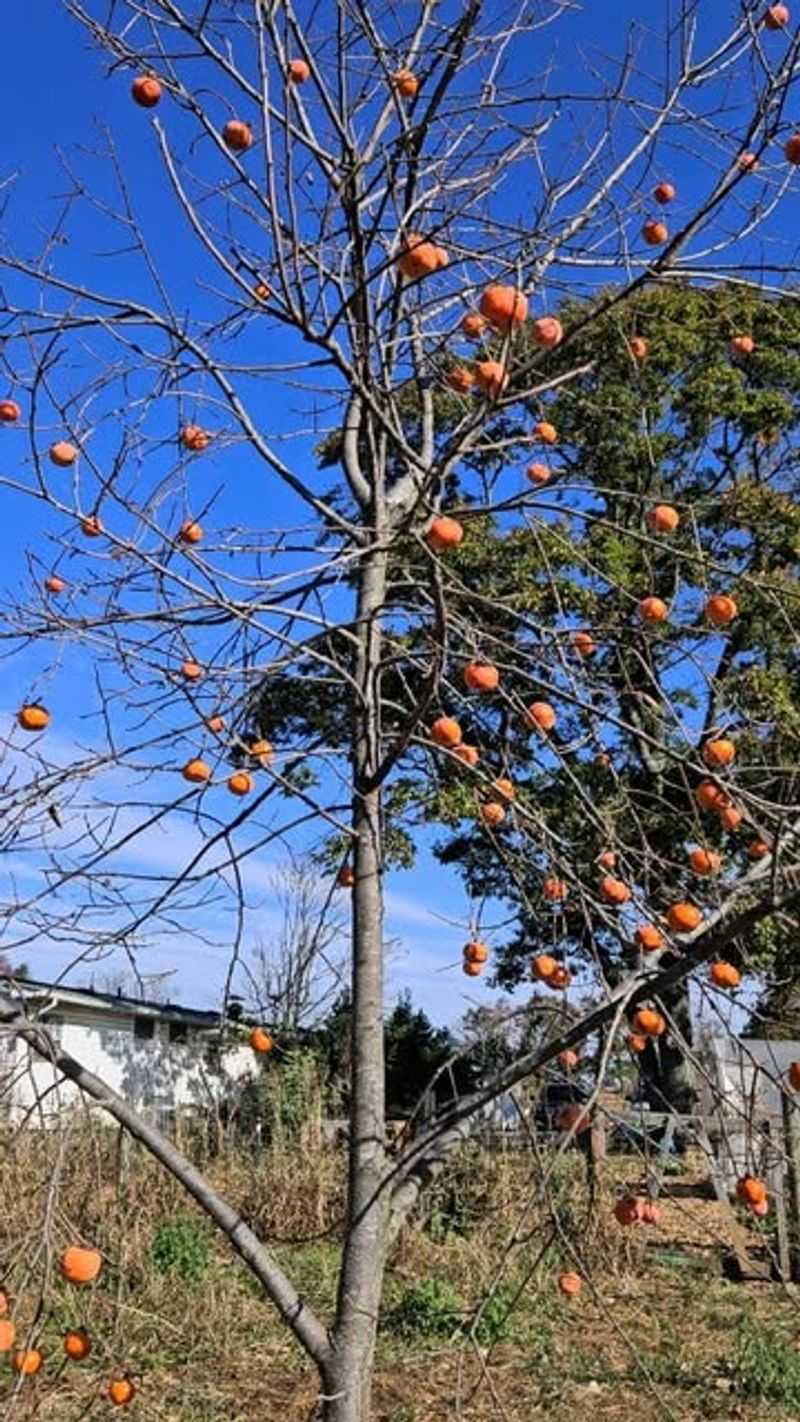
Bright orange persimmons hanging on bare winter branches create a stunning sight in Washington yards.
Pruning during dormancy helps maintain tree structure and removes branches that might break under the weight of heavy fruit.
Homeowners typically do light pruning since persimmons naturally grow into attractive shapes.
Removing dead or crossing branches improves overall health without stressing the tree.
Proper winter care ensures persimmon trees continue producing their sweet, honey-flavored fruit that ripens beautifully in fall.
12. Mulberry Trees
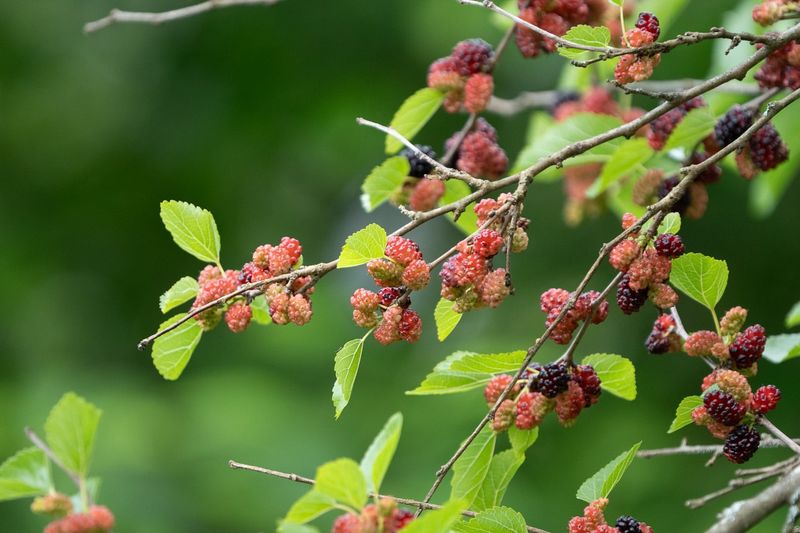
Mulberries grow fast and produce abundant fruit, but they need regular winter pruning to stay manageable in Washington backyards.
Trimming controls their vigorous growth and prevents them from becoming too large for residential spaces.
Homeowners remove suckers and water sprouts that drain energy from fruit production.
Thinning the canopy also makes it easier to reach ripe berries during harvest time.
Well-pruned mulberry trees provide delicious fruit for fresh eating, baking, and attracting songbirds to your Washington garden.