7 Fruit Trees You Should Prune In Pennsylvania Before March Ends
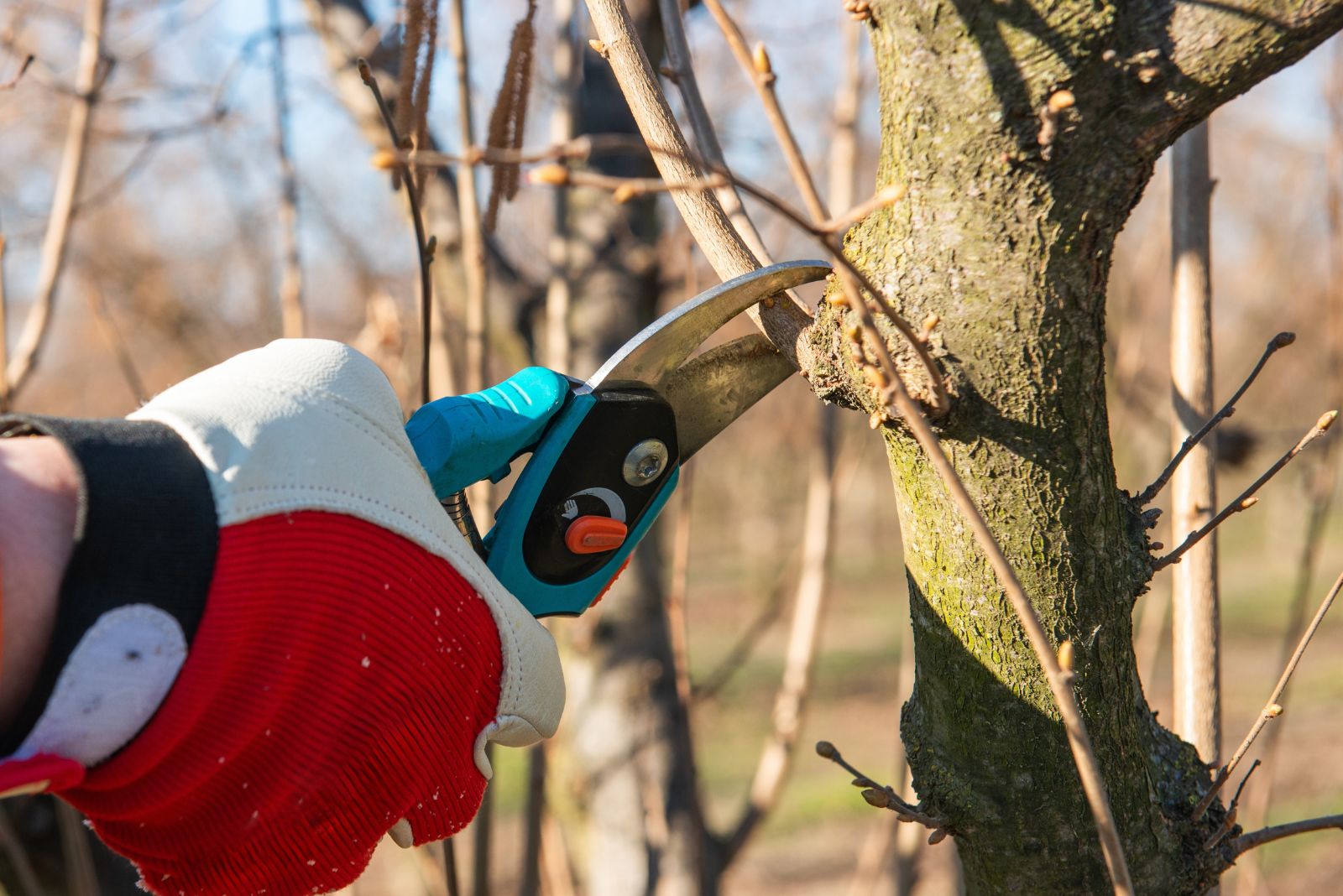
Late winter has a way of making gardeners restless. The yard still looks quiet, the trees are bare, and it feels like the perfect moment to get outside and start doing something useful.
In Pennsylvania, that often means reaching for the pruning shears and giving fruit trees some much-needed attention before spring fully wakes them up.
The timing matters more than many people realize, and before March ends, there is a valuable window that can set certain trees up for a much healthier growing season.
Pruning at the right time helps shape the tree, remove damaged or crowded branches, and encourage stronger growth once warmer weather arrives. It can also improve airflow and sunlight penetration, which are both important for fruit production later on.
Still, not every fruit tree should be treated the same way, and some respond especially well to pruning before spring gets too far along.
For Pennsylvania gardeners, knowing which fruit trees to prune before March ends can make the difference between a tree that simply survives and one that produces better structure, healthier growth, and a more rewarding harvest.
1. Apple Trees
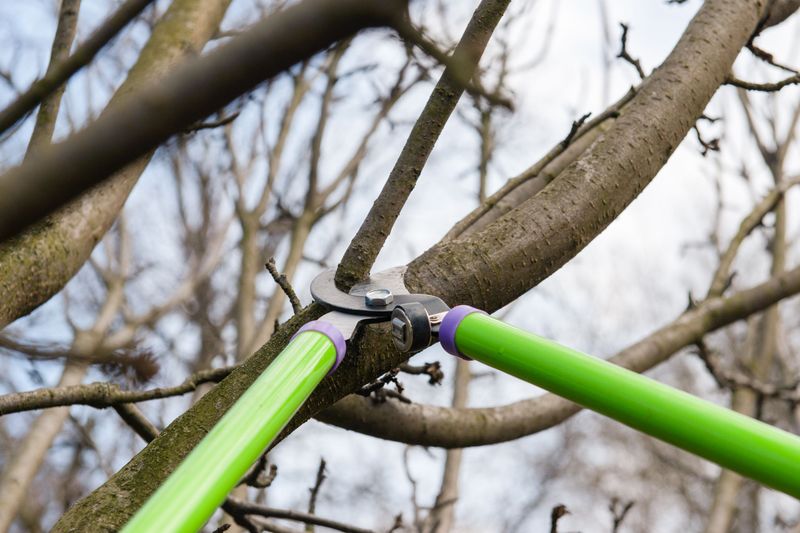
Few things beat the satisfaction of biting into a crisp apple you grew yourself, and getting there starts with a good late-winter pruning session.
Apple trees are one of the most popular fruit trees in Pennsylvania, and they respond really well to pruning while they are still dormant.
The best window is typically from late January through early March, before the buds begin to swell.
Pruning during dormancy helps the tree heal faster and keeps disease and pests from taking advantage of fresh cuts. When you prune your apple tree, try to shape it like a pyramid, wide and strong at the base and narrowing toward the top.
This shape lets sunlight reach all parts of the tree, which means better fruit development throughout the season.
Focus on removing any dry, damaged, or crossing branches first. Crossing branches rub against each other, which can create wounds that invite disease.
After clearing those out, thin the canopy so air can move through freely. Good airflow reduces the chance of fungal problems like apple scab, which is common in Pennsylvania’s humid spring weather.
If you have a dwarf apple tree, tie it loosely to a support stake or trellis after pruning. Make sure the ties are not too tight so the trunk has room to grow.
Always use clean, sharp tools when pruning. Dirty or dull blades can spread disease from one branch to another and leave ragged cuts that take longer to heal. A little prep work in late winter goes a long way toward a great apple harvest.
2. Pear Trees
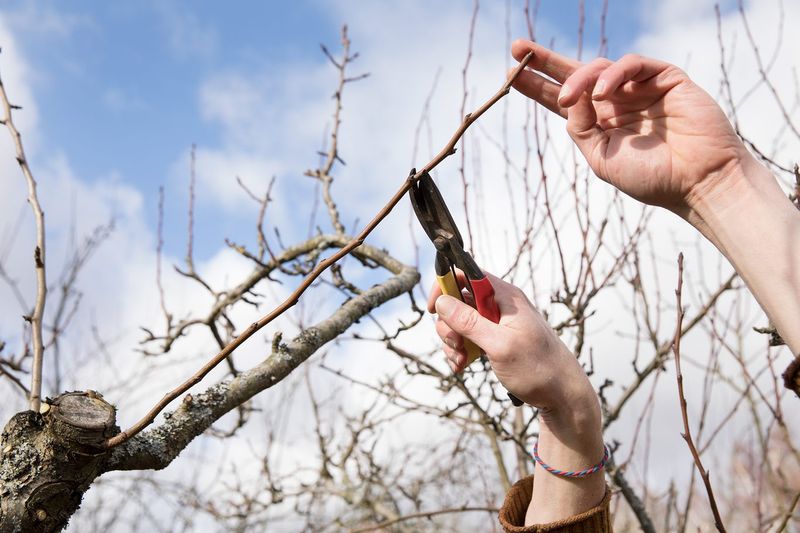
Pear trees have a reputation for being a little fussier than apples, but with the right late-winter pruning, they can reward you with a generous harvest every year.
In Pennsylvania, the ideal time to prune pear trees is during dormancy, generally from late January into early March.
Pruning at this time reduces stress on the tree and helps prevent the spread of fire blight, a bacterial disease that loves pear trees.
Start by walking around your tree and looking for any branches that are crowded, weak, or growing inward toward the center. These are the first ones to remove.
Crowded branches block sunlight and trap moisture, which creates the perfect environment for disease. Removing them opens up the canopy and encourages stronger, more productive growth.
Pear trees tend to grow upright, so training the branches to spread outward a bit helps improve fruit production. You can use branch spreaders or small weights to gently encourage horizontal growth.
Branches that grow more horizontally tend to produce more fruit than those that grow straight up.
One thing to keep in mind when pruning pear trees in Pennsylvania is to avoid over-pruning. Removing too much at once can stress the tree and trigger excessive leafy growth called water sprouts, which look vigorous but produce little to no fruit.
Aim to remove no more than about one-quarter of the canopy in a single season. Sharp, clean tools are a must, especially with pear trees, since dull blades can increase the risk of fire blight spreading between cuts.
3. Peach Trees
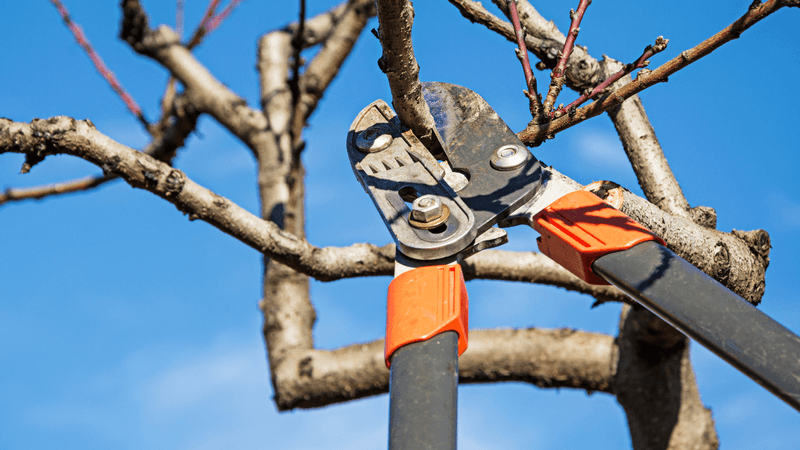
Peach trees are the bold, high-maintenance members of the home orchard, and they absolutely love a good pruning. Unlike some other fruit trees, peaches need aggressive annual pruning to stay productive.
In Pennsylvania, late winter, typically around March, is the sweet spot for getting this done before new growth begins.
The goal when pruning a peach tree is to maintain what growers call an open center form. Picture a bowl or vase shape, with the center of the tree open to sunlight and air.
To get there, remove any branches growing toward the center of the tree and cut back last year’s growth by up to 50 percent. That might sound like a lot, but peaches fruit on new wood, so encouraging fresh growth is exactly what you want.
Did you know that a well-pruned peach tree in Pennsylvania can produce noticeably larger and tastier fruit than one that has been left alone for a few years?
Thinning out overcrowded branches makes a real difference in fruit size and sweetness because the tree can put more energy into fewer fruits.
After pruning, take a look at the remaining branches for any signs of peach leaf curl or brown rot, two common problems in Pennsylvania orchards. Remove any infected material and dispose of it away from the tree.
Do not leave old prunings on the ground nearby, as they can harbor fungal spores over winter. Using clean, sharp pruning shears each time you cut will help you get smooth, clean wounds that heal up quickly before spring arrives.
4. Plum Trees
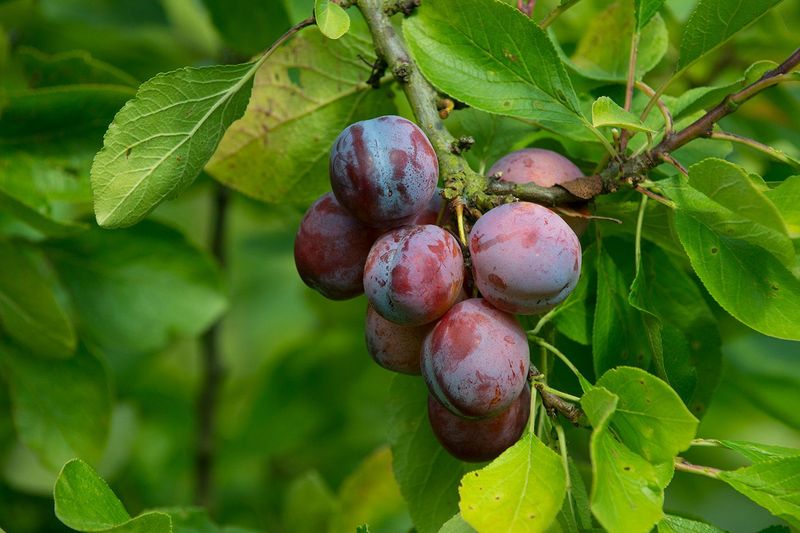
Plum trees are tough, reliable producers, but they do best when given a little attention before spring arrives. Pruning plum trees in late winter, ideally in February in Pennsylvania, helps reduce the risk of disease and sets the tree up for a strong growing season.
Plum trees are somewhat prone to fungal issues, so timing your pruning during dry, dormant conditions is a smart move.
Most plum trees in Pennsylvania are pruned to a bowl or open center shape, similar to peach trees. This shape keeps the canopy open so sunlight and air can reach all parts of the tree.
Start by removing any dry or diseased wood, then look for branches that are crossing or rubbing against each other. After that, thin out any crowded areas to improve airflow through the canopy.
Plum trees can sometimes send up a lot of new shoots from the base of the trunk, called suckers. These should be removed as soon as you see them because they drain energy from the main tree.
Snip them off close to the base rather than pulling them, since pulling can damage the root system and encourage even more suckers to grow back.
One fun fact about plum trees is that they come in both European and Japanese varieties, and both do well in Pennsylvania’s climate. European types tend to be a bit more cold-hardy, while Japanese types often produce juicier fruit.
Either way, a proper late-winter pruning helps both types stay disease-free and productive. Always clean your tools between cuts when working on plum trees to avoid spreading any lingering fungal spores.
5. Cherry Trees
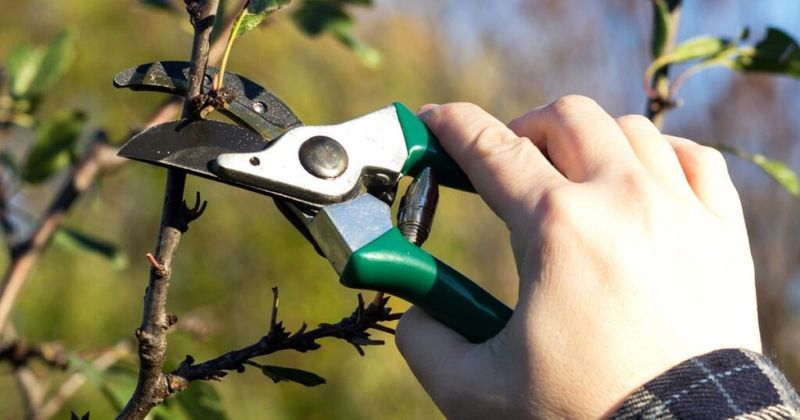
Cherry trees bring a certain magic to a Pennsylvania yard, first with their stunning spring blossoms, then with clusters of sweet or tart fruit. Keeping that magic alive means giving them a light but thoughtful pruning in late winter, usually in February, before any new buds start opening up.
Unlike peaches, cherry trees do not need heavy pruning every year, but a little careful trimming goes a long way.
Sweet cherry trees, like the Bing or Stella varieties, are best pruned with the same pyramid shape used for apple trees. Sour cherry trees, which are more common in home Pennsylvania gardens, tend to spread naturally and can be shaped into a bowl form.
In both cases, the priority is to remove any dry, damaged, or diseased branches before spring growth begins.
One thing that makes cherry trees a little different from other stone fruits is that they are more sensitive to large pruning wounds. Because of this, try to avoid removing big, thick branches all at once.
Instead, work gradually over a couple of seasons if major reshaping is needed. Smaller cuts heal faster and leave the tree less vulnerable to disease entry points.
Pennsylvania winters can be rough, and cherry trees sometimes come out of the cold season with frost-cracked bark or broken limbs. Late-winter pruning is the perfect time to spot and address that kind of damage before the growing season starts.
Always use sharp, sanitized tools and make clean cuts just outside the branch collar, the slightly raised ring where a branch meets the trunk. This helps the tree seal over the wound quickly and efficiently.
6. Apricot Trees
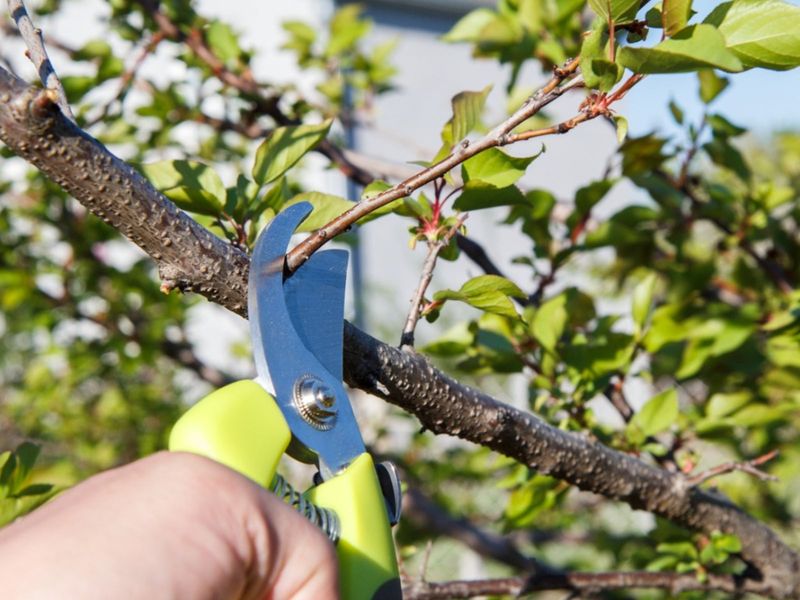
Growing apricot trees in Pennsylvania takes a little extra care, mostly because apricot blossoms tend to open early in spring and can get caught by late frosts.
That makes late-winter pruning especially valuable, since shaping the tree before it wakes up helps you manage its energy and reduce the risk of frost damage to new growth.
The best time to prune apricot trees in Pennsylvania is late winter, around February to early March.
Focus on removing dry wood first. Winter can be tough on apricot trees, and some branches may not have survived the cold months in great shape.
Removing dry or damaged wood right away keeps the tree clean and prevents fungal problems from taking hold as temperatures rise. After clearing the dry wood, look for any branches that are crowded or crossing in the center of the canopy.
Apricot trees benefit from an open center shape, similar to peaches and plums. Keeping the center open allows sunlight to reach the fruiting wood deep inside the canopy, which leads to better fruit color and sweetness.
Aim to remove no more than about one-quarter to one-third of the canopy in a single pruning session to avoid stressing the tree too much at once.
Here is something many Pennsylvania gardeners do not realize: apricot trees actually fruit on short spurs that develop on older wood, not just on new shoots. So while you do want to encourage some new growth, try to preserve healthy older spur wood when possible.
Clean your tools between each cut, and try to prune on a dry day to reduce the risk of fungal spores spreading through fresh wounds on the tree.
7. Fig Trees
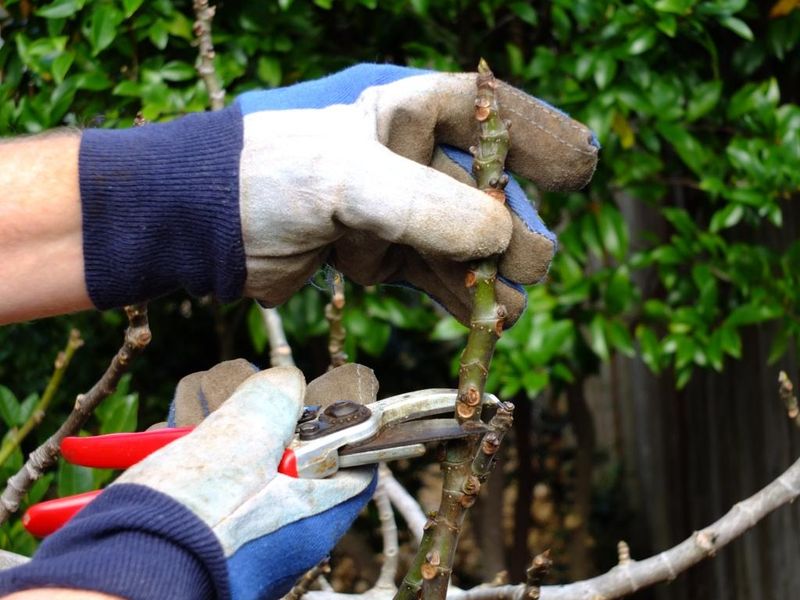
Fig trees might not be the first thing you think of when imagining a Pennsylvania orchard, but hardy varieties like Brown Turkey and Chicago Hardy have become surprisingly popular in the region.
The challenge with figs in Pennsylvania is that cold winters can damage or even destroy the upper branches.
That is exactly why late-winter pruning, right before the end of March, is so important for these trees.
After a Pennsylvania winter, take a close look at your fig tree’s branches. Scratch the surface of a branch lightly with your fingernail.
If the tissue underneath is green, the branch is alive and healthy. If it is brown or dry all the way through, that branch did not make it through the cold and should be removed.
Cutting away winter-damaged wood encourages the tree to put its energy into healthy new growth instead.
Fig trees produce fruit on new wood, so the more healthy new growth you encourage in spring, the better your fig harvest will be.
Pruning in late winter, just as the tree is starting to wake up, gives you the best chance to shape the tree and direct its energy toward productive branches. Try to maintain an open structure that lets sunlight reach the center of the tree.
Many Pennsylvania gardeners wrap their fig trees in burlap or insulating material during winter to protect them from the harshest cold. When you remove that wrapping in late winter, that is a great time to do your pruning too.
Keep your tools sharp and clean, and do not be afraid to cut back significantly if much of the wood was damaged. Figs are resilient and bounce back quickly with the right care.