8 Fruits That Handle Arizona Heat In Containers
Container fruit in Arizona can look promising at first, then struggle once steady heat sets in and the roots feel every bit of it.
Leaves start to show stress, growth slows down, and what should have been an easy setup turns into constant adjustments just to keep the plant going.
Not every fruit reacts that way, though. Some handle confined root space and high temperatures far better, holding steady even when conditions stay intense for long stretches.
That difference becomes obvious once the season pushes forward.
The right choices can keep containers productive and visually strong without turning into a daily task. Healthier growth, better fruit set, and fewer setbacks all come down to picking varieties that match Arizona conditions from the start.
Once those go in, container growing feels far more manageable and consistent.
1. Fig Trees Grow Well In Large Containers And Handle Heat
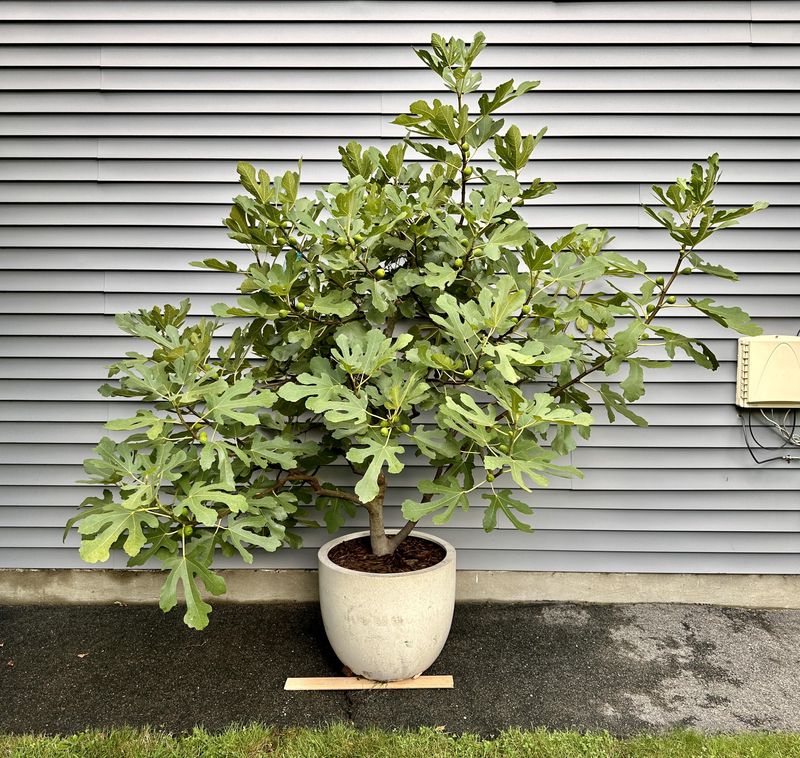
Few fruit trees handle Phoenix summers in a pot as reliably as the fig. Black Mission and Brown Turkey varieties are especially well-suited to Arizona’s low desert climate, pushing through heat that would stress out most other fruit trees.
A container-grown fig needs at least a 25-gallon pot to give roots enough room to anchor and access moisture consistently.
Sandy or fast-draining potting mix works better than dense garden soil, which can hold too much moisture and cause root problems. Water deeply two to three times a week during peak summer heat, and let the top inch or two dry slightly before watering again.
Figs respond well to this rhythm and tend to set fruit more reliably when watering stays consistent rather than sporadic.
Afternoon shade during July and August can help prevent leaf scorch without reducing fruit production significantly. Move the container near a wall that gets morning sun but blocks the worst of the late-day heat.
Fertilize lightly in spring with a balanced slow-release fertilizer, and skip heavy feeding in summer. Figs pruned back in late winter tend to push out new fruiting wood faster and produce better yields the following season in Arizona’s warm growing window.
Figs like Black Mission and Brown Turkey handle Phoenix heat well in containers when given a large pot, fast-draining soil, and consistent deep watering.
Light spring feeding, late winter pruning, and some afternoon shade help keep growth steady and fruit production reliable through the season.
2. Pomegranate Thrives In Pots With Strong Heat Tolerance
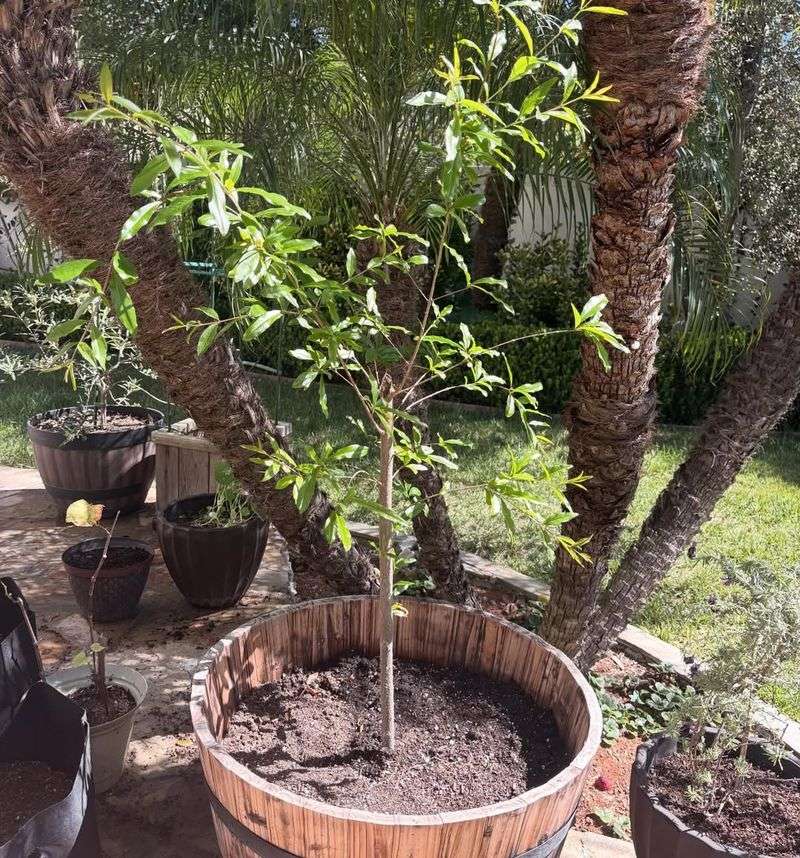
Pomegranates were practically built for the Arizona desert. Originating in hot, dry regions of the Middle East and Central Asia, they handle prolonged heat and dry spells better than almost any other fruiting plant you can grow in a container here.
Dwarf varieties like ‘Nana’ stay compact enough for a 15 to 20-gallon pot while still producing small but flavorful fruit.
Standard varieties need at least a 25-gallon container to perform well. Use a well-draining mix with some perlite added, and water deeply but allow the soil to dry partially between sessions.
Overwatering is a more common problem than underwatering with pomegranates in pots, so erring on the drier side during non-fruiting periods is usually the safer approach.
Full sun all day is fine for pomegranates across Arizona, and they actually fruit more heavily with maximum sun exposure. Fertilize once in early spring and again in midsummer with a balanced fertilizer, but keep it light.
One thing worth knowing is that pomegranates in containers can drop fruit prematurely if watering swings between very wet and very dry.
Keeping moisture levels steady during fruiting, roughly June through September in Arizona, helps the fruit develop fully before harvest.
Pomegranates thrive in Arizona heat in containers with full sun, fast-draining soil, and steady watering, especially during fruiting to prevent drop.
3. Citrus Trees Perform Well In Containers With Consistent Care
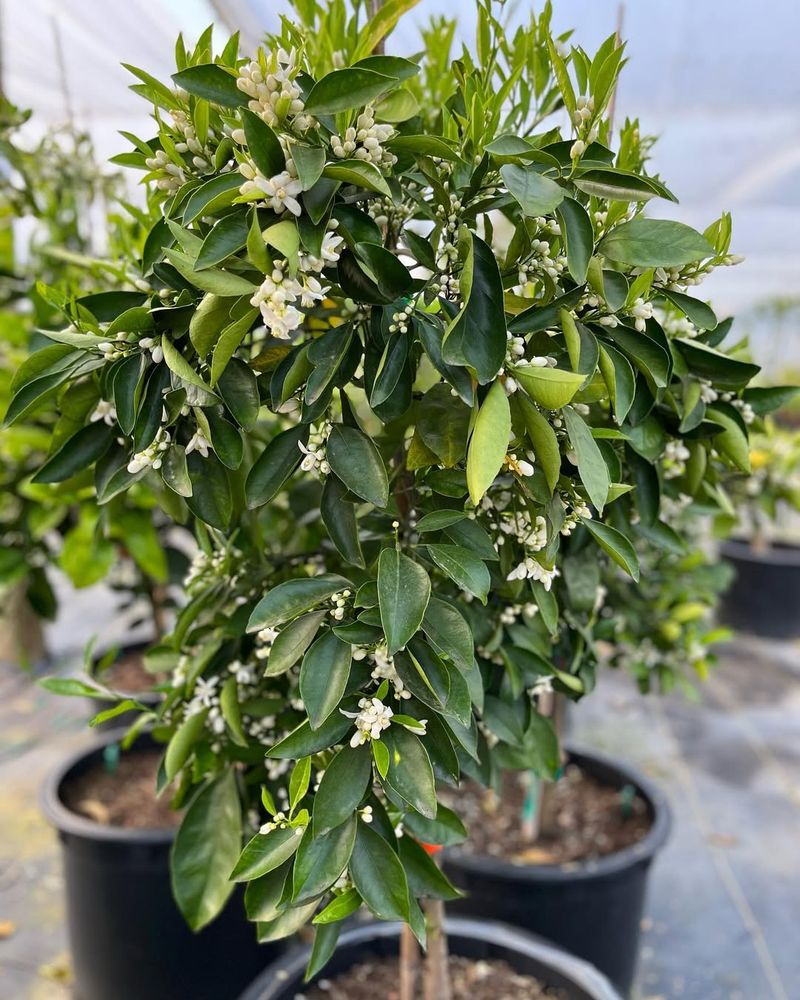
Satsuma mandarins, Meyer lemons, and Calamondin oranges are the three citrus varieties that tend to perform most consistently in Arizona containers. All three handle heat well, produce reliably in pots, and stay at a manageable size without aggressive pruning.
Meyer lemons especially are popular with Arizona home gardeners because they fruit almost year-round with steady care.
Container size matters more with citrus than most people expect. A 20 to 25-gallon pot gives the root system enough room to support consistent fruit production.
Citrus roots heat up fast in dark plastic containers sitting in direct sun, so wrapping the pot or choosing a light-colored container can reduce root stress during summer.
Watering frequency increases significantly in July and August, sometimes every day or every other day depending on pot size and temperatures.
Fertilizing citrus in containers is non-negotiable in Arizona. Use a citrus-specific fertilizer every six to eight weeks during the growing season, and do not skip applications in spring when new growth is pushing hard.
Iron deficiency shows up as yellowing leaves with green veins and is common in Arizona’s alkaline soil and water. A chelated iron supplement applied a couple times a year usually corrects this without much trouble.
Afternoon shade from about 2 p.m. onward can help during the most intense summer weeks.
4. Dwarf Mulberry Produces Fruit Reliably In Large Pots
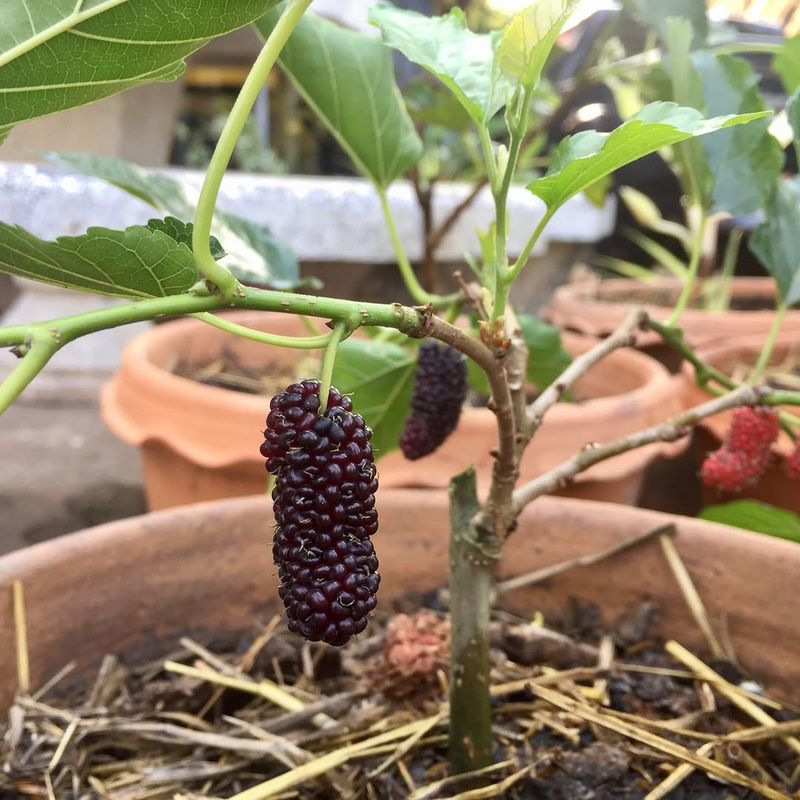
Mulberries are one of the most underrated container fruits for Arizona. The Dwarf Everbearing variety stays compact enough for a large pot and produces sweet dark berries over a surprisingly long season, typically from late spring through early summer in the low desert.
Fruit production does not require a second tree, which makes it practical for smaller spaces.
A 25 to 30-gallon container gives dwarf mulberry enough root room to establish and fruit well. Fast-draining potting mix is important because mulberry roots do not like sitting in wet soil for extended periods.
Water deeply and consistently during fruiting, but back off slightly once the fruiting window closes. The plant handles heat in Phoenix and Tucson reasonably well but benefits from some afternoon protection during peak July temperatures.
One practical advantage of growing mulberry in a container is the ability to move it under a shade structure or patio cover during the worst heat without losing the plant.
Mulberries push out new growth aggressively, so light pruning after the fruiting season helps keep the canopy manageable and encourages better branching for next year.
Fertilize once in late winter before new growth starts and again in early summer. Birds target ripe mulberries fast, so harvesting frequently or covering the plant with netting during peak ripening keeps the fruit accessible.
5. Dragon Fruit Grows In Containers With Support And Warmth
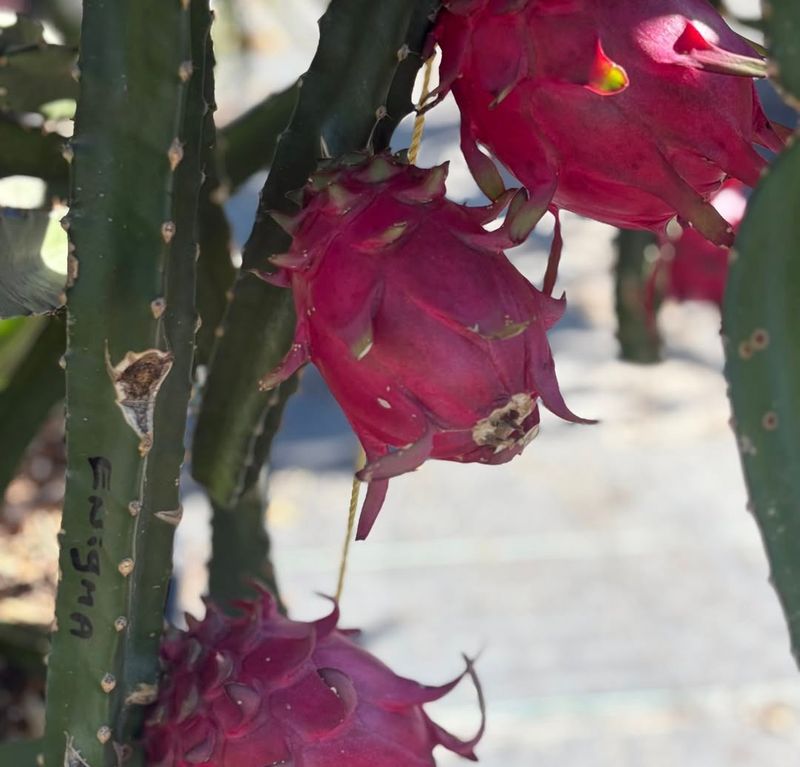
Dragon fruit is one of the few fruiting cacti you can actually grow in a container and harvest in Arizona.
Native to tropical climates, it turns out the plant thrives in Arizona’s intense heat as long as temperatures stay above freezing, which is most of the year across the low desert.
The challenge is not heat but cold, so container growing gives you the flexibility to bring it inside during rare frost nights.
A 15 to 20-gallon pot works for a single plant, but dragon fruit grows as a climbing cactus and needs a sturdy trellis or post for support. Without something to climb, the stems sprawl and become harder to manage.
A wooden post set directly in the container or a metal trellis anchored behind it both work well. Use a cactus-specific potting mix with extra perlite for drainage, and water only when the soil has dried out significantly.
Overwatering is the main issue most Arizona gardeners run into with dragon fruit in pots. During summer, the plant can handle more frequent watering, but in cooler months, cut back sharply.
Blooms open only at night and need to be hand-pollinated if you want fruit, since natural pollinators are often not active at that hour. A small paintbrush transferred between flowers on the same night they open is usually enough to set fruit.
6. Pineapple Guava Handles Heat In Large Well Drained Containers
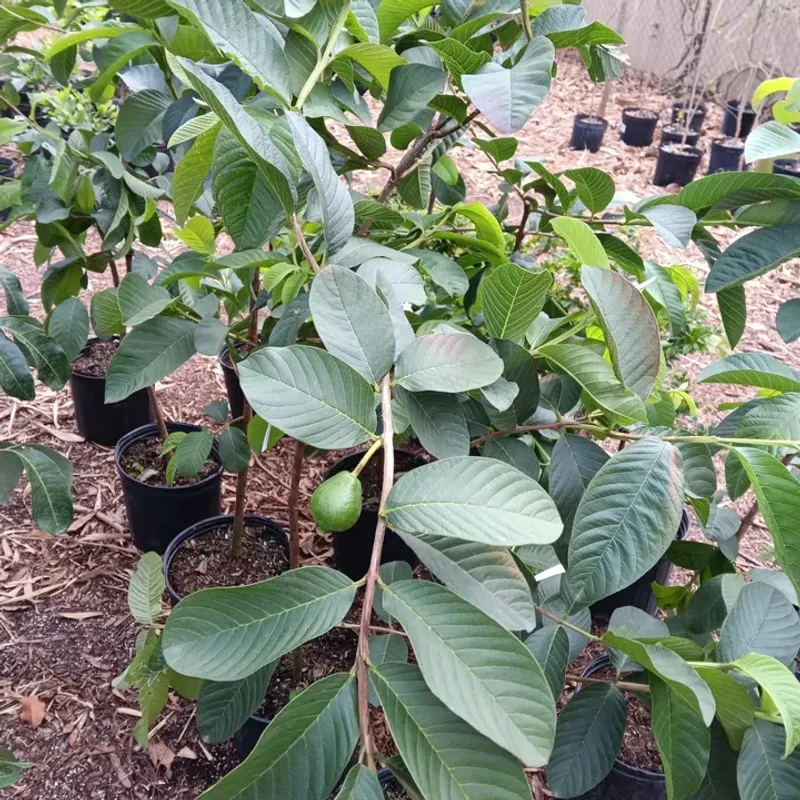
Pineapple guava, also called Feijoa, is not as widely known in Arizona as citrus or pomegranate, but it earns its place in any container garden that gets serious heat.
The silvery-green leaves naturally reflect sunlight, which helps the plant manage heat stress better than darker-leaved fruit plants.
Fruit has a flavor that falls somewhere between guava and pineapple, sweet and slightly tropical. Container size should be at least 20 gallons to give the root system room to establish.
Pineapple guava tolerates drought reasonably well but produces better fruit with consistent moisture during flowering and fruiting, usually from late spring into fall in Arizona.
Letting the soil dry out too much during fruit development can lead to smaller or fewer fruits, so staying attentive to watering during that window matters.
Full sun works fine for this plant across most of Arizona, though some afternoon shade during the absolute peak of summer, usually late June through August, can reduce stress without hurting fruit production.
Fertilize lightly in spring with a balanced fertilizer and skip heavy feeding once summer heat arrives.
Pineapple guava can be pruned into a manageable shape after fruiting ends, which makes it practical for tighter patio spaces.
Fruit drops naturally when ripe, so checking around the base of the container every few days during harvest season is the easiest way to collect it.
7. Natal Plum Grows Easily In Pots And Tolerates Heat
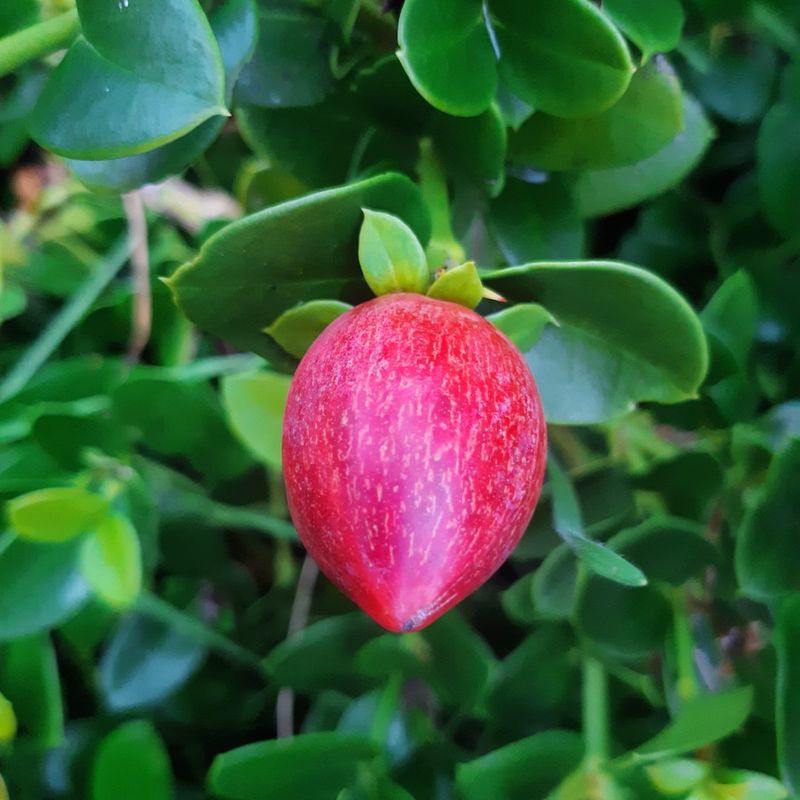
Natal plum is a tough, spiny shrub that produces small red fruits with a flavor similar to cranberry.
Arizona gardeners often overlook it as a fruit plant because it is commonly used as a landscape shrub, but the fruit is edible and works well in jams, jellies, or eaten fresh when fully ripe.
The plant handles Arizona heat without much drama and stays manageable in a large container.
A 15 to 20-gallon pot works well for a single Natal plum plant. It tolerates poor soil and drought, making it one of the more forgiving options on this list if watering gets inconsistent.
That said, fruit production is more reliable with steady moisture during flowering and fruiting periods. Full sun is preferred, and the plant shows no sign of stress during Phoenix summers as long as the pot does not dry out completely for extended stretches.
One thing to know before planting: Natal plum has sharp thorns, so positioning the container away from high-traffic areas is a smart move. Wear gloves when pruning or repotting.
The plant flowers multiple times throughout the year in Arizona’s warm climate, which means fruit can appear in several flushes rather than one concentrated harvest. Fertilize lightly in spring and midsummer with a balanced fertilizer.
Natal plum grows relatively slowly in containers, so do not expect rapid size changes, but it stays productive for years with basic care.
8. Loquat Trees Grow In Containers With Some Afternoon Protection
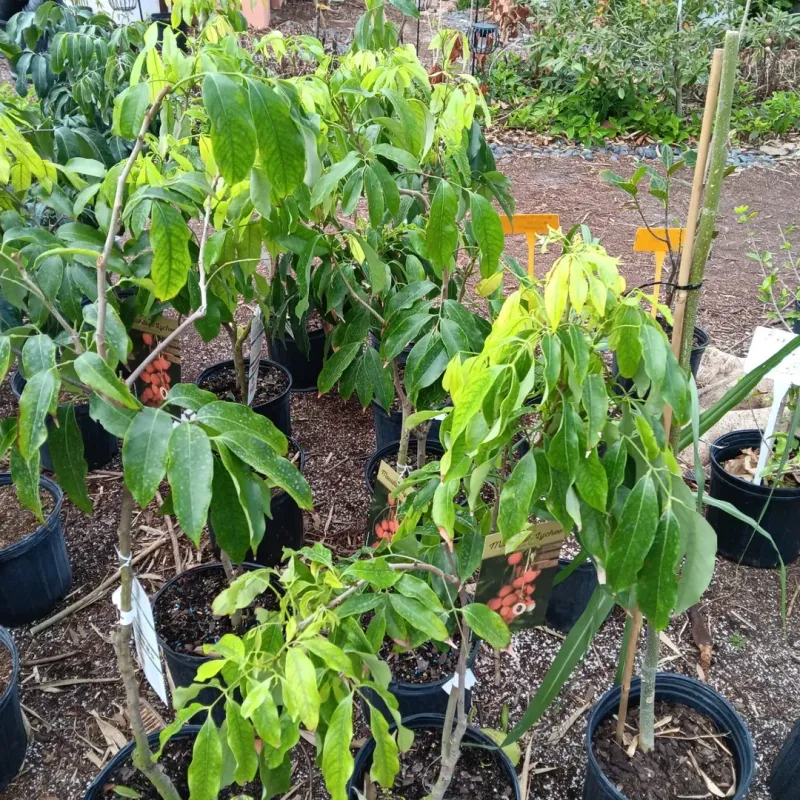
Loquat trees have a reputation for being easy, and in most of Arizona that holds true, with one caveat: they prefer some relief from the harshest afternoon sun during peak summer.
Unlike the other plants on this list that take full sun without flinching, loquat does better with morning sun and filtered or indirect light from about 1 p.m. onward during July and August.
A covered patio or the east side of a structure works well.
Container size should be at least 25 gallons for a loquat to develop enough root mass to support consistent fruiting. Use a rich, well-draining potting mix and water deeply two to three times per week during summer.
Loquat fruits in late winter to early spring in Arizona, which is one of the things that makes it appealing. Fresh fruit arrives at a time when most other trees are still dormant or just beginning to flower.
Fertilize in fall before the flowering period begins, using a balanced fertilizer with moderate phosphorus to support bloom and fruit development. Avoid heavy nitrogen feeding, which pushes leafy growth at the expense of fruit.
Fruit clusters can be thinned when small to encourage larger individual fruits at harvest.
Loquats grown in containers in Arizona tend to stay smaller than in-ground trees, usually reaching four to six feet, which actually makes container management easier and keeps fruit within easy reach.