11 Garden Bed Ideas That Make Georgia Yards Stand Out
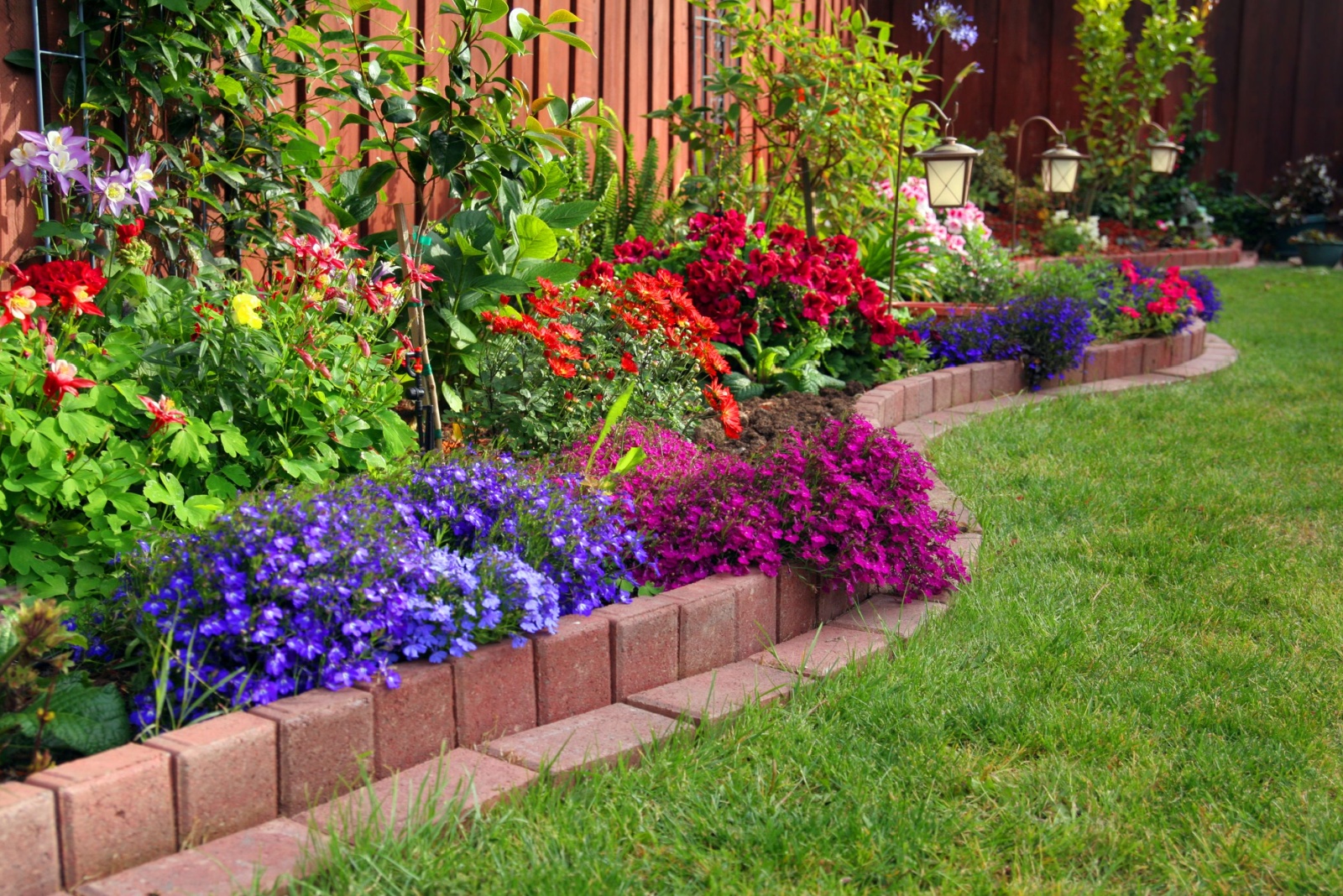
Georgia homeowners know that beautiful yards require thoughtful planning, especially when it comes to choosing the right garden bed designs for the climate.
The warm summers and mild winters create unique opportunities for creative landscaping that combines function with stunning visual appeal throughout every season.
From raised beds filled with colorful blooms to natural stone borders that frame native plants, these garden bed ideas work perfectly here.
Transform your outdoor space into a neighborhood showpiece by exploring these eleven practical and attractive garden bed options tailored for Georgia conditions.
1. Raised Cedar Beds For Vegetable Gardens

Cedar wood naturally resists rot and pests, making it an excellent choice for constructing durable raised beds that last many seasons without replacement.
Building beds at waist height reduces strain on your back while tending tomatoes, peppers, and leafy greens throughout Georgia’s long growing period.
The elevated design improves drainage significantly, preventing waterlogged roots during heavy spring rains that frequently drench the region each year.
Fill your cedar frames with quality soil mixtures enriched with compost to give vegetables the nutrients they need for abundant harvests all summer.
Position beds where they receive at least six hours of direct sunlight daily, ensuring optimal conditions for heat-loving crops like squash and cucumbers.
Georgia gardeners appreciate how raised beds warm up faster in early spring, allowing earlier planting dates compared to traditional ground-level garden plots.
Customize dimensions based on available space, but keep beds narrow enough that you can comfortably reach the center without stepping inside and compacting soil.
Adding hardware cloth beneath prevents burrowing pests from accessing roots while maintaining excellent drainage for healthy plant growth throughout humid Georgia summers.
2. Native Wildflower Borders With Natural Edging
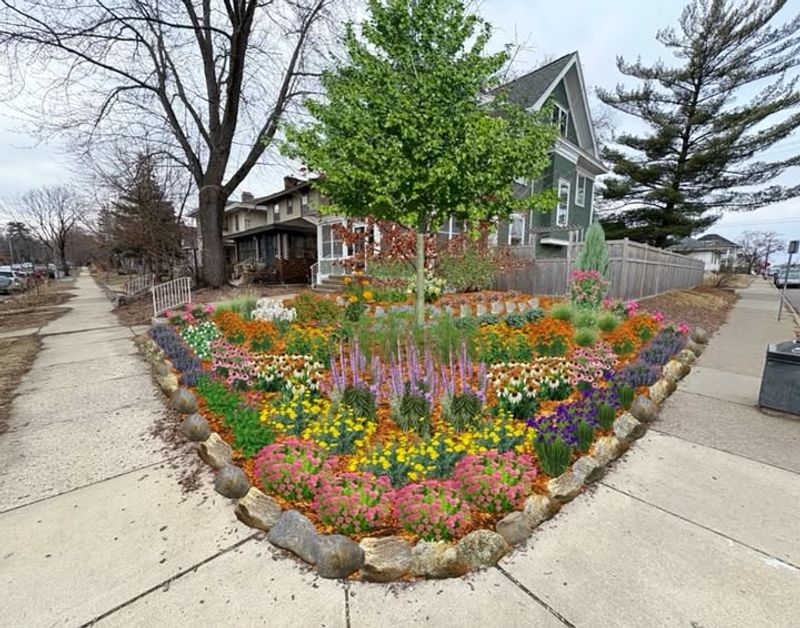
Planting native wildflowers like black-eyed Susans and purple coneflowers brings effortless beauty while supporting local pollinators that keep Georgia ecosystems thriving naturally.
These hardy perennials require minimal watering once established, making them ideal for homeowners seeking low-maintenance landscaping that flourishes despite occasional drought conditions.
Natural stone edging complements wildflower beds beautifully, creating clean boundaries that prevent grass from creeping into planted areas while adding rustic charm overall.
Butterflies and bees flock to native blooms throughout summer, transforming your yard into a lively habitat that children and adults alike enjoy observing daily.
Georgia’s native plants have adapted perfectly to local soil and climate conditions over centuries, meaning they thrive without constant fertilization or intensive care.
Arrange taller species toward the back of beds and shorter varieties in front, creating layered displays that maximize visual interest from every viewing angle.
Wildflower borders soften hardscape features like patios and walkways, blending built structures seamlessly into the natural landscape for a cohesive, welcoming outdoor environment.
Collecting seeds in fall allows you to expand beds gradually or share extras with neighbors, spreading beauty throughout the community inexpensively year after year.
3. Curved Brick Borders For Formal Flower Displays
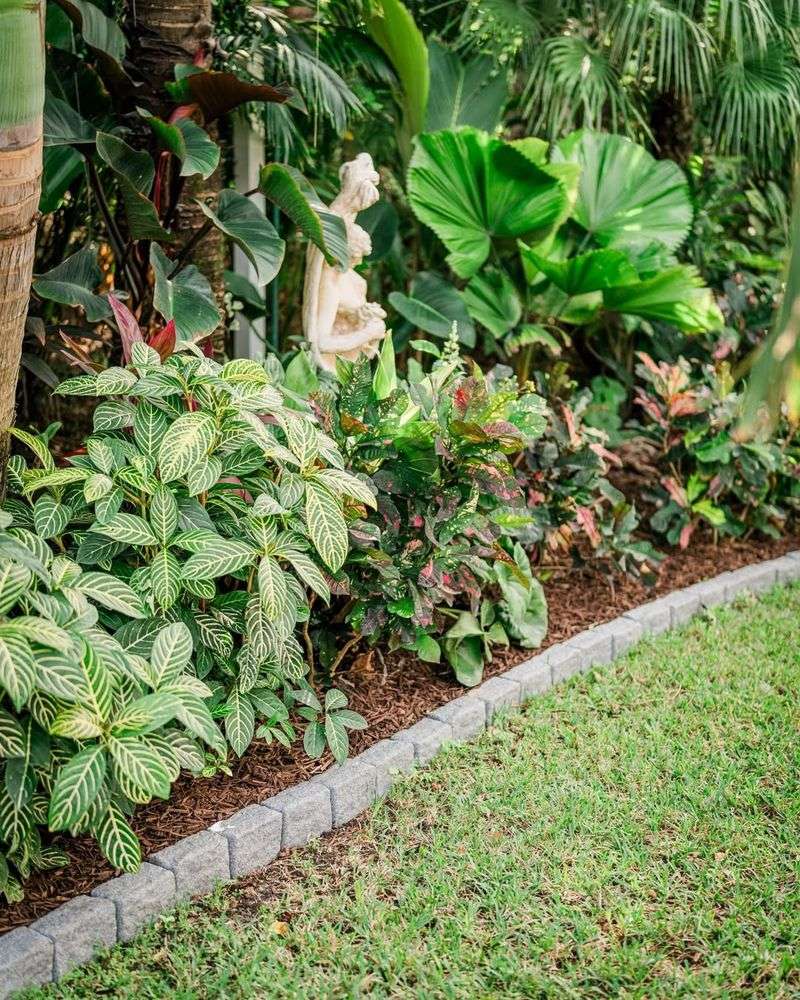
Brick edging adds timeless elegance to garden beds, especially when arranged in graceful curves that guide the eye through your landscape with sophisticated, flowing lines.
Traditional red bricks complement Georgia’s architectural heritage beautifully, echoing classic Southern homes while providing sturdy, permanent borders that withstand weather and time effortlessly.
Installing bricks on edge creates taller barriers that effectively contain mulch and soil, preventing erosion during heavy rainstorms that wash through the region periodically.
Formal flower displays featuring petunias, marigolds, and zinnias thrive within brick-bordered beds, offering continuous color from spring through fall with regular deadheading maintenance.
Curved designs feel more organic than straight lines, softening the transition between lawn areas and planted spaces for a more natural, inviting appearance overall.
Reclaimed bricks from old buildings add character and history to new garden projects, giving beds unique texture while supporting sustainable landscaping practices in your community.
Mortaring bricks together provides extra stability for beds on slopes, preventing shifting and maintaining clean edges even when mowing equipment passes close by regularly.
Painting bricks white or cream creates striking contrast against dark mulch and green foliage, making flower colors pop dramatically for maximum curb appeal impact.
4. Terraced Hillside Beds With Retaining Walls
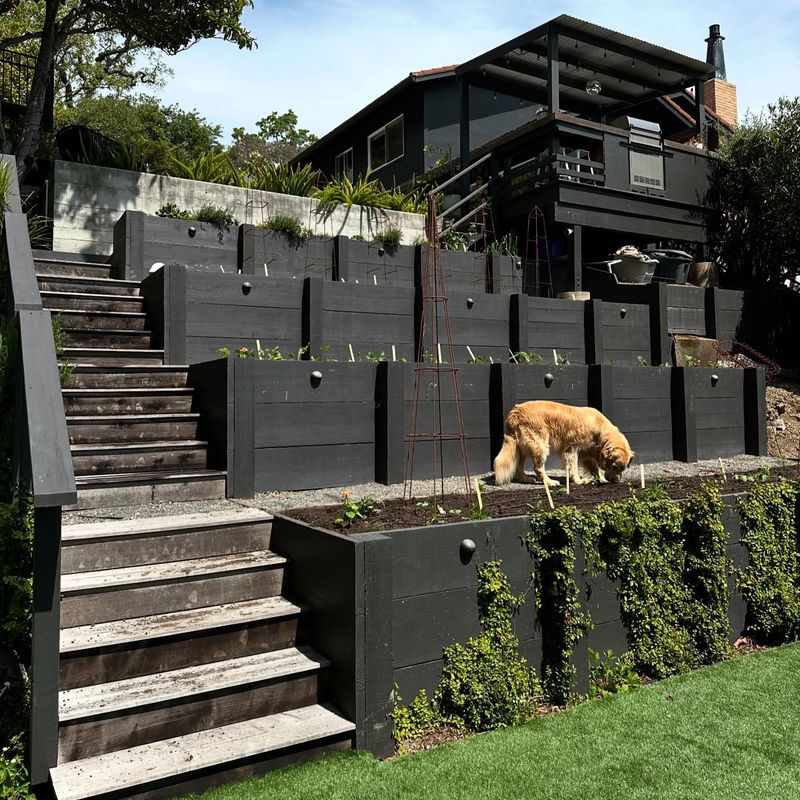
Sloped yards present challenges, but terracing transforms difficult terrain into stunning multi-level gardens that add dimension and functionality to previously unusable hillside areas effectively.
Retaining walls constructed from stacked stone or timber hold soil securely in place, preventing erosion while creating flat planting surfaces for flowers and shrubs.
Each terrace level can showcase different plant types, allowing you to create diverse microclimates that accommodate species with varying sun and moisture requirements simultaneously.
Water naturally flows downward through terraced beds, reducing runoff and allowing better absorption that benefits plants at every level during Georgia’s frequent afternoon showers.
Building walls at comfortable heights makes maintenance easier since you can reach plants without excessive bending or climbing dangerous slopes with gardening tools and supplies.
Terraced designs add dramatic visual interest to properties, creating focal points that neighbors notice and admire while increasing overall property value through improved landscape aesthetics.
Incorporating steps between levels enhances accessibility, allowing you to move safely through the garden while enjoying close-up views of blooms and foliage throughout seasons.
Planting groundcovers on slopes between terraces further stabilizes soil, filling gaps with greenery that ties the entire hillside design together into one cohesive display.
5. Island Beds With Ornamental Grasses And Perennials
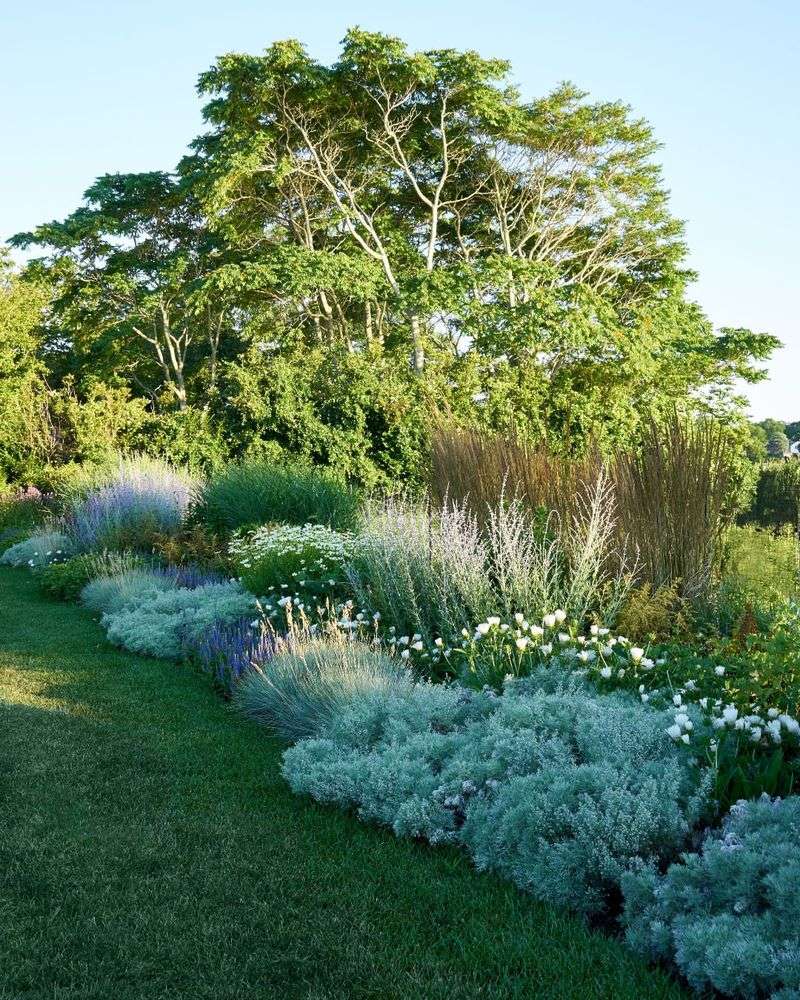
Creating island beds in open lawn areas breaks up monotonous grass expanses, adding focal points that draw attention and create interesting visual breaks throughout your property.
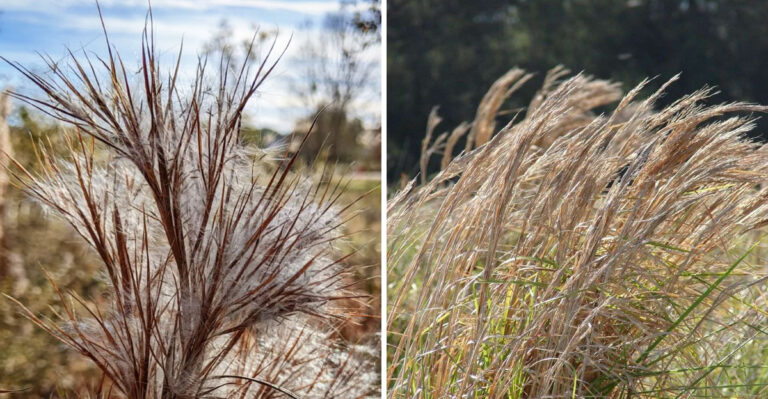
Ornamental grasses like maiden grass and fountain grass provide year-round structure, remaining attractive even during winter when many other plants have gone completely dormant.
Combining grasses with perennials such as daylilies and salvia creates dynamic texture contrasts, with feathery grass plumes complementing bold flower forms for engaging seasonal displays.
Island beds viewed from all sides require careful plant placement, with taller specimens positioned centrally and shorter varieties radiating outward for balanced, attractive compositions overall.
These freestanding beds improve lawn drainage in low-lying areas prone to standing water, raising plants above soggy conditions that might otherwise limit landscaping options significantly.
Mulching island beds heavily suppresses weeds while retaining soil moisture during hot Georgia summers, reducing maintenance time and keeping plants healthier with less frequent watering.
Curved, organic shapes feel more natural than geometric designs, blending seamlessly into lawn areas and creating flowing transitions that enhance rather than interrupt landscape continuity.
Adding decorative boulders or driftwood among plantings introduces additional texture and interest, especially during winter months when herbaceous perennials have retreated below ground completely.
6. Shade Garden Beds Under Mature Trees
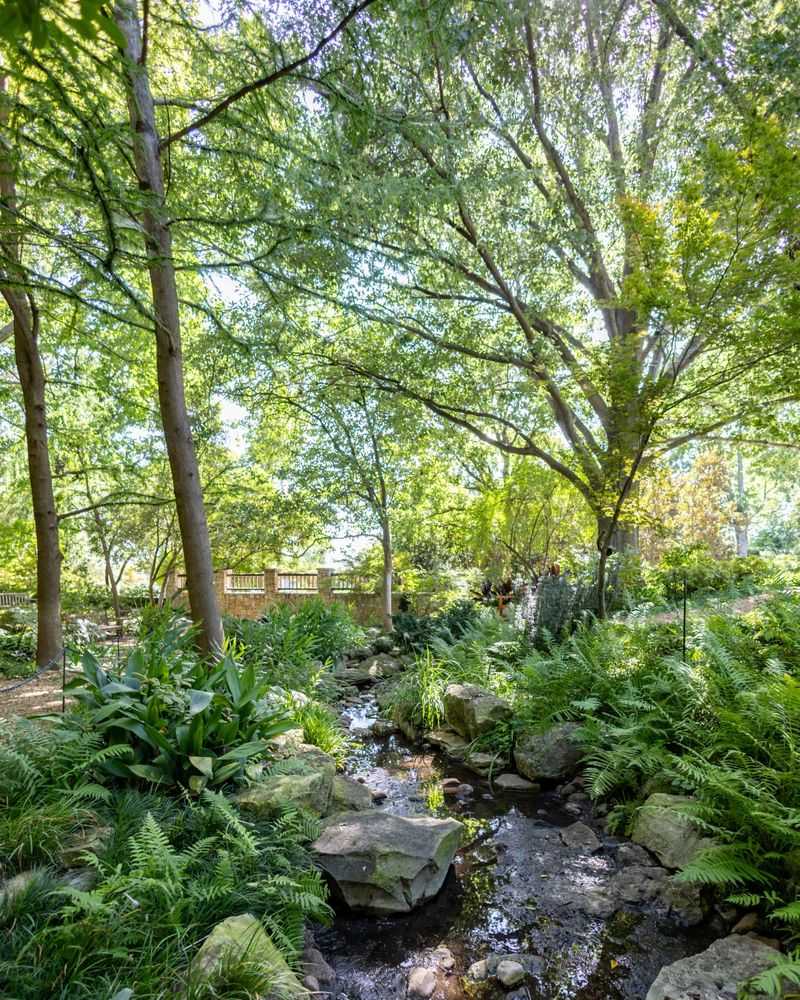
Large oaks and pines cast dense shade that challenges traditional sun-loving plants, but shade gardens transform these dim areas into lush, peaceful retreats filled with unique foliage.
Hostas thrive beneath Georgia trees, offering incredible leaf variety in colors ranging from chartreuse to deep blue-green, with textures from smooth to deeply puckered.
Ferns add delicate, feathery texture to shaded beds, bringing woodland charm that complements the natural character of tree-dominated landscapes throughout the state beautifully.
Amending soil with extra organic matter improves moisture retention under trees where roots compete aggressively for water, giving shade plants better growing conditions year-round.
Blooming shade perennials like astilbe and coral bells add pops of color to darker areas, proving that gardens without full sun can still offer vibrant, cheerful displays.
Mulching shade beds with shredded leaves or pine straw mimics natural forest floors, creating environments where shade-loving plants flourish with minimal intervention or special care.
Avoid planting too close to tree trunks where root competition is fiercest; instead, position beds slightly outward where feeder roots are less dense and concentrated.
Shade gardens require less watering than sunny beds, making them practical choices for busy homeowners who want beautiful landscapes without constant maintenance demands throughout summer.
7. Container Garden Beds On Patios And Decks
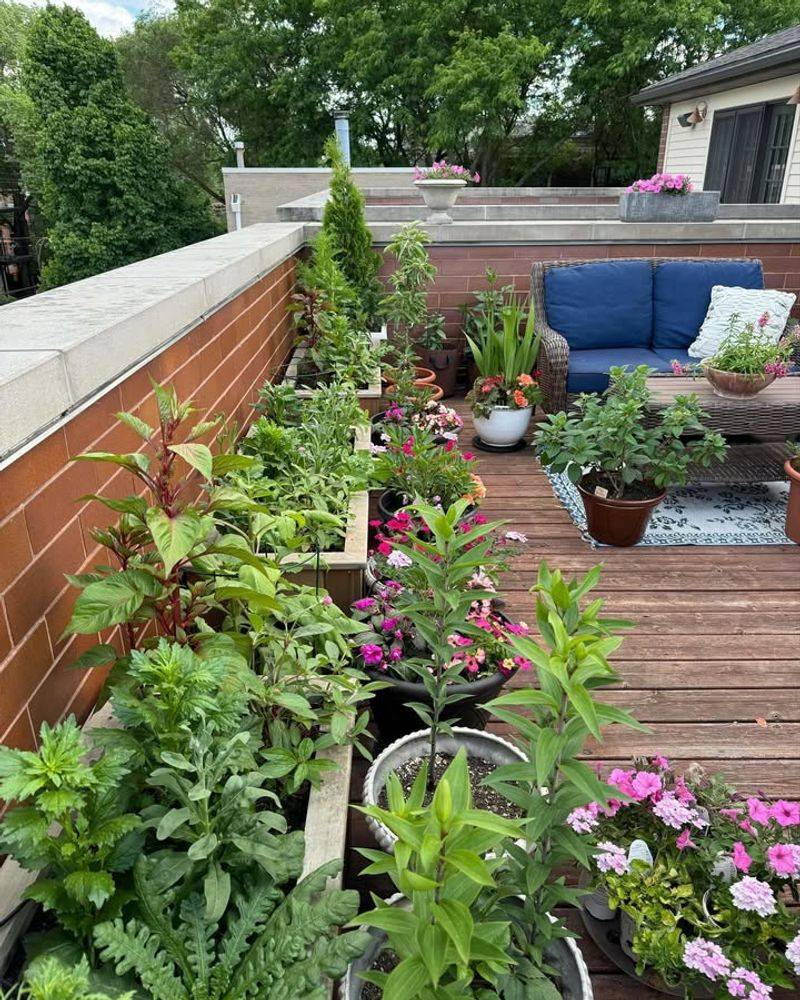
Container gardens extend planting opportunities onto hard surfaces like patios and decks, bringing color and greenery directly to outdoor living spaces where families gather regularly.
Large pots filled with petunias, geraniums, or coleus create instant garden beds that can be rearranged easily, allowing you to refresh your patio’s look whenever desired.
Herbs like basil, rosemary, and thyme grow exceptionally well in containers near kitchen doors, providing fresh ingredients just steps away during meal preparation times.
Containers drain quickly, preventing the waterlogged conditions that sometimes plague in-ground beds during Georgia’s heavy spring and summer rain events throughout the season.
Grouping pots of varying heights and sizes creates layered displays with depth and visual interest, mimicking traditional garden beds within compact, manageable spaces perfectly.
Moving containers indoors during rare hard freezes protects tender plants, extending growing seasons and allowing you to maintain favorite specimens year after year successfully.
Lightweight resin and fiberglass containers look like heavy stone or ceramic but are much easier to move, making seasonal rearrangements and cleaning tasks significantly simpler.
Adding trailing plants like sweet potato vine around pot edges softens container appearances, creating cascading effects that add movement and grace to stationary patio arrangements beautifully.
8. Butterfly Garden Beds with Host Plants

Dedicating beds specifically to butterfly-friendly plants creates magical spaces where these winged visitors gather, offering educational opportunities and natural beauty that captivates all ages.
Milkweed serves as essential host plant for monarch butterflies, providing the only food source for their caterpillars while supporting the species’ remarkable migration journey.
Nectar-rich flowers like lantana, zinnia, and butterfly bush keep adult butterflies visiting throughout summer, transforming your yard into a colorful, active wildlife sanctuary.
Georgia’s location along the Atlantic Flyway makes it an important stopover for migrating monarchs, meaning your butterfly garden directly supports conservation efforts regionally.
Grouping plants in clusters rather than scattering them individually makes it easier for butterflies to locate food sources, increasing visitation rates and activity levels noticeably.
Avoiding pesticides in butterfly gardens is crucial since chemicals harm caterpillars and adult butterflies equally, defeating the purpose of creating these specialized wildlife habitats entirely.
Including flat stones in sunny spots provides basking areas where butterflies warm their wings in morning light before becoming active and mobile throughout the day.
Children love observing caterpillars transform into chrysalises and eventually butterflies, making these gardens valuable teaching tools that connect families with nature’s incredible life cycles firsthand.
9. Xeriscape Beds With Drought-Tolerant Plants
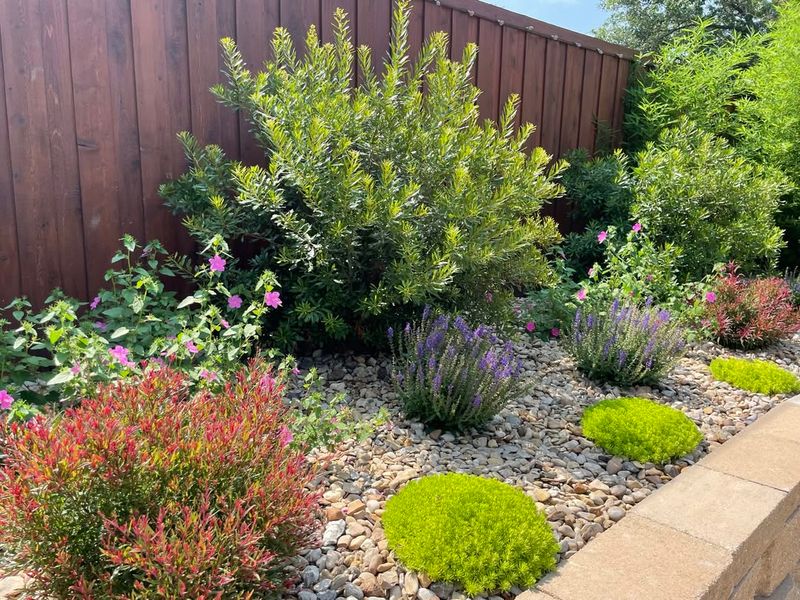
Water conservation matters increasingly in Georgia, making xeriscape beds filled with drought-tolerant plants both environmentally responsible and practical for reducing landscape maintenance requirements significantly.
Sedums, yuccas, and ornamental sages thrive with minimal irrigation once established, maintaining attractive appearances even during dry spells when traditional gardens struggle noticeably.
Replacing thirsty grass with xeriscape beds reduces mowing time and water bills simultaneously, offering financial and environmental benefits that appeal to eco-conscious homeowners statewide.
Gravel or decomposed granite mulches complement drought-tolerant plantings perfectly, suppressing weeds while allowing excellent drainage that prevents root rot during occasional heavy rains.
These low-water gardens still offer plenty of color through blooming perennials like coneflowers and black-eyed Susans, proving that water-wise doesn’t mean sacrificing visual appeal.
Grouping plants with similar water needs together simplifies irrigation management, ensuring that drought-tolerant species aren’t overwatered while more moisture-loving plants receive adequate hydration throughout seasons.
Xeriscape designs often incorporate decorative rocks and boulders as focal points, adding structure and interest that remains consistent regardless of seasonal plant changes or dormancy.
Many drought-tolerant plants also resist deer browsing, providing additional benefits in suburban areas where these animals frequently damage traditional landscape plantings and garden beds regularly.
10. Edible Landscape Beds With Fruits And Vegetables
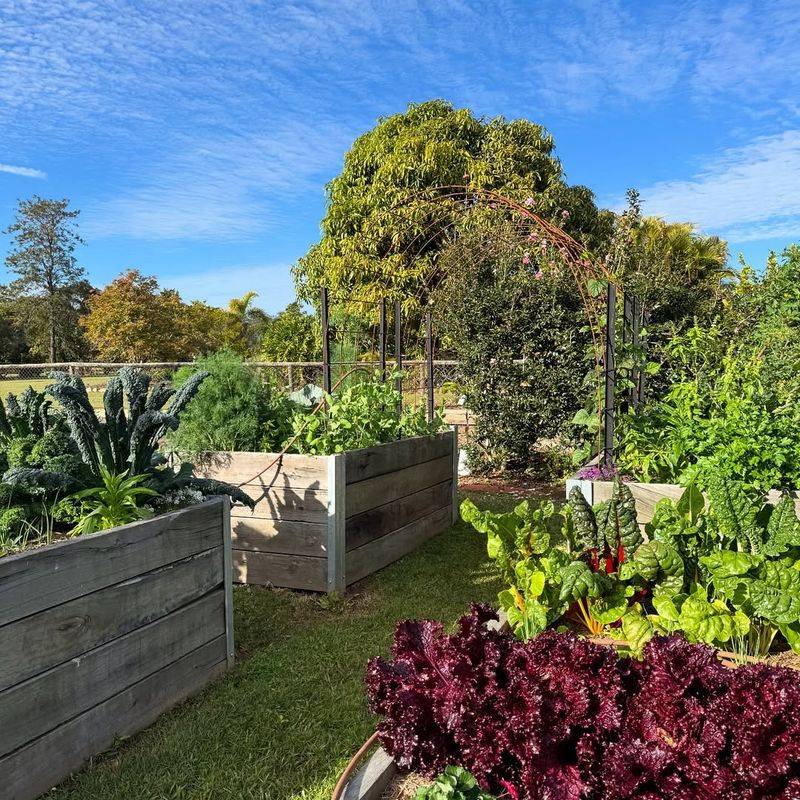
Combining ornamental and edible plants creates beautiful, productive landscapes that feed families while maintaining attractive curb appeal throughout the growing season and beyond.
Blueberry bushes offer spring flowers, summer fruit, and brilliant fall foliage, functioning as attractive shrubs that also provide delicious harvests perfectly suited to Georgia’s climate.
Mixing colorful vegetables like rainbow chard and purple cabbage with flowers creates visually interesting beds that challenge traditional notions about separating vegetable and ornamental gardens.
Strawberry borders edge beds beautifully while producing sweet berries in spring, demonstrating how edible plants can serve multiple landscape functions beyond simple food production.
Perennial herbs like rosemary and thyme provide evergreen structure year-round, remaining attractive during winter while offering fresh flavors for cooking throughout all seasons reliably.
Edible landscapes reduce grocery expenses while ensuring access to fresh, pesticide-free produce grown just steps from your kitchen door for maximum flavor and nutrition.
Training fruiting vines like grapes or kiwi over arbors adds vertical interest to edible gardens, creating shaded seating areas while maximizing production in limited space.
Rotating annual vegetables through beds prevents soil depletion and disease buildup, maintaining healthy growing conditions that support abundant harvests year after year without chemical interventions.
11. Cottage Garden Beds With Mixed Plantings
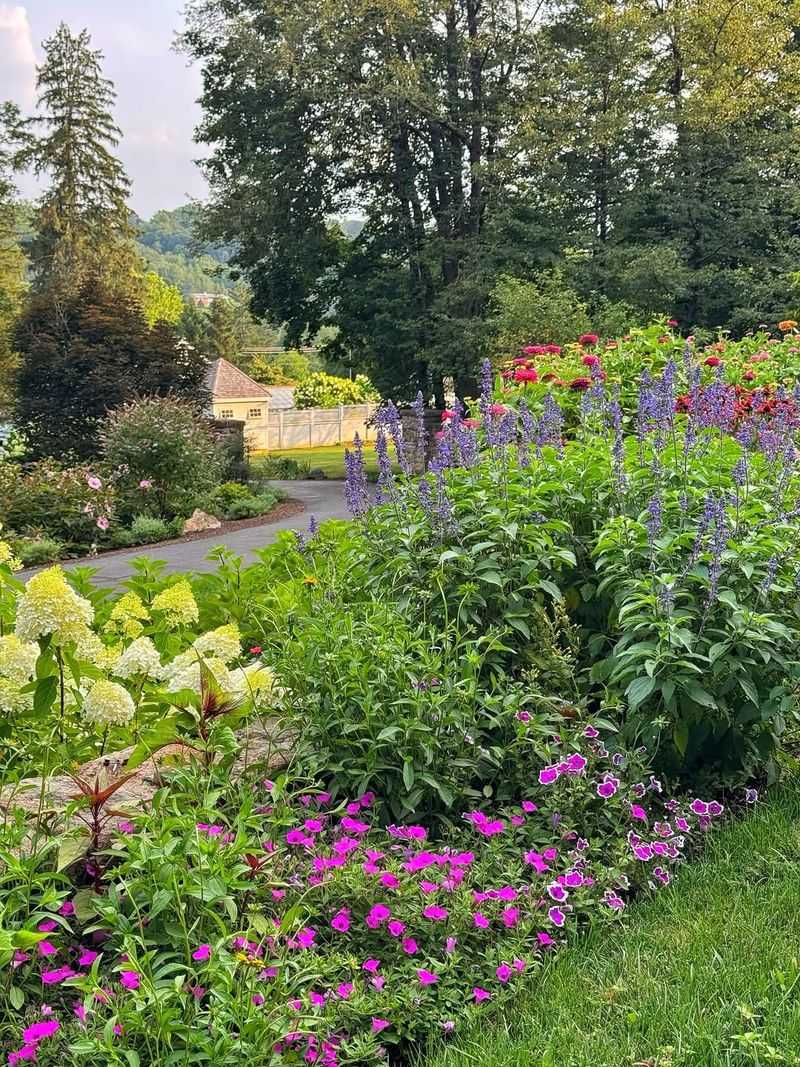
Cottage gardens embrace informal, romantic aesthetics with densely planted beds overflowing with flowers, herbs, and climbing vines in delightful, seemingly spontaneous arrangements that charm visitors.
Mixing annuals and perennials ensures continuous blooms from spring through fall, with gaps filled quickly as plants self-sow and spread naturally throughout the season.
Roses climbing over arbors or fences add vertical elements and classic fragrance, embodying the quintessential cottage garden spirit that feels both timeless and welcoming always.
Allowing plants to spill onto pathways creates soft edges and relaxed boundaries, contrasting sharply with formal gardens’ rigid lines and meticulously maintained appearances throughout.
Georgia’s long growing season supports the abundant plantings cottage gardens require, with warm temperatures encouraging vigorous growth and extended blooming periods compared to cooler regions.
Including old-fashioned favorites like hollyhocks, foxgloves, and delphiniums connects your garden to gardening traditions spanning centuries, adding historical depth and nostalgic charm overall.
Cottage beds require regular deadheading and light pruning to maintain their full, billowing appearance, but the maintenance feels rewarding rather than burdensome for passionate gardeners.
Incorporating seating areas within or beside cottage beds invites lingering, allowing you to fully appreciate the sensory experience of fragrance, color, and buzzing pollinators surrounding you.