12 Garden Creatures Illinois Homeowners Are Not Allowed To Remove
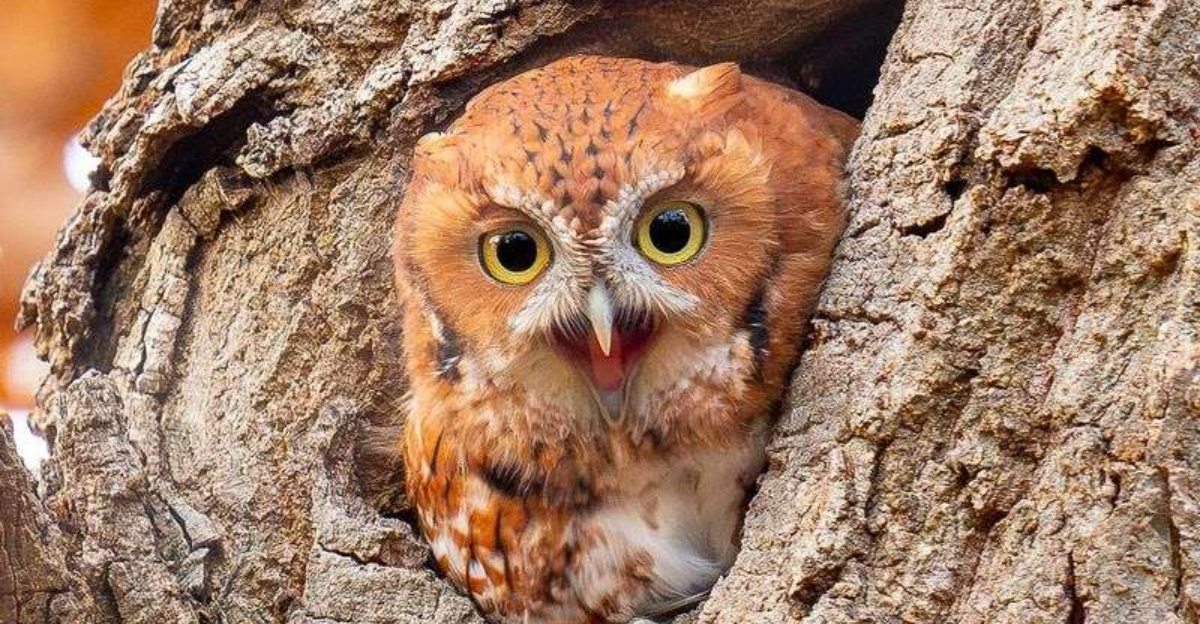
When something unexpected crawls, hops, or slithers into your garden, your first instinct might be to show it the door.
But in Illinois, that knee jerk reaction can land homeowners on the wrong side of the law.
Many common garden visitors are protected, even when they show up on private property.
Some control pests, others signal a healthy ecosystem, and a few are declining across the state, which is why Illinois takes their protection seriously.
What surprises many people is how normal these creatures look.
They are not rare or exotic, and they often blend right into everyday backyard life.
Before you grab a shovel, trap, or broom, it helps to know which animals must be left alone and why.
Understanding these rules can prevent legal trouble while also helping you work with nature instead of against it.
1. American Toad
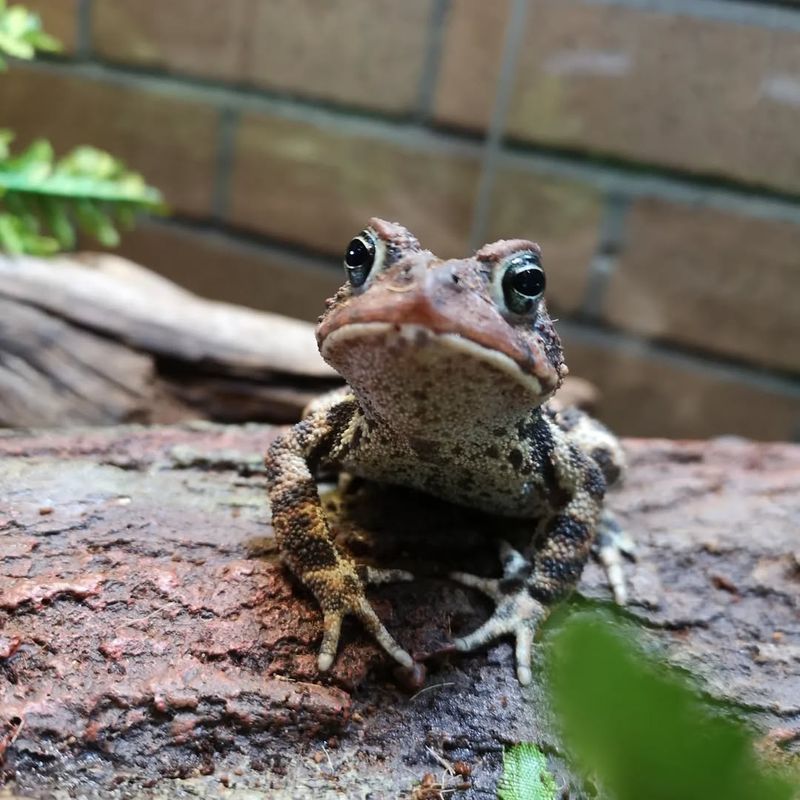
Spotting a bumpy brown toad hopping through your garden might seem unremarkable, but this warty friend holds special legal status in Illinois.
American toads are protected native amphibians under state wildlife regulations, meaning homeowners cannot remove, relocate, or harm them.
These squat creatures with their distinctive trilling calls serve as natural pest controllers, consuming hundreds of insects each night during their active season.
Their bumpy skin helps them blend into garden soil and mulch, where they spend daylight hours staying cool and moist.
Contrary to old myths, touching a toad will not give you warts, though their skin does produce mild secretions that deter predators.
Illinois law protects toads because they indicate healthy ecosystem conditions and help control garden pests without chemicals.
During spring, males gather near water sources to sing their distinctive mating trills, creating a natural symphony in suburban neighborhoods.
If you find a toad in your garden, consider yourself fortunate to have such an effective and legally protected pest management team member.
Creating a small water feature or leaving undisturbed areas with leaf litter will encourage these beneficial amphibians to stick around your property year after year.
2. Tree Frogs
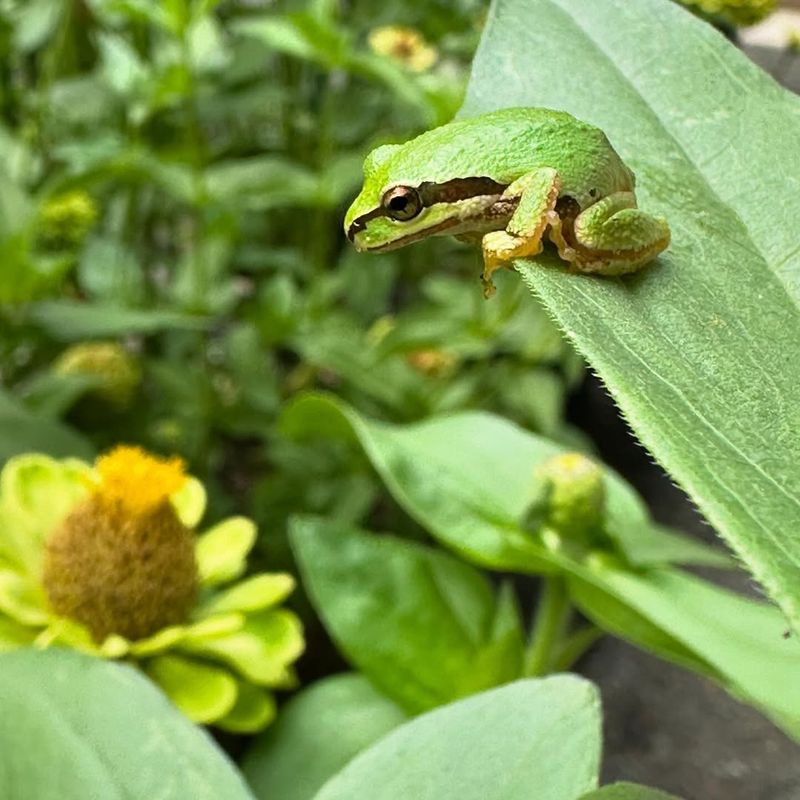
With sticky toe pads and bright green skin, tree frogs bring unexpected charm to Illinois gardens.
All native frog species enjoy legal protection throughout the state, making it unlawful for homeowners to capture, relocate, or disturb these acrobatic amphibians.
Tree frogs spend much of their time climbing plant stems and leaves, hunting for small insects and spiders that might otherwise damage your garden.
Their ability to change color slightly helps them blend with surrounding vegetation, and their distinctive calls on humid evenings signal approaching rain.
These small frogs rarely grow longer than two inches, yet their voices carry surprisingly far during breeding season.
Illinois protects tree frogs because their populations serve as environmental health indicators, responding quickly to pollution and habitat changes.
Gardens with diverse plantings, especially native shrubs and flowers, attract more tree frogs by providing hunting grounds and shelter.
Avoiding pesticide use helps maintain healthy frog populations since their permeable skin absorbs chemicals easily.
If you hear chirping from your bushes on warm nights, you are listening to protected residents that help keep your garden ecosystem balanced.
Encouraging tree frogs means embracing a more natural approach to gardening, one that benefits both wildlife and your outdoor space.
3. Eastern Box Turtle
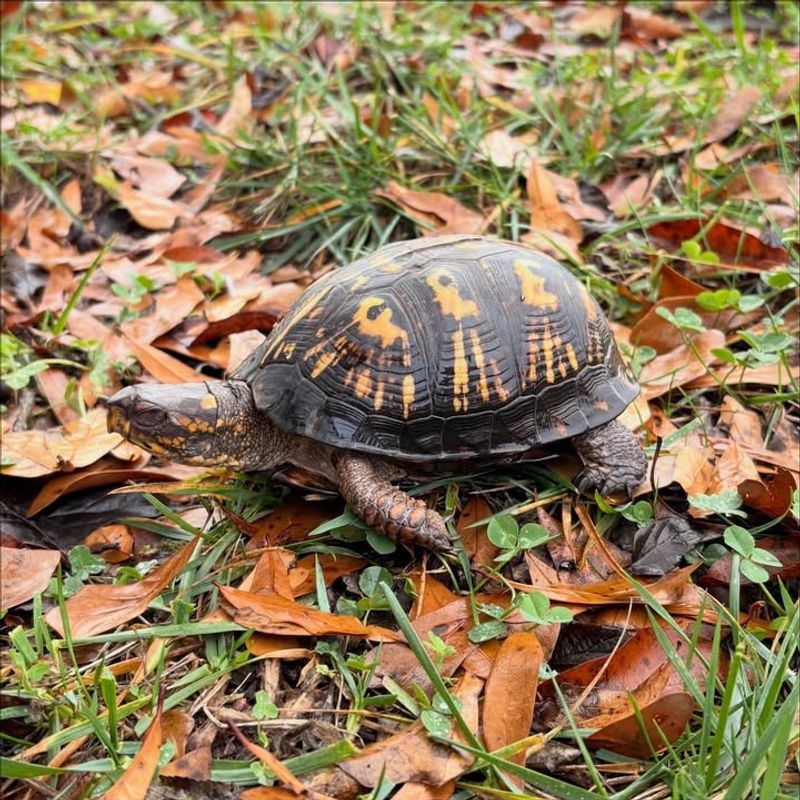
Discovering a domed shell slowly crossing your lawn creates a memorable moment for any homeowner.
Eastern box turtles hold special protected status in Illinois, and removing or relocating them from your property is strictly prohibited by law.
These long-lived reptiles can survive for over a century, often returning to the same small territory throughout their entire lives.
Their distinctive hinged bottom shell allows them to close up completely when threatened, creating an almost impenetrable box.
Box turtles eat a varied menu including berries, mushrooms, insects, and slugs, making them helpful garden companions.
Illinois law protects these turtles because their populations have declined significantly due to habitat loss and illegal collection.
If you find one in your yard, it likely considers your property part of its established home range.
Relocating a box turtle, even with good intentions, often results in the animal spending the rest of its life trying to return to its original territory, leading to dangerous road crossings.
Creating turtle-friendly spaces with brush piles, shallow water dishes, and native plantings helps support these ancient reptiles.
Mowing carefully and checking before using garden equipment prevents accidental injuries to these slow-moving creatures that enrich Illinois gardens with their prehistoric presence.
4. Garter Snake
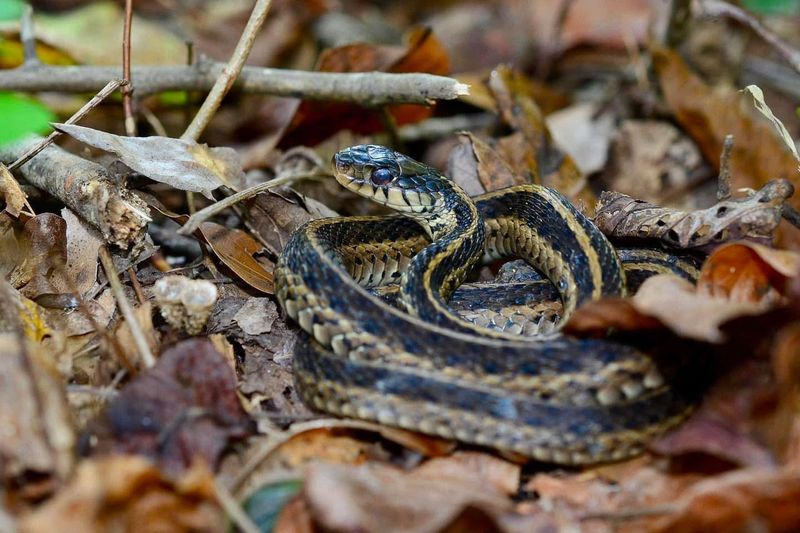
Sleek stripes and quick movements make garter snakes one of the most recognizable reptiles in Illinois gardens.
As protected native reptiles, garter snakes cannot legally be removed from your property, even if they startle you while gardening.
These completely nonvenomous snakes play crucial roles controlling rodent populations, slugs, and insects that might otherwise overrun your outdoor spaces.
Their striped patterns typically feature yellow or white lines running the length of their bodies against darker backgrounds.
Garter snakes prefer areas with ground cover like mulch, rocks, or dense plantings where they can hunt and regulate their body temperature.
Illinois protects these snakes because they provide free, effective pest control without any danger to humans or pets.
When threatened, garter snakes may release a musky odor, but they rarely bite and pose no health risks.
Finding snake skins shed in your garden indicates healthy resident populations keeping pest numbers in check.
Creating rock piles or leaving some areas of your yard slightly wild provides perfect habitat for these beneficial reptiles.
Many gardeners who initially feared snakes come to appreciate having garter snakes as permanent garden residents once they understand the pest control services these protected creatures provide throughout the growing season.
5. Bullfrog
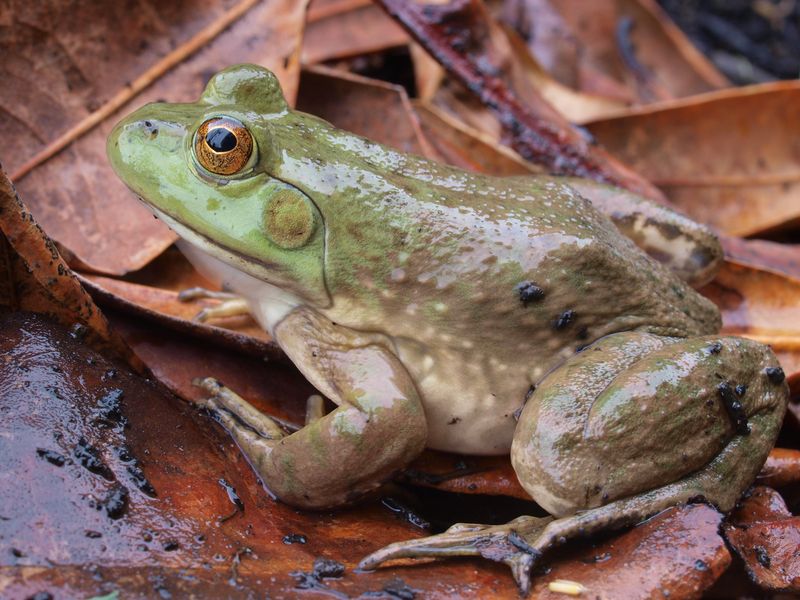
Deep croaking voices echoing from garden ponds announce the presence of North America’s largest frog species.
Bullfrogs enjoy protected status in Illinois except during specific legal hunting seasons with proper permits, meaning casual removal from your property violates state wildlife regulations.
These impressive amphibians can grow larger than a dinner plate, with powerful legs that launch them several feet in a single jump.
Male bullfrogs produce their famous deep “jug-o-rum” calls to establish territories and attract mates during warm months.
They consume impressive quantities of insects, but larger individuals also eat smaller frogs, small snakes, and even young birds.
Illinois protects bullfrogs because they represent important components of aquatic ecosystems, though their populations remain stable compared to other amphibians.
If your property includes a pond or water feature, bullfrogs may naturally colonize the area.
Their presence indicates good water quality and abundant food sources in your aquatic habitat.
Bullfrog tadpoles take up to two years to transform into adults, spending their early lives filtering algae and organic matter from pond water.
While their appetites seem indiscriminate, bullfrogs fill an important ecological niche that benefits overall garden biodiversity when natural balance is maintained through diverse plantings and chemical-free practices.
6. Dragonflies
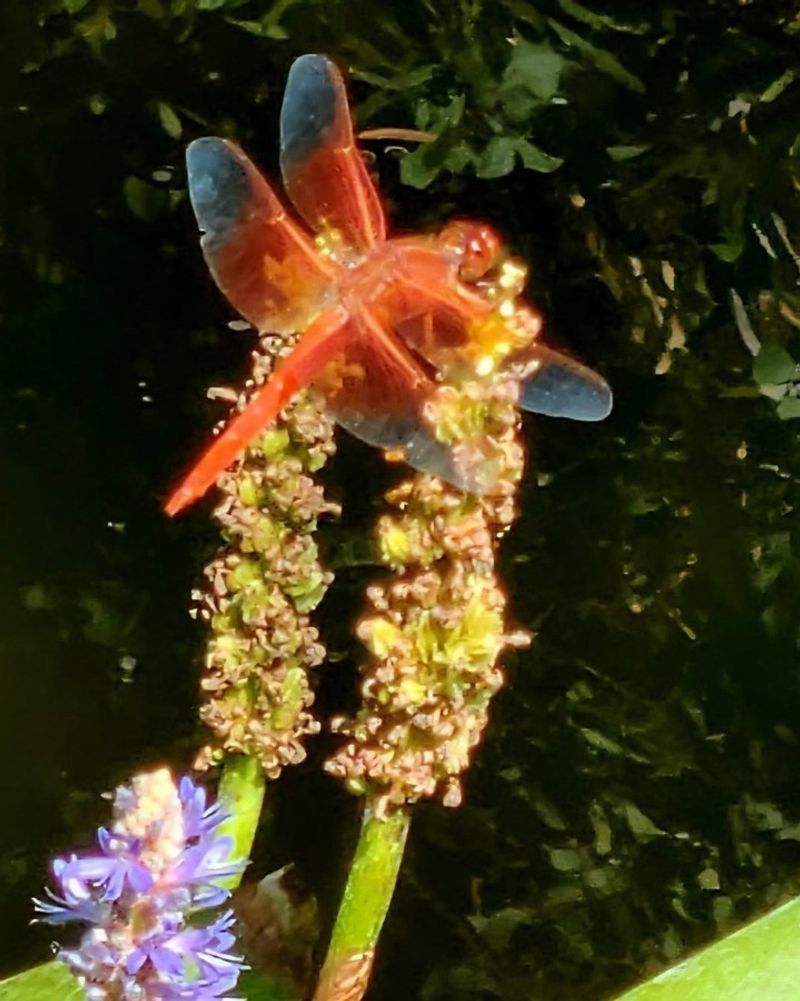
Iridescent wings catching sunlight and aerial acrobatics make dragonflies among the most captivating garden visitors.
These ancient insects hold protected status in Illinois as native beneficial species, prohibiting their capture or harm on your property.
Dragonflies are incredibly efficient predators, catching and consuming mosquitoes, gnats, and other flying pests with remarkable precision.
A single dragonfly can eat hundreds of mosquitoes daily, making them far more effective than any chemical spray.
Their large compound eyes contain thousands of individual lenses, giving them nearly 360-degree vision.
Illinois protects dragonflies because they serve as both pest controllers and indicators of environmental health, particularly water quality.
Dragonfly nymphs spend months or even years underwater before emerging as flying adults, so their presence suggests your garden has or is near clean water sources.
Creating a small pond or water feature attracts more dragonflies to your property, as they need water for reproduction.
Adult dragonflies perch on plant stems, fence posts, and garden stakes between hunting flights.
Their metallic colors range from brilliant blues and greens to deep reds and oranges, adding living jewels to your outdoor space.
Protecting dragonfly habitat means embracing water features and avoiding pesticides that harm these prehistoric predators that have barely changed in 300 million years.
7. Bats
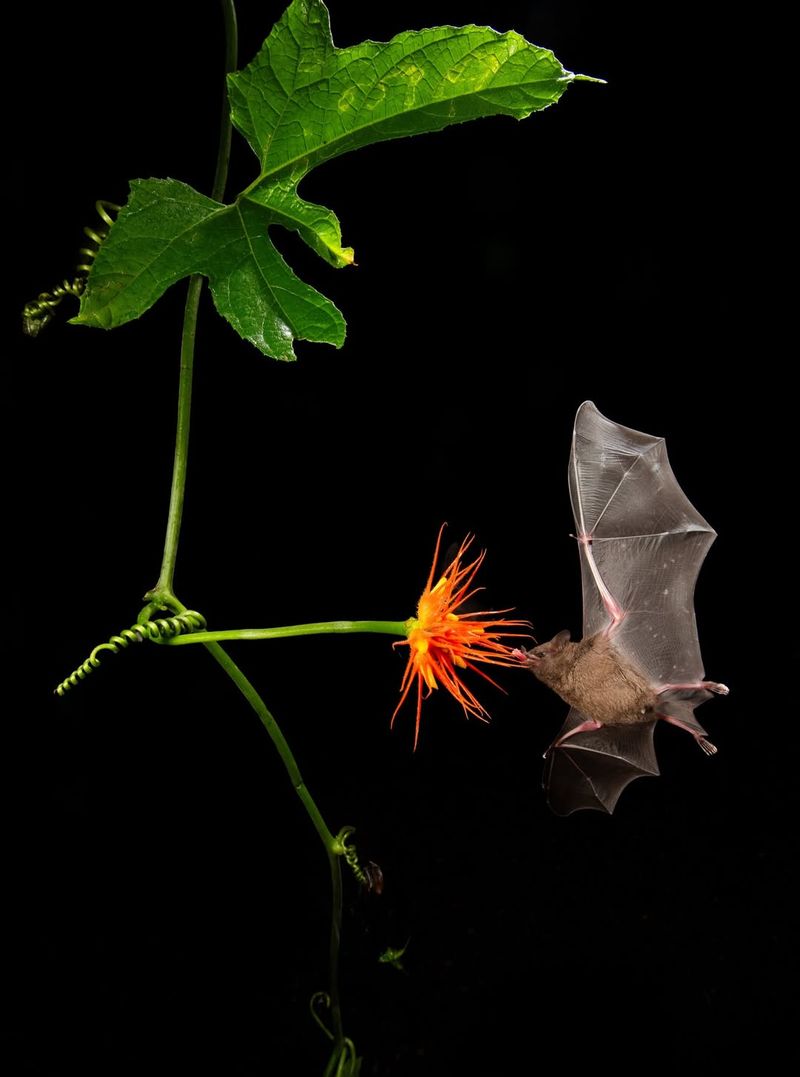
Silhouettes darting through twilight skies signal the arrival of Illinois gardens’ most misunderstood mammals.
All bat species in Illinois enjoy complete legal protection, making it unlawful to disturb, remove, or harm these flying mammals even when they roost near homes.
Bats provide extraordinary pest control services, with some species consuming half their body weight in insects each night.
A single bat can eat thousands of mosquitoes and agricultural pests during a summer season.
Despite unfair reputations, bats are gentle creatures that avoid human contact and pose minimal disease risks when left undisturbed.
Illinois protects bats because their populations face serious threats from habitat loss and white-nose syndrome, a fungal condition devastating bat colonies.
Many bat species roost in tree cavities, under bark, or in building crevices during daylight hours.
Installing bat houses in your yard provides safe roosting spots while keeping bats away from your home’s interior.
Bats use echolocation to navigate and hunt, emitting high-frequency sounds that bounce off objects and prey.
Gardens with diverse plantings that bloom at different times attract more night-flying insects, which in turn attract more bats.
Appreciating these nocturnal mammals means recognizing their vital role in controlling insect populations without chemical interventions.
8. Songbirds And Their Nests
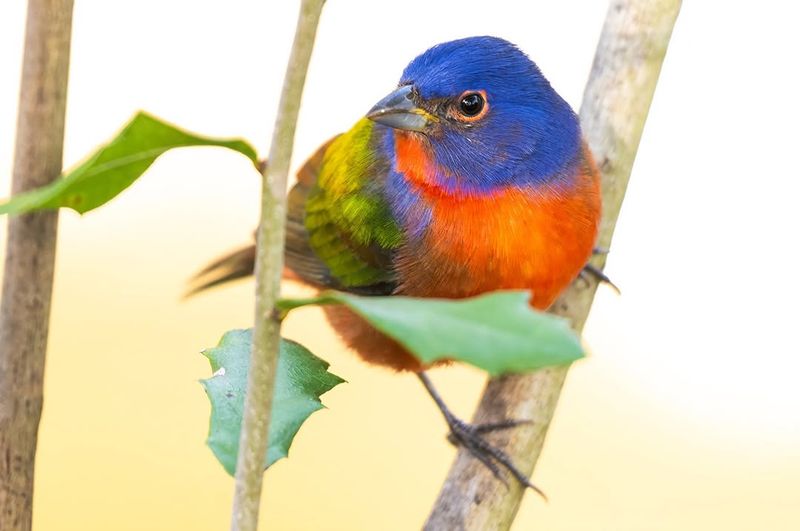
Morning melodies filling your garden come from feathered residents protected by powerful federal legislation.
The Migratory Bird Treaty Act protects songbirds, their nests, and eggs throughout Illinois, making it illegal to disturb active nests or remove birds from your property.
This sweeping protection covers robins, cardinals, sparrows, warblers, and dozens of other species that brighten gardens with song and color.
Songbirds consume enormous quantities of insects, caterpillars, and seeds, naturally controlling pest populations while spreading native plant seeds.
Their nesting requirements vary widely, from dense shrubs to tree cavities to building eaves.
Federal protection exists because migratory bird populations faced catastrophic declines before legal safeguards were established.
If you discover a nest in your shrubs or trees, you must leave it undisturbed until young birds fledge naturally.
Creating bird-friendly habitat with native plants, water sources, and varied vegetation heights attracts more species to your property.
Many songbirds return to the same territories year after year, becoming familiar garden companions.
Their presence indicates healthy habitat with adequate food sources and shelter.
Avoiding pesticides protects songbirds from consuming poisoned insects, while keeping cats indoors prevents unnecessary predation on these legally protected and ecologically valuable garden residents.
9. Owls
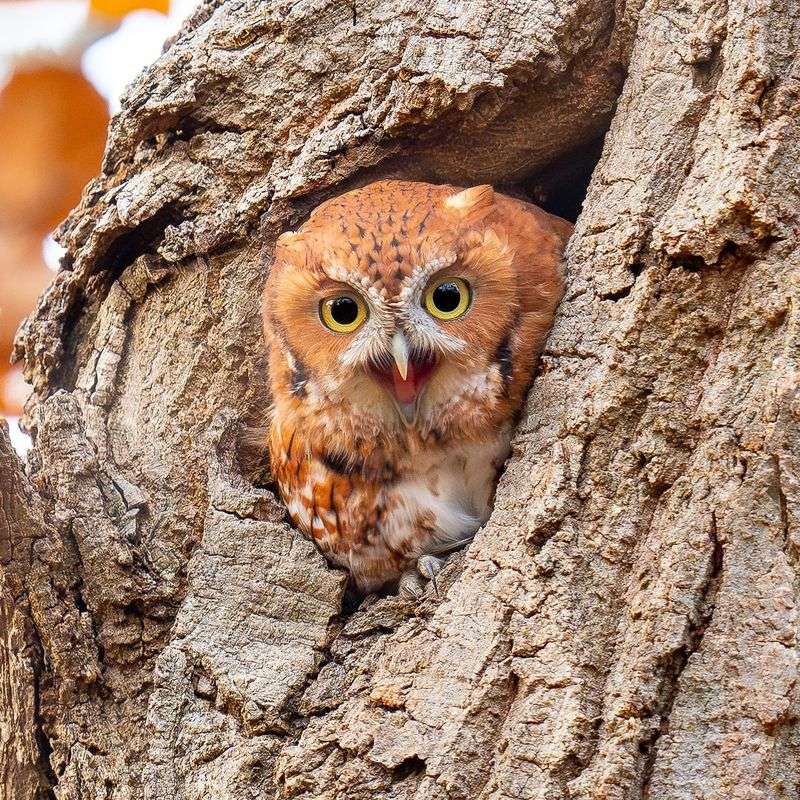
Silent wings and piercing eyes make owls the most mysterious raptors visiting Illinois gardens after dark.
Complete legal protection covers all owl species in Illinois, including their feathers, nests, and young, under both state and federal regulations.
These nocturnal hunters provide exceptional rodent control, with larger species capable of catching rats, mice, and voles that damage gardens and structures.
Owls possess specialized wing feathers that muffle flight sounds, allowing them to approach prey undetected.
Their distinctive calls range from the great horned owl’s deep hoots to the eastern screech owl’s trembling whinny.
Illinois protects owls because they occupy crucial positions as top predators in suburban and rural ecosystems.
Many owl species nest in tree cavities, while others use old hawk nests or even nest boxes designed for their use.
If owls take up residence near your property, rodent populations will decrease naturally without traps or poisons.
Owls regurgitate pellets containing undigested fur and bones, which you might find beneath their favorite perches.
Preserving mature trees with natural cavities and avoiding excessive outdoor lighting helps support owl populations.
These magnificent birds of prey represent ancient lineages that have hunted rodents for millions of years, now offering their services to modern homeowners free of charge.
10. Bees Nesting Naturally
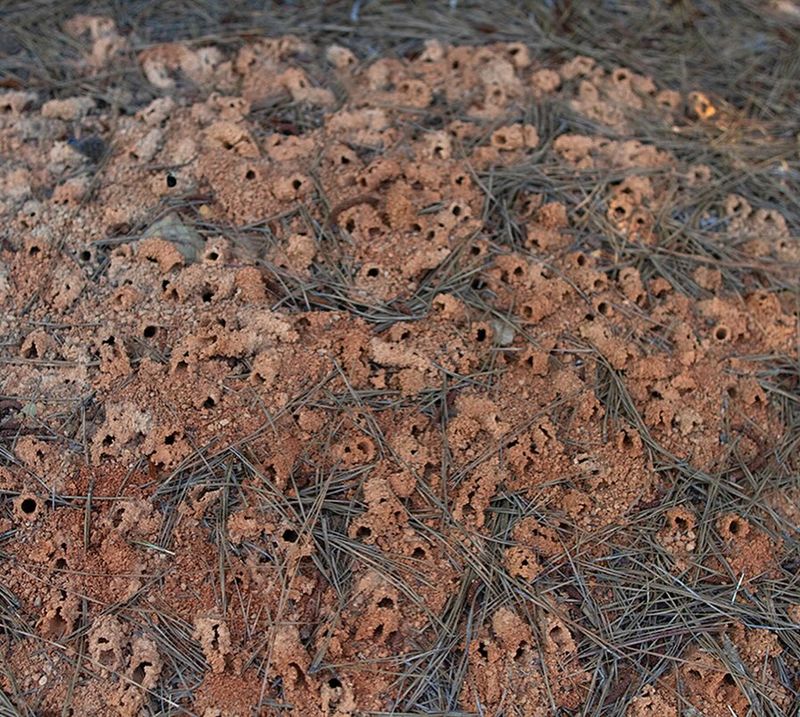
Small mounds of soil with tiny entrance holes reveal the underground cities of Illinois native bees.
Native bee species nesting naturally in your yard enjoy legal protection, and destroying their nests without proper approval violates state regulations.
Unlike honeybees, most native bees are solitary creatures, with each female creating her own nest and provisioning it with pollen for her offspring.
Ground-nesting bees are generally docile and rarely sting unless directly threatened.
These specialized pollinators often work more efficiently than honeybees, visiting more flowers per minute and pollinating plants that honeybees ignore.
Illinois protects native bees because their populations face threats from habitat loss, pesticides, and climate change.
Many native bees emerge early in spring, pollinating fruit trees and early vegetables before honeybees become active.
If you notice small burrows appearing in bare soil patches, you are witnessing protected pollinators establishing their homes.
Leaving some areas of your yard unmulched and avoiding tilling provides essential nesting habitat.
Native bees pollinate tomatoes, peppers, blueberries, and countless other garden plants more effectively than introduced species.
Their presence indicates healthy soil and adequate floral resources throughout the growing season, making them invaluable partners in productive, legally compliant gardening.
11. Salamanders
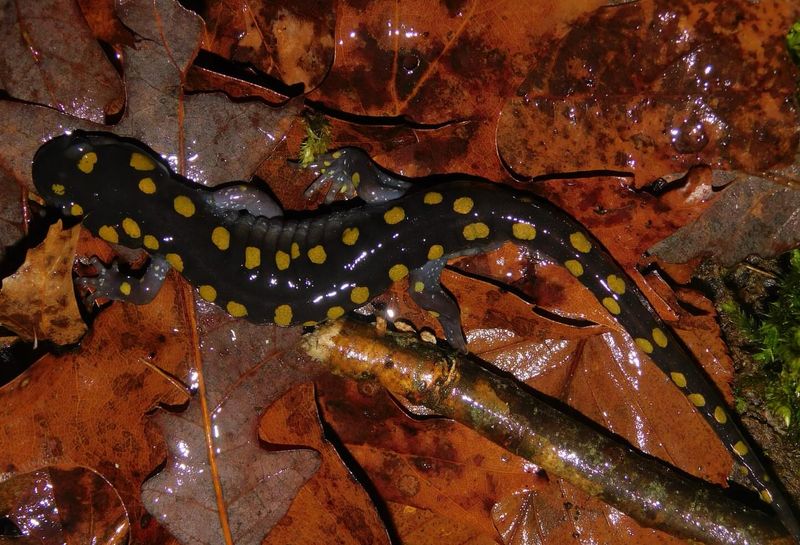
Lifting a garden stone might reveal a sleek, spotted creature that spends most of its life hidden underground.
Salamanders hold protected status throughout Illinois, making it illegal to remove these secretive amphibians from your property.
These moisture-loving creatures consume impressive numbers of insects, slugs, worms, and other small invertebrates that inhabit soil and leaf litter.
Salamanders breathe partially through their skin, requiring moist environments to survive.
Their bright spots or stripes warn predators that their skin produces mild toxins for defense.
Illinois protects salamanders because they serve as sensitive indicators of environmental health, quickly disappearing when pollution or habitat degradation occurs.
Most salamanders spend the majority of their lives underground, emerging mainly during rain or at night.
Creating habitat with rocks, logs, and leaf litter provides shelter for these beneficial predators.
Some species migrate to breeding ponds on rainy spring nights in spectacular mass movements.
Salamander populations benefit from chemical-free gardening practices since their permeable skin readily absorbs toxins.
These ancient amphibians have changed little over millions of years, representing living connections to prehistoric times.
Gardens that support salamanders demonstrate healthy, balanced ecosystems where natural pest control operates without human intervention, all while complying with state wildlife protection laws.
12. Fireflies
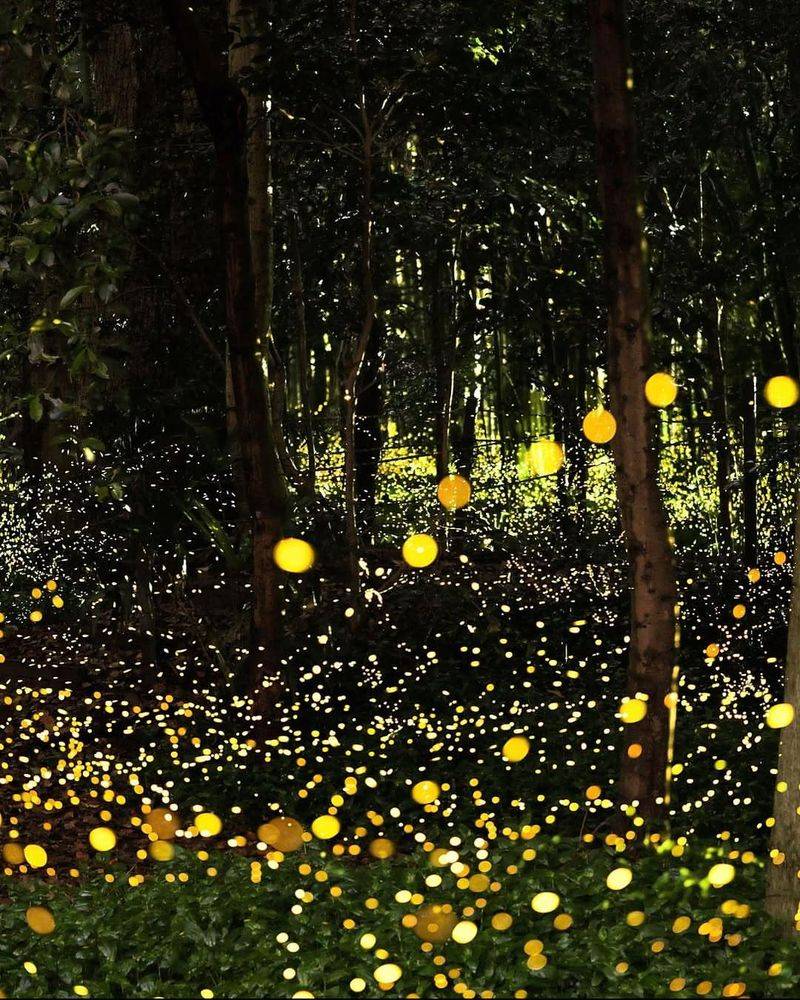
Summer evenings transform Illinois gardens into magical light shows when fireflies begin their bioluminescent courtship displays.
These beloved beetles now enjoy protected status due to declining populations across their range, making it illegal to collect or harm them.
Fireflies spend most of their lives as larvae in soil and leaf litter, where they hunt snails, slugs, and worms.
Adult fireflies live only a few weeks, using their distinctive flashing patterns to find mates in the darkness.
Each species produces unique flash patterns, colors, and timing that members recognize.
Illinois protects fireflies because their populations have dropped dramatically due to habitat loss, light pollution, and pesticide use.
Firefly larvae are voracious predators that help control garden pests throughout their multi-year development.
Reducing outdoor lighting, especially during summer months, helps fireflies communicate more effectively.
Leaving leaf litter undisturbed and avoiding lawn chemicals supports the larvae that will become next year’s light show.
Many adults do not eat at all, relying entirely on energy stored during their larval stage.
Gardens with tall grasses, native plants, and dark corners attract more fireflies seeking mates and egg-laying sites.
Protecting these luminous insects preserves childhood wonder while supporting ecosystem health and complying with conservation laws designed to prevent their disappearance from Illinois landscapes.