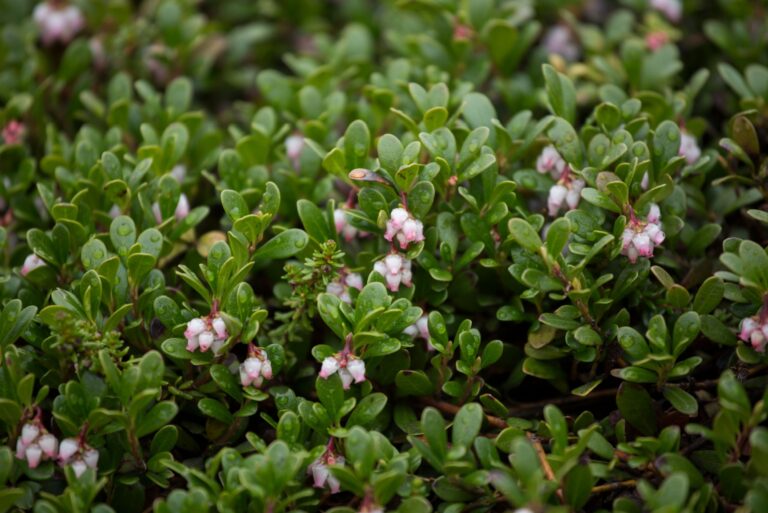
8 Garden Design Trends Oregon Backyards Are Embracing This Year
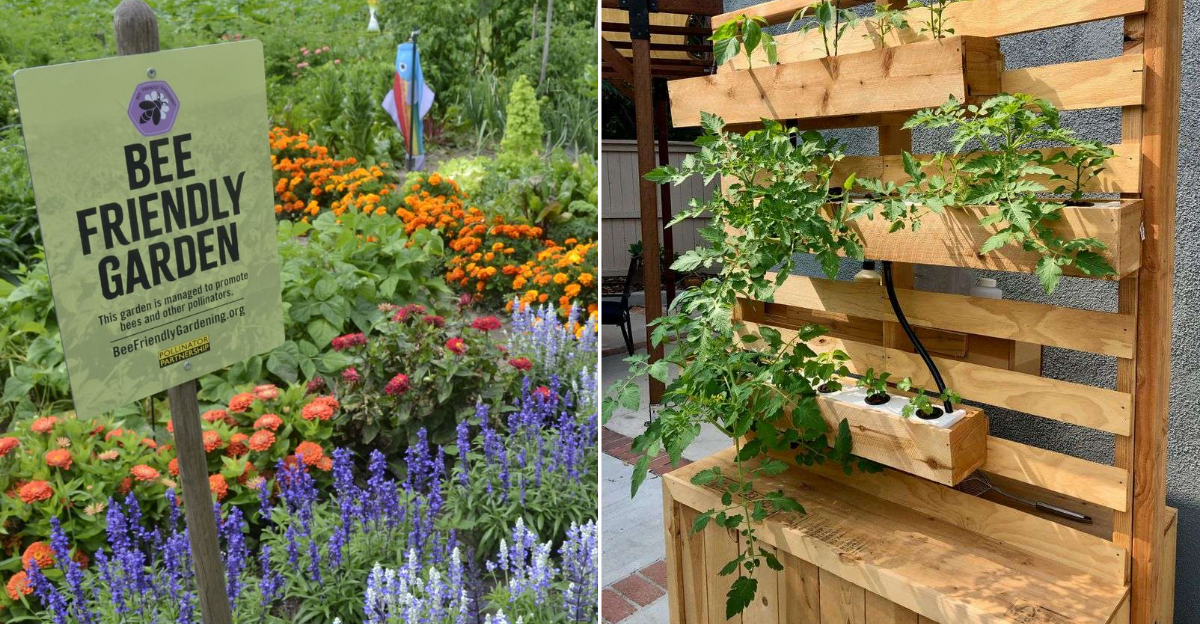
Walking through my neighborhood lately, I’ve noticed a few things about Oregon backyards, they’re looking a little different than they did last year.
Maybe you’ve been thinking about updating your own garden but aren’t sure where to start.
I’ve definitely had that “how do I make this space feel fresh?” moment myself.
The good news is, there are plenty of trends that aren’t just pretty, they’re practical, too.
From low-maintenance plantings to cozy outdoor living spots, and clever ways to use color, texture, and even small water features, Oregon gardeners are finding ways to make their yards feel personal, inviting, and sustainable.
If you’ve been looking for ideas to refresh your outdoor space, these eight garden design trends are a perfect place to start.
They’ll help your backyard feel modern, functional, and more enjoyable all year long.
Oregon backyards are getting a stylish update, and I’m here for it.
1. Native Plant Gardens That Thrive Naturally
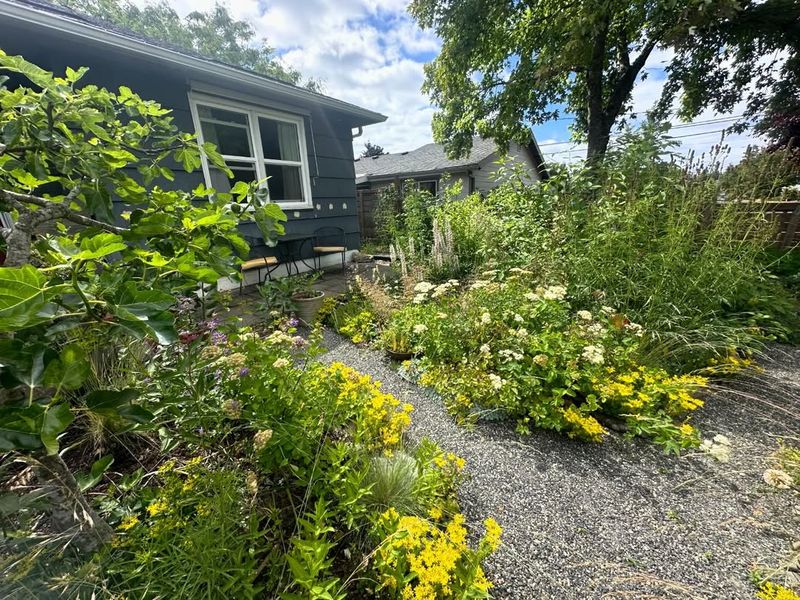
Oregon gardeners are falling in love with plants that belong here.
Native species like Oregon grape, red flowering currant, and Western columbine grow strong without much fuss.
They already know how to handle our rainy winters and dry summers.
When you plant natives, you create a home for local butterflies, bees, and birds.
Your garden becomes part of a bigger ecosystem that supports wildlife throughout the year.
Native plants also need way less water once they settle in, which saves money and helps during those hot August days when water gets scarce.
Plus, you spend less time fighting diseases and pests because these plants evolved here and can defend themselves naturally.
Many nurseries around Oregon now have entire sections dedicated to native species, making it easier than ever to find exactly what you need.
You can design a stunning garden that blooms from spring through fall using only plants that call Oregon home.
Neighbors often stop by to ask about the beautiful flowers and interesting textures that native gardens provide.
Starting with even a small native plant section can make a real difference for local pollinators and give your yard a unique Pacific Northwest character.
2. Rain Gardens That Handle Runoff Beautifully
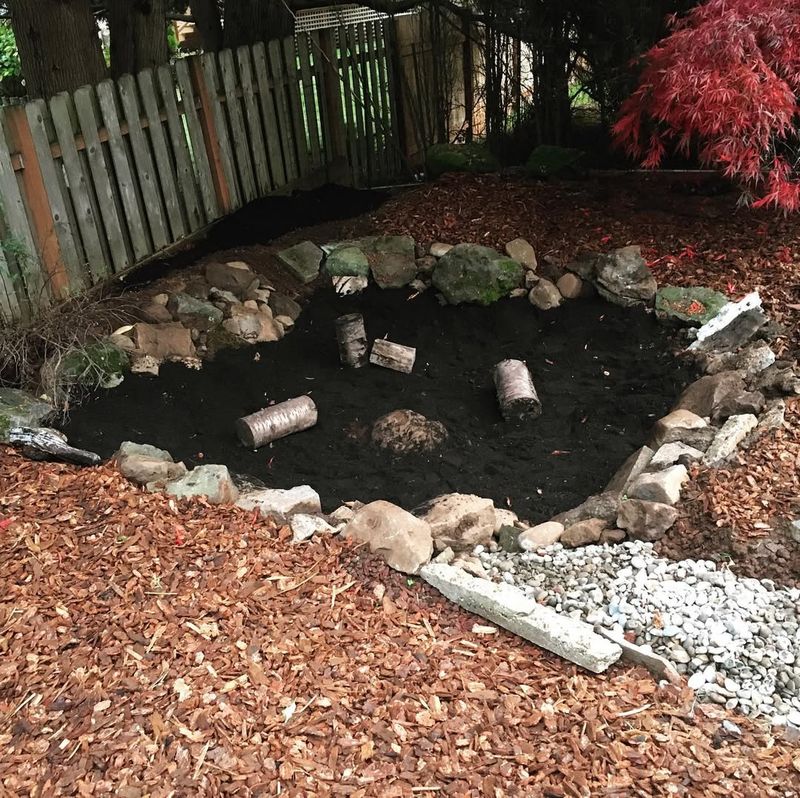
Have you ever watched water pool up in your yard after a big storm?
Rain gardens solve that problem while looking amazing at the same time.
These specially designed garden beds sit in low spots where water naturally collects, and they soak up runoff like a sponge.
Oregon homeowners are adding rain gardens to manage our famous wet winters and protect local streams from polluted runoff.
You fill them with plants that can handle both soggy soil and drier conditions, like sedges, rushes, and moisture-loving perennials.
The garden filters out pollutants before water reaches storm drains, which helps keep our rivers and creeks cleaner.
Rain gardens also attract dragonflies, frogs, and birds who love the extra moisture and shelter.
They work especially well at the bottom of driveways, under downspouts, or anywhere water tends to run across your property.
Many cities in Oregon even offer rebates or free designs to encourage homeowners to install rain gardens.
Once established, they require almost no maintenance and handle heavy rains without any flooding issues.
Your yard becomes part of the solution to stormwater problems while gaining a beautiful, functional garden feature that changes with the seasons.
3. Outdoor Living Rooms With Weather Protection
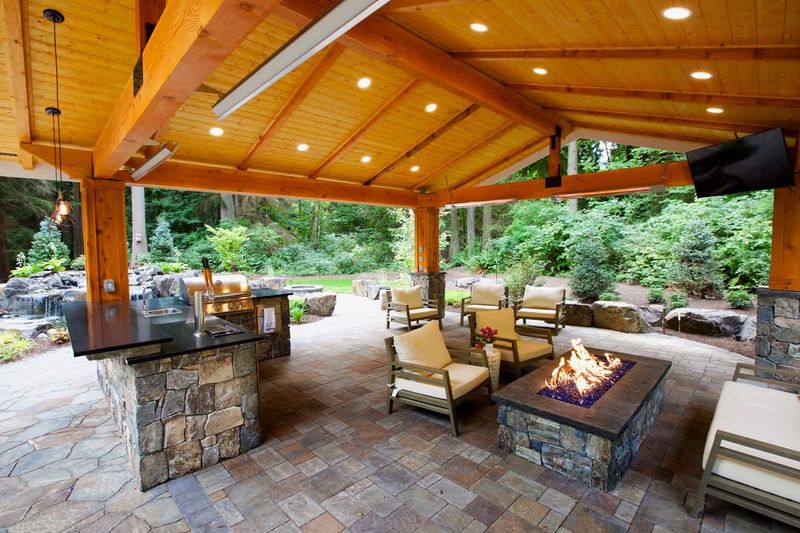
More Oregon families want to enjoy their backyards even when the weather gets unpredictable.
Covered outdoor spaces with comfortable furniture, heating elements, and lighting turn patios into true living rooms.
You can add a pergola with a clear or solid roof, install outdoor curtains for wind protection, or build a fully covered pavilion.
Propane heaters or fire pits extend the season well into fall and early spring when evenings get chilly.
String lights, lanterns, or built-in fixtures create a warm glow that makes the space feel magical after sunset.
Outdoor rugs, weatherproof cushions, and throw blankets add comfort and style just like your indoor rooms.
Many homeowners are installing outdoor kitchens or simple prep stations so they can cook and eat outside without running back and forth.
These spaces become the favorite gathering spot for family dinners, morning coffee, or quiet evenings with a book.
Kids love having an outdoor play area that stays dry during light rain, and adults appreciate having extra entertaining space.
The investment pays off because you actually use your backyard for more months of the year instead of abandoning it when the weather turns.
Oregon summers are perfect, but with the right setup, spring and fall become just as enjoyable outdoors.
4. Edible Landscapes Mixing Food And Flowers
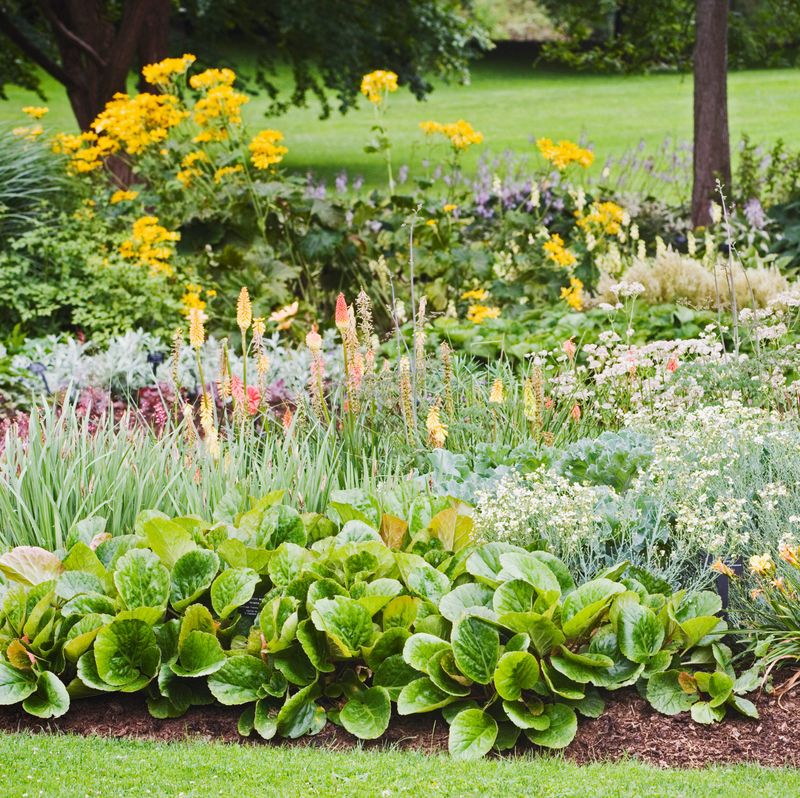
Why choose between a pretty garden and a productive one when you can have both?
Edible landscaping blends vegetables, herbs, and fruit plants right into ornamental beds for beauty and function.
Blueberry bushes provide stunning fall color before giving you delicious berries in summer.
Kale and chard come in gorgeous purple and rainbow varieties that look amazing next to flowers.
Strawberries make excellent ground covers that produce sweet fruit and pretty white blooms.
You can tuck herbs like rosemary, sage, and thyme into borders where they add texture, fragrance, and flavor to your cooking.
Fruit trees trained as espaliers grow flat against fences, saving space while creating living garden art.
This approach works perfectly in Oregon where our climate supports an incredible variety of edible plants.
Your front yard can look just as beautiful as any traditional landscape while secretly growing food for your family.
Kids get excited about gardening when they can pick and eat what they grow, and neighbors often ask for gardening tips when they see your success.
Mixing edibles with ornamentals also confuses pests and creates a healthier garden ecosystem overall.
5. Low-Maintenance Gravel Gardens With Texture
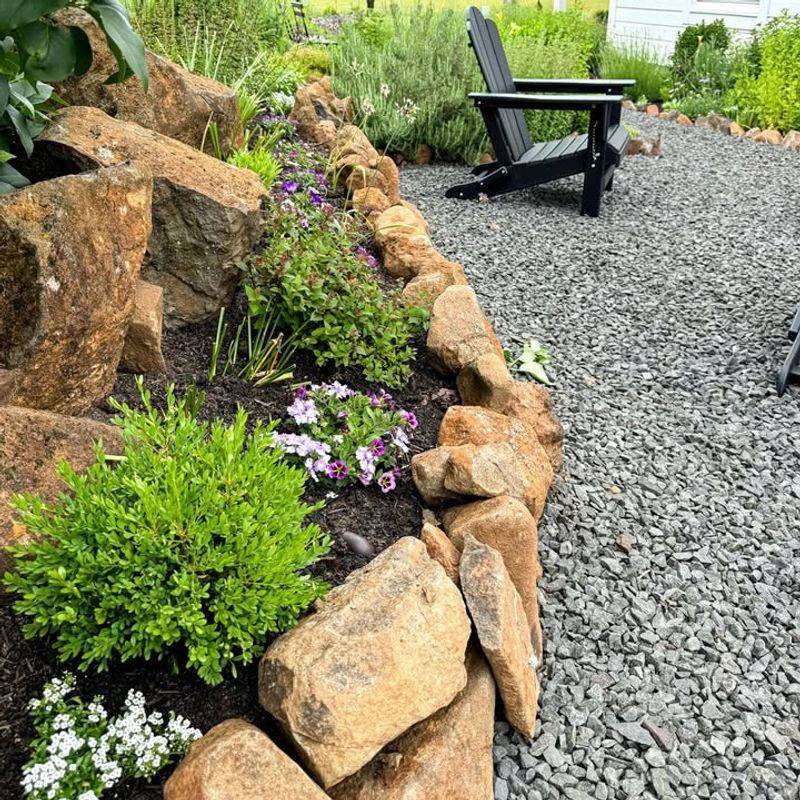
Lawns take a lot of work, water, and time that many Oregon homeowners would rather spend doing other things.
Gravel gardens offer a beautiful alternative that needs almost no maintenance once you get them established.
You lay down landscape fabric or cardboard, spread several inches of gravel or small stones, and plant drought-tolerant perennials throughout.
The gravel keeps weeds down, holds moisture in the soil, and creates a clean, modern look that works with any home style.
Ornamental grasses, sedums, lavender, and succulents thrive in these conditions and provide year-round interest.
You can add larger rocks, driftwood, or sculptural elements to create focal points and visual variety.
Gravel gardens work especially well in sunny spots where grass struggles or in parking strips where you want something attractive but tough.
They drain quickly during our wet winters, so plants never sit in soggy soil that causes root problems.
During summer, the gravel reflects heat and helps Mediterranean plants feel right at home.
You save hours every month because there is no mowing, less weeding, and minimal watering required.
The textural contrast between crunchy gravel and soft plant foliage creates a sophisticated garden that looks intentional and well-designed without demanding constant attention.
6. Pollinator Pathways Supporting Local Wildlife
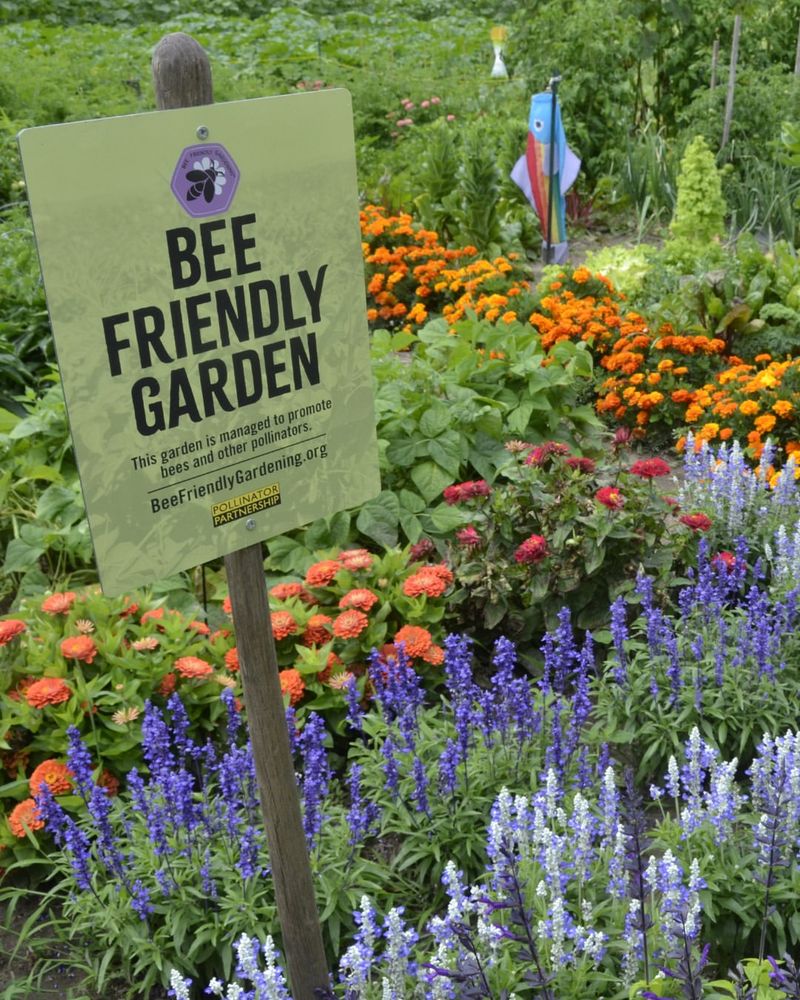
Bees, butterflies, and hummingbirds need our help, and Oregon gardeners are stepping up in a big way.
Pollinator gardens filled with nectar-rich flowers provide food and habitat for these essential creatures.
You want to include plants that bloom at different times so pollinators have food from early spring through late fall.
Native plants like penstemon, aster, and lupine are pollinator favorites that thrive in Oregon conditions.
Leaving some bare ground gives native bees places to nest, since many species actually live underground rather than in hives.
Small water sources like shallow dishes with pebbles give insects a safe place to drink without drowning.
Avoid pesticides completely because they harm the very creatures you want to attract and protect.
Many neighborhoods are connecting pollinator gardens to create corridors that help wildlife move safely through urban and suburban areas.
You might see species you never noticed before once you provide the right habitat and food sources.
Kids love watching butterflies land on flowers and hummingbirds zoom around the garden.
Creating a pollinator pathway in your yard contributes to a healthier ecosystem while giving you a vibrant, colorful garden that changes throughout the growing season.
7. Vertical Gardens Maximizing Small Spaces
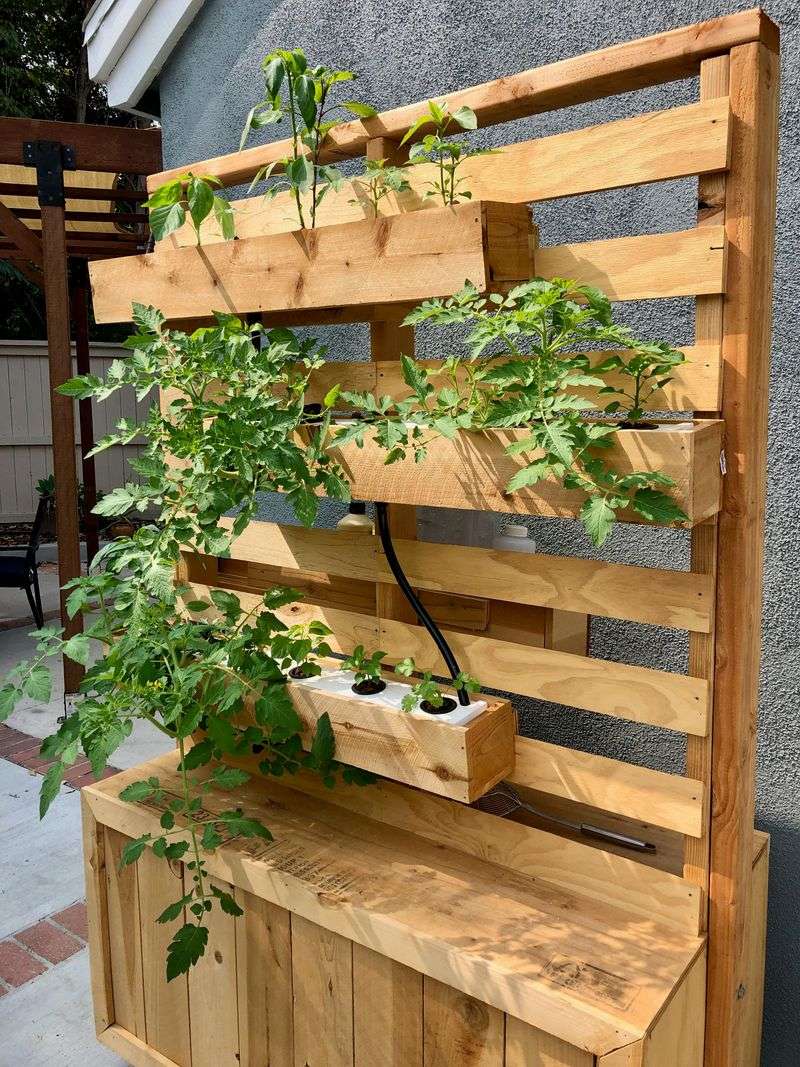
Not everyone has acres of land, but that does not mean you cannot have an incredible garden.
Vertical gardening uses walls, fences, and trellises to grow plants upward instead of outward.
You can install wall-mounted planters, hanging pockets, or climbing structures that turn blank walls into living art.
Vining vegetables like peas, beans, and cucumbers grow happily on trellises and produce more in less space.
Flowering vines such as clematis, jasmine, and climbing roses add height, fragrance, and color to small yards.
Herb walls near the kitchen door put fresh flavors within easy reach while looking beautiful and saving ground space.
Vertical gardens work perfectly on apartment balconies, narrow side yards, or any spot where horizontal space is limited.
They also create privacy screens that block unwanted views or separate different areas of your outdoor space.
Oregon’s mild climate means many vertical gardens stay green and attractive year-round with the right plant choices.
You can change out seasonal plants easily, swap colors, or experiment with new varieties without redesigning your whole garden.
Watering systems with drip lines make maintenance simple, and the vertical arrangement often means fewer pest problems since plants get better air circulation and stay off the ground.
8. Sustainable Water Features With Recirculation
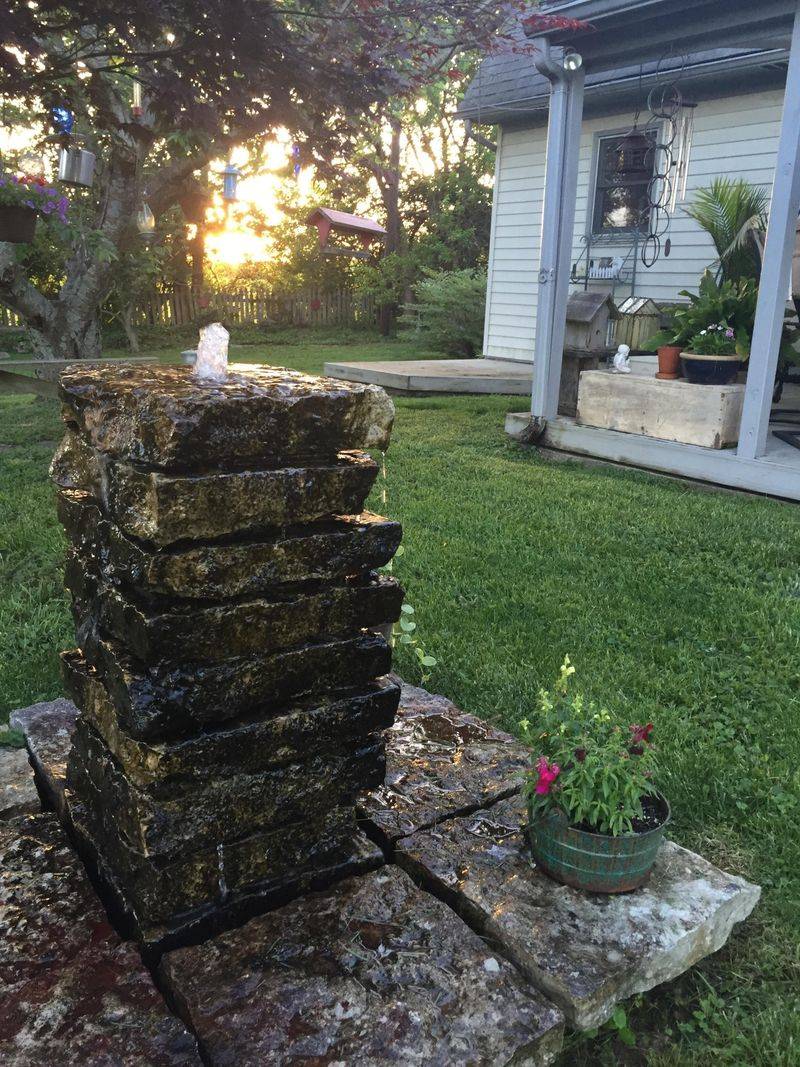
Water features add soothing sounds and visual interest, but traditional fountains can waste water during our dry summers.
Modern recirculating systems use the same water over and over, with only occasional top-ups needed to replace evaporation.
Small bubbling rocks, urn fountains, or pond-less waterfalls create movement and sound without large water reservoirs.
These features attract birds who love having a reliable water source for drinking and bathing.
You can incorporate native stones and plants around the feature to make it look like a natural part of the landscape.
Solar-powered pumps eliminate the need for electrical outlets and reduce energy costs to nearly nothing.
Water features also add humidity to the immediate area, which some plants really appreciate during hot, dry weather.
The gentle sound of moving water masks traffic noise and creates a peaceful atmosphere that makes your backyard feel like a retreat.
Installation has become much easier with DIY kits available at local garden centers throughout Oregon.
You can complete a simple project in a weekend and enjoy the results for years with minimal maintenance.
Adding a water feature transforms an ordinary garden into something special that engages multiple senses and becomes a focal point everyone notices and enjoys.