8 Garden Edging Ideas That Instantly Upgrade Georgia Landscapes
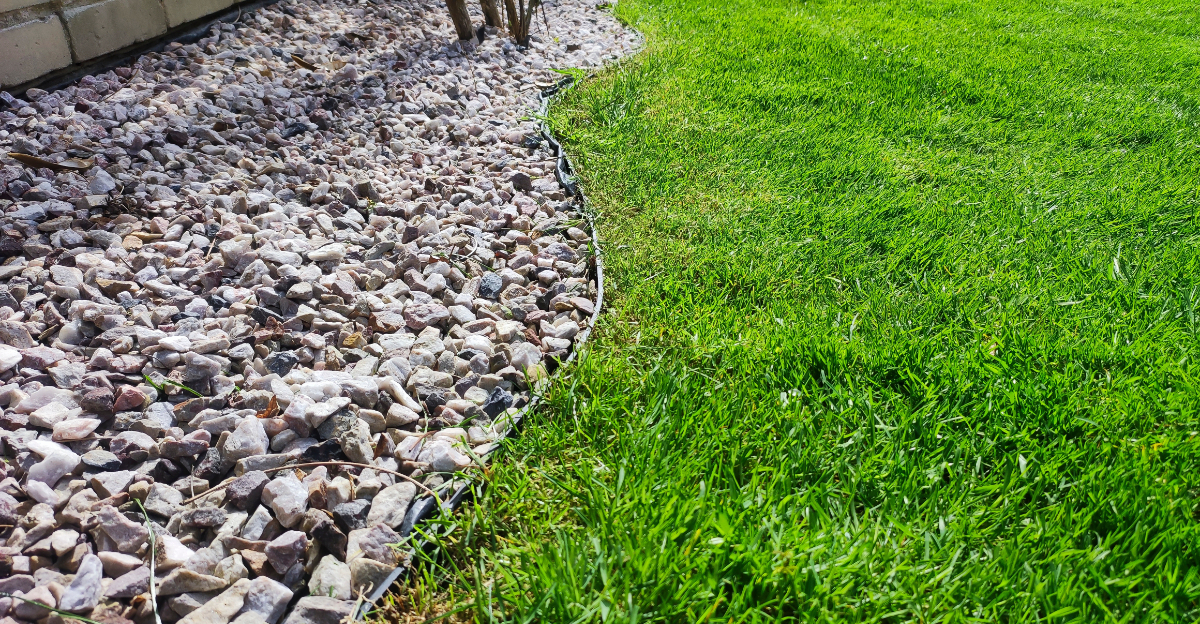
Garden edging might seem like a small detail, but it can completely change how a landscape looks in Georgia yards. Without it, garden beds can blend into the lawn and make the whole space feel a bit unfinished.
A well-defined edge, on the other hand, instantly makes planting areas look cleaner, more organized, and easier to maintain.
Many Georgia gardeners use edging to separate flower beds, veggie patches, or pathways while also giving the yard a more polished look.
Materials like brick, natural stone, metal, or even simple trench edges can create a clear boundary that keeps mulch in place and grass from creeping into planting areas.
Once those borders are defined, the entire landscape often looks more intentional and put together.
Sometimes the difference between an average yard and one that looks carefully designed comes down to something as simple as the right garden edging.
1. Classic Brick Edging Creates A Clean Garden Border
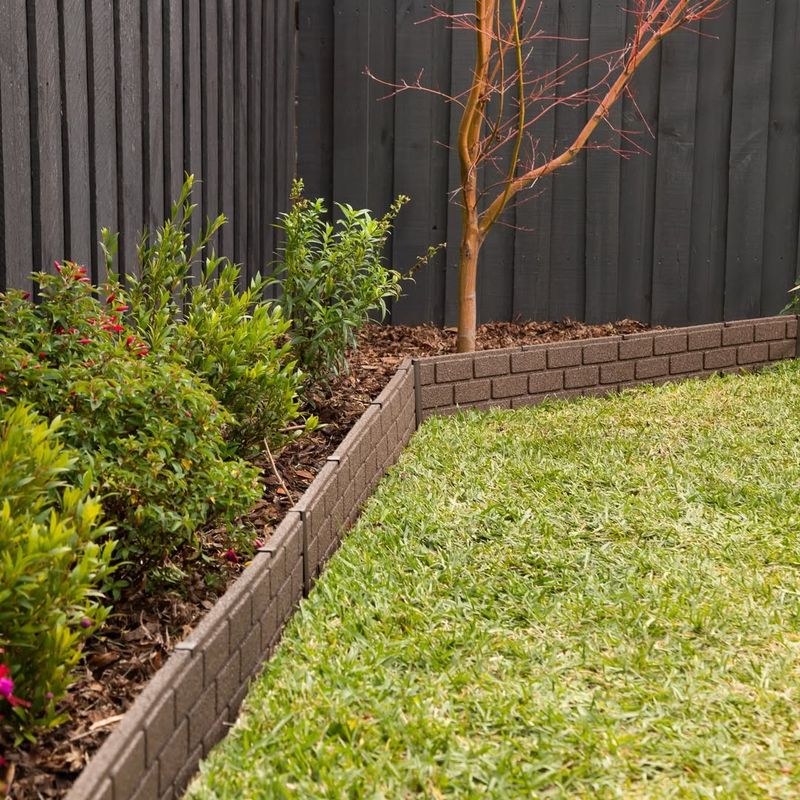
Bricks have been framing garden beds for generations, and there is a solid reason why they have never gone out of style. A clean row of bricks along a flower bed instantly gives your yard a finished, intentional look that gravel or plastic just cannot match.
In Georgia, where homes often feature traditional architecture and warm color palettes, brick edging fits right in without looking forced.
You can lay bricks flat for a low-profile border or angle them into the soil to create a sawtooth pattern that catches the eye. Both approaches hold up well in Georgia’s clay-heavy soil, especially when you dig a shallow trench first and pack the base with sand.
That small extra step keeps everything level even after heavy summer rains.
Maintenance is pretty simple. Pull weeds that sneak into the joints, reset any bricks that shift after a freeze, and you are mostly done.
Brick does not rot, rust, or fade, which makes it one of the more reliable choices for Georgia gardens that deal with humidity all year.
If you want a border that looks sharp in spring and still looks sharp in October, brick edging is a dependable choice that rewards you season after season without much fuss.
Over time, moss and soil may settle between the bricks, but a quick sweep or gentle rinse keeps the border looking crisp and well-defined.
2. Natural Stone Edging Adds Texture And Structure
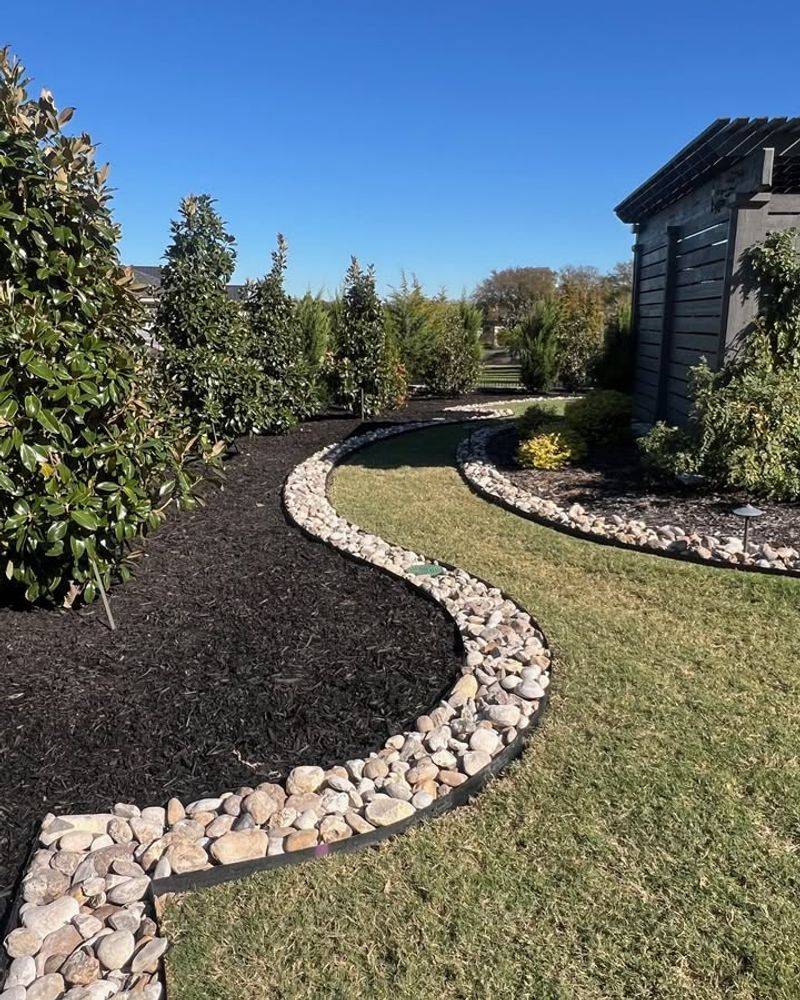
Walk through any older Georgia neighborhood and you will likely spot natural stone edging tucked along the front beds of homes that have been lovingly maintained for decades.
River rocks, fieldstone, and flat flagstone pieces all bring a raw, earthy quality that manufactured materials simply cannot replicate.
Stone edging works especially well in yards with mature trees and shade gardens where a more organic look feels right.
Placing the stones does not require any special tools or professional help. Dig a shallow trench, set the larger flat pieces as anchors, then fill in gaps with smaller rocks for a snug fit.
In Georgia’s red clay soil, the weight of the stones alone is usually enough to keep them in place through rain and seasonal soil movement.
One thing worth knowing is that stone edging works best when you vary the sizes slightly instead of using uniform pieces. A mix of shapes creates a border that looks naturally placed rather than forced.
Over time, moss tends to grow in the gaps, which adds even more character and helps the edging blend into the surrounding landscape.
Around Macon or Athens, where cottage-style gardens are popular, natural stone edging can make a yard feel rooted in the land rather than dropped on top of it.
Stone edging is also incredibly durable, lasting decades with minimal maintenance while giving your beds a timeless, grounded appearance.
3. Curved Metal Edging Gives Beds A Crisp Modern Look
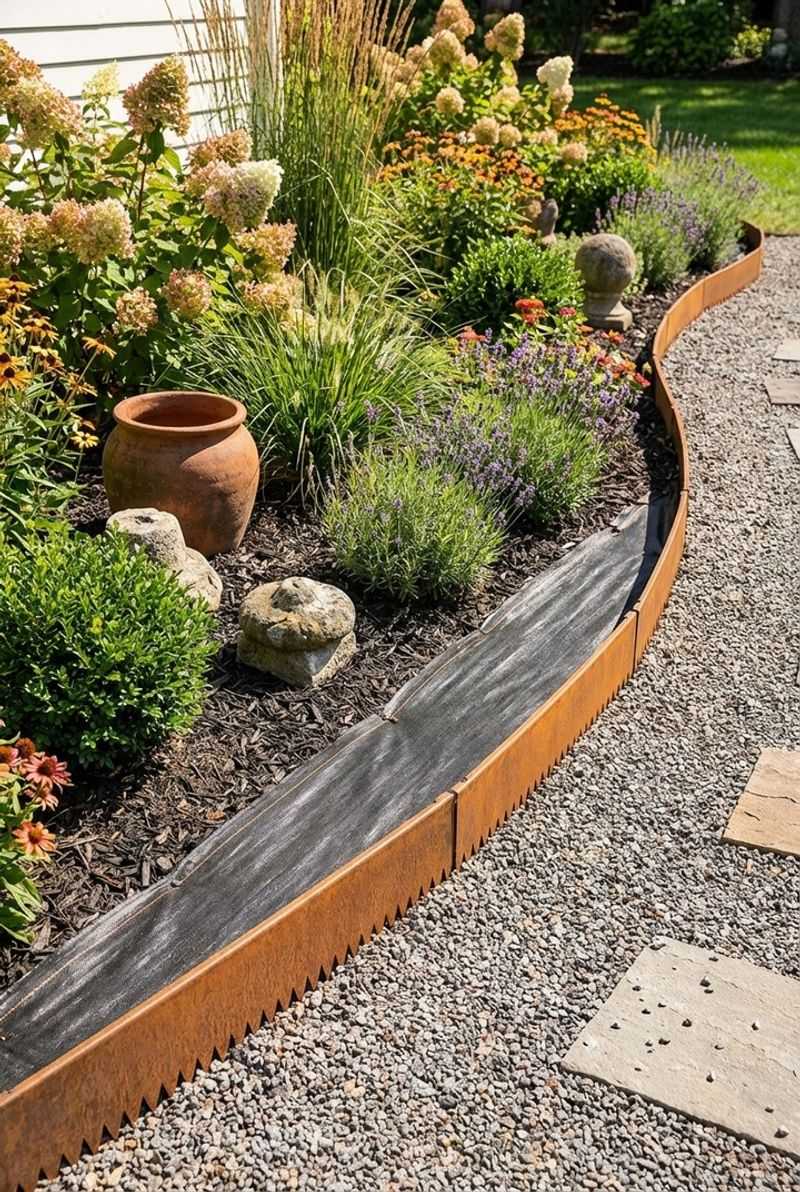
Sharp edges and clean curves are what set metal edging apart from everything else on this list. If your Georgia yard leans toward a contemporary design, steel or aluminum edging gives you a precision that no other material can deliver.
Installed flush with the ground, it almost disappears visually while keeping grass and mulch exactly where they belong.
Flexible metal strips bend easily around curves, so you can shape them to match any bed design without cutting or special equipment. Drive the stakes into the soil, connect the sections, and the job is done faster than most other edging types.
In Georgia’s warmer climate, aluminum holds up particularly well because it resists the kind of rust that can affect cheaper metals over time.
Height is something to consider before you buy. Taller edging, around four to six inches, keeps mulch from washing out during Georgia’s heavy spring storms, which is a real problem in yards with any slope.
Shorter profiles work better for flat beds where the goal is purely visual definition. Metal edging pairs well with ornamental grasses, agapanthus, and the bold tropical plants that thrive in South Georgia heat.
For homeowners in Atlanta suburbs who want a yard that looks professionally landscaped without paying landscape prices, metal edging is one of the smartest investments you can make per linear foot.
4. Stacked Stone Borders Build A Strong Raised Edge
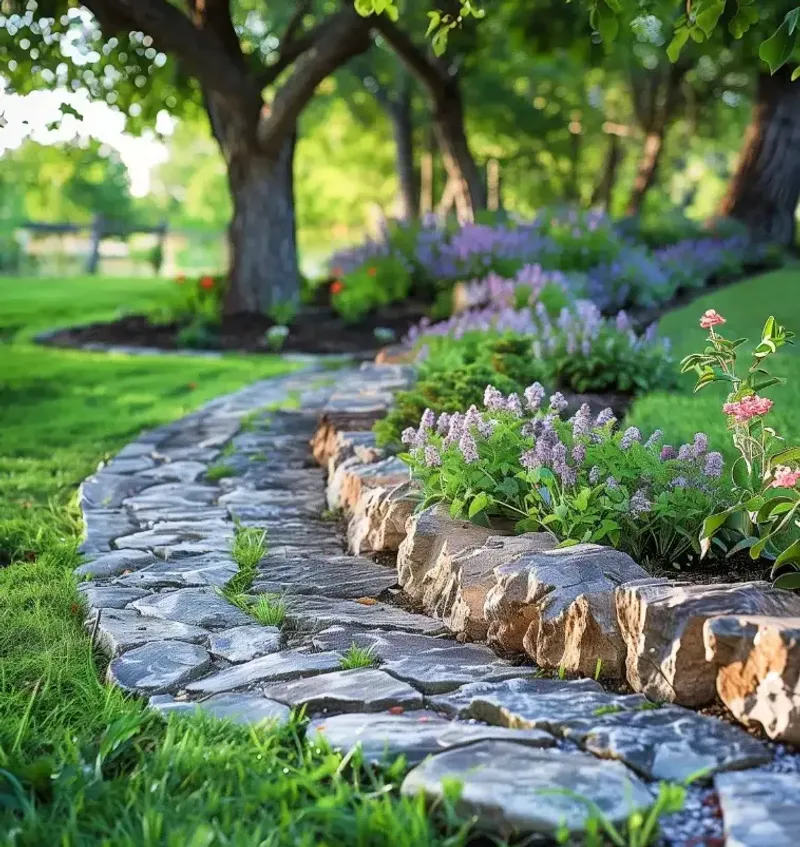
Stacking stones to create a raised border is one of those projects that looks harder than it actually is. A two or three stone high wall along a garden bed creates instant height, adds bold visual structure, and solves drainage problems that flat borders cannot address.
In Georgia yards with slopes or erosion concerns, a stacked stone border does double duty as both a decorative edge and a functional retaining element.
Limestone and granite work especially well in Georgia because both are locally available and hold up through the region’s freeze-thaw cycles without cracking.
Start with the largest, flattest stones on the bottom row for stability, then layer smaller pieces on top with slight overlap at the joints.
No mortar is needed for borders under a foot tall, which makes the whole project approachable for a weekend afternoon.
Raised edges created by stacked stone naturally warm up faster in spring, which means plants inside the bed often get a head start on the growing season. Herbs like rosemary and thyme absolutely love the extra heat and drainage.
Around Gainesville or Dahlonega in North Georgia, where the terrain tends to be hillier, stacked stone borders look especially natural against the backdrop of rolling wooded lots.
Fill the interior with good compost and you have a raised planting area that performs as well as it looks.
5. Timber Edging Brings A Warm Natural Feel
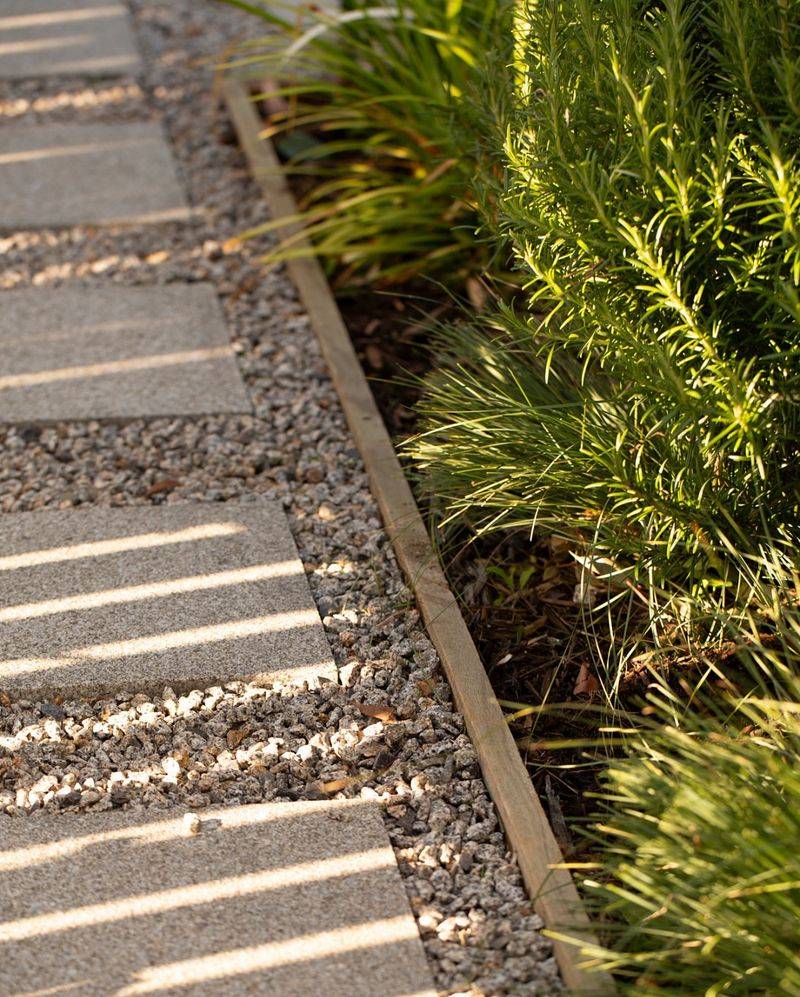
Wood edging has a warmth that no other material quite matches. Pressure-treated landscape timbers or rot-resistant cedar boards soften the look of a garden bed in a way that feels comfortable and lived in rather than stiff or formal.
In Georgia, where pine straw is a go-to mulch and cottage gardens are popular, timber edging fits the aesthetic naturally.
Installing timber edging is straightforward. Cut your boards to length, stake them into the ground using metal landscape spikes, and connect corners with overlapping joints for added stability.
Pressure-treated lumber is the practical choice for Georgia’s humid summers, since untreated wood can break down faster in the moisture and heat. Cedar is pricier but naturally resistant and has a pleasant smell that adds to the garden experience.
Keep in mind that wood will eventually show its age, usually after seven to ten years depending on how wet the soil stays.
Some gardeners actually prefer the weathered gray look that develops over time, while others stain or seal the wood every few seasons to maintain a fresher appearance.
Around Columbus or Augusta, where traditional landscape styles are common, timber edging often gets used alongside raised vegetable beds or herb gardens to create a cohesive backyard feel.
It grounds the whole space without competing with the plants for attention.
6. Low Hedge Borders Create A Living Garden Edge
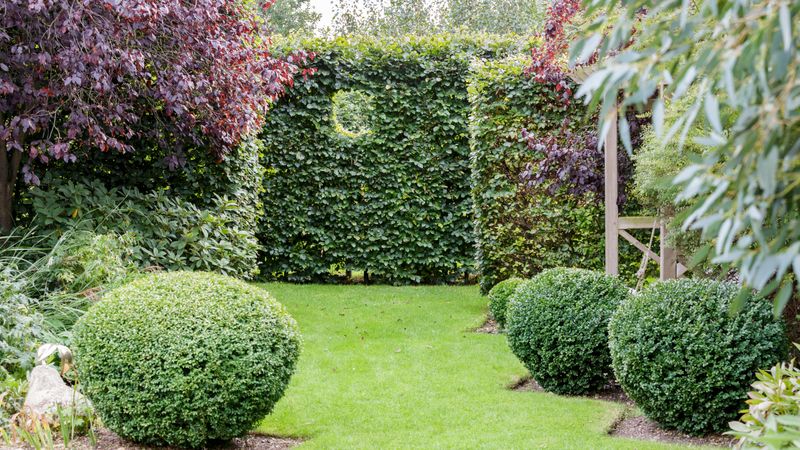
A clipped hedge along a garden border is one of the oldest landscaping tricks in the book, and it still works beautifully in Georgia yards today.
Dwarf boxwood, dwarf yaupon holly, and liriope are all solid choices for low living borders that stay tidy with a few trims per year.
Unlike hard materials, a living edge actually grows and fills in over time, giving the border a density that feels permanent and intentional.
Spacing matters more than most people realize when planting a hedge border. Set plants six to twelve inches apart depending on the variety, and they will knit together into a continuous line within a season or two.
In Georgia, spring planting gives roots time to establish before the summer heat kicks in, which leads to healthier plants and faster fill-in.
Liriope is a particularly practical choice for Georgia gardeners who want a no-fuss living edge. It handles drought, shade, and clay soil without complaint, spreads slowly to fill gaps, and produces purple flowers in late summer that add unexpected color.
Dwarf boxwood gives a more formal, sculpted look and responds well to shearing. In established neighborhoods around Marietta or Roswell, low hedge borders along front beds give homes a polished curb appeal that hard edging alone cannot achieve.
A living border brings movement, seasonal interest, and actual life to the edge of your garden.
7. Gravel Edging Defines Beds With Simple Contrast
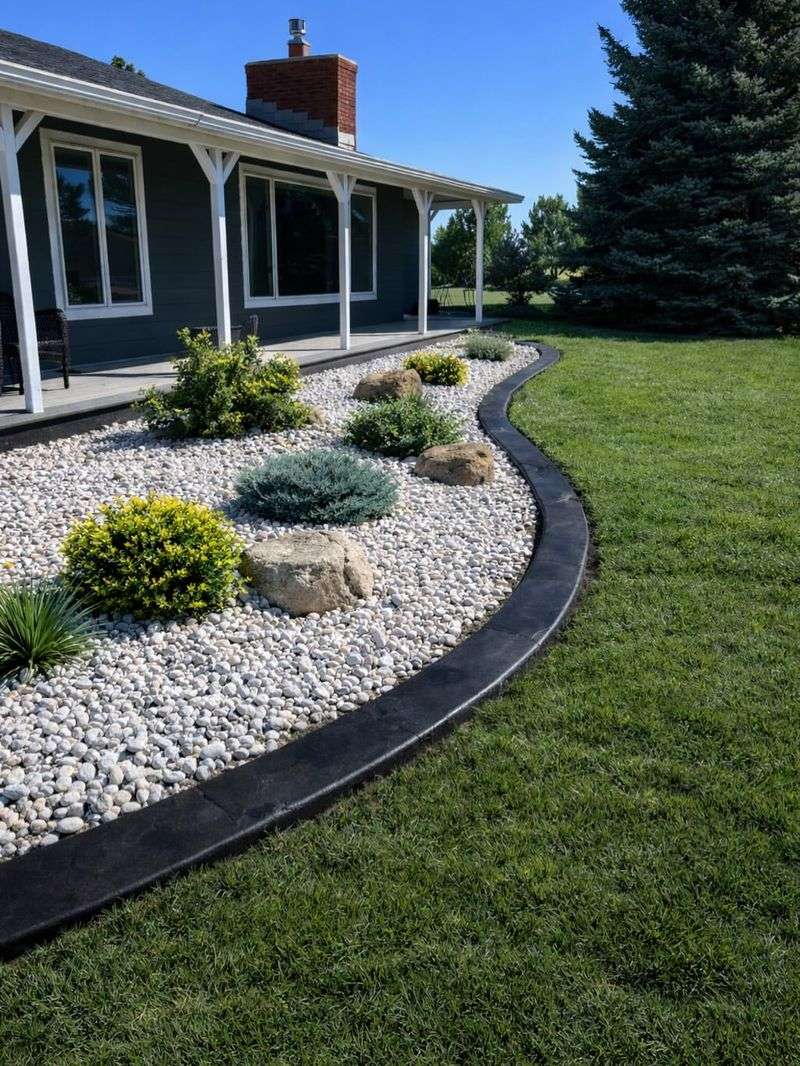
A narrow strip of gravel between a lawn and a garden bed is one of the simplest edging solutions you can pull off in an afternoon.
Pea gravel or crushed granite in a six to eight inch band creates a clear visual break between turf and planting area without requiring any digging beyond a shallow trench.
In Georgia, where summer afternoon rains are common, gravel also helps manage water runoff along bed edges.
Color contrast is what makes gravel edging pop. Light-colored gravel against dark mulch and green grass creates a crisp, graphic look that photographs well and reads clearly from the street.
Darker decomposed granite has a more subtle, earthy tone that blends better in naturalistic garden styles common around Savannah’s historic neighborhoods.
One practical note: install landscape fabric beneath the gravel to reduce weed pressure over time. Without it, you will spend more time pulling weeds from the gravel strip than it is worth.
Edging spikes or a thin metal border along both sides of the gravel strip keep the stones from migrating into the lawn or the bed.
Gravel edging works best when paired with a defined mowing edge, which you can create with a half-moon edger each spring.
In Georgia’s sandy coastal soils, gravel edging drains fast and stays looking clean even after heavy summer downpours that would wash lighter materials away.
8. Reclaimed Brick Edging Adds Character And Charm
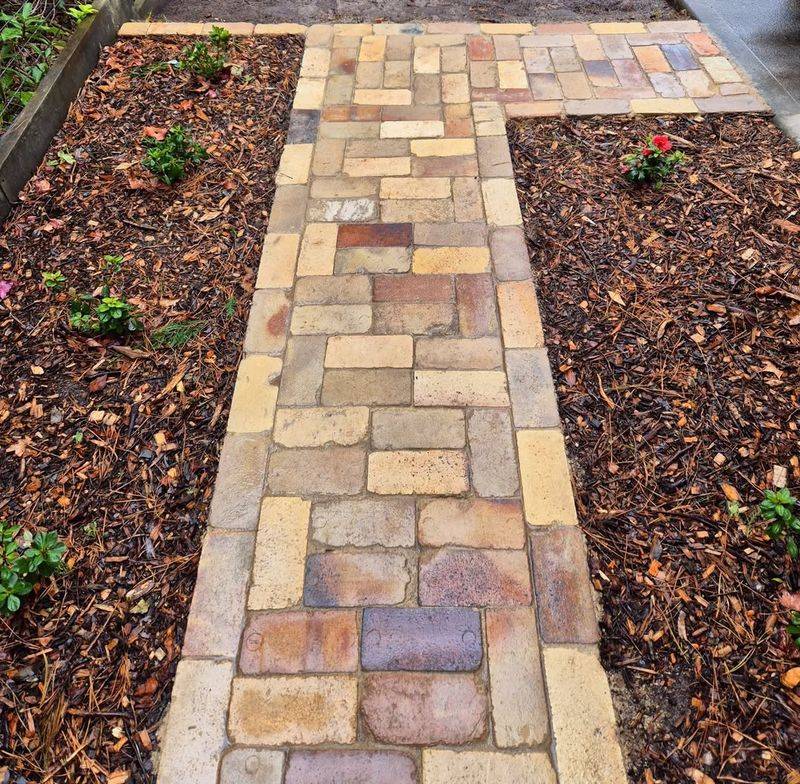
Old bricks pulled from a demolished chimney, salvaged from a construction site, or picked up at a local architectural salvage yard carry a kind of history that new materials simply do not have.
Reclaimed brick edging brings worn edges, varied colors, and a patina that takes decades to develop naturally.
In Georgia, where historic homes are plentiful in cities like Augusta, Macon, and Savannah, reclaimed brick edging fits the character of the architecture without looking like an afterthought.
Salvaged bricks are not perfectly uniform, and that is actually the point. Slight variations in size and color give the border a handcrafted look that feels personal rather than mass-produced.
Set them in a staggered pattern or at a slight diagonal to play up the irregular shapes rather than fight against them.
Sourcing reclaimed brick locally is easier than most people expect. Habitat for Humanity ReStores, salvage yards, and online classifieds often have them available for a fraction of the cost of new brick.
Before installing, scrub off any old mortar with a wire brush so the pieces sit flat and stable in the trench. Reclaimed brick holds up just as well as new brick in Georgia’s climate because it was already cured through years of weather exposure.
Beyond the aesthetics, using salvaged materials keeps usable resources out of landfills, which is a genuinely good reason to choose them.