Garden Edging Ideas That Still Look Good In Illinois Yards No Matter Your Budget
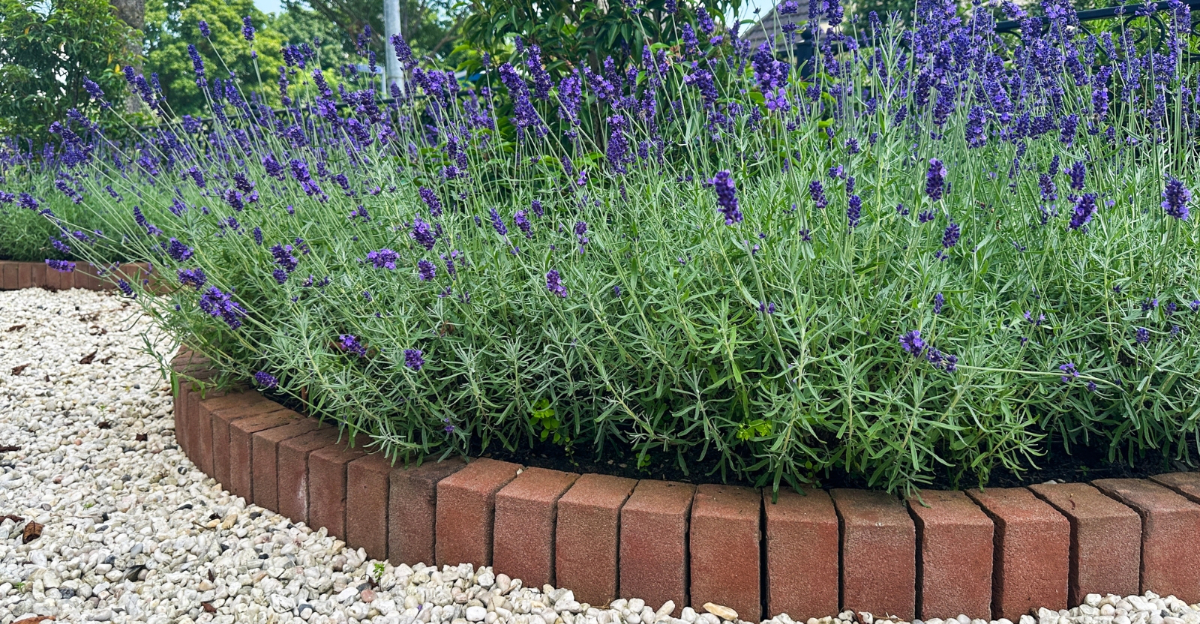
Bordering your flower beds and walkways does not have to be complicated or expensive, and in Illinois yards the right garden edging can completely change how the space feels.
From classic brick lines that age beautifully to budget friendly options that still look polished, a well defined edge adds structure, personality, and keeps grass from creeping where it does not belong.
I have spent more weekends than I can count trying different edging ideas through heat, humidity, and stubborn Illinois clay soil.
What I learned is that the difference between something that looks just okay and something that truly works often comes down to how clearly the yard is defined.
Whether your style feels more modern and clean or relaxed and rustic, there are edging options that fit your plants, your soil conditions, and your budget.
Some of the most eye catching borders cost very little, while more durable choices can pay off over time with less maintenance.
Good edging is not about spending more money, but about choosing what makes sense for how you actually use your yard.
When function and appearance work together, the entire garden feels more intentional and easier to manage.
Illinois yards benefit especially from edging that holds up through changing seasons and heavy growth.
These garden edging ideas show how to keep borders looking good no matter how much you want to spend.
1. Natural Stone Edging
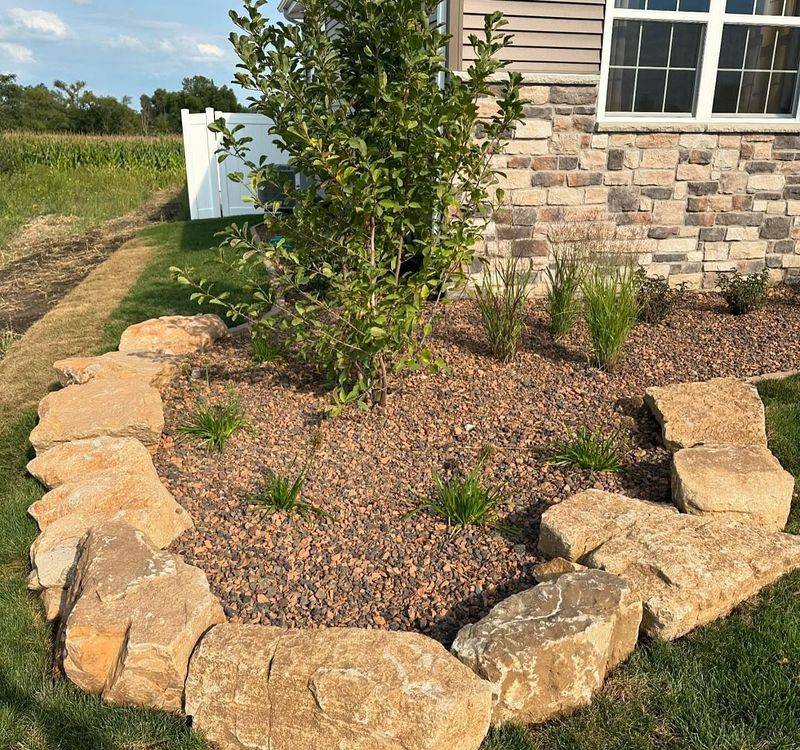
Stone has been used for centuries to mark garden boundaries, and it still delivers timeless appeal that fits any landscape style perfectly today.
Limestone, sandstone, and fieldstone are all readily available in Illinois, making them practical choices for homeowners who want local materials with character and durability.
You can stack stones in a low wall formation or lay them flat along the border, depending on the look you prefer for your space.
This type of edging works especially well in Illinois because stone withstands freeze-thaw cycles without cracking or shifting like some cheaper alternatives might over time.
Natural stone also blends beautifully with native plants and prairie-style gardens, which are popular throughout the state for their low-maintenance beauty and ecological benefits.
Costs vary widely based on stone type and quantity, but you can often find affordable options at local quarries or landscaping supply yards nearby.
Installation is straightforward enough for a weekend project, requiring only a shovel, level, and some patience to arrange stones in pleasing patterns.
The organic shapes and earthy tones add visual interest without overwhelming your plantings, creating a balanced and harmonious garden edge that ages gracefully.
Stone edging also reduces maintenance by keeping mulch contained and preventing grass from creeping into your flower beds, saving you time and effort.
2. Recycled Brick Borders
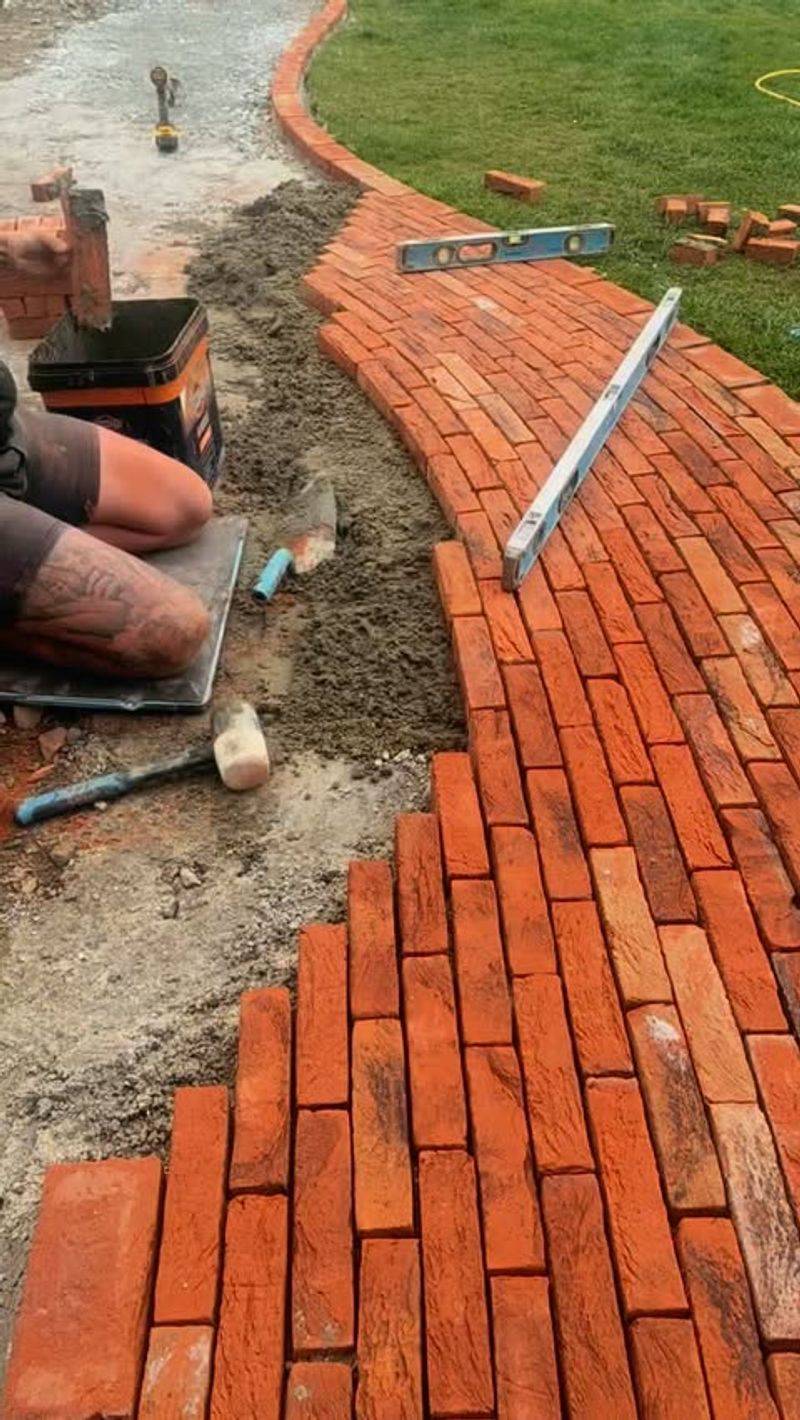
Old bricks carry history in their weathered surfaces, and repurposing them for garden edging adds character while keeping materials out of landfills completely and responsibly.
Many Illinois cities have salvage yards where you can find reclaimed bricks at a fraction of the cost of new ones, making this option budget-friendly.
Bricks can be laid flat, set on edge in a soldier course, or angled in a decorative basket-weave pattern to suit your creative vision.
This edging style complements traditional Midwest homes beautifully, especially those with brick exteriors or historic architectural details that echo the past with pride.
Bricks handle Illinois weather remarkably well, resisting frost heave and holding up through years of snow, rain, and temperature swings without much fuss.
You can even paint or stain bricks if you want a more colorful or modern look, though many people prefer the natural patina that develops.
Installation requires minimal tools—just a rubber mallet, level, and some sand to set the bricks securely in place along your garden edge.
The uniform size of bricks makes them easy to work with, allowing you to create clean, straight lines or gentle curves with relative ease.
Brick borders also provide excellent separation between lawn and garden, preventing grass invasion and keeping your beds looking neat and well-defined throughout the growing season.
3. Metal Edging Strips
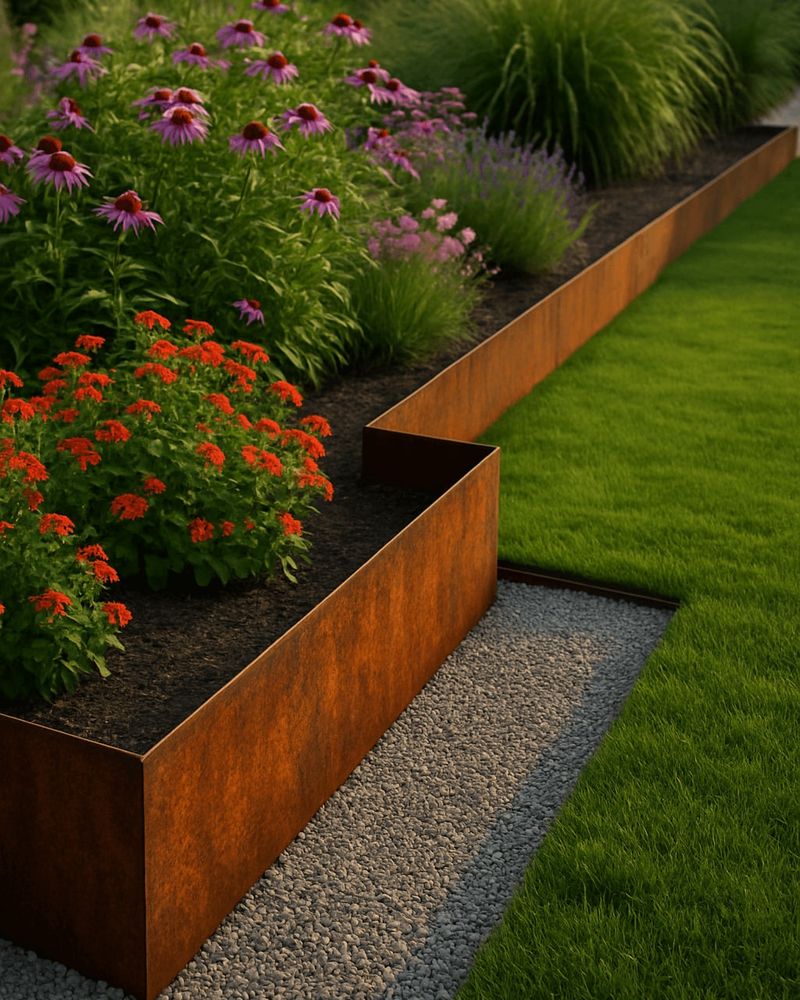
Sleek metal strips offer a contemporary edge that almost disappears into the landscape, letting your plants take center stage without any visual competition at all.
Aluminum and steel options are both available, with aluminum being lighter and easier to work with while steel offers extra strength and longevity.
Metal edging bends easily to follow curves, making it ideal for creating flowing, organic shapes in Illinois gardens that mimic natural prairie landscapes beautifully.
Installation involves pounding stakes through pre-drilled holes, which anchors the strips firmly in place even when the ground freezes and thaws repeatedly each winter.
This type of edging sits low to the ground, allowing you to mow right over it without damaging your mower blade or interrupting your workflow.
Metal strips are particularly popular in modern and minimalist garden designs throughout Illinois, where clean lines and understated elegance are highly valued by homeowners.
They also last for decades without rotting, warping, or crumbling, making them a smart long-term investment despite a slightly higher upfront cost than wood.
Powder-coated finishes come in various colors, including black, bronze, and green, so you can match your edging to your home or garden palette.
Metal edging also creates a firm barrier that keeps aggressive grass species like Kentucky bluegrass from invading your flower beds, saving you hours of weeding.
4. Wooden Log Borders
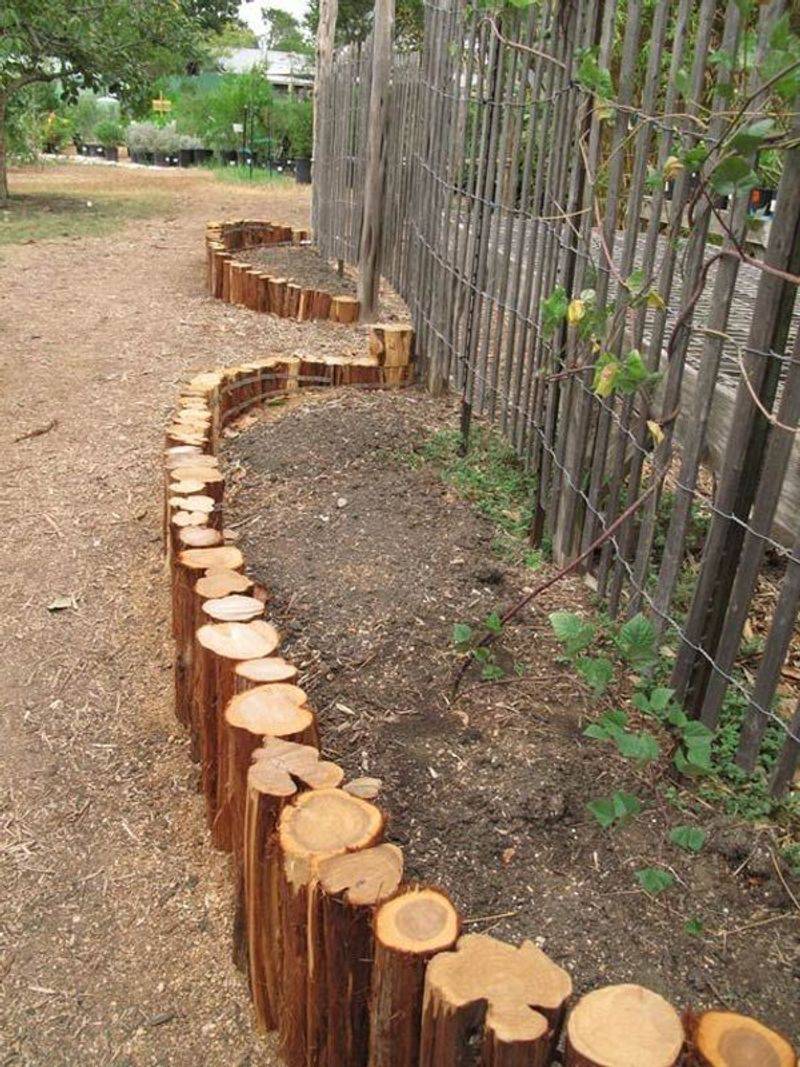
Logs bring a rustic, woodland charm to garden edges, evoking the natural beauty of Illinois forests and creating a warm, inviting atmosphere outdoors.
Cedar and black locust are excellent wood choices because they resist rot naturally, ensuring your edging lasts several years even in damp Illinois conditions.
You can use logs of uniform size for a neat appearance or mix different diameters for a more organic, collected-over-time look that feels authentic.
Half-logs work particularly well because they sit flat against the ground, reducing the chance of tripping and making installation easier for weekend warriors.
This edging style pairs beautifully with cottage gardens, native plant beds, and shaded areas where a softer, more natural aesthetic feels right at home.
Illinois homeowners often source logs from their own property after tree trimming or from local tree services that offer wood for free or cheap.
Installation is simple: dig a shallow trench, nestle the logs in place, and backfill with soil to hold them securely without any special tools required.
Wooden borders also provide habitat for beneficial insects and small creatures, supporting local biodiversity while defining your garden space with earthy warmth and texture.
Over time, the wood weathers to a silvery gray patina that blends seamlessly with surrounding plants, enhancing the natural look of your landscape.
5. Concrete Pavers
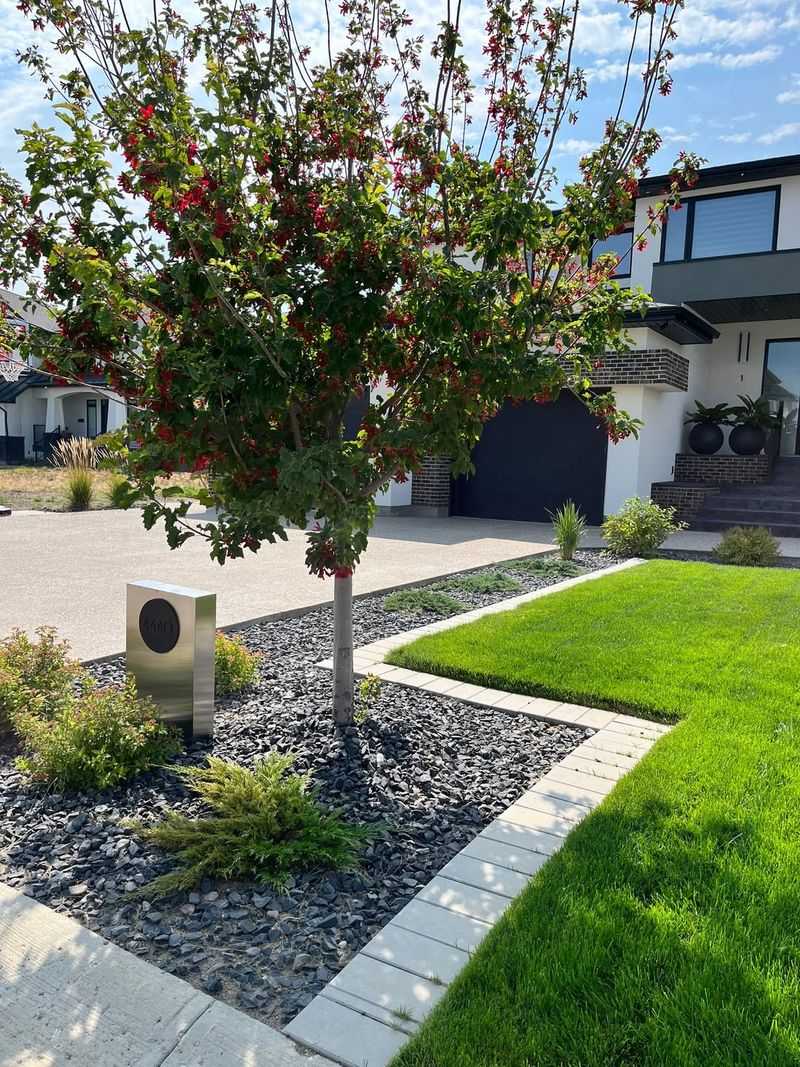
Concrete pavers offer incredible versatility, coming in countless shapes, sizes, colors, and textures to match any garden style from formal to casual with ease.
They are widely available at big-box stores and local suppliers throughout Illinois, making them easy to source and compare for the best price.
Pavers can be arranged in straight lines, staggered patterns, or curves, giving you complete creative control over your garden edge design and layout.
Interlocking pavers are especially popular because they stay in place well, even during freeze-thaw cycles that plague Illinois landscapes every winter and spring.
You can also find pavers that mimic natural stone or brick, offering the look of expensive materials without the hefty price tag or installation challenges.
Installation requires a leveled sand base and some careful alignment, but it is manageable for most DIY enthusiasts with basic landscaping experience and tools.
Concrete pavers handle heavy foot traffic well, making them ideal for edging along pathways or high-use areas in your Illinois yard where durability matters most.
They also resist fading and weathering better than some other materials, maintaining their appearance for years with minimal maintenance or touch-ups needed over time.
Pavers create a clean, defined edge that keeps mulch and soil in place while preventing grass from spreading into your garden beds, simplifying yard upkeep.
6. Rubber Mulch Edging
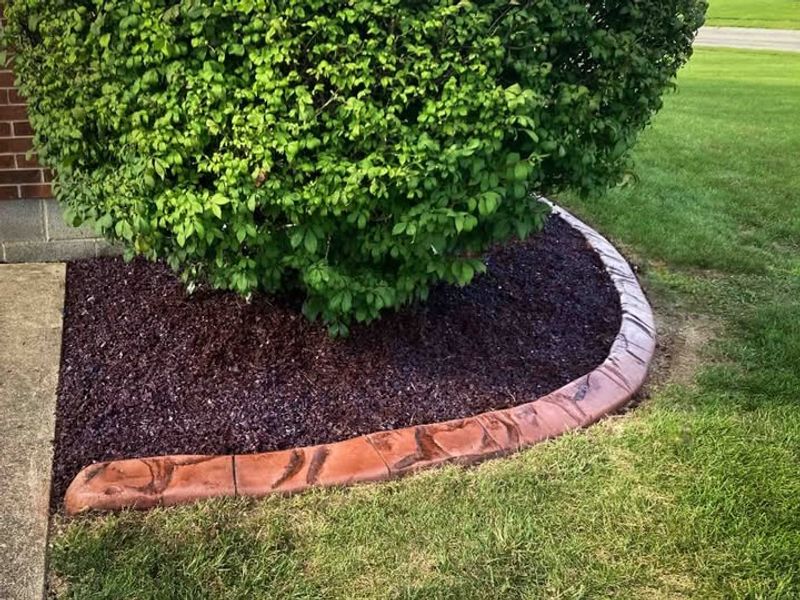
Recycled rubber edging is an eco-friendly choice that repurposes old tires, keeping them out of landfills while providing a durable, flexible garden border solution.
Rubber edging comes in rolls or individual pieces, making it easy to install along straight or curved lines without any cutting or special tools required.
It flexes with ground movement, which is particularly useful in Illinois where soil shifts during freeze-thaw cycles and can displace rigid edging materials over time.
Rubber is virtually maintenance-free, never rotting, splintering, or fading, and it stands up to harsh weather conditions without cracking or breaking down at all.
This edging type is available in various colors, including natural black, brown, and even decorative shades that can complement your garden color scheme perfectly.
Installation is straightforward: simply unroll the edging, secure it with stakes, and trim to length with a utility knife if needed for your specific layout.
Rubber edging is also soft and forgiving, reducing the risk of injury if someone trips, making it a safer option for families with children.
Illinois gardeners appreciate rubber edging for its affordability and longevity, as it can last for decades without needing replacement or significant repairs at all.
It also provides a firm barrier against grass and weeds, helping to keep your garden beds tidy and reducing the amount of maintenance required.
7. River Rock Borders
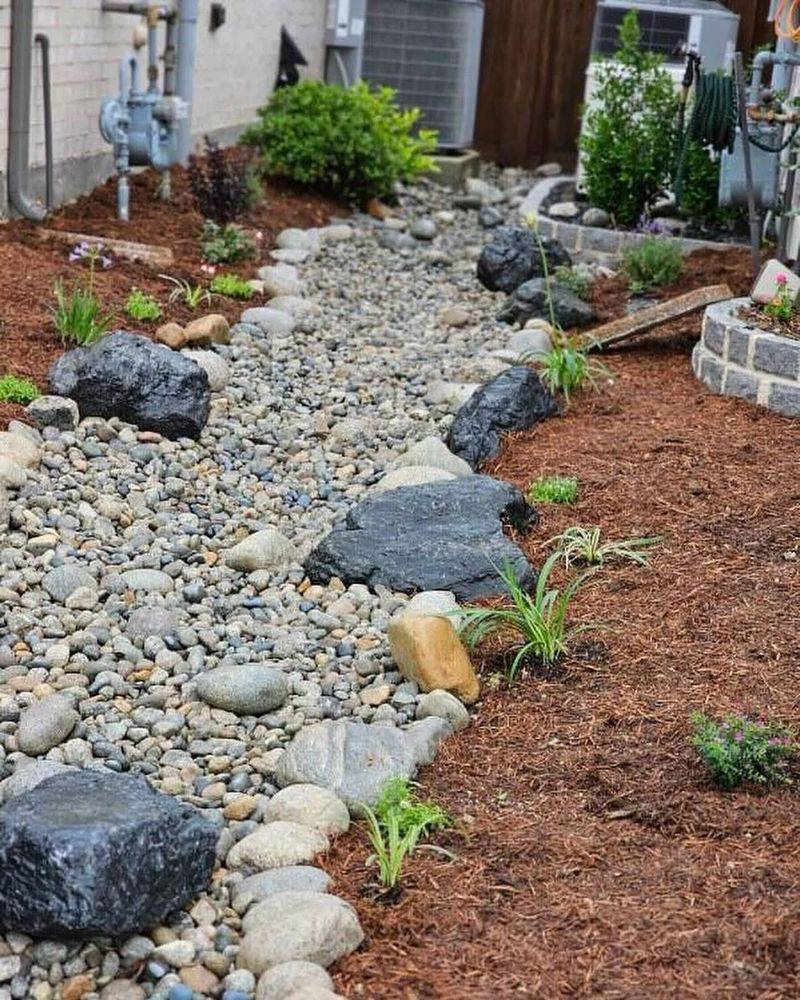
Smooth river rocks create a soft, natural border that feels like a babbling creek edge, bringing a sense of tranquility to any Illinois garden space.
Rocks come in a wide range of sizes and colors, from small pebbles to larger stones, allowing you to customize the look to your taste.
This edging style works especially well in rain gardens, dry creek beds, and areas with drainage needs because rocks allow water to flow through easily.
River rock borders are low-maintenance once installed, requiring only occasional rearranging if stones shift during heavy rains or freeze-thaw cycles in Illinois winters.
You can purchase river rocks by the bag or bulk load, with bulk options being more economical for larger projects or extensive garden borders.
Installation is simple: dig a shallow trench, lay down landscape fabric to prevent weeds, and arrange the rocks in a pleasing, natural-looking pattern.
Rocks also add texture and contrast to garden beds, especially when paired with fine-textured plants or soft mulches that highlight their smooth, rounded shapes.
Illinois homeowners often use river rocks to transition between different garden zones, creating visual interest and guiding the eye through the landscape with natural elegance.
This edging type is also pet-friendly and safe for children, as rocks do not splinter, rust, or present sharp edges like some other materials.
8. Plastic Edging Rolls
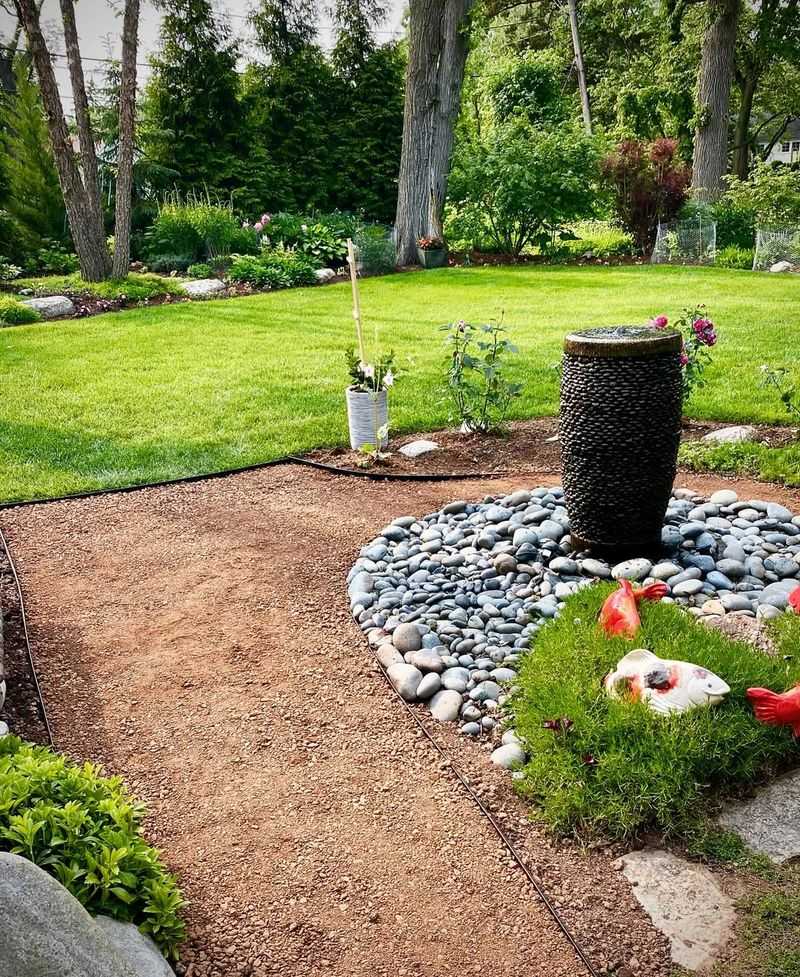
Plastic edging rolls are among the most budget-friendly options available, making them perfect for Illinois homeowners who want quick, affordable results without much fuss.
These rolls are lightweight, flexible, and easy to cut, allowing you to shape them around curves, corners, and irregular garden beds with minimal effort.
Installation takes just minutes: unroll the edging, secure it with stakes, and trim any excess with scissors or a utility knife for a custom fit.
Plastic edging is available in various thicknesses and heights, so you can choose the right size for your specific garden needs and desired visibility.
While plastic may not have the same visual appeal as stone or wood, it does the job effectively by creating a firm barrier against grass.
Illinois weather can be tough on thinner plastics, so opting for thicker, UV-resistant varieties ensures longer life and less frequent replacement over the years.
This edging type is also great for temporary or experimental garden layouts, as it is easy to remove and reposition without damaging surrounding plants.
Plastic edging comes in colors like black, brown, and green, helping it blend into the landscape rather than standing out as an obvious artificial addition.
For gardeners on a tight budget or those just starting out, plastic edging offers a practical, no-frills solution that gets the job done.
9. Living Plant Edging
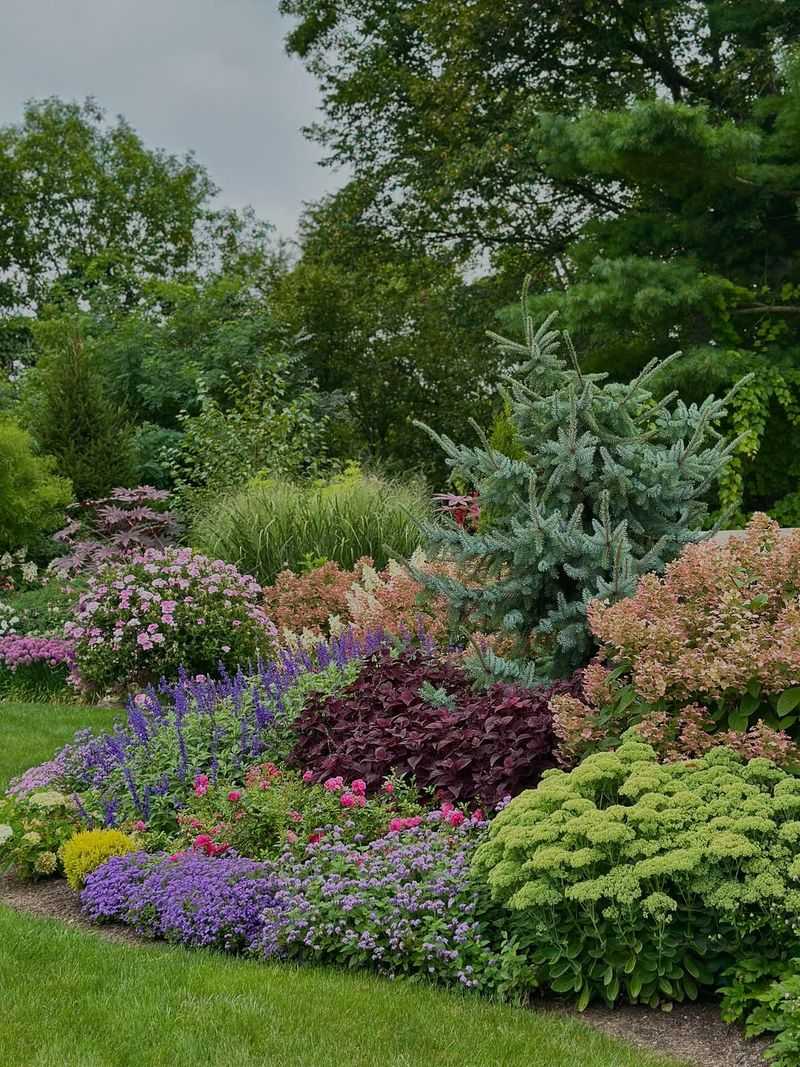
Living edging transforms your garden border into a lush, green ribbon of foliage that changes with the seasons and adds softness to the landscape.
Low-growing perennials like creeping thyme, sedum, or ajuga work beautifully in Illinois, thriving in local conditions and requiring minimal care once established well.
This approach eliminates the need for manufactured materials entirely, making it the most eco-friendly and budget-conscious option if you have patience for plant growth.
Living edging also attracts pollinators like bees and butterflies, supporting local ecosystems while enhancing the beauty and functionality of your garden space naturally.
You can choose plants that bloom at different times, ensuring continuous color and interest along your garden edges throughout the entire growing season here.
Installation involves planting small plugs or divisions in a row, spacing them according to their mature spread, and watering regularly until roots establish firmly.
Living edging requires more maintenance than hard materials, including occasional trimming, weeding, and watering, but the payoff is a dynamic, ever-evolving border that feels alive.
Illinois gardeners often select native plants for living edges, which are well-adapted to local soil and climate conditions, ensuring better survival and less upkeep.
This edging type also softens the transition between lawn and garden, creating a natural, flowing look that feels organic and intentional rather than rigid.