Garden Edging Ideas That Work For Any Budget In North Carolina
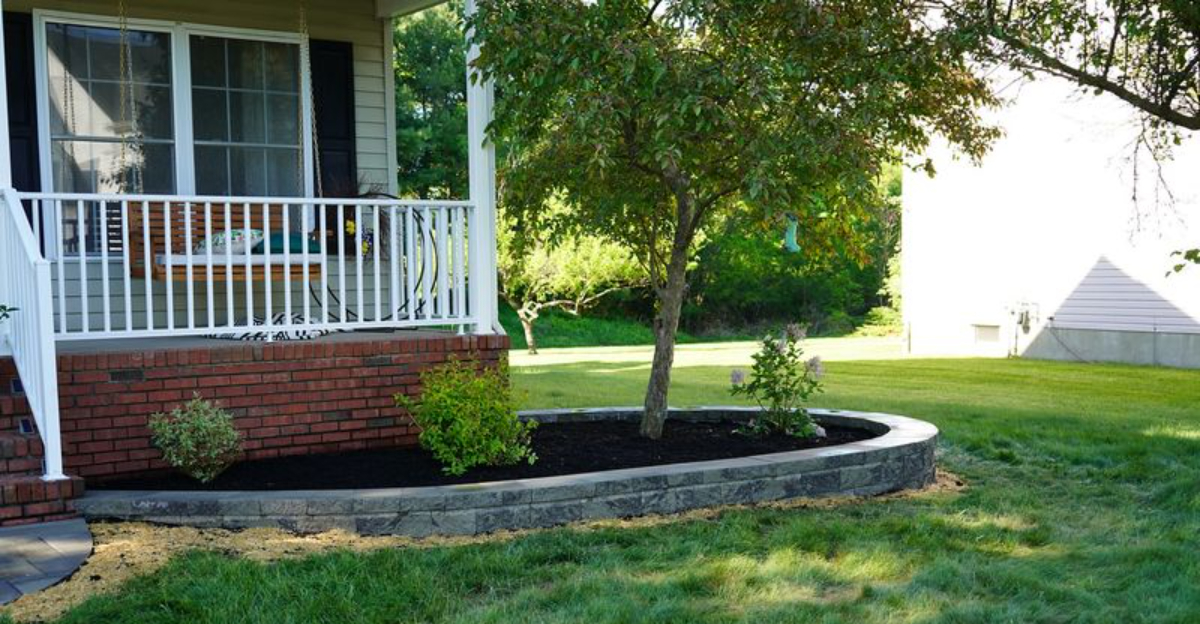
North Carolina gardens come in all shapes and styles, but a clean edge instantly makes everything feel more put together.
Edging can be simple, creative, or even improvised, and it still gets the job done without draining a wallet.
Small changes along garden borders often make the biggest visual difference by giving beds and paths clear definition.
With the right idea, almost any budget can handle an edge upgrade that feels intentional and satisfying.
1. Natural Stone Borders
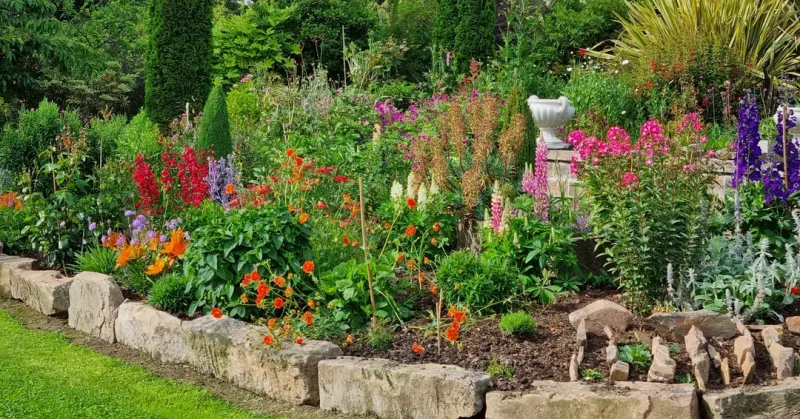
Stone edging brings timeless beauty to any garden while lasting for decades with minimal maintenance required over the years ahead.
North Carolina has abundant local stone quarries that offer affordable options like fieldstone, river rock, and granite pieces for homeowners.
You can gather stones from your property or purchase them in bulk from landscape suppliers at reasonable prices throughout the state.
Larger flat stones work perfectly for creating defined edges, while smaller river rocks give a softer, more natural appearance to beds.
Installation is straightforward because you simply dig a shallow trench and nestle the stones snugly into the ground without special tools.
This method allows flexibility since you can adjust the border shape easily and rearrange stones whenever you want a fresh look.
Stone borders prevent grass from creeping into flower beds while adding texture and visual interest to your landscape design effortlessly.
The natural color variations complement North Carolina’s native plants beautifully, creating a cohesive look that feels organic and intentional always.
Stone edging also helps retain soil during heavy rain, keeping garden beds neat and intact even after North Carolina’s frequent storms and downpours.
2. Recycled Brick Pathways
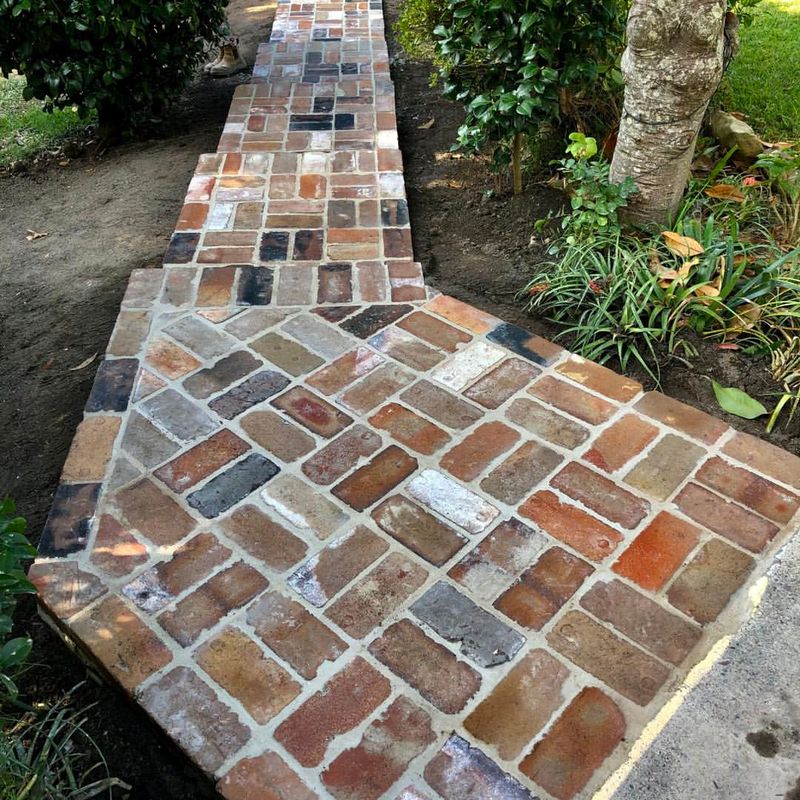
Old bricks make fantastic garden edging material that adds character and history to your outdoor space at minimal cost overall.
Many North Carolina homeowners find free or inexpensive bricks from demolition sites, salvage yards, or even their own property renovations recently.
The weathered appearance of recycled bricks creates a charming cottage garden feel that complements both traditional and modern landscaping styles perfectly.
You can lay bricks flat, stand them upright, or angle them diagonally to create different visual effects and patterns easily.
Brick edging works wonderfully in North Carolina because it withstands our varying weather conditions from hot summers to occasional winter freezes reliably.
Installation requires only a shovel and some sand or soil to secure the bricks firmly in place along your desired path.
This edging option prevents mulch from spilling onto lawns while creating clean lines that make mowing much easier throughout the growing season.
The reddish tones of clay bricks pair beautifully with green foliage and colorful blooms common in North Carolina gardens year-round consistently.
Recycled brick borders also feel sturdy underfoot, making them a practical choice for edging areas that get frequent foot traffic around garden beds and walkways.
3. Wooden Log Sections
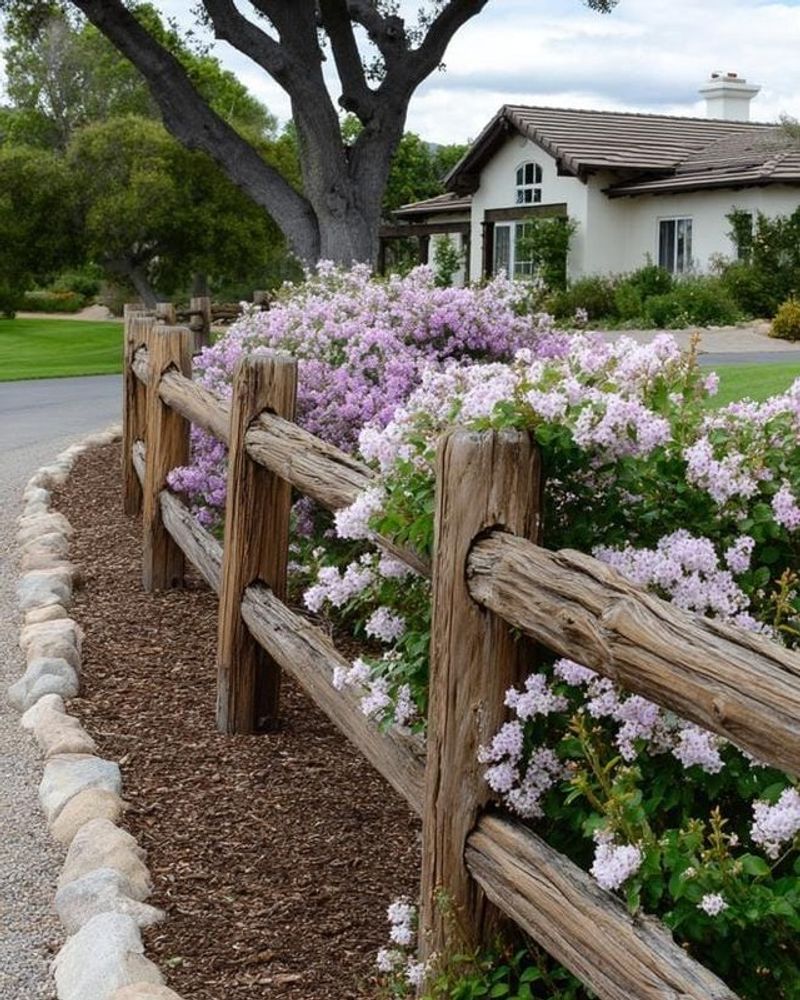
Fallen trees and branches can become beautiful rustic edging that costs nothing if you have wooded property in North Carolina already.
Log sections provide a natural woodland aesthetic that blends seamlessly with native plants and creates habitat for beneficial garden insects too.
Simply cut logs into manageable lengths and bury them partially in the soil to create a sturdy border that defines spaces.
The organic look of wood edging suits informal garden styles and complements the natural beauty found throughout North Carolina landscapes beautifully.
Cedar and oak logs last longer than softer woods, but any variety will serve for several years before needing replacement eventually.
This budget-friendly option allows you to experiment with different layouts since moving wooden sections is easy compared to permanent materials.
Wood edging softens the transition between lawn and garden beds while adding height variation that creates visual interest in flat areas.
North Carolina’s humidity will eventually age the wood into lovely silvery tones that enhance the rustic charm over time naturally.
4. Plastic or Metal Strips
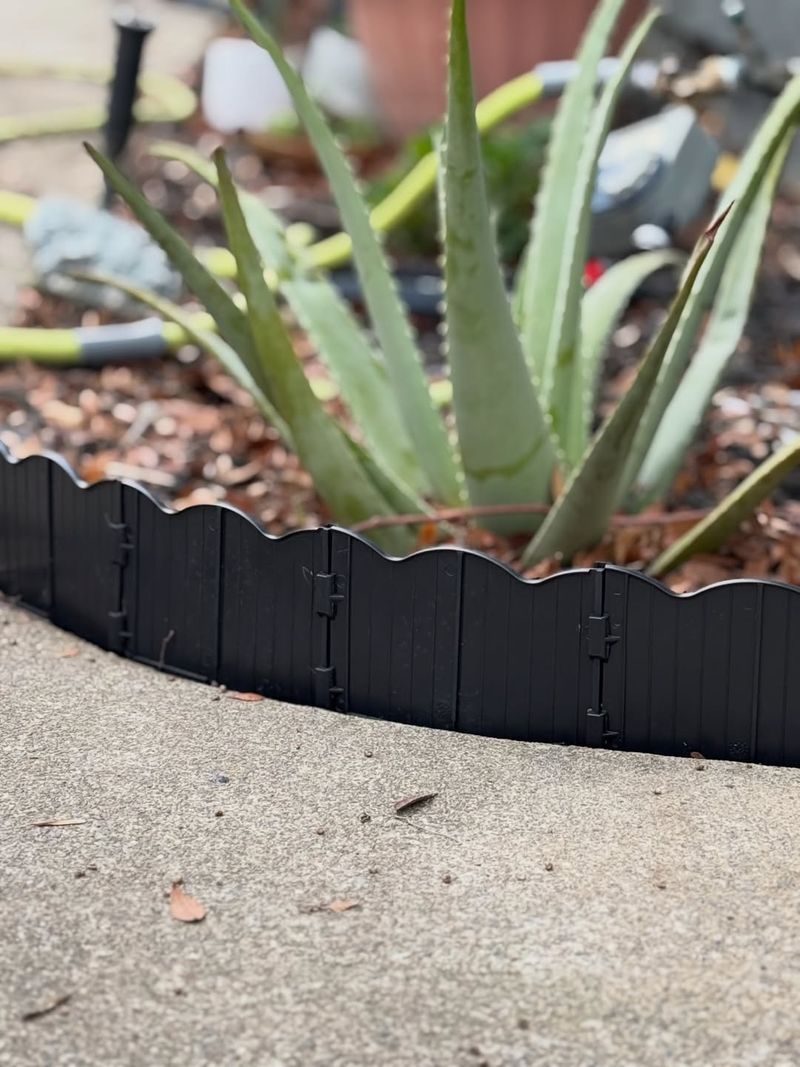
Commercial edging strips offer an affordable and practical solution for homeowners seeking clean lines without investing too much time or money.
North Carolina garden centers stock various styles from simple black plastic to decorative metal options that suit different aesthetic preferences well.
Plastic edging is the most budget-friendly choice and installs quickly by pushing it into the ground along your desired border line.
Metal strips cost slightly more but provide greater durability and a more polished appearance that many homeowners prefer for formal gardens.
Both materials create effective barriers that prevent grass roots from invading flower beds while keeping mulch contained within designated areas neatly.
Installation requires only a rubber mallet and some patience to ensure the strips sit level and follow smooth curves or straight lines.
These edging options work particularly well in North Carolina because they resist rust, rot, and weather damage from our humid climate conditions.
The low profile keeps the focus on your plants rather than the border itself, creating a seamless look that appears professionally designed.
These strips are easy to adjust or remove later, making them a flexible option for gardeners who like to refresh layouts as plants grow and beds expand over time.
5. Concrete Pavers
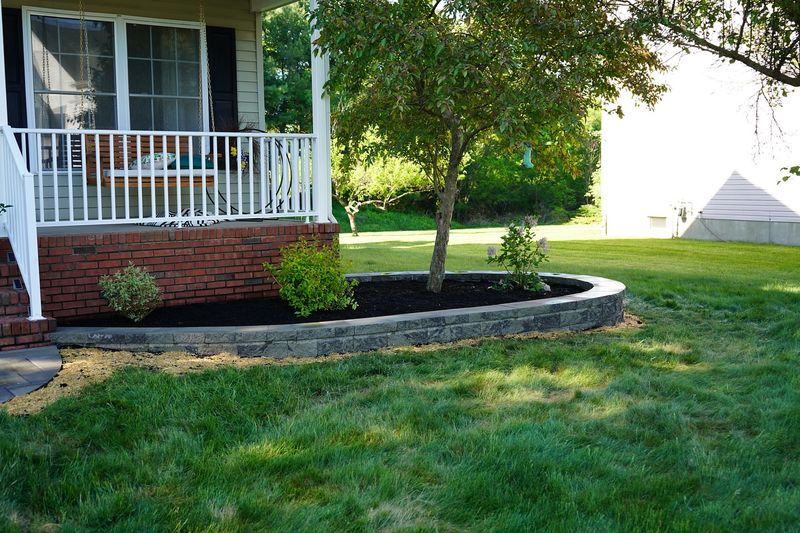
Concrete pavers provide a versatile and durable edging solution available in countless shapes, sizes, and colors at home improvement stores statewide.
North Carolina homeowners appreciate how pavers create formal or casual looks depending on the style and arrangement pattern you choose carefully.
Square, rectangular, and interlocking pavers can form straight borders or gentle curves that guide the eye through your landscape design beautifully.
You can find affordable options at discount prices, especially when purchasing bulk quantities or shopping seasonal sales at local retailers.
Installation involves digging a shallow trench, adding a sand base, and setting pavers level to create a stable border that lasts.
Concrete withstands North Carolina’s weather extremes from scorching summer heat to winter cold snaps without cracking or deteriorating over time significantly.
Pavers come in neutral grays and tans or bolder colors that can match or contrast with your home’s exterior for cohesive design.
This edging type also doubles as a mowing strip, making lawn maintenance easier by providing a smooth surface for mower wheels.
6. Mulch Borders
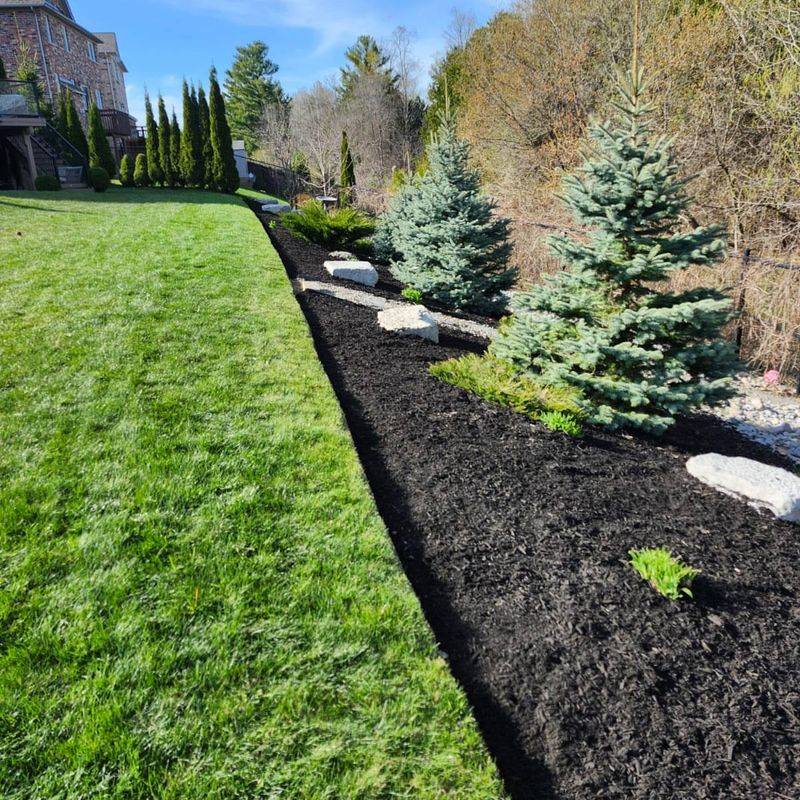
Creating edging with nothing but extra mulch represents the ultimate budget-friendly option that requires zero additional materials or investment initially.
North Carolina gardeners can simply pile mulch higher along bed edges to form a raised border that defines spaces without permanent structures.
This technique works especially well for annual beds where you might want to change the layout from season to season easily.
Mounded mulch creates a soft, natural transition between lawn and garden that suits cottage-style and informal landscape designs particularly well.
You can use whatever mulch type you already have, from pine bark common in North Carolina to hardwood chips or shredded leaves.
The raised edge helps prevent grass encroachment while keeping the mulch layer thick enough to suppress weeds effectively throughout the season.
Refresh the borders annually when you add new mulch to maintain the defined look and keep edges crisp and tidy always.
This flexible approach allows experimentation with garden shapes without committing to permanent edging materials that might limit future design changes significantly.
7. Groundcover Plants
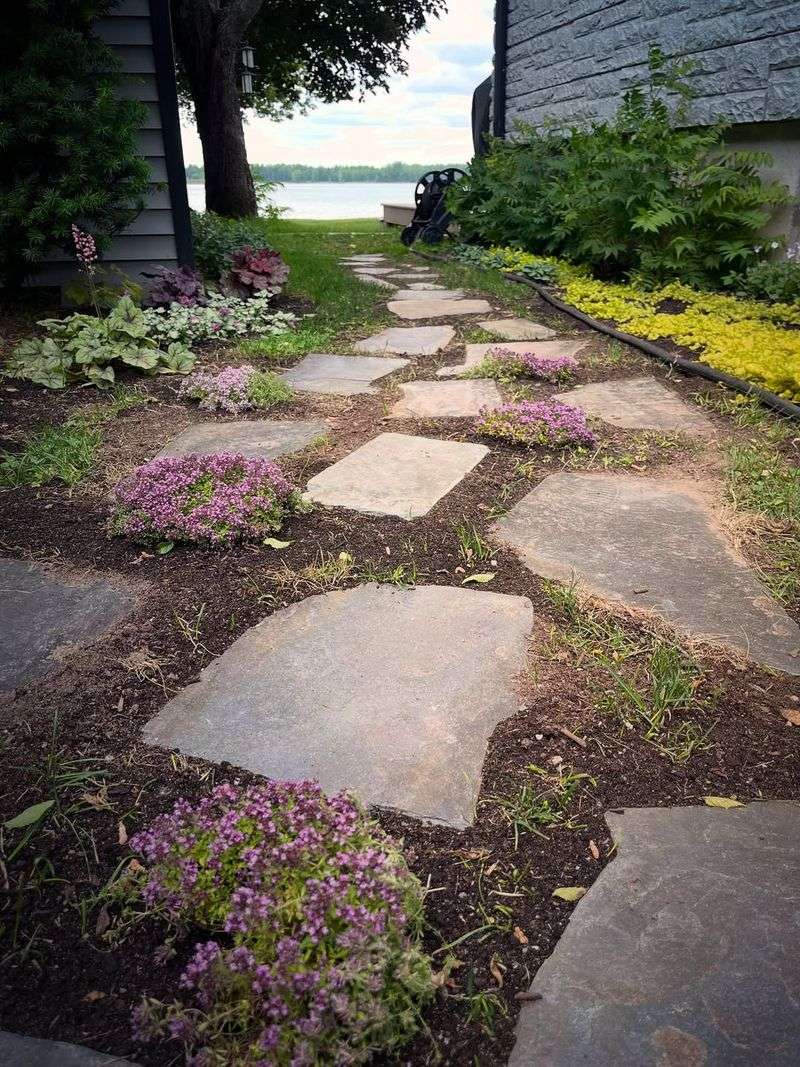
Living edging made from low-growing plants creates a lush, dynamic border that changes with the seasons while requiring no manufactured materials.
North Carolina’s climate supports numerous groundcover options like creeping thyme, mondo grass, and ajuga that thrive in various light conditions successfully.
Plant-based edging softens hard landscape lines and adds another layer of color and texture to your garden design year-round consistently.
Initial costs involve purchasing plants, but many groundcovers spread quickly and can be divided to extend your borders inexpensively later.
This approach works beautifully in North Carolina because native and adapted groundcovers require less water and maintenance once established in beds.
Living borders blend seamlessly with surrounding plantings while providing habitat for pollinators and beneficial insects that support garden health naturally.
Choose evergreen varieties for year-round interest or flowering types that bloom in different seasons to add visual excitement throughout the year.
Groundcover edging requires occasional trimming to maintain neat lines but eliminates the need for mowing along bed edges completely and permanently.
Living groundcover edges also help stabilize soil along garden borders, reducing erosion during heavy rains while keeping beds looking full and intentional as plants mature.
8. Gabion-Style Wire Baskets
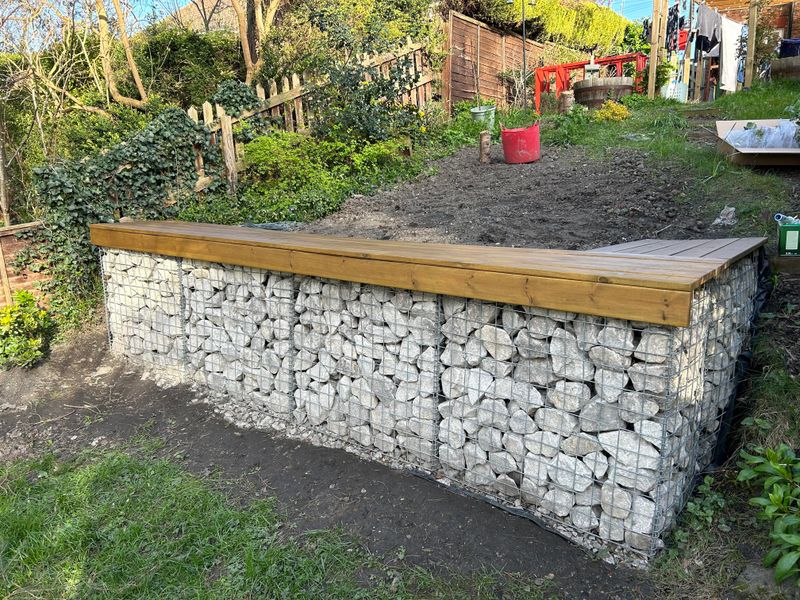
Wire baskets filled with rocks create a modern industrial look that adds dimension and interest to contemporary North Carolina landscape designs effectively.
You can purchase affordable wire mesh or chicken wire from hardware stores and fill them with stones collected from your property.
Gabion edging works particularly well on sloped properties because the weight and structure help prevent soil erosion during heavy rains common here.
This edging style allows water to drain through while creating a substantial visual barrier between different garden zones or elevation changes successfully.
Fill baskets with uniform stones for a polished appearance or mix sizes and colors for a more eclectic, artistic look instead.
The three-dimensional quality of gabion borders creates shadows and depth that flat edging materials cannot match in visual impact or interest.
North Carolina homeowners appreciate how this edging type requires no maintenance once installed and lasts indefinitely without replacement or repair needs.
You can build gabion borders as tall or short as desired to suit your specific landscape needs and aesthetic preferences perfectly.
Gabion edging can also double as a subtle retaining feature, helping define spaces while managing runoff and elevation changes without disrupting the natural flow of the landscape.