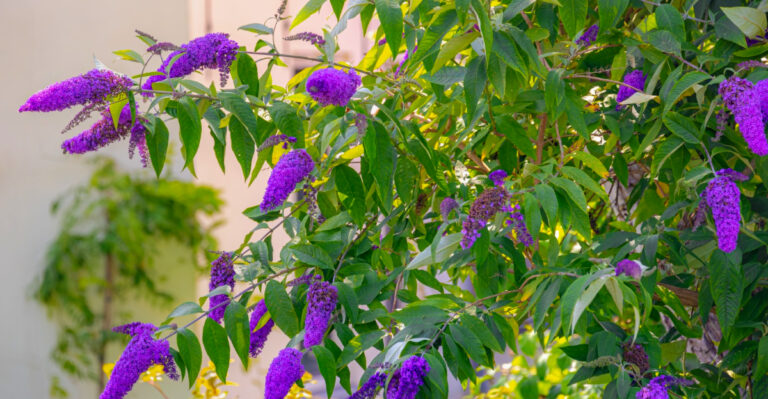
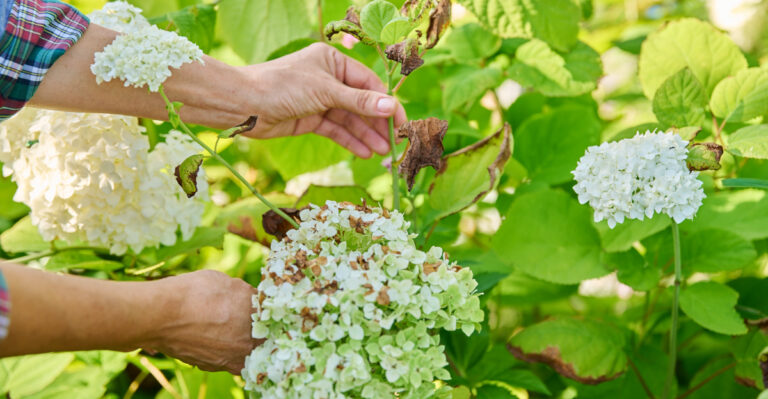
13 Garden Features North Carolina Residents Are Rethinking To Better Support Wildlife
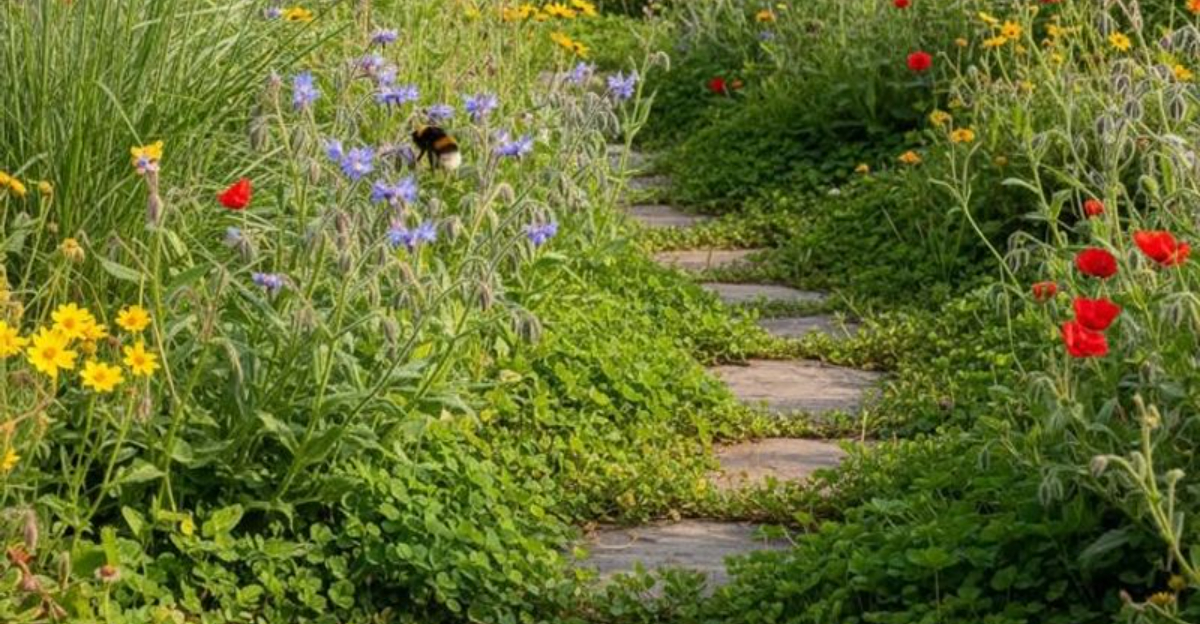
Across North Carolina, homeowners are taking a second look at their yards—and realizing that some long-standing garden habits may be doing wildlife more harm than good.
Features once prized for neatness and convenience are now being reconsidered as residents learn what birds, pollinators, and small animals actually need to survive.
From overly manicured lawns to aggressive cleanup routines, many traditional choices remove shelter, food, and nesting opportunities.
Wildlife experts say small adjustments—rather than full overhauls—can dramatically improve habitat.
Leaving seed heads standing, swapping hardscapes for softer edges, and rethinking water features all play a role.
North Carolina’s diverse ecosystems mean even modest yards can become meaningful refuges when designed with intention.
Homeowners aren’t abandoning beauty; they’re redefining it.
A garden that supports wildlife feels alive, dynamic, and purposeful.
As awareness grows, these rethought features are turning ordinary yards into vital links in a much larger ecological chain.
1. Replacing Large Lawn Areas With Native Plantings

Grass lawns have long been the standard for American yards, but North Carolina gardeners are questioning whether all that turf really makes sense.
Traditional lawns require constant mowing, watering, and fertilizing while offering almost nothing to wildlife.
Birds can’t find insects to feed their babies, and pollinators fly right over with nothing to visit.
Native plants, on the other hand, create a living ecosystem right in your backyard.
Carolina jessamine, coneflowers, milkweed, and native grasses provide nectar, pollen, seeds, and shelter throughout the seasons.
These plants have evolved alongside local wildlife for thousands of years, making them perfectly suited to support insects that birds and other animals depend on.
Replacing even part of your lawn with native plantings reduces maintenance time while increasing biodiversity.
You’ll notice more butterflies dancing through your yard and hear more birdsong in the morning.
Native plants are also adapted to North Carolina’s climate, meaning they need less water once established and can handle our hot summers and occasional droughts.
Starting small with one section of your lawn makes the transition manageable and lets you see the difference before expanding further.
2. Leaving Fallen Leaves Under Trees And Shrubs
Every fall, neighborhoods fill with the sound of leaf blowers as homeowners race to clear every last leaf from their property.
But North Carolina residents are learning that those fallen leaves are actually treasure, not trash.
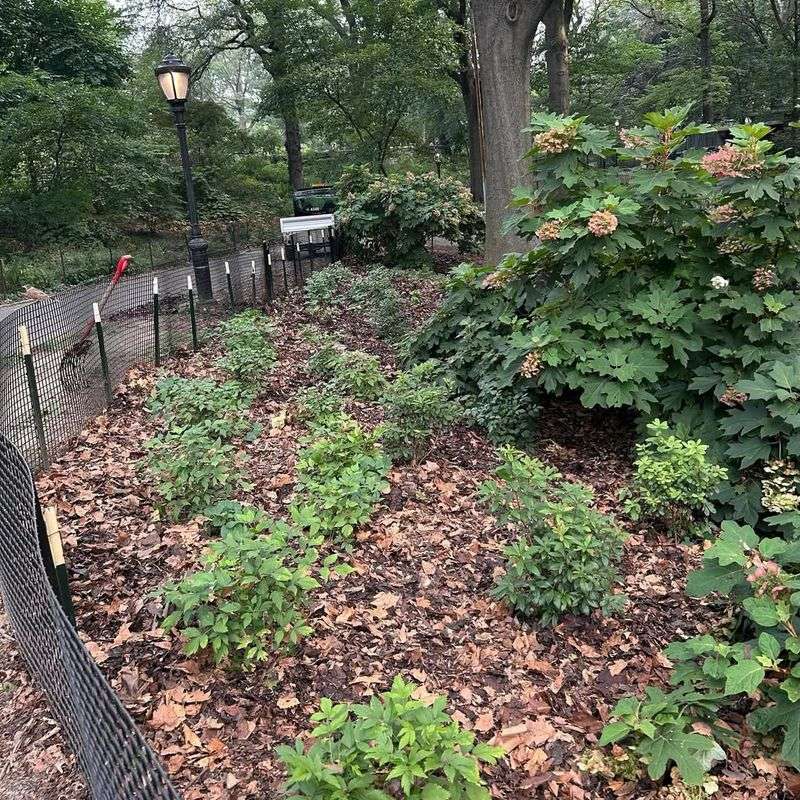
Leaf litter creates a natural blanket that protects countless creatures through winter months.
Luna moths, swallowtail butterflies, and many native bees spend their coldest months tucked safely inside leaf piles, waiting for spring warmth to emerge.
Salamanders and frogs burrow into moist leaves to stay hydrated and hidden from predators.
Beyond providing shelter, decomposing leaves feed the soil food web, creating rich humus that nourishes plants naturally.
Earthworms, millipedes, and beneficial fungi break down leaves into nutrients that trees and shrubs absorb through their roots.
Instead of bagging leaves for the curb, progressive gardeners are raking them into beds around trees and shrubs where they belong.
This simple change saves time, reduces waste going to landfills, and creates habitat right where wildlife needs it most.
Your garden becomes a winter refuge for creatures that will pollinate flowers and control pests when warm weather returns.
Leaving leaves is one of the easiest ways to support wildlife while actually reducing your workload.
3. Keeping Seed Heads Standing Through Winter
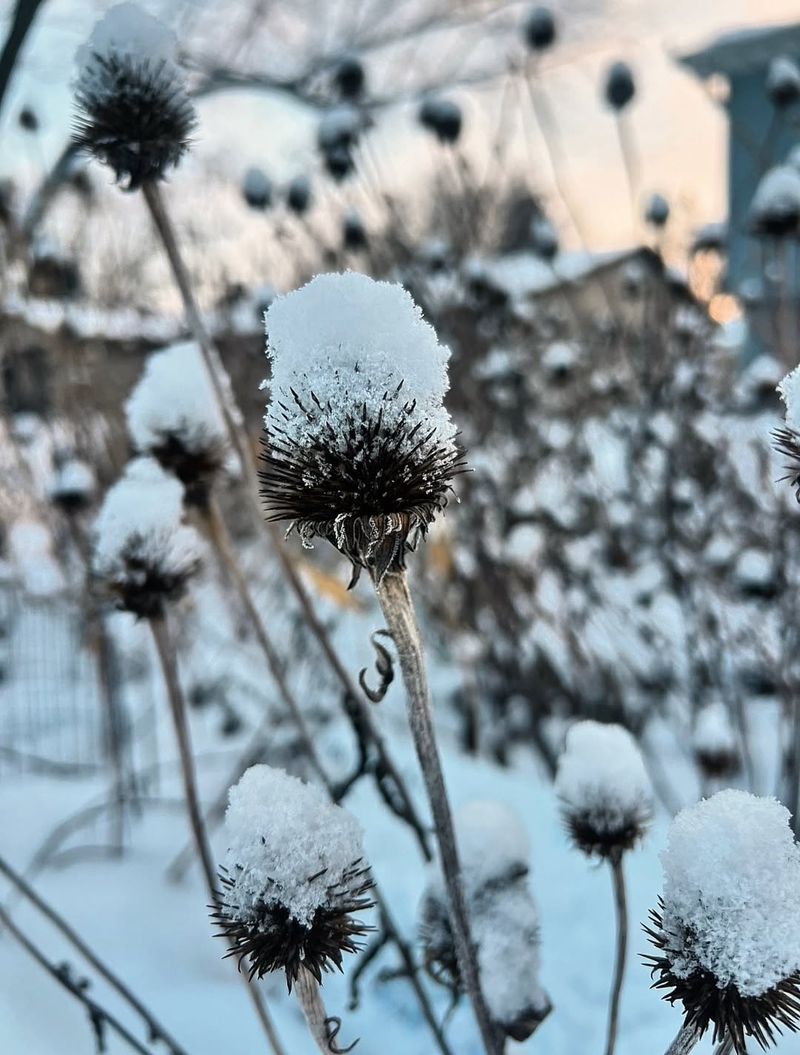
Traditional garden advice says to cut back all your perennials in fall for a tidy appearance.
North Carolina gardeners are rebelling against this practice because those seed heads are actually winter cafeterias for birds.
Goldfinches adore coneflower seeds, while sparrows feast on seeds from native grasses and asters.
Cardinals crack open sunflower seeds, and juncos search the ground beneath for dropped treasures.
Beyond feeding birds, standing stems provide essential shelter for beneficial insects that help your garden thrive.
Ladybugs, lacewings, and native bees take refuge inside hollow stems, surviving freezing temperatures until spring arrives.
These insects emerge ready to pollinate early flowers and control aphids and other pests naturally.
Seed heads also add beautiful winter interest to gardens that would otherwise look bare and lifeless.
Frosted coneflowers and swaying ornamental grasses create sculptures that catch snow and morning light in magical ways.
Wait until late winter or early spring to cut back your perennials, giving wildlife maximum benefit from the seeds and shelter.
When you do trim, leave cut stems in a pile at the garden’s edge so any remaining insects can safely complete their life cycles.
This simple timing shift transforms your garden into a year-round wildlife haven.
4. Planting Native Shrubs Instead Of Exotic Ornamentals
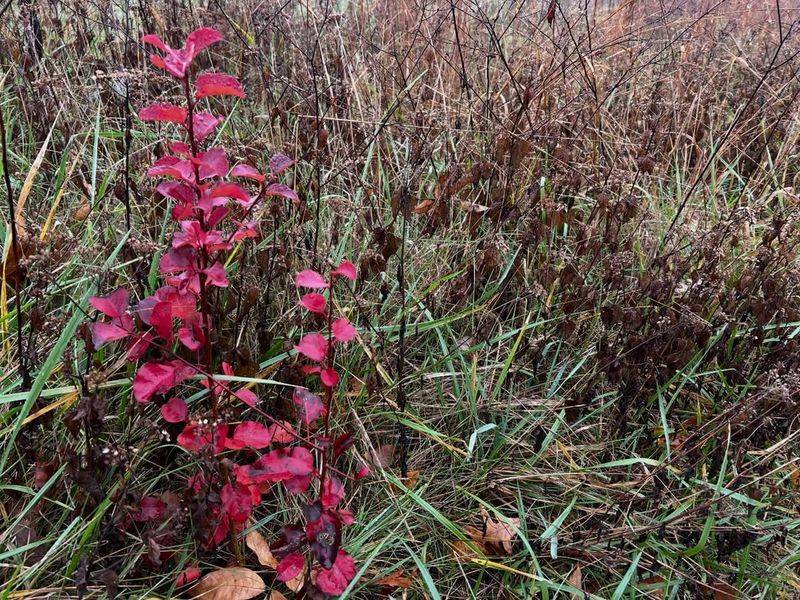
Garden centers overflow with ornamental shrubs from Asia and Europe that look attractive but function as green deserts for wildlife.
Research shows that native oak trees support over 500 species of caterpillars, while popular ornamental Bradford pears support almost none.
This matters because birds need caterpillars and other insects to feed their nestlings during breeding season.
North Carolina natives like beautyberry, elderberry, and native viburnums are being rediscovered as superior landscape choices.
These shrubs provide spring flowers that native bees recognize and visit, followed by berries that feed birds through fall and winter.
Their leaves host butterfly and moth caterpillars that become food for baby birds, creating connections throughout the food web.
Native azaleas bloom in stunning colors while supporting pollinators that exotic varieties often exclude through flower shapes bees can’t access.
Carolina allspice and sweetshrub offer fragrance along with wildlife value, proving that native doesn’t mean boring.
When you plant native shrubs, you’re essentially installing wildlife feeding stations that require no refilling or maintenance.
These plants have evolved to thrive in North Carolina soils and weather patterns, meaning less work and better results for gardeners.
Replacing just a few exotic ornamentals with native alternatives can dramatically increase the wildlife activity in your yard.
5. Adding Water Sources For Wildlife

Water is just as essential as food for wildlife, especially during North Carolina’s sweltering summer months.
Birds need water for drinking and bathing to keep their feathers in good condition for flight and insulation.
Butterflies gather at shallow puddles to sip moisture and minerals they can’t get from nectar alone.
Even beneficial insects like bees and wasps need water sources, and they’ll appreciate a safe place to drink without risk of drowning.
Simple birdbaths have become popular additions to wildlife-friendly yards, offering relief to thirsty creatures on hot afternoons.
The key is keeping water shallow—no more than two inches deep—so small birds and insects can safely access it.
Adding a few flat rocks creates landing platforms that make the water source even more wildlife-friendly.
Change the water every few days to prevent mosquitoes from breeding and to keep it fresh and clean for visitors.
Some gardeners are installing small recirculating fountains or ponds that provide moving water, which attracts even more species.
Frogs and dragonflies may colonize larger water features, adding another layer of life to your garden ecosystem.
Position water sources near shrubs or trees so birds have quick escape routes if predators approach.
Providing water is one of the fastest ways to increase wildlife visits to your yard.
6. Reducing Or Eliminating Pesticide Use
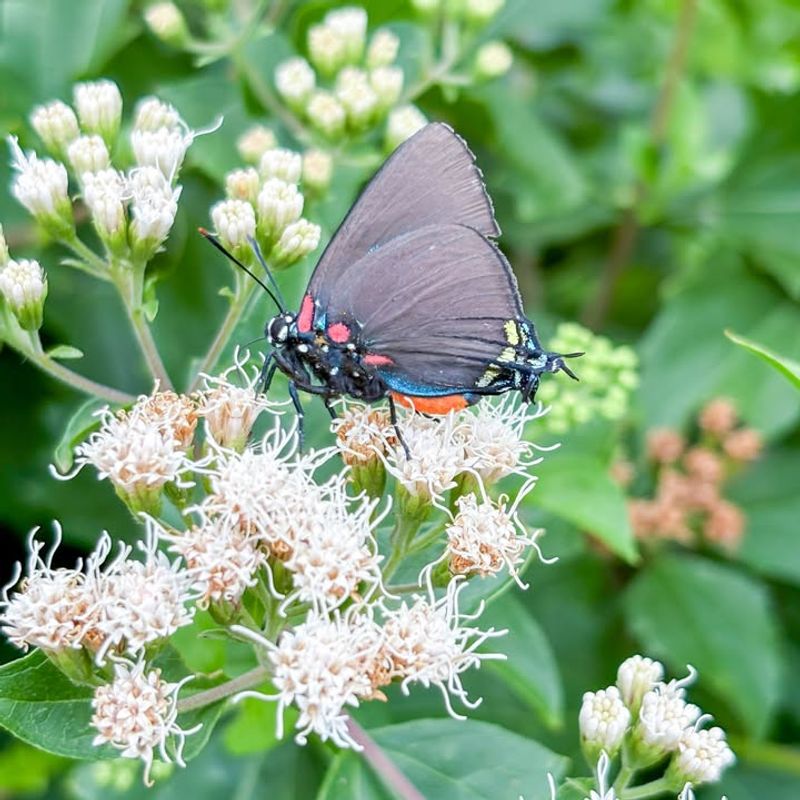
For decades, homeowners have reached for pesticides at the first sign of any insect in the garden.
North Carolina residents are now recognizing that this approach eliminates the very creatures that make a healthy ecosystem function.
Insects form the foundation of the food web, feeding birds, frogs, lizards, and countless other animals.
When you spray pesticides, you’re removing the food source that wildlife depends on to survive and raise their young.
Caterpillars might munch on leaves, but they transform into beautiful butterflies and provide essential protein for baby birds.
Aphids may seem like pests, but they attract ladybugs and lacewings that keep populations naturally balanced without chemicals.
Gardens managed without pesticides develop their own equilibrium where predator insects control plant-eating species naturally.
This approach requires patience and a shift in perspective about what a healthy garden looks like.
A few chewed leaves are signs of a functioning ecosystem, not a problem that needs fixing with chemicals.
Native plants are particularly tough and can handle insect feeding without suffering serious damage.
By eliminating pesticides, you create a safer environment for children, pets, and the wildlife you’re trying to attract.
Your garden becomes a genuine habitat rather than a chemically maintained appearance of nature.
7. Leaving Standing Snags When Safe
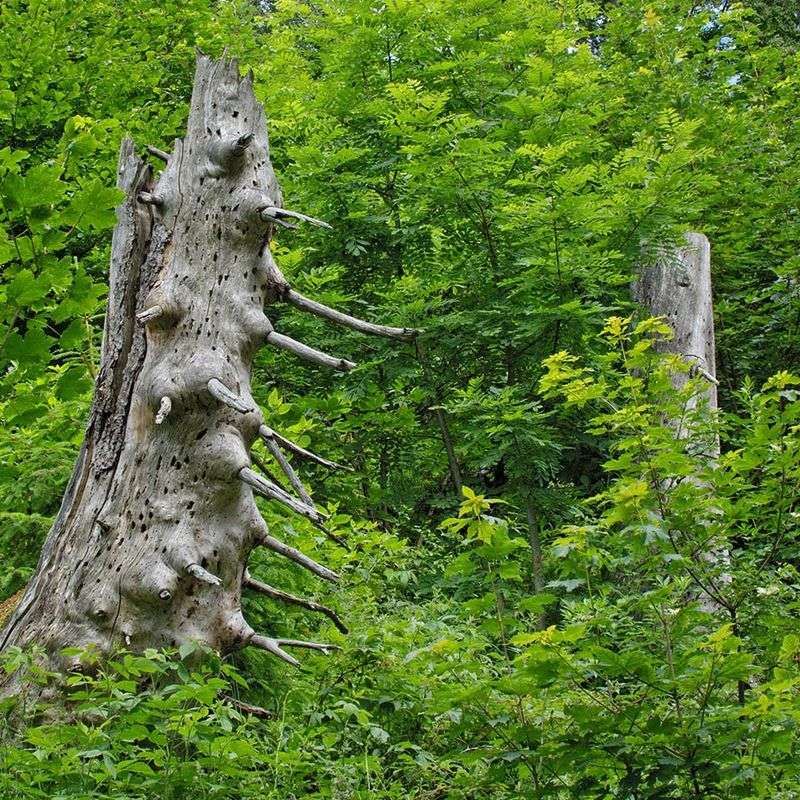
Most homeowners immediately remove any tree that shows signs of decline, viewing it as an eyesore or potential hazard.
Wildlife experts are encouraging North Carolina residents to reconsider this automatic response when it’s safe to do so.
Standing snags—trees that are no longer living—provide irreplaceable habitat for dozens of species.
Woodpeckers excavate nesting cavities in softening wood, creating homes they’ll use for years.
When woodpeckers move on, these cavities become prime real estate for bluebirds, chickadees, flying squirrels, and even screech owls.
The loose bark on snags shelters bats that eat thousands of mosquitoes each night, providing natural pest control.
Insects that colonize the wood become food sources for woodpeckers and other birds that forage on trunk surfaces.
Clearly, not every snag can remain standing—safety must come first, especially near homes, play areas, or power lines.
But a snag at the edge of your property or away from structures can be left to serve its ecological purpose.
You might even enjoy watching the parade of wildlife that visits throughout the seasons.
If a snag must come down for safety reasons, consider leaving a shorter section as a standing stump that still provides some habitat value.
These features add character to naturalistic landscapes while supporting species that struggle to find nesting sites in modern suburbia.
8. Creating Brush Piles Or Log Stacks
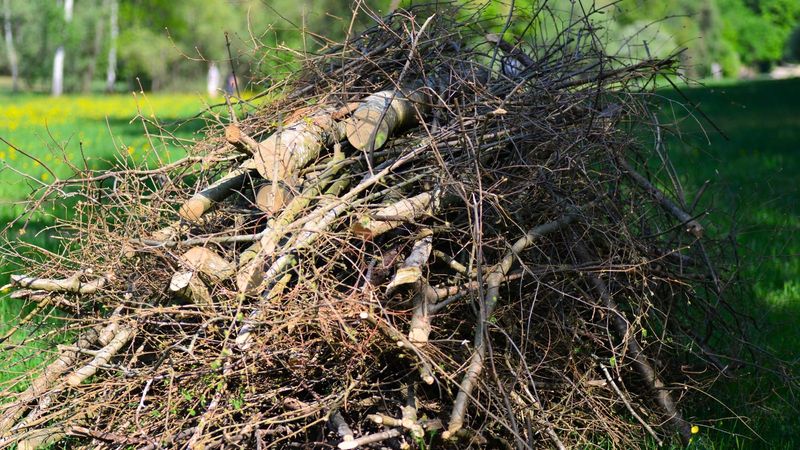
After trimming trees and shrubs, most people haul branches to the curb or rent a chipper to eliminate them.
Forward-thinking gardeners are instead piling these trimmings in out-of-the-way corners to create wildlife shelters.
Brush piles offer protection from weather and predators for rabbits, chipmunks, and ground-nesting birds like towhees and thrashers.
Lizards and salamanders find cool, moist hiding spots between the branches where they can hunt for insects.
During winter, brush piles provide insulation and windbreaks that help small mammals and birds survive harsh weather.
Wrens and cardinals often forage around brush piles, searching for insects and spiders that also take shelter there.
Creating a brush pile is simple—start with larger logs as a base, then stack smaller branches on top in a loose, crisscrossed pattern.
Aim for a pile about four feet tall and six feet across, though any size provides some benefit.
Position your brush pile at the garden’s edge or in a corner where it won’t interfere with other activities.
As the pile settles and decomposes over time, add fresh material to maintain its structure and usefulness.
Some gardeners create intentional log stacks for a neater appearance while still providing similar habitat value.
These features cost nothing, require minimal effort, and transform yard waste into valuable wildlife real estate.
You might be surprised by the variety of creatures that move into your brush pile.
9. Choosing Berry-Producing Plants Over Sterile Varieties
Garden centers often promote sterile cultivars that produce no seeds or berries, marketing them as low-maintenance and mess-free.
What they don’t advertise is that these plants offer zero food value to the wildlife trying to survive in our neighborhoods.
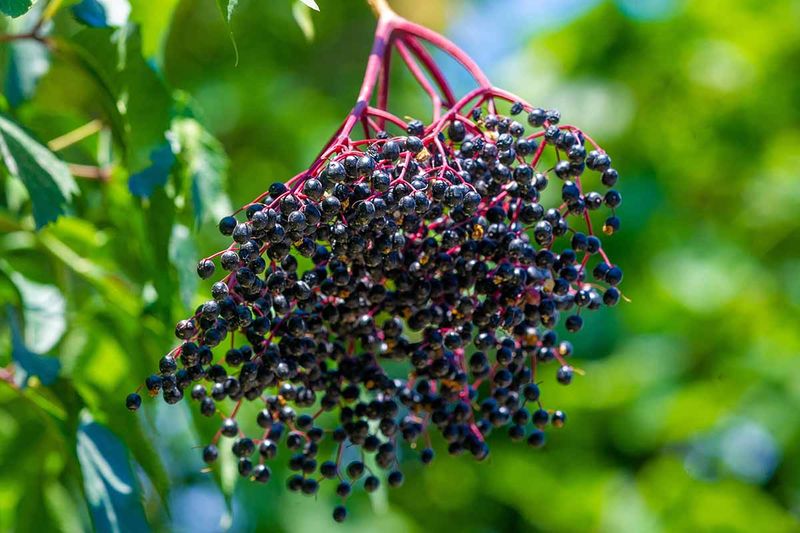
North Carolina gardeners are seeking out berry-producing varieties that feed birds and small mammals through fall and winter.
Native hollies provide bright red berries that cedar waxwings and robins devour during cold months when other food is scarce.
Serviceberries ripen in early summer, feeding migrating birds precisely when they need energy for their journeys.
Elderberries attract over 40 species of birds while also offering fruit that humans can harvest for jams and syrups.
Viburnums produce berries in shades of blue, black, and red that different bird species prefer at various times of year.
Even native roses produce nutritious hips that persist into winter, providing emergency food during harsh weather.
When selecting plants at nurseries, ask specifically for varieties that produce fruit rather than sterile hybrids.
Read plant tags carefully, as some cultivars have been bred specifically to eliminate fruiting.
The birds and other wildlife in your neighborhood will repay your thoughtfulness by visiting regularly and providing endless entertainment.
Gardens filled with berry-producing plants become lively, dynamic spaces that change with the seasons and support the creatures that make North Carolina special.
10. Planting For Year-Round Bloom And Structure
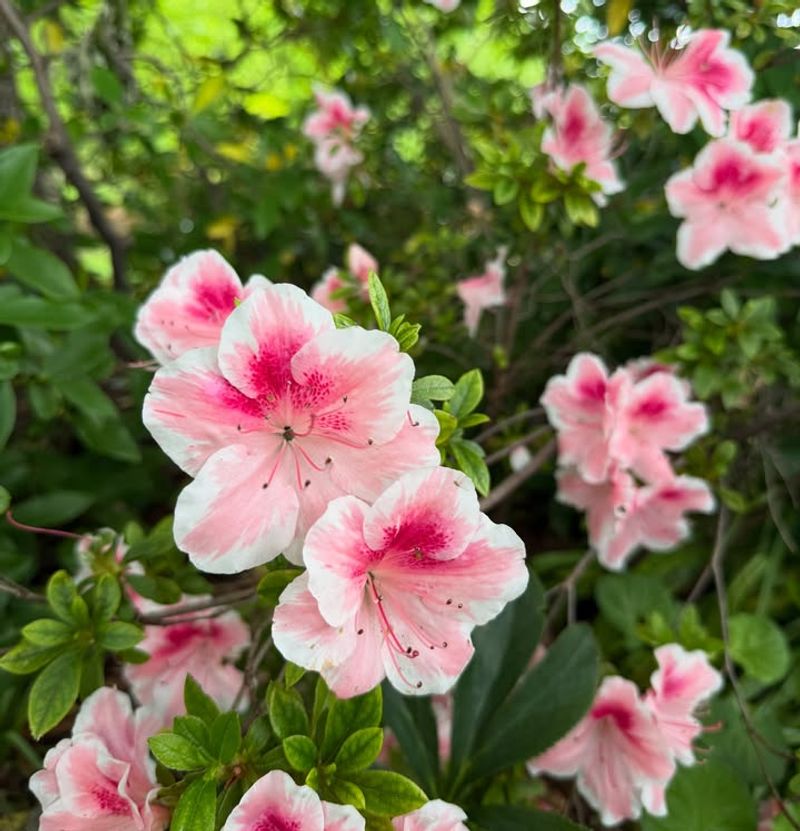
Many traditional gardens feature plants that all bloom during a short spring window, then offer little for the rest of the year.
Wildlife-conscious gardeners are designing landscapes that provide continuous resources from earliest spring through latest fall.
Early bloomers like native azaleas and serviceberries feed pollinators emerging from winter dormancy when they’re desperately hungry.
Summer flowers such as coneflowers, bee balm, and mountain mint support butterflies, bees, and hummingbirds during the growing season.
Fall asters and goldenrods provide crucial nectar for migrating monarch butterflies and bees preparing for winter.
Even winter structure matters—evergreen shrubs offer shelter during storms, while persistent seed heads feed birds through cold months.
This approach requires thoughtful planning but creates gardens that remain interesting and functional throughout the year.
Make a list of plants that bloom in different seasons, ensuring you have at least a few options for each period.
Native plants are particularly valuable because they’ve evolved to fill specific seasonal niches in the ecosystem.
Your garden becomes a reliable resource that wildlife can depend on rather than a brief burst of activity followed by months of nothing.
Pollinators especially benefit from continuous bloom, as they need consistent food sources from the moment they emerge until they prepare for winter.
Year-round planning transforms gardens from static decorations into dynamic habitats that support life through all seasons.
11. Allowing Natural Edges And Hedgerows
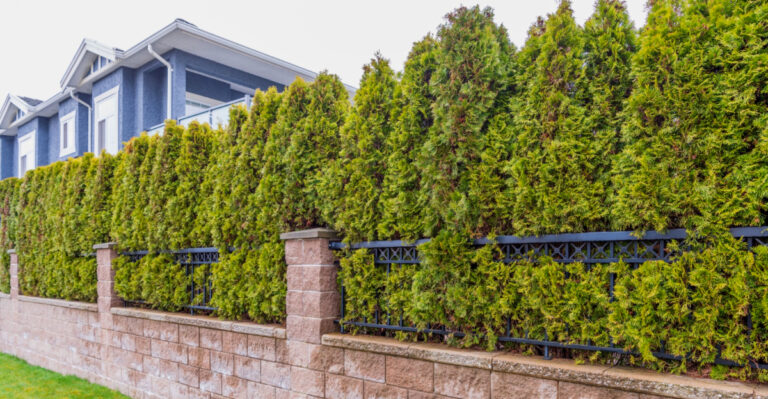
Perfectly trimmed hedges and sharply defined garden edges have long been signs of proper yard maintenance.
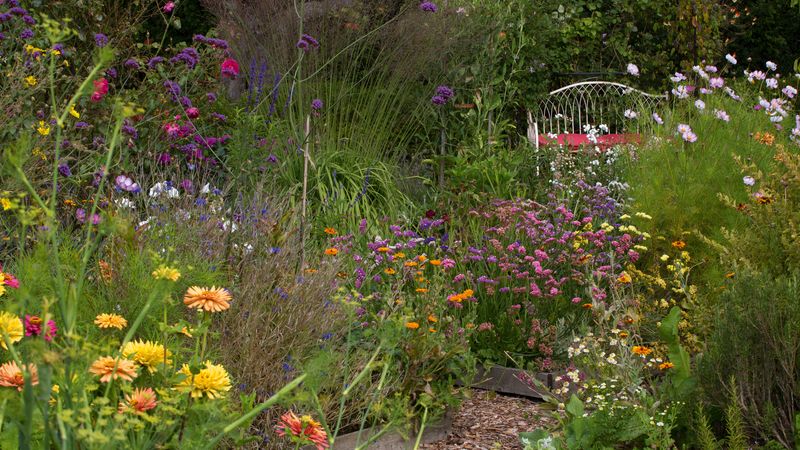
Ecologically minded homeowners are softening these boundaries, allowing more natural transitions between lawn and garden areas.
Natural edges with varied heights and plant types provide cover where birds can hide from hawks and other predators.
Rabbits and chipmunks travel along hedgerows, using the shelter to move safely between feeding areas.
Dense plantings at property edges create nesting sites for cardinals, mockingbirds, and other species that build in shrubs.
These transitional zones also slow water runoff, filter pollutants, and create microclimates where different plants can thrive.
Instead of a single row of identical shrubs, natural hedgerows feature diverse species at varying heights and densities.
Mix evergreens for winter cover with deciduous shrubs that provide berries and flowers during growing seasons.
Allow some native vines like coral honeysuckle or crossvine to weave through the hedgerow, adding another layer of habitat.
The result looks lush and intentional rather than neglected, especially once plants fill in and create a cohesive border.
Natural edges also reduce maintenance since you’re not constantly shearing everything into geometric shapes.
Wildlife corridors formed by hedgerows help animals move between yards, expanding their available habitat beyond any single property.
This approach works especially well along property lines where neighbors might also appreciate the screening and beauty.
12. Providing Nesting Boxes Thoughtfully
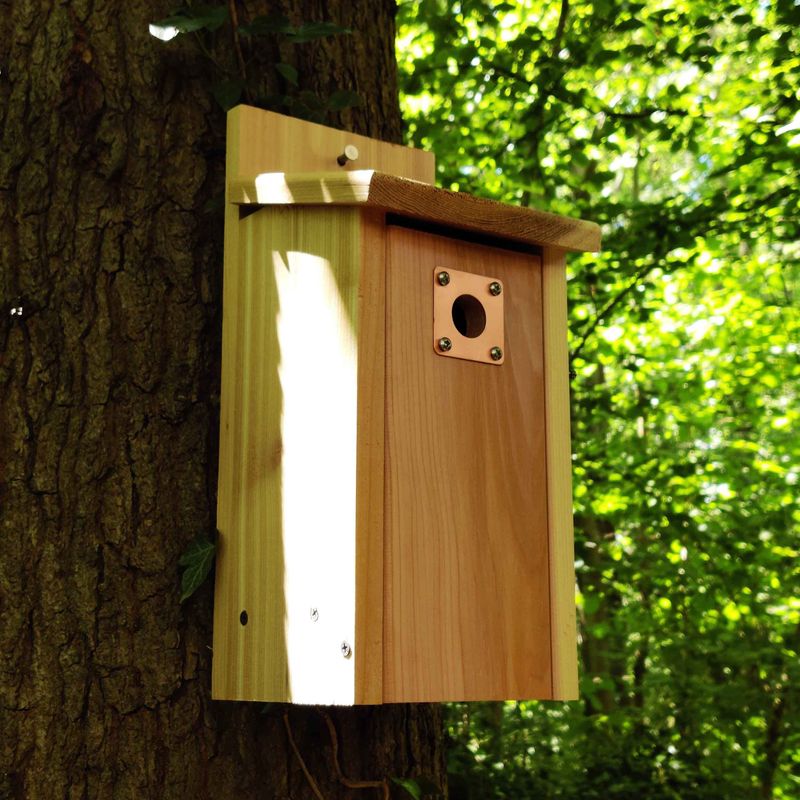
Birdhouses and bat boxes have become popular additions to yards as people recognize that nesting sites are increasingly scarce.
Thoughtful installation makes the difference between boxes that help wildlife and those that go unused or even cause problems.
Different species need different entrance hole sizes, so research which birds are common in your area before selecting boxes.
Bluebirds prefer boxes in open areas with entrance holes exactly 1.5 inches in diameter to exclude aggressive starlings.
Chickadees and wrens need smaller holes and appreciate boxes placed near woodland edges with nearby perches.
Bat boxes should be mounted high on poles or buildings where they receive plenty of sun to warm the interior.
Avoid placing bird boxes too close together, as most species are territorial and won’t nest near others of their kind.
Clean out old nesting material each fall to prevent parasite buildup and prepare boxes for next season’s residents.
Position boxes away from areas where cats roam, and consider adding predator guards to poles to protect nesting birds.
While nesting boxes help, they should supplement rather than replace efforts to preserve natural nesting habitat.
Snags, dense shrubs, and mature trees provide nesting sites that no human-made box can fully replicate.
When used appropriately, nesting boxes bring wildlife breeding activity into view where you can observe and appreciate it daily.
Watching birds raise their families just outside your window creates connections with nature that inspire continued conservation efforts.
13. Accepting A More Natural Garden Aesthetic
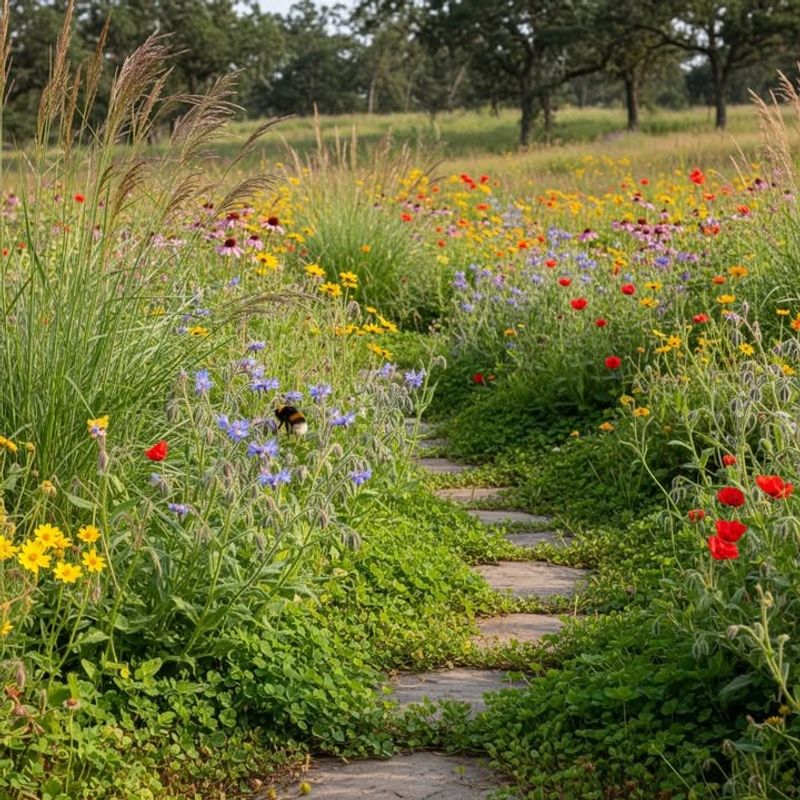
Perhaps the biggest shift happening in North Carolina gardens is a change in attitude about what looks good.
For generations, the ideal yard meant perfectly uniform grass, rigidly trimmed shrubs, and beds with military precision.
Homeowners are discovering that gardens designed for wildlife have their own beauty that comes from diversity and life.
Swaying native grasses create movement and texture that manicured lawns can never match.
Flowers left standing through winter become architectural elements decorated with frost and snow.
The sight of goldfinches clinging to coneflower seed heads or butterflies nectaring on milkweed surpasses any static garden ornament.
This aesthetic celebrates ecological function and seasonal change rather than fighting against natural processes.
Gardens that support wildlife feel alive in ways that highly controlled landscapes never can.
You’ll notice sounds—buzzing bees, singing birds, rustling leaves—that create a peaceful atmosphere missing from silent, sterile yards.
Neighbors might initially question the change, but many become curious once they see the increased wildlife activity and reduced maintenance.
Some communities are even organizing wildlife habitat certification programs that recognize and celebrate naturalistic landscapes.
This shift requires letting go of outdated ideas about neatness and embracing a fuller, richer definition of beauty.
Your garden becomes a participant in the larger ecosystem rather than a stand-alone decoration isolated from nature.
The reward is a yard that sustains life, requires less work, and provides endless fascination through every season.