Garden Fences That Can’t Be Built Without A Permit In California
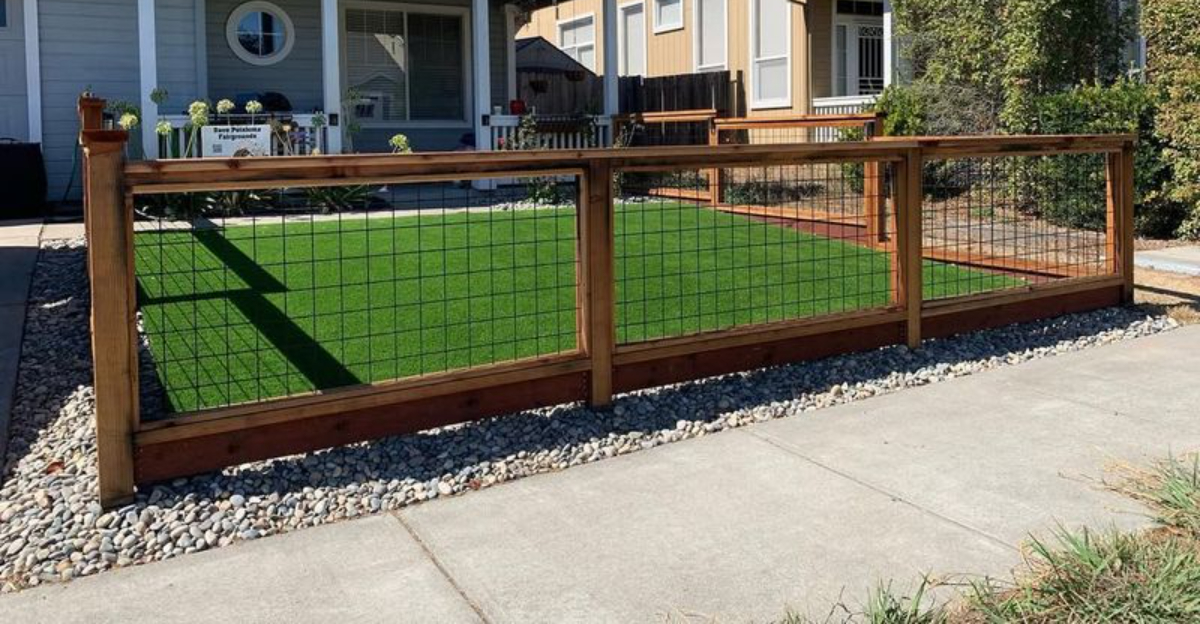
Garden fences in California often feel like a simple weekend project until permit rules suddenly enter the picture. What looks decorative can quickly be treated as regulated construction under local codes.
Many homeowners are surprised to learn that height, location, and even materials can require approval.
California cities frequently enforce stricter rules for front yards, especially where visibility and street safety are involved.
Backyard fences may feel more flexible, but setbacks and shared property lines still matter. Neighbors and survey lines often play a bigger role than expected.
Replacing an old fence does not always avoid permits, especially if dimensions change.
Historic districts and HOA communities add extra layers that can slow plans down fast.
Understanding fence rules early helps avoid fines, delays, and forced changes later. That awareness turns planning into a smoother, far less stressful process.
1. Fences Over Six Feet Tall
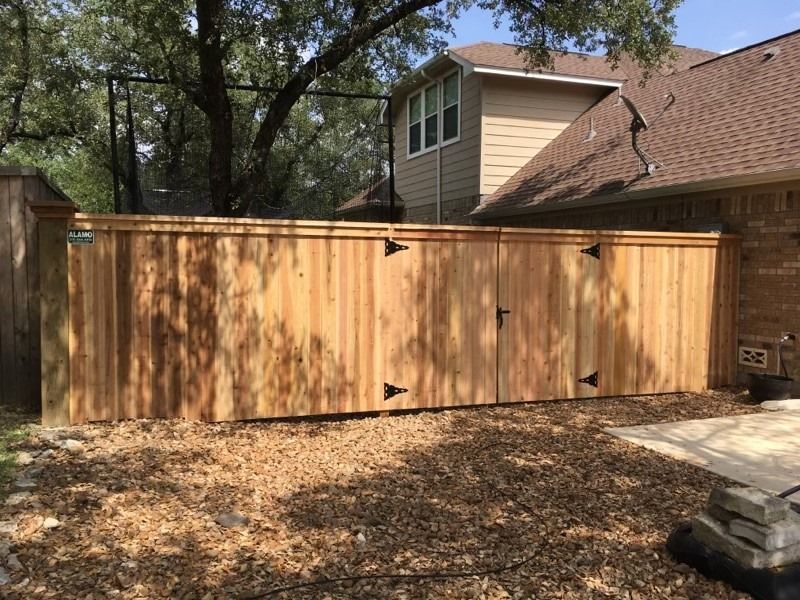
Most California cities enforce strict height limits on residential fences, and anything towering above six feet typically triggers permit requirements. Property owners often assume they can build whatever height feels right, but local building codes exist to prevent structures from creating hazards or blocking essential sightlines.
Tall fences can obstruct views for drivers at intersections, create wind load concerns, and even affect neighborhood aesthetics in ways that communities want to regulate.
Your city’s planning department will review your plans to ensure the fence meets structural standards and doesn’t violate setback rules.
Some areas allow taller fences in backyards but restrict front yard heights to maintain curb appeal. California regulations vary significantly by municipality, so a fence that’s fine in one city might require approval in another.
Getting caught building an oversized fence without permission can result in mandatory removal and fines that exceed what the permit would have cost.
Many homeowners learn this lesson the hard way when neighbors file complaints.
Planning ahead with proper permits protects your investment and keeps you on good terms with local authorities and the people living around you.
Checking local rules early can save weeks of stress and unexpected costs later on.
A quick call or online lookup often clarifies what is allowed before any materials are purchased.
That small step helps homeowners move forward confidently instead of fixing mistakes after the fence is already built.
2. Fences Along Property Lines
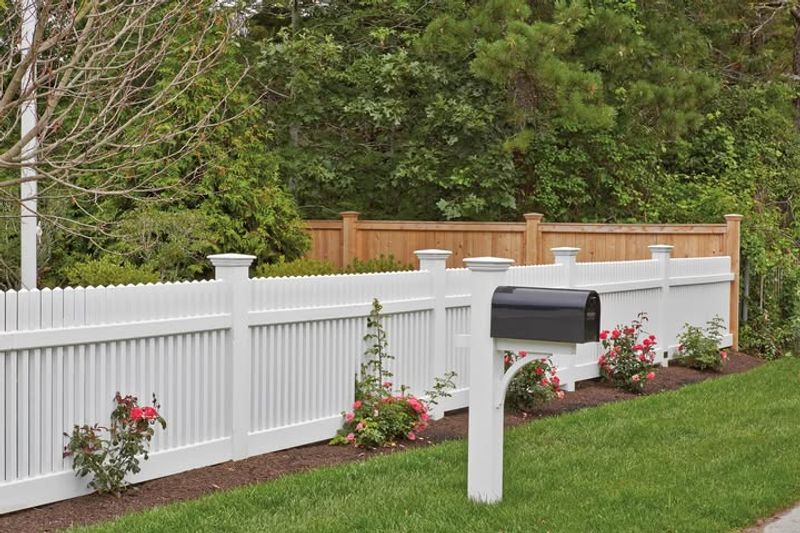
Boundary fences sit right where your property meets your neighbor’s land, making them one of the trickiest fence types to install in California. Disputes over exact property lines cause more neighborhood conflicts than almost any other issue, which is why cities require permits to verify boundaries before construction begins.
A survey often becomes necessary to establish the true legal line, preventing you from accidentally building on someone else’s land.
California law gives both neighbors rights when it comes to shared fences, and permit applications help document who agreed to what.
Without official records, disagreements can escalate into costly legal battles that drain time and money.
The permit process typically requires written consent from adjacent property owners or proof that you’ve notified them of your plans.
Building departments use these permits to ensure fences don’t violate easements, which are legal rights allowing utility companies or others to access certain areas.
Your beautiful new fence could block essential access to water lines, electrical boxes, or drainage systems.
Permits help identify these issues before you invest in materials and labor, saving you from having to relocate or remove sections later when problems surface.
3. Electric or Barbed Wire Fences
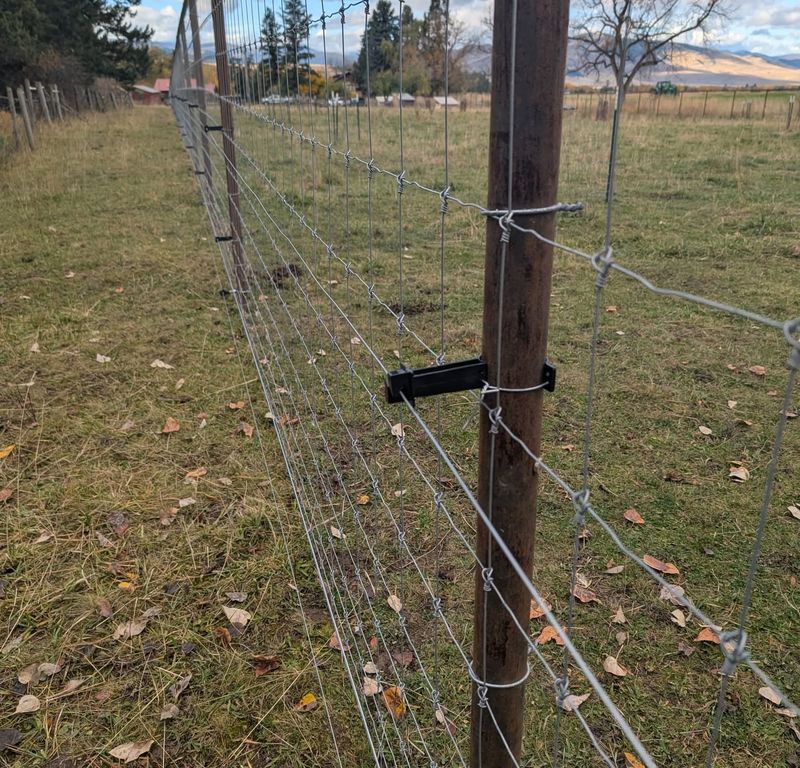
Security concerns sometimes lead homeowners to consider electric or barbed wire fencing, but California treats these as specialized structures requiring careful oversight.
These fence types pose genuine safety risks to children, pets, and even adults who might accidentally contact them. Local authorities want to ensure such installations meet specific safety standards and include proper warning signage to prevent injuries.
Residential areas in the state rarely allow barbed wire or electric fencing at all, reserving these options mainly for agricultural properties or commercial sites.
When they are permitted, strict regulations govern voltage levels, height placement, and visibility markers. Your permit application will undergo thorough review to confirm the fence serves a legitimate purpose and won’t endanger the community.
Installing these fence types without authorization can result in immediate removal orders and substantial fines in California.
Insurance companies may also refuse to cover liability if someone gets injured by an unpermitted electric or barbed wire fence on your property.
The permit process exists to protect everyone involved, including you from potential lawsuits and criminal charges if serious harm occurs due to an unsafe installation.
Most homeowners are surprised to learn how limited these options are in residential neighborhoods.
Understanding the rules early helps avoid choices that could create legal and financial trouble later.
In many cases, safer fencing alternatives provide peace of mind without crossing regulatory lines.
4. Fences Near Streets or Sidewalks
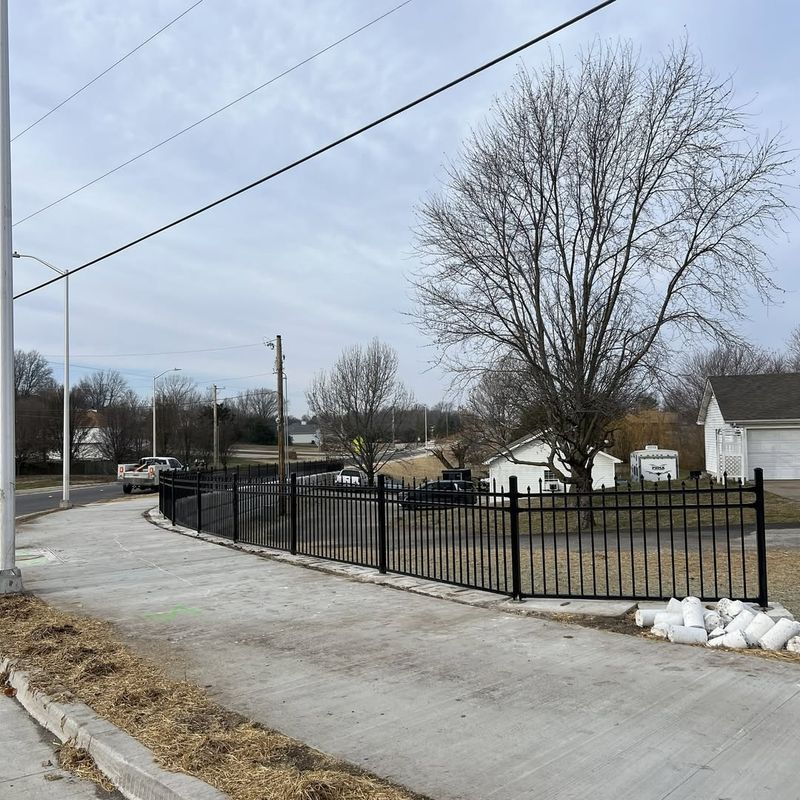
Corner properties and homes along busy roads face special restrictions when installing garden fences in California. Visibility triangles at intersections must remain clear so drivers can see oncoming traffic, pedestrians, and cyclists before pulling out.
Cities carefully regulate fence placement and height in these zones to prevent accidents that could result from blocked sightlines.
Front yard fences along sidewalks also fall under stricter scrutiny than backyard installations.
Many California municipalities limit front fences to three or four feet to maintain an open, welcoming neighborhood feel.
These rules balance your privacy desires with community character and pedestrian safety concerns that affect everyone using public walkways.
Your permit application will include a site plan showing exactly where the fence will stand in relation to streets, driveways, and sidewalks.
Building inspectors may visit your property to verify measurements and ensure compliance with setback requirements.
Skipping this process and building too close to public areas can force you to move the entire fence back several feet, wasting materials and labor while delaying your project completion significantly.
5. Retaining Wall Fences
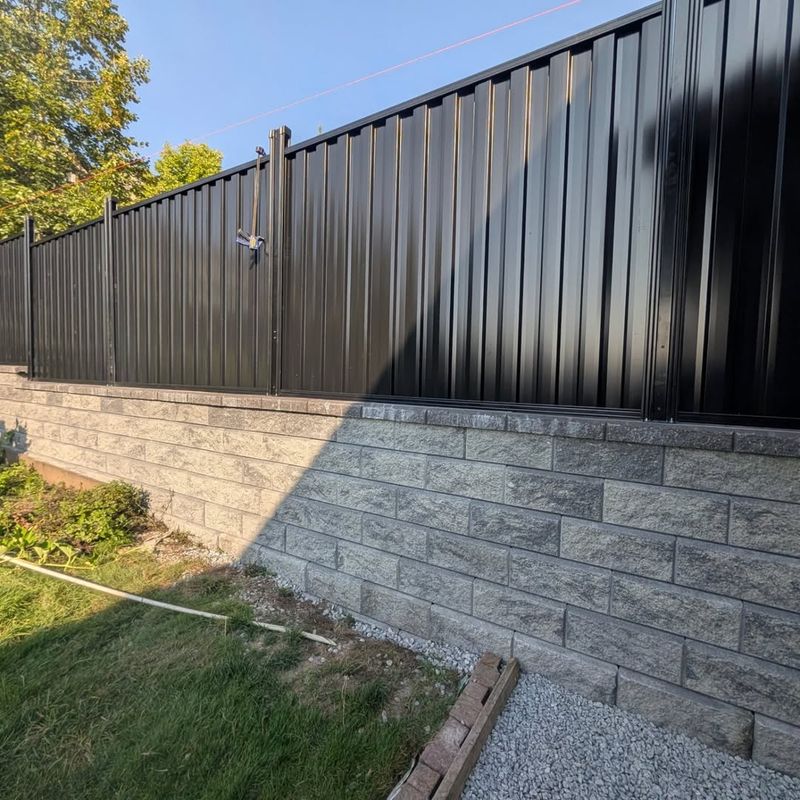
Sloped yards often require retaining walls to prevent erosion, and adding fencing on top of these structures creates a combination that definitely needs permits in California.
The engineering requirements become more complex when you’re supporting both soil pressure and fence weight on the same structure.
Improper construction can lead to catastrophic failures that damage your property and potentially neighboring homes below.
Any retaining wall over a certain height triggers engineering review requirements in most California cities, usually around three to four feet. Adding a fence on top counts toward that total height, meaning your combined structure might exceed limits even if each component alone wouldn’t.
Permit reviewers will examine soil conditions, drainage plans, and structural integrity to ensure long-term stability.
Building departments want to see calculations proving the foundation can handle the load without shifting or collapsing during earthquakes, which are always a concern in the state.
Your permit might require stamped plans from a licensed engineer, especially for taller combinations.
The extra cost and time involved in getting proper approval far outweigh the risks of building without permission and facing a dangerous structural failure down the road.
Many homeowners underestimate how quickly a simple upgrade turns into a regulated structural project.
Taking time to confirm requirements upfront helps avoid redesigns, delays, and costly corrections later.
When safety and stability are involved, following the permit process protects both your property and the people around it.
6. Pool Enclosure Fences
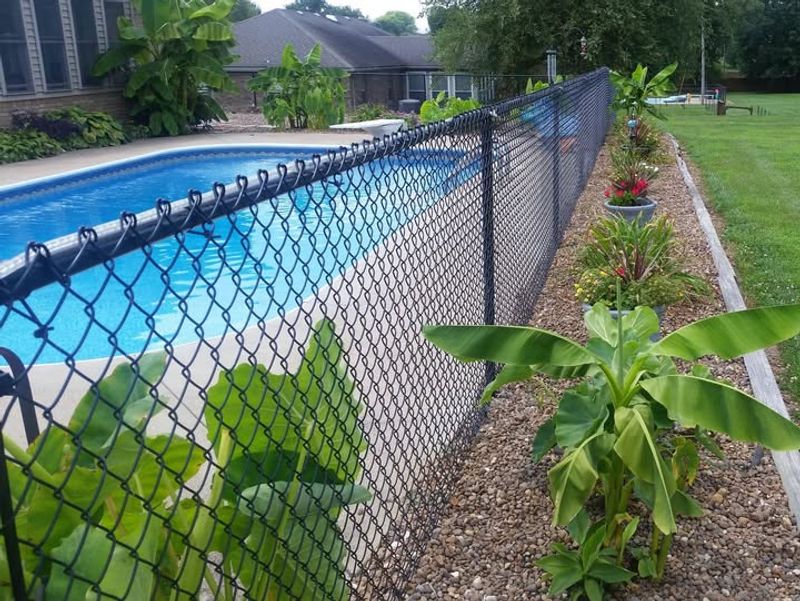
California law mandates specific safety requirements for any fence surrounding a swimming pool, making permits absolutely non-negotiable for these installations.
Drowning prevention drives these strict regulations, particularly protecting young children who might wander into pool areas unsupervised.
Your fence must meet exact height specifications, gate requirements, and latch standards that only permit review can verify.
Self-closing and self-latching gates are required features that must be installed at specific heights to prevent children from reaching them.
The fence itself typically needs to be at least five feet tall with no footholds or handholds that could help kids climb over.
California inspectors will measure spacing between fence pickets or bars to ensure a child’s body cannot squeeze through.
Homeowners who skip the permit process for pool fences face serious legal consequences if accidents occur on their property.
Insurance companies routinely deny claims related to pool incidents when required safety fencing wasn’t properly permitted and inspected.
The state takes these regulations extremely seriously, and violations can result in mandatory pool closure until you bring the fence up to code with proper permits and inspections completed.
Most homeowners find the rules strict but reassuring once they understand the purpose behind them.
Following the permit process ensures the fence actually provides the protection it is meant to deliver.
That extra step brings peace of mind knowing the pool area meets California’s safety standards.
7. Fences in Historic Districts
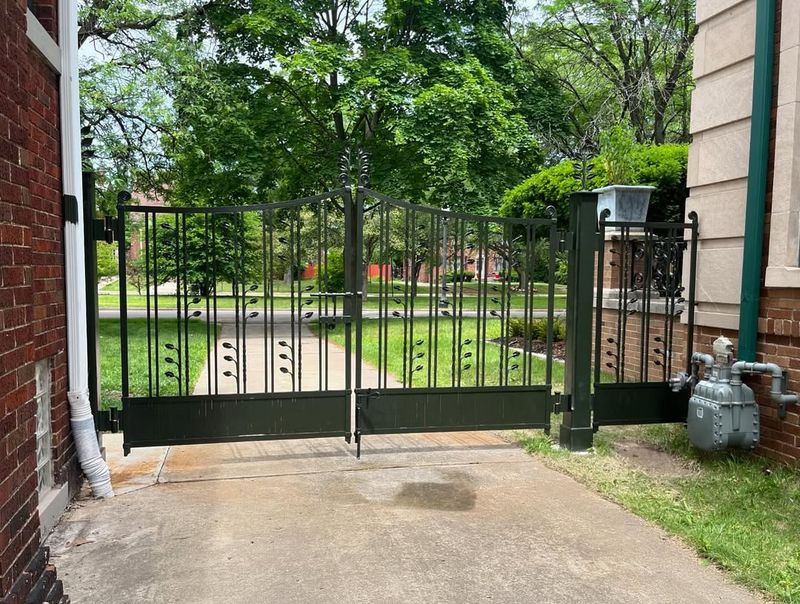
Historic neighborhoods throughout California maintain special character protections that extend to every visible element, including garden fences.
These districts aim to preserve architectural integrity and period-appropriate aesthetics that make the areas culturally significant.
Your fence design, materials, and colors all need approval from historic preservation boards before any construction can legally begin.
Applications in these zones require detailed drawings showing how your fence complements existing historic features and neighboring properties.
Modern materials like vinyl or chain-link typically get rejected in favor of traditional wood, wrought iron, or other period-appropriate options.
California cities with historic districts take these reviews seriously, sometimes requiring multiple revisions before granting approval.
The permit process in historic areas often takes longer than standard residential applications because preservation committees meet less frequently. Patience becomes essential when planning your project timeline.
Building without approval in these protected zones can result in mandatory removal regardless of how much you spent, plus fines that reflect the seriousness of violating historic preservation ordinances that protect the state’s cultural heritage for future generations.
Homeowners are often surprised by how much detail these boards review before approving even simple fence projects.
Early conversations with preservation staff can clarify expectations and prevent wasted time on designs that won’t pass review.
Working within these guidelines helps protect property value while respecting the character that makes historic neighborhoods special.
8. Solid Privacy Fences

Completely solid fences that block all visibility between properties face stricter permit requirements in many California communities.
Wind load becomes a major engineering concern with solid panels that catch gusts like sails, potentially toppling over during storms.
Building departments want to review your foundation plans and post spacing to ensure the structure can withstand the state’s varied weather conditions.
Neighborhood character ordinances sometimes limit solid fencing to backyard areas only, requiring front and side yards to use more open designs.
California cities worry that too many tall, solid fences create an unfriendly, fortress-like atmosphere that discourages community interaction. Your permit application might get denied if the proposed fence doesn’t align with local design guidelines meant to maintain neighborhood appeal.
Some municipalities require gaps between boards or panels to allow air flow and reduce wind pressure on the structure.
Others mandate maximum percentages of solid coverage versus open space in fence designs. Understanding these specific rules before you buy materials saves money and frustration.
The permit process helps you navigate these requirements and design a fence that meets both your privacy needs and local regulations governing fence construction throughout the state.
Many homeowners don’t realize how quickly a privacy-focused design can trigger additional review.
Checking airflow and visibility rules early helps avoid redesigning panels after materials are purchased.
A balanced fence plan often gets approved faster and performs better once installed.
9. Fences With Attached Structures
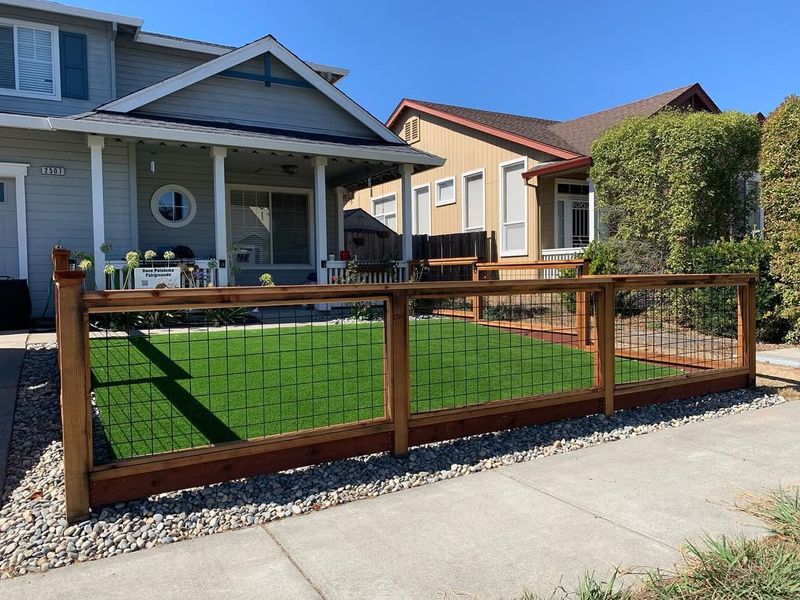
Adding built-in planters, seating, lighting, or other features to your fence transforms it into a more complex structure requiring permits in California.
These additions change the engineering calculations, weight distribution, and sometimes even the fence’s legal classification.
What started as a simple boundary marker becomes something closer to a permanent outdoor structure subject to additional building codes.
Electrical components like lighting require separate permits and inspections to ensure safe wiring that meets state electrical codes.
Planters that hold soil and plants add significant weight that your posts and foundation must support without sagging or leaning.
California building departments want to verify that your design accounts for these extra loads and won’t create safety hazards over time.
Attached seating or storage compartments might trigger setback requirements different from simple fences, pushing your structure further from property lines.
The permit review process identifies these issues early, preventing you from building something that violates multiple codes.
Homeowners who add features to fences without updating their permits often face orders to remove the additions or apply for retroactive approval, which typically costs more and involves admitting to violations in the state.
Many homeowners underestimate how quickly small upgrades can shift a project into a different permitting category.
Confirming requirements before adding features avoids costly changes once construction is already underway.
Clear approvals upfront make it easier to enjoy added functionality without future compliance issues.