10 Garden Flowers That Look Like They’re From Another World In California
California gardens bloom with flowers so strange and beautiful that they seem plucked from science fiction movies or distant alien planets beyond our reach.
Some petals twist into spirals while others glow with colors you never imagined existed naturally in any garden bed you have ever seen.
Growing these unusual blooms transforms your yard into a magical space where neighbors stop to stare and children ask endless questions about nature.
This guide reveals ten otherworldly flowers thriving in California climates that will make your garden the most talked about spot on the block.
1. Passion Flower (Passiflora)
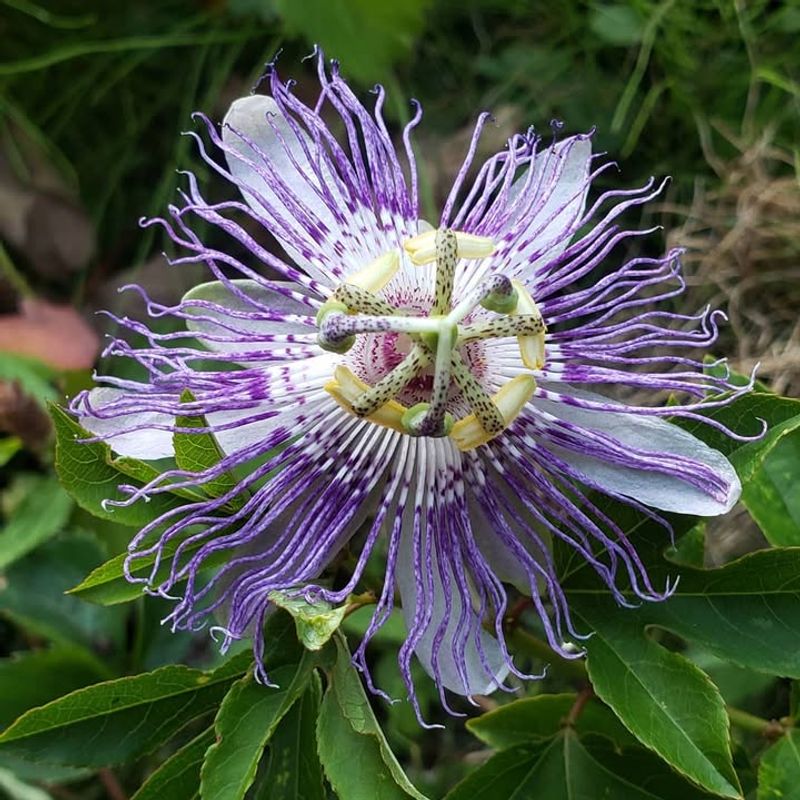
Passion flowers explode with intricate patterns that look more like mechanical designs than something nature could create on its own without help.
The bloom features rings of colorful filaments radiating outward like tiny tentacles reaching toward sunlight in your California garden bed right now.
Central structures rise up like miniature spacecraft landing pads complete with antenna-like stamens that insects use for pollination throughout the growing season.
California gardeners love these vines because they climb fences and trellises quickly while producing dozens of spectacular blooms from spring through fall months.
Plant them in full sun with regular watering and watch them transform boring walls into living art installations that neighbors cannot stop photographing.
The flowers come in purple, blue, red, and white varieties giving you plenty of options to match your existing landscape design perfectly.
Hummingbirds and butterflies visit these blooms constantly making your garden a wildlife haven that entertains kids and adults for hours on end.
Some varieties even produce edible fruits called maracuya that taste tropical and add bonus value beyond just the stunning visual display.
2. Protea
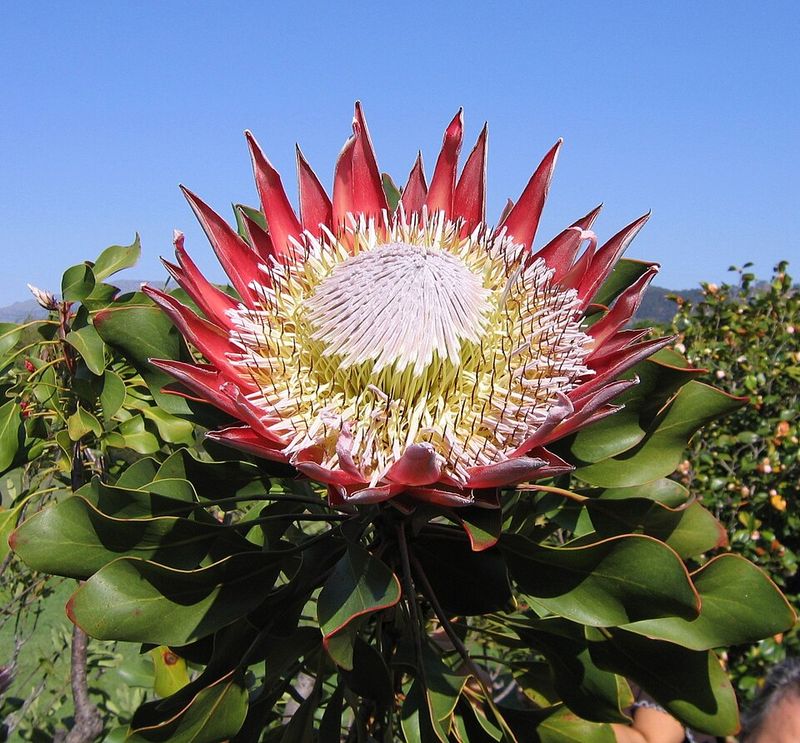
Proteas arrived from South Africa but adapted beautifully to California’s Mediterranean climate creating bold statements in gardens up and down the coast.
Massive flower heads measure six to twelve inches across with stiff bracts arranged in geometric patterns that resemble ancient alien crowns or artifacts.
Each bloom lasts for weeks unlike most flowers that fade quickly giving you long-lasting color and texture in arrangements or garden displays.
The prehistoric appearance comes from their ancient lineage dating back millions of years when dinosaurs still roamed Earth before humans existed at all.
California’s dry summers and mild winters match their native habitat perfectly making them surprisingly easy to grow once established in well-draining soil.
Plant them in full sun on slopes or raised beds where water drains quickly away from roots preventing rot that ends many attempts.
Dozens of species exist ranging from softball-sized King Proteas to smaller pincushion varieties offering incredible diversity for adventurous gardeners seeking something different.
Cut flowers last two weeks in vases making them popular for special arrangements that impress guests with their bold extraterrestrial beauty.
3. Bat Face Cuphea
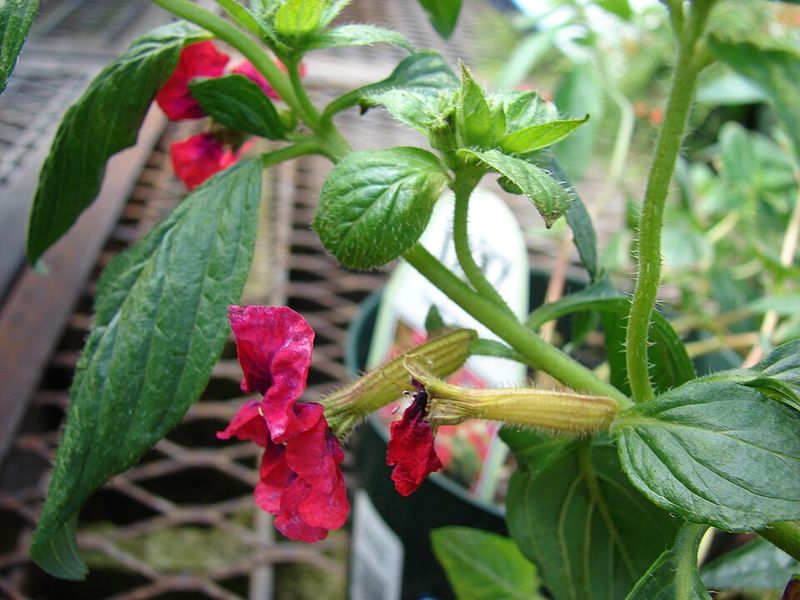
Tiny blooms on this compact shrub genuinely resemble little bat faces peering out from green foliage creating a whimsical otherworldly effect in gardens.
Each flower measures less than an inch but packs incredible detail with two large purple petals forming ears above a red face shape.
California gardeners appreciate this Mexican native because it blooms nonstop from spring until frost providing constant color without much fuss or maintenance.
Hummingbirds adore the nectar-rich tubular flowers visiting your garden multiple times daily turning your yard into a living nature documentary you watch.
The plant stays compact reaching only two feet tall making it perfect for containers, borders, or small spaces where larger plants overwhelm.
Full sun and moderate water keep it happy though it tolerates some drought once roots establish themselves in California’s summer heat waves.
Children love examining the tiny faces up close with magnifying glasses sparking curiosity about nature and plant diversity in fun educational ways.
Pair it with other small unusual flowers for a fairy garden theme that transports visitors to imaginary worlds beyond ordinary backyard landscapes.
4. Lithops (Living Stones)
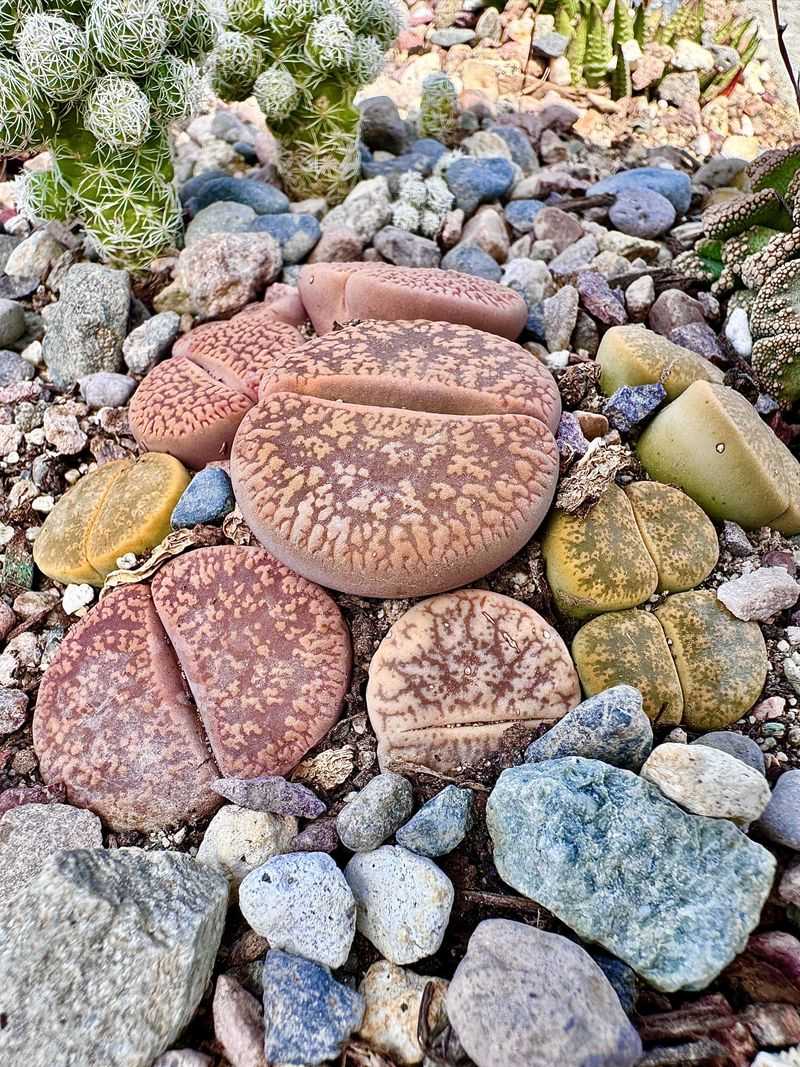
Lithops evolved to mimic pebbles and stones in their native African deserts creating one of nature’s most successful camouflage systems that fools predators.
Each plant consists of two fleshy leaves fused together with a slit across the top where flowers eventually emerge in surprising displays.
California rock gardens provide ideal homes for these bizarre succulents that need minimal water and lots of sunshine to thrive year after year.
The split tops look like alien life forms peeking through rocky surfaces waiting to reveal secrets from distant planets in science fiction stories.
Colors range from gray and brown to pink, purple, and green with patterns that perfectly match surrounding stones making them nearly invisible.
Once yearly each plant produces a daisy-like flower that seems impossibly large compared to the tiny stone-like body beneath it.
Collectors obsess over rare varieties and color patterns creating communities dedicated to growing and trading these miniature marvels from around the world.
Plant them in gritty cactus soil with excellent drainage and water sparingly only during active growth periods to prevent rot completely.
5. Stapelia (Starfish Flower)
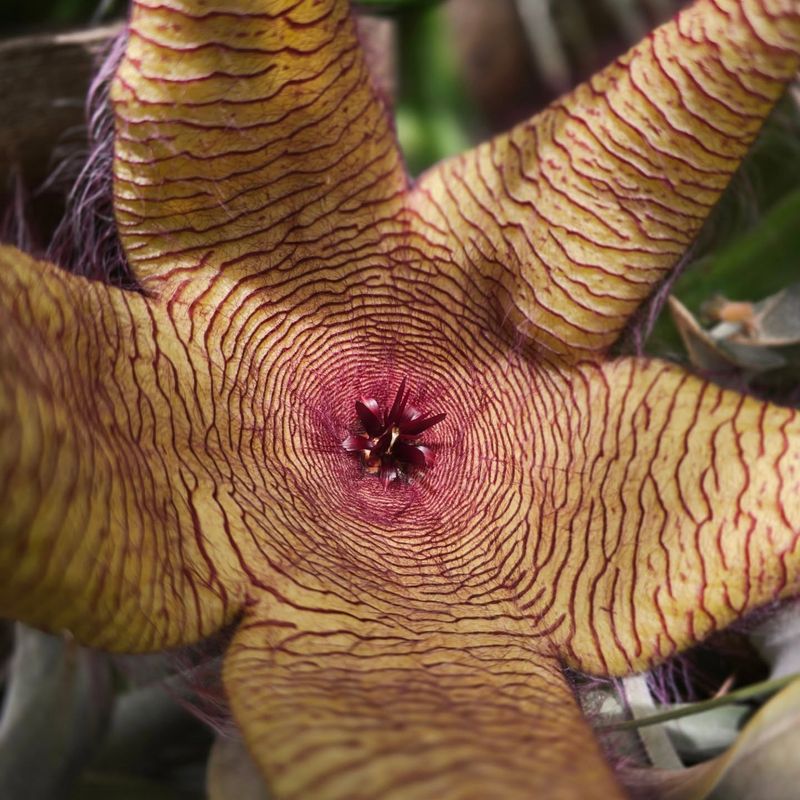
Starfish flowers earn their name from five-pointed blooms covered in fuzzy hairs and wild patterns that look extraterrestrial rather than botanical in origin.
The flowers smell like rotting meat attracting flies for pollination which sounds gross but makes them fascinating conversation pieces for curious garden visitors.
California’s dry climate suits these African succulents perfectly since they need infrequent watering and tolerate heat that wilts more delicate flowering plants quickly.
Blooms measure four to twelve inches across depending on species with colors ranging from yellow to deep burgundy often marked with stripes.
The hairy texture and bizarre coloring create an almost reptilian appearance that looks more alive than typical smooth-petaled flowers in ordinary gardens.
Grow them in containers where you can move them during blooming periods since the odor might not appeal to everyone sitting nearby.
Despite the smell the visual impact is undeniable making them popular among collectors who appreciate nature’s stranger creations and unconventional beauty standards.
Cactus soil and bright indirect light keep them healthy with minimal effort required from busy gardeners who want maximum impact easily.
6. Sea Holly (Eryngium)
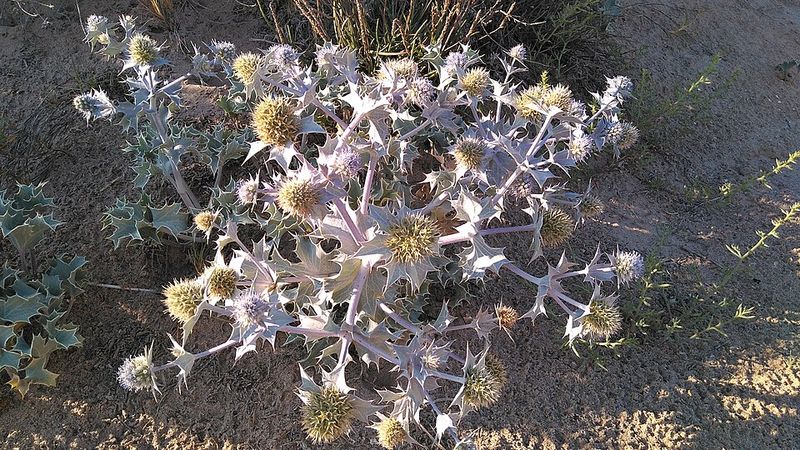
Metallic blue flowers surrounded by spiky silver bracts create an architectural masterpiece that seems forged from alien metals rather than grown organically.
The entire plant including stems and leaves takes on a silvery blue sheen that intensifies in bright sunlight making it glow ethereally.
California coastal gardens provide perfect conditions with full sun and well-drained soil that prevents root problems common in heavier clay ground.
Each flower head resembles a tiny medieval weapon or futuristic device covered in protective spines that deter browsing animals from damaging them.
The blooms dry beautifully keeping their color and structure for months in arrangements bringing that otherworldly quality indoors throughout winter months.
Butterflies and bees love the nectar despite the intimidating appearance making them excellent pollinator plants that support local ecosystems while looking spectacular.
Multiple species exist ranging from six inches to four feet tall offering options for borders, containers, or dramatic back-of-border placements.
Once established they tolerate drought remarkably well requiring little maintenance beyond occasional deadheading to encourage more blooms throughout the long growing season.
7. Chocolate Cosmos
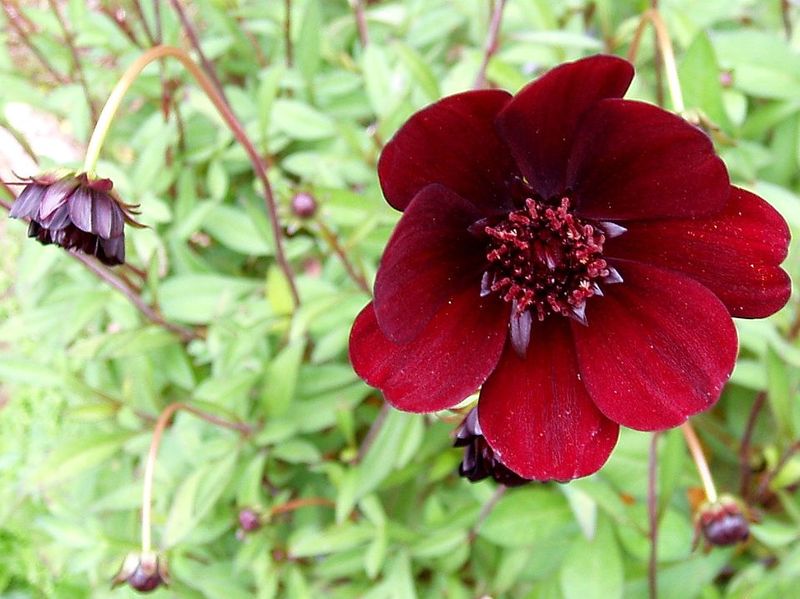
Dark burgundy petals so deep they appear almost black create an unsettling beauty that seems plucked from gothic science fiction rather than Earth.
The flowers actually smell like chocolate on warm days adding another dimension to their alien appeal that surprises everyone who leans in close.
Originally from Mexico these perennials thrive in California gardens with afternoon shade protecting them from intense summer heat that fades the blooms.
The velvety texture of petals absorbs light rather than reflecting it creating an almost supernatural depth of color that photographs struggle to capture.
Growing them from tubers similar to dahlias means you can lift and store them in colder areas though many California zones allow overwintering.
The combination of dark color and sweet scent creates cognitive dissonance that makes people question what they are experiencing in your garden.
Pair them with silver foliage plants for maximum contrast that highlights their otherworldly darkness against lighter backgrounds in striking compositions.
Regular deadheading encourages continuous blooming from summer through fall providing months of this unusual beauty that never fails to start conversations among visitors.
8. String of Dolphins (Senecio peregrinus)
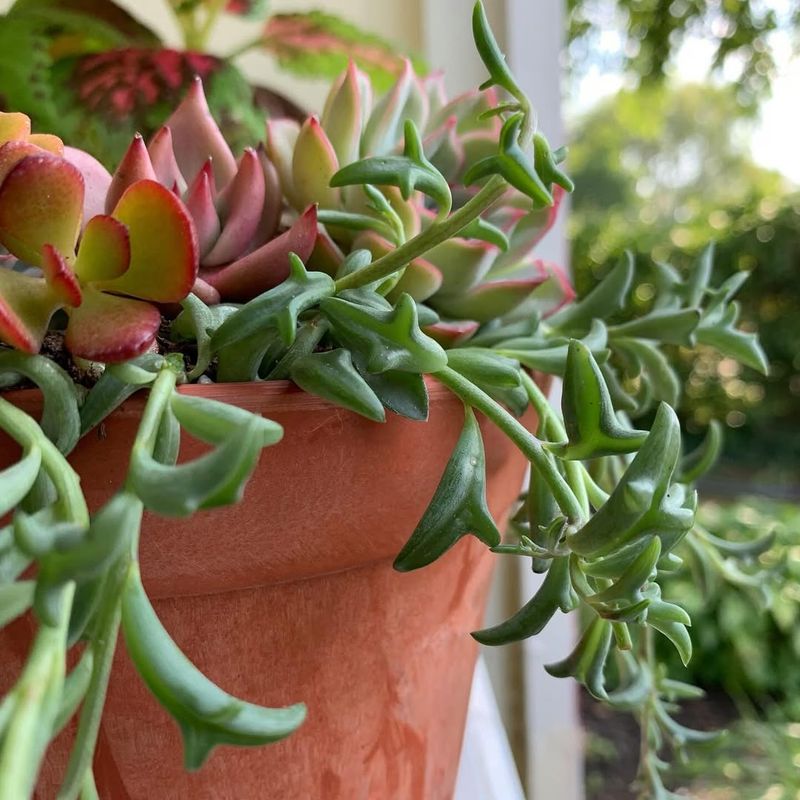
Leaves shaped exactly like tiny leaping dolphins create one of nature’s most delightful optical illusions that seems too perfect to be real.
Each leaf curves with a dorsal fin and nose creating miniature marine mammals frozen mid-jump along trailing stems up to three feet long.
California’s mild climate allows outdoor growing in many areas though most gardeners keep them in containers where they cascade over edges beautifully.
The succulent nature means they store water in those dolphin-shaped leaves requiring infrequent watering that suits busy lifestyles and forgetful gardeners perfectly.
Occasional white flowers appear on tall stems but the real attraction remains those impossibly shaped leaves that look designed rather than evolved naturally.
Bright indirect light prevents sunburn while encouraging compact growth that keeps the dolphin shapes pronounced and recognizable to amazed observers below them.
Propagation happens easily from stem cuttings allowing you to share this conversation starter with friends who cannot believe such plants actually exist.
Children especially love these plants making them perfect for teaching kids about plant diversity and encouraging young gardeners to explore botanical oddities.
9. Kangaroo Paw (Anigozanthos)
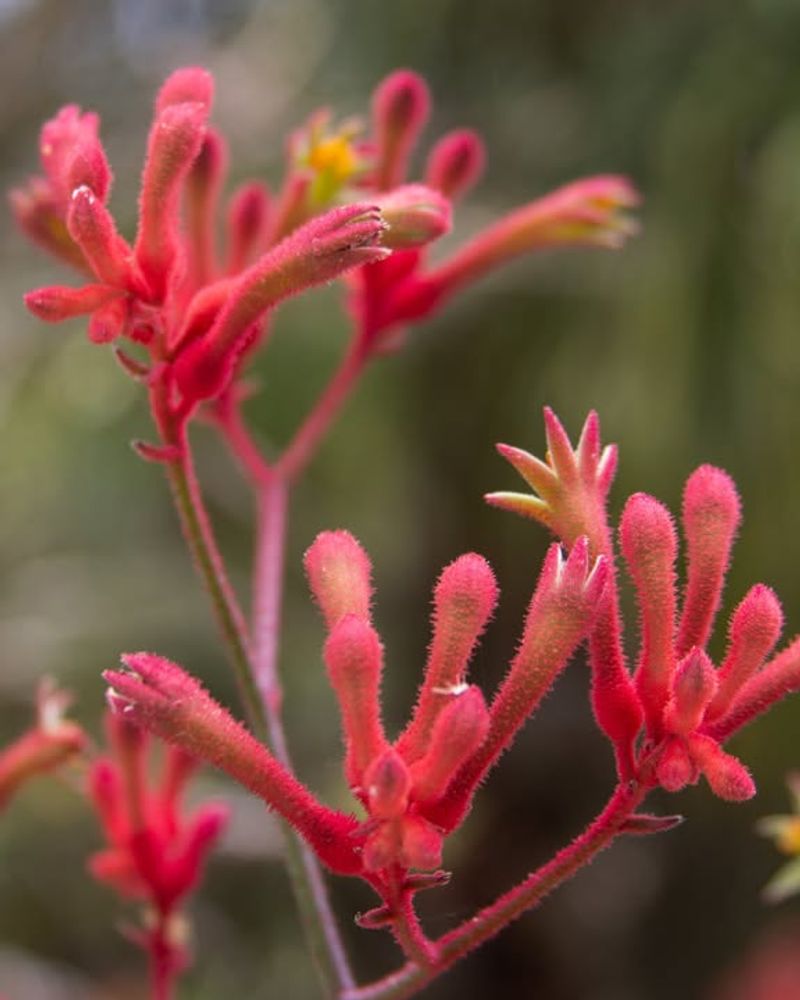
Fuzzy tubular flowers cluster at stem tips resembling actual kangaroo paws complete with claw-like projections that inspired the common name perfectly.
The velvety coating covering flowers and stems creates an unusual texture that begs to be touched though hummingbirds appreciate them more than humans.
Australian natives adapted beautifully to California’s similar climate thriving in full sun with moderate water once roots establish themselves in garden beds.
Colors include red, yellow, orange, pink, and green with some varieties combining multiple shades in striking patterns that command attention from across yards.
Tall stems rise two to six feet depending on variety making them excellent vertical elements in landscape designs that need height without bulk.
The flowers last for weeks providing long-lasting color in gardens and cut arrangements that maintain their alien appearance even after harvesting from plants.
Divide clumps every few years to maintain vigor and prevent overcrowding that reduces flowering and overall plant health in established garden locations.
Deer and rabbits usually avoid them making them practical choices for areas where wildlife browsing destroys more palatable plants regularly throughout seasons.
10. Black Bat Flower (Tacca chantrieri)
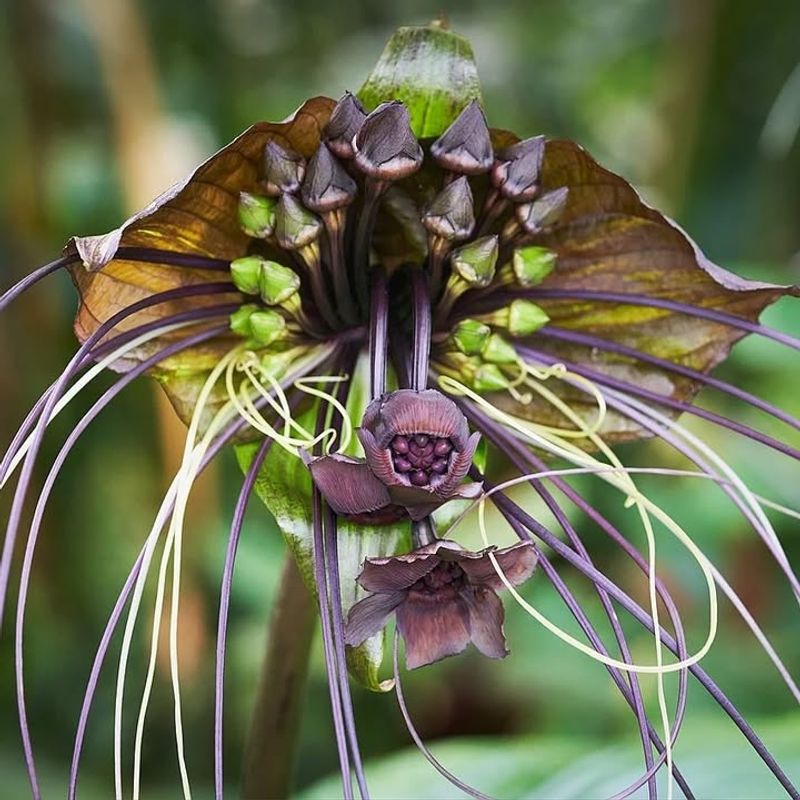
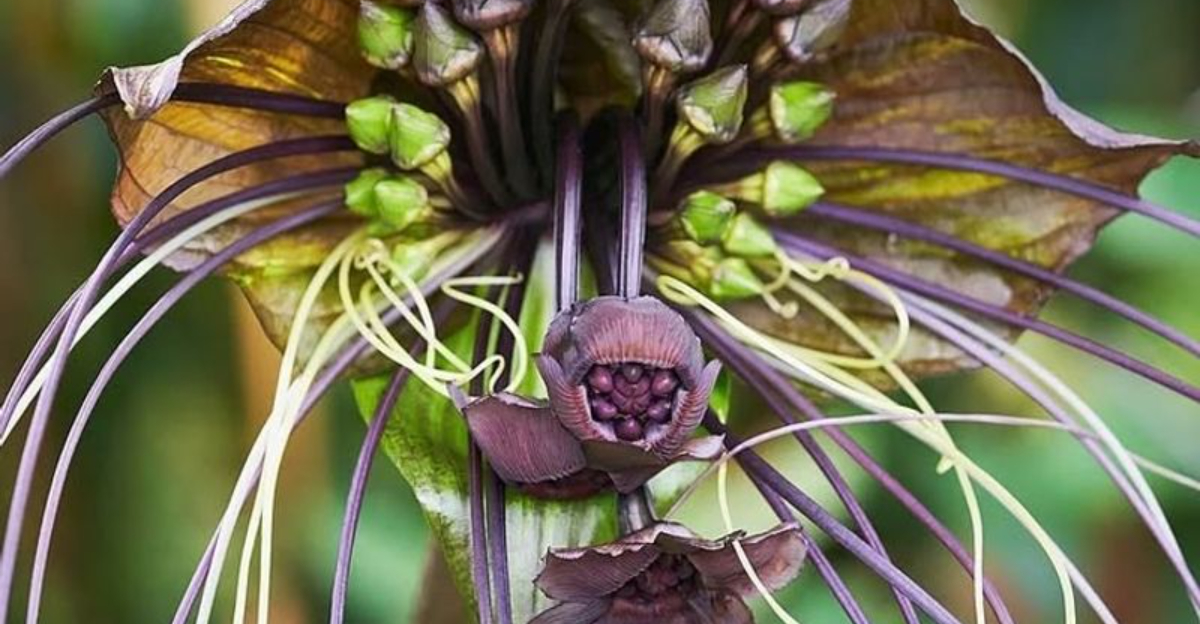
Enormous black flowers with wing-shaped bracts and whisker-like filaments stretching two feet long create the most dramatic alien appearance in any garden.
The dark purple-black coloring absorbs light giving flowers an almost supernatural presence especially in shaded areas where they prefer growing naturally.
California gardeners in warmer zones can grow them outdoors in protected spots with high humidity and shade mimicking their tropical rainforest origins.
Long threadlike bracteoles dangle beneath flowers like bizarre tentacles or whiskers giving the entire plant an animated quality that seems almost alive.
The blooms emerge from large tropical leaves creating a layered effect that adds to the otherworldly atmosphere in garden corners and containers.
They challenge even experienced gardeners requiring specific conditions including consistent moisture, warmth, and protection from direct sun that burns delicate tissues quickly.
Successfully growing them earns serious bragging rights among plant enthusiasts who appreciate rare and difficult species that reward patience with incredible displays.
The flowers last several weeks creating extended periods of gothic beauty that transforms ordinary shaded spots into mysterious alien landscapes visitors remember forever.