10 Garden Ideas That Need Little Care In Arizona’s Dry Climate
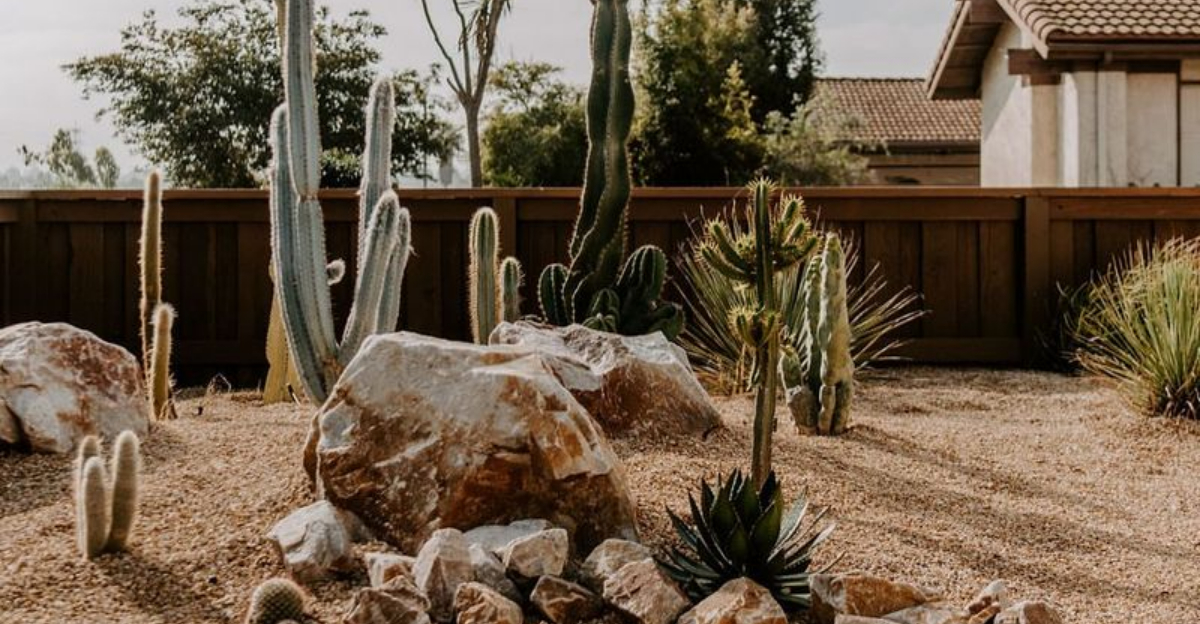
Arizona gardens play by desert rules, where sun rules the sky and water counts every drop.
High effort fades fast in this climate, but smart design holds its ground.
With the right choices, a yard can look sharp without constant fuss or daily duty.
Think plants that tough it out, surfaces that beat the heat, and layouts that work smarter, not harder.
Beauty does not need babysitting to thrive under wide skies.
These ideas cut upkeep to the bone while keeping curb appeal alive and well.
Trade endless chores for shade, texture, and calm.
In a land where resilience wins, a low-care garden turns survival into style and leaves time to enjoy the view.
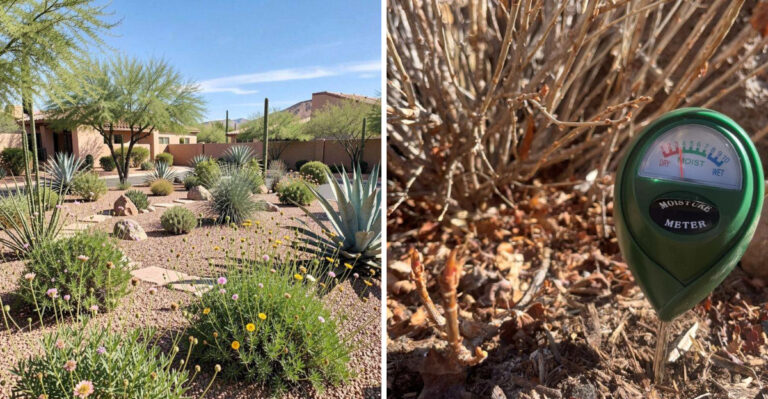
1. Xeriscaping With Native Desert Plants

Native plants evolved over thousands of years to thrive in Arizona’s challenging conditions without human intervention.
Palo verde trees provide gorgeous yellow blooms each spring while requiring almost no supplemental watering once established.
Desert marigolds, brittlebush, and fairy duster add pops of color throughout the year with minimal effort from you.
These plants already know how to survive scorching summers and occasional freezes because they originated right here.
Their root systems naturally seek moisture deep underground, so you won’t spend hours dragging hoses around your yard.
Native varieties also support local wildlife like hummingbirds, butterflies, and beneficial insects that help your entire garden ecosystem.
Planting them means fewer pest problems since they’ve developed natural defenses over centuries.
Installation is straightforward—just dig a hole, add the plant, and water occasionally during the first season.
After that initial period, most native plants become completely self-sufficient.
Your maintenance routine shrinks to occasional pruning and enjoying the natural beauty.
Xeriscaping with natives saves thousands of gallons of water annually compared to traditional grass lawns.
Plus, many Arizona cities offer rebates for replacing thirsty turf with water-wise native landscaping, putting money back in your pocket.
2. Succulent And Cactus Gardens
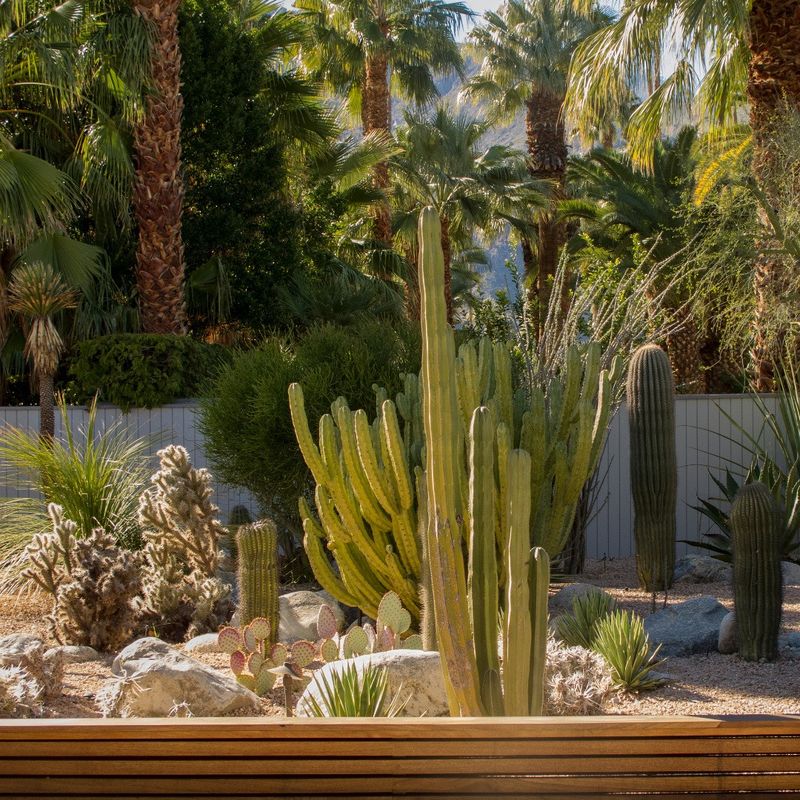
Succulents store water in their thick leaves and stems, making them champions of drought tolerance.
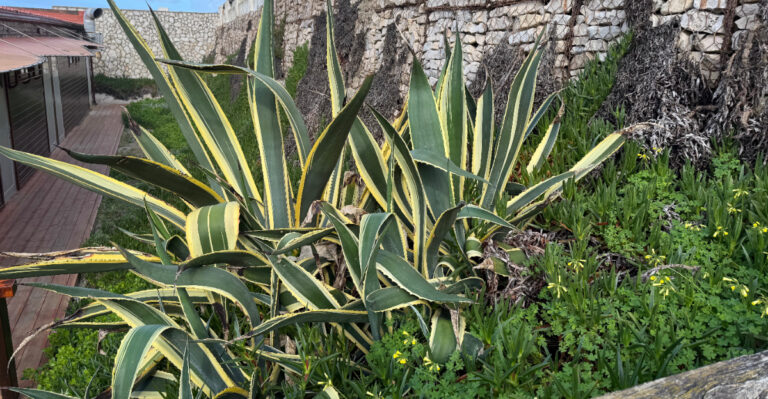
Agaves create dramatic focal points with their sculptural rosettes and come in sizes from tiny to enormous.
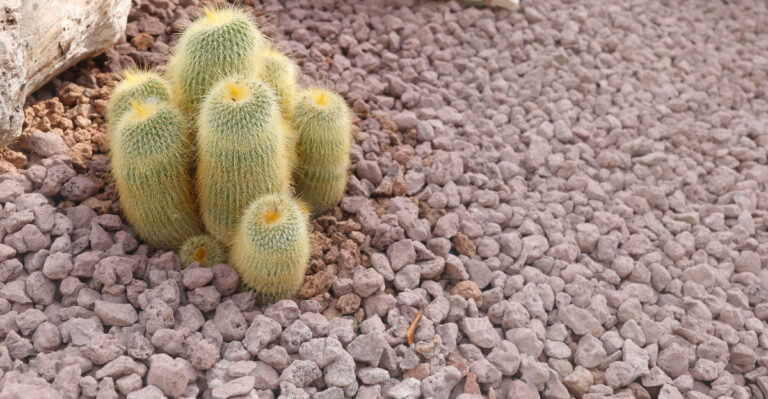
Golden barrel cactus adds round, cheerful shapes that contrast beautifully with spiky varieties.
Aloe vera not only looks attractive but also provides soothing gel for minor burns and skin irritations.
Echeverias form perfect geometric patterns and produce delicate flowers on tall stalks.
These plants practically thrive on neglect, preferring infrequent deep watering over constant attention.
Overwatering actually harms them more than forgetting to water for weeks.
Arrange different heights, colors, and textures together for visual interest without the fuss of annual replanting.
Many succulents produce offsets or pups that you can easily transplant to expand your collection for free.
Their shallow root systems mean you can plant them in containers, raised beds, or directly in the ground with equal success.
Pests rarely bother these tough plants, and diseases are uncommon when drainage is adequate.
A thick layer of gravel or decomposed granite around them prevents weeds and reflects heat upward, creating the perfect microclimate.
3. Rock Gardens With Decorative Boulders
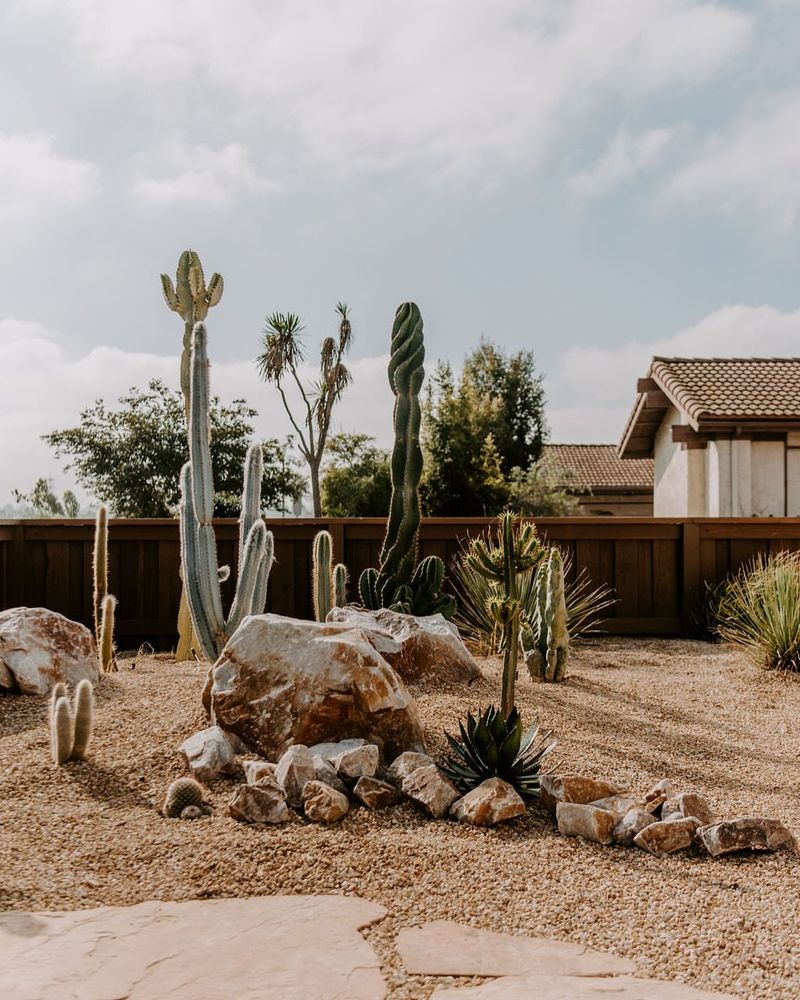
Boulders never need watering, never grow out of bounds, and always look exactly as you intended.
Large rocks create permanent structure and visual anchors that define your garden spaces year-round.
Smaller river rocks fill gaps between plants and suppress weeds while allowing rainwater to penetrate the soil.
The variety of colors available—from warm reds and oranges to cool grays—complements any home exterior.
Placing boulders strategically creates natural-looking elevation changes and interesting sight lines throughout your yard.
Rock gardens work especially well on slopes where traditional planting proves difficult and erosion becomes problematic.
Once installed, these features remain beautiful indefinitely without pruning, fertilizing, or replacing.
Tuck drought-tolerant plants between rocks for softness and seasonal interest without overwhelming your low-maintenance vision.
Desert wildflowers can nestle in rock crevices, creating the appearance of a natural canyon landscape.
Heat-loving lizards and beneficial insects often make homes among the stones, adding life and natural pest control.
Properly placed rocks also provide afternoon shade for more delicate plants positioned on their eastern sides.
This design approach celebrates Arizona’s natural desert beauty rather than fighting against it with imported landscaping styles.
4. Gravel And Decomposed Granite Ground Cover
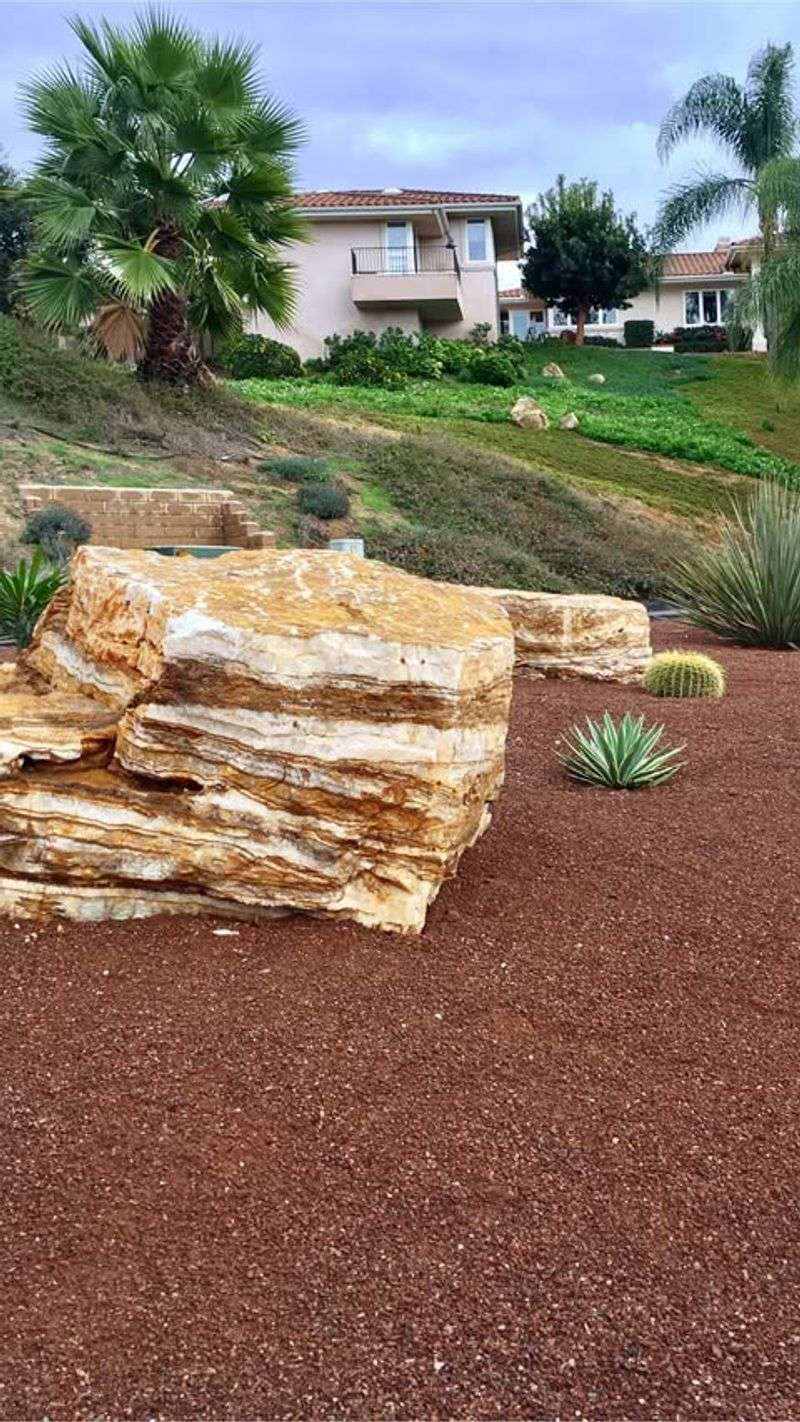
Forget mowing, edging, and constant watering that grass demands in the desert.
Decomposed granite compacts into a stable, natural-looking surface that complements desert architecture beautifully.
This crushed stone material comes in various earth tones that blend seamlessly with Arizona’s natural surroundings.
Walking on it feels firm and comfortable, making it perfect for pathways, patios, and entire yard surfaces.
Installation takes just a weekend for most residential spaces—spread it evenly, wet it down, and compact it with a roller.
Weeds struggle to establish in properly installed decomposed granite, especially when you add landscape fabric underneath.
Unlike solid concrete or pavers, this permeable surface allows rainwater to soak into the ground naturally.
That permeability means you’re recharging groundwater supplies instead of sending precious rainfall into storm drains.
Maintenance involves occasionally adding fresh material to high-traffic areas and raking it smooth.
Larger decorative gravel mixed throughout adds textural variety and prevents the monotony of a single material.
Both options stay cool underfoot compared to dark asphalt and reflect less heat than bare soil.
Your water bill drops dramatically when you replace even a portion of thirsty grass with these attractive, practical alternatives.
5. Shade Structures With Climbing Vines
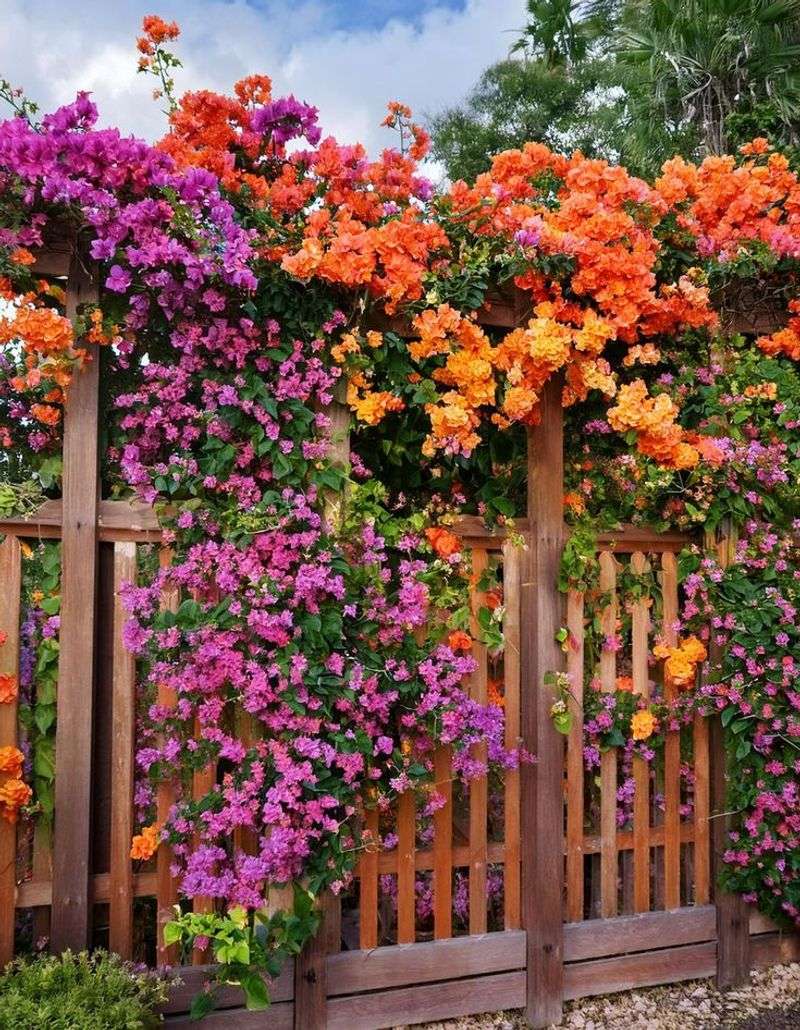
Pergolas and ramadas provide architectural interest while creating comfortable outdoor living spaces in intense Arizona heat.
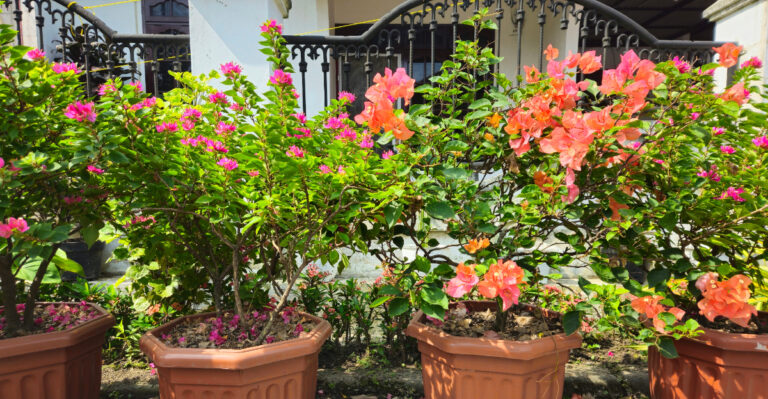
Bougainvillea thrives in our climate, producing cascades of papery bracts in magenta, orange, red, or white.
Once established, this vigorous vine needs watering only once or twice monthly during summer.
Queen’s wreath offers fragrant purple flower clusters that attract butterflies and hummingbirds throughout warm months.
Both vines grow quickly to cover structures, providing dappled shade that makes patios usable even in July.
Training them onto overhead beams creates a living roof that cools the area beneath naturally.
Unlike solid covers, vine-covered structures allow breezes to flow through while blocking harsh afternoon sun.
Maintenance involves occasional pruning to control growth and remove spent blooms, tasks requiring just minutes monthly.
These plants actually perform better with some neglect—too much attention leads to excessive leafy growth with fewer flowers.
Wooden or metal frames become stunning focal points that add property value and expand usable living space.
Position seating underneath to enjoy morning coffee or evening gatherings in comfort.
The combination of permanent structure and adaptable plants gives you flexibility to adjust coverage as vines mature.
6. Container Gardens With Drought-Resistant Plants
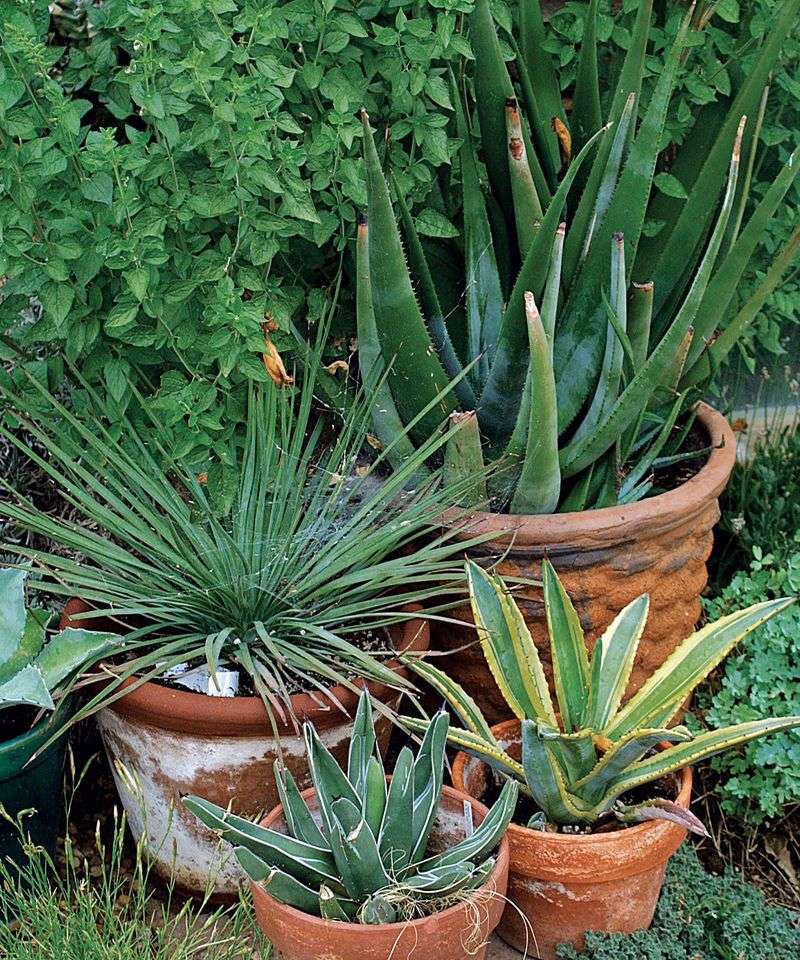
Pots and planters bring flexibility to desert gardening since you can move them as seasons change or your design evolves.
Terracotta containers complement Southwestern architecture while allowing soil to breathe and excess moisture to evaporate.
Herbs like rosemary, oregano, and thyme tolerate heat beautifully and provide fresh flavors for your kitchen.
Lavender fills the air with soothing fragrance while attracting pollinators and deterring unwanted pests.
Smaller succulents and cacti thrive in shallow containers near entryways, adding welcoming color without demanding attention.
Group containers of varying heights and sizes to create dimension on patios, porches, or balconies.
This approach works perfectly for renters or anyone wanting to test plants before committing to in-ground installation.
Drainage holes are essential—plants in Arizona containers rarely suffer from too little water but often from too much.
Adding gravel to the bottom layer improves drainage and prevents root problems.
Position pots where they’ll receive appropriate sun exposure for each specific plant variety.
During extreme heat waves, you can temporarily move sensitive containers to shadier locations.
Refreshing your container displays seasonally takes minimal time compared to replanting entire garden beds.
7. Desert-Adapted Ornamental Grasses
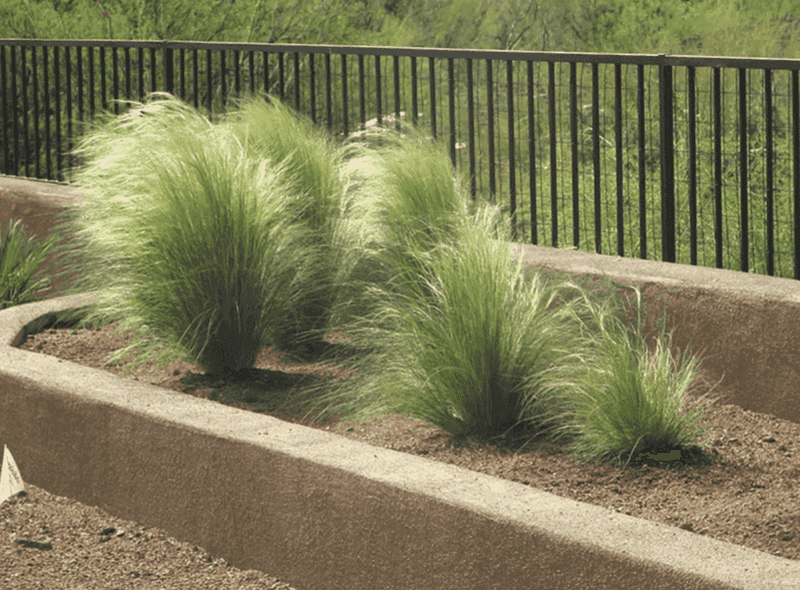
Graceful movement and soft textures come from ornamental grasses perfectly suited to Arizona conditions.
Mexican feather grass creates flowing golden waves that dance with every breeze, adding motion to static landscapes.
Deer grass forms neat, fountain-like clumps of fine green blades topped with airy seed heads.
These grasses need only occasional watering once their roots establish, typically within the first growing season.
Their wispy appearance softens hard edges of rocks, walls, and architectural features without requiring constant shaping.
Unlike lawn grass, ornamental varieties need cutting back just once yearly, usually in late winter before new growth emerges.
That single annual trim takes minutes per plant and keeps them looking fresh and full.
Many varieties turn beautiful golden or bronze shades in cooler months, providing winter interest when other plants rest.
Seed heads attract small birds that enjoy both the seeds and insects hiding within the foliage.
Plant them in drifts for naturalistic effect or use individual clumps as specimens among boulders.
Their deep root systems help prevent soil erosion on slopes while requiring no fertilizer or pest control.
The rustling sound they make in wind adds sensory appeal that solid plantings cannot match.
8. Mulched Garden Beds With Perennials
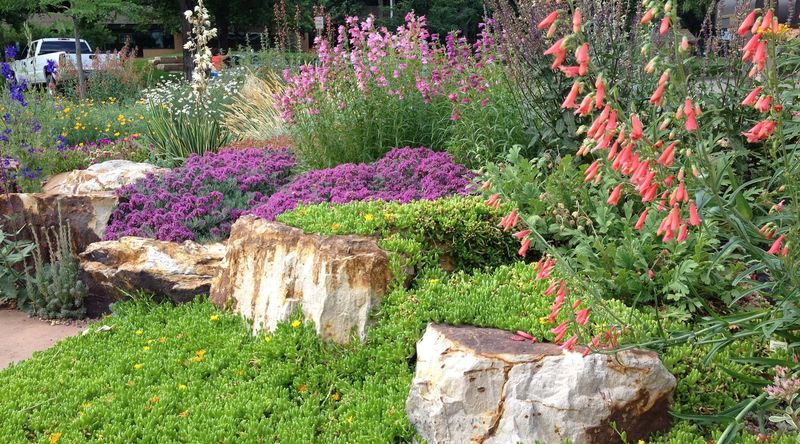
Thick mulch layers act like insulation, keeping soil cooler in summer and warmer in winter while dramatically reducing water evaporation.
Organic mulches like shredded bark or wood chips break down gradually, enriching soil as they decompose.
This natural process means you’re building better soil every year without hauling in amendments or fertilizers.
Desert perennials such as penstemon, salvia, and globe mallow bloom reliably year after year without replanting.
Their root systems grow stronger each season, eventually requiring no supplemental irrigation except during extreme drought.
Mulch suppresses weeds by blocking sunlight from reaching weed seeds, saving you hours of tedious pulling and spraying.
Apply mulch three to four inches deep around plants, keeping it slightly away from stems to prevent moisture problems.
Replenish the layer annually as it breaks down, a simple task that takes far less time than traditional garden maintenance.
The dark color of many mulches creates attractive contrast with lighter-colored plants and decorative rocks.
Perennials provide changing displays as different varieties bloom throughout the year, keeping your garden interesting.
Many attract hummingbirds and butterflies, bringing life and movement to your outdoor spaces.
This combination of mulch and perennials creates a self-sustaining system that improves with age.
9. Artificial Turf For High-Use Areas
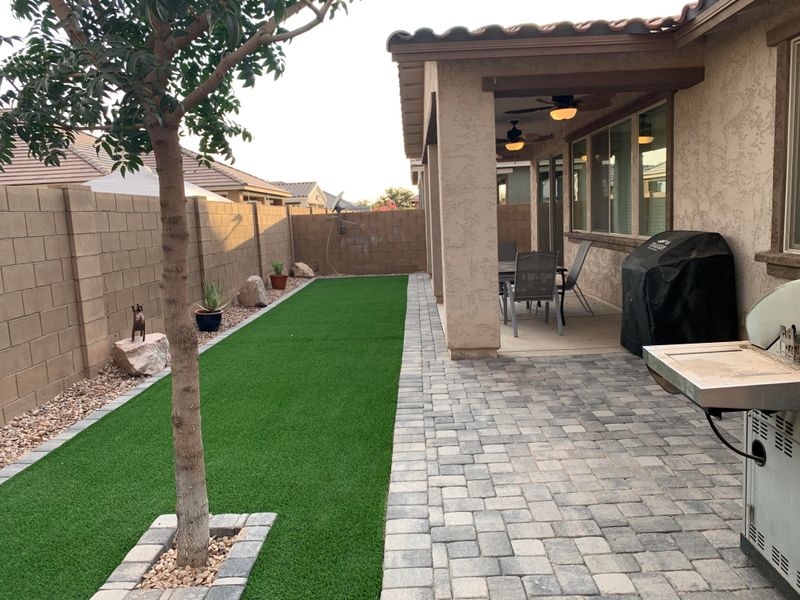
Modern synthetic grass looks remarkably realistic while eliminating mowing, fertilizing, and the enormous water consumption of natural lawns.
High-quality products feel soft underfoot and drain efficiently, preventing puddles even during monsoon downpours.
Families with children or pets appreciate having a designated play area that stays green and clean year-round.
Installation involves removing existing surface, adding proper base materials, and securing the turf with specialized techniques.
While upfront costs exceed natural grass, you’ll recover the investment through eliminated water bills and maintenance expenses.
Many homeowners choose artificial turf for small sections like dog runs or putting greens rather than entire yards.
This targeted approach gives you functional green space without abandoning water-wise principles for the whole property.
Quality products now include cooling technologies that reduce surface temperatures on hot days.
Occasional rinsing and brushing keeps the blades upright and removes debris—far easier than lawn care.
Pet waste cleanup becomes simpler on artificial surfaces that don’t develop muddy patches or brown spots.
The consistent appearance means your yard always looks maintained even when you’re traveling or busy with other priorities.
Combining small turf areas with surrounding desert landscaping creates practical outdoor spaces while respecting Arizona’s environmental realities.
10. Rain Gardens And Dry Creek Beds
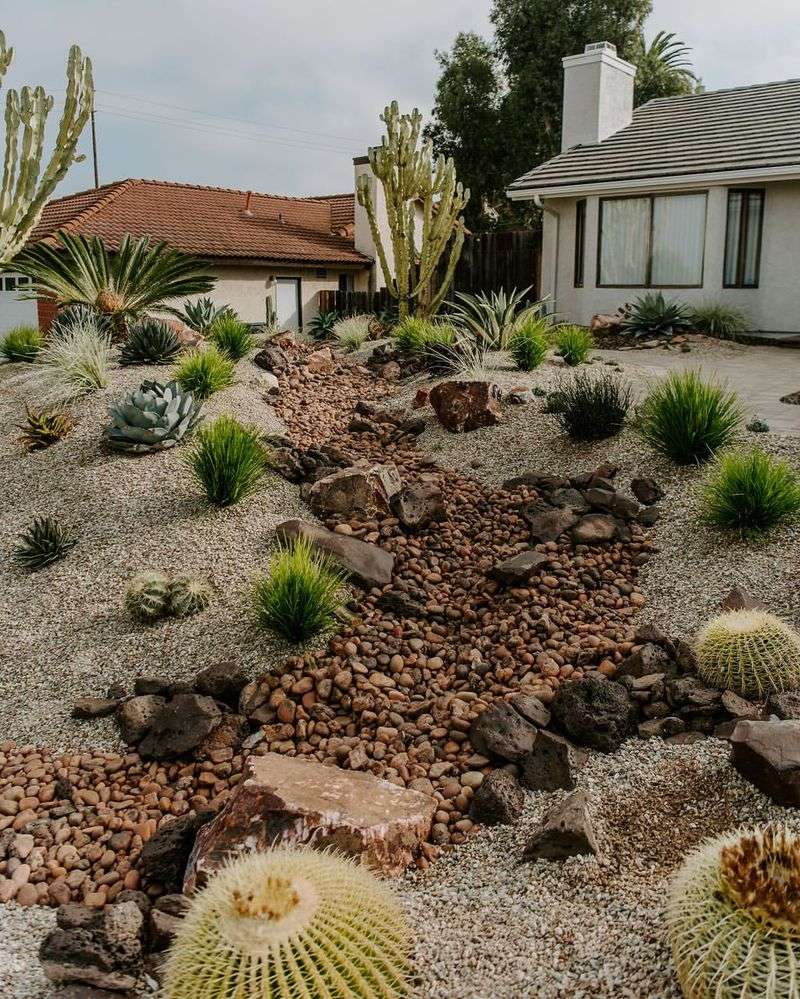
Monsoon storms dump impressive amounts of rain in short periods, creating runoff that typically rushes away unused.
Dry creek beds channel that water through your landscape, allowing it to soak in rather than erode soil or flood problem areas.
Design these features to mimic natural desert washes, using various rock sizes arranged in meandering patterns.
Plant moisture-loving native species along the edges where water occasionally flows, creating microhabitats that need no supplemental irrigation.
During dry periods, creek beds remain attractive landscape features that add visual interest and natural character.
When storms arrive, they transform into functional drainage systems that protect your property while harvesting precious water.
Rain gardens are slight depressions planted with species that tolerate both periodic flooding and long dry spells.
Position them where downspouts or natural drainage patterns direct water, maximizing the moisture captured from your roof and hardscapes.
These features reduce strain on municipal storm systems while recharging underground aquifers.
Both approaches work with Arizona’s extreme weather patterns instead of fighting them with pipes and pumps.
Maintenance involves occasional rock rearrangement after major storms and removing debris that washes in.
The result is a landscape that functions as part of the natural desert ecosystem, beautiful and practical in equal measure.