7 Garden Installations That Could Soon Be Banned In California
California gardens are changing, and not just because of new plants or design trends.
Across the state, cities and counties are starting to take a closer look at what people build and place in their yards.
From certain structures to popular outdoor features, some garden installations are now being questioned for safety, water use, and environmental impact.
What was once allowed or even encouraged may soon come with new limits or rules that surprise many homeowners.
For people who love their outdoor spaces, this can feel confusing and even frustrating.
A garden is often a place to relax, express creativity, and add value to a home.
But as California deals with drought, wildlife protection, and neighborhood concerns, local leaders are making changes that affect what you can and cannot have in your yard.
Knowing which installations could be banned gives you a chance to plan ahead instead of being caught off guard.
Staying informed now can save you time, money, and stress later.
1. Traditional Grass Lawns
Sprawling green lawns have been the American dream for generations, but California lawmakers are increasingly viewing them as water-wasting relics of a bygone era.
With the state experiencing severe drought conditions year after year, traditional turf grass requires an enormous amount of water to stay green and healthy.
Studies show that residential lawns account for nearly half of all household water use in some California communities.
That staggering statistic has prompted legislators to consider restrictions on new grass lawn installations.
Several cities across California have already implemented their own local bans on decorative grass in new construction projects.
Las Vegas and parts of Southern California have offered cash incentives for homeowners to tear out their existing lawns and replace them with drought-tolerant alternatives.
The proposed statewide regulations would take these efforts even further by potentially prohibiting traditional grass lawns in new residential developments altogether.
Homeowners would need to choose water-wise landscaping options instead.
Alternatives like artificial turf, native ground covers, and xeriscaping are becoming increasingly popular throughout the state.
These options require little to no watering once established and can actually look quite beautiful when designed thoughtfully.
Many California residents have discovered that removing their grass lawns has actually reduced their maintenance time and costs.
While some people worry about losing that classic green yard aesthetic, the environmental benefits and water savings make this potential ban one of the most likely to pass in the coming years.
2. Decorative Water Fountains
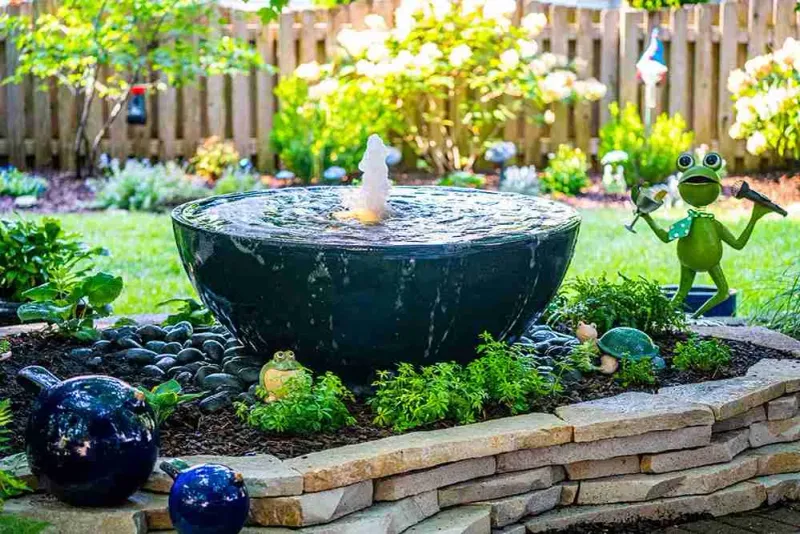
Nothing adds elegance to a garden quite like the soothing sound of flowing water from a decorative fountain.
Californians have long enjoyed these beautiful features in their yards, patios, and entryways.
However, the ongoing water crisis has put these ornamental installations directly in the crosshairs of conservation-minded legislators.
Even though many modern fountains recirculate water rather than constantly using fresh supplies, they still lose significant amounts through evaporation, especially during California’s hot, dry summers.
Proposed regulations would target purely decorative water features that serve no functional purpose beyond aesthetics.
This means your beautiful tiered fountain or bubbling rock feature could become illegal to install or even maintain.
Some municipalities are already requiring permits for any new water feature installation, and several have banned them entirely in commercial landscaping projects.
The logic behind these restrictions is straightforward: when water is scarce, every drop counts, and decorative fountains represent a luxury the state can no longer afford.
Homeowners who already have fountains might be grandfathered in under certain proposals, but adding new ones could become impossible.
The good news is that some alternatives exist, including solar-powered fountains with minimal water loss and dry fountain designs that create visual interest without using any water at all.
California garden designers are getting creative with sculptures, wind chimes, and other decorative elements that provide focal points without requiring precious water resources.
As climate change continues to impact water availability, expect these restrictions to become more widespread across the state.
3. Gas-Powered Lawn Equipment Storage Sheds
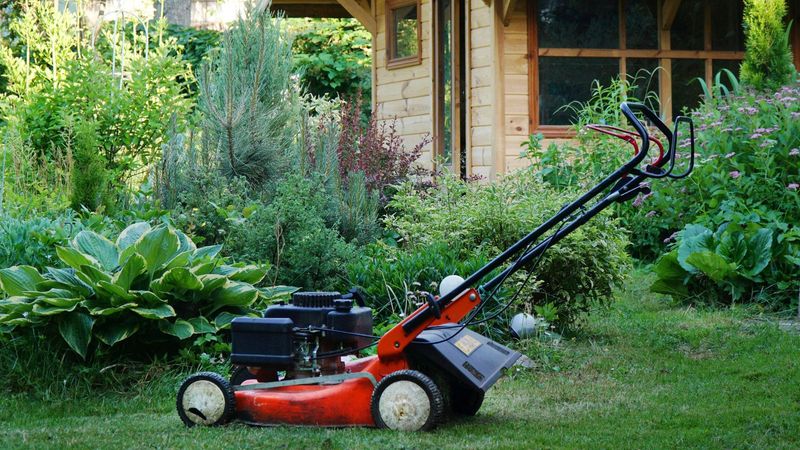
Your garden shed might seem like an innocent storage solution, but California’s aggressive push toward carbon neutrality could make certain types of outdoor storage structures problematic.
The state has already banned the sale of new gas-powered lawn equipment starting in 2024, and some proposed regulations would go further by restricting structures specifically designed to house gas-powered tools and machinery.
This might sound extreme, but it is part of California’s comprehensive strategy to reduce emissions and improve air quality across the state.
Gas-powered mowers, blowers, and trimmers produce surprisingly high levels of pollution.
A single hour of operating a gas lawn mower can emit as much smog-forming pollution as driving a new car for over 100 miles.
California regulators argue that eliminating not just the equipment but also the infrastructure that supports it sends a clear message about the state’s environmental priorities.
Sheds marketed specifically for gas equipment storage could face restrictions, though general storage buildings would likely remain legal.
Transitioning to electric lawn equipment has become much easier in recent years thanks to improved battery technology.
Modern electric mowers and trimmers deliver power comparable to gas models without the noise, fumes, or maintenance headaches.
California offers rebates and incentives for residents who switch to electric equipment, making the transition more affordable.
Storage needs also become simpler since electric tools take up less space and do not require ventilation for gas fumes.
While this potential restriction might seem unusual, it reflects California’s commitment to addressing climate change through comprehensive policy changes that touch every aspect of daily life, including what we keep in our backyard sheds.
4. Concrete And Impermeable Hardscaping
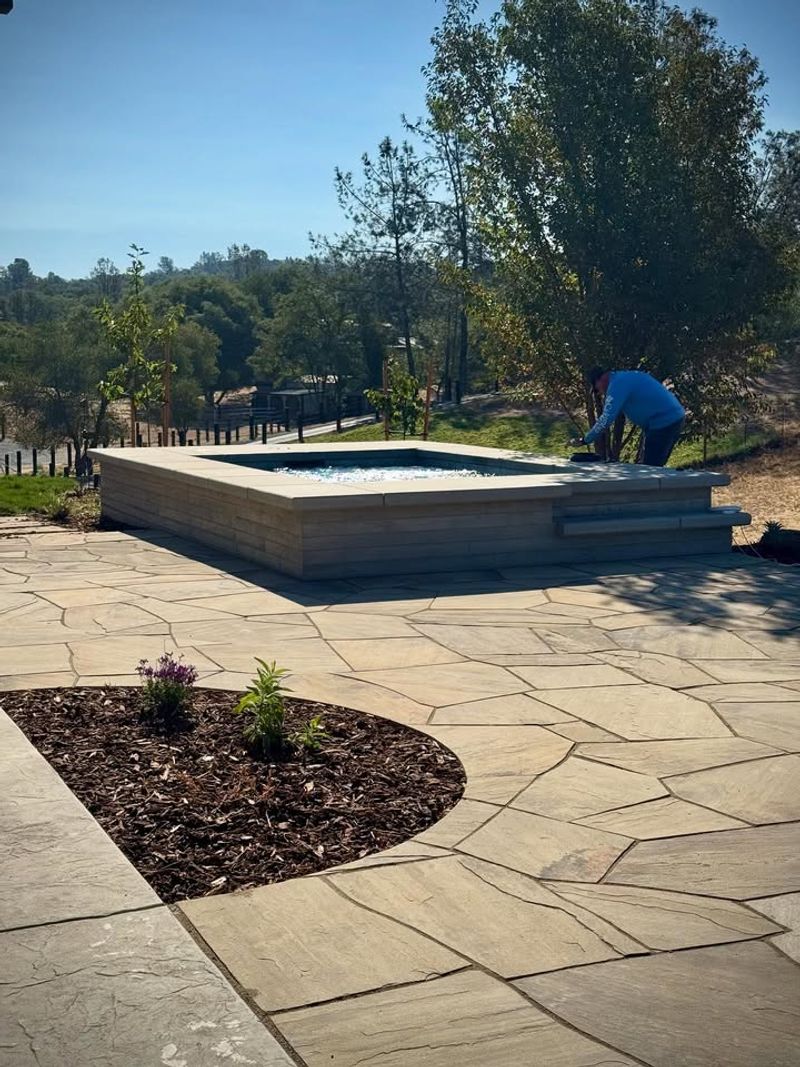
Patios, walkways, and driveways make outdoor spaces more functional and attractive, but California regulators are taking a hard look at traditional concrete installations.
Large expanses of impermeable surfaces prevent rainwater from soaking into the ground, contributing to flooding, groundwater depletion, and increased runoff that carries pollutants into waterways.
As climate change brings more intense but less frequent rainfall to California, allowing water to percolate naturally into the soil becomes increasingly important for replenishing underground aquifers that communities depend on during dry periods.
New building codes being considered would limit the amount of impermeable hardscaping allowed on residential properties.
Some proposals would require permeable alternatives for a certain percentage of paved areas, while others might ban traditional concrete entirely for specific applications.
Cities like Los Angeles and San Francisco have already implemented stormwater management requirements that effectively discourage large concrete installations.
These regulations aim to create more sustainable urban environments where rainwater becomes a resource rather than a problem.
Fortunately, attractive alternatives exist that allow water infiltration while still providing solid, usable surfaces.
Permeable pavers, decomposed granite, and porous concrete allow water to pass through while supporting foot and vehicle traffic.
These materials often cost slightly more upfront but can save money over time by reducing drainage problems and helping homeowners comply with increasingly strict environmental regulations.
Many California landscape designers now specialize in beautiful hardscaping that meets both aesthetic and environmental goals.
As water management becomes more critical throughout the state, expect permeable paving requirements to spread from progressive cities to become standard practice across California.
5. Treated Wood Raised Beds
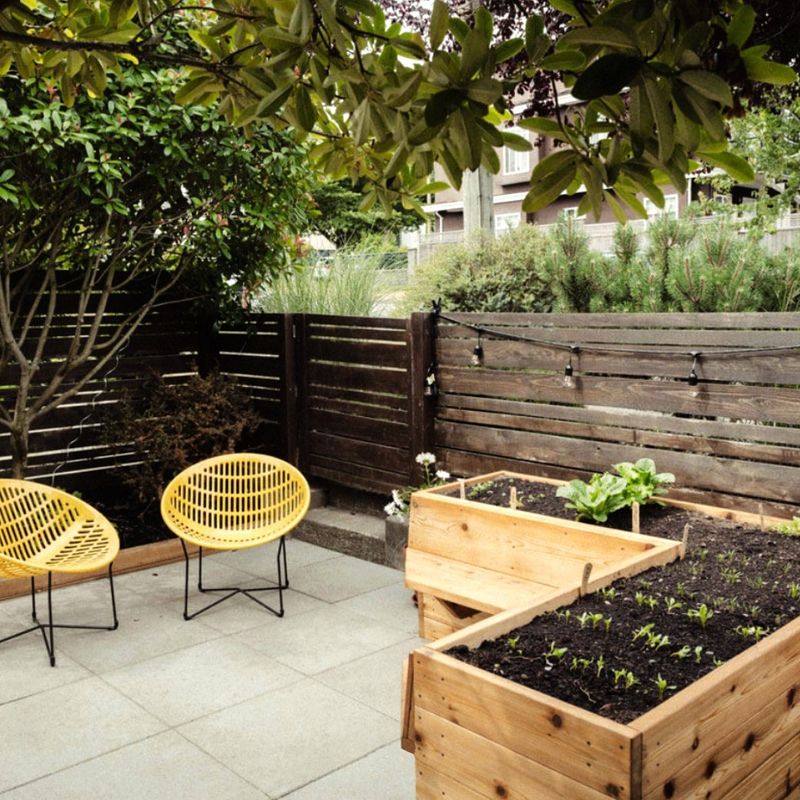
Raised bed gardening has exploded in popularity across California as more people embrace growing their own food.
However, not all raised beds are created equal, and the materials used to construct them have become a point of regulatory concern.
Pressure-treated lumber has been the go-to choice for many gardeners because it resists rot and lasts for years.
The problem is that the chemicals used to preserve this wood can leach into the soil, potentially contaminating vegetables and herbs that families will eventually eat.
California health and environmental agencies have been studying this issue closely.
Older treated wood contained arsenic compounds that posed serious health risks, and while modern treatments use different chemicals, concerns remain about copper and other preservatives migrating into garden soil.
Proposed regulations would prohibit using chemically treated wood for any garden structure where food will be grown.
This ban would apply to new installations, though existing beds might require replacement if testing reveals contamination.
California’s strong focus on organic food production and environmental health makes this type of restriction increasingly likely as scientific understanding of chemical leaching improves.
Safer alternatives for raised bed construction include naturally rot-resistant woods like cedar and redwood, which are actually more common in California than treated lumber.
Composite materials made from recycled plastic and wood fiber offer another durable, chemical-free option.
Metal raised beds made from galvanized steel or aluminum have also gained popularity for their longevity and modern aesthetic.
While these alternatives might cost more initially, they provide peace of mind that your homegrown tomatoes and lettuce are not absorbing potentially harmful chemicals.
For California gardeners committed to healthy, sustainable food production, switching to untreated materials makes sense regardless of potential regulations.
6. Automatic Sprinkler Systems Without Smart Controls
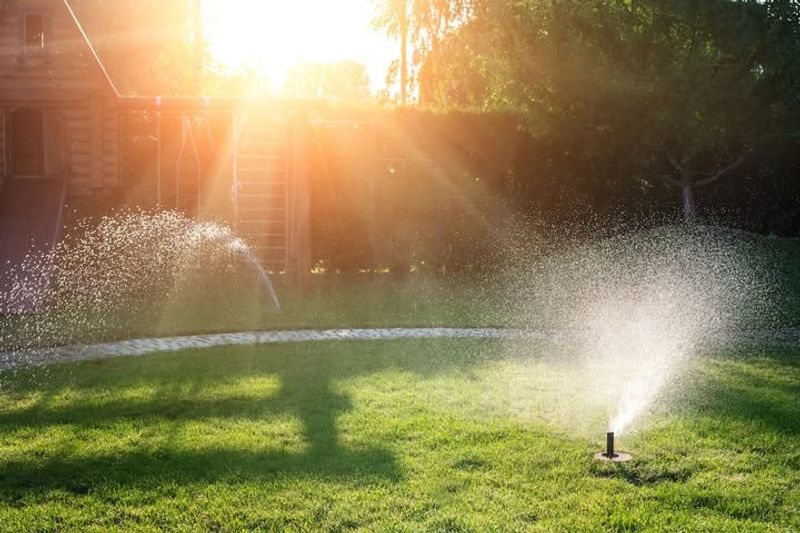
Remember when automatic sprinklers seemed like the height of garden technology?
Those days are rapidly coming to an end in California.
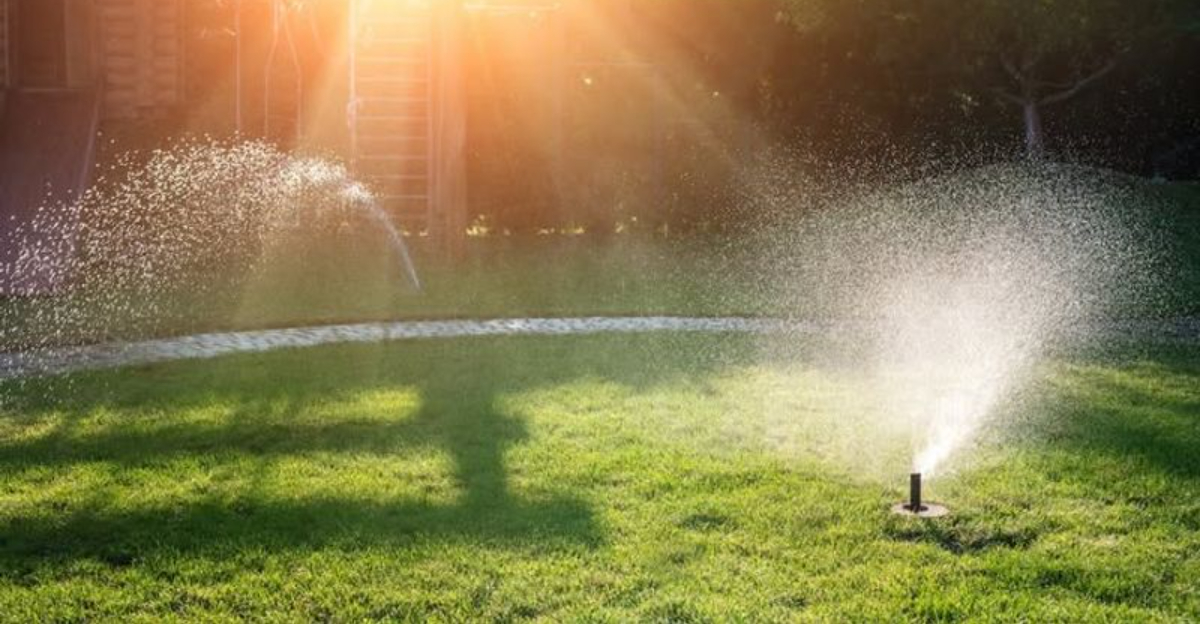
Traditional timer-based irrigation systems water on a fixed schedule regardless of weather conditions, meaning they often run during rainstorms or immediately after natural precipitation.
This wasteful approach has caught the attention of state water regulators who see enormous potential for conservation through smarter irrigation technology.
Millions of gallons of water are wasted annually by sprinkler systems that lack weather-responsive controls.
Proposed regulations would require all new irrigation installations to include smart controllers that adjust watering based on weather data, soil moisture levels, and plant needs.
Some versions of the legislation would even mandate retrofitting existing systems within a certain timeframe.
Several California water districts have already implemented similar requirements, offering rebates to help homeowners upgrade their irrigation systems.
The technology has become affordable and user-friendly, with many smart controllers connecting to home WiFi networks and providing control through smartphone apps.
Smart irrigation systems can reduce outdoor water use by 20 to 50 percent compared to traditional timers.
They automatically skip watering cycles when rain is forecast or detected, and they adjust run times seasonally as plant water needs change.
Many systems integrate with weather stations to provide hyperlocal data for optimal efficiency.
California homeowners who have upgraded report lower water bills and healthier landscapes since plants receive appropriate amounts of water rather than whatever the timer was arbitrarily set to deliver.
As water becomes increasingly precious in California, expect mandatory smart irrigation controls to become standard throughout the state within the next few years.
7. Outdoor Fire Pits And Fireplaces
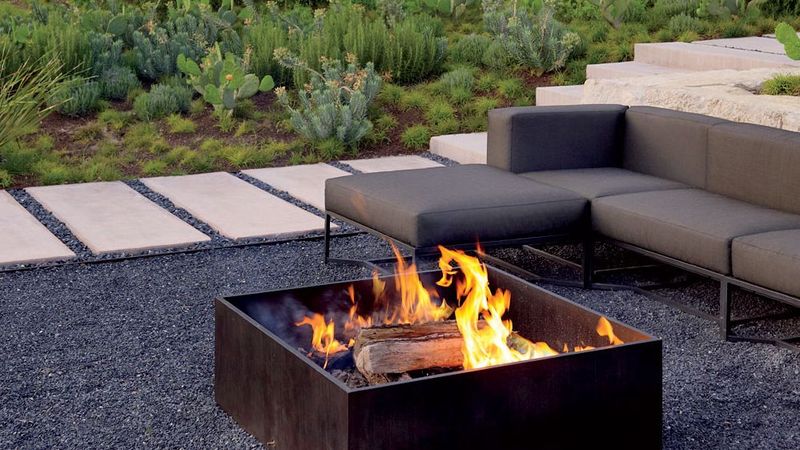
Gathering around a crackling fire on a cool California evening feels magical, but those cozy flames contribute to air quality problems that plague many parts of the state.
Wood-burning fire pits and outdoor fireplaces release particulate matter and smoke that worsen air pollution, particularly in valleys and basins where inversions trap pollutants close to the ground.
California already has some of the strictest air quality regulations in the nation, and outdoor recreational fires are increasingly being viewed as an unnecessary source of pollution that the state can no longer tolerate.
Some California communities have already banned wood-burning outdoor fire features entirely, while others restrict their use to certain times of year or require permits.
Proposed statewide regulations would prohibit new installations of wood-burning fire pits and fireplaces in residential settings.
Existing features might be grandfathered in but could face restrictions on when they can be used, especially during poor air quality days.
The regulations would likely exempt natural gas fire features, which produce significantly less pollution than wood-burning alternatives, though even gas features could face scrutiny as California pushes toward eliminating fossil fuel use in homes.
For Californians who love outdoor ambiance, alternatives exist that provide warmth and atmosphere without the smoke and pollution.
Natural gas and propane fire features offer instant flames without particulate emissions, and many modern designs look remarkably realistic.
Electric patio heaters and infrared heating elements provide warmth without any combustion at all.
Some creative homeowners are installing outdoor fireplaces that burn bioethanol, a cleaner-burning renewable fuel.
While losing the authentic experience of a wood fire disappoints many people, the collective health benefits of cleaner air affect everyone in California, making these restrictions an increasingly likely reality.