10 Garden Items In New York That Can Lead To Fines If Left Out
In New York, even ordinary garden items can turn into costly nuisances if they’re left out where they shouldn’t be.
Enforcement depends on local city, town, or village codes, so rules and fines can vary across New York.
I’ve seen neighbors get surprised by fines simply because everyday tools or décor ended up in the wrong place at the wrong time.
Knowing what to put away and when helps keep your garden looking great without unexpected tickets or headaches.
1. Standing Water Containers
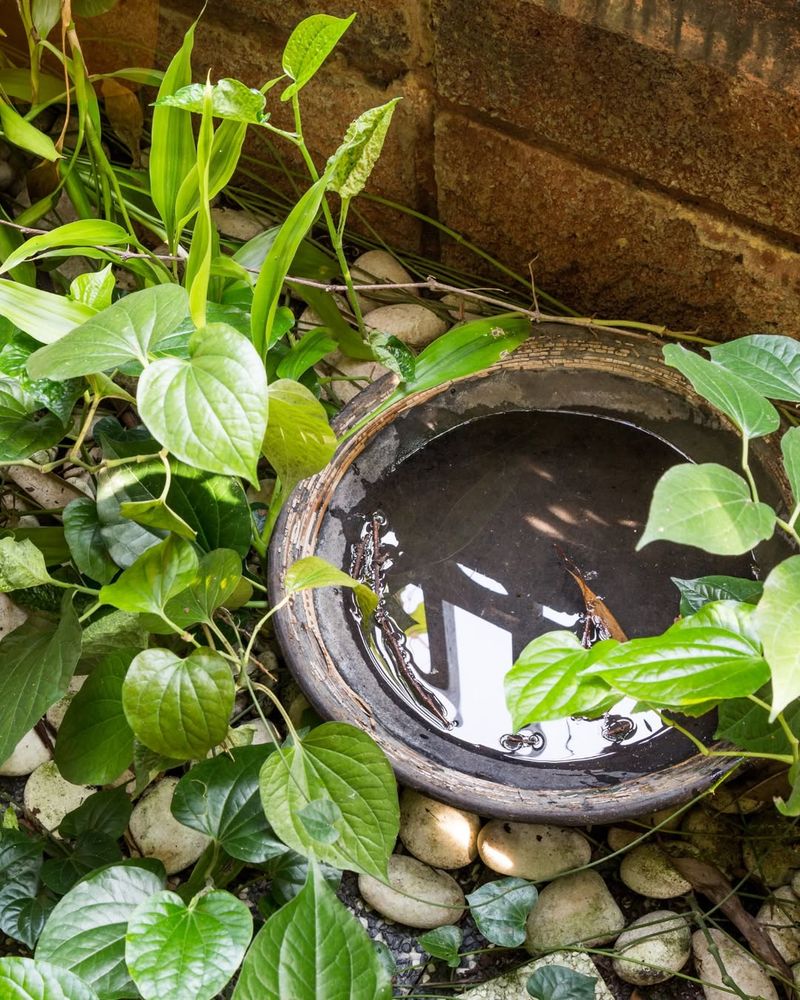
Buckets, planters, and other containers that collect rainwater might seem harmless, but they create perfect breeding grounds for mosquitoes across New York.
Health departments take mosquito control seriously because these insects can carry diseases like West Nile virus and other dangerous illnesses affecting residents.
When water sits stagnant for several days, mosquito larvae develop rapidly and can produce thousands of new insects within just one week.
Enforcement officers patrol neighborhoods looking for standing water violations, especially during warmer months when mosquito activity peaks in the state.
Fines can range from fifty dollars to several hundred depending on the severity and whether you have received previous warnings from authorities.
Empty your containers regularly, drill drainage holes in planters, or cover them tightly to prevent water accumulation and avoid costly penalties altogether.
New York takes public health seriously, so staying vigilant about standing water protects both your wallet and your neighbors from potential harm.
Simple prevention measures take only minutes but can save you from expensive fines and help control the mosquito population in your community.
2. Overgrown Grass and Weeds
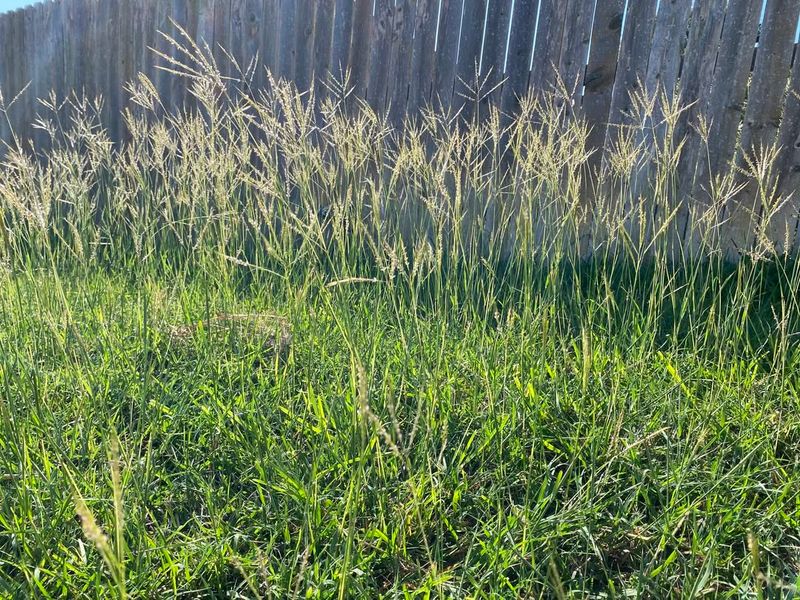
Letting your lawn grow wild might feel liberating, but most New York municipalities have strict height limits for grass and weeds on residential properties.
Code enforcement typically considers grass over eight to twelve inches tall a violation, though exact measurements vary by city and town throughout the state.
Tall grass attracts rodents, harbors ticks, and creates fire hazards, which is why local governments enforce these rules to protect entire neighborhoods consistently.
Property owners receive written notices first, giving them a specific deadline to mow and maintain their lawns before fines get issued by officials.
Ignoring these notices can result in fines starting around one hundred dollars, with daily penalties accumulating until you correct the violation immediately.
Some municipalities will even send crews to mow your property and bill you for the service plus administrative fees on top of fines.
Regular mowing keeps your property compliant with New York regulations and prevents your yard from becoming a neighborhood eyesore that attracts official attention.
Setting a weekly mowing schedule during growing season ensures you never face these violations and maintains good relationships with neighbors and local authorities.
3. Unsecured Garbage and Compost Bins
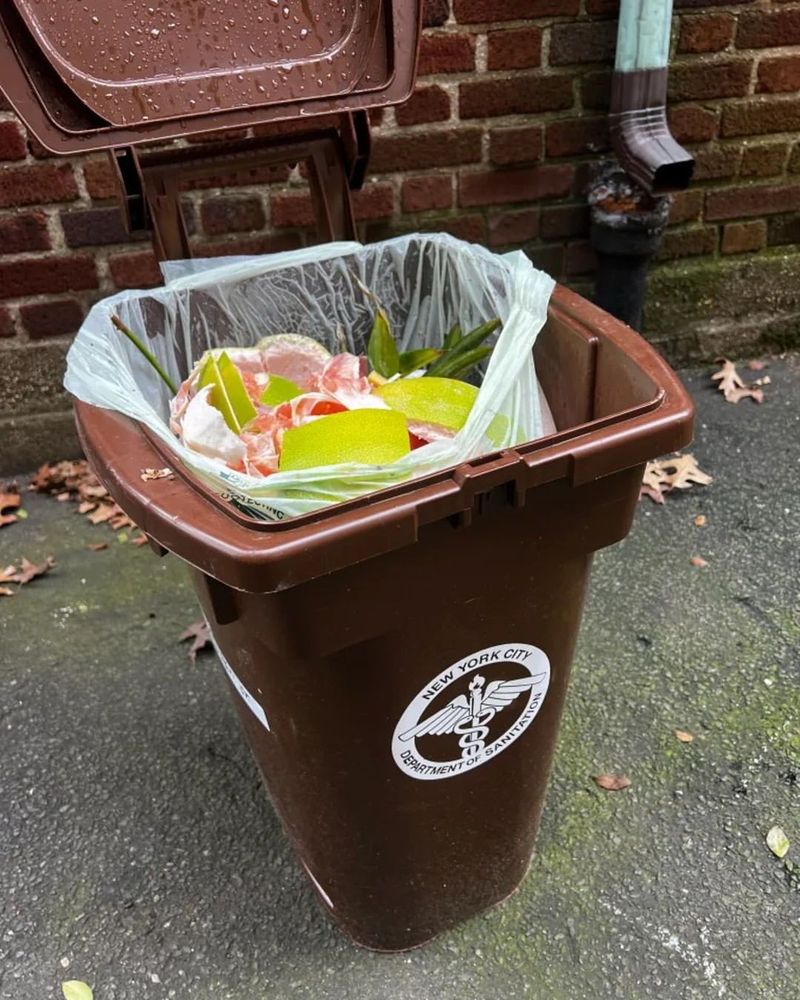
Leaving trash or compost bins open and accessible creates serious problems with raccoons, rats, and other wildlife that roam through New York neighborhoods nightly.
Sanitation codes require residents to use lidded containers that seal properly and prevent animals from accessing food waste and spreading it everywhere.
Open bins attract pests that can spread disease, damage property, and create unsanitary conditions that affect everyone living in the surrounding area significantly.
Code enforcement officers can issue citations for improperly stored waste, especially if neighbors complain about odors or animal activity around your property regularly.
Fines typically start around seventy-five dollars but increase with repeated violations, and some areas impose daily penalties until you fix the problem completely.
Invest in quality bins with secure lids and latches that wildlife cannot easily open, and store them in appropriate locations away from living spaces.
New York residents must also follow specific guidelines about when to put bins out for collection and when to bring them back inside.
Proper waste management protects your property from fines, keeps pests away, and demonstrates respect for neighbors who also deserve clean and safe surroundings.
4. Abandoned Garden Equipment

That broken lawn mower or rusty wheelbarrow sitting in your yard might seem temporary, but it can quickly become a code violation in many New York communities.
Blight ordinances prohibit leaving non-functional equipment, broken tools, and discarded machinery visible on residential properties for extended periods without proper storage or removal.
These items create eyesores, lower property values, and can attract vandalism or illegal dumping as others assume your property lacks proper oversight and maintenance.
Many municipalities define abandoned equipment as anything non-operational sitting outside for more than thirty days without being stored in appropriate structures or areas.
Enforcement actions begin with warnings, but fines can reach several hundred dollars if you fail to remove or properly store the equipment promptly.
Store functional equipment in sheds or garages when not in use, and dispose of broken items through proper channels like bulk trash pickup.
New York neighborhoods benefit when residents keep their properties tidy and free from clutter that diminishes the overall appearance of the street and community.
Regular maintenance and prompt disposal of broken items prevent violations and show pride in your home and consideration for those living nearby each day.
5. Unpermitted Structures and Sheds
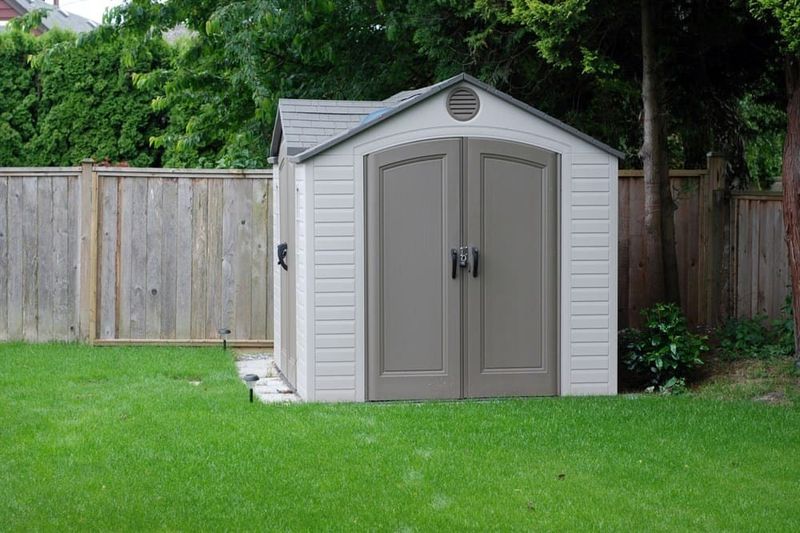
Building that cute garden shed seemed like a great weekend project, but New York municipalities require permits for most outdoor structures exceeding certain size thresholds.
Setback requirements dictate how close structures can sit to property lines, and height restrictions prevent buildings from blocking neighbors’ views or sunlight access.
Installing sheds, gazebos, or other structures without proper permits can result in hefty fines and orders to remove or relocate the building entirely.
Code enforcement discovers unpermitted structures through neighbor complaints, aerial surveys, or routine inspections when you apply for other permits on your property later.
Fines for unpermitted structures often start at several hundred dollars and increase daily until you either obtain retroactive permits or remove the offending building.
Before building anything, check with your local building department about permit requirements, setback rules, and height restrictions specific to your New York municipality carefully.
Obtaining permits might seem tedious, but it ensures your structure meets safety standards and protects you from expensive violations and forced removal orders.
Proper planning and following regulations from the start saves money, prevents legal headaches, and maintains good standing with local authorities throughout the state.
6. Outdoor Furniture Left Year-Round

Leaving patio furniture, cushions, and decorative items outside through harsh New York winters can violate seasonal storage ordinances in some municipalities and homeowner associations.
These regulations exist because deteriorating furniture looks unsightly, can blow around during storms causing damage, and suggests property neglect to passing residents.
Some communities specifically require residents to store or cover outdoor furniture during off-season months to maintain neighborhood aesthetics and prevent weather-related hazards consistently.
Enforcement varies widely across New York, with stricter rules in planned communities and homeowner association neighborhoods compared to rural areas with fewer restrictions.
Violations typically result in warnings first, but repeated offenses can lead to fines ranging from fifty to two hundred dollars depending on local ordinances.
Store furniture in garages, sheds, or basements during winter months, or invest in weatherproof covers that protect items and keep them looking presentable.
Proper storage extends the life of your outdoor furniture while keeping your property compliant with New York regulations and maintaining positive relationships with neighbors.
Taking a few hours each fall to put away seasonal items prevents potential fines and ensures your garden looks intentional rather than abandoned.
7. Visible Trash and Debris Piles
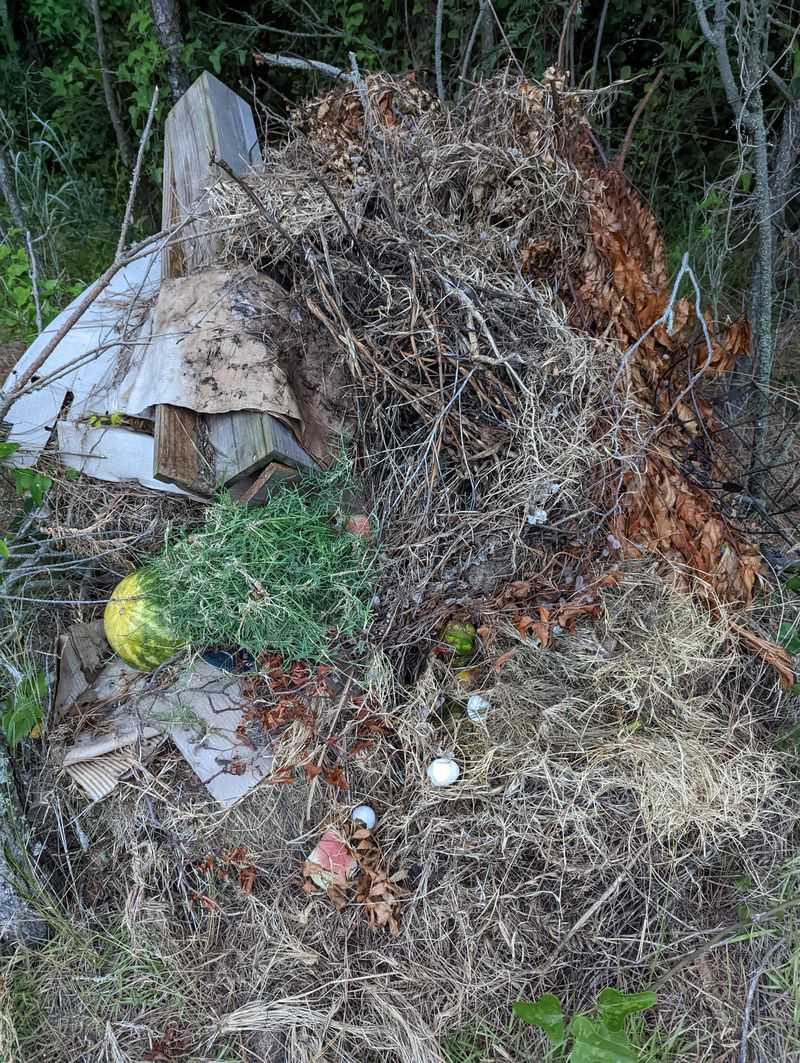
Piling up yard waste, branches, leaves, and other debris might seem practical while you work, but leaving it visible for extended periods violates most New York sanitation codes.
Municipalities typically allow debris piles only on designated collection days, requiring residents to remove or properly contain materials within specific timeframes after yard work.
Leaving piles out too long attracts pests, blocks sidewalks or streets, and creates fire hazards that endanger your property and neighboring homes in the community.
Sanitation departments issue citations for debris violations, especially when piles obstruct public ways or remain visible beyond permitted timeframes outlined in local regulations clearly.
Fines usually start around one hundred dollars and can increase with repeated violations or if debris creates safety hazards requiring immediate municipal intervention.
Bag leaves and small debris in approved containers, bundle branches according to local guidelines, and schedule pickup or haul materials to approved disposal sites.
New York communities rely on residents following waste disposal rules to keep neighborhoods clean, safe, and attractive for everyone who lives and visits there.
Planning your yard work around collection schedules and promptly disposing of debris prevents violations and demonstrates consideration for neighbors sharing your street daily.
8. Unregistered Recreational Vehicles
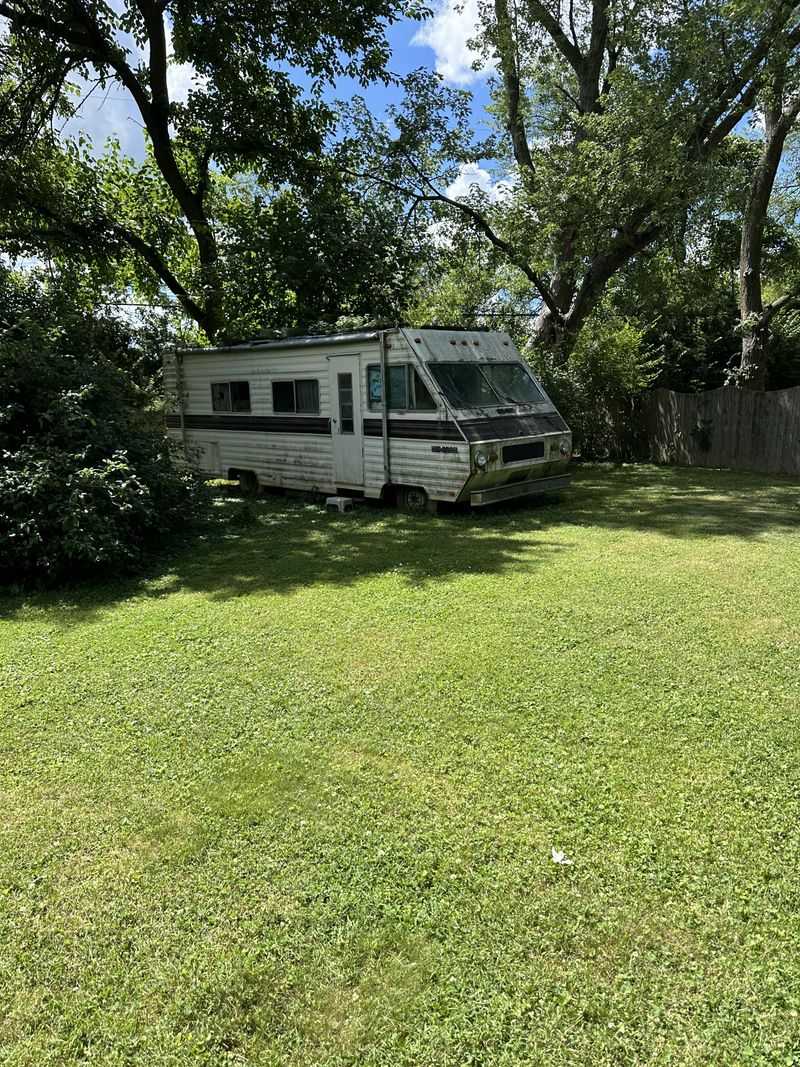
Parking boats, trailers, or recreational vehicles in your driveway or yard might seem convenient, but many New York communities restrict or prohibit this practice entirely.
Zoning ordinances often limit where residents can park large vehicles, requiring them to be stored in garages, backyards, or approved storage facilities instead.
These rules maintain neighborhood aesthetics, prevent streets from feeling cluttered, and ensure adequate parking space remains available for residents and emergency vehicles always.
Enforcement typically occurs after neighbor complaints, though some municipalities conduct regular patrols specifically looking for parking violations throughout residential areas in the state.
Fines for recreational vehicle violations range from one hundred to five hundred dollars depending on the municipality and whether you have previous violations.
Check your local zoning code for specific rules about recreational vehicle parking, including permitted locations, time limits, and any registration or screening requirements that apply.
New York residents with boats or RVs should consider renting storage space or parking in approved areas to avoid costly citations and neighborhood conflicts.
Following parking regulations maintains property values, keeps streets accessible, and prevents tension with neighbors who might feel your vehicles negatively impact the community appearance.
9. Improperly Stored Firewood
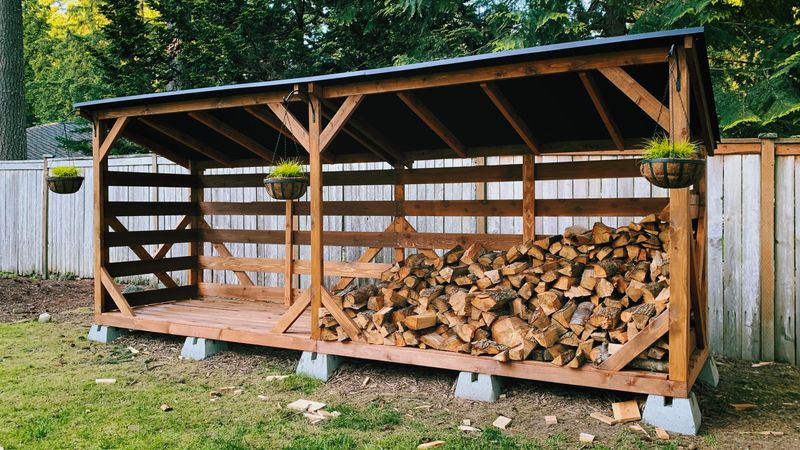
Stacking firewood against your house or leaving it scattered around your yard creates multiple problems that can result in violations across New York municipalities.
Wood piles attract termites, carpenter ants, rodents, and other pests that can easily migrate from the woodpile directly into your home structure causing damage.
Fire codes often require firewood to be stored at least twenty feet from structures to reduce fire hazards and prevent easy ignition during emergencies.
Code enforcement officers can cite improper firewood storage under fire safety regulations, pest control ordinances, or general property maintenance codes depending on specific circumstances.
Fines typically range from seventy-five to three hundred dollars, with higher penalties if the violation creates immediate fire hazards or pest infestations affecting neighbors.
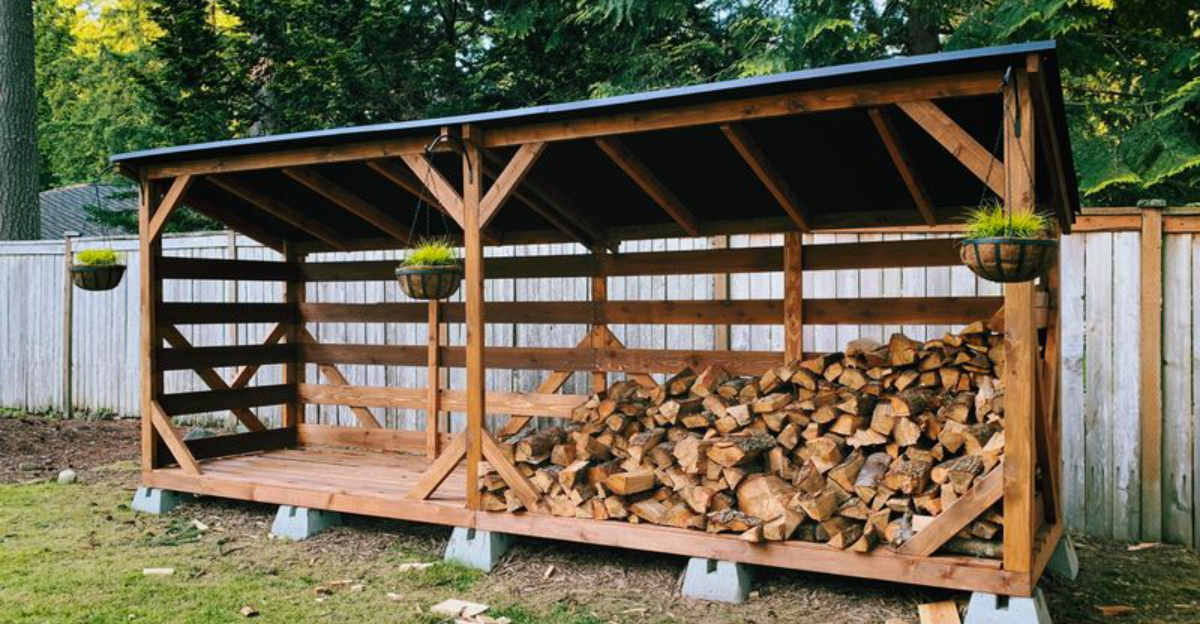
Stack firewood on raised platforms away from your house and other structures, and cover it to prevent moisture while allowing air circulation that discourages pests.
New York homeowners who heat with wood must balance convenience with safety regulations and proper storage practices that protect their property and surrounding homes.
Proper firewood management prevents violations, protects your home from pest damage, and reduces fire risks while still allowing you to enjoy your wood-burning amenities.
10. Non-Compliant Fencing Materials
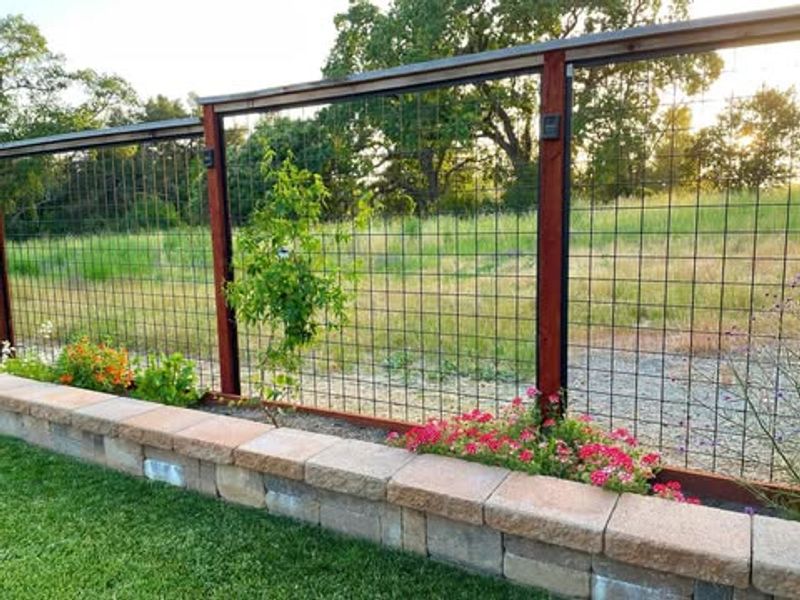
Installing fences using tarps, pallets, corrugated metal, or other makeshift materials might save money initially, but it violates building codes throughout most New York communities.
Fence regulations specify approved materials, maximum heights, required setbacks, and aesthetic standards that maintain neighborhood character and property values for everyone in the area.
Using non-compliant materials creates eyesores, may pose safety hazards, and can lead to disputes with neighbors who feel their property values suffer from your choices.
Building departments discover fence violations through permit applications, neighbor complaints, or routine inspections, resulting in orders to remove or replace non-compliant structures immediately.
Fines for fence violations can reach several hundred dollars, plus you must still pay to remove the non-compliant fence and install proper materials.
Before installing any fence, review local codes regarding materials, height limits, and setback requirements, and obtain necessary permits from your New York municipality first.
Investing in proper fencing materials from the beginning saves money long-term by avoiding fines, removal costs, and potential legal disputes with neighbors or authorities.
Compliant fencing enhances your property, provides the privacy and security you desire, and maintains positive relationships with both neighbors and local code enforcement officials.