7 Garden Layout Changes Michigan Gardeners Can Make During The Winter Off Season
Winter gives Michigan gardeners a rare pause to look at the yard without leaves, blooms, or distractions hiding what really works and what does not.
With beds exposed and sightlines clear, it becomes easier to spot layout issues that went unnoticed during the busy growing season.
A few thoughtful changes planned now can make spring planting smoother and help the garden feel more balanced and enjoyable next year.
Snow-covered paths and empty beds reveal traffic patterns, spacing problems, and areas that feel cramped or underused once everything dies back.
Making adjustments during the off season saves time later and lets gardeners start spring with a layout that already feels intentional.
1. Sketch Out a Raised Bed Garden System
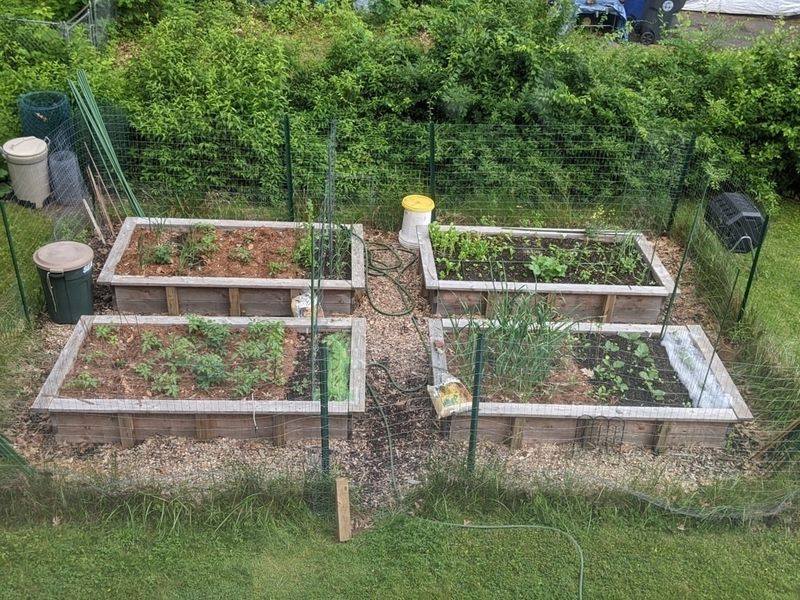
Building raised beds transforms how you grow vegetables because they warm up faster in spring and drain better throughout Michigan’s unpredictable rainy seasons.
Sketch your raised bed layout on graph paper, marking dimensions and spacing between each box so you can walk comfortably while tending to plants.
Choose locations that receive at least six hours of sunlight daily, avoiding spots under large trees that might block precious rays during growing months.
Plan pathways wide enough for wheelbarrows and garden carts, making it easier to haul compost, mulch, and harvested produce without damaging surrounding plantings.
Michigan gardeners benefit from raised beds because they extend the growing season by warming soil earlier and keeping roots above frozen ground longer.
Consider adding trellises to certain beds for climbing plants like peas, beans, and cucumbers, maximizing vertical space and keeping fruits off damp ground.
Mark which beds will hold heavy feeders like tomatoes and which will grow light feeders like carrots, helping you rotate crops properly each season.
Order or build your frames now so they are ready to fill with soil mix the moment frost leaves the ground next spring.
Getting organized early reduces spring stress and allows you to focus on planting instead of scrambling to finish construction.
2. Redesign Your Garden Pathways for Better Access
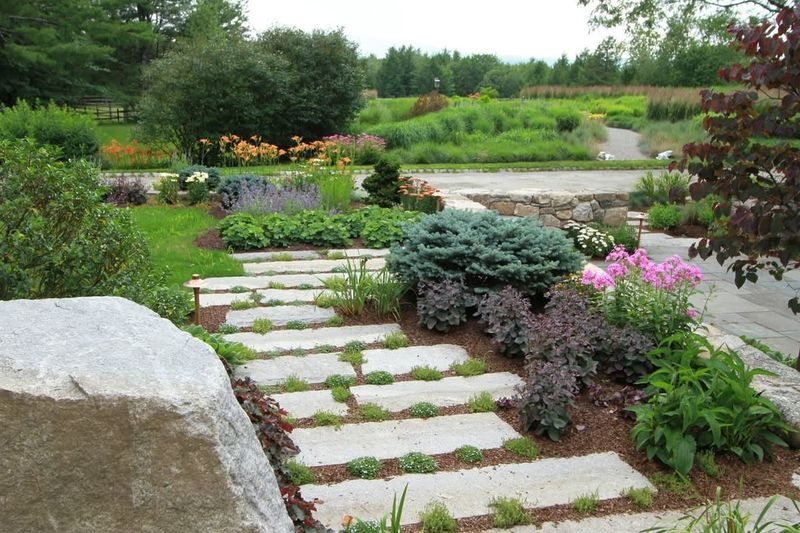
Muddy pathways make spring gardening frustrating, so winter is the perfect time to map out permanent walkways that keep your feet dry all season.
Measure current paths and decide whether they need widening, especially if you struggled squeezing between plants or carrying tools through tight spaces last summer.
Gravel, wood chips, and stepping stones all work beautifully in Michigan gardens, each offering different benefits depending on your budget and aesthetic preferences.
Plan pathways that curve gently through larger gardens, creating visual interest while still providing practical access to every corner of your growing space.
Straight paths work better for vegetable gardens where efficiency matters more than appearance, letting you move quickly between rows during busy harvest times.
Consider adding a central main path that connects to smaller side paths, creating a logical flow that makes garden maintenance feel less like a chore.
Michigan winters give you time to source materials at lower prices, buying mulch or gravel when demand drops and suppliers offer seasonal discounts.
Mark pathway locations with stakes and string now, so you can install materials as soon as ground thaws and becomes workable again.
3. Create Dedicated Zones for Different Plant Types
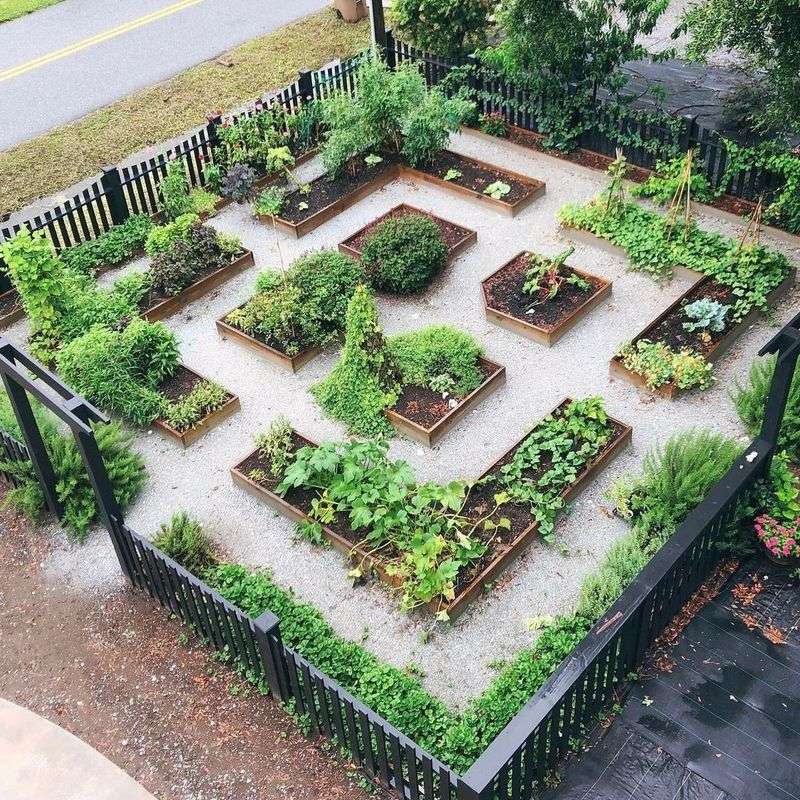
Organizing your garden into specific zones based on plant needs simplifies watering, fertilizing, and maintenance tasks throughout the entire growing season ahead.
Group sun-loving vegetables together in the brightest spots, while shade-tolerant herbs and leafy greens occupy areas that receive filtered afternoon light.
Create a perennial zone separate from annuals so you avoid accidentally disturbing established roots when you till or replant sections each spring.
Michigan gardeners should designate a cutting flower zone if they enjoy fresh bouquets, keeping these plants away from edibles to avoid confusion.
Plan a separate area for sprawling plants like pumpkins and melons, giving them room to spread without smothering nearby tomatoes or pepper plants.
Sketch zones on paper first, using colored pencils to mark different plant categories, making it easy to visualize how everything fits together.
Consider adding a small experimental zone where you can test new varieties or growing techniques without risking your main vegetable production area.
Label each zone clearly in your plan, noting specific plants you intend to grow there so you remember your intentions when spring planting arrives.
4. Plan a New Composting Station Location
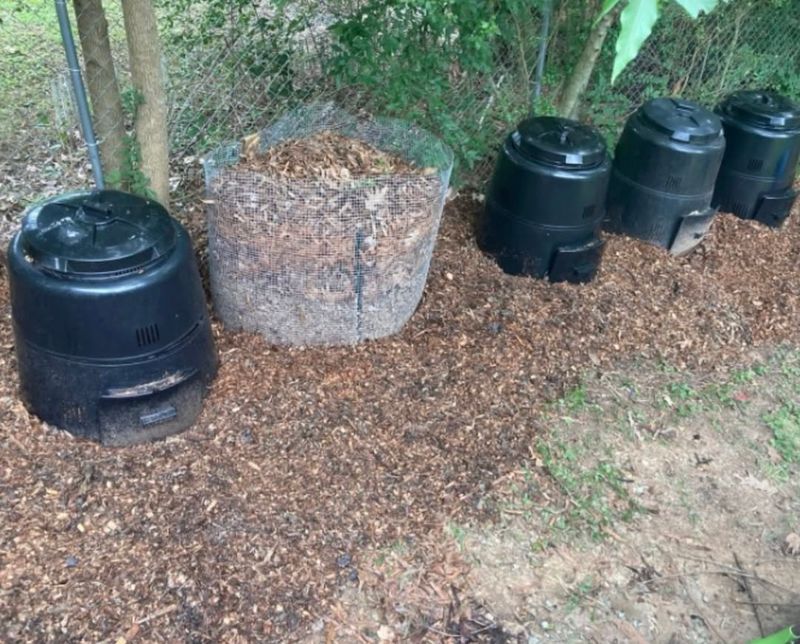
Moving your compost pile to a more convenient location saves countless steps during busy growing months when you are constantly adding kitchen scraps and garden waste.
Choose a spot that is easy to reach from both your kitchen door and main garden beds, reducing the temptation to skip composting trips.
Avoid placing compost bins too close to your house or outdoor living spaces, as decomposition naturally attracts insects and produces earthy smells.
Michigan gardeners benefit from positioning compost in partial shade where piles stay moist but still receive enough warmth to encourage decomposition throughout summer.
Plan space for at least two bins so you can fill one while the other finishes breaking down into rich, crumbly soil amendment.
Consider adding a small paved area or gravel base underneath bins, preventing muddy messes when you turn piles or shovel finished compost into wheelbarrows.
Leave enough room to maneuver around all sides of your bins, making turning and harvesting compost easier without straining your back unnecessarily.
Order or build new bins during winter when you have time to research designs and find materials at off-season prices from local suppliers.
5. Add a Permanent Irrigation System Layout
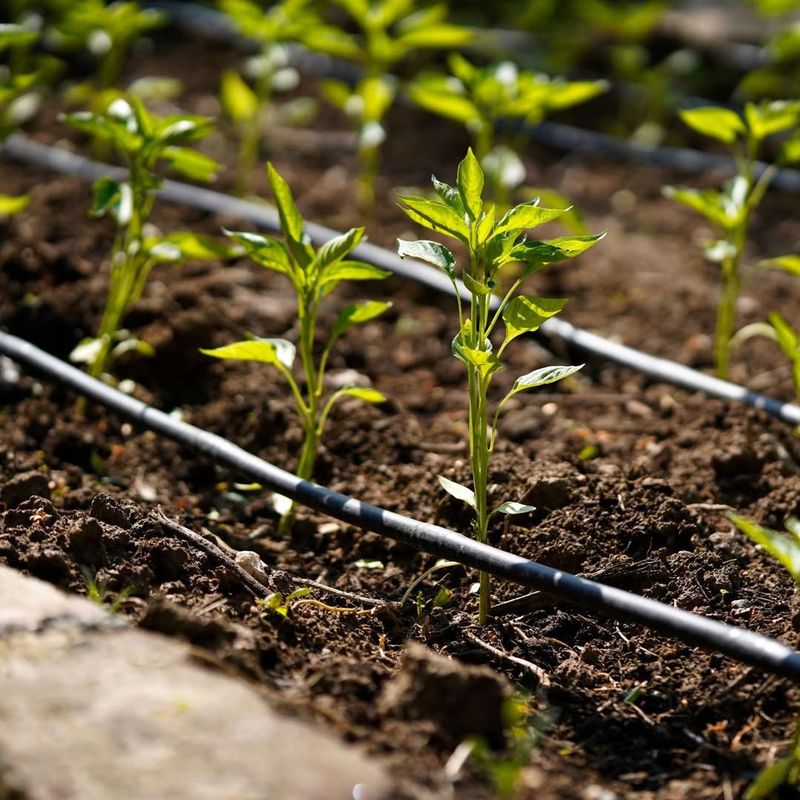
Hand-watering large gardens consumes precious summer evenings, so planning an irrigation system now means more time enjoying your garden instead of standing with hoses.
Drip irrigation delivers water directly to plant roots, reducing waste and preventing fungal diseases that spread when leaves stay wet after overhead watering.
Map out main water lines and branch lines on paper, calculating how many emitters each bed needs based on plant spacing and water requirements.
Michigan summers bring unpredictable rainfall patterns, making consistent irrigation crucial for maintaining steady growth and preventing blossom-end rot on tomatoes and peppers.
Consider adding a timer to your system so watering happens automatically even when you travel or get busy with other summer activities.
Plan irrigation zones based on plant water needs, grouping thirsty crops like cucumbers together while keeping drought-tolerant herbs on a separate, less frequent schedule.
Measure distances and order supplies during winter when you can take advantage of online sales and have time to research different system types.
Install irrigation lines early in spring before plants grow large, making it easier to lay hoses and position emitters exactly where they work best.
6. Incorporate a Three-Year Crop Rotation Plan
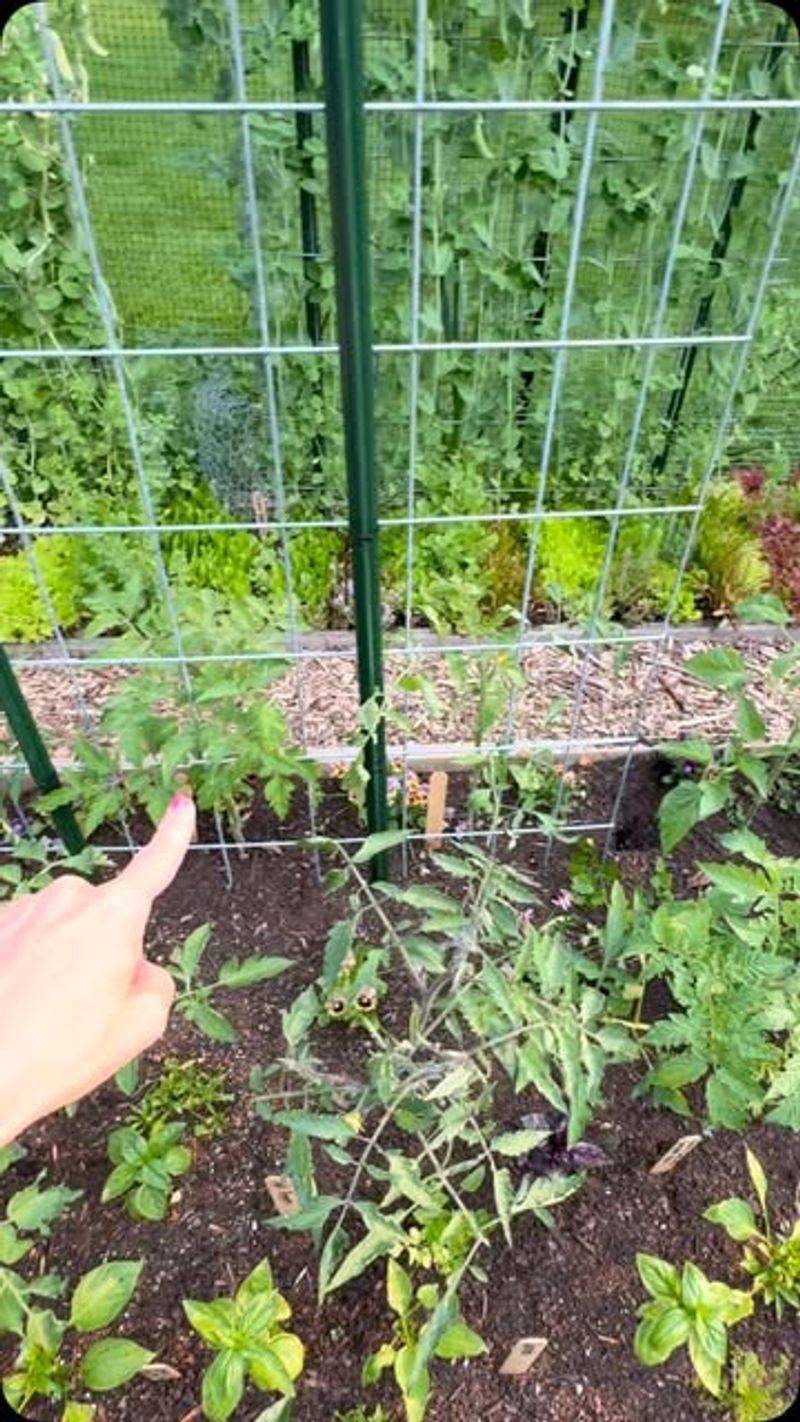
Rotating crops prevents soil depletion and reduces pest problems by moving plant families to different beds each year instead of growing them repeatedly.
Sketch a three-year rotation plan dividing your garden into sections for nightshades, brassicas, legumes, and root vegetables, cycling them through different locations.
Tomatoes, peppers, and eggplants should never occupy the same bed two years running because they deplete specific nutrients and attract similar pests.
Michigan gardeners face fewer pest issues when they rotate crops properly, breaking life cycles of insects that overwinter in soil waiting for favorite plants.
Label each section of your garden map with this year’s planned crops, then sketch out where those same plants will move next year.
Include cover crops in your rotation plan, planting nitrogen-fixing legumes or soil-building grasses in sections that need restoration before growing heavy feeders again.
Keep your rotation chart somewhere visible, updating it each winter so you remember which beds hosted which plant families during previous seasons.
Proper rotation improves soil health naturally, reducing the need for heavy fertilizing while increasing overall garden productivity and plant vigor throughout growing months.
7. Design a Cold Frame Extension Area
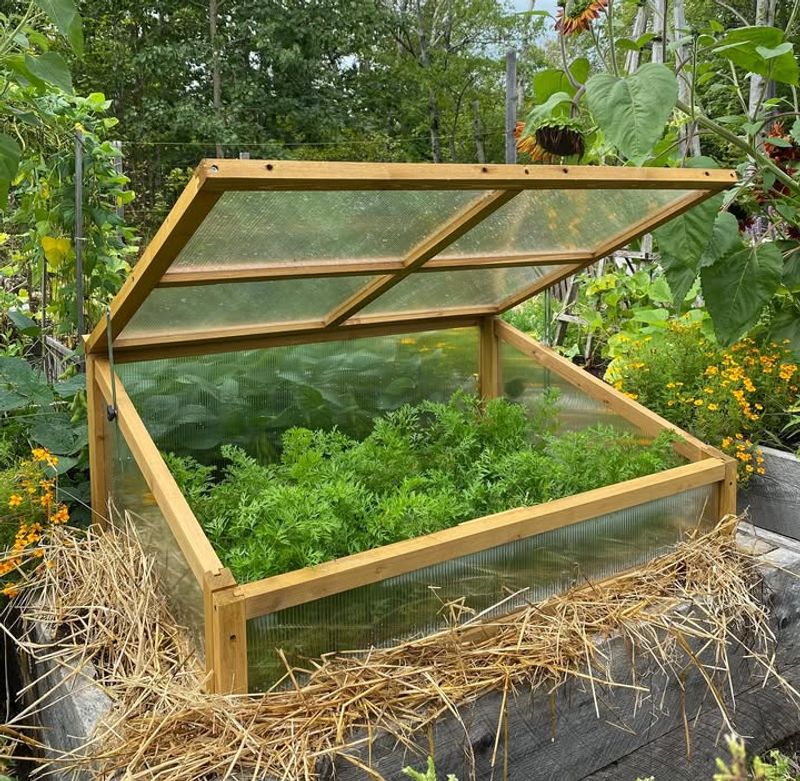
Cold frames extend Michigan’s short growing season by protecting tender seedlings from late spring frosts and allowing fall crops to produce weeks longer.
Choose a south-facing location that receives maximum sunlight during short winter days, positioning frames against buildings or fences for additional warmth and wind protection.
Plan frame sizes based on standard window dimensions if you are repurposing old windows as lids, making construction easier and materials more affordable.
Sketch your cold frame area into your overall garden layout, ensuring it does not block access to other beds or create awkward pathways.
Michigan gardeners can start lettuce, spinach, and other cool-season crops weeks earlier in spring by using cold frames to warm soil and protect seedlings.
Consider building frames with hinged lids that prop open easily for ventilation on sunny days when interior temperatures rise too high for plants.
Plan space for multiple frames so you can stagger plantings, harvesting salad greens continuously instead of getting overwhelmed with too much at once.
Order materials now while hardware stores offer winter discounts, building frames indoors during cold months so they are ready when planting season arrives early.