15 Garden Path Ideas That Instantly Upgrade Your Pennsylvania Backyard
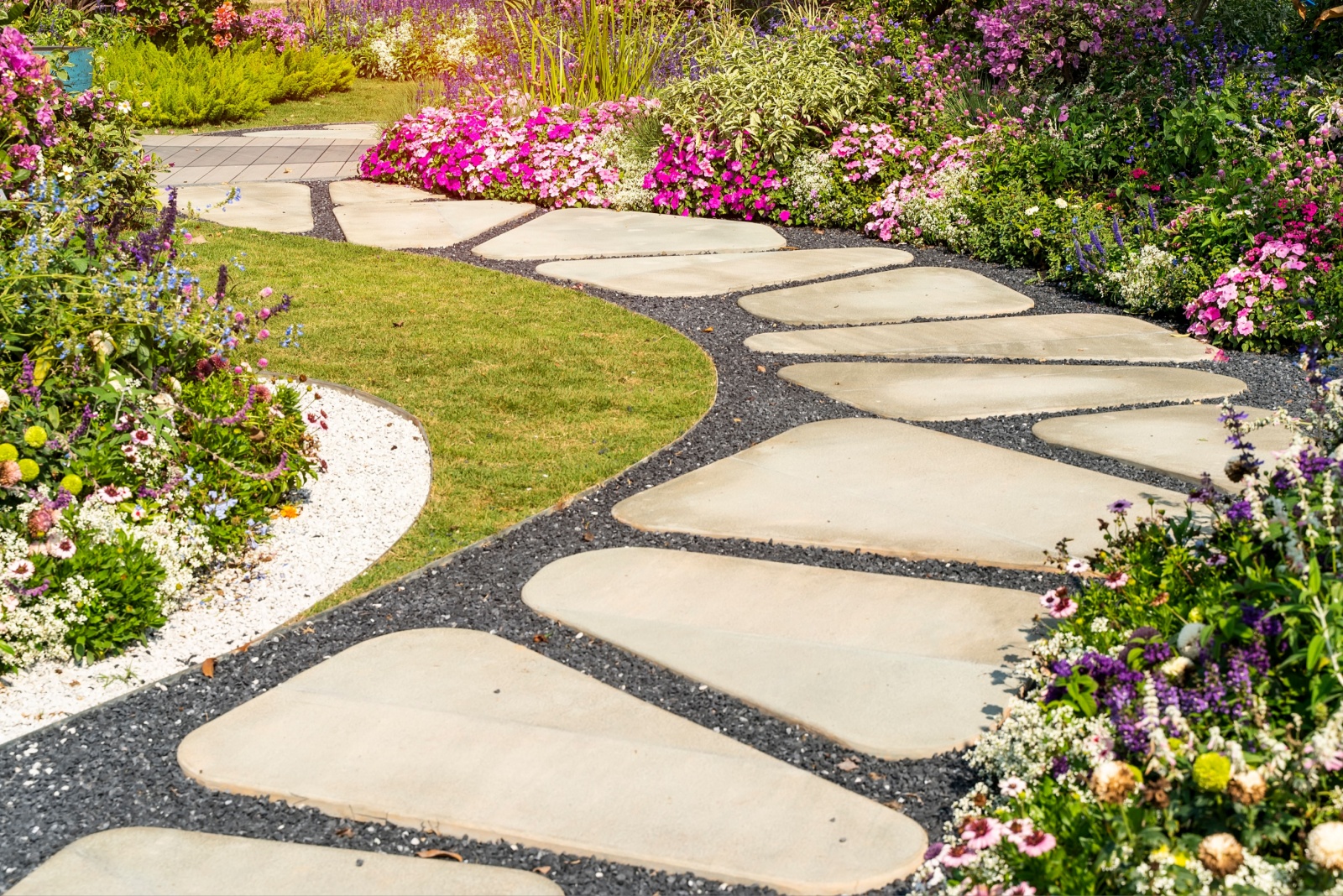
Your Pennsylvania backyard deserves a beautiful pathway that connects your favorite outdoor spaces while adding charm and character to your landscape design.
Garden paths serve more than just a practical purpose because they guide visitors through your yard while protecting grass and plants along the way.
Creating an attractive walkway transforms your outdoor space into something truly special that neighbors will admire and guests will remember for years to come.
Pennsylvania homeowners can choose from countless path materials and designs that suit different budgets, climates, and personal styles perfectly for any backyard setting.
1. Classic Flagstone Walkway
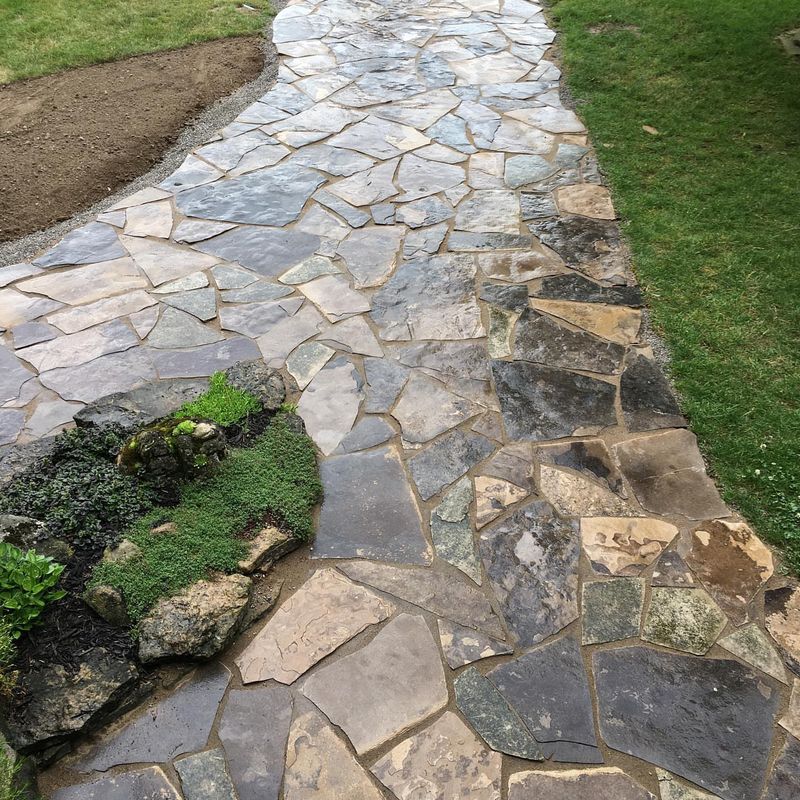
Flagstone brings timeless elegance to Pennsylvania yards with its natural beauty and durability that withstands our changing seasons without losing its appeal year after year.
Each stone piece has unique colors ranging from gray to tan to reddish brown, creating visual interest that complements any garden style beautifully.
Installing flagstone requires leveling the ground first, then setting stones in sand or gravel base to ensure proper drainage throughout rainy Pennsylvania springs.
Gaps between stones can be filled with sand, small pebbles, or ground cover plants like creeping thyme that release fragrance when stepped on gently.
This path material works wonderfully for both formal and casual garden designs, adapting to curved or straight layouts depending on your preferred aesthetic choices.
Pennsylvania winters won’t crack quality flagstone when properly installed, making it a smart investment that adds significant value to your property over time.
Maintenance involves occasional sweeping and weed removal from joints, plus reapplying joint filler every few years to keep everything looking fresh and tidy always.
2. Mulch Pathway With Timber Edging
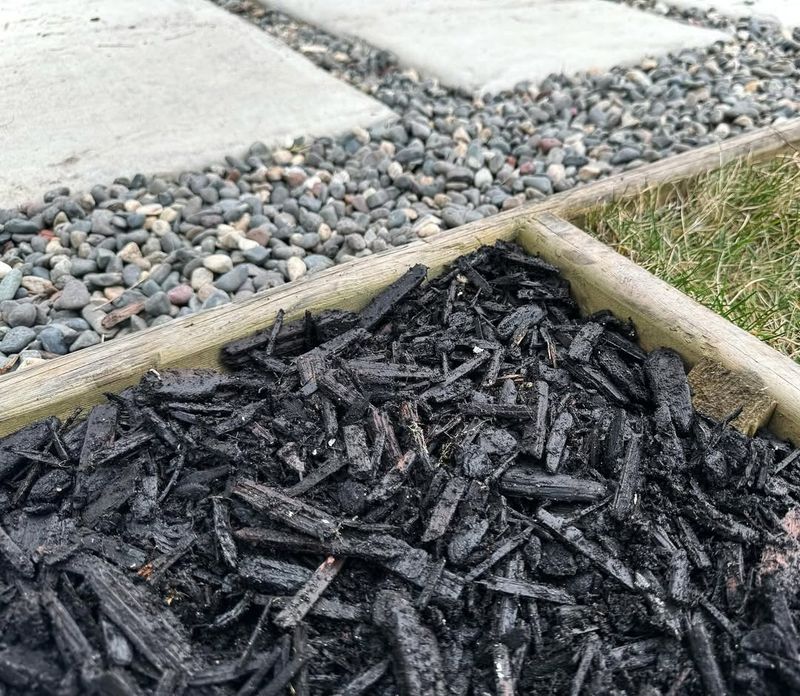
Budget-friendly mulch paths offer a soft, natural look that blends seamlessly with Pennsylvania’s wooded landscapes while remaining gentle on bare feet during warm summer months.
Cedar or treated lumber edging keeps mulch contained and prevents it from spreading into surrounding garden beds, maintaining clean lines throughout your entire yard.
Hardwood mulch provides the best longevity and color retention compared to softer pine varieties, staying attractive for multiple seasons before needing replacement or refreshing.
Pennsylvania homeowners appreciate how easily mulch paths can be modified or relocated as garden designs evolve, offering flexibility that permanent materials simply cannot match.
Installing this pathway takes just one weekend for most yards, requiring only basic tools like a shovel, rake, and saw for cutting timber pieces accurately.
Mulch naturally suppresses weeds while allowing rainwater to penetrate soil underneath, supporting healthy root systems for trees and shrubs planted alongside your walking areas.
Refreshing the top layer annually keeps paths looking vibrant and well-maintained, with fresh mulch adding pleasant woody aroma that enhances your outdoor experience significantly.
3. Brick Herringbone Pattern Path
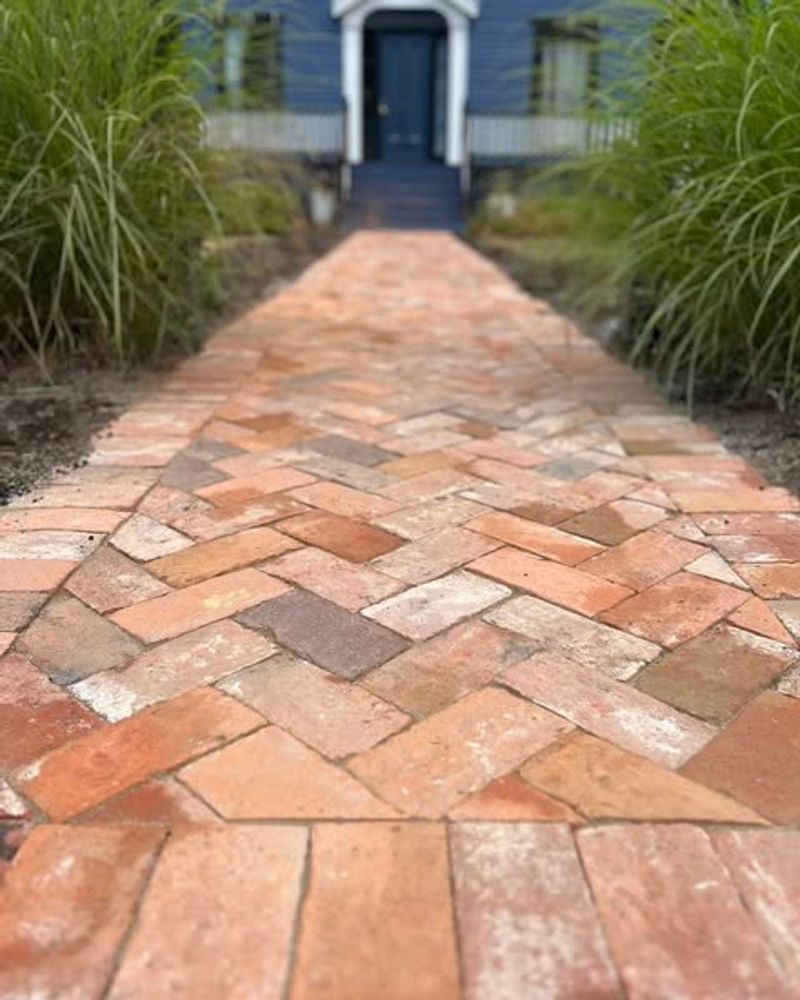
Herringbone brick patterns create sophisticated visual appeal that instantly elevates any Pennsylvania backyard from ordinary to extraordinary with their geometric precision and classic charm.
Red clay bricks complement Pennsylvania’s colonial architectural heritage perfectly, echoing historical design elements found throughout our state’s charming neighborhoods and countryside estates.
This diagonal pattern provides superior stability compared to straight layouts because bricks interlock naturally, preventing shifting even during freeze-thaw cycles common in our region.
Installation requires careful planning and precise cutting at path edges, but the stunning results justify the extra effort for homeowners seeking truly impressive outcomes.
Sand-set brick paths allow water drainage while remaining stable underfoot, combining practical benefits with aesthetic beauty that lasts decades with minimal maintenance required.
Pennsylvania clay soil provides excellent base material once properly compacted, though adding gravel underneath improves drainage in areas prone to standing water issues.
Sweeping sand into joints periodically keeps bricks locked together tightly, while power washing every few years removes moss and restores original color vibrancy beautifully.
Reclaimed bricks add character and environmental benefits, offering weathered patina that new materials cannot replicate for authentic vintage garden aesthetics throughout your landscape.
4. Gravel Path With Stepping Stones
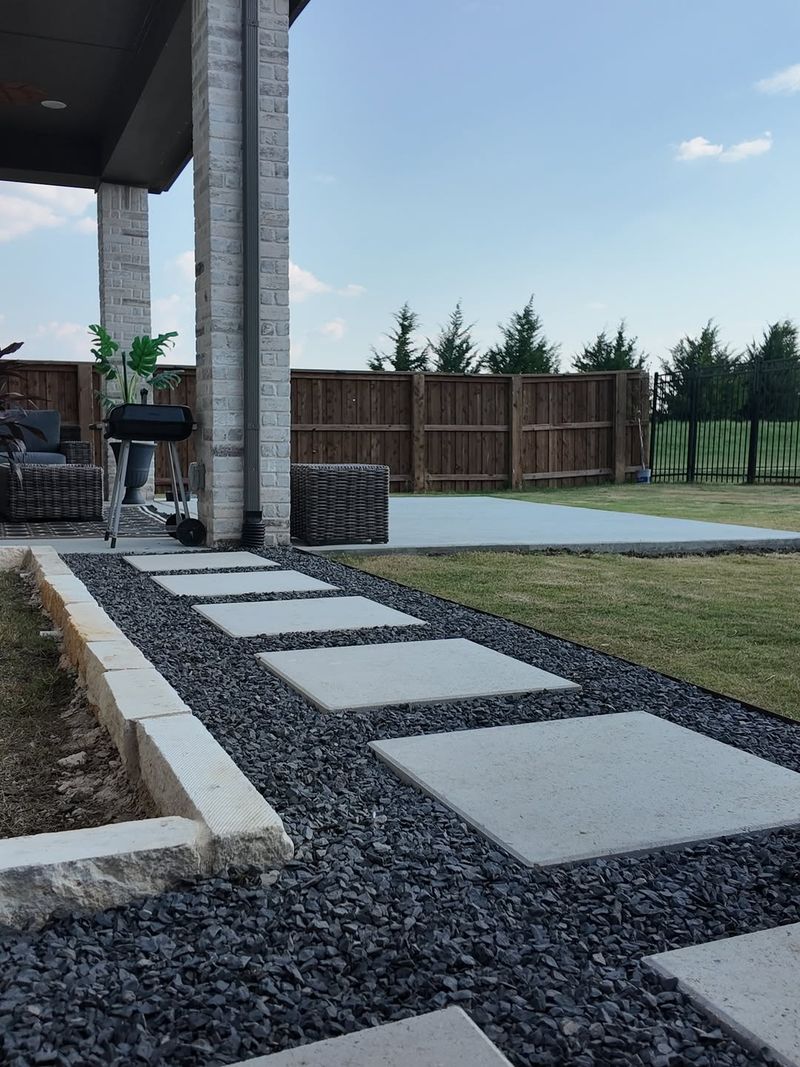
Combining gravel with strategically placed stepping stones creates functional pathways that drain exceptionally well during Pennsylvania’s frequent rainstorms while maintaining accessible walking surfaces year-round.
Pea gravel in neutral tones like gray, tan, or beige provides affordable coverage that complements any garden color scheme without overwhelming delicate flower displays.
Stepping stones spaced at comfortable intervals give solid footing while allowing gravel to remain visible, creating interesting texture contrast that adds depth to your landscape.
This design works particularly well in informal cottage gardens or naturalistic settings where rigid formality would feel out of place and inappropriate for the style.
Installing landscape fabric beneath gravel prevents weeds from pushing through while allowing water to drain freely, reducing maintenance time significantly throughout growing seasons ahead.
Pennsylvania winters pose no threat to gravel paths since individual stones shift slightly with ground movement, then resettle naturally without cracking or permanent damage.
Raking gravel occasionally redistributes material and removes fallen leaves, keeping paths looking neat and intentional rather than neglected or forgotten by busy homeowners.
Adding solar lights along edges enhances safety during evening hours while creating magical ambiance for outdoor gatherings and quiet nighttime garden strolls alike.
5. Bluestone Slab Pathway

Bluestone’s distinctive blue-gray coloring brings contemporary sophistication to Pennsylvania landscapes, offering smooth surfaces that transition beautifully between different outdoor living areas with modern flair.
Pennsylvania actually quarries bluestone locally, meaning you’re supporting regional businesses while reducing transportation costs and environmental impact associated with importing distant materials unnecessarily.
Large rectangular slabs create clean, minimalist aesthetics that complement modern architecture perfectly, providing visual continuity from home interiors to exterior garden spaces seamlessly.
Thermal finishing creates slip-resistant surfaces ideal for Pennsylvania’s humid summers and icy winters, ensuring safe passage regardless of weather conditions throughout the year.
Spacing slabs with grass or ground cover between them softens the look while reducing material costs, creating charming patterns that feel intentional rather than sparse.
Bluestone resists staining from organic matter and doesn’t retain heat excessively during summer months, staying comfortable underfoot even when temperatures soar into the nineties.
Sealing bluestone every few years protects against salt damage from winter de-icing treatments, preserving color and preventing surface deterioration that ruins less durable materials.
Professional installation ensures proper leveling and base preparation, though experienced DIY enthusiasts can tackle smaller projects successfully with patience and appropriate equipment rentals.
6. Crushed Stone Cottage Path
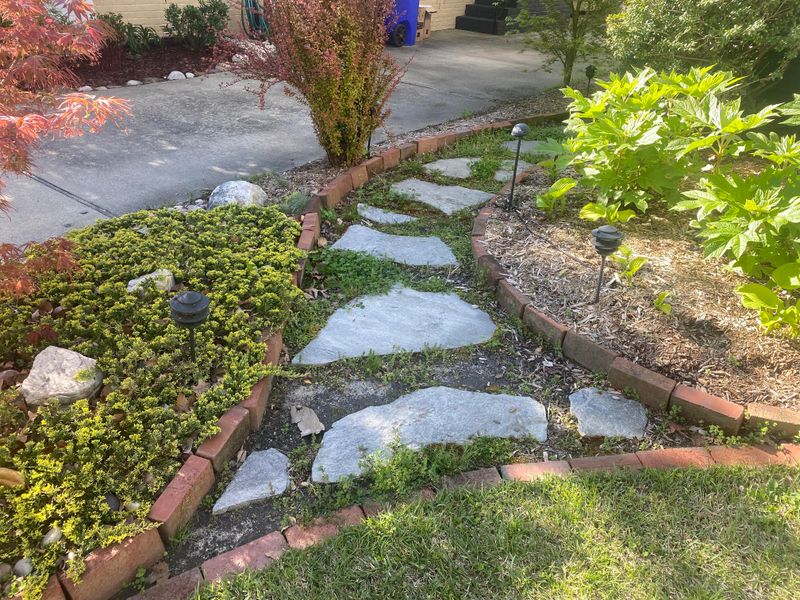
Crushed stone pathways evoke charming English cottage gardens, bringing romantic, informal aesthetics to Pennsylvania yards that celebrate relaxed beauty over rigid perfection and strict formality.
Fine crushed limestone compacts firmly when walked upon, creating stable surfaces that don’t shift underfoot like loose gravel while maintaining excellent drainage characteristics year-round.
Soft edges that blend gradually into surrounding plantings create naturalistic transitions, allowing flowers and herbs to spill gently onto path margins for delightful, unstructured charm.
Pennsylvania’s limestone-rich soil makes crushed limestone an especially appropriate choice that harmonizes with local geology and native plant preferences throughout our diverse regions.
Installation costs remain remarkably low compared to paving materials, letting budget-conscious homeowners allocate more resources toward plants, furniture, or other landscape features instead.
Compacting crushed stone thoroughly during installation prevents excessive shifting later, though occasional raking and adding fresh material keeps paths looking pristine and well-maintained always.
This pathway style suits vegetable gardens beautifully since crushed stone won’t introduce chemicals or alter soil pH like some synthetic materials might over extended periods.
Edging with flexible metal or plastic strips helps contain stone while remaining invisible once plants mature, maintaining clean boundaries without disrupting the casual aesthetic.
7. Recycled Concrete Pavers
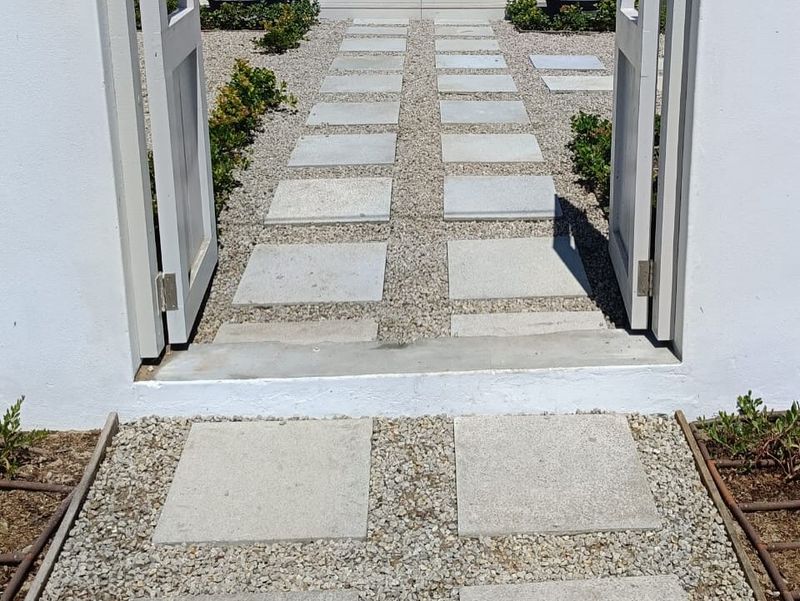
Environmentally conscious homeowners love recycled concrete pavers that divert waste from landfills while creating durable, attractive pathways that rival new materials in quality and appearance.
Pennsylvania demolition projects generate abundant concrete that gets crushed, reformed, and sold at lower prices than virgin concrete, making sustainability affordable for average homeowners.
Modern manufacturing processes create pavers with consistent dimensions and attractive finishes, eliminating the rough, industrial appearance people might associate with recycled building materials.
These pavers handle freeze-thaw cycles exceptionally well since they’ve already survived decades of weathering, proving their durability through real-world testing rather than laboratory conditions.
Color options include natural gray, charcoal, and even tinted varieties that mimic natural stone, providing design flexibility that suits both contemporary and traditional landscape styles.
Installing recycled pavers follows identical procedures as new ones, requiring proper base preparation, sand bedding, and joint filling for professional results that last indefinitely.
Pennsylvania winters won’t damage quality recycled pavers when properly installed, and their rough-textured surfaces actually provide better traction during snowy conditions than smoother alternatives.
Discussing your sustainable choices with neighbors and guests spreads environmental awareness while demonstrating that eco-friendly options can be beautiful, practical, and budget-friendly simultaneously.
8. Wood Chip Woodland Trail
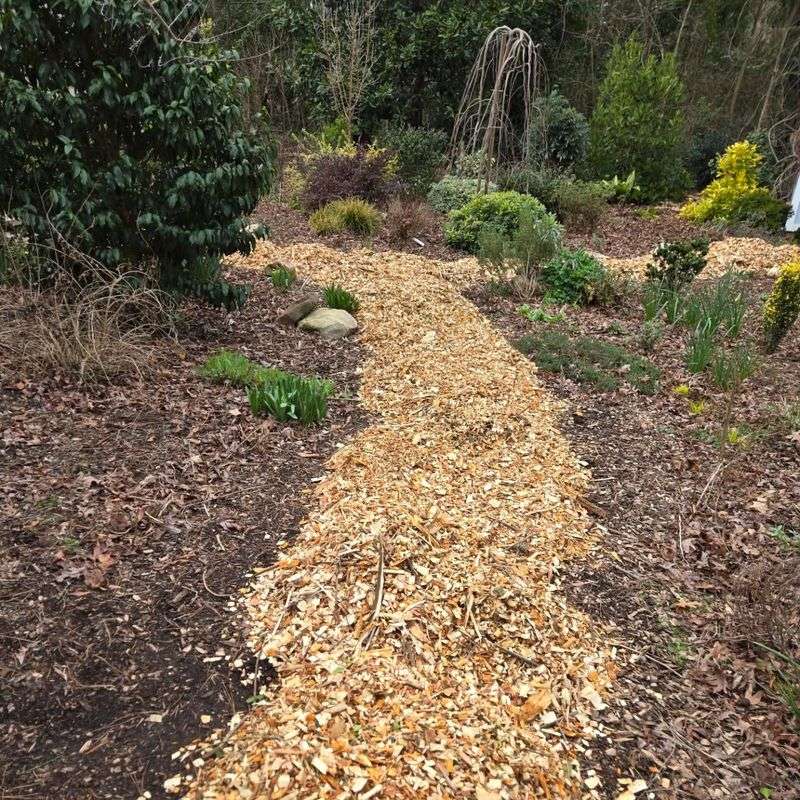
Shaded Pennsylvania yards with mature trees benefit tremendously from wood chip paths that complement woodland settings while providing soft, quiet surfaces for peaceful morning walks.
Local tree service companies often deliver wood chips free or inexpensively since they need disposal sites, making this pathway option essentially cost-free for resourceful homeowners.
Fresh wood chips smell wonderful and break down gradually, enriching soil naturally while suppressing weeds that would otherwise compete with tree roots for nutrients and moisture.
Woodland paths feel magical when they wind between trees and shade-loving plants like hostas, ferns, and native wildflowers that thrive in Pennsylvania’s forested areas.
Installation requires simply spreading chips several inches deep over cleared ground, making this the easiest pathway option for homeowners without construction experience or specialized tools.
Wood chips lighten heavy clay soil as they decompose, improving drainage and soil structure in ways that benefit entire landscapes beyond just pathway areas themselves.
Replenishing chips annually maintains adequate depth and fresh appearance, with old material decomposing underneath to feed beneficial soil organisms that support healthy plant growth.
Pennsylvania’s native trees provide abundant material for sustainable pathways that connect you with local ecosystems while creating habitat for ground-dwelling beneficial insects and creatures.
9. Permeable Paver System
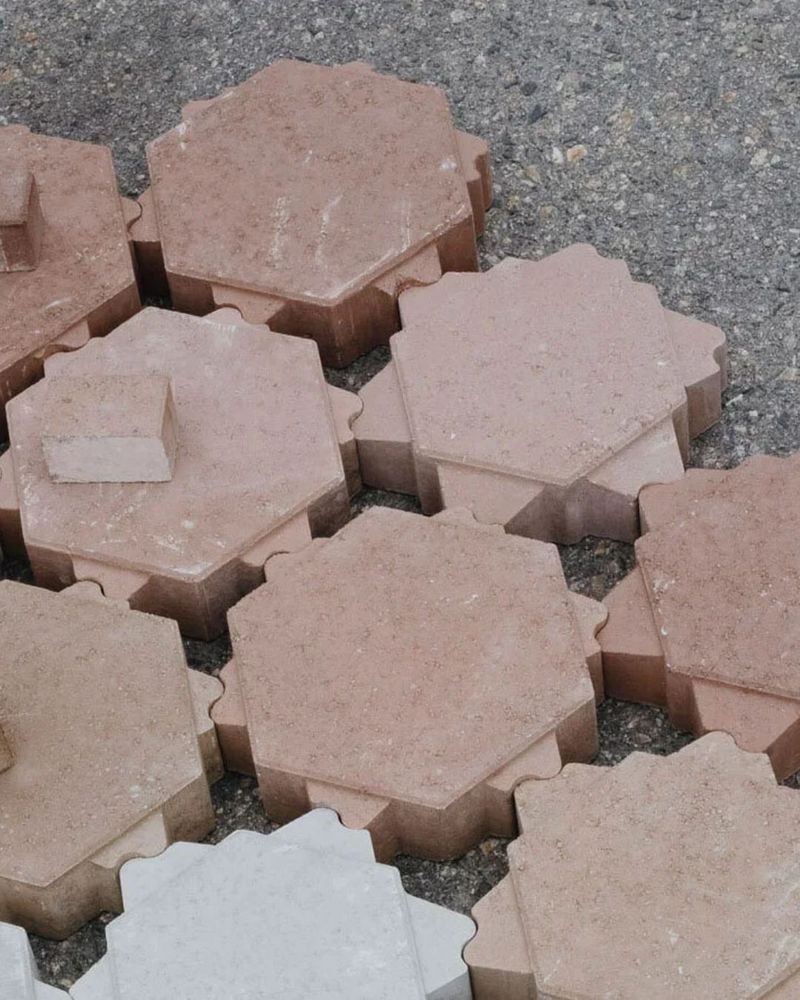
Permeable pavers address Pennsylvania’s increasingly strict stormwater regulations while creating attractive pathways that prevent runoff pollution and reduce flooding risks in low-lying neighborhoods.
Specially designed pavers with built-in spacers allow rainwater to infiltrate soil naturally instead of rushing into overtaxed storm sewers during heavy downpours.
Pennsylvania municipalities sometimes offer rebates or incentives for installing permeable surfaces, making these systems more affordable than homeowners initially expect when researching options.
Grass or ground cover growing between pavers softens hardscape appearance while filtering water naturally, combining aesthetic and environmental benefits in one innovative design solution.
Installation requires deeper excavation and specialized base materials compared to traditional paths, but long-term drainage benefits justify the additional upfront investment for many properties.
These systems prevent puddles and muddy areas that plague conventional pathways during Pennsylvania’s rainy springs, keeping feet dry and clean throughout wettest weather patterns.
Permeable paths reduce heat island effects since water evaporating from soil below cools surrounding air, making gardens more comfortable during hot, humid summer afternoons.
Maintenance involves periodic vacuuming or pressure washing to remove sediment that might clog pores, though properly installed systems require minimal attention for decades.
10. Slate Tile Garden Walk
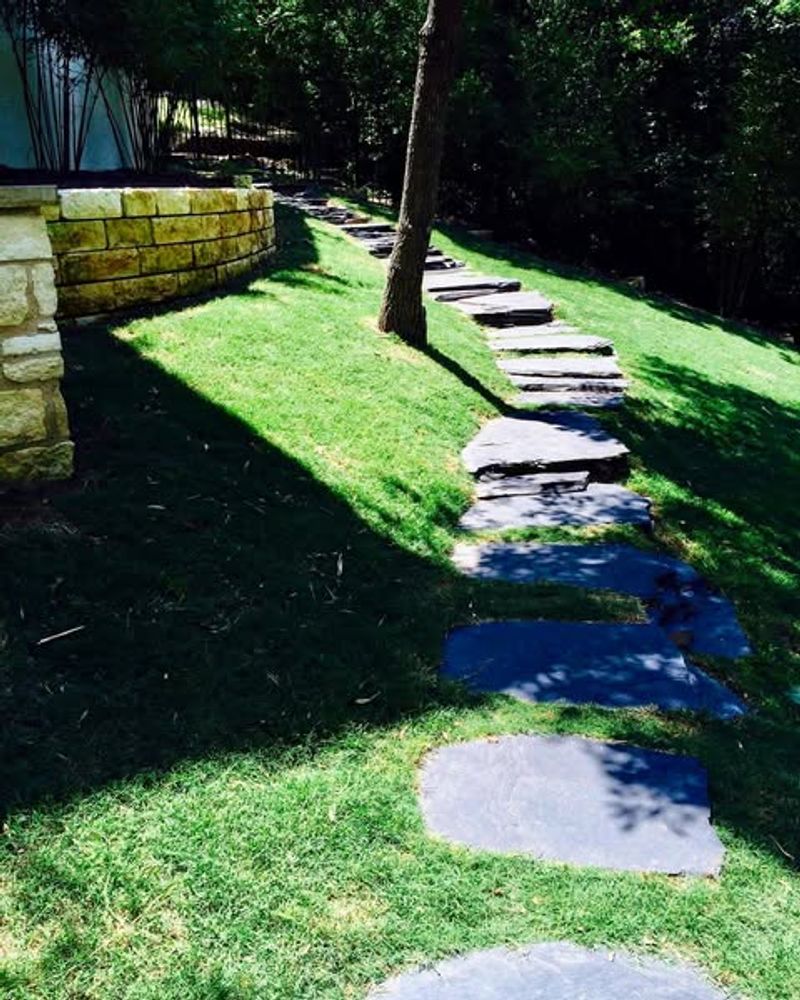
Slate’s rich, varied coloring ranging from charcoal to purple creates elegant pathways that elevate Pennsylvania gardens into sophisticated outdoor rooms worthy of magazine features.
Natural cleft surfaces provide excellent traction even when wet, addressing safety concerns that smooth tiles raise for families with children or elderly relatives visiting regularly.
Pennsylvania’s climate suits slate perfectly since this dense stone resists moisture absorption, preventing the cracking and spalling that destroys less durable materials during freezing.
Formal garden designs benefit from slate’s refined appearance, which pairs beautifully with boxwood hedges, rose gardens, and architectural plants that emphasize structure over wildness.
Installing slate tiles requires mortared bases for permanent applications, though dry-laid slate works well for informal paths that homeowners might reconfigure as gardens evolve.
Color variation within slate creates visual interest without needing patterns or multiple materials, offering sophisticated simplicity that never appears boring or monotonous over time.
Sealing slate enhances color depth and provides stain protection, though many homeowners prefer natural weathering that develops beautiful patina reflecting Pennsylvania’s seasonal changes gracefully.
Professional installation ensures proper pitch for water runoff, preventing standing water that could cause slipping hazards or premature deterioration of grout and setting materials.
11. Cobblestone Edge Path
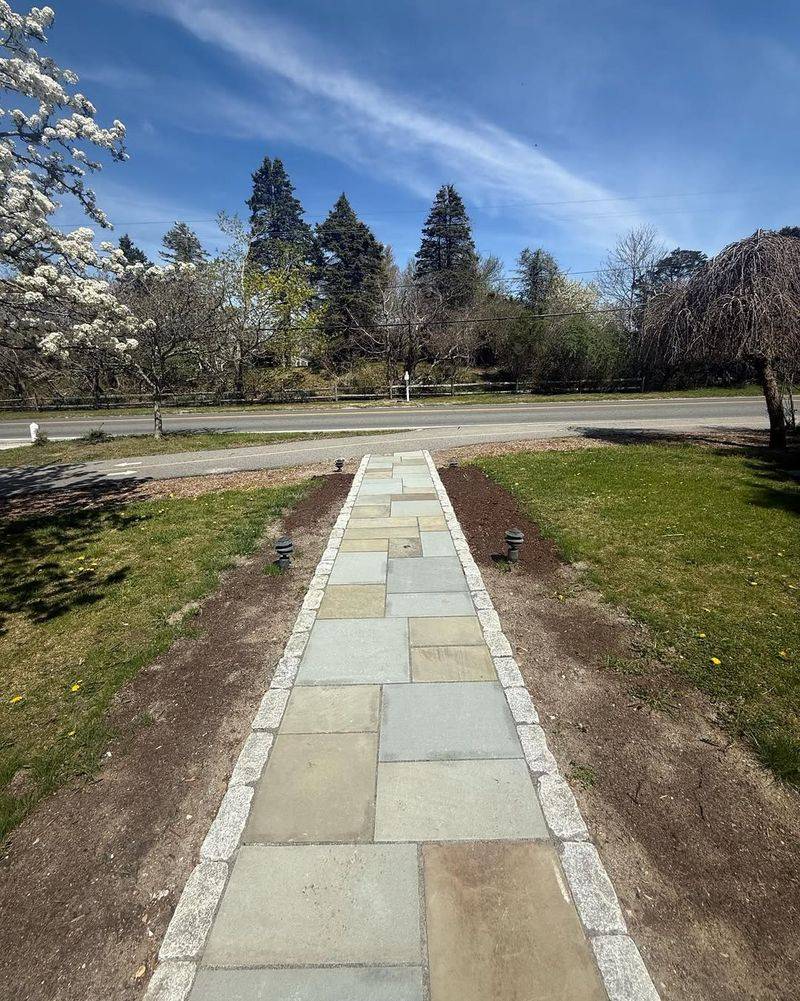
Cobblestone edging adds historic character reminiscent of Pennsylvania’s colonial past, creating pathways that honor our state’s rich architectural heritage while remaining entirely functional today.
Reclaimed cobblestones from old streets and alleys bring authentic history into your landscape, complete with wear patterns that tell stories of countless footsteps over decades.
Edging main paths with cobblestones while using different materials for centers reduces costs while maintaining the traditional aesthetic that complements older Pennsylvania homes perfectly.
Small, rounded cobbles fit together naturally without requiring cutting or specialized tools, making installation accessible for homeowners who enjoy hands-on projects but lack masonry experience.
Pennsylvania’s many historic districts inspire cobblestone designs that connect modern landscapes with our state’s important role in American history and early urban development patterns.
Cobblestone edges prevent lawn encroachment effectively while creating crisp visual boundaries that define spaces without feeling harsh or unwelcoming to visitors exploring your garden.
Combining cobblestone with gravel, brick, or stone centers creates interesting textural contrasts that add depth and complexity to otherwise simple pathway designs.
Maintenance involves occasionally resetting stones that shift during frost heaves, a simple task requiring no special skills or expensive tools for typical homeowners.
12. Decomposed Granite Path
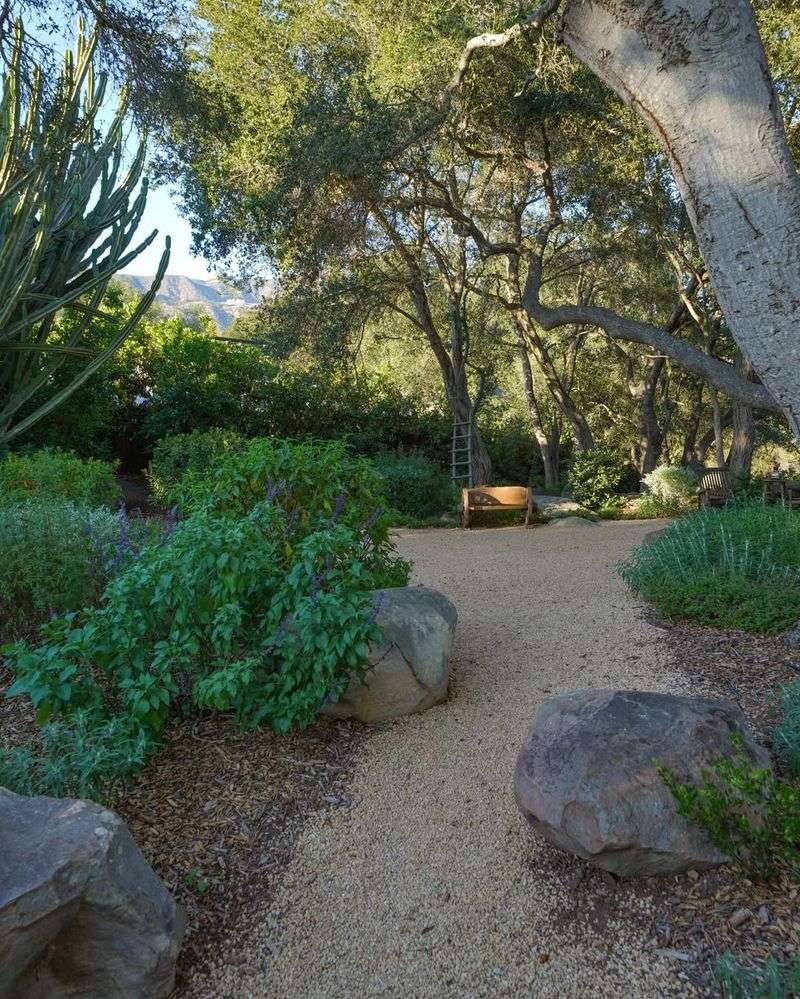
Decomposed granite brings southwestern aesthetics to Pennsylvania yards, offering smooth, firm surfaces that drain exceptionally well while introducing warm, earthy tones into landscape palettes.
Fine granite particles compact into nearly solid surfaces when properly installed and moistened, creating pathways that feel almost paved without hardscape’s environmental drawbacks.
Pennsylvania homeowners appreciate how decomposed granite stays cool underfoot during summer unlike dark asphalt or concrete, making barefoot garden strolls comfortable throughout hot afternoons.
This material works beautifully in xeriscape-inspired gardens featuring drought-tolerant plants, ornamental grasses, and modern design elements.
Installation requires compacting multiple thin layers rather than dumping thick applications, ensuring proper stability that withstands foot traffic without developing ruts or soft spots.
Stabilized varieties mixed with natural binders resist erosion during heavy rains, addressing Pennsylvania’s precipitation levels that might wash away unstabilized materials.
Reddish, tan, or gray color options coordinate with different architectural styles and existing landscape elements, providing design flexibility that suits diverse aesthetic preferences.
Refreshing top surfaces every few years maintains smooth appearance and proper compaction, though well-installed decomposed granite paths require remarkably little maintenance.
13. Mixed Material Mosaic Path
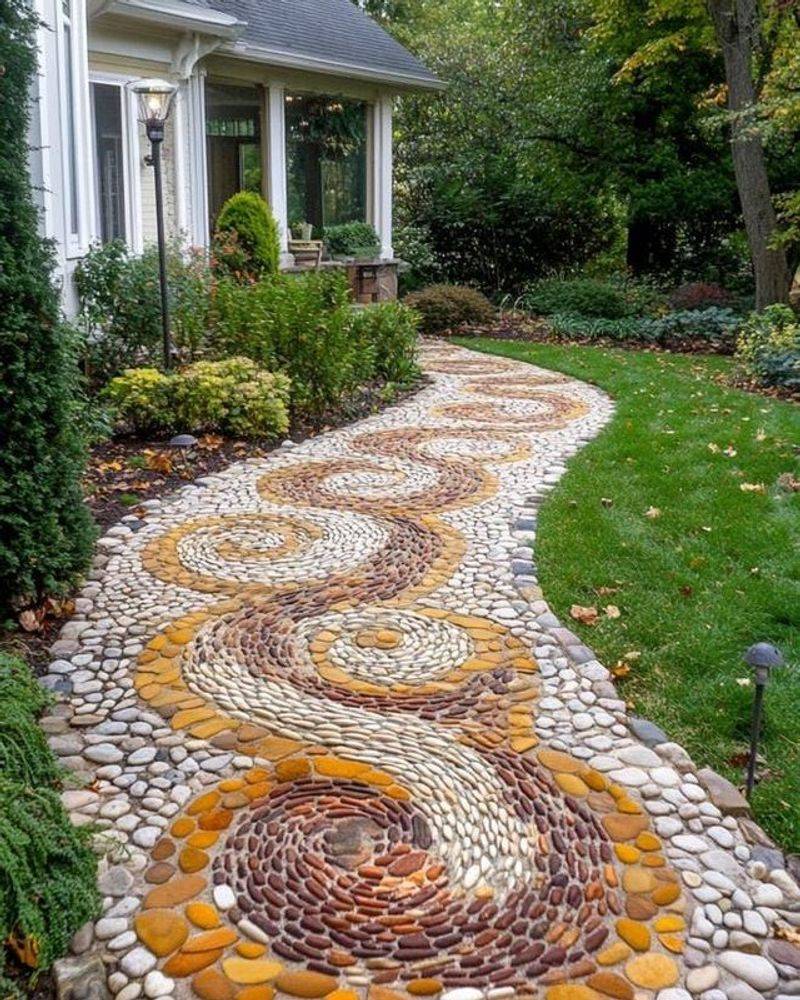
Artistic homeowners create stunning mosaic paths using leftover materials from various projects, transforming random remnants into cohesive designs that showcase creativity and resourcefulness beautifully.
Combining broken tiles, stones, bricks, and glass pieces creates one-of-a-kind pathways that become conversation starters and reflect personal style more authentically than manufactured products.
Pennsylvania’s changing seasons provide endless inspiration for color schemes, from autumn leaf patterns to spring flower motifs that celebrate our state’s natural beauty.
Children enjoy helping design and install mosaic paths, making this project perfect for families wanting to create lasting memories while beautifying outdoor spaces together.
Setting mixed materials in mortar provides permanence and stability, while careful planning ensures comfortable walking surfaces despite varied material heights and textures.
Mosaic paths work especially well in small spaces where every square foot matters, adding significant visual interest without requiring extensive areas.
Recycling broken pottery, tiles, and dishes prevents waste while honoring sentimental items too meaningful to discard completely.
Sealing finished mosaics protects against weathering and makes cleaning easier, preserving artistic efforts for years despite Pennsylvania’s harsh winters.
14. Stepping Stone Grass Path
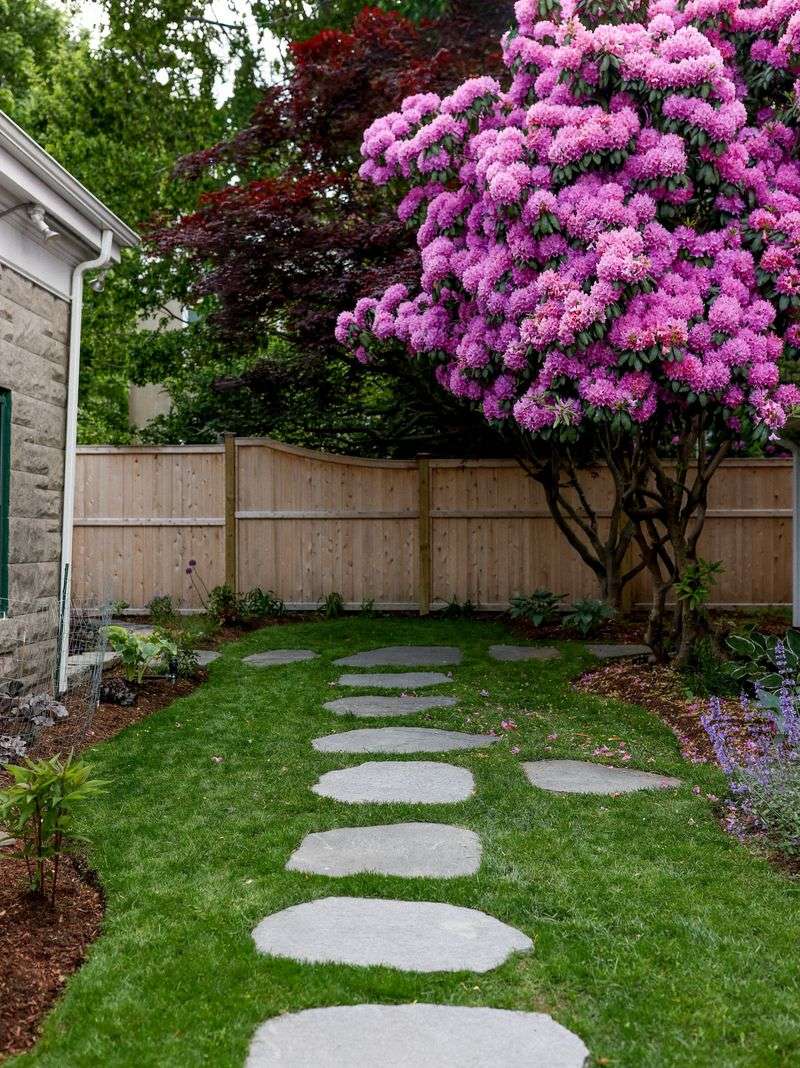
Simple stepping stones set into existing lawn create charming pathways that protect grass from wear patterns while maintaining open, spacious feelings in smaller Pennsylvania yards.
Flat stones spaced at natural stride intervals guide foot traffic without dominating landscapes, offering subtle direction that feels organic rather than imposed.
Installing stepping stones requires cutting grass, excavating slightly, and setting stones flush with ground level so mowers pass over them easily.
Pennsylvania bluegrass lawns recover quickly around stones, filling in gaps and creating seamless integration that makes pathways appear natural.
This approach costs very little since it requires minimal materials and no base preparation beyond leveling individual stones.
Curved layouts following natural traffic patterns work better than rigid straight lines, creating relaxed aesthetics that suit casual garden styles.
Stepping stone paths easily relocate as garden needs change, offering flexibility that permanent pathways cannot match.
Choosing stones large enough for stable footing prevents wobbling and ensures safety, while irregular natural shapes add visual interest.
15. Lighted Paver Pathway
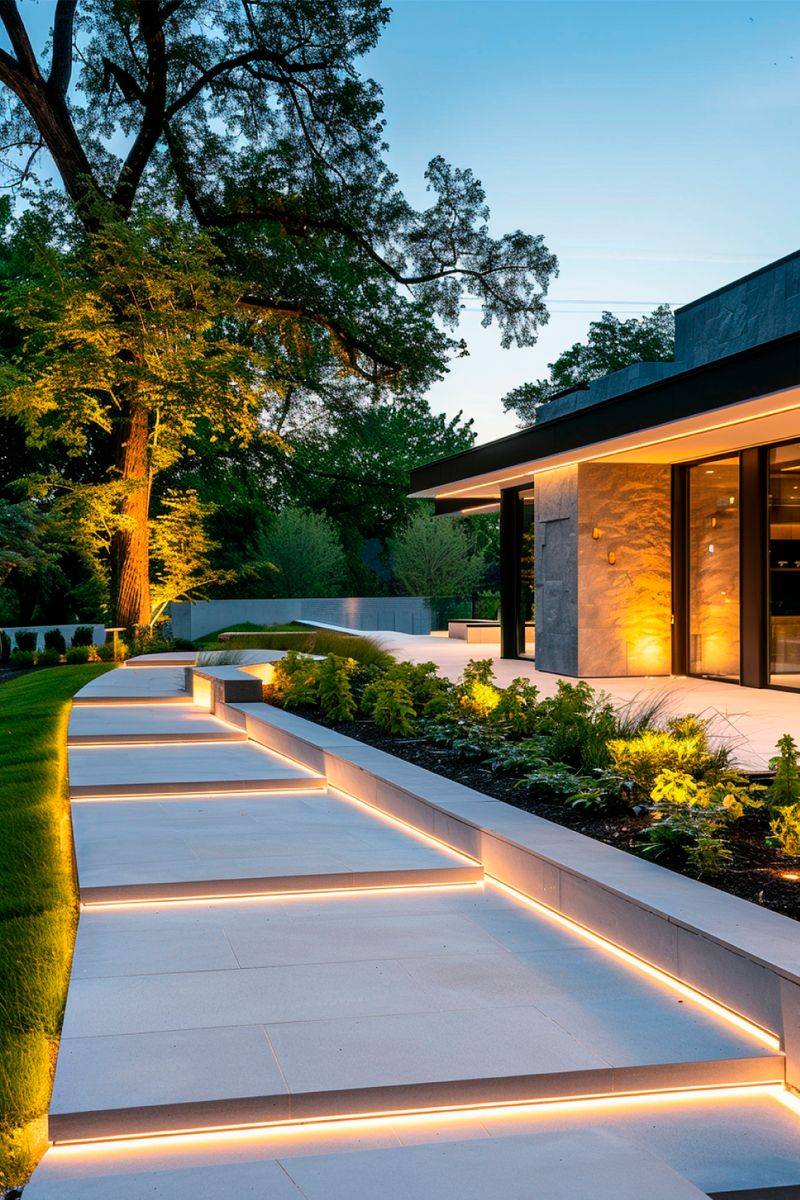
Built-in LED lighting transforms ordinary pathways into magical evening features that enhance safety while creating enchanting ambiance for Pennsylvania’s long summer nights.
Solar-powered paver lights eliminate electrical installation costs and ongoing energy expenses, making sophisticated lighting accessible for homeowners on modest budgets.
Low-voltage systems offer brighter illumination than solar options, running safely from landscape transformers that reduce household current to harmless levels.
Pennsylvania evenings become more enjoyable when pathways glow softly, encouraging outdoor activities after sunset.
Modern LED technology lasts decades without bulb replacement, surviving freeze-thaw cycles and moisture exposure.
Spacing lighted pavers appropriately prevents excessive brightness while ensuring adequate visibility.
Color-changing LEDs offer playful options for special occasions, though warm white tones provide the most natural everyday appearance.
Professional installation ensures proper waterproofing and wiring techniques, though many solar systems require no technical expertise.