8 Garden Pests Already Waking Up In Michigan Before Spring Even Begins
Just when winter seems endless and gardens lie quiet beneath lingering snow, the first stirrings of the growing season begin beneath the surface.
Some garden pests in Michigan awaken surprisingly early, preparing to take advantage of tender new growth long before warm weather fully arrives.
These early risers often go unnoticed at first, yet their activity can quickly affect seedlings, roots, and emerging plants if left unchecked.
Understanding which pests appear earliest gives Michigan gardeners a valuable head start, allowing time to prepare defenses and prevent small issues from becoming larger challenges.
Careful observation, early planning, and simple protective steps can make a meaningful difference once spring truly takes hold.
By staying alert during this transitional period, you can protect your garden from unwanted damage and support healthier growth from the very beginning.
Knowing what to watch for helps ensure your Michigan garden begins the season strong, balanced, and ready to flourish.
1. Aphid Eggs Hatch After Consistent Thaw Not During Frozen Snow Cover
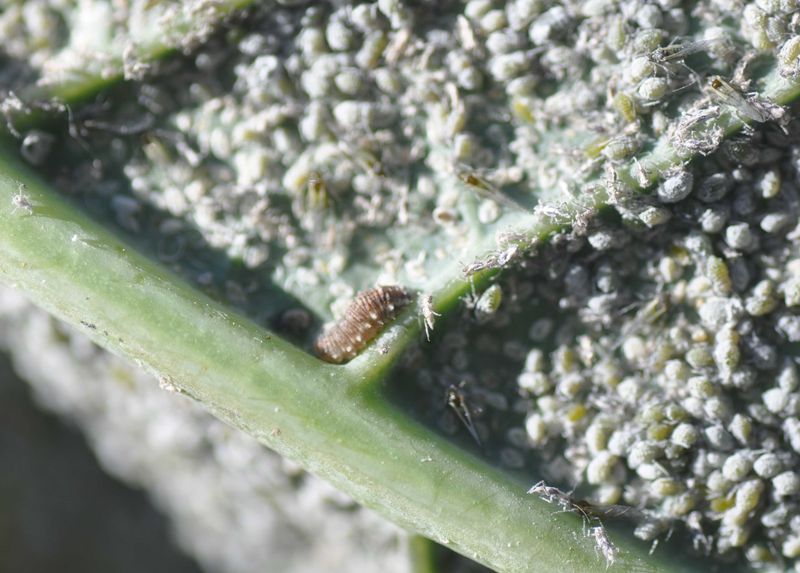
Aphids might seem like summertime nuisances, but their lifecycle actually begins much earlier than most gardeners realize. Throughout Michigan’s coldest months, aphid eggs cling tightly to plant stems and branches, waiting patiently for the right conditions.
These tiny eggs remain completely dormant while temperatures stay below freezing and snow blankets your garden beds.
Once consistent thawing begins and temperatures hold above freezing for several days, these eggs start their transformation. The warming trend signals to the developing nymphs inside that it’s safe to emerge and begin feeding.
However, active aphid feeding doesn’t happen while plants remain frozen or covered under snow because the insects need accessible plant tissue and flowing sap.
Gardeners should watch for aphids approximately two to three weeks after the last hard freeze when buds begin swelling. Early detection matters because aphid populations multiply rapidly once they establish themselves on tender new growth.
Inspect overwintered plants carefully, especially on the undersides of emerging leaves and along stems where eggs were laid last fall.
Natural predators like ladybugs also emerge around this time, providing some biological control. Encouraging these beneficial insects by avoiding broad-spectrum pesticides gives your garden a fighting chance.
Hosing off early aphid clusters with water pressure often provides enough control before populations explode into serious infestations that require stronger intervention methods.
2. Tent Caterpillar Eggs Overwinter On Branches And Hatch Near Bud Break
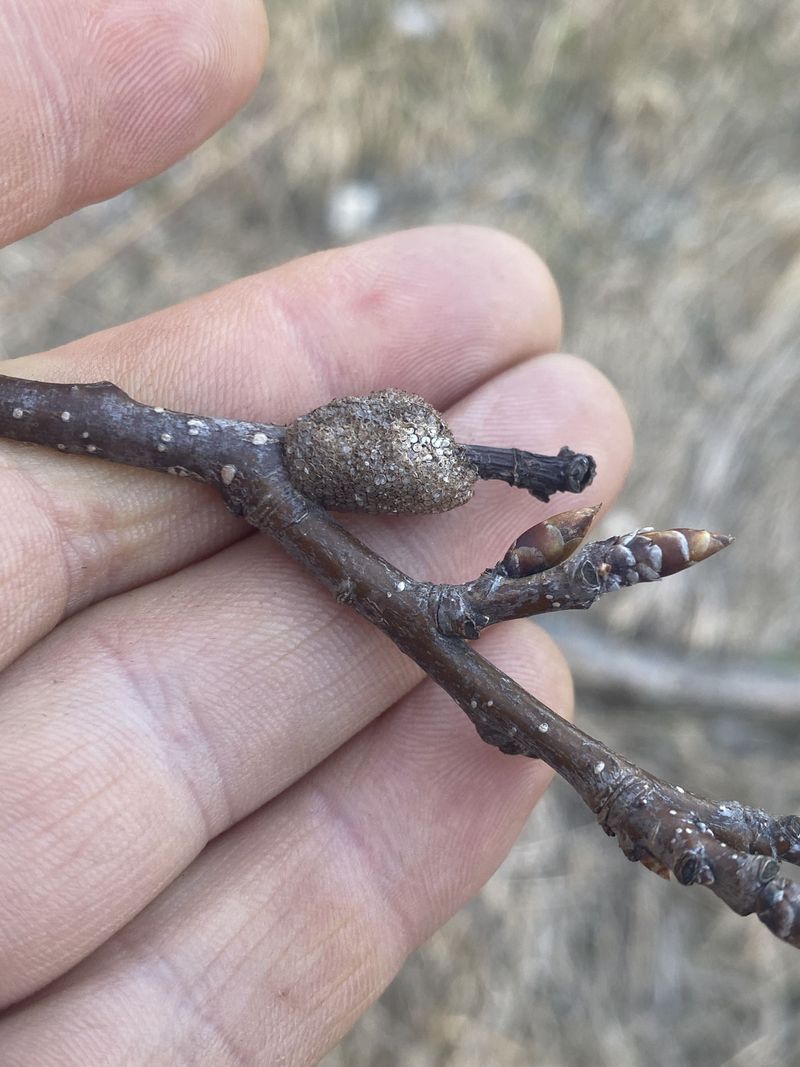
Walking through your yard in late winter, you might notice shiny, dark bands wrapped around tree branches that look almost varnished. These distinctive egg masses belong to tent caterpillars, and they’ve been there all winter long, enduring every blizzard and cold snap Michigan threw at them.
The female moths laid these protective casings last summer, and they’re engineered to withstand months of harsh weather.
Tent caterpillar eggs remain completely dormant throughout winter, even during brief warm spells. They won’t hatch until trees begin their natural bud break process, which typically occurs in mid to late April across most of Michigan.
This timing ensures that when the tiny caterpillars emerge, fresh tender leaves are available for immediate feeding.
Fruit trees, especially cherry and apple varieties, are favorite targets for these voracious eaters. A single egg mass can contain two hundred to three hundred eggs, meaning one missed cluster can lead to significant defoliation.
Removing egg masses during late winter provides the most effective control method because you’re eliminating entire colonies before they hatch.
Scraping off the masses and dropping them into soapy water takes just minutes per tree. Waiting until after hatching makes control much harder because the caterpillars disperse quickly and build their characteristic silken tents.
Regular winter inspections of susceptible trees save considerable frustration and protect your landscape’s health and appearance throughout the growing season.
3. Cabbage White Butterflies Appear After Sustained Warm Weather
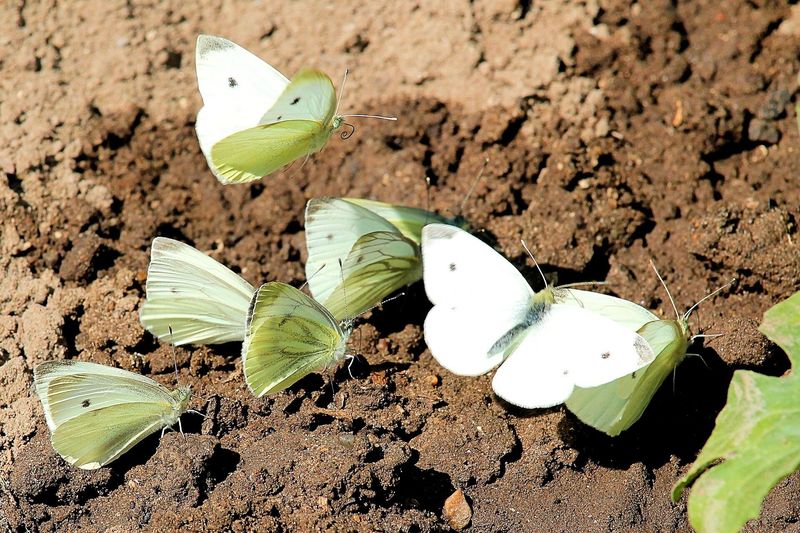
Spotting the first cabbage white butterfly of the season brings mixed feelings for Michigan vegetable gardeners. These delicate white insects with distinctive black wing spots look innocent enough, but they’re scouting your garden for perfect egg-laying spots.
Unlike some pests that emerge during brief winter thaws, cabbage whites require sustained warm weather before becoming active.
Temperatures need to stay consistently above fifty degrees Fahrenheit for several consecutive days before these butterflies take flight. This typically happens in late April or early May across Michigan, well after the last snowfall.
Cold snaps and frozen conditions keep them grounded, so you won’t see them fluttering around while snow lingers in shaded corners of your yard.
Once active, female butterflies immediately begin laying eggs on brassica family plants including cabbage, broccoli, kale, and Brussels sprouts. The resulting green caterpillars blend perfectly with foliage, making early detection challenging.
Gardeners who plant cool-season crops early should monitor plants closely once temperatures warm because these pests reproduce quickly.
Row covers provide excellent protection for young transplants, creating a physical barrier that prevents butterflies from accessing plants. Checking leaf undersides regularly helps catch eggs before they hatch into hungry caterpillars.
Hand-picking caterpillars works well in small gardens, while Bt spray offers organic control for larger plantings. Acting quickly when you spot the first butterflies prevents populations from building to damaging levels throughout spring.
4. Fungus Gnat Larvae Can Remain Active In Protected Moist Soil
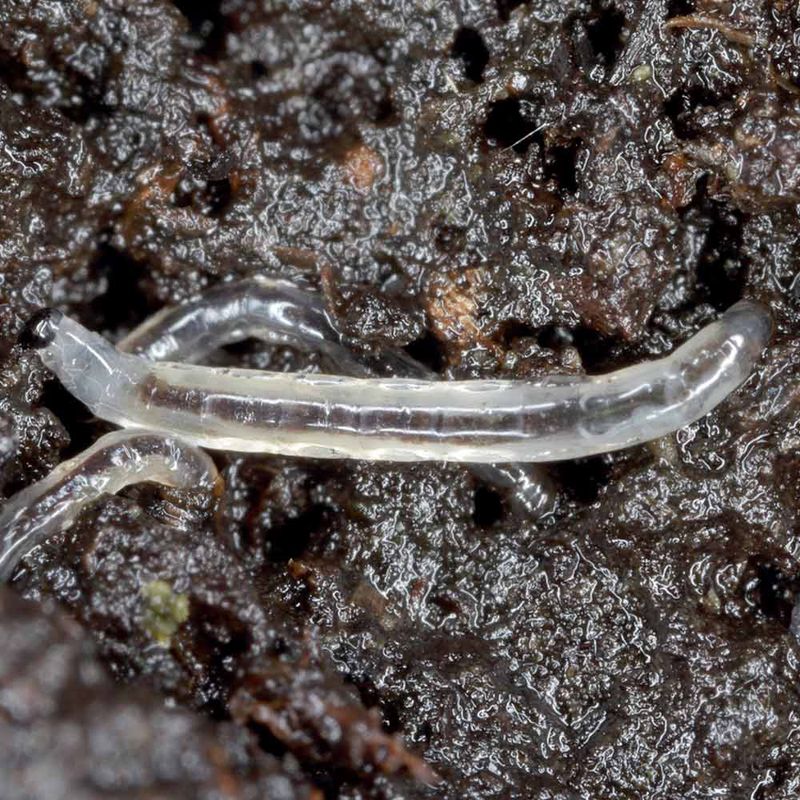
Fungus gnats present a unique situation among early-season pests because they thrive in protected environments year-round.
While outdoor garden soil freezes solid during Michigan winters, greenhouse containers and indoor houseplants maintain moisture and warmth that keeps fungus gnat larvae active.
These tiny worm-like creatures feed on organic matter and plant roots in consistently moist growing media.
Gardeners starting seeds indoors often encounter these pests weeks before spring officially arrives. The larvae develop in the top few inches of soil, especially when containers stay too wet between waterings.
Adult gnats resemble tiny mosquitoes and fly around plants, though they don’t bite people or damage foliage directly.
Outdoor garden beds remain inhospitable to fungus gnats until soil temperatures rise above freezing and thawing begins. Protected areas like cold frames, hoop houses, or mulched beds may harbor active larvae earlier than exposed ground.
The key factor is moisture combined with temperatures above freezing, not calendar dates or snow cover.
Allowing soil surfaces to dry between waterings disrupts the gnat lifecycle effectively. Yellow sticky traps catch adult gnats, reducing breeding populations.
Bottom-watering seedlings keeps soil surfaces drier while maintaining adequate moisture for roots. Adding a layer of sand or diatomaceous earth to container surfaces creates a barrier that larvae struggle to penetrate.
Prevention works better than treatment because once populations establish, they reproduce rapidly in ideal conditions. Sterilizing potting mix before use and avoiding overwatering protects seedlings during their most vulnerable early growth stages indoors.
5. Slugs Resume Feeding During Thaw Periods Even If Snow Lingers Nearby
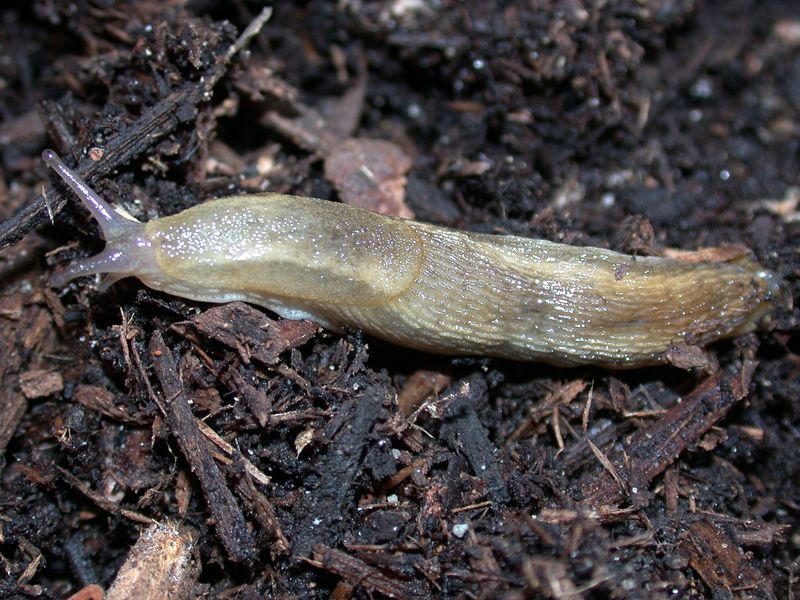
Slugs rank among the earliest active pests in Michigan gardens because they need surprisingly little warmth to resume feeding. These shell-less mollusks overwinter as eggs buried in soil or as juveniles tucked under mulch, boards, and leaf litter.
When soil temperatures climb just above freezing, slugs become mobile and start searching for food, even if patches of snow remain visible nearby.
Partial thaws during late winter create perfect conditions for slug activity. Moisture from melting snow combined with moderating temperatures brings them out of dormancy.
They’re particularly active during cloudy, damp days when they can move around without risking dehydration from sun exposure.
Early emerging perennials like hostas and young vegetable seedlings face the greatest risk from hungry slugs. A single slug can consume multiple seedlings overnight, leaving behind telltale slime trails and ragged holes in foliage.
Gardeners who plant peas, lettuce, and other cool-season crops early should anticipate slug pressure.
Checking under boards, pots, and mulch on mild days reveals where slugs are hiding. Hand-picking during evening hours when they’re most active provides immediate control.
Creating barriers with copper tape around raised beds repels slugs effectively because the metal reacts with their slime.
Beer traps sunken into soil attract and drown slugs, though they require regular emptying and refilling. Diatomaceous earth sprinkled around plants creates a scratchy barrier, but it needs reapplication after rain.
Starting control efforts during first thaws prevents populations from building before your main plantings go in the ground.
6. Boxelder Bugs Emerge On Sunny Days Even With Snow On The Ground
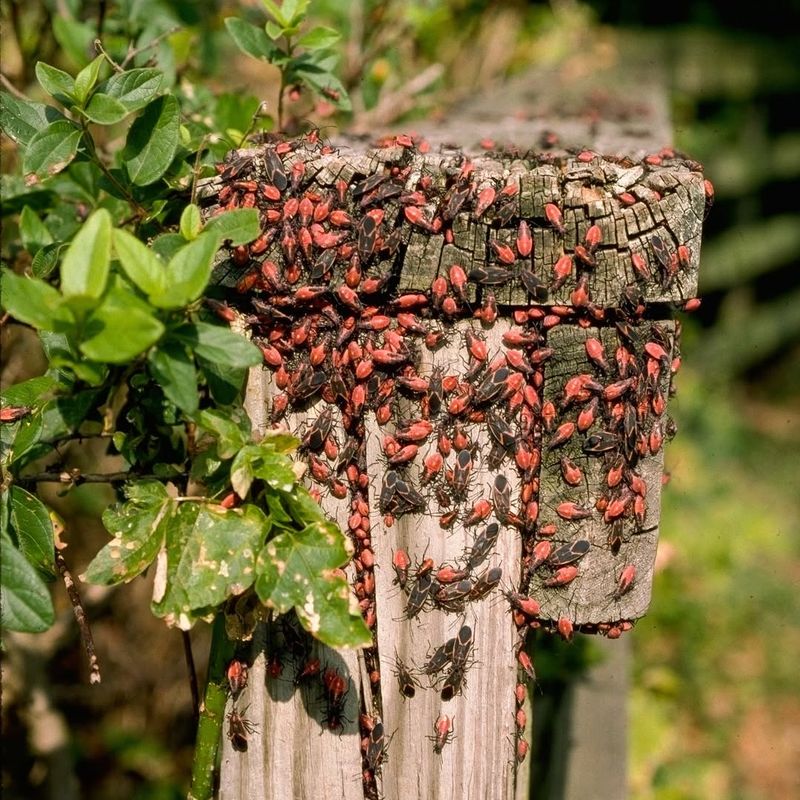
Boxelder bugs confuse many Michigan homeowners by appearing during winter warm spells when snow still covers most of the landscape. These distinctive black and red insects overwinter inside wall voids, attics, and other protected spaces around buildings.
Sunny days with temperatures climbing into the forties trigger their emergence, even if it’s technically still winter.
The bugs aren’t actually waking up to feed on plants during these appearances. Instead, warmth penetrating their hiding spots causes confusion, making them think spring has arrived.
They crawl out seeking food and breeding opportunities, only to discover it’s a false alarm. Many end up trapped on sunny south-facing walls, clustering together in surprisingly large numbers.
While boxelder bugs don’t damage gardens during winter, their early emergence signals that other overwintering pests may also become active soon. They primarily feed on boxelder trees but also target maples and ash trees once leaves emerge.
The bugs themselves cause minimal plant damage, though large populations become nuisances around homes.
Sealing cracks and gaps around windows, doors, and foundations before fall prevents boxelder bugs from entering buildings to overwinter. Once they’re inside, removing them becomes tedious because pesticides used indoors create their own problems.
Vacuuming up bugs that appear during warm spells works well for immediate removal.
Planting fewer boxelder trees, especially female varieties that produce seeds, reduces local populations over time. The bugs travel considerable distances, so complete control proves difficult in neighborhoods with many host trees.
Tolerating their brief appearances during winter thaws often makes more sense than attempting intensive control measures.
7. Scale Insects Remain On Plants All Winter And Resume Feeding With Sap Flow
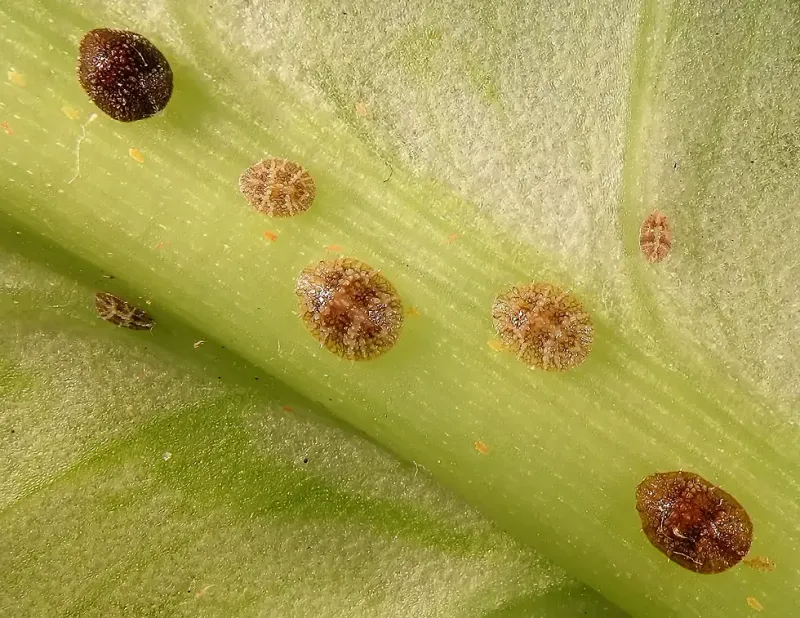
Scale insects take a different approach to winter survival compared to most garden pests. Rather than hiding underground or in protected structures, they remain attached to plant stems and branches throughout the coldest months.
Their hard protective shells shield them from freezing temperatures, wind, and snow, allowing them to survive conditions that would eliminate other insects.
Michigan gardeners often overlook scale infestations during winter because the insects remain motionless and blend with bark. They look like small bumps or discolored patches rather than living creatures.
This camouflage provides excellent protection from both weather and predators throughout dormancy.
Scale insects begin feeding again when plants break dormancy and sap starts flowing through stems. This typically occurs in late March or April depending on plant species and local conditions.
The timing has nothing to do with snow cover or air temperature but rather responds to internal plant signals that trigger growth.
Early spring provides an excellent opportunity for scale control because populations are still relatively small and concentrated. Dormant oil sprays applied before bud break smother overwintering scales effectively without harming plants.
These horticultural oils work by coating insects and blocking their breathing pores.
Inspecting fruit trees, ornamental shrubs, and houseplants during late winter helps identify scale problems before populations explode. Scraping off visible scales with a soft brush or cloth removes many insects manually.
Encouraging natural predators like parasitic wasps and ladybugs provides ongoing biological control throughout the growing season. Monitoring plants regularly allows you to catch new infestations early when they’re easiest to manage with minimal intervention.
8. Cutworms Stay In Soil And Begin Feeding After Soil Thaws
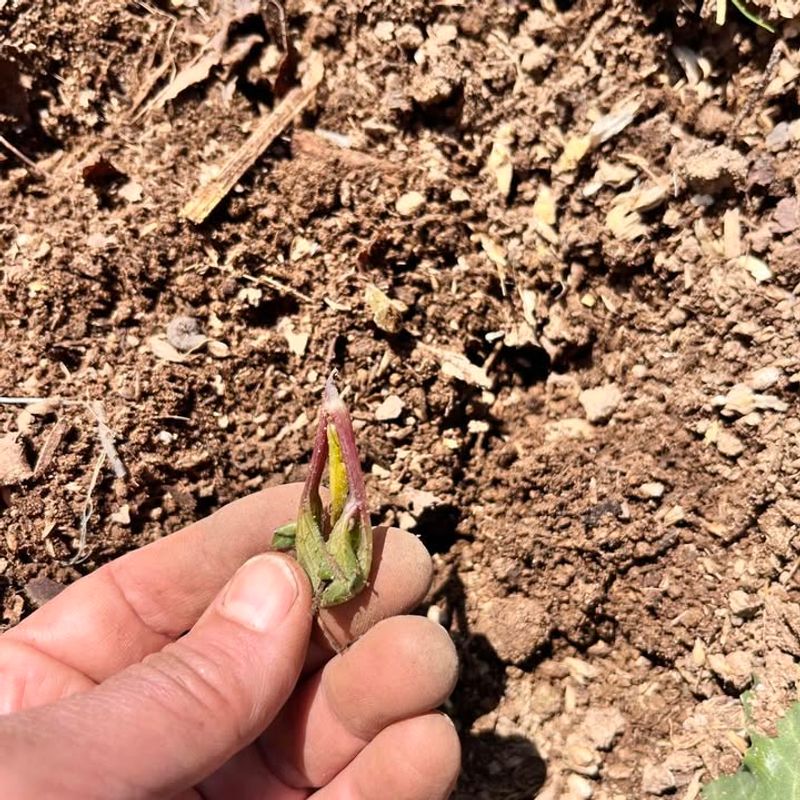
Cutworms earn their reputation as sneaky garden pests because they work underground and feed at night. These plump caterpillars, actually moth larvae, spend Michigan winters buried in soil where they remain protected from surface freezing.
They enter a dormant state that allows them to survive even when the top several inches of ground freeze solid.
As soil temperatures rise above freezing in spring, cutworms gradually become active again. This happens from the bottom up as deeper soil warms before surface layers.
The larvae move upward through soil profiles, eventually reaching the surface where they can access plant stems and foliage.
Cutworm feeding becomes noticeable when gardeners find young transplants severed at soil level, looking like someone used scissors on the stems. The larvae wrap around stems and chew through them during nighttime feeding sessions, then retreat underground before sunrise.
This behavior makes them difficult to catch in action.
Protecting transplants with collars made from cardboard tubes or plastic cups pressed into soil creates physical barriers. The collars should extend two inches above and below soil level to prevent cutworms from reaching stems.
Checking gardens with a flashlight after dark sometimes reveals actively feeding larvae that can be hand-picked.
Tilling soil several weeks before planting exposes overwintering cutworms to predators and harsh conditions. Beneficial nematodes applied to soil provide biological control by parasitizing larvae.
Avoiding thick mulch layers right against plant stems reduces hiding places. Starting control efforts as soon as soil becomes workable protects your first plantings from these persistent underground pests.