11 Garden Plants California Has Banned Or Is Moving To Restrict
California gardens may look calm on the surface, but behind the scenes, the rules of the game are changing.
Some familiar plants that once seemed harmless are now raising red flags, and homeowners are getting caught off guard.
What passed as a good choice a few years back can now land on the wrong side of state rules.
California’s climate is a blessing and a curse.
Warm weather helps plants grow like gangbusters, but it also lets certain species spread fast and crowd out native landscapes.
When that happens, officials step in to rein things back.
Plants that choke waterways, fuel wildfires, or push out local species often end up on the chopping block.
Many banned or restricted plants still look great at garden centers or in older yards, which muddies the waters.
Homeowners may think they are playing it safe, only to find out too late that the rules have shifted.
It’s a classic case of yesterday’s favorite becoming today’s problem.
Knowing which plants are banned or headed that way helps gardeners stay ahead of the curve.
Smart choices protect local ecosystems, save money, and keep gardens on the right side of the law without sacrificing beauty or curb appeal.
1. Pampas Grass
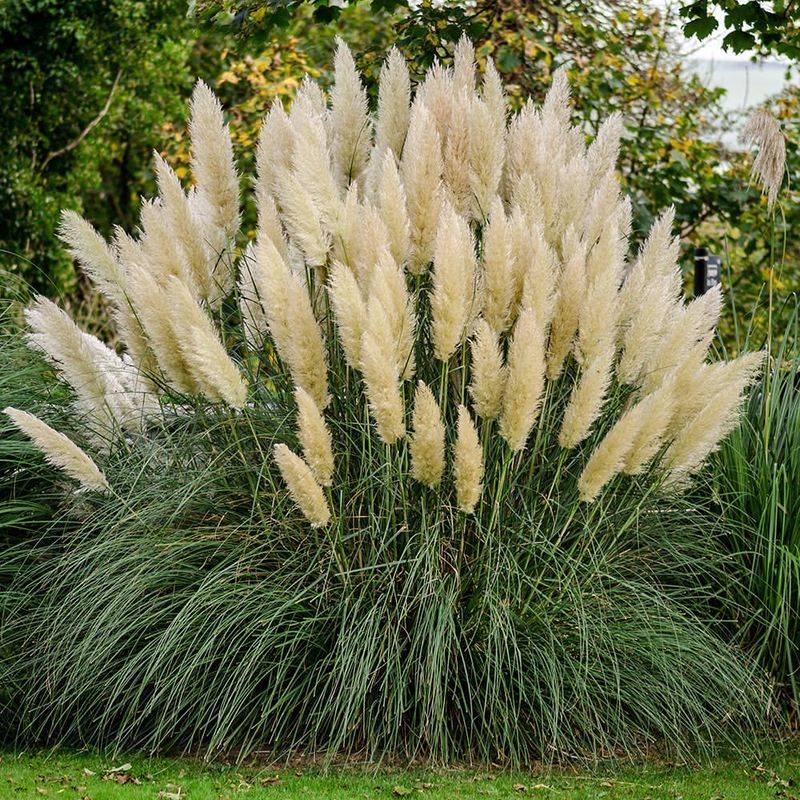
Those dramatic plumes waving in the breeze might catch your eye at the garden center, but pampas grass has become a serious problem across California.
This South American native spreads incredibly fast, creating dense stands that push out native plants and create fire hazards with its dry, flammable leaves.
Each pampas grass plant produces millions of seeds that travel on the wind for miles.
Once established, the plants form thick root systems that are extremely difficult to remove.
California’s coastal areas have been particularly hard hit, with entire hillsides covered in these invasive grasses.
State regulations now prohibit the sale and planting of certain pampas grass varieties throughout California.
The dried foliage creates significant wildfire risks during the state’s fire season, as the tall plumes can carry embers long distances.
Landowners with existing plants face potential fines if they allow seeds to spread to neighboring properties.
Native bunch grasses offer beautiful alternatives that support local wildlife without the invasive tendencies.
Many California nurseries now stock these native options that provide similar visual appeal without environmental consequences.
Removing existing pampas grass requires careful planning to prevent regrowth from root fragments left in the soil.
2. Giant Reed
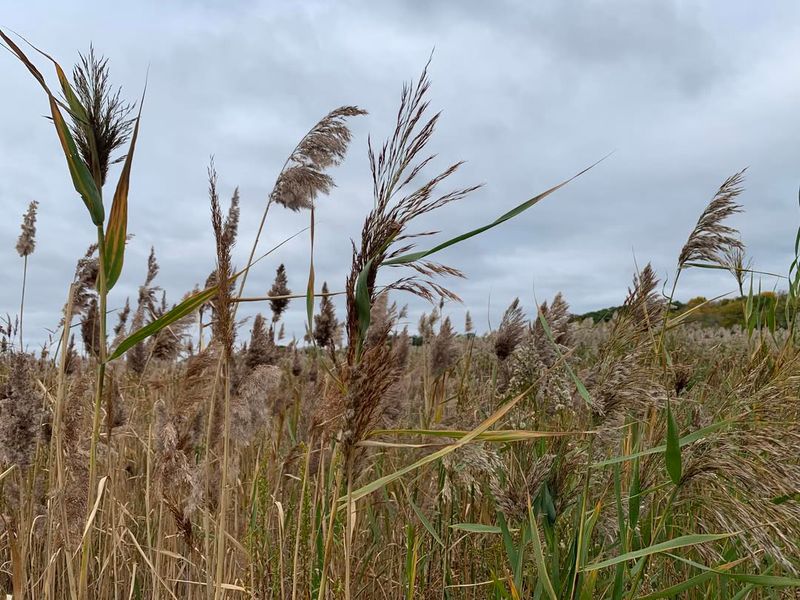
Standing up to 30 feet tall, giant reed looks like bamboo but causes far more problems along California’s waterways.
This Mediterranean invader has taken over thousands of acres of riparian habitat, choking out willows, cottonwoods, and other native plants that wildlife depends on.
Water consumption becomes a major issue with giant reed infestations.
These plants drink significantly more water than native vegetation, reducing stream flows during California’s already-dry summers.
The dense growth also increases flood risks by blocking natural water channels and creating debris dams during storms.
California has listed giant reed as a noxious weed, making it illegal to plant or transport throughout the state.
Eradication programs spend millions annually trying to reclaim invaded waterways.
The plant spreads primarily through root fragments, meaning even small pieces can establish new colonies downstream.
Property owners near water sources must actively prevent giant reed establishment on their land.
Biocontrol methods using specialized insects show promise in managing existing infestations.
Native California plants like mugwort and mulefat provide excellent alternatives for erosion control without the invasive behavior that makes giant reed so problematic throughout the state.
3. Yellow Star Thistle
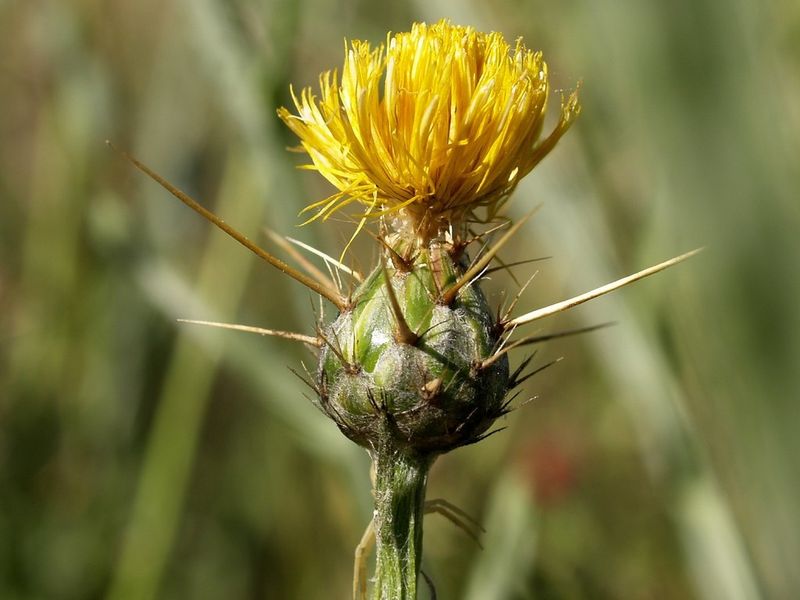
Bright yellow flowers hide the true nature of this Mediterranean menace that has conquered millions of California acres.
Yellow star thistle forms impenetrable stands that crowd out everything else, transforming diverse grasslands into monoculture wastelands that support almost no native wildlife.
Sharp spines make the plant painful for animals and humans alike to navigate.
Horses face particular danger from chewing the plant, which can cause neurological damage.
California ranchers lose valuable grazing land as thistle infestations spread, reducing property values and livestock productivity across affected regions.
State agricultural departments classify yellow star thistle as a noxious weed requiring control measures.
The plant’s deep taproot allows it to survive California’s dry summers while native annuals fade away.
Each plant produces numerous seeds that remain viable in soil for years, making eradication extremely challenging once established.
Prevention remains the best strategy since removing established populations requires sustained effort over multiple years.
California gardeners should inspect hay, mulch, and soil amendments for thistle seeds before introducing them to their properties.
Native wildflowers like California poppies and lupines provide beautiful alternatives that support pollinators without the aggressive invasiveness that makes yellow star thistle such a persistent problem throughout the state.
4. Tree Of Heaven
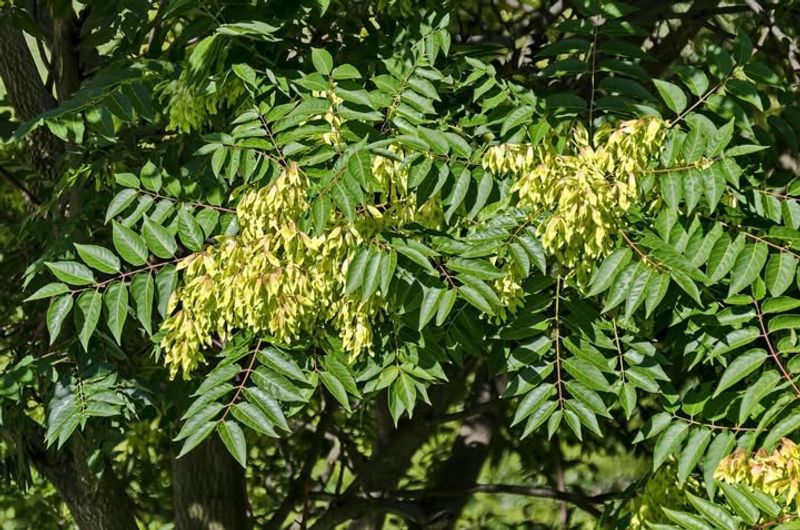
Chinese immigrants brought this fast-growing tree to California during the Gold Rush, never imagining it would become an ecological nightmare.
Tree of heaven now invades forests, roadsides, and urban areas throughout the state, producing chemicals that poison the soil and prevent other plants from growing nearby.
Growth rates exceeding 10 feet per year allow tree of heaven to quickly dominate disturbed areas.
The tree produces thousands of winged seeds that helicopters spread across neighborhoods and natural areas.
Root systems extend far beyond the trunk, sending up new shoots that create dense thickets impossible for native seedlings to penetrate.
California regulations now restrict planting tree of heaven, with many counties requiring property owners to remove existing specimens.
The tree serves as the primary host for spotted lanternfly, an invasive pest threatening the state’s agricultural industries.
Cutting the trees without proper treatment causes dozens of new shoots to sprout from the roots.
Professional removal requires careful application of herbicides to prevent regrowth.
Native California trees like valley oak and western redbud provide shade and beauty without the aggressive spreading behavior.
Landowners should monitor their properties regularly for tree of heaven seedlings, which are much easier to remove when small rather than waiting until they become established problems.
5. Scotch Broom
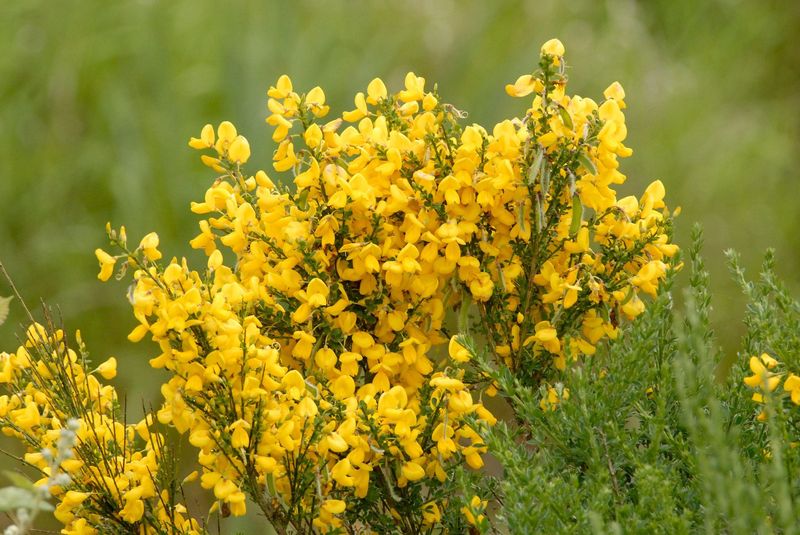
Golden flowers covering hillsides might seem picturesque, but Scotch broom has become one of California’s most troublesome invasive shrubs.
Originally planted for erosion control and ornamental purposes, this European native now dominates thousands of acres, particularly in Northern California’s coastal regions and Sierra foothills.
Each plant produces thousands of seeds that explosively shoot from dried pods, spreading across the landscape.
Seeds remain viable in soil for up to 80 years, creating a persistent seed bank that makes eradication nearly impossible.
The shrubs grow quickly, forming dense thickets that shade out native plants and reduce habitat quality for wildlife.
California has banned the sale and distribution of Scotch broom throughout most of the state.
The plant’s nitrogen-fixing ability changes soil chemistry, making it harder for native species to reestablish even after broom removal.
Fire danger increases significantly in areas with heavy Scotch broom infestations, as the oily foliage burns intensely.
Manual removal works best for small infestations, but requires removing the entire root system to prevent regrowth.
Native shrubs like California lilac and toyon provide beautiful alternatives with flowers that support local pollinators and birds.
Property owners in affected areas should remove Scotch broom before it sets seed to prevent further spread across California landscapes.
6. Purple Loosestrife
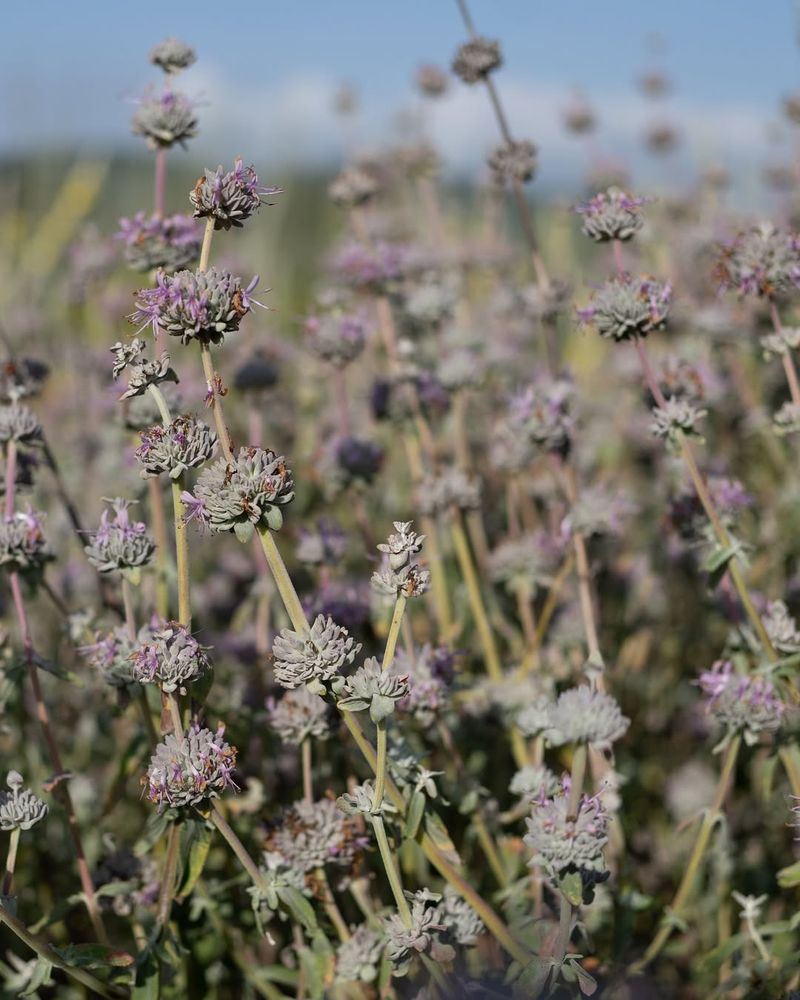
Magenta flower spikes create stunning displays in wetlands, which is exactly why purple loosestrife became such a popular garden plant before anyone understood its devastating impact.
This European perennial has invaded California’s marshes, ponds, and stream edges, transforming diverse wetland ecosystems into purple monocultures that provide little value for native wildlife.
A single mature plant produces up to 2.7 million seeds annually, with wind and water carrying them to new locations throughout California’s waterways.
The aggressive root system crowds out cattails, sedges, and other native wetland plants that waterfowl and other animals depend on for food and shelter.
Dense stands reduce open water areas critical for fish spawning and bird nesting.
California law prohibits selling, planting, or transporting purple loosestrife anywhere in the state.
Wetland restoration projects spend considerable resources removing this invasive species and replanting native vegetation.
The plant’s ability to grow in both wet and relatively dry conditions allows it to colonize a wide range of habitats beyond typical wetlands.
Biological control using specialized beetles shows promise in managing purple loosestrife populations.
Native California plants like monkey flower and Douglas iris provide beautiful alternatives for water garden enthusiasts.
Early detection and rapid removal remain essential for protecting the state’s remaining healthy wetland ecosystems from this persistent invader.
7. Perennial Pepperweed
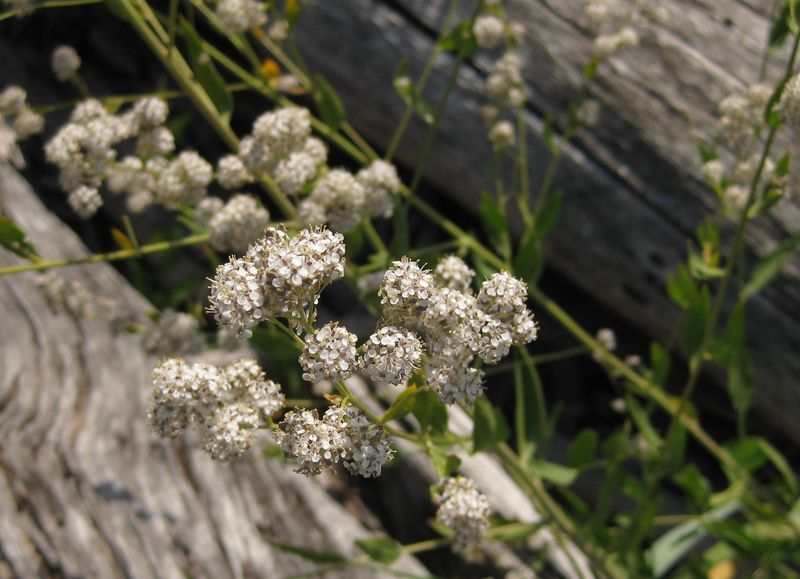
White flower clusters might look delicate, but perennial pepperweed ranks among California’s most aggressive wetland invaders.
This Eurasian species forms dense stands that can grow several feet tall, completely transforming marshes and seasonal wetlands throughout the state’s agricultural regions and natural areas.
Salt tolerance gives perennial pepperweed a significant advantage in California’s inland valleys and coastal areas.
The plant thrives in disturbed soils, quickly colonizing roadsides, field edges, and abandoned farmland.
Extensive root systems spread horizontally underground, with new shoots emerging to create expanding patches that can cover acres.
State regulations classify perennial pepperweed as a noxious weed requiring control in many California counties.
The plant reduces forage quality on grazing lands and interferes with irrigation systems.
Wildlife habitat suffers dramatically as pepperweed replaces diverse native plant communities with monoculture stands that offer little food or shelter value.
Controlling established infestations requires multi-year management programs combining mechanical removal and targeted herbicide application.
Seeds spread easily on equipment, vehicles, and in contaminated soil, making prevention crucial for uninfested properties.
Native California wetland plants like rushes and Baltic rush provide excellent alternatives for restoration projects.
Property owners should inspect their land regularly for new pepperweed patches, which are far easier to manage when caught early rather than after they become established throughout the landscape.
8. English Ivy
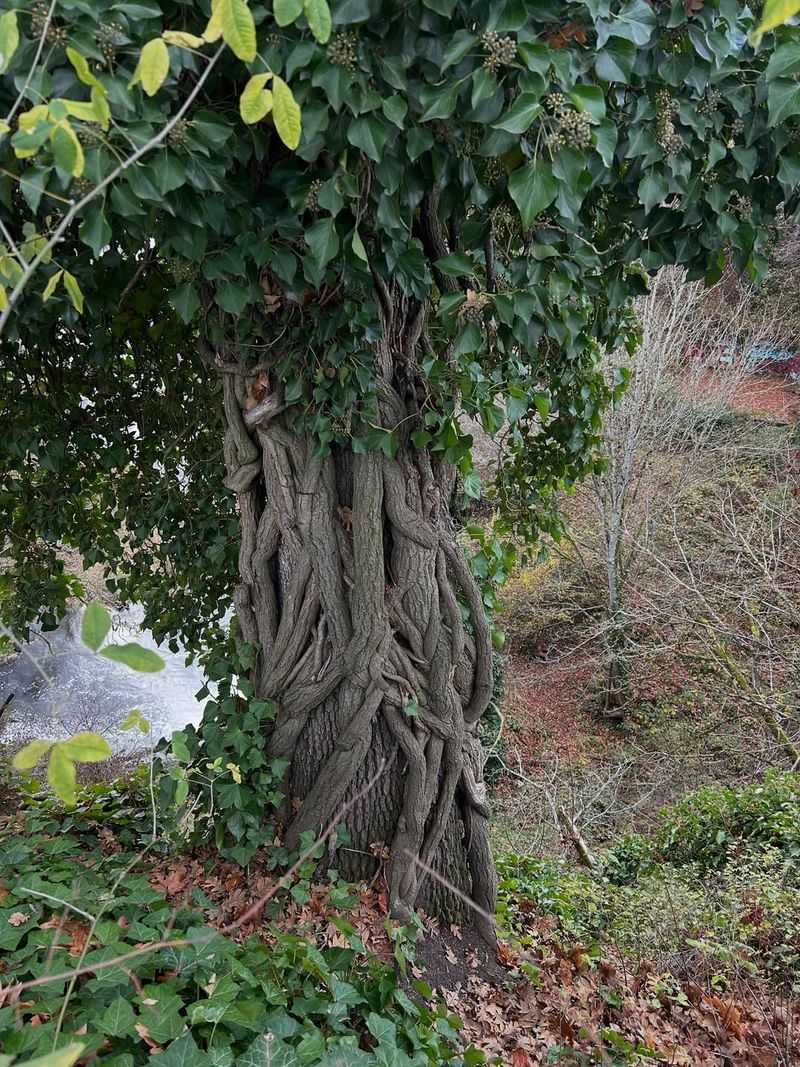
Climbing up trees and blanketing the ground, English ivy creates a lush green carpet that many gardeners find appealing.
However, this European groundcover has escaped cultivation throughout California, smothering native plants and actually harming the trees it climbs by adding weight and blocking sunlight from reaching the bark.
Mature ivy produces berries that birds eat and spread across the landscape.
The plant grows equally well in sun or shade, allowing it to invade forests, parks, and natural areas throughout California’s coastal regions.
Dense ivy mats prevent native seedlings from establishing, reducing forest regeneration and decreasing plant diversity.
Several California counties have banned English ivy sales and require property owners to prevent its spread beyond their boundaries.
The added weight of ivy covering tree canopies increases storm damage risks and can contribute to tree failure during high winds.
Ivy-covered surfaces also provide ideal habitat for rats and other pests near homes and buildings.
Removing ivy requires cutting vines at the base and carefully pulling growth away from tree bark without damaging the underlying surface.
Native groundcovers like California wild grape and creek dogwood provide beautiful alternatives that support local ecosystems.
Regular monitoring prevents ivy from reestablishing once removed.
California gardeners should choose native plants instead of English ivy to create landscapes that enhance rather than harm the state’s natural environment and native plant communities.
9. Fountain Grass
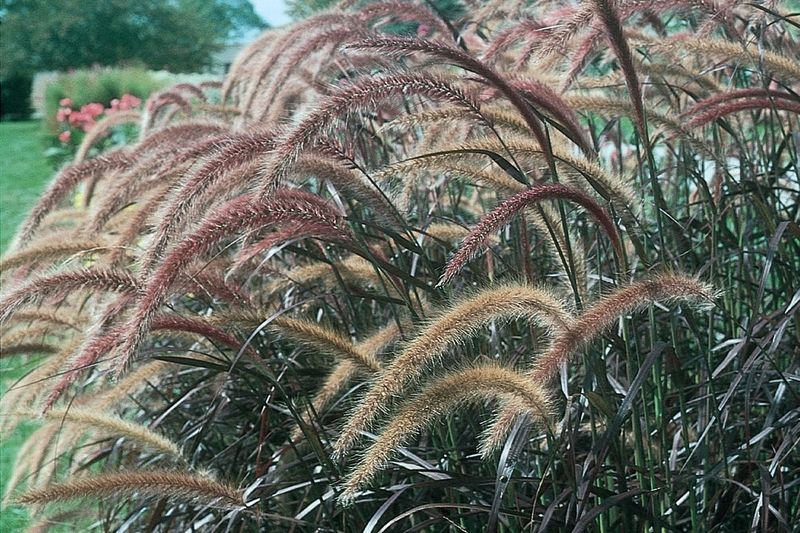
Feathery plumes and graceful arching foliage make fountain grass a landscaping favorite, but several varieties have proven too successful in California’s climate.
These African grasses escape cultivation easily, establishing in natural areas where they outcompete native plants and increase wildfire risks throughout the state’s drier regions.
Drought tolerance allows fountain grass to thrive in areas where many native plants struggle during California’s extended dry seasons.
The grasses produce abundant seeds that wind and animals carry to new locations.
Established plants form dense clumps that exclude native vegetation and reduce habitat quality for wildlife that depends on diverse plant communities.
California has restricted the sale of certain fountain grass varieties, particularly those that produce viable seeds.
The dried foliage creates fire hazards similar to pampas grass, carrying flames quickly across landscapes during wildfire season.
Some counties have banned all fountain grass varieties to prevent further invasions of natural areas.
Sterile cultivars offer safer alternatives for gardeners who love the fountain grass look without the invasive spreading.
Native California grasses like deer grass and purple needlegrass provide beautiful landscaping options that support local ecosystems.
Property owners with banned fountain grass varieties should remove plants before they set seed.
Checking with local California nurseries about approved varieties helps gardeners make responsible choices that won’t contribute to the state’s ongoing struggles with invasive species.
10. Cape Ivy
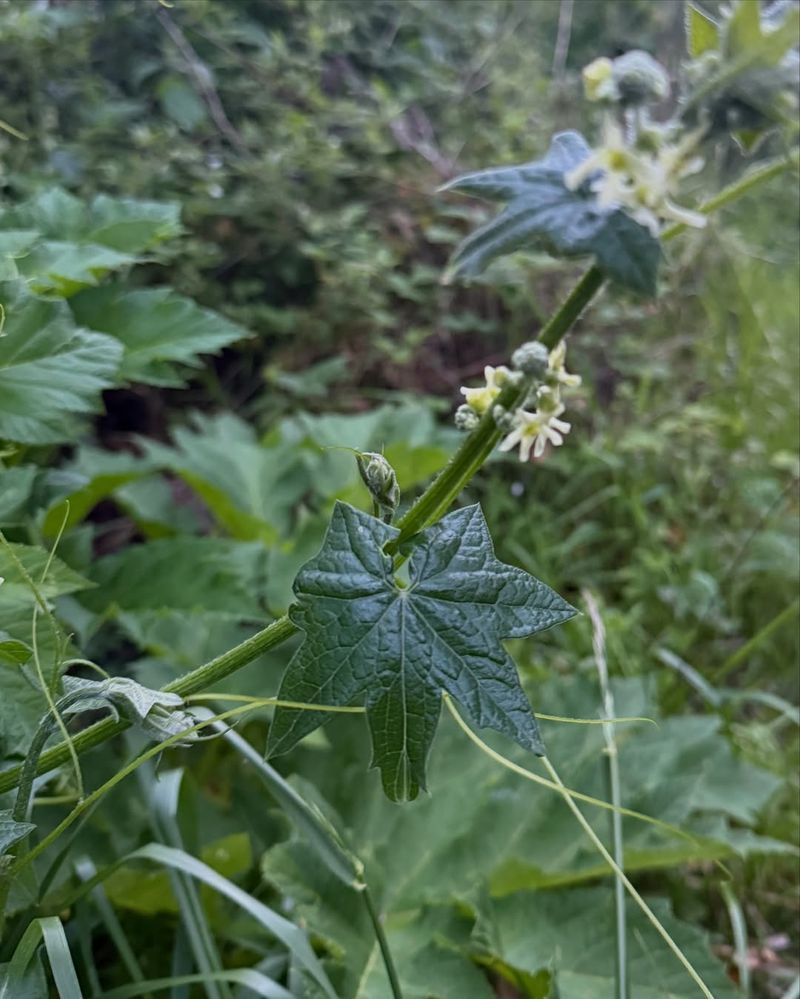
Yellow daisy-like flowers cover this South African vine that has become a major problem in California’s coastal regions and fog belt.
Cape ivy forms dense mats that smother everything underneath, climbing into tree canopies and pulling down branches with its weight while blocking sunlight from reaching native understory plants.
Frost sensitivity limits cape ivy to California’s milder coastal areas, but within this range it has become one of the most damaging invasive plants.
The vine spreads rapidly through stem fragments, with tiny pieces rooting wherever they touch soil.
Wind and water carry fragments to new locations, allowing cape ivy to colonize riparian corridors and forest edges throughout affected regions.
California regulations prohibit selling or transporting cape ivy, with several counties requiring active removal from properties.
The plant’s ability to grow in shade allows it to invade intact forests, unlike many invasives that only colonize disturbed areas.
Native plant communities suffer dramatically as cape ivy blankets the ground and climbs into the canopy.
Manual removal works for small infestations but requires removing all stem fragments to prevent regrowth.
Native California plants like California wild rose and snowberry provide excellent alternatives for covering slopes and creating wildlife habitat.
Monitoring properties near infested areas helps catch new cape ivy invasions early.
Coastal California residents should learn to identify this invasive vine and report infestations to help protect the state’s unique coastal ecosystems.
11. Tamarisk
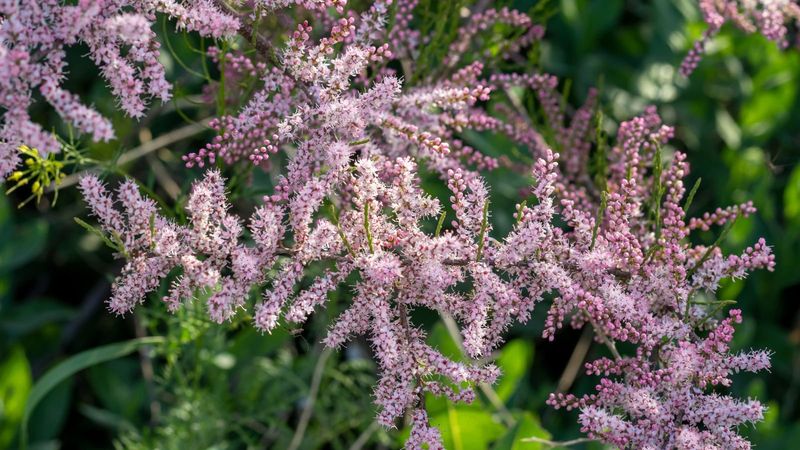
Feathery foliage and delicate pink flowers disguise tamarisk’s devastating impact on California’s desert waterways and riparian areas.
Also called saltcedar, this Mediterranean tree consumes enormous amounts of water while depositing salt in the soil, creating conditions where native cottonwoods, willows, and mesquites cannot survive or regenerate.
Water use becomes critical in California’s arid regions, where tamarisk can transpire hundreds of gallons daily during the growing season.
Dense thickets replace diverse riparian forests, reducing habitat quality for birds and other wildlife.
The trees’ deep roots lower water tables, sometimes causing springs and small streams to dry up completely during summer months.
California has classified tamarisk as a noxious weed, with active eradication programs along major waterways throughout the state’s desert regions.
The plant spreads through tiny seeds that travel on wind and water, plus root fragments that establish new colonies downstream.
Fire actually helps tamarisk spread by removing competing vegetation while leaving tamarisk roots intact to resprout.
Removing tamarisk requires cutting trees and treating stumps to prevent regrowth from the extensive root system.
Native California desert plants like desert willow and Fremont cottonwood provide beautiful alternatives that support local ecosystems without excessive water consumption.
Restoration projects combine tamarisk removal with native plant establishment to rebuild healthy riparian corridors.
Property owners along California waterways should monitor for tamarisk seedlings and remove them promptly before they become established problems.