9 Garden Plants In Vermont That Benefit From Wood Ash
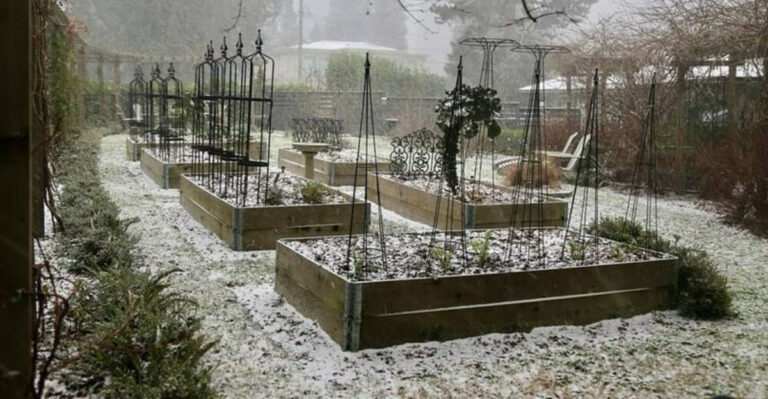
In Vermont gardens, wood ash often sits overlooked after winter, even though it quietly holds value for the soil.
Gardeners who heat with wood start noticing how that leftover ash can change plant growth when used thoughtfully and sparingly.
Certain garden plants respond especially well, showing stronger structure, richer color, and better overall performance over time.
When used with care, wood ash becomes a practical tool that helps these Vermont garden plants grow better than expected.
1. Tomatoes
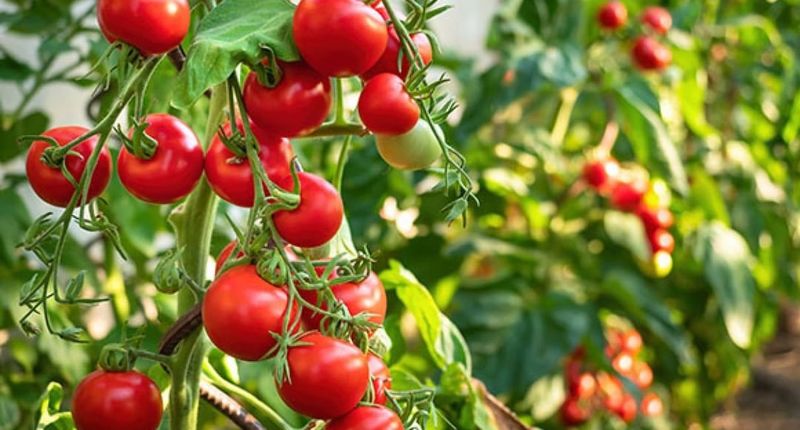
Tomatoes love the extra potassium that wood ash provides, which helps them develop strong stems and produce sweeter, more flavorful fruit throughout summer.
Vermont gardeners often struggle with acidic soil, but a light dusting of ash around tomato plants can raise pH levels to the ideal range.
Calcium from ash also prevents blossom end rot, that frustrating black spot that ruins perfectly good tomatoes before they ripen on the vine.
Sprinkle a thin layer around the base of each plant in early spring, mixing it gently into the top few inches of soil.
Too much ash can cause problems, so use no more than a half cup per plant during the entire growing season in Vermont.
Your tomatoes will reward you with stronger growth, better disease resistance, and a bountiful harvest that tastes amazing in fresh salads or sauces.
Watch your plants closely and adjust amounts based on how they respond, since every garden has slightly different soil conditions and needs.
2. Garlic
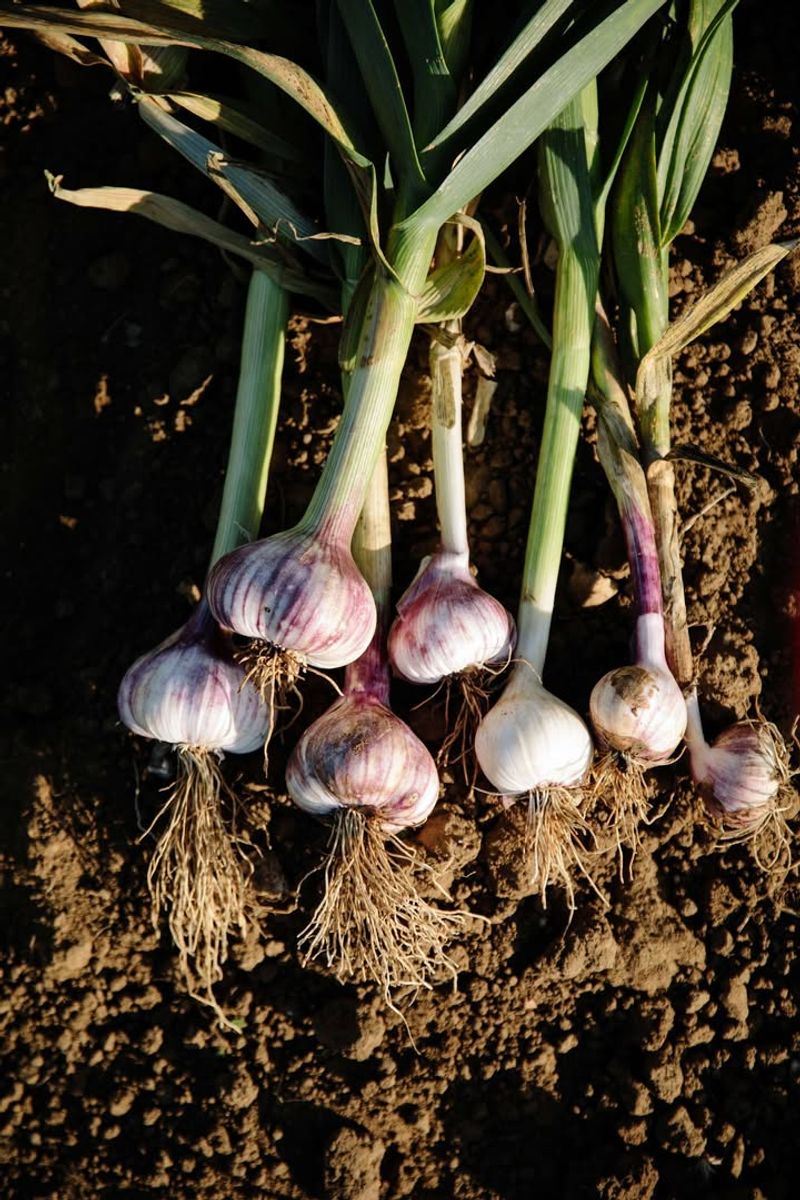
Garlic thrives when you add wood ash before planting because it raises soil pH and supplies potassium that bulbs need for proper development.
Vermont’s cool climate makes garlic an ideal crop, and ash helps ensure your cloves grow into large, healthy bulbs with strong flavor.
Mix a light application of ash into your garlic bed about two weeks before planting in fall, allowing time for nutrients to settle.
Calcium in ash strengthens cell walls, which means your garlic stores better through winter and resists rot in humid Vermont conditions.
Apply roughly one pound of ash per ten square feet of garden bed, working it into the top six inches of soil evenly.
Your garlic will develop robust root systems and produce bigger bulbs that have excellent storage quality for months after you harvest them.
Avoid applying ash directly on top of growing garlic shoots, as concentrated amounts can burn tender green growth and damage your crop.
Proper ash use creates the perfect environment for garlic to flourish in Vermont gardens year after year with minimal pest problems.
3. Broccoli
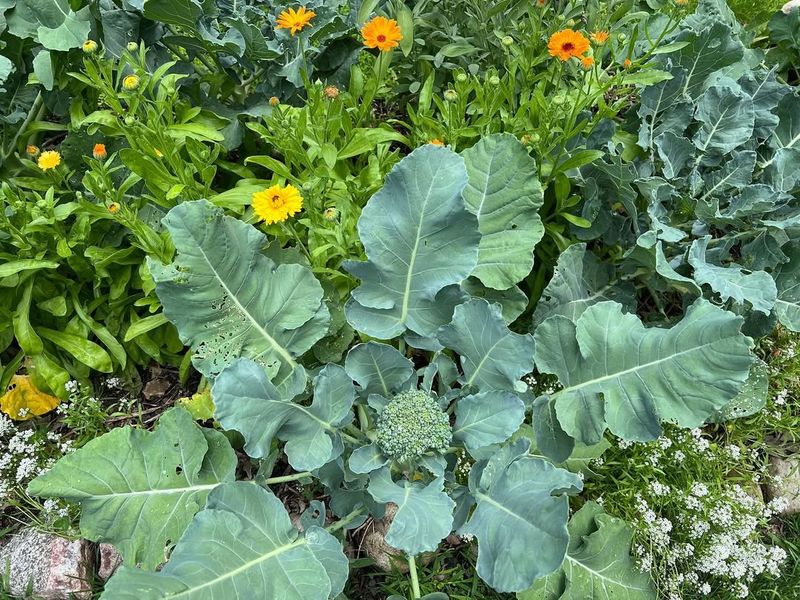
Broccoli belongs to the cabbage family and absolutely loves the alkaline boost that wood ash provides to Vermont’s naturally acidic garden soil.
Calcium from ash prevents hollow stem disorder, a common problem where broccoli stalks develop empty spaces and become weak or unusable for cooking.
Spread a thin layer of ash around broccoli seedlings when you transplant them outside in spring, mixing it lightly into the soil.
Potassium helps broccoli form tight, dense heads that taste delicious steamed or roasted, and ash provides this nutrient in an easy-to-absorb form.
Vermont gardeners should apply about one cup of ash per four plants, spacing applications throughout the growing season for best results.
Your broccoli will grow faster, develop stronger stems, and produce larger heads that resist pests and diseases better than plants without ash.
Avoid piling ash directly against plant stems, as this can cause chemical burns and stress that reduces your harvest significantly.
Balanced ash application creates ideal conditions for broccoli to thrive in Vermont’s cool climate and produce abundant, nutritious harvests all season long.
4. Onions
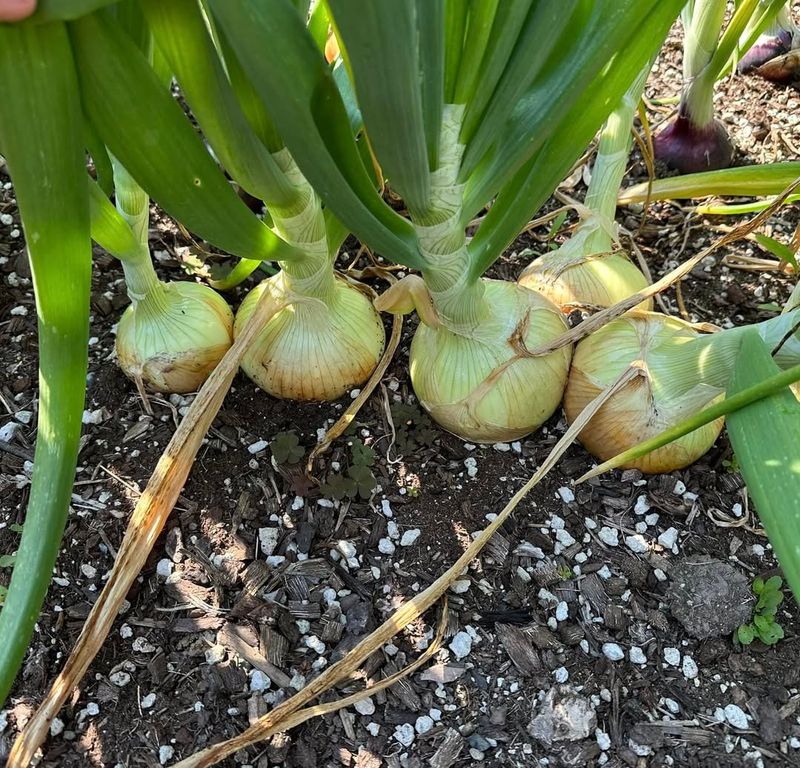
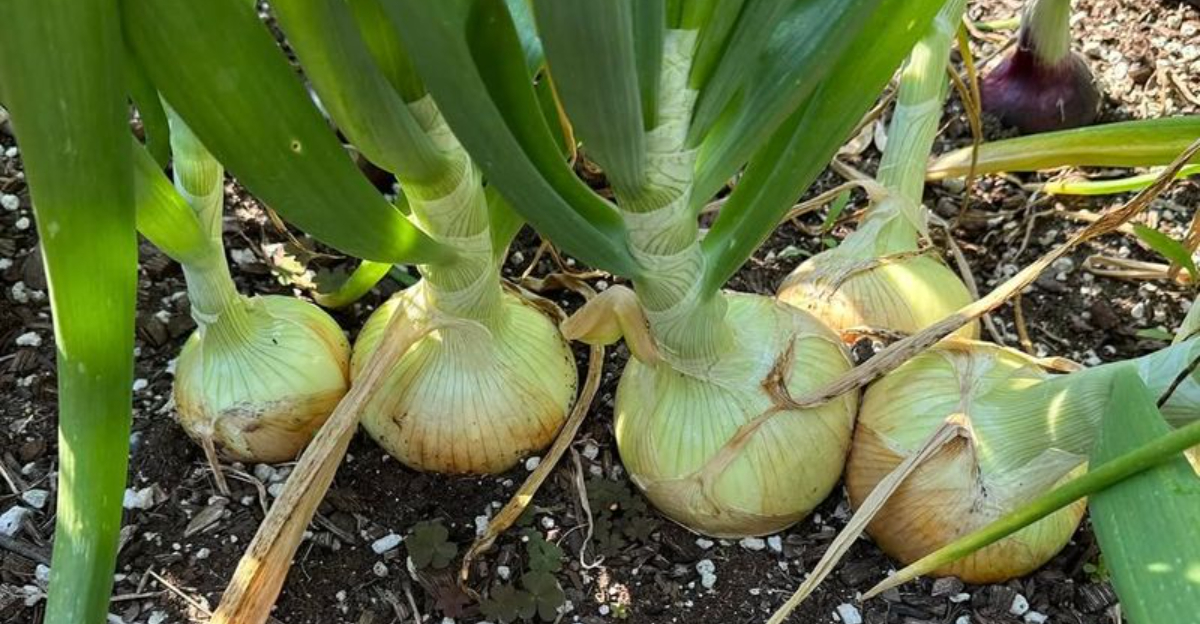
Onions respond beautifully to wood ash because it supplies potassium that helps bulbs swell to impressive sizes during Vermont’s growing season.
Ash raises pH levels, which onions prefer, creating conditions where roots absorb nutrients more efficiently and plants grow stronger and healthier.
Work ash into your onion bed before planting sets or seeds in early spring, mixing it thoroughly through the top layer of soil.
Calcium strengthens onion skin, which means your bulbs will store longer through winter without sprouting or rotting in your Vermont root cellar.
Use approximately one pound of ash per fifteen square feet of garden space, applying it evenly to avoid creating concentrated spots.
Your onions will develop robust root systems, resist disease better, and produce bulbs with excellent flavor that enhances every meal you prepare.
Monitor your plants throughout the season and avoid adding more ash once bulbs begin forming, as excess can interfere with proper development.
Smart ash use helps Vermont onion growers achieve impressive yields of large, flavorful bulbs that last months in storage without quality loss.
5. Carrots
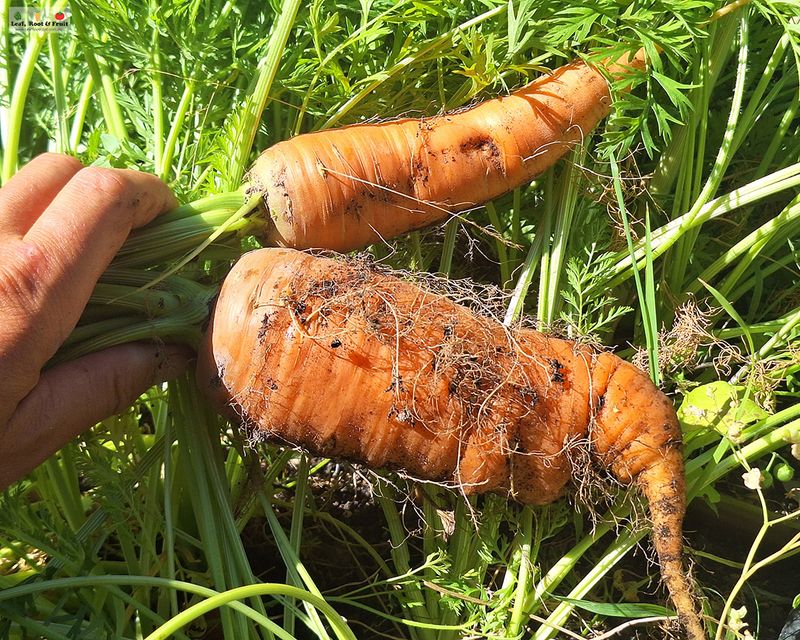
Carrots benefit from wood ash because potassium encourages strong root development and sweeter flavor in Vermont’s cool, often challenging growing conditions.
Ash helps balance acidic soil, creating the neutral pH range where carrots grow straight, long, and free from the deformities that frustrate gardeners.
Apply a light dusting of ash to your carrot bed before planting seeds, raking it gently into the top few inches of soil.
Calcium improves cell structure, which means your carrots will have better crunch and texture when you harvest them for fresh eating or storage.
Vermont gardeners should use no more than half a pound of ash per ten square feet to avoid over-alkalizing soil and causing nutrient imbalances.
Your carrots will grow deeper, taste sweeter, and resist splitting or forking that makes them difficult to use in cooking or preserving.
Avoid applying ash after seeds germinate, as concentrated amounts near tender seedlings can cause burning and stunted growth that reduces your harvest.
Proper ash application creates perfect conditions for growing prize-worthy carrots that taste amazing raw, roasted, or added to your favorite Vermont recipes.
6. Beets
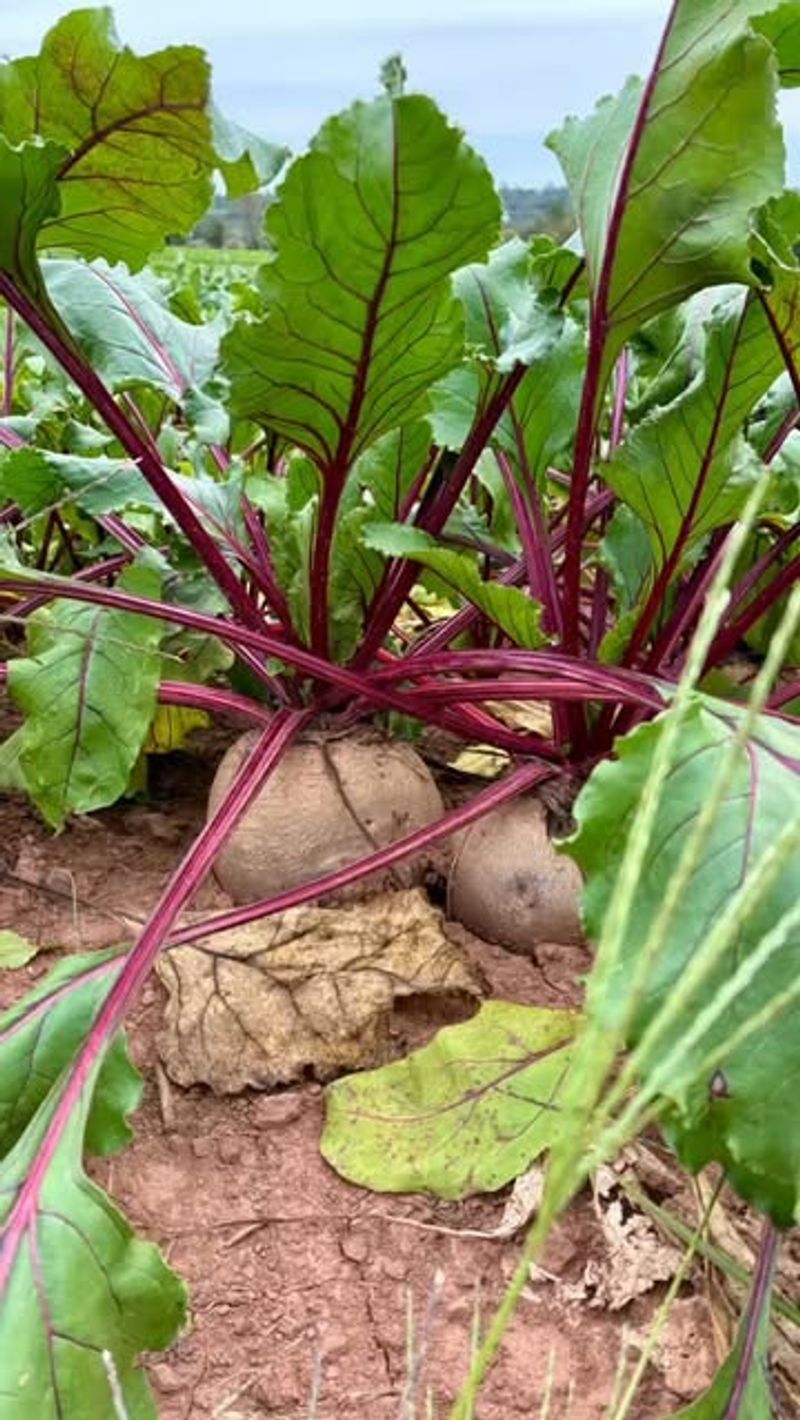
Beets absolutely thrive when you add wood ash because they prefer alkaline soil and need potassium to develop sweet, tender roots that taste wonderful.
Vermont’s acidic soil often limits beet growth, but ash raises pH levels to the range where these vegetables perform their best all season.
Mix ash into your beet bed about one week before planting seeds, working it thoroughly through the top several inches of garden soil.
Calcium from ash prevents internal brown spots that sometimes develop inside beet roots, ruining otherwise perfect vegetables before you can enjoy them.
Apply roughly three-quarters of a pound of ash per ten square feet, spreading it evenly to ensure all plants benefit equally from nutrients.
Your beets will grow faster, taste sweeter, and produce larger roots with vibrant color that looks beautiful on plates and in preserved jars.
Avoid adding ash directly on beet seedlings after they emerge, as this can cause leaf burn and stress that slows growth significantly.
Smart ash use helps Vermont beet growers produce impressive harvests of delicious roots that store well and provide nutrition through cold winter months.
7. Cabbage
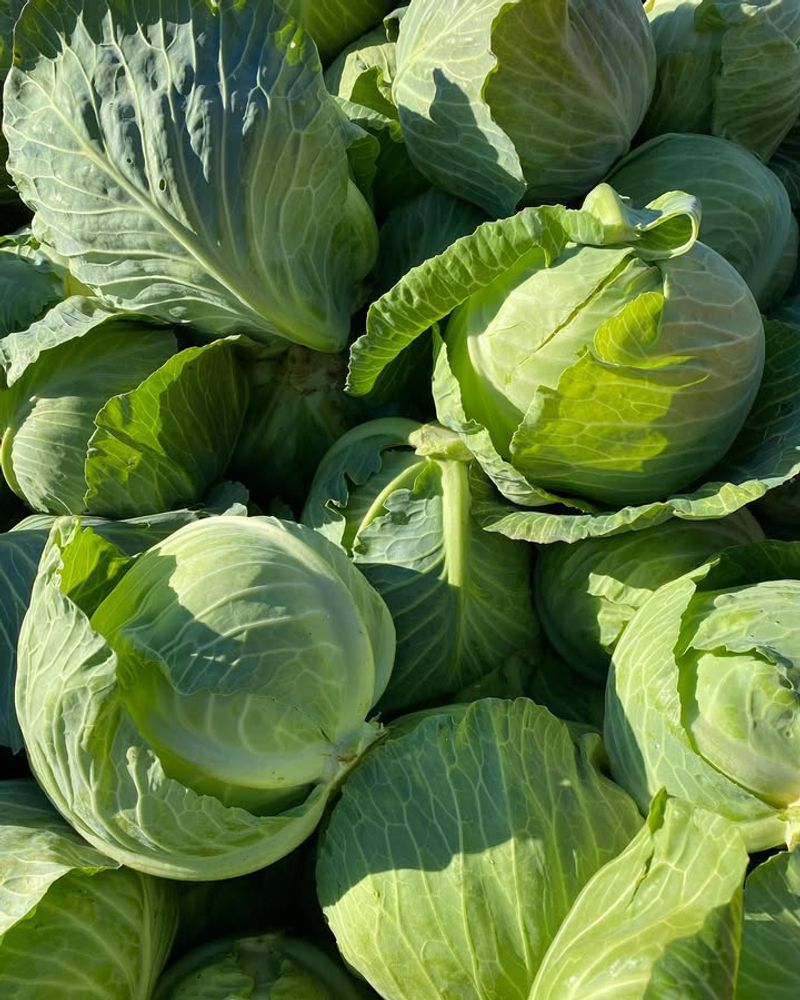
Cabbage loves wood ash because it provides calcium that prevents diseases and potassium that helps heads form tight, dense, and perfectly shaped every time.
Ash raises soil pH, which cabbage prefers, creating conditions where these vegetables grow vigorously throughout Vermont’s relatively short but productive growing season.
Spread a thin layer of ash around cabbage transplants when you set them out in spring, mixing it gently into the surrounding soil.
Calcium strengthens leaves and prevents tip burn, a common problem where leaf edges turn brown and reduce the quality of your harvest significantly.
Vermont gardeners should apply about one cup of ash per three plants, spacing applications carefully to avoid nutrient overload and potential problems.
Your cabbage will develop stronger stems, resist pests better, and produce larger heads that taste delicious fresh, cooked, or fermented into sauerkraut.
Avoid piling ash against cabbage stems, as direct contact can cause chemical burns that weaken plants and make them vulnerable to disease.
Balanced ash application creates ideal growing conditions for cabbage in Vermont gardens, resulting in abundant harvests of crisp, flavorful heads all season long.
8. Lettuce
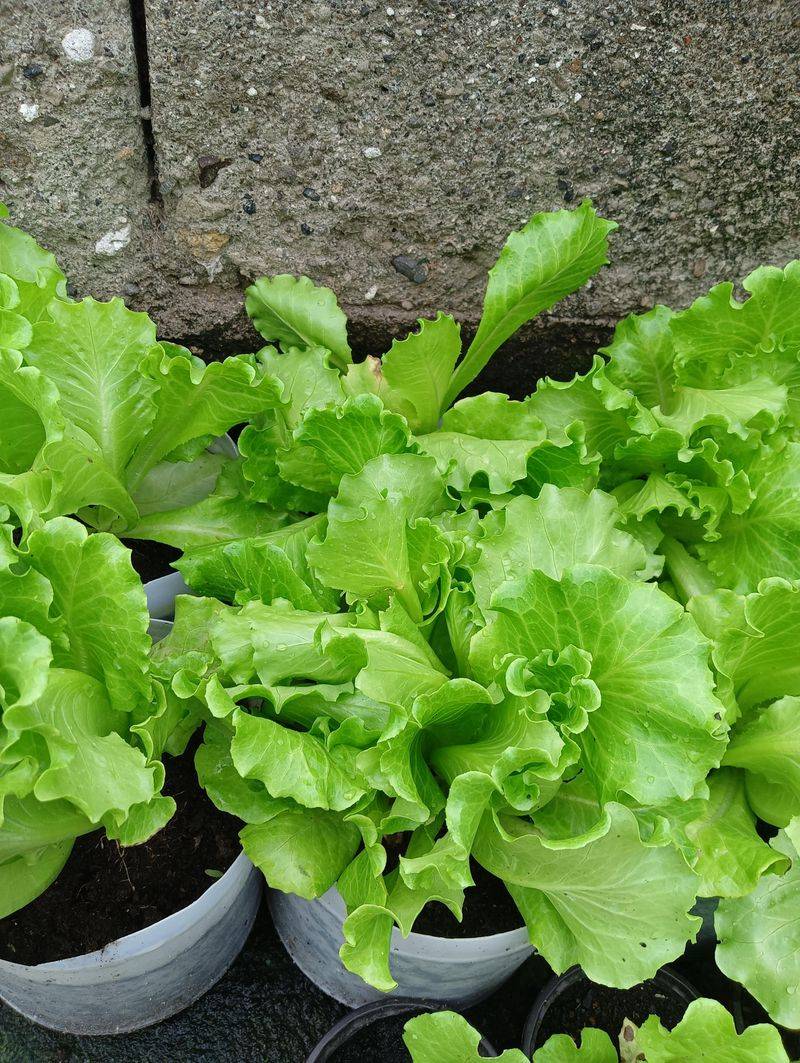
Lettuce responds well to wood ash because potassium improves leaf quality and calcium helps plants resist tip burn during Vermont’s warm summer days.
Ash gently raises pH levels, creating the slightly alkaline conditions where lettuce grows crisp, tender, and full of flavor that enhances every salad.
Apply a very light dusting of ash to your lettuce bed before planting seeds or transplants, working it carefully into the top layer.
Calcium strengthens cell walls, which means your lettuce will stay fresh longer after harvest and resist wilting in your refrigerator for days.
Vermont gardeners should use no more than one-quarter pound of ash per ten square feet to avoid over-application and potential leaf damage.
Your lettuce will grow faster, taste better, and resist bolting in hot weather, extending your harvest period throughout the entire growing season.
Avoid applying ash directly on lettuce leaves after plants emerge, as this can cause burning and bitter flavors that make greens unpleasant.
Careful ash use helps Vermont lettuce growers produce beautiful, crisp greens that taste amazing fresh from the garden all summer and into early fall.
9. Peas
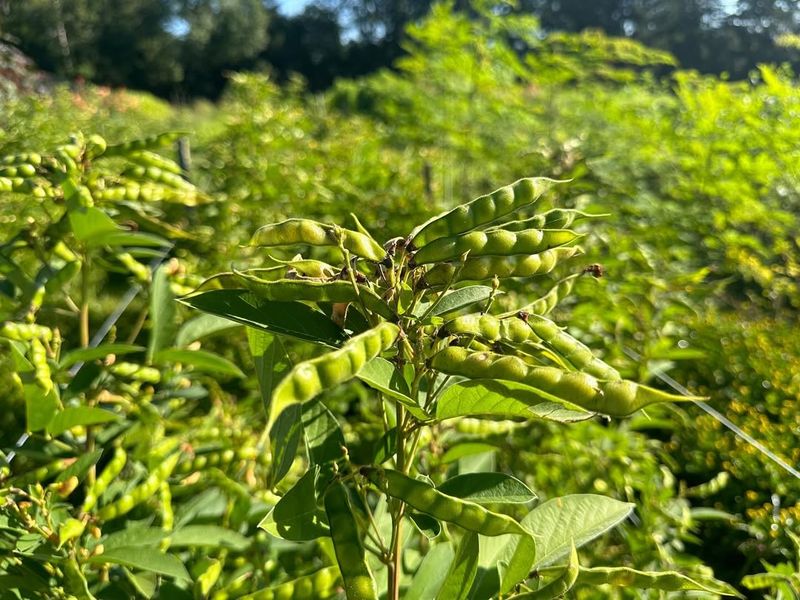
Peas benefit from wood ash because potassium strengthens stems and helps pods develop fully, producing sweet, tender peas that taste incredible fresh or frozen.
Ash raises pH levels, which peas prefer, creating conditions where nitrogen-fixing bacteria in root nodules work more efficiently throughout Vermont’s spring season.
Mix ash into your pea bed before planting seeds in early spring, working it gently through the top few inches of soil.
Calcium improves pod quality, which means your peas will have better texture and resist splitting or becoming tough as they mature on vines.
Vermont gardeners should apply about half a pound of ash per fifteen square feet, spreading it evenly for consistent results across the entire bed.
Your peas will climb stronger, produce more pods, and yield abundant harvests of sweet vegetables that everyone in your family will love eating.
Avoid adding ash after pea plants begin flowering, as excess nutrients at this stage can reduce pod set and lower your total harvest.
Proper ash application creates perfect conditions for growing delicious peas in Vermont gardens, ensuring bountiful crops that provide fresh vegetables for weeks on end.