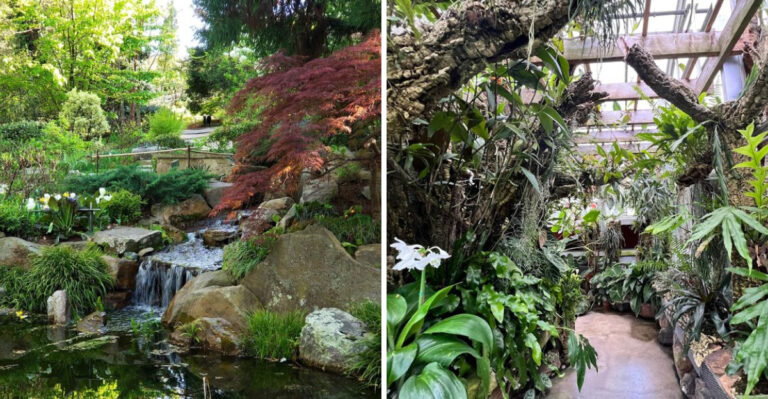
12 Garden Plants That Are Illegal Or Soon To Be Banned In North Carolina
North Carolina gardeners might be surprised to learn that some popular plants growing in their yards could actually be breaking state laws today.
Environmental regulations continue changing as scientists discover which species harm local ecosystems by spreading too aggressively or damaging native wildlife populations permanently.
Understanding these restrictions helps protect the beautiful natural landscapes that make North Carolina special while keeping your garden legal and environmentally responsible always.
Learning about banned plants now saves homeowners from costly fines later and helps preserve the state’s unique biodiversity for future generations to enjoy.
1. Japanese Knotweed
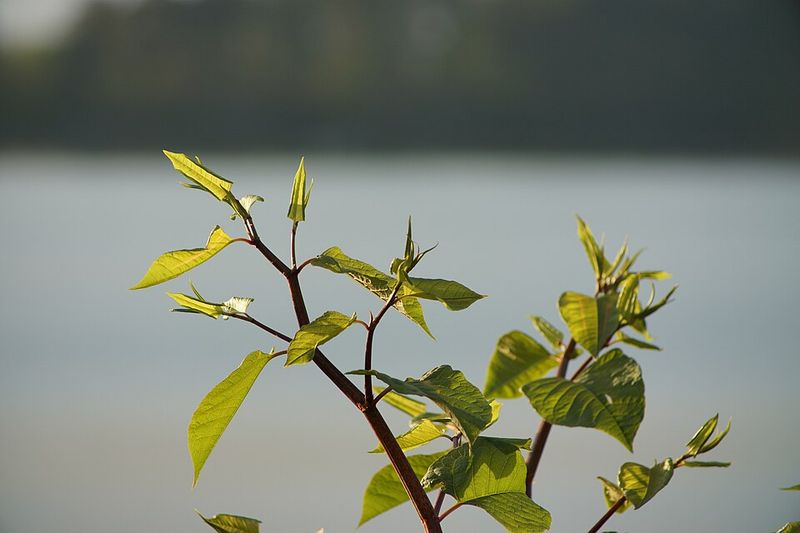
A bamboo-looking plant might seem exotic and beautiful at first glance, but Japanese knotweed causes serious problems for North Carolina property owners everywhere.
This aggressive invader spreads through underground stems called rhizomes that can push through concrete foundations, driveways, and even damage building structures significantly.
Once established in your yard, removing this plant becomes nearly impossible without professional help and potentially costs thousands of dollars in repairs.
Japanese knotweed earned its banned status in North Carolina because it outcompetes native plants for resources like sunlight, water, and soil nutrients rapidly.
The plant grows incredibly fast during spring and summer months, sometimes reaching ten feet tall in just a few weeks of growth.
Small fragments of root left in soil can regenerate into entirely new plants, making containment efforts extremely difficult for homeowners.
State regulations now prohibit planting, selling, or transporting Japanese knotweed anywhere within North Carolina borders to protect natural habitats and property values.
If you discover this plant growing on your property, contact local agricultural extension offices immediately for proper removal guidance and assistance.
2. English Ivy
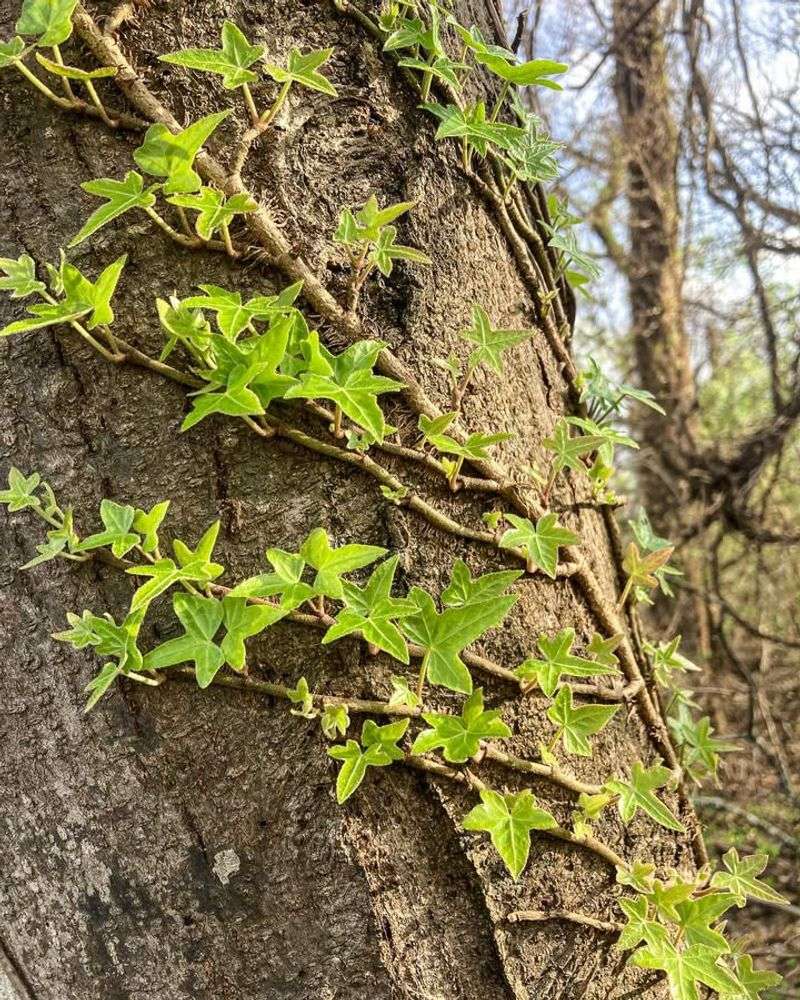
Many homeowners plant English ivy for ground cover without realizing this evergreen vine slowly smothers everything in its path over time.
The climbing plant attaches to trees using tiny rootlets that damage bark and prevent proper nutrient flow throughout the tree’s system.
Heavy ivy growth adds significant weight to branches, making trees more susceptible to breaking during storms and high winds common in North Carolina.
English ivy forms dense mats on forest floors that prevent native wildflowers and seedlings from receiving adequate sunlight for healthy growth patterns.
Birds and small mammals lose important food sources when native plants cannot survive underneath thick ivy blankets covering woodland areas.
This aggressive vine also harbors bacterial leaf scorch disease that spreads to other plants and trees in surrounding neighborhoods quickly.
North Carolina officials are working toward stricter regulations on English ivy sales and plantings throughout the state to protect forest ecosystems.
Removing established ivy requires careful work to avoid damaging tree bark while pulling away stubborn vines from trunks and branches.
Alternative native ground covers like wild ginger or green-and-gold provide beautiful landscaping options without the environmental destruction caused by English ivy.
3. Kudzu
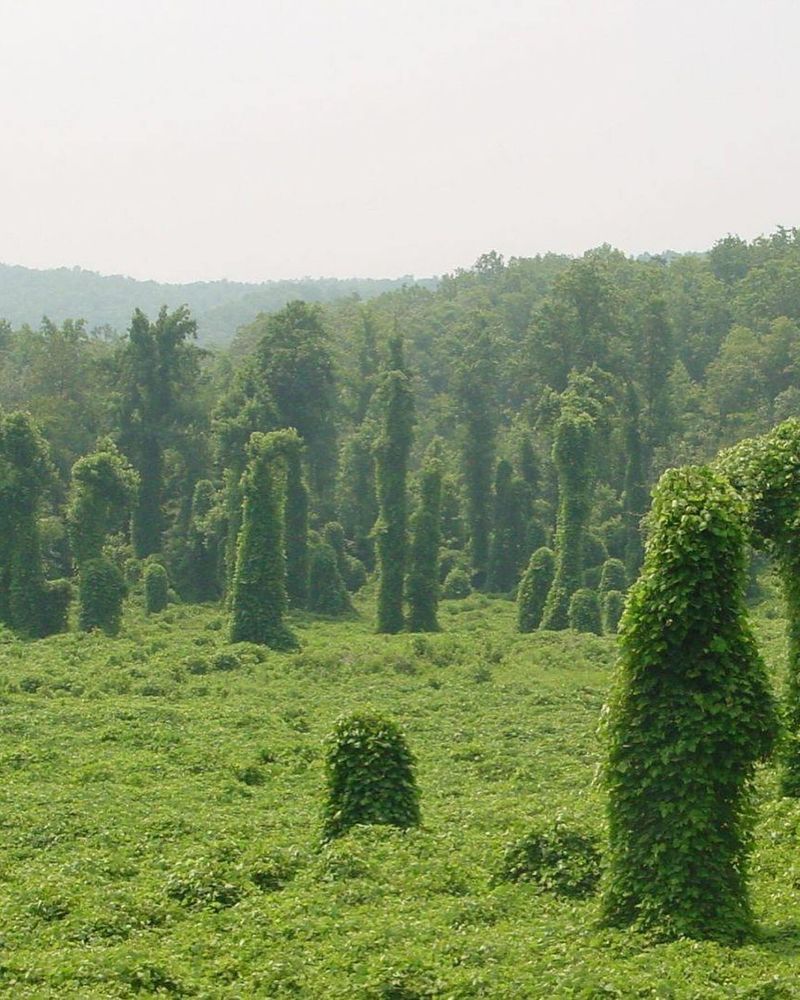
Southern landscapes have battled kudzu for decades, and North Carolina residents know this plant as the vine that literally ate the South.
Originally introduced from Japan during the 1800s for erosion control, kudzu quickly escaped cultivation and began consuming everything in sight.
The vine grows up to one foot per day during peak summer months, completely covering trees, buildings, and anything else standing still.
Kudzu vines produce massive underground tubers that can weigh over 400 pounds and store enough energy to regrow repeatedly after cutting.
These deep roots make eradication incredibly challenging even with chemical treatments and persistent mechanical removal efforts by landowners and government agencies.
Forests suffocated by kudzu lose biodiversity as native plants cannot compete with this super-aggressive invader from overseas.
North Carolina strictly prohibits planting kudzu anywhere in the state, and property owners must actively work to control existing infestations immediately.
Federal and state programs offer assistance for kudzu removal, but complete eradication often takes years of consistent effort and monitoring.
Native alternatives like Carolina jessamine or crossvine provide beautiful climbing options without the nightmare maintenance and ecological damage kudzu brings.
4. Purple Loosestrife
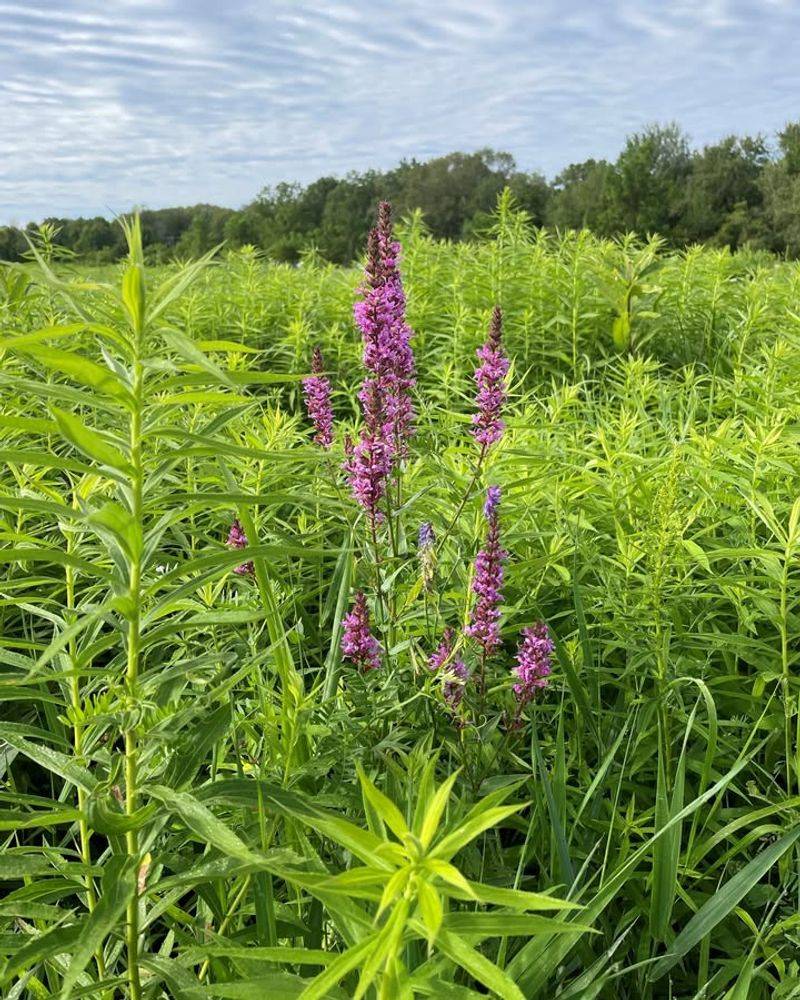
Wetland areas across North Carolina face serious threats from purple loosestrife, a pretty perennial that produces stunning magenta flower spikes in summer.
Each mature plant generates over two million seeds annually that spread through wind, water, and wildlife to colonize new wetland habitats.
These seeds remain viable in soil for many years, creating persistent seed banks that make control efforts frustratingly difficult.
Purple loosestrife forms dense stands that crowd out native wetland plants like cattails and sedges that provide essential habitat for wildlife.
Waterfowl, fish, and amphibians lose critical breeding grounds and food sources when purple loosestrife takes over marshes and pond edges.
The plant offers little nutritional value to native animals, essentially creating biological deserts where diverse ecosystems once thrived.
North Carolina regulations prohibit selling, planting, or distributing purple loosestrife to protect valuable wetland ecosystems throughout the state.
Gardeners attracted to purple flowers should choose native alternatives like swamp milkweed or cardinal flower that support local pollinators and wildlife.
Early detection and rapid response remain crucial for controlling purple loosestrife before it establishes large, nearly impossible-to-manage populations.
5. Chinese Wisteria
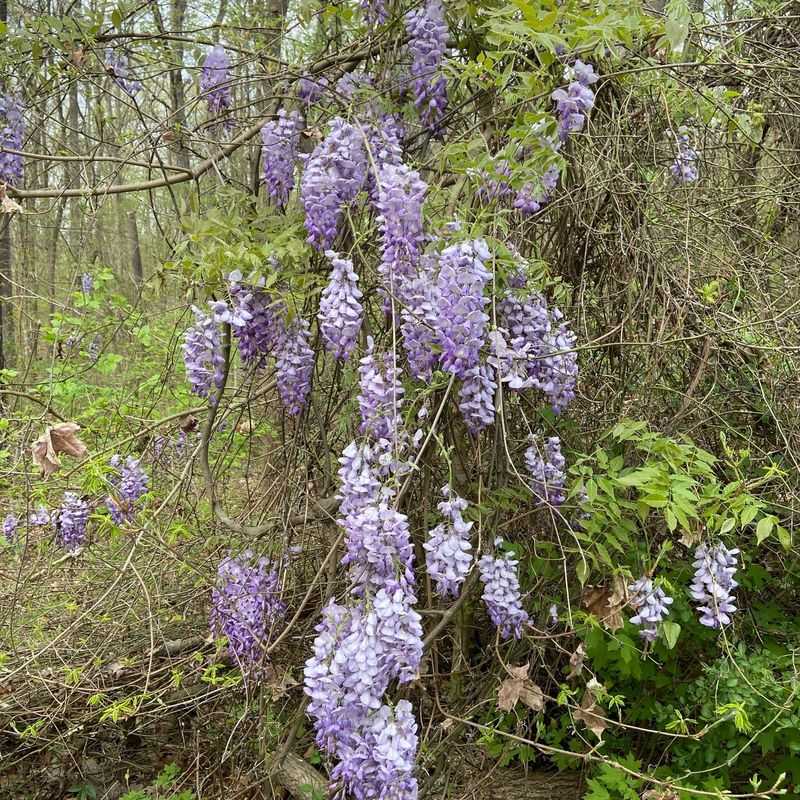
Garden centers once promoted Chinese wisteria as a romantic addition to arbors and pergolas, but this beautiful vine hides a destructive nature.
Fragrant purple flower clusters attract gardeners every spring, yet the aggressive growth habit causes significant problems for trees and structures alike.
Wisteria vines twist around tree trunks with such force that they strangle and deform the wood, eventually restricting nutrient flow.
A single Chinese wisteria plant can spread over one acre through aggressive root systems and vine growth that climbs anything nearby.
The heavy woody vines pull down fences, collapse arbors, and damage gutters when they climb onto houses and outbuildings.
Seeds produced in fuzzy pods scatter widely, creating new infestations in natural areas where native plants struggle to compete successfully.
North Carolina is moving toward banning Chinese wisteria sales to prevent further ecological damage in forests and natural areas statewide.
American wisteria provides a native alternative with similar flowers but much less aggressive growth habits that won’t destroy your property.
Removing established Chinese wisteria requires cutting vines and treating stumps repeatedly to prevent vigorous regrowth from persistent root systems.
6. Bradford Pear
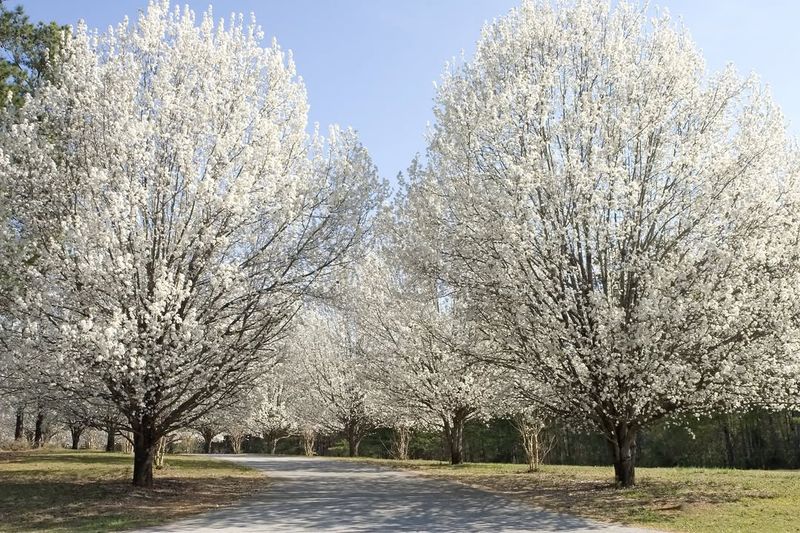
Suburban neighborhoods throughout North Carolina feature Bradford pear trees that were once considered perfect ornamental additions to home landscapes everywhere.
White spring blossoms create stunning displays that unfortunately smell quite unpleasant, often compared to rotting fish by people living nearby.
These fast-growing trees develop weak branch structures that split apart easily during ice storms and high winds common in the region.
Bradford pears spread aggressively into natural areas where they outcompete native trees and shrubs for sunlight and soil resources available.
Birds eat the small fruits and deposit seeds throughout forests, creating dense thickets of thorny pear saplings in woodlands.
These invasive thickets provide poor wildlife habitat compared to native trees and alter forest ecosystems in negative ways.
North Carolina recently banned the sale of Bradford pear trees and several related cultivars to protect native forests from further invasion.
Property owners with existing Bradford pears should consider replacing them with native alternatives like serviceberry or flowering dogwood trees.
Removing Bradford pears and their persistent root sprouts requires diligent effort but significantly benefits local ecosystems and reduces storm damage risks.
7. Japanese Honeysuckle
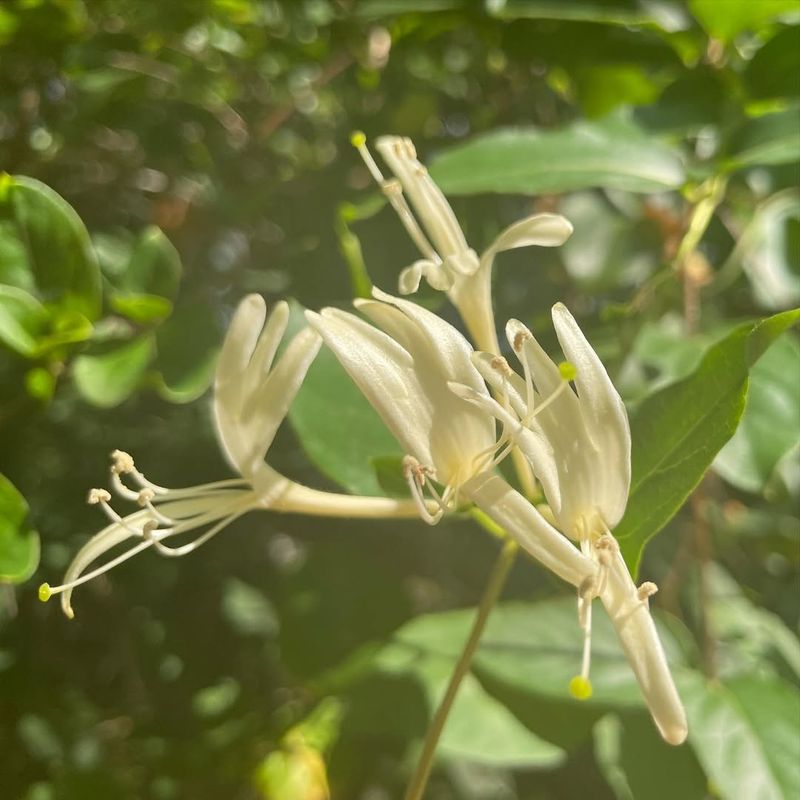
Sweet-smelling flowers might make Japanese honeysuckle seem like a delightful addition to gardens, but this vine causes massive ecological problems statewide.
Twining stems grow rapidly over shrubs and small trees, blocking sunlight and eventually smothering plants underneath thick tangles of foliage.
The vine spreads through seeds dispersed by birds and through stems that root wherever they touch soil, creating impenetrable thickets.
Native honeysuckle species cannot compete with their aggressive Japanese relative that grows much faster and tolerates various soil and light conditions.
Forest edges and disturbed areas become dominated by Japanese honeysuckle, reducing plant diversity and altering wildlife habitat quality significantly.
Young trees in forests struggle to grow when covered by honeysuckle vines that steal sunlight and add weight to branches.
North Carolina agricultural officials strongly discourage planting Japanese honeysuckle and encourage removal from properties throughout the state for environmental protection.
Native coral honeysuckle offers beautiful tubular red flowers that hummingbirds love without the aggressive spreading habits of Japanese species.
Controlling Japanese honeysuckle requires persistent cutting and careful herbicide application to prevent rapid regrowth from extensive root systems underground.
8. Autumn Olive
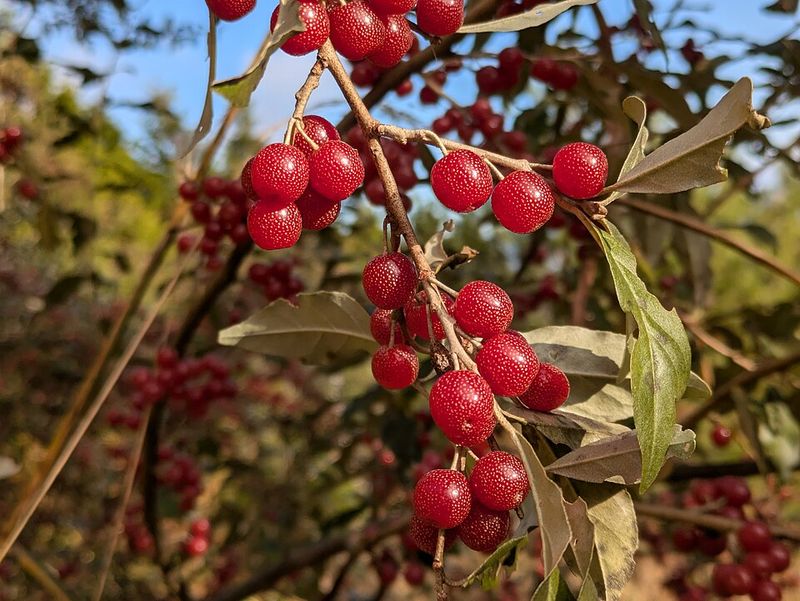
Wildlife managers once planted autumn olive throughout North Carolina to provide food for birds and stabilize disturbed soils along highways.
This decision backfired spectacularly as the shrub spread aggressively into forests, fields, and natural areas where it wasn’t wanted.
Autumn olive grows quickly, reaching 20 feet tall and producing thousands of small red berries that birds eagerly consume and spread.
Each shrub fixes nitrogen in soil, altering nutrient levels and giving autumn olive competitive advantages over native plants adapted to local conditions.
Dense thickets form in old fields and forest edges, preventing natural succession and blocking native tree seedlings from establishing.
The shrub tolerates drought, poor soils, and various light conditions, making it extremely difficult to control once established in landscapes.
State regulations now prohibit selling or planting autumn olive anywhere in North Carolina to prevent additional ecological damage to natural habitats.
Native alternatives like American beautyberry or elderberry provide excellent wildlife food without the invasive spreading problems of autumn olive.
Removing autumn olive requires cutting shrubs and treating stumps with herbicide to prevent vigorous sprouting from roots left underground.
9. Privet
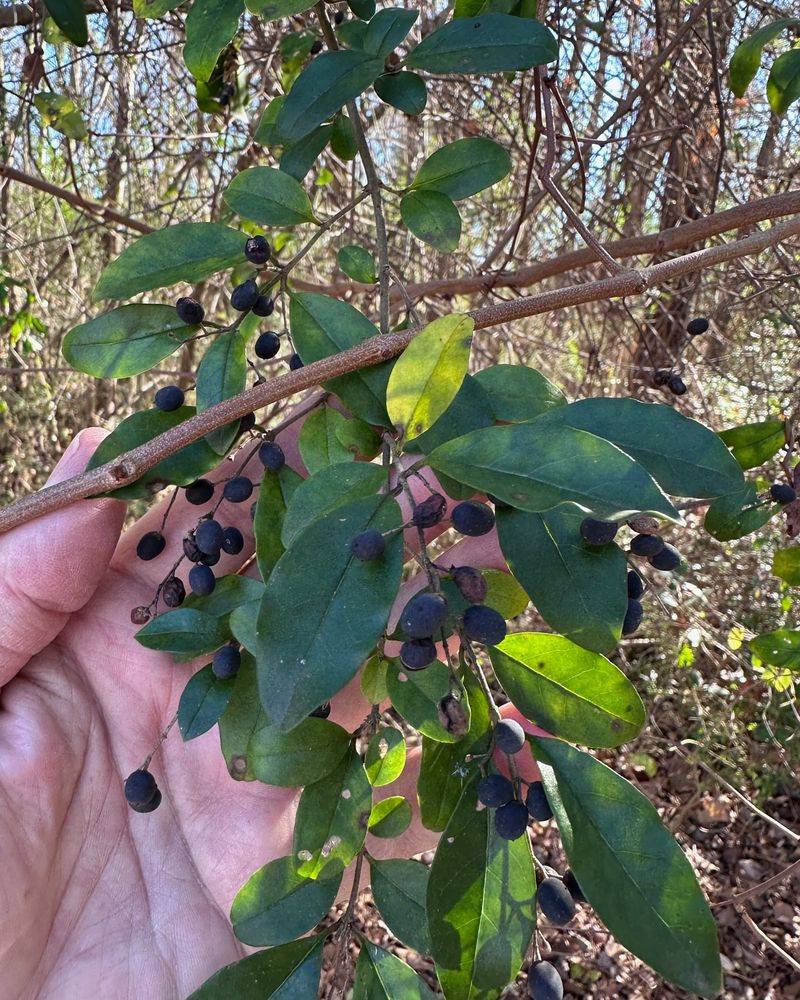
Landscapers traditionally used privet for formal hedges and privacy screens without understanding the long-term consequences for North Carolina ecosystems.
Several privet species escape cultivation and invade forests where they form dense understory thickets that block native plant growth completely.
Birds eat the small black berries and spread seeds into natural areas far from original plantings in yards.
Privet tolerates heavy shade under forest canopies where it outcompetes native shrubs like spicebush and beautyberry that provide better wildlife food.
Dense privet stands reduce plant diversity and alter forest structure in ways that negatively impact birds, insects, and other wildlife.
The shrubs also produce allelopathic chemicals that inhibit growth of other plants nearby, further reducing biodiversity in affected areas.
North Carolina is working toward restricting privet sales and encouraging property owners to remove existing plants from their landscapes completely.
Native alternatives like Carolina allspice or Virginia sweetspire make excellent hedge plants without the environmental problems associated with invasive privet.
Controlling privet requires cutting stems and applying herbicide to stumps because roots readily sprout new growth after simple cutting.
10. Hydrilla
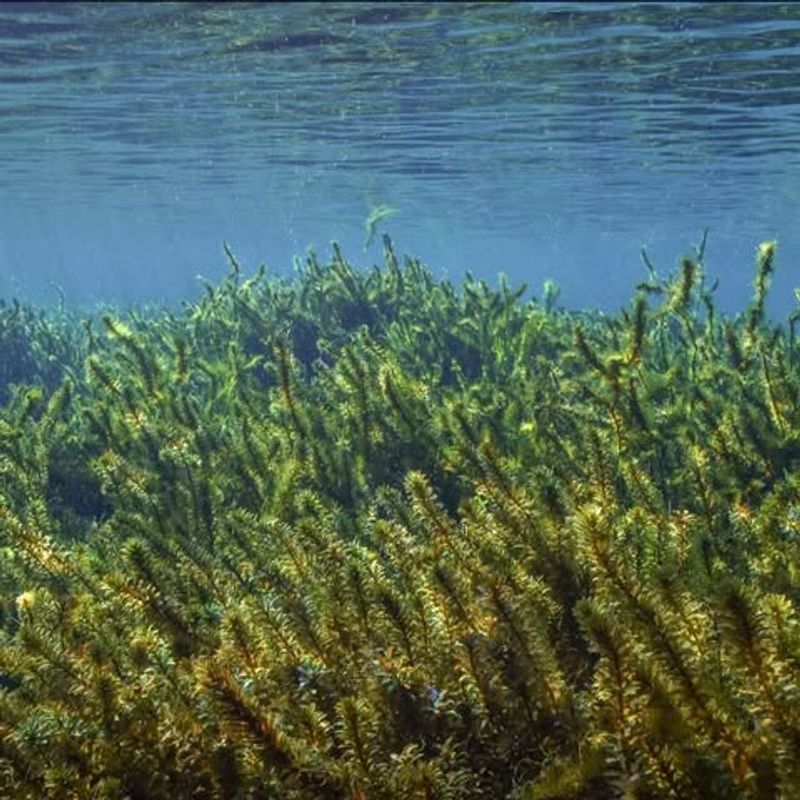
Aquarium owners who dumped unwanted plants introduced hydrilla to North Carolina waterways where it now causes serious problems for recreation and ecosystems.
This submerged aquatic plant grows incredibly fast, forming dense mats that clog boat propellers and make swimming nearly impossible.
Hydrilla can grow over one inch per day and reaches water surfaces even in lakes over 20 feet deep.
Dense hydrilla beds reduce oxygen levels in water when plants decompose, creating conditions that harm fish and other aquatic organisms.
Native aquatic plants cannot compete with hydrilla that spreads through fragments, tubers, and turions that survive harsh conditions and disperse easily.
Lakes and ponds choked with hydrilla lose recreational value and property values decline when waterfront access becomes unusable.
North Carolina strictly prohibits possessing, selling, or transporting hydrilla anywhere in the state to protect valuable water resources from contamination.
Lake management requires expensive herbicide treatments and mechanical harvesting to control hydrilla once it establishes in water bodies.
Boaters should clean equipment thoroughly between water bodies to prevent accidentally spreading hydrilla fragments to new locations statewide.
11. Giant Hogweed
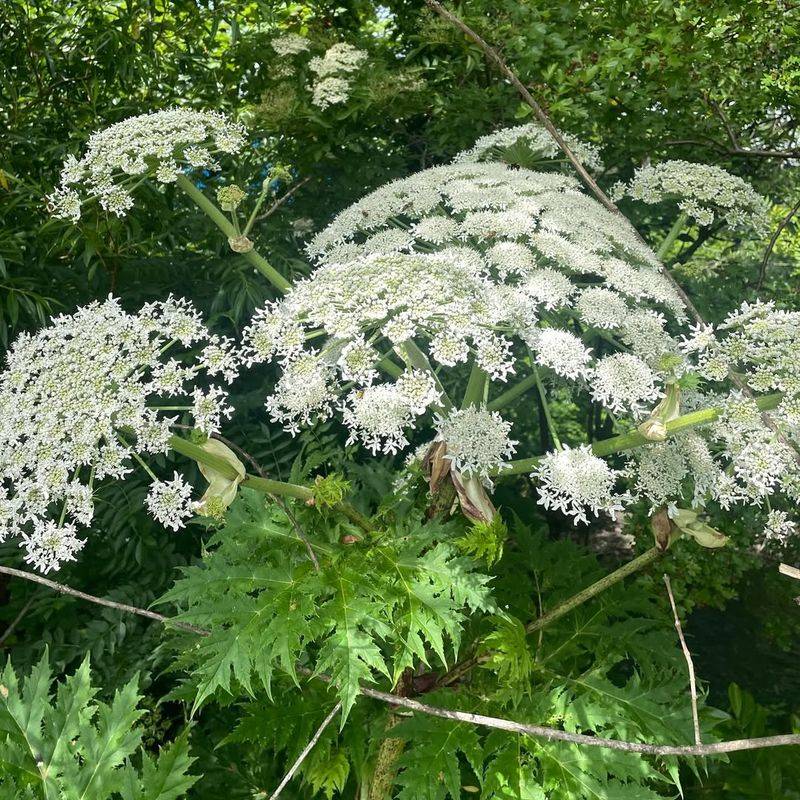
Gardeners fascinated by unusual plants might be tempted by giant hogweed, but this species poses serious health risks to humans.
The plant contains toxic sap that causes severe skin burns and blisters when exposed to sunlight after contact with skin.
Children playing near giant hogweed face particular danger because they might not recognize the plant or understand the risks involved.
Giant hogweed grows up to 15 feet tall with enormous leaves and impressive white flower clusters that produce thousands of seeds.
Seeds spread through water, soil movement, and contaminated equipment, allowing the plant to colonize new areas rapidly along streams.
The plant outcompetes native vegetation along waterways and increases erosion when it dominates stream banks throughout affected regions.
North Carolina has banned giant hogweed completely due to public health concerns and environmental damage the species causes in natural areas.
Property owners discovering giant hogweed should contact authorities immediately and avoid touching the plant without proper protective clothing and equipment.
Native alternatives like Joe-Pye weed provide impressive height and flowers without the dangerous sap that makes giant hogweed so hazardous.
12. Water Hyacinth
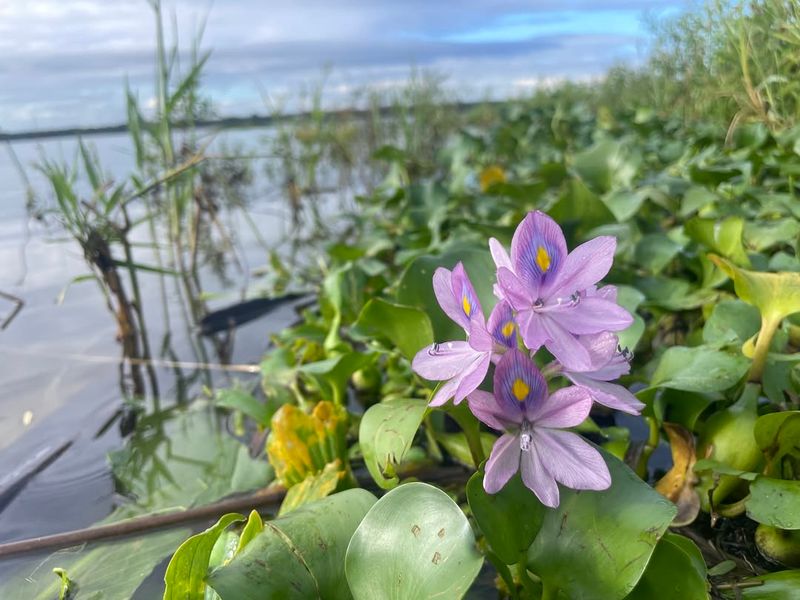
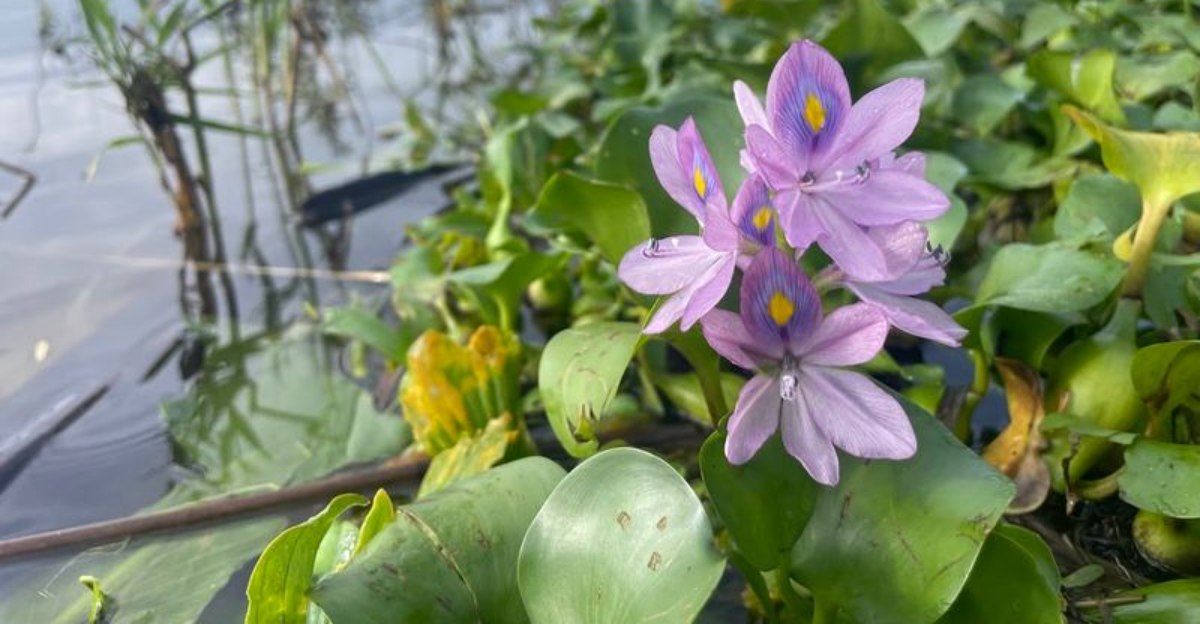
Floating gardens might sound appealing, but water hyacinth creates ecological nightmares in North Carolina ponds, lakes, and slow-moving streams statewide.
Beautiful purple flowers attract gardeners who don’t realize how quickly this plant reproduces and spreads across water surfaces completely.
A single water hyacinth plant can produce thousands of daughter plants in just one growing season through rapid vegetative reproduction.
Dense mats of water hyacinth block sunlight from reaching underwater plants that fish and other aquatic animals depend on for survival.
Oxygen levels drop dramatically under water hyacinth mats, creating zones where aquatic life cannot survive or thrive.
The floating plants also clog water intake pipes, interfere with irrigation systems, and make recreational activities like boating impossible.
North Carolina regulations strictly prohibit possessing, selling, or releasing water hyacinth into any water body to protect aquatic ecosystems from devastation.
Water garden enthusiasts should choose native floating plants like American lotus that provide beauty without the aggressive spreading of water hyacinth.
Controlling water hyacinth requires removing plants before they reproduce and monitoring water bodies carefully to catch new infestations early.