10 Garden Plants That Are Restricted Or Facing Bans In South Carolina
Plant choices can get complicated fast in South Carolina, and some popular garden favorites are no longer as welcome as they once were.
Many common plants are now restricted or monitored because of how aggressively they spread or affect local ecosystems.
Knowing which plants face limits can save gardeners from wasted effort, fines, and headaches before planting season even begins.
1. Japanese Knotweed
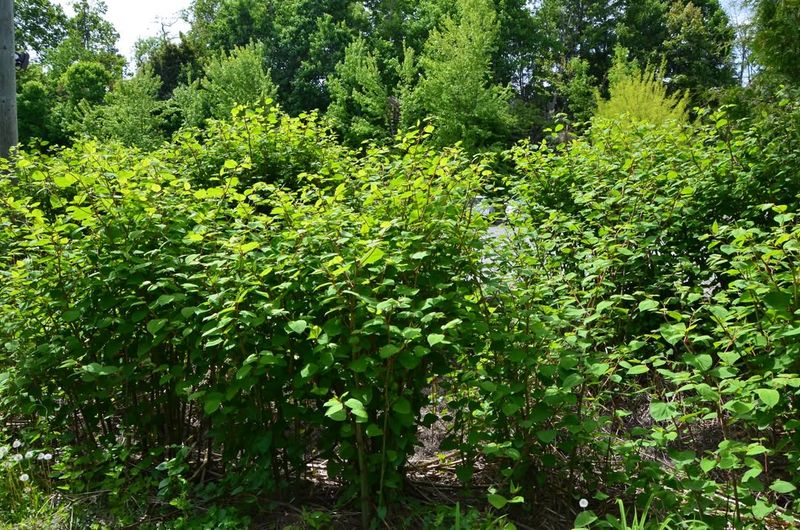
Bamboo-looking stems fool many gardeners into thinking Japanese knotweed makes an attractive addition to landscapes, but environmental officials in South Carolina strongly discourage it.
Roots spread underground aggressively, breaking through concrete driveways and even cracking foundations of homes over time.
Once established in a yard, this plant becomes extremely difficult to remove without professional help and years of repeated effort.
Tiny root fragments left behind can regenerate into new plants, making removal attempts feel endless.
Property values often drop when buyers discover Japanese knotweed growing anywhere on land they are considering purchasing.
Native plants lose ground when this aggressive invader takes over, pushing out species local wildlife depends on.
South Carolina state guidance discourages planting this species, and homeowners are advised to contact local environmental authorities if existing growth is found.
Removal costs can reach thousands of dollars, making prevention the smartest strategy for protecting long-term property value.
2. Kudzu
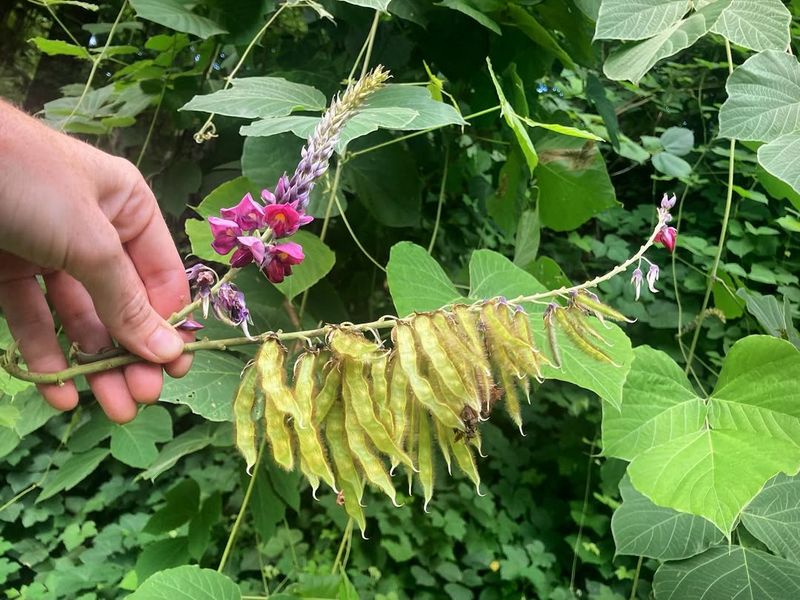
Legends call it the vine that ate the South, and anyone driving through rural areas can see exactly why that nickname fits.
Growing up to one foot per day during peak summer months, kudzu smothers everything in its path, including mature trees and buildings.
Originally brought from Japan to control erosion during the early twentieth century, this plant quickly escaped cultivation and spread across multiple states.
Forests disappear under thick blankets of kudzu leaves, blocking sunlight native plants need to survive and reproduce.
South Carolina officials classify this vine as a noxious weed, and intentional planting or cultivation is prohibited under state guidance.
Removal requires repeated cutting and treating stumps with herbicides approved for residential use to prevent regrowth.
Wildlife habitats decline when kudzu takes over because native insects and birds cannot rely on it for food or shelter.
Homeowners associations often fine residents who allow kudzu to spread beyond their property lines, creating legal and financial problems.
3. Chinese Privet
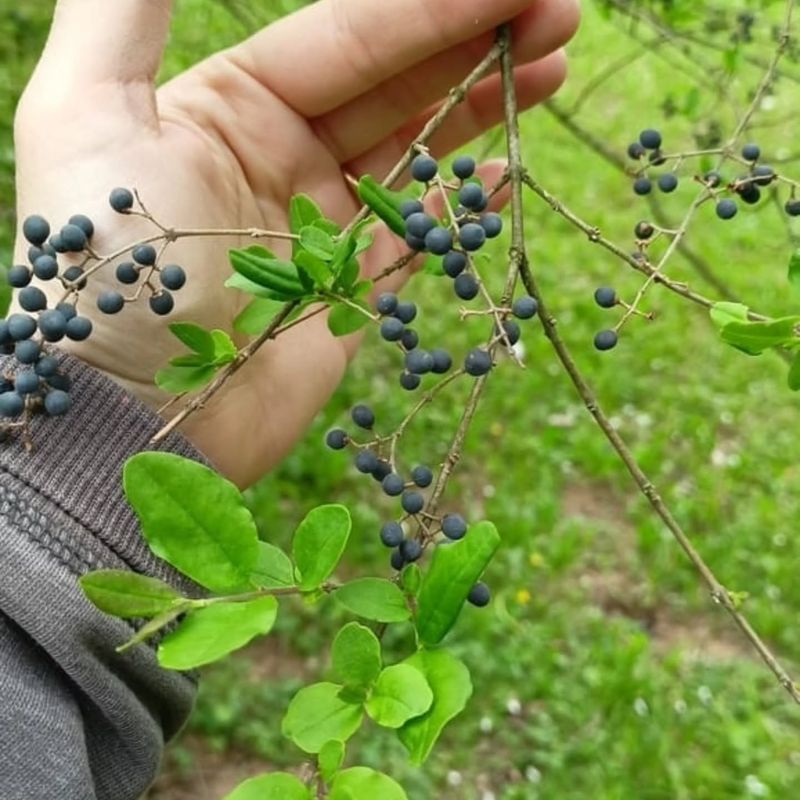
Glossy green leaves and fragrant white flowers make Chinese privet seem like an ideal hedge plant for privacy-seeking homeowners in many neighborhoods.
Birds eat the dark berries and spread seeds widely, creating new plants far from the original planting site.
Dense thickets form quickly in forests and wetlands, blocking sunlight at ground level where native seedlings struggle to survive.
South Carolina forestry experts warn that this shrub can alter soil conditions, making it harder for native plants to reestablish even after removal.
Cutting stems often triggers vigorous regrowth from roots, so effective control requires repeated effort over multiple growing seasons.
Native wildlife loses important food sources when Chinese privet dominates landscapes because most insects do not feed on its foliage.
State guidance discourages new plantings, and many garden centers across South Carolina have voluntarily stopped selling this species.
Property owners near sensitive natural areas may need to follow specific guidelines or seek permits before large-scale removal to prevent erosion issues.
4. Wisteria
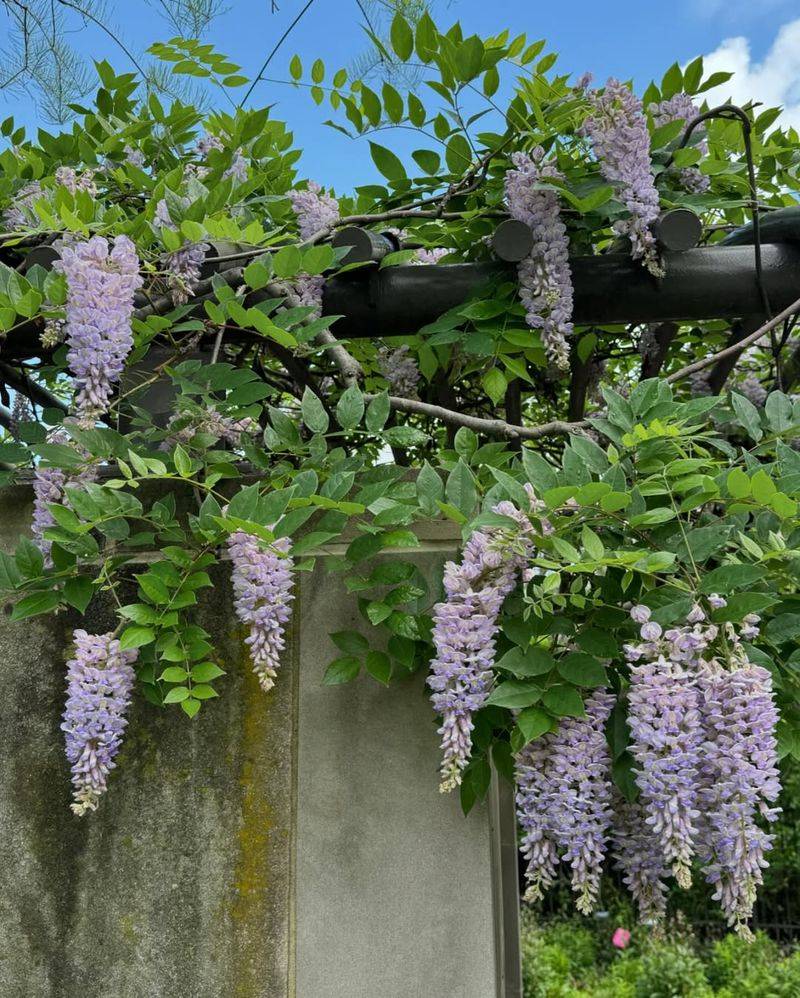
Cascading purple blooms create stunning displays that photographers love capturing during spring festivals across communities in South Carolina.
However, these vines can damage mature trees by wrapping tightly around trunks and restricting normal growth over time.
Asian varieties spread more aggressively than native American wisteria, leading officials to recommend careful species identification before planting.
Mature seedpods can burst open, scattering seeds and creating new plants in unintended areas.
Roots may interfere with underground pipes or septic systems when planted too close to structures, resulting in costly repairs.
South Carolina gardeners are encouraged to choose native wisteria species, which provide similar beauty without aggressive spreading habits.
Removing established Asian wisteria requires cutting vines and treating stumps promptly to reduce regrowth.
Garden clubs across the state educate members on distinguishing between native and invasive wisteria to support responsible landscaping choices.
5. English Ivy
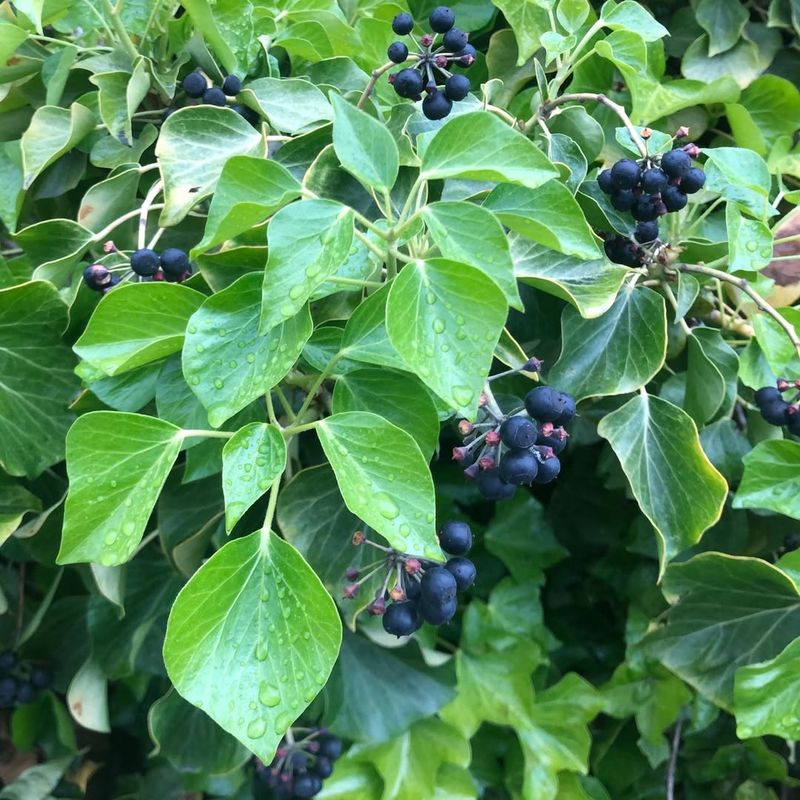
Charming groundcover appeals to homeowners looking for quick solutions to bare spots under trees where grass struggles in shade.
Climbing growth allows English ivy to scale walls and trees, adding weight that can stress or damage older specimens during storms.
Dense mats prevent native wildflowers from emerging in spring, reducing biodiversity that supports pollinators like bees and butterflies across South Carolina.
Berries produced by mature plants attract birds, but these fruits offer far less nutritional value than native alternatives.
South Carolina environmental groups strongly discourage English ivy in natural areas where it competes with native plants for space, water, and sunlight.
Homeowners can replace ivy with native groundcovers like green-and-gold or wild ginger, which provide coverage without aggressive spreading.
Removing ivy from trees must be done carefully to avoid bark damage, and roots often require follow-up treatment to prevent regrowth.
Many historic properties across the state actively remove English ivy to protect trees and preserve native plant communities.
6. Mimosa Tree
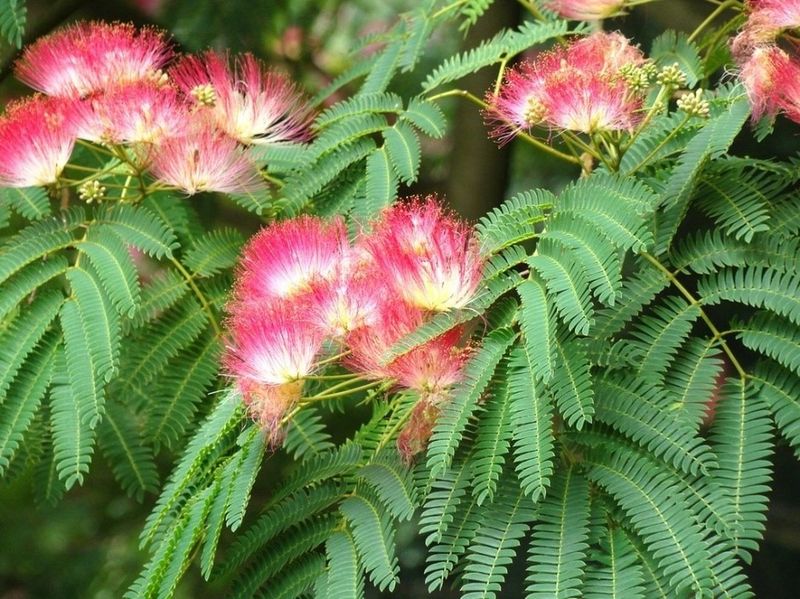
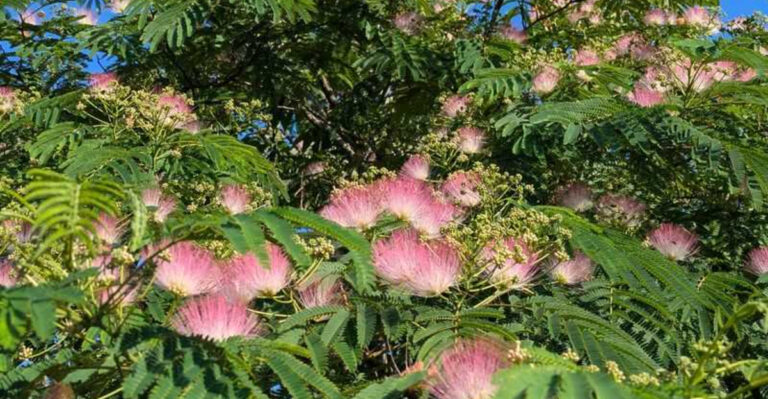
Fluffy pink flowers and delicate fern-like leaves give mimosa trees an exotic look that attracts homeowners seeking unusual landscape plants.
Fast growth allows young trees to mature quickly, providing shade in a few years rather than the decades required by many native hardwoods.
Seedpods produce large numbers of viable seeds, which can remain dormant in soil for years before sprouting unexpectedly.
Shallow root systems make mimosas prone to wind damage, and falling branches can create hazards during frequent summer storms in South Carolina.
South Carolina foresters discourage planting mimosas because they spread into natural areas and outcompete native trees that support wildlife.
Mimosa wood breaks easily and has little value for lumber, making these trees a poor long-term landscape investment.
Effective removal requires treating stumps to prevent resprouting, since cut trees often send up multiple new shoots.
Native alternatives like redbud trees provide similar delicate beauty while offering stronger wood and better environmental benefits.
7. Bamboo
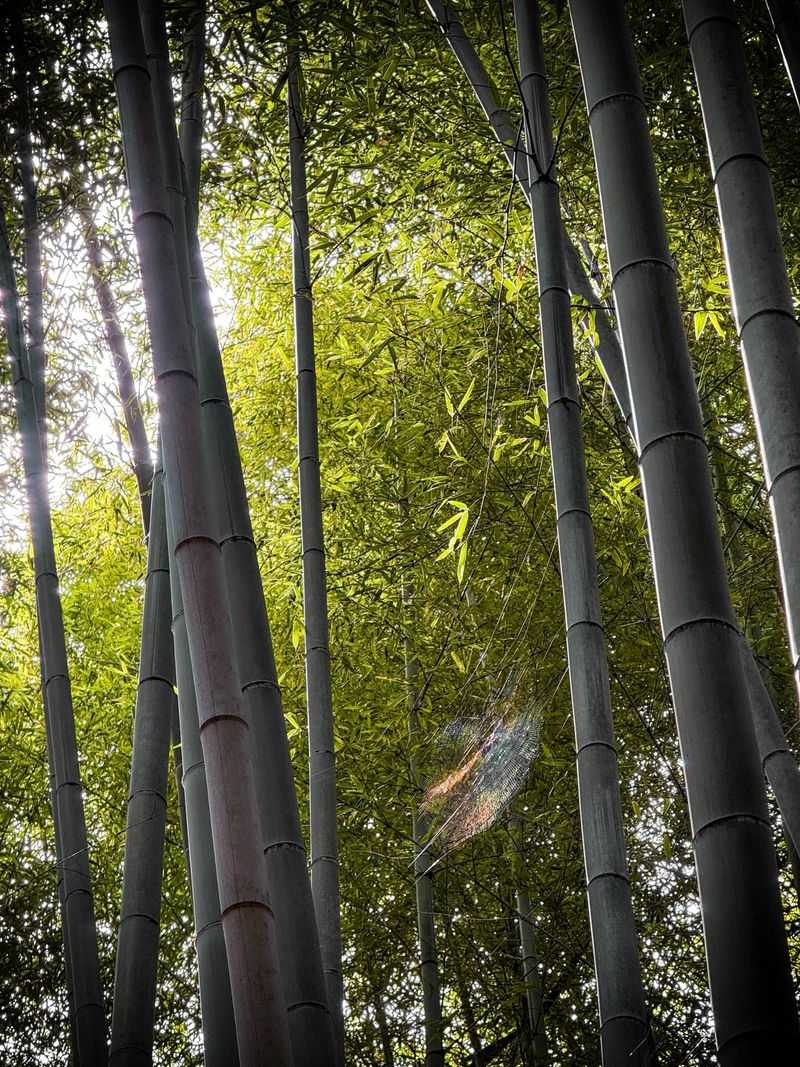
Tropical appearance and rapid growth make bamboo appealing for privacy screens that block views from neighboring properties quickly.
Running varieties send underground rhizomes that can travel far from planting sites, invading lawns, gardens, and neighboring yards.
South Carolina homeowners have faced legal disputes when bamboo spreads across property lines and damages nearby landscapes, driveways, or underground utilities.
Clumping varieties are more contained, but even these types can spread more than expected under favorable growing conditions.
Removal can cost thousands of dollars because rhizomes must be fully removed, and small fragments left behind can regrow.
Many local regulations require containment barriers, often extending several feet deep, to limit unwanted bamboo spread.
Native ornamental grasses like river oats offer similar screening benefits without aggressive spreading issues.
Garden centers across South Carolina are increasingly required or encouraged to inform customers about bamboo containment to reduce neighborhood conflicts and environmental damage.
8. Bradford Pear
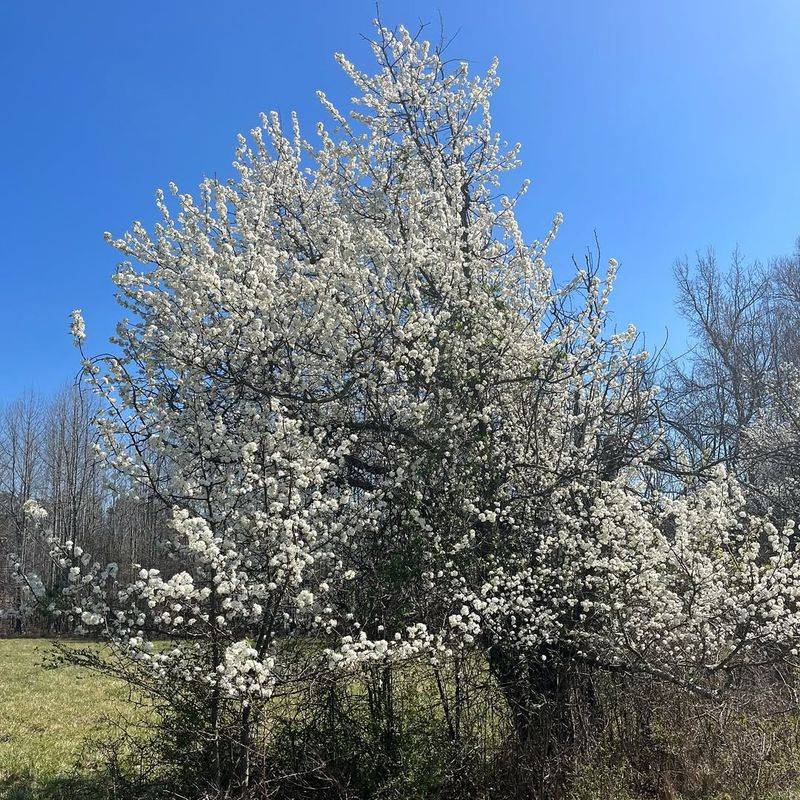
White spring blooms blanket entire trees, creating striking displays that line streets in neighborhoods across South Carolina each March.
Weak branch structure causes limbs to split during storms, creating hazards for people, vehicles, and nearby buildings.
The flowers produce an unpleasant odor often compared to rotting fish, making spring less enjoyable in areas heavily planted with these trees.
Bird-dispersed seeds lead to dense thickets of wild pears in natural areas, crowding out native plants wildlife depends on.
South Carolina officials discourage planting Bradford pears, and some municipalities offer removal or replacement programs with native alternatives.
A short lifespan means these trees often decline within about twenty years, requiring earlier removal than many native species.
Native options like serviceberry provide spring flowers, edible fruit for wildlife, and stronger wood that tolerates storms better.
Many homeowners associations prohibit planting Bradford pears in new developments due to their long-term landscape problems.
9. Japanese Honeysuckle
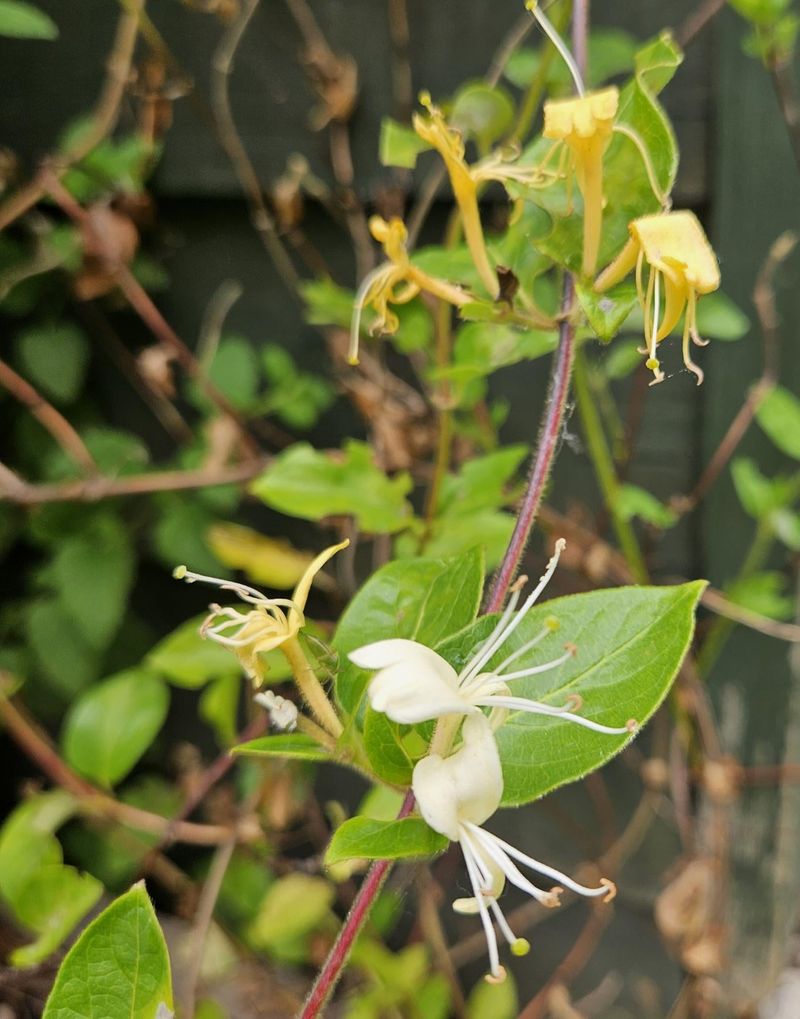
Sweet fragrance and attractive flowers make Japanese honeysuckle seem like an appealing choice for fences and trellises in residential areas.
Aggressive vines smother native plants by blocking sunlight, and dense growth can overtake shrubs and small trees within a single growing season.
Birds and other wildlife spread seeds widely, allowing new infestations to appear far from original planting sites in parks and natural areas.
South Carolina conservation groups spend significant resources removing Japanese honeysuckle from public lands to protect native plant communities.
Native coral honeysuckle provides similar beauty with tubular red flowers that hummingbirds prefer, without aggressive spreading habits.
Cutting vines without treating stumps leads to vigorous regrowth, making removal a long-term project that requires persistence.
State botanists warn that Japanese honeysuckle can alter soil conditions, making sites less favorable for native plants even after removal.
Homeowners near natural areas are strongly encouraged to prevent Japanese honeysuckle from spreading beyond property boundaries into conservation lands.
10. Water Hyacinth
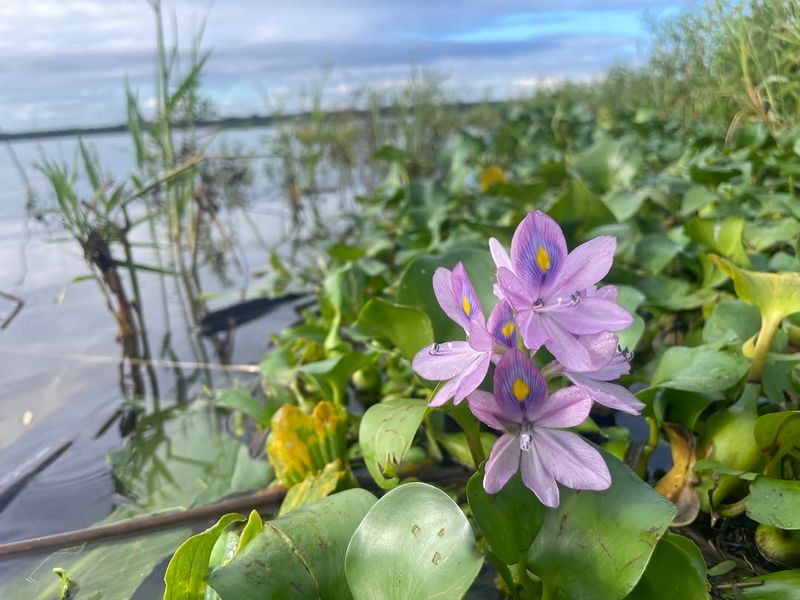
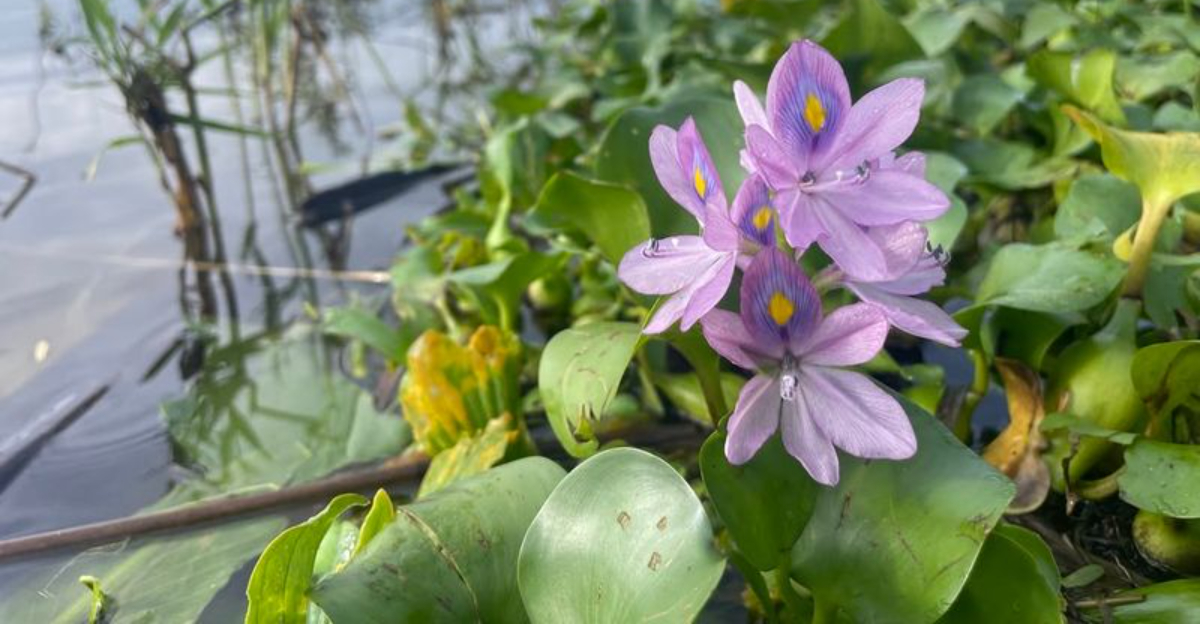
Lavender flowers and glossy leaves floating on pond surfaces create picturesque scenes that attract photographers and nature enthusiasts during warmer months.
Rapid reproduction allows water hyacinth to double its coverage in a short period, quickly choking ponds and limiting recreational use.
Dense mats block sunlight from reaching underwater plants, lowering oxygen levels that fish and other aquatic life need to survive.
South Carolina regulations prohibit selling, transporting, or planting water hyacinth anywhere within the state to protect waterways from infestation.
Floating mats can tangle boat propellers, making navigation hazardous and leading to costly motor cleaning or repairs.
Manual removal offers only temporary relief, as plants readily regrow from fragments and require ongoing management.
Native aquatic plants like pickerelweed provide similar visual appeal while supporting local ecosystems and wildlife.
Pond owners are encouraged to monitor water features for signs of water hyacinth and contact authorities if it is found.