10 Garden Plants That Benefit From January Pruning In Tennessee
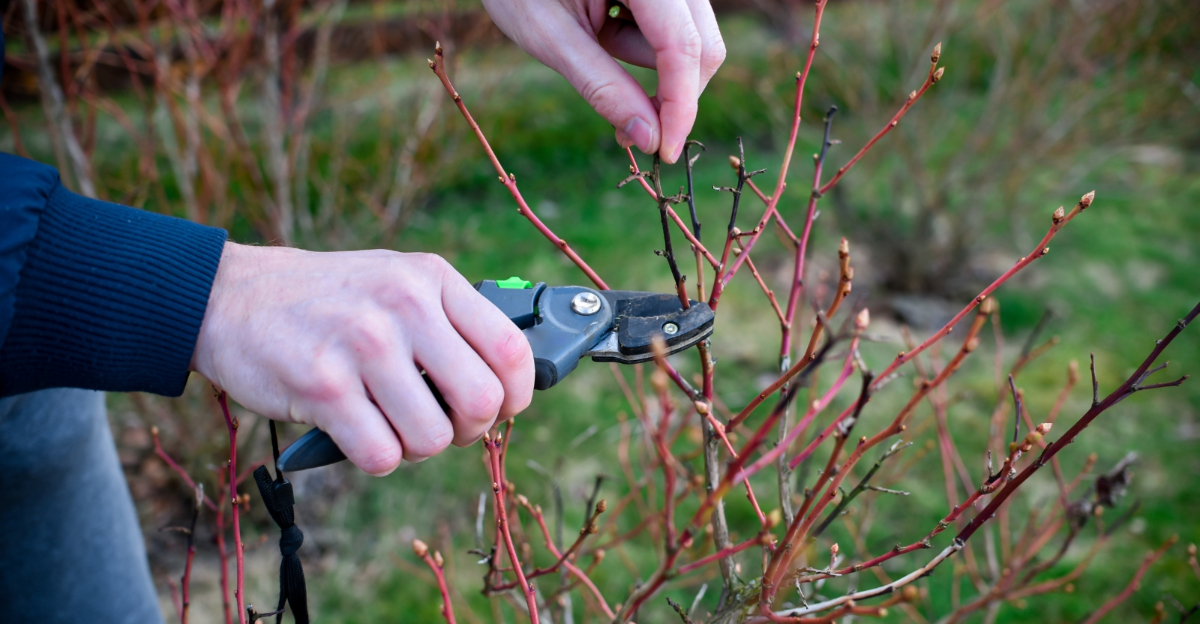
January feels quiet in Tennessee gardens, but beneath that calm is a perfect window for thoughtful pruning that sets plants up for a stronger year ahead.
With leaves gone and growth slowed, it becomes much easier to see plant structure and understand what truly needs attention.
Many gardeners notice that winter pruning feels less rushed and more intentional compared to busy spring weekends.
Cold weather helps reduce stress on plants, allowing them to recover slowly instead of reacting to sudden cuts.
In Tennessee’s climate, January offers just enough dormancy without the harsh extremes that can damage freshly pruned plants.
Certain garden plants respond especially well to this timing, showing healthier growth and better shape once warmer days return.
Pruning now can also improve airflow and light exposure before new growth begins competing for space.
This small winter task often leads to fewer problems later, including tangled branches and uneven growth.
Gardeners who embrace January pruning tend to feel more prepared as the growing season approaches.
Handled at the right time, pruning becomes less of a chore and more of a quiet investment in how Tennessee gardens perform all year long.
1. Crepe Myrtle
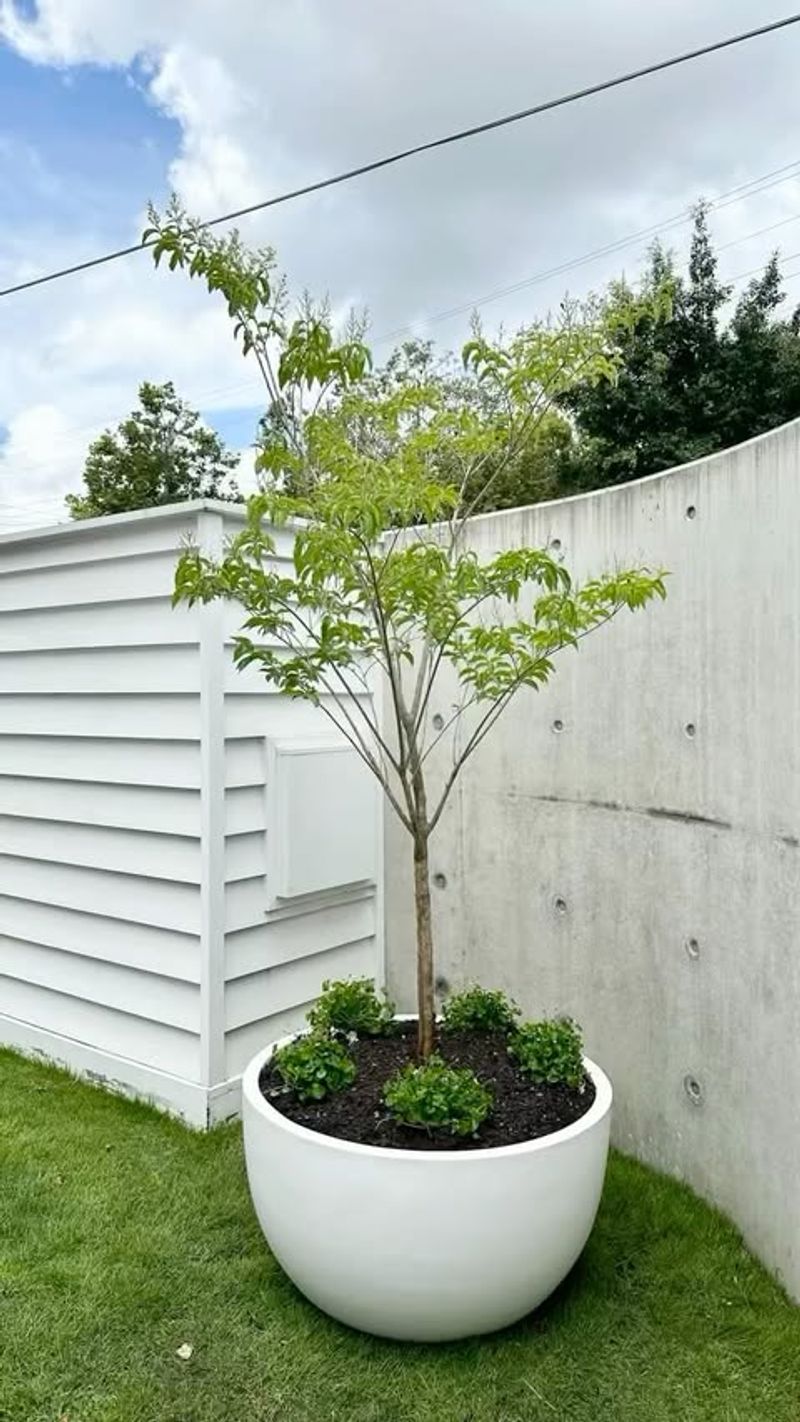
January offers the perfect window to shape one of Tennessee’s most loved ornamental trees while bare branches clearly reveal their natural structure.
Most gardeners across the state wait for the coldest weeks to tackle this job because dormant branches reveal their true structure without leaf cover.
Proper pruning now encourages vigorous spring growth and sets the stage for spectacular summer blooms that last for months on end.
Many folks make the mistake of topping their crepe myrtles, creating ugly knobs that weaken the tree’s natural grace and architectural beauty.
Instead, selective thinning removes crossing branches and opens up the canopy to allow better air circulation and light penetration throughout the structure.
Tennessee’s fluctuating winter temperatures mean you should prune on mild days when branches bend easily and won’t snap under pressure from cold.
Focus on removing suckers at the base and any branches smaller than a pencil that crowd the interior of the tree’s framework.
Clean cuts heal faster and reduce the risk of disease entering through jagged wounds that stay open longer than necessary in winter.
Crepe myrtles reward careful January pruning with abundant flower clusters come July, making the effort worthwhile for any Tennessee gardener seeking colorful landscapes.
2. Butterfly Bush
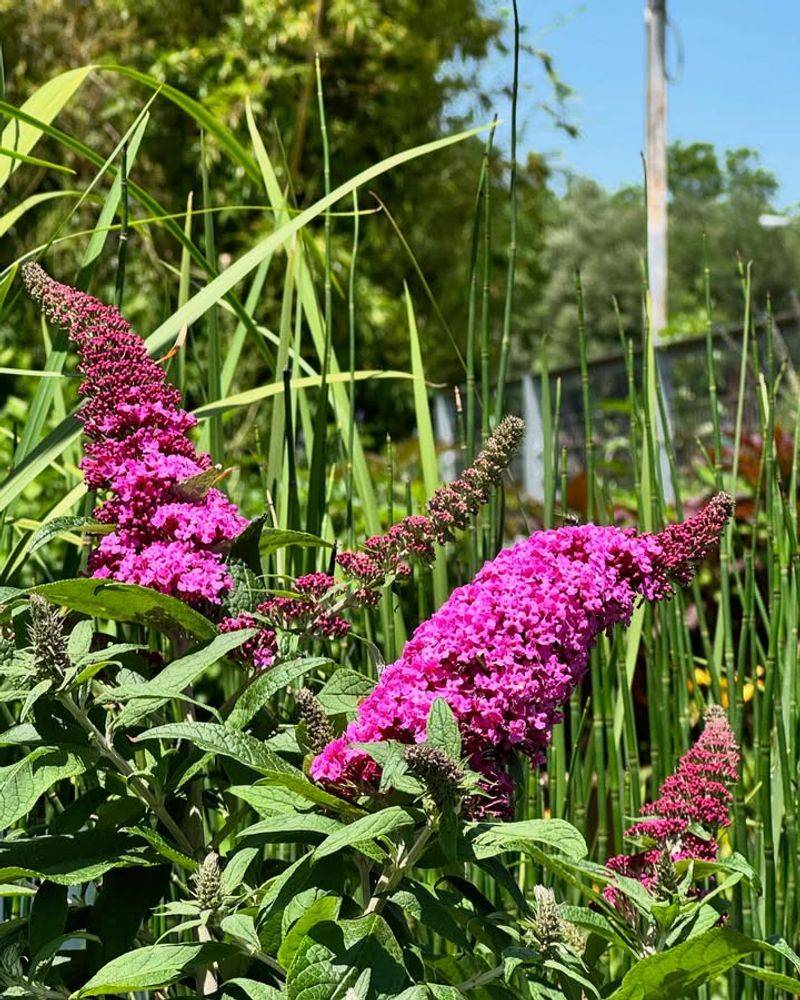
Fast summer growth often turns these shrubs into oversized, unruly plants unless winter pruning keeps them compact and productive.
January pruning keeps these pollinator magnets compact and encourages the dense branching that produces the most flower spikes later in the season.
Cutting back hard might seem extreme, but butterfly bushes bloom on new wood, so aggressive pruning actually increases flower production rather than reducing it.
Gardeners across the state should reduce butterfly bushes to about twelve to eighteen inches above ground level during the coldest part of winter.
This drastic haircut might look severe at first, but fresh shoots emerge vigorously once temperatures warm and daylight hours begin lengthening.
Tennessee’s clay soil and summer heat can make butterfly bushes leggy if left unpruned, resulting in flowers only at branch tips.
Sharp bypass pruners make clean cuts that heal quickly when spring arrives, preventing rot from settling into the woody stems during wet weather.
Remove any branches that look diseased or damaged first, then cut the remaining healthy stems to your desired height uniformly across the plant.
Properly pruned butterfly bushes reward Tennessee gardeners with months of colorful blooms that attract countless butterflies, hummingbirds, and beneficial insects throughout the growing season.
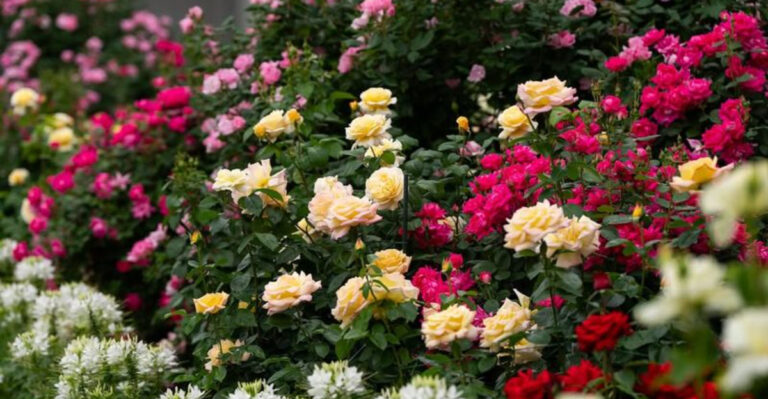
3. Roses
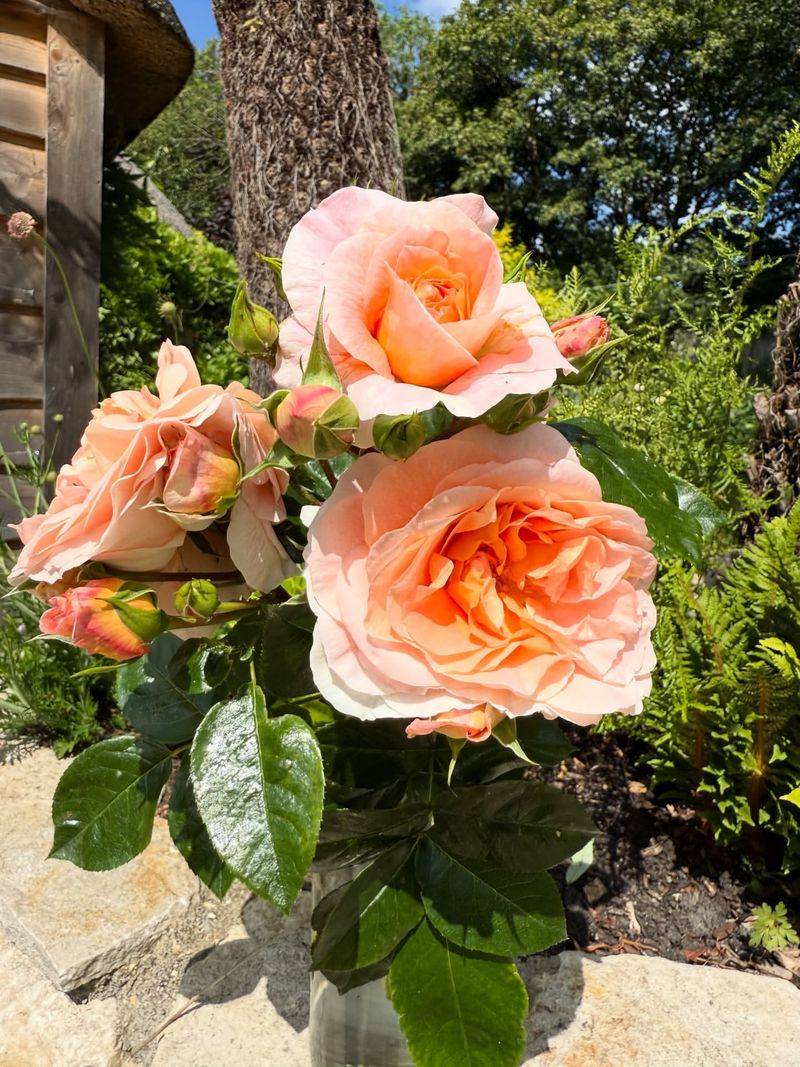
Classic garden favorites respond especially well to careful winter pruning that sets them up for healthier growth and better blooms later.
Hybrid teas, floribundas, and grandifloras all benefit from strategic cutting during dormancy, which removes diseased wood and shapes plants for optimal bloom production.
Tennessee’s mild winters mean roses rarely go completely dormant, but January’s chill slows growth enough to make pruning safe and effective.
Start by removing any canes that show black spot, canker, or other disease symptoms, cutting back to healthy white pith inside the stem.
Crossing canes should also go because they rub against each other and create wounds where fungal infections can take hold during spring rains.
Aim for an open vase shape that allows air to circulate freely through the center, reducing humidity that encourages powdery mildew and other problems.
Cut canes at a forty-five-degree angle about a quarter inch above an outward-facing bud to direct new growth away from the plant’s center.
Tennessee gardeners should leave three to five strong canes on hybrid teas and slightly more on floribundas, depending on plant size and vigor.
Proper January pruning results in sturdy new growth, larger blooms, and healthier roses that resist pests and diseases throughout the challenging southern summer.
4. Blueberry Bushes
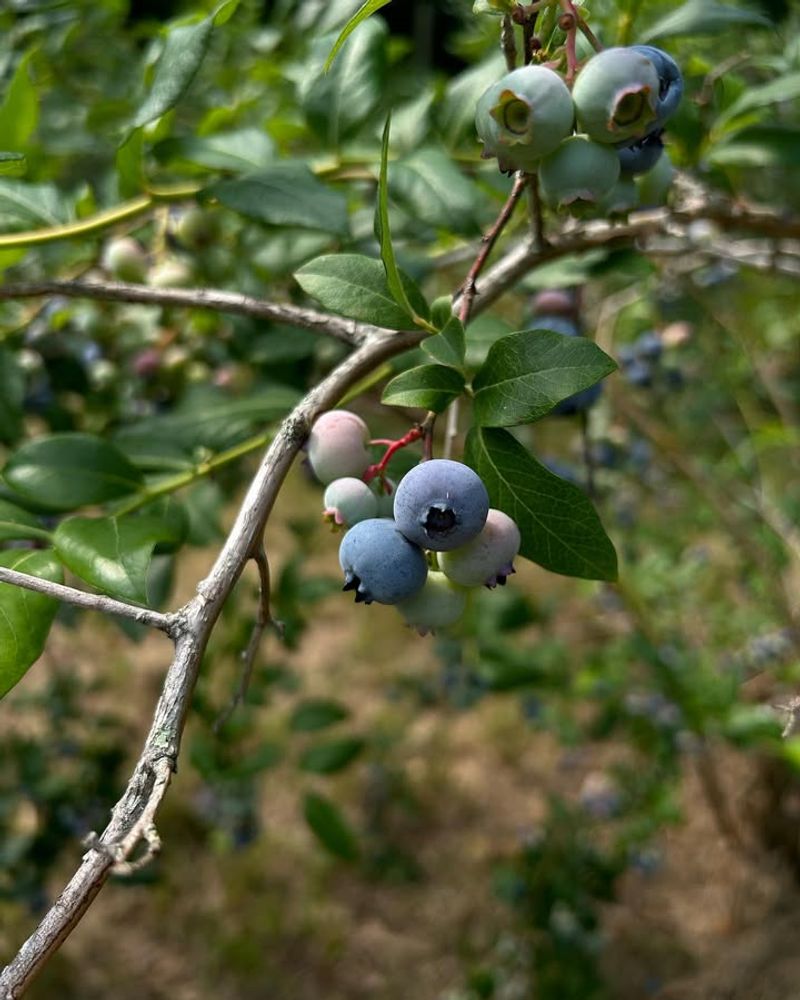
Productive berry shrubs benefit greatly from winter attention that balances growth and improves fruit quality in Tennessee gardens.
January represents the perfect opportunity to shape these productive shrubs because pruning stimulates vigorous new growth that bears the largest and sweetest berries.
Established bushes older than three years need annual pruning to maintain productivity and prevent the tangled mess that reduces fruit quality significantly.
Remove the oldest canes completely at ground level, focusing on wood that’s more than six years old and no longer produces well.
Tennessee blueberry growers know that young canes between two and five years old produce the heaviest crops with the best berry size.
Thin out weak, spindly growth and any branches that droop close to the ground where berries would touch soil and rot.
Opening up the bush’s center allows sunlight to reach all branches, which improves fruit ripening and makes harvesting much easier during summer months.
Dead or damaged wood should always come out first, followed by canes that cross through the middle and create congestion within the structure.
Well-pruned blueberry bushes in Tennessee gardens produce abundant crops of large, flavorful berries while maintaining an attractive shape that looks good year-round.
5. Grape Vines
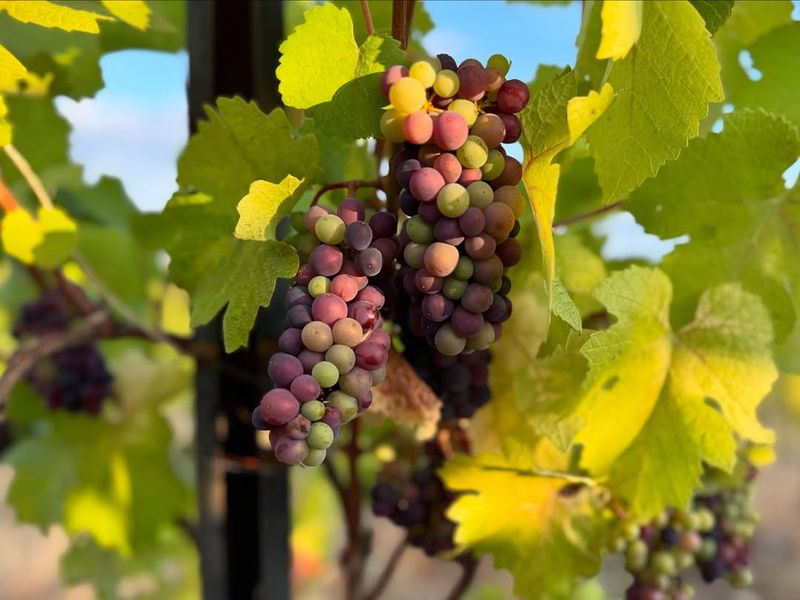
Vigorous climbers need firm winter control to prevent tangled growth and encourage strong, flavorful harvests later in the year.
Unpruned vines quickly become tangled jungles that produce tiny, sparse grape clusters with poor flavor and excessive disease problems from inadequate air circulation.
Dormant pruning removes the vast majority of last year’s growth, which might seem extreme but actually concentrates the vine’s energy into fewer, better clusters.
Tennessee grape growers typically remove about ninety percent of the previous season’s growth, leaving only a few buds on each cane.
This severe cutting shocks beginners, but grapes fruit on current-season growth, so heavy pruning directly translates to better harvests in fall.
Choose canes that are pencil-thick and healthy, spacing them evenly along your trellis or arbor for maximum sun exposure and easy management.
Remove all weak, damaged, or diseased wood first, then select your fruiting canes based on position and vigor rather than sentimentality about growth.
Each bud left behind will produce shoots that bear grape clusters, so careful selection determines both quantity and quality of your harvest.
Properly pruned grape vines in Tennessee gardens remain manageable, produce abundant fruit, and resist the fungal diseases that plague overgrown, crowded vines during humid summers.
6. Fig Trees
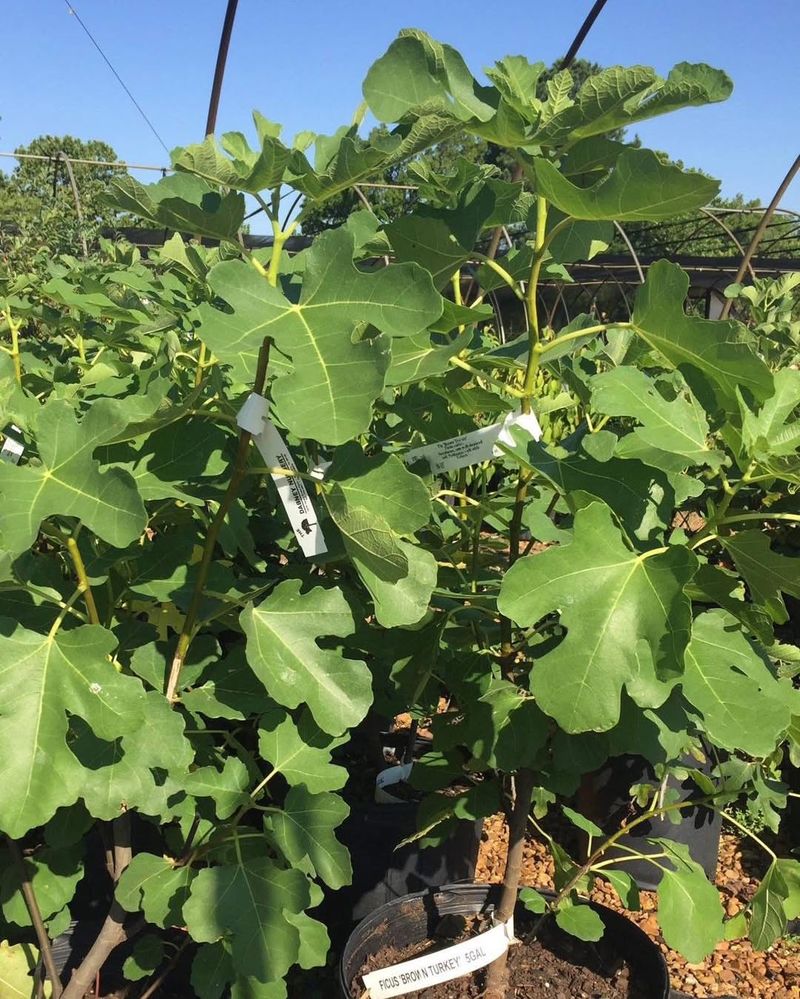
Mediterranean fruit trees adapt well to Tennessee conditions when winter pruning keeps their size manageable and growth productive.
January pruning helps maintain manageable size and encourages the strong new growth that produces the best fruit on many common varieties.
Tennessee’s climate allows figs to grow quite large if left unchecked, making annual pruning necessary for keeping trees within reasonable bounds.
Focus on removing dead wood first, which often results from occasional hard freezes that nip back tender branch tips during cold snaps.
Crossing branches should also be removed to prevent rubbing that damages bark and creates entry points for insects and disease organisms.
Many Tennessee gardeners keep their fig trees relatively short, around six to eight feet, which makes harvesting easier and protects branches from wind damage.
Thinning out crowded interior growth improves air circulation and allows sunlight to ripen fruit more evenly throughout the tree’s canopy structure.
Some fig varieties produce fruit on old wood, so research your specific type before cutting too aggressively and accidentally removing productive branches.
Properly pruned fig trees in Tennessee gardens remain productive for decades, providing delicious fresh fruit and attractive foliage without growing into unmanageable giants.
7. Wisteria
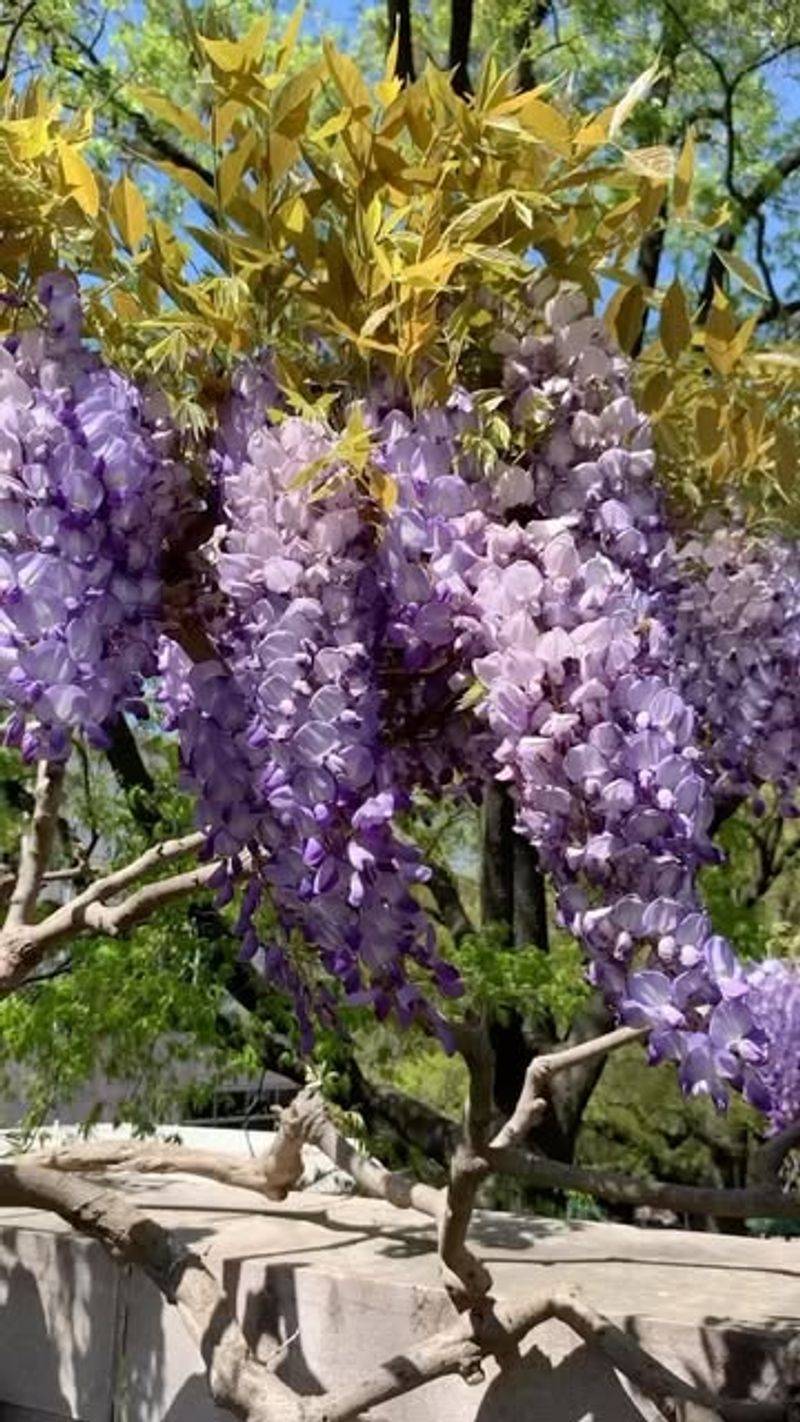
Spectacular spring blooms depend heavily on firm winter pruning that keeps aggressive vines under control.
January pruning is critical for controlling these aggressive growers and maximizing the flower production that makes wisteria such a garden treasure.
Unpruned wisteria quickly escapes its intended space, climbing into trees, pulling down fences, and producing mostly foliage instead of the desired blooms.
Cut back the long whiplike shoots that grew during the previous summer to just three to five buds from the main framework.
These shortened spurs will produce the flower clusters come spring, so proper pruning directly determines how many blooms you’ll enjoy.
Tennessee gardeners should also remove any shoots growing in unwanted directions or threatening to engulf nearby structures that can’t support the vine’s weight.
Wisteria blooms on old wood, so avoid cutting into the main structural branches unless removing dead or severely damaged sections entirely.
Regular January pruning trains wisteria into a manageable form while encouraging the abundant flowering that makes this vine worth the maintenance effort.
Well-pruned wisteria in Tennessee gardens creates stunning spring displays without becoming the invasive monster that overwhelms everything in its path and requires constant battle.
8. Hydrangeas
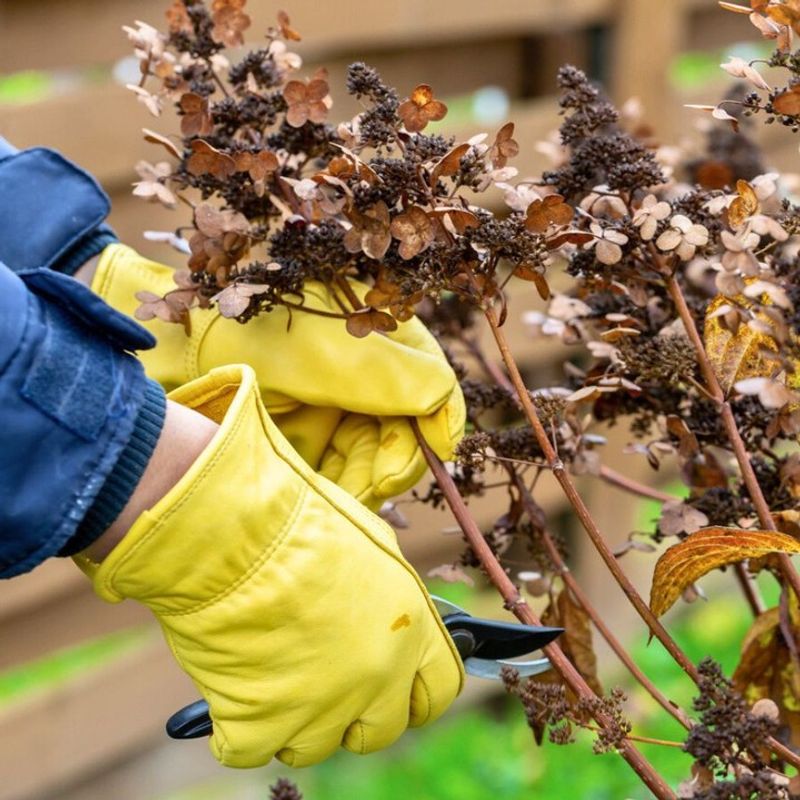
Different shrub types demand different pruning approaches, making winter an important decision point for future blooms.
January pruning works well for smooth hydrangeas and panicle types that bloom on new wood, but can ruin the flower show for bigleaf varieties.
Tennessee gardeners must identify their hydrangea type before making any cuts to avoid the disappointment of a bloomless summer season.
Smooth hydrangeas like ‘Annabelle’ can be cut nearly to the ground in January, which produces sturdy stems that support massive flower heads.
Panicle hydrangeas benefit from selective thinning and shaping that maintains an attractive form while encouraging vigorous new growth and abundant blooms.
Remove the oldest, thickest canes at ground level and thin out weak or crossing branches that crowd the shrub’s interior space.
Bigleaf hydrangeas should only receive light deadheading in January, removing spent flowers just above the first set of healthy buds below.
These popular types bloom on old wood, so heavy pruning removes all the flower buds and results in green shrubs with no blooms.
Properly pruned hydrangeas in Tennessee gardens produce spectacular flower displays appropriate to their type, whether that means enormous snowball blooms or graceful cone-shaped panicles.
9. Fruit Trees
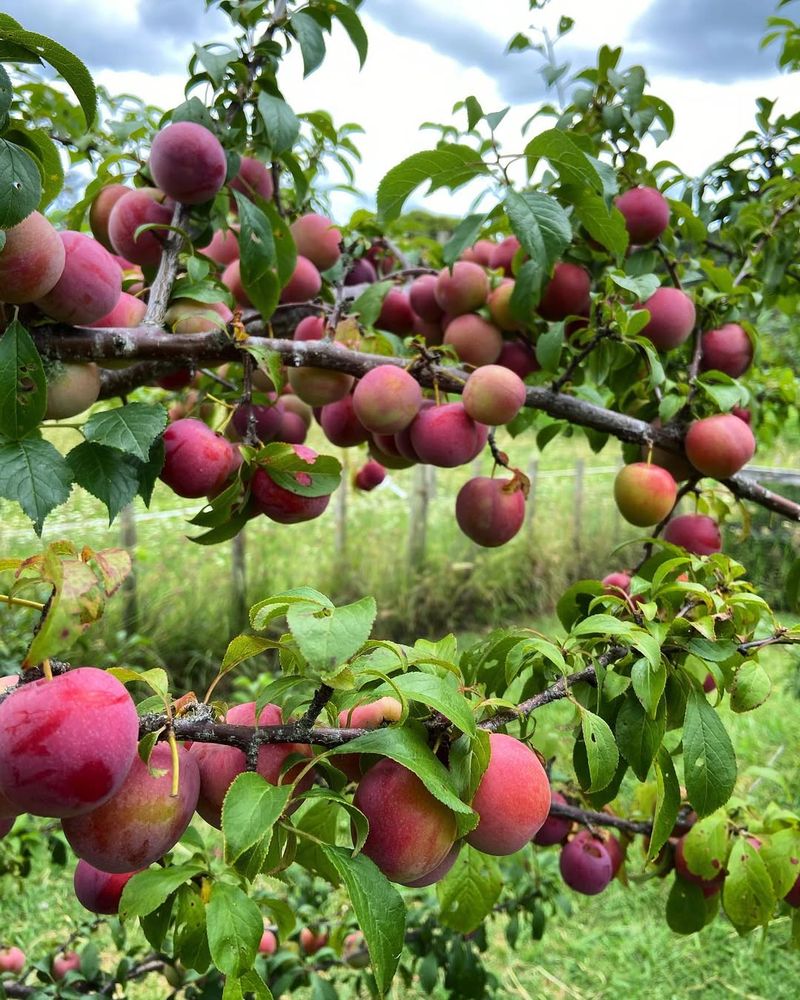
Dormant-season pruning plays a major role in shaping healthy, productive trees that deliver better harvests year after year.
Dormant pruning shapes young trees, maintains productive mature specimens, and removes diseased wood before spring growth begins and problems spread throughout the orchard.
Tennessee’s fruit growers know that proper pruning directly affects fruit size, quality, and tree longevity over many productive years.
Start with the three D’s, removing dead, diseased, and damaged wood before addressing the tree’s overall shape and structure carefully.
Open up the center to create a vase shape that allows sunlight and air to reach all branches, improving fruit ripening and quality.
Remove water sprouts growing straight up and suckers emerging from the rootstock below the graft union, as these vigorous shoots steal energy.
Thin out crossing branches and reduce last year’s growth by about one-third to encourage strong fruiting wood rather than excessive vegetative growth.
Peach trees require more aggressive pruning than apples or pears because they fruit on one-year-old wood and need constant renewal.
Well-pruned fruit trees in Tennessee gardens produce abundant crops of high-quality fruit while maintaining manageable sizes that make harvesting and pest management practical.
10. Forsythia
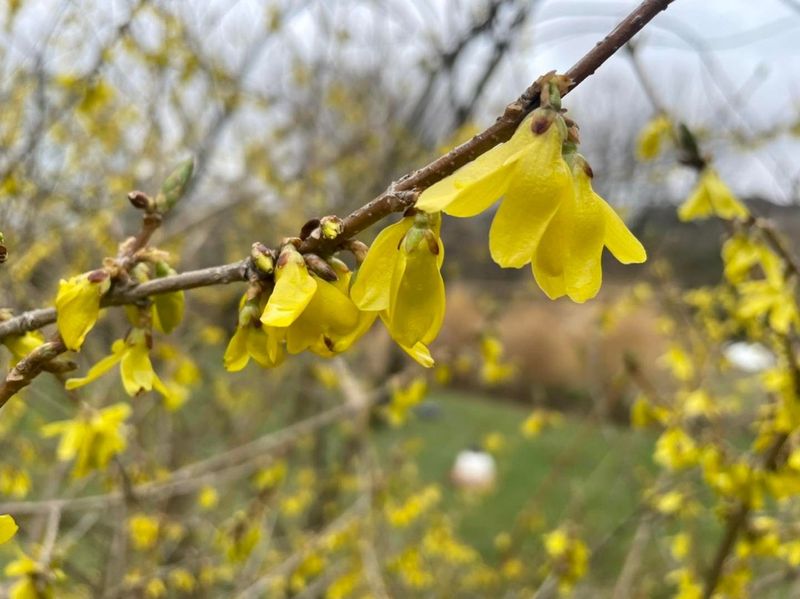
Early spring color stays bold and balanced when winter pruning renews older wood and maintains the shrub’s graceful form.
January pruning helps control these vigorous shrubs and maintains the arching form that makes forsythia so attractive in landscape settings and borders.
Unpruned forsythia becomes a tangled mess that flowers only on the outermost tips, leaving the interior bare and unattractive most of the year.
Remove the oldest canes completely at ground level, focusing on stems that are thicker than your thumb and no longer producing vigorous growth.
Tennessee gardeners should aim to remove about one-third of the oldest wood each year, which keeps forsythia constantly renewing itself with young canes.
This renewal pruning maintains the shrub’s natural fountain-like shape while ensuring flowers appear throughout the bush rather than just on the outside.
Avoid shearing forsythia into formal shapes, which removes most flower buds and creates an unnatural appearance that fights the plant’s graceful arching habit.
Thin out weak or crossing branches and reduce any stems that have grown too long and lost their attractive form completely.
Properly pruned forsythia in Tennessee gardens produces abundant early spring color while maintaining a manageable size that fits well into mixed borders and foundation plantings.