Garden Plants That Can Last More Than A Century In Georgia Yards
Georgia yards often feel timeless, shaped by warm sun, red clay soil, and seasons that roll by without much fuss.
Some plants fit that rhythm so well they seem built to stay put for generations.
These long lived garden favorites grow slow and steady, putting down deep roots and standing strong through heat waves, storms, and the passing of decades.
Plant one today, and it may still be thriving when future homeowners stroll the same yard.
I have always admired plants that refuse to rush.
They do not need constant fussing or replacement year after year.
Instead, they settle in, grow wiser with age, and become quiet landmarks in the landscape.
A century old plant tells a story without saying a word.
It has seen changing styles, shifting weather, and countless seasons come and go.
Choosing plants with staying power turns a garden into something more meaningful.
It becomes an investment in time, not just beauty.
Georgia yards filled with long lasting plants feel grounded and dependable, offering shade, blooms, and character long after trends fade.
These plants prove that patience pays off and that some of the best things in a garden are built to last.
1. Southern Magnolia
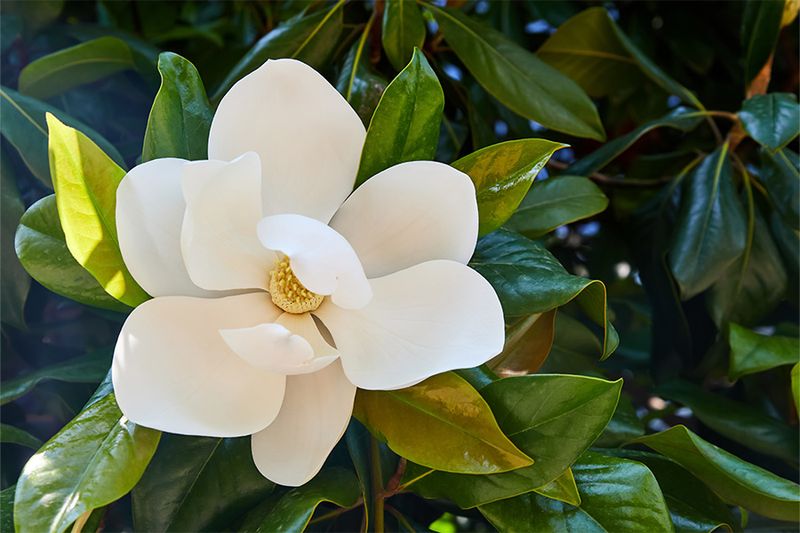
Few trees capture the essence of the South quite like the Southern Magnolia.
This stately evergreen can tower over your home, reaching heights of 60 to 80 feet with a spread just as impressive.
Its glossy, dark green leaves stay on the tree year-round, providing constant shade and privacy for Georgia homeowners.
The real showstopper appears in late spring and early summer when enormous white blooms open up, filling the air with a sweet, lemony fragrance.
Each flower can measure up to 12 inches across, creating a stunning display that neighbors will admire for blocks.
These magnificent trees have been known to live well over 100 years in Georgia, with some specimens reaching 200 years or more.
Plant your Southern Magnolia in a spot where it has plenty of room to grow, as its roots spread wide and its canopy needs space.
The tree prefers slightly acidic soil, which Georgia naturally provides in many areas.
Water it regularly during the first few years to help establish strong roots.
Once mature, this tree requires very little maintenance beyond occasional pruning to remove damaged branches.
The thick, leathery leaves drop throughout the year rather than all at once, so expect some cleanup.
Many Georgia families have treasured magnolias that were planted by their great-grandparents, serving as living monuments to family history and Southern tradition.
2. Live Oak

When you picture a classic Georgia landscape, chances are a Live Oak comes to mind.
These iconic trees define the Southern aesthetic with their massive trunks, sprawling horizontal branches, and curtains of Spanish moss swaying in the breeze.
Live Oaks grow slowly but steadily, eventually becoming giants that can span 60 to 100 feet wide.
What makes Live Oaks truly special is their incredible longevity, with many trees in Georgia documented at over 300 years old.
Some historic specimens have witnessed centuries of history, from colonial times through modern day.
The wood is extremely dense and strong, allowing the tree to withstand hurricanes, ice storms, and other harsh weather that would damage lesser trees.
Plant a Live Oak in full sun where it has ample space to spread its branches without interference from buildings or power lines.
These trees adapt well to various soil types found throughout Georgia, from sandy coastal areas to clay-heavy inland regions.
Young Live Oaks benefit from regular watering during dry spells.
As the tree matures, it becomes remarkably self-sufficient and drought-tolerant.
The thick, leathery leaves remain on the tree most of the year, though they do drop in early spring just before new growth appears.
Children love climbing the low, sturdy branches, and many Georgia families have held generations of gatherings beneath their protective canopy.
3. American Holly
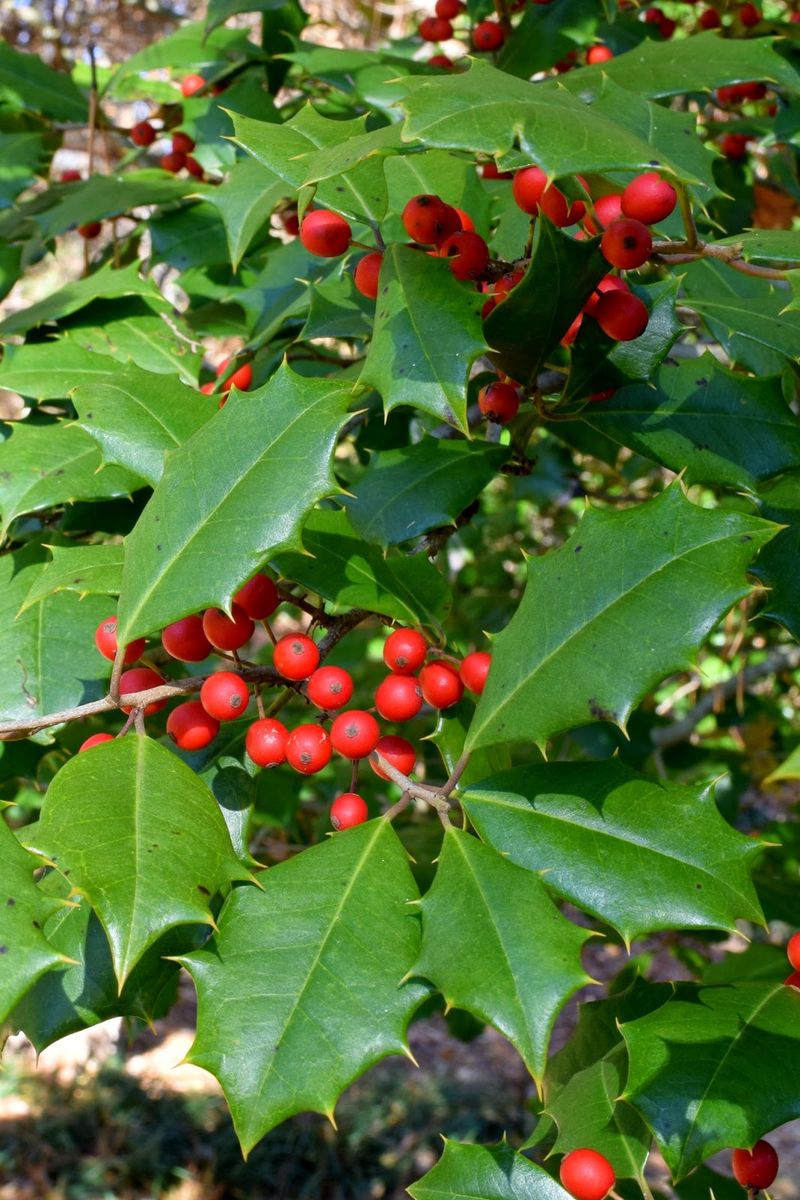
Bright red berries against dark green spiky leaves make the American Holly instantly recognizable, especially during winter months.
This native evergreen thrives throughout Georgia, growing into a beautiful pyramidal shape that can reach 40 to 50 feet tall.
Female trees produce the famous red berries that birds adore, while male trees provide the necessary pollen.
American Hollies have been documented living well over 100 years in their native habitat, making them excellent long-term investments for Georgia yards.
The dense foliage provides year-round privacy screening and nesting sites for songbirds.
Many homeowners plant hollies near their homes to enjoy the festive appearance during holiday seasons.
These trees prefer slightly acidic soil and partial shade, though they can tolerate full sun in Georgia if given adequate moisture.
Plant both male and female trees within 30 to 40 feet of each other to ensure good berry production.
Young hollies appreciate regular watering and a layer of mulch to keep roots cool during hot Georgia summers.
Once established, American Hollies become quite hardy and require minimal care beyond occasional shaping.
The slow growth rate means you won’t need to prune often, and the strong wood resists storm damage.
Wildlife benefits tremendously from these trees, as the berries provide crucial winter food for robins, cedar waxwings, and other birds that stick around Georgia during colder months.
4. Pecan Tree
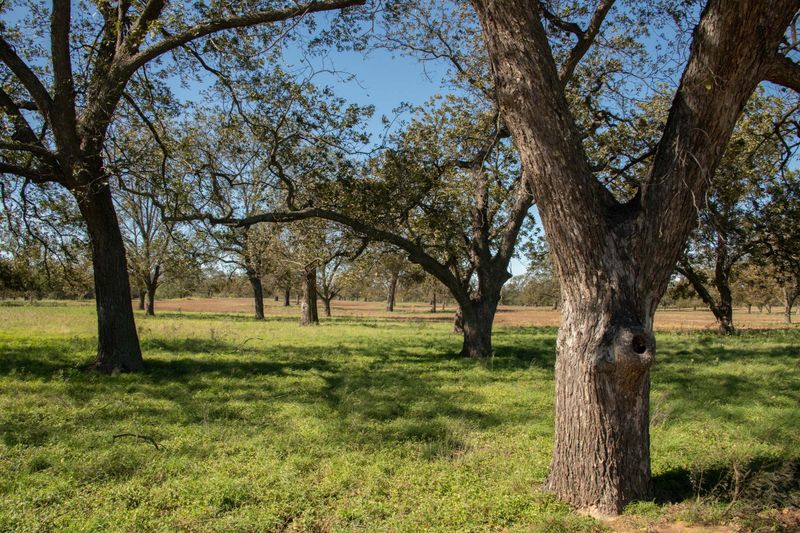
Nothing says Southern heritage quite like a towering Pecan tree dropping its delicious nuts each fall.
Georgia is actually one of the top pecan-producing states, and these magnificent trees can live for 200 to 300 years when properly cared for.
A mature pecan can reach 70 to 100 feet tall, creating a massive canopy that provides cooling shade during brutal summer months.
The real reward comes each autumn when the tree produces pounds upon pounds of rich, buttery nuts that are perfect for pies, pralines, and snacking.
Many Georgia families have pecan trees that have been passed down through generations, with children and grandchildren gathering together each year for the harvest.
The tradition of shaking branches and collecting fallen pecans creates memories that last a lifetime.
Plant your pecan tree in deep, well-draining soil with plenty of room for its extensive root system.
These trees need full sun and regular watering, especially during their first five years.
Georgia’s climate suits pecans perfectly, though they do require a cold period in winter to produce well.
Mature trees need occasional fertilization and pruning to maintain good production and health.
Watch for pests like aphids and pecan weevils, which can affect nut quality.
Despite these minor challenges, a well-maintained pecan tree will reward your family with abundant harvests for generations, becoming a treasured landmark in your Georgia yard.
5. Eastern Redbud
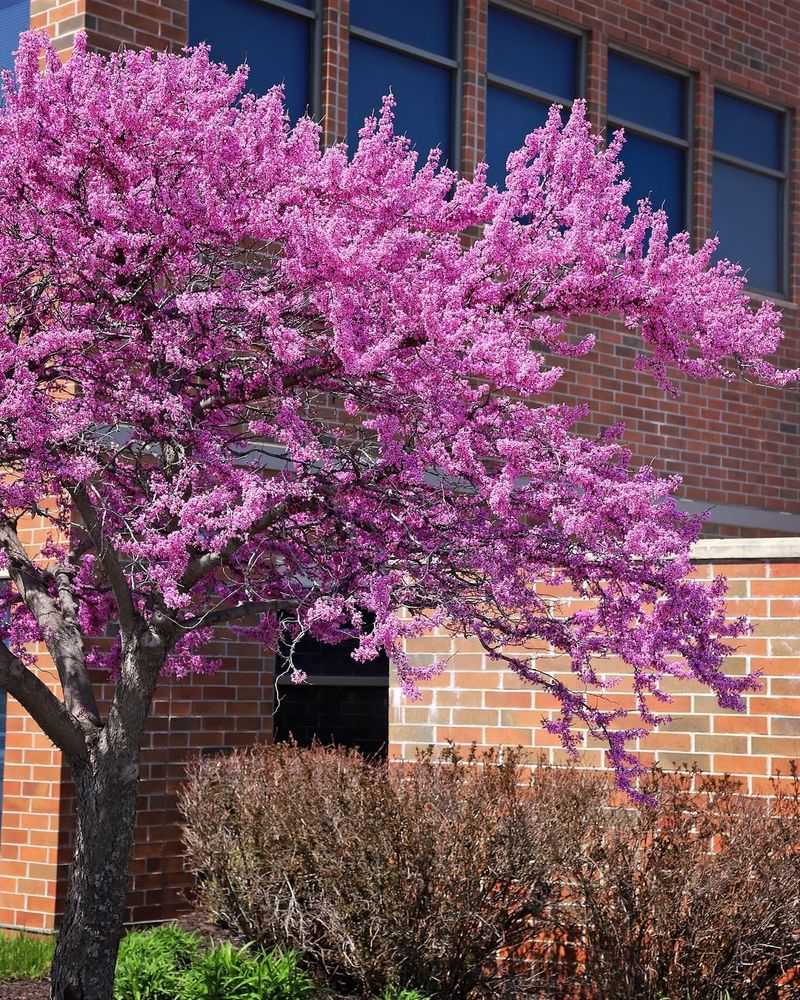
Early spring in Georgia brings a magical sight when Eastern Redbuds burst into bloom.
Thousands of tiny pink-purple flowers appear directly on the branches and trunk before any leaves emerge, creating a stunning cloud of color.
This native understory tree typically grows 20 to 30 feet tall, making it perfect for smaller yards or planting beneath larger trees.
While not as long-lived as some massive oaks, healthy Eastern Redbuds can easily surpass 100 years with proper care and ideal conditions.
The heart-shaped leaves that follow the flowers turn a beautiful golden yellow in fall, adding another season of interest.
These trees have adapted perfectly to Georgia’s climate over thousands of years, making them remarkably resilient.
Plant your Redbud in partial shade with well-draining soil that contains plenty of organic matter.
They naturally grow along forest edges and stream banks throughout Georgia, so mimicking these conditions helps them thrive.
Young trees need consistent moisture but become more drought-tolerant as they mature.
Eastern Redbuds require very little maintenance once established, though you should remove any dead or crossing branches.
The flowers provide early nectar for bees and butterflies emerging from winter, making these trees valuable for pollinators.
Many Georgia gardeners plant redbuds as focal points near patios or along property lines, where their spring display can be fully appreciated by family and visitors alike.
6. Common Fig
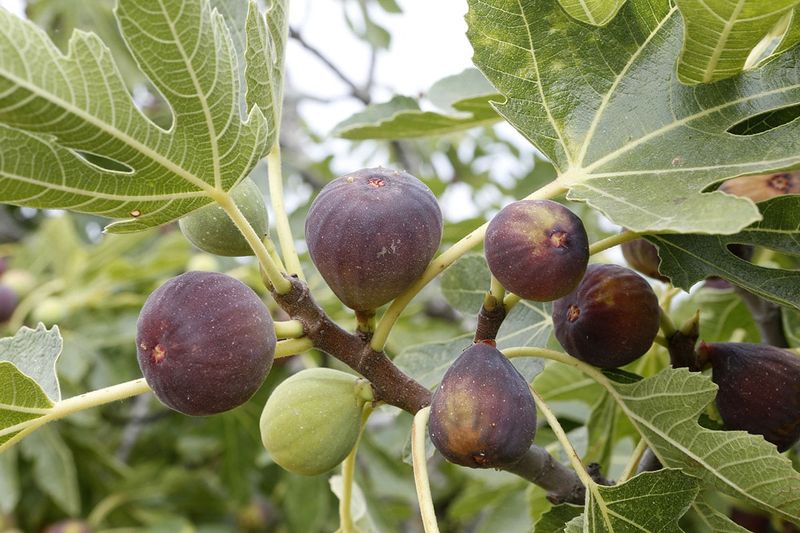
Sweet, fresh figs straight from your own tree represent one of gardening’s greatest pleasures.
Common Fig trees have been cultivated for thousands of years and can live well over 100 years in favorable conditions like those found throughout Georgia.
These trees typically grow 10 to 30 feet tall with a spreading, multi-trunked form that creates an almost sculptural presence in the landscape.
Georgia’s warm climate allows figs to produce two crops annually in many areas, with an early summer harvest followed by a larger fall crop.
The large, lobed leaves provide tropical-looking foliage that adds lush texture to your yard.
Varieties like Brown Turkey and Celeste perform exceptionally well in Georgia and can produce hundreds of fruits each season once mature.
Plant fig trees in full sun with well-draining soil, spacing them at least 15 feet from buildings or other trees.
They adapt to various soil types found in Georgia but produce best with regular watering during fruit development.
Young trees may need protection during occasional hard freezes, though established trees typically recover even if damaged.
Prune fig trees in late winter to maintain size and remove any damaged wood.
The trees sucker readily, sending up new shoots from the roots, which you can remove or allow to develop into additional trunks.
Fresh figs attract birds and beneficial insects, creating a lively ecosystem around your tree while providing delicious fruit for preserves, desserts, or eating fresh.
7. Bald Cypress
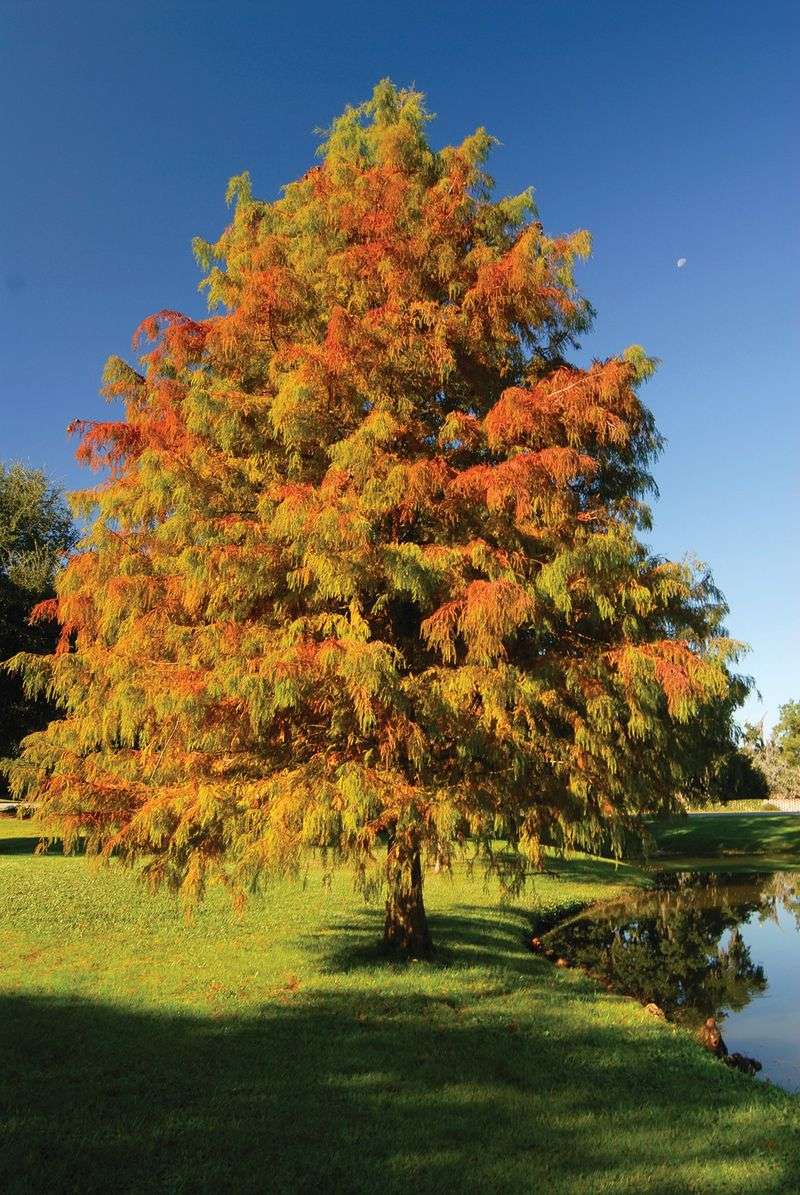
Bald Cypress trees stand as ancient sentinels in Georgia swamps and along waterways, with some specimens documented at over 1,000 years old.
These remarkable conifers can grow 50 to 70 feet tall in landscape settings, developing a distinctive pyramidal shape and feathery foliage that turns a beautiful russet-orange before dropping in fall.
Despite being a deciduous conifer, Bald Cypress adapts surprisingly well to typical yard conditions throughout Georgia.
The famous cypress knees, woody projections that grow up from the roots, add unique character to the landscape.
While scientists still debate their exact purpose, these knees become conversation pieces that fascinate visitors.
The wood is naturally rot-resistant, allowing these trees to thrive in wet areas where other species would struggle.
Plant Bald Cypress in full sun where the soil stays consistently moist, though established trees tolerate surprisingly dry conditions.
They grow naturally throughout Georgia, from coastal swamps to inland river bottoms.
Young trees grow relatively quickly compared to other century-living species, reaching impressive size within a few decades.
These trees require virtually no maintenance once established and resist most pests and diseases.
The fine-textured foliage creates light, dappled shade that allows grass to grow underneath.
Many Georgia homeowners with ponds or wet areas find Bald Cypress to be the perfect solution, as the trees stabilize soil while creating a naturalistic, timeless landscape that will endure for generations.
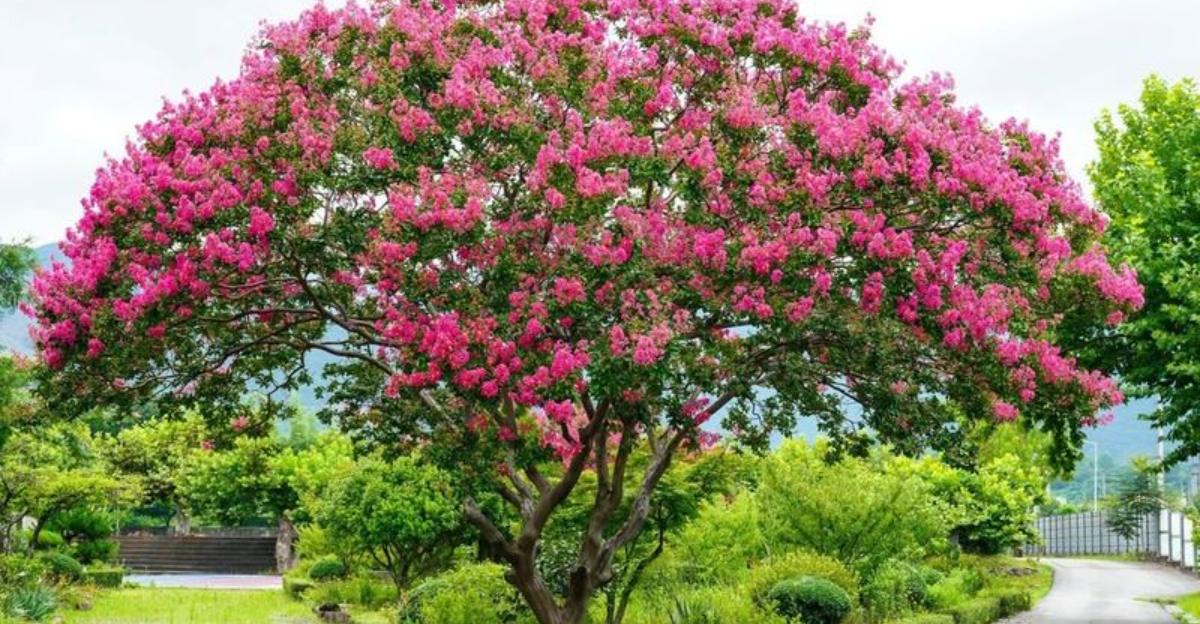
8. Crape Myrtle
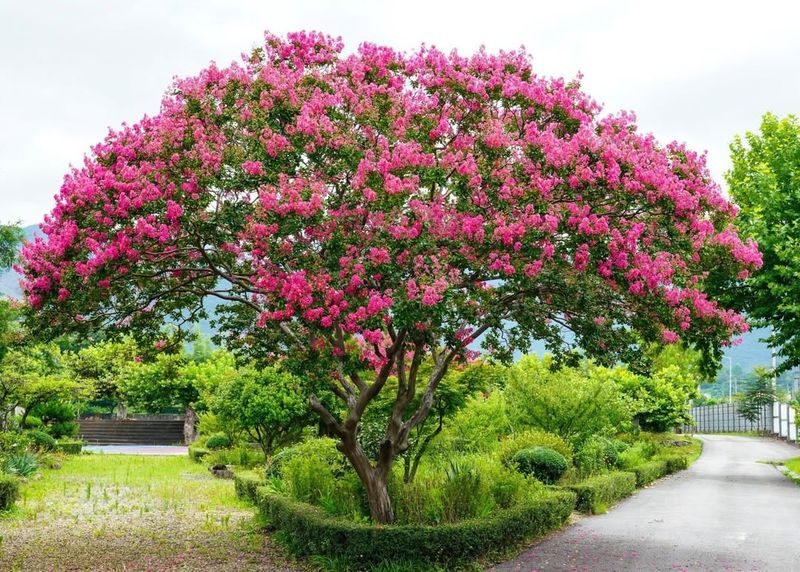
Summer in Georgia wouldn’t be complete without the vibrant blooms of Crape Myrtles lining streets and filling yards with color.
These versatile trees can range from small shrubs to 30-foot specimens, depending on variety.
While many people don’t realize it, Crape Myrtles can easily live 100 years or more, with some historic specimens in Georgia approaching 200 years old.
The flowers appear in large clusters at branch tips, blooming continuously from June through September in shades of white, pink, red, purple, and lavender.
Even when not blooming, Crape Myrtles offer interest through their smooth, exfoliating bark that reveals patches of cream, tan, and cinnamon colors.
Fall brings another show as the leaves turn brilliant shades of orange, red, and yellow.
Plant Crape Myrtles in full sun with well-draining soil, spacing them according to their mature size.
Georgia’s climate suits them perfectly, and they tolerate heat, humidity, and drought once established.
Choose disease-resistant varieties to avoid problems with powdery mildew, which can affect susceptible types during humid summers.
Contrary to popular practice, Crape Myrtles don’t need severe annual pruning, which actually shortens their lifespan and creates weak growth.
Instead, remove only dead wood and crossing branches to maintain natural form.
These trees become more beautiful with age as their trunks develop character and their canopies spread gracefully, making them worthy additions to any Georgia landscape designed to last for generations.