7 Garden Plants That Grow Better With Wood Ash In Pennsylvania
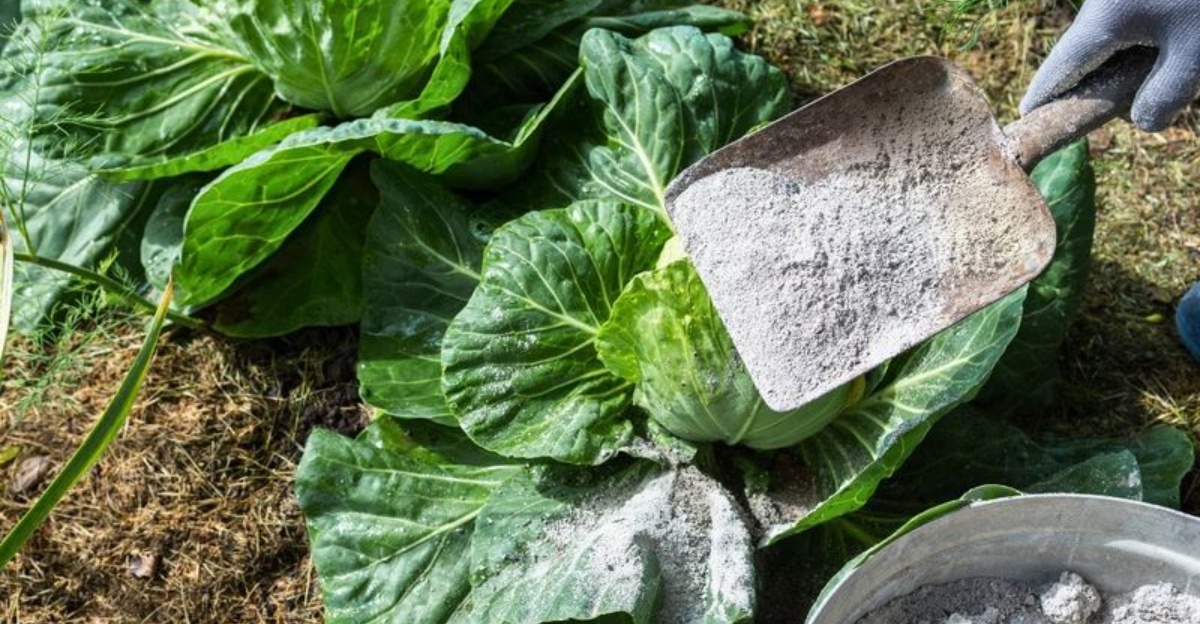
In Pennsylvania gardens, wood ash often gets treated like leftover junk from the fireplace.
Many people bag it up and send it packing without a second thought.
That is a missed opportunity.
When used the right way, wood ash can pull its weight and give certain garden plants a real boost.
Wood ash is not magic dust, but it does bring something to the table.
It adds potassium and raises soil pH, which can be just what some plants are looking for.
In gardens with acidic soil, a light hand with wood ash can help plants grow stronger, bloom better, and produce more.
Used carelessly, it can cause trouble, but used wisely, it earns its keep.
Not all plants play well with wood ash, so knowing who benefits makes all the difference.
Some garden favorites respond with better growth and healthier roots once conditions improve.
In Pennsylvania, where soil types vary from yard to yard, wood ash can be a useful tool instead of wasted waste.
With a little know how, that pile of ash can turn into a quiet helper that works behind the scenes all season long.
1. Garlic
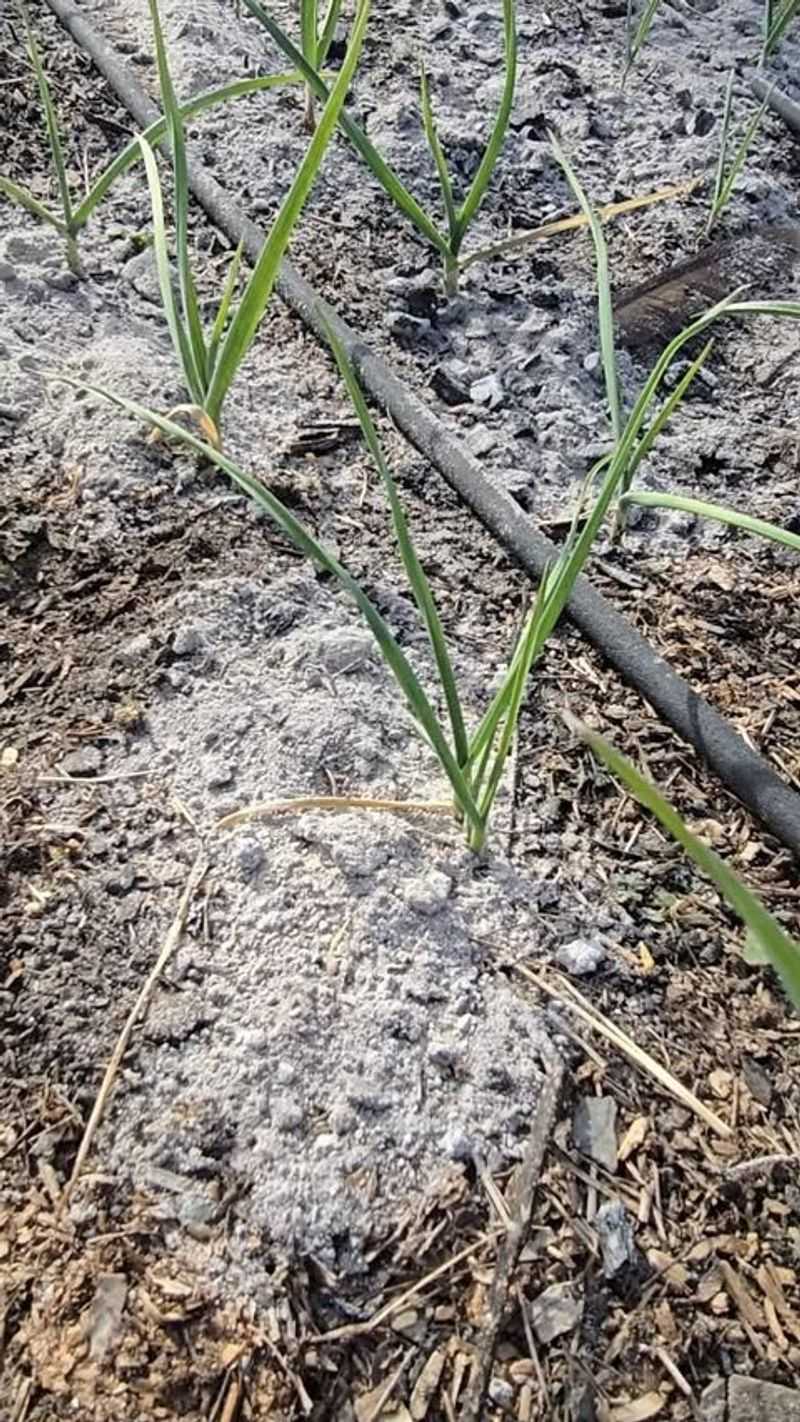
Few crops appreciate wood ash quite like garlic does when planted in Pennsylvania gardens during fall.
Garlic bulbs need plenty of potassium to develop those tight, flavorful cloves that make cooking so much better.
Wood ash delivers this essential nutrient in a form that garlic roots can easily absorb during their long growing period from October through June.
Pennsylvania gardeners typically plant garlic in mid-October, and adding wood ash at planting time gives cloves a nutritional boost right from the start.
The calcium in wood ash also helps build strong cell walls within the developing bulbs, resulting in garlic that stores longer after harvest.
This matters a lot when you want your homegrown garlic to last through winter and into next spring.
Spread about half a cup of wood ash per square foot of garlic bed before planting your cloves in fall.
Mix it into the top four inches of soil along with compost or aged manure for best results.
Garlic prefers slightly alkaline soil with a pH between 6.5 and 7.0, and wood ash helps achieve this perfect balance in Pennsylvania’s naturally acidic soils.
The sulfur compounds that give garlic its distinctive flavor actually develop better when plants have access to adequate potassium throughout their growth cycle.
Wood ash provides this without the expense of commercial fertilizers.
Many Pennsylvania garlic growers notice larger bulbs and more robust plants when they incorporate wood ash into their soil preparation routine.
Another benefit is that wood ash can help discourage certain soil-dwelling pests that might otherwise bother your garlic crop.
When you harvest your garlic in late June or early July, you will likely notice a difference in bulb size and quality compared to garlic grown without this natural amendment.
The improved storage quality means you can enjoy your Pennsylvania-grown garlic for many months after harvest.
2. Tomatoes
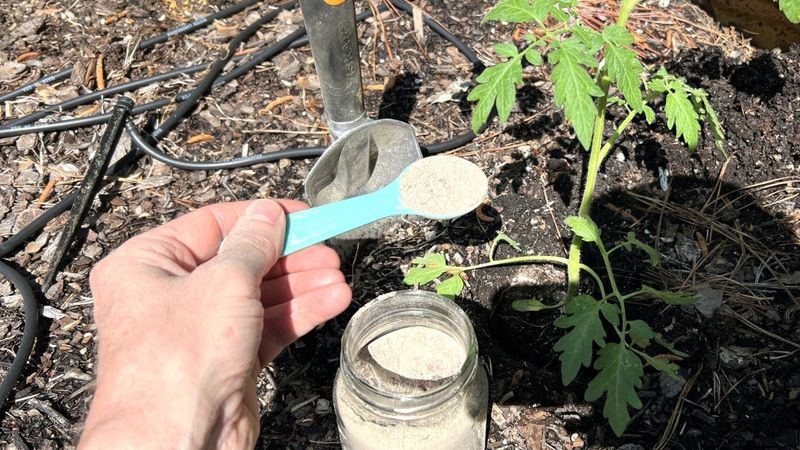
Tomato plants absolutely flourish when you add wood ash to the soil around them during the Pennsylvania growing season.
The extra calcium from wood ash helps prevent blossom end rot, that frustrating black spot that ruins perfectly good tomatoes just when they start to ripen.
Potassium in the ash also strengthens the plant’s overall structure and improves fruit quality, giving you tastier tomatoes with better texture.
Pennsylvania soil can sometimes be slightly acidic, which tomatoes tolerate but don’t necessarily prefer.
Wood ash raises the pH to a range between 6.0 and 6.8, which is ideal for these sun-loving plants.
Sprinkling a light layer of ash around your tomato plants in spring helps them access nutrients more efficiently throughout the summer.
You should apply about one cup of wood ash per tomato plant at planting time, working it gently into the top few inches of soil.
Avoid piling it directly against the stem, as concentrated ash can be too strong.
Instead, spread it in a circle about six inches away from the base of each plant.
The magnesium in wood ash supports chlorophyll production, keeping tomato leaves green and healthy during Pennsylvania’s hot summer months.
This means better photosynthesis and more energy for fruit production.
Many experienced Pennsylvania gardeners swear by wood ash as their secret weapon for growing prize-winning tomatoes.
Remember to test your soil pH before adding ash, because if your soil is already alkaline, you might do more harm than good.
Tomatoes grown with the right amount of wood ash develop stronger root systems and can better withstand common Pennsylvania weather fluctuations.
The result is a more abundant harvest of delicious, homegrown tomatoes that make every summer meal special.
3. Cabbage
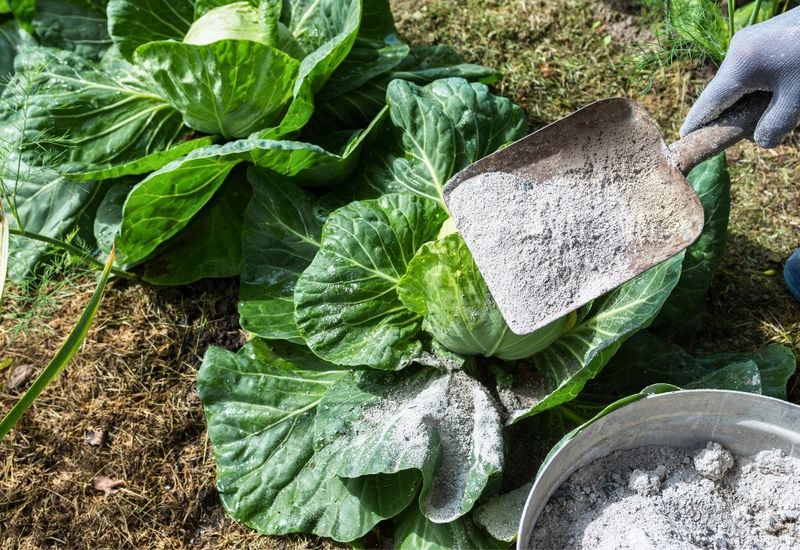
Cabbage plants respond remarkably well to wood ash applications in Pennsylvania gardens, developing those dense, heavy heads that make coleslaw and sauerkraut so satisfying.
The high calcium content in wood ash helps cabbage form tight, compact heads rather than loose, leafy ones.
Calcium strengthens cell walls throughout the plant, creating the crisp texture that makes fresh cabbage so appealing in salads and cooking.
This cool-season crop grows during spring and fall in Pennsylvania, when temperatures stay moderate and plants can develop slowly.
Wood ash gives cabbage seedlings a strong start by providing potassium for root development and overall plant vigor.
Healthy roots mean the plant can take up water and nutrients efficiently, even during dry spells that sometimes hit Pennsylvania in late spring or early fall.
Apply about three-quarters of a cup of wood ash per cabbage plant when transplanting seedlings into your garden.
Work it into the planting hole along with compost, then water thoroughly to help nutrients move into the root zone.
Cabbage prefers soil pH between 6.5 and 7.5, which wood ash helps maintain in Pennsylvania’s typically acidic garden soils.
The potassium from wood ash also helps cabbage plants resist certain diseases and handle stress better during Pennsylvania’s unpredictable weather patterns.
Plants with adequate potassium develop thicker, stronger leaves that hold up well to wind and rain.
This matters especially in fall when storms can batter your garden right before harvest time.
Wood ash contains trace minerals like boron that cabbage needs in small amounts for proper growth.
Without enough boron, cabbage can develop hollow stems or other growth problems that reduce harvest quality.
Pennsylvania gardeners who use wood ash regularly on their cabbage crops often report fewer pest problems and better overall plant health throughout the growing season.
4. Broccoli
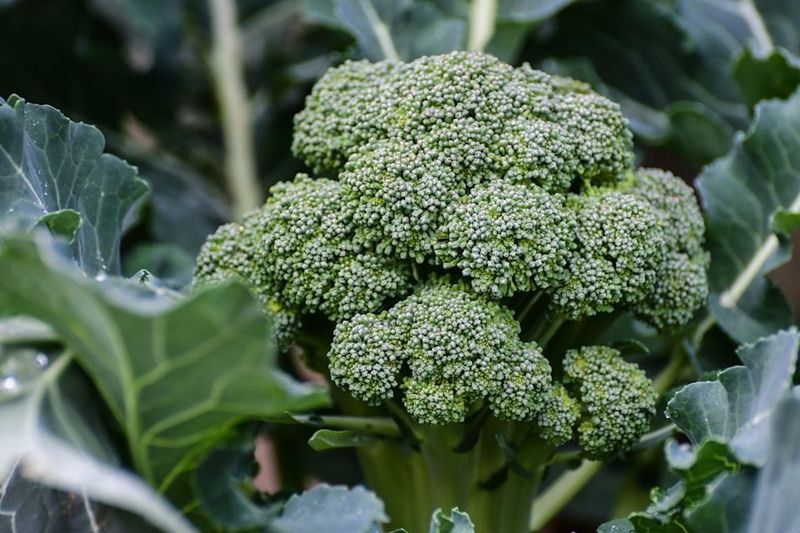
Broccoli thrives in Pennsylvania gardens when you give it a boost of wood ash at planting time and again during its growing period.
This nutrient-hungry vegetable needs plenty of calcium to form those tight green florets that everyone loves steamed or roasted.
Without enough calcium, broccoli heads can become loose and less flavorful, which is disappointing after months of careful tending.
Pennsylvania’s spring and fall weather creates perfect conditions for growing broccoli, and wood ash helps plants make the most of these ideal growing windows.
The potassium in wood ash supports strong stem development, which matters because broccoli heads can get quite heavy as they mature.
A sturdy stem prevents the head from toppling over or breaking before you can harvest it.
Mix about one cup of wood ash into the soil around each broccoli plant when you transplant seedlings in early spring or late summer.
Pennsylvania gardeners who plant both spring and fall crops can use wood ash for both plantings, as long as they monitor soil pH to avoid making it too alkaline.
Broccoli grows best when soil pH stays between 6.0 and 7.0, and wood ash helps maintain this range.
The magnesium in wood ash keeps broccoli leaves dark green and productive throughout the growing season.
Healthy leaves mean better photosynthesis, which translates directly into larger, more flavorful heads.
Pennsylvania’s cool nights and moderate days during spring and fall provide ideal growing conditions, and wood ash ensures plants have the nutrients to take full advantage.
Side-dress your broccoli plants with a light sprinkling of wood ash about four weeks after transplanting to give them a mid-season boost.
This extra application helps plants develop side shoots after you harvest the main head, extending your harvest period.
Many Pennsylvania gardeners get several smaller heads from each plant when they use wood ash properly throughout the growing season.
5. Lettuce
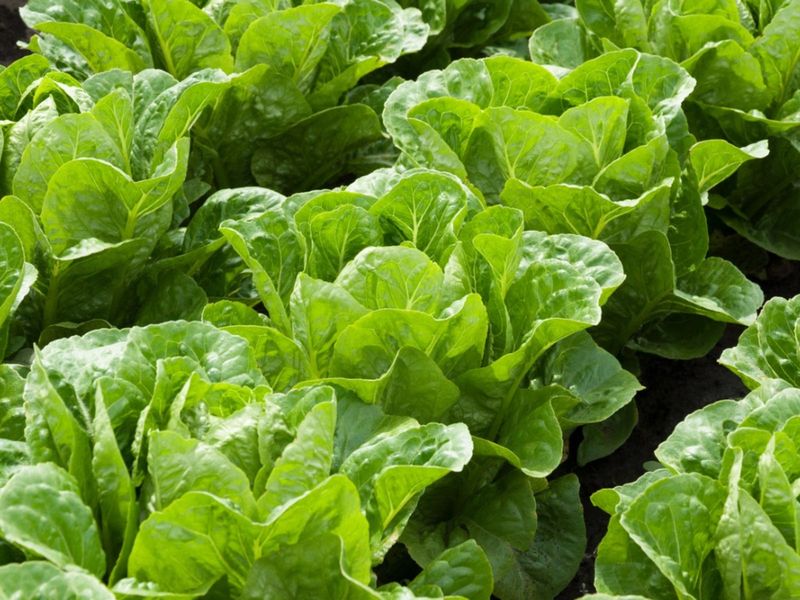
Lettuce grows beautifully in Pennsylvania gardens when you add a modest amount of wood ash to the soil before planting.
This quick-growing crop needs readily available nutrients to develop tender, flavorful leaves in the short time between planting and harvest.
Wood ash provides potassium and other minerals in forms that lettuce roots can absorb quickly, supporting rapid leaf growth during cool spring and fall weather.
Pennsylvania gardeners can grow lettuce from early spring through late fall by planting successive crops every few weeks.
Wood ash helps each planting get off to a strong start by improving soil structure and nutrient availability.
The calcium in wood ash contributes to crisp leaf texture, making homegrown lettuce more enjoyable in salads and sandwiches.
Apply about one-quarter cup of wood ash per square foot of lettuce bed before planting seeds or transplanting seedlings.
Mix it thoroughly into the top two inches of soil to prevent concentrated pockets that might be too strong for delicate lettuce roots.
Lettuce prefers slightly alkaline soil with pH between 6.0 and 7.0, and wood ash helps achieve this in Pennsylvania’s naturally acidic garden soils.
The trace minerals in wood ash support healthy leaf development and help lettuce resist common problems like tip burn, which causes leaf edges to turn brown and bitter.
Pennsylvania’s variable spring weather can stress lettuce plants, but adequate potassium from wood ash helps them handle temperature swings better.
This means you get more usable leaves from each plant and a longer harvest window.
Wood ash also helps lettuce develop better flavor by supporting the production of natural sugars and other compounds that make leaves taste sweet and mild rather than bitter.
Pennsylvania gardeners who use wood ash on their lettuce crops often notice improved germination rates and faster growth compared to beds without this natural amendment.
The result is tender, delicious lettuce that makes every meal more enjoyable from spring through fall.
6. Asparagus
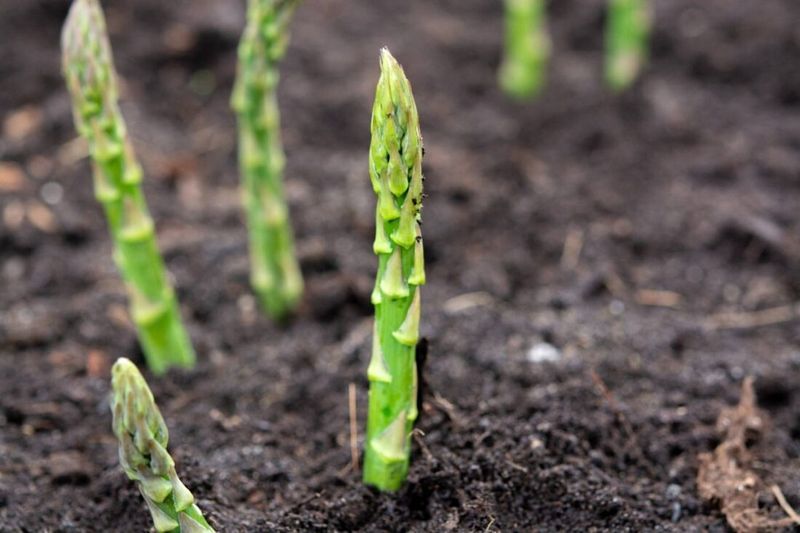
Asparagus beds in Pennsylvania benefit tremendously from annual wood ash applications because this perennial vegetable needs consistent nutrition year after year.
Unlike annual crops that you replant each season, asparagus stays in the same spot for decades, slowly depleting soil nutrients.
Wood ash replenishes potassium, calcium, and other minerals that asparagus crowns need to produce thick, tender spears each spring.
Pennsylvania gardeners should apply wood ash to asparagus beds in late fall or early spring before spears emerge from the soil.
Spread about one pound of wood ash per ten feet of row, scattering it evenly over the bed surface.
Light rain or watering will carry nutrients down to the root zone where asparagus crowns can absorb them throughout the growing season.
The calcium in wood ash helps asparagus develop strong cell walls, resulting in spears that snap cleanly when bent rather than bending limply.
This crisp texture is what separates excellent asparagus from mediocre spears.
Potassium supports overall plant health and helps crowns store energy for next year’s production, ensuring your bed remains productive for many years.
Asparagus prefers slightly alkaline soil with pH between 6.5 and 7.5, making it one of the best candidates for regular wood ash applications in Pennsylvania.
Most Pennsylvania soils tend toward acidity, so annual ash applications help maintain the pH range where asparagus performs best.
This simple practice can significantly increase spear production and extend the productive life of your asparagus bed.
Many Pennsylvania gardeners notice that asparagus beds treated with wood ash produce more spears and have fewer problems with diseases like fusarium crown rot.
The improved soil conditions and balanced nutrition help plants resist stress and maintain vigor even as beds age.
Your asparagus harvest can last for twenty years or more when you provide consistent care that includes regular wood ash applications.
7. Onions
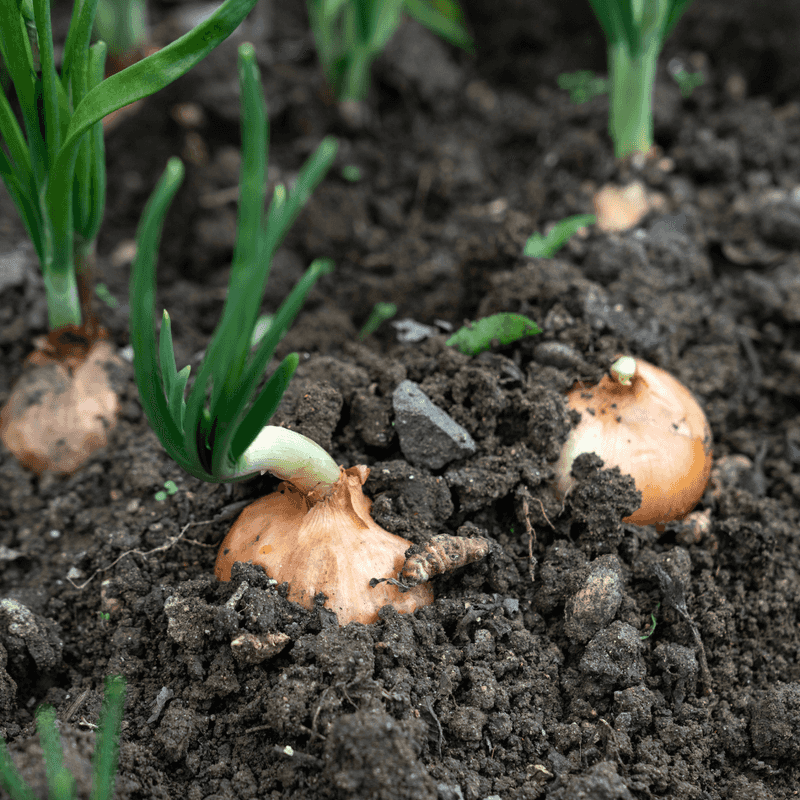
Onion bulbs develop much better when you add wood ash to your Pennsylvania garden soil before planting sets or seeds in early spring.
The potassium in wood ash is particularly important for onions because it helps them form large, firm bulbs rather than staying small and weak.
Pennsylvania’s growing season provides enough time for onions to mature properly, and wood ash ensures they have the nutrients needed to reach their full potential.
Spread about half a cup of wood ash per square foot of onion bed before planting in April or early May.
Work it into the top few inches of soil along with compost to create ideal growing conditions.
Onions prefer soil pH between 6.0 and 7.0, and wood ash helps Pennsylvania gardeners achieve this range in naturally acidic soils.
The sulfur compounds that give onions their distinctive flavor and health benefits develop better when plants have access to balanced nutrition throughout the growing season.
Wood ash provides essential minerals without overwhelming plants with too much nitrogen, which can cause excessive top growth at the expense of bulb development.
You want strong green tops that eventually fall over, signaling that bulbs have finished growing and are ready for harvest.
Calcium from wood ash helps onion bulbs develop the tight, dry scales that protect them during storage after harvest.
Pennsylvania gardeners who cure and store onions properly can enjoy their harvest well into winter, but only if bulbs have good structure to begin with.
Wood ash contributes to this quality by supporting proper cell wall development throughout the bulb.
Many Pennsylvania onion growers notice that wood ash helps reduce problems with onion thrips and other pests that can damage crops during the growing season.
The improved plant health that comes from balanced nutrition makes onions less attractive to pests and better able to withstand minor damage.
Your onion harvest will be larger and store longer when you incorporate wood ash into your Pennsylvania garden soil preparation routine each spring.