8 Garden Plants That Instantly Add Positive Energy To Your North Carolina Yard
A single step into your garden can feel like entering a colorful retreat filled with fragrance, movement, and pure natural beauty.
In North Carolina, where warm sunshine, gentle rainfall, and distinct seasons shape the landscape, the right plants can completely transform an ordinary yard into a lively and welcoming sanctuary.
Bright flowers, rich greenery, and carefully chosen textures work together to create outdoor spaces that feel uplifting, peaceful, and full of charm.
Whether your garden enjoys long hours of sun or rests in cool shade, many plants thrive beautifully in North Carolina’s unique climate while bringing lasting color and atmosphere to every corner.
With the right selection, simple garden beds become vibrant focal points that change gracefully through the seasons. Discover eight exceptional plants that can fill your North Carolina yard with energy, warmth, and inviting natural beauty all year round.
1. Autumn Kiss® Azalea (Rhododendron hybrid)
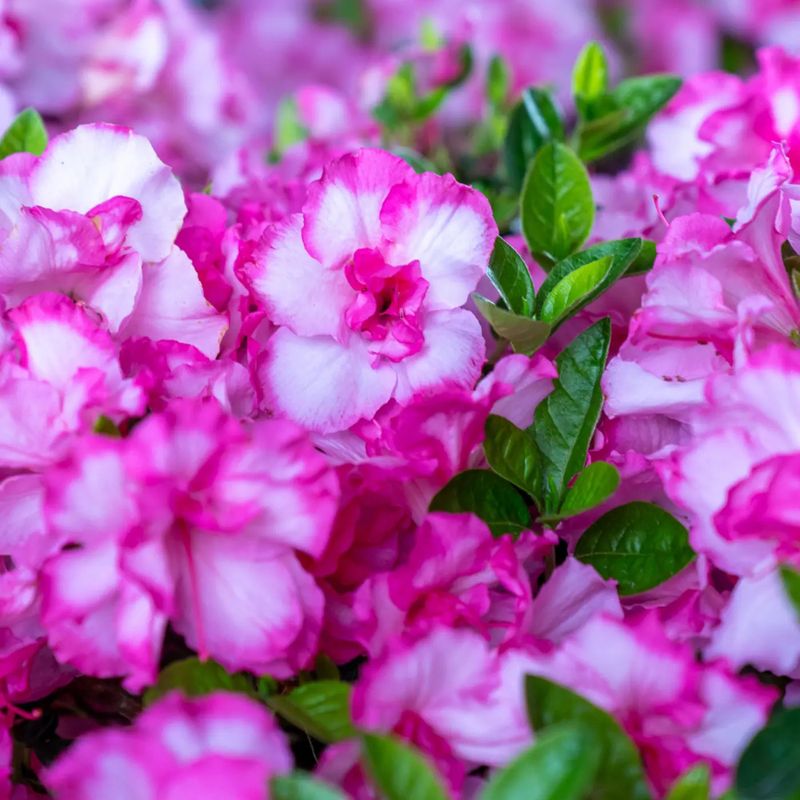
Picture a shrub that refuses to quit blooming when most other plants have finished their show. Autumn Kiss® azaleas bring an extended season of color that stretches from spring well into fall, giving your North Carolina garden continuous bursts of coral-pink flowers.
These blooms practically glow against the dark green foliage, creating focal points that draw the eye and lift the mood of anyone walking past.
North Carolina gardeners love how adaptable these azaleas are to our climate. They flourish in partial shade where many flowering shrubs struggle, making them perfect for planting beneath tall trees or along the north side of your home.
The well-drained acidic soil found naturally in many parts of our state suits them perfectly, though adding some compost at planting time gives them an extra boost.
Maintenance stays refreshingly simple with this variety. A layer of pine bark mulch helps retain moisture and keeps roots cool during our warm summers.
The compact growth habit means less pruning work for you, while the repeat blooming creates a garden space that feels perpetually fresh and alive.
Butterflies and hummingbirds frequently visit the flowers, adding movement and energy that makes your yard feel like a living, breathing ecosystem rather than just a static landscape.
2. Bellini® Cherry Crape Myrtle (Lagerstroemia indica)
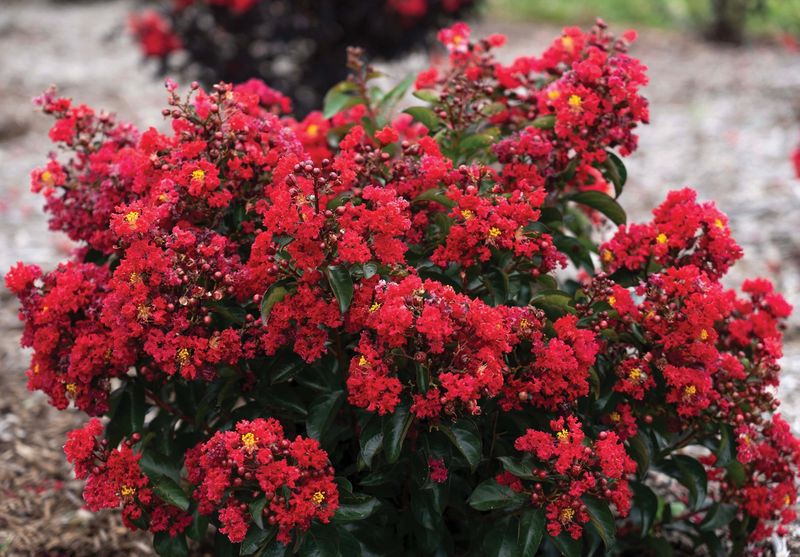
Few trees deliver the visual punch of a Bellini® Cherry crape myrtle in full summer bloom. Clusters of cherry-red flowers create clouds of color that seem to float above the branches, bringing an almost tropical feeling to North Carolina gardens.
What makes this variety especially valuable is its compact size, reaching only about eight to ten feet tall, which means it fits beautifully in smaller yards or foundation plantings where larger trees would overwhelm the space.
The beauty doesn’t stop when the flowers fade. As cooler weather arrives, the smooth bark begins peeling away in thin layers, revealing shades of cinnamon and cream underneath.
This exfoliating bark provides winter interest that keeps your landscape visually engaging even after leaves have fallen. The architectural branching pattern creates striking silhouettes against winter skies, proving this tree earns its keep all year long.
Crape myrtles thrive in North Carolina’s heat and humidity, asking for little more than full sun and decent drainage. The Bellini® variety shows excellent resistance to powdery mildew, a common problem with older crape myrtle cultivars.
Plant one near a patio or entrance where you’ll see it daily, and you’ll find yourself smiling every time those vibrant blooms catch your eye during the long summer months.
3. Limelight® Hydrangea (Hydrangea paniculata ‘Limelight’)
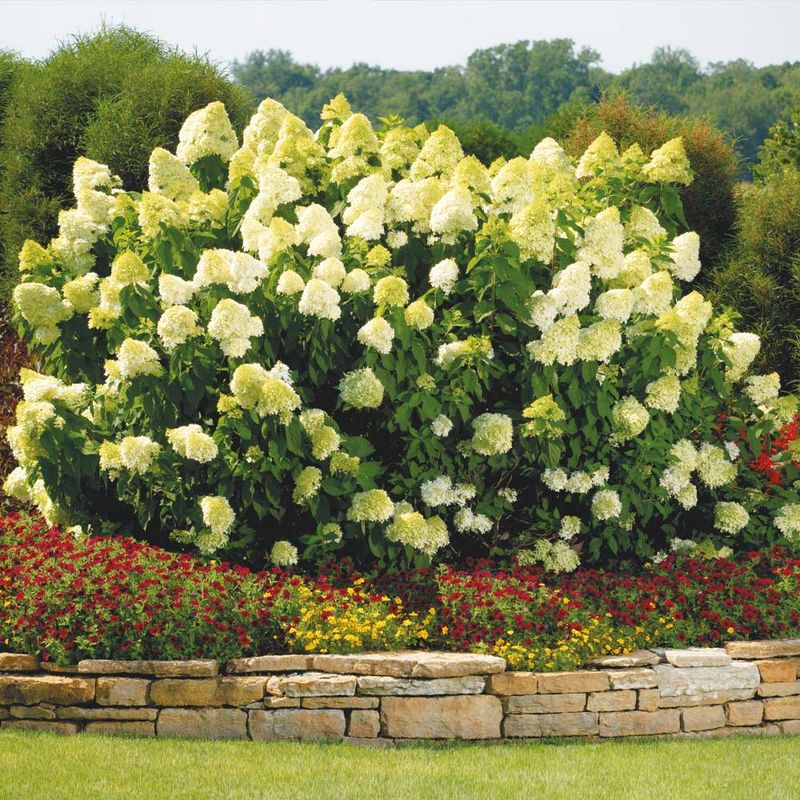
Watching a Limelight® hydrangea change colors through the season feels like witnessing a slow-motion painting come to life. The massive cone-shaped flower clusters emerge in a stunning chartreuse green that practically glows in garden beds.
As summer progresses, the blooms gradually shift through creamy white before finishing the season in shades of pink and burgundy.
This color transformation means your garden never looks the same from one month to the next, creating an ever-evolving display that keeps things interesting.
North Carolina’s climate suits this hydrangea beautifully. Unlike the more finicky bigleaf hydrangeas that struggle with our temperature swings, Limelight® blooms reliably on new wood each year.
Even if an unexpected late frost nips back some growth, the plant simply sends out new stems that flower the same season. The sturdy branches hold up those heavy flower heads without flopping, even during summer thunderstorms.
Heat tolerance sets this variety apart from many hydrangeas. While it appreciates some afternoon shade in the hottest parts of our state, Limelight® handles our summers better than most.
Once established, it tolerates brief dry spells without wilting dramatically. The flowers also dry beautifully on the stem, providing textural interest well into winter and material for indoor arrangements that bring garden energy inside your home.
4. Spice Cowboy™ Koreanspice Viburnum (Viburnum carlesii)
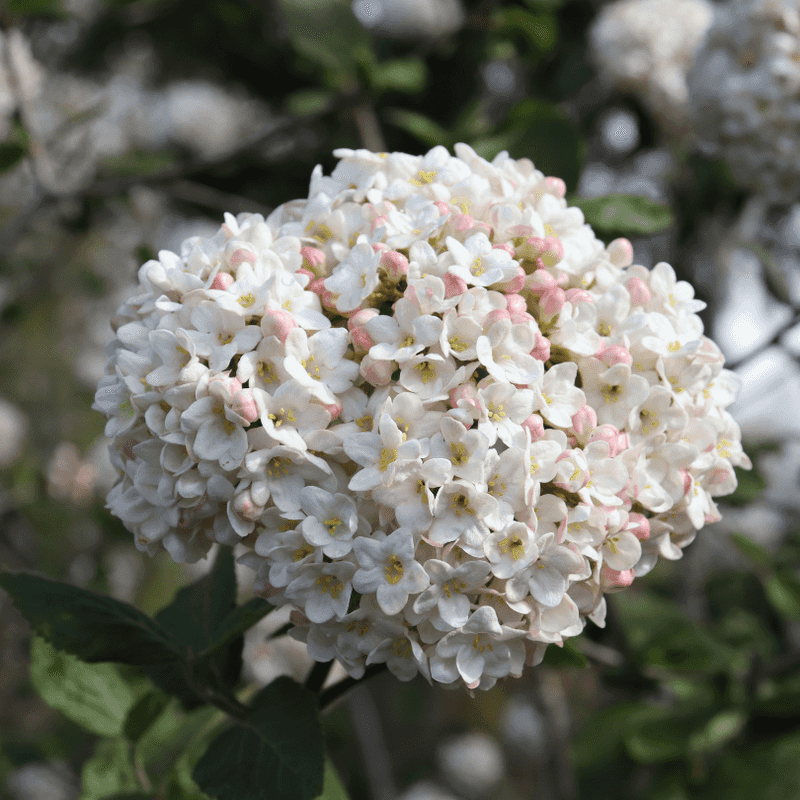
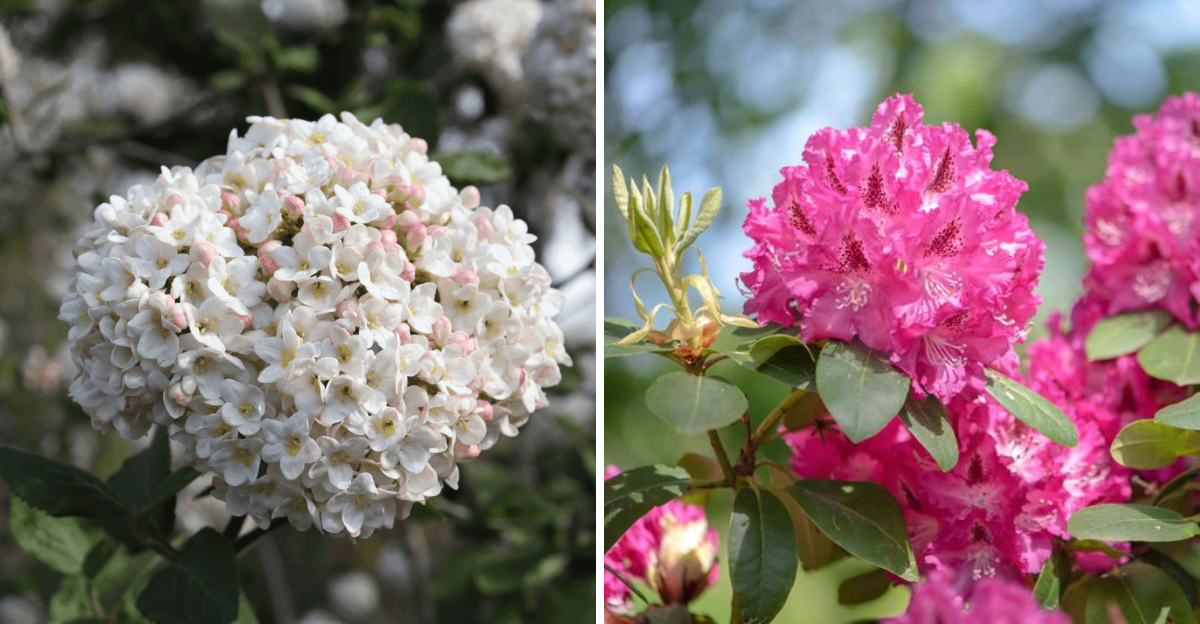
Some plants appeal to the eyes, but Spice Cowboy™ viburnum captures hearts through the nose. The intensely fragrant spring flowers release a sweet, spicy perfume that can fill an entire corner of your yard, announcing spring’s arrival more effectively than any calendar.
Pink buds open into snowball clusters of white blooms that look charming but smell absolutely heavenly, creating a sensory experience that makes your garden feel like a special retreat.
Beyond that knockout spring show, this viburnum keeps contributing to your North Carolina landscape throughout the year. The rounded leaves create a tidy, full shrub that works well in mixed borders or as a specimen plant.
Come autumn, the foliage transforms into shades of burgundy and red, echoing the fall color show happening in the surrounding trees. This multi-season performance means you’re getting several plants’ worth of interest from a single shrub.
Pollinators absolutely mob the flowers when they’re blooming, bringing beneficial insects that help your entire garden thrive. The shrub handles North Carolina’s zones 6 through 8 with ease, tolerating both our cold winters and warm summers without complaint.
Plant one near a window or along a walkway where you’ll catch that amazing fragrance regularly, and you’ll find yourself looking forward to early spring in a whole new way.
5. Red Twig Dogwood (Cornus sericea)
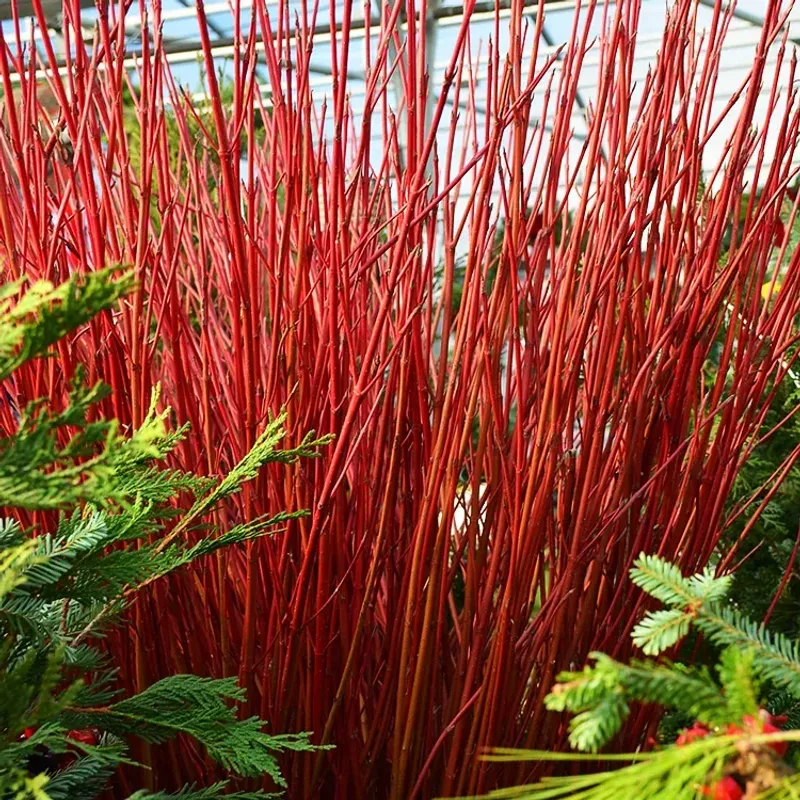
Most garden plants take winter off, but red twig dogwood saves its best performance for the coldest months. When everything else has gone dormant and brown, the brilliant ruby-red stems of this shrub light up the landscape like glowing embers.
The color seems almost unnatural in its intensity, providing a jolt of energy to winter gardens that desperately need visual interest. Placed against evergreens or viewed from a window, these red stems become living artwork.
North Carolina’s variable moisture conditions don’t faze this adaptable native. Whether you have a soggy low spot that stays damp or a drier area with average soil, adjusts and thrives.
The shrub naturally forms a multi-stemmed clump that spreads slowly, creating a thicket effect that birds appreciate for shelter and nesting. Small white flowers appear in late spring, followed by white berries that wildlife eagerly consume.
The key to maintaining that intense stem color involves cutting back older branches every few years, since young stems show the brightest red. This periodic renewal pruning keeps the shrub looking fresh and maximizes that winter wow factor.
The foliage provides decent fall color in shades of burgundy before dropping, but everyone knows the real show happens when the leaves are gone and those spectacular stems take center stage in your winter landscape.
6. Rhododendron (Rhododendron spp.)
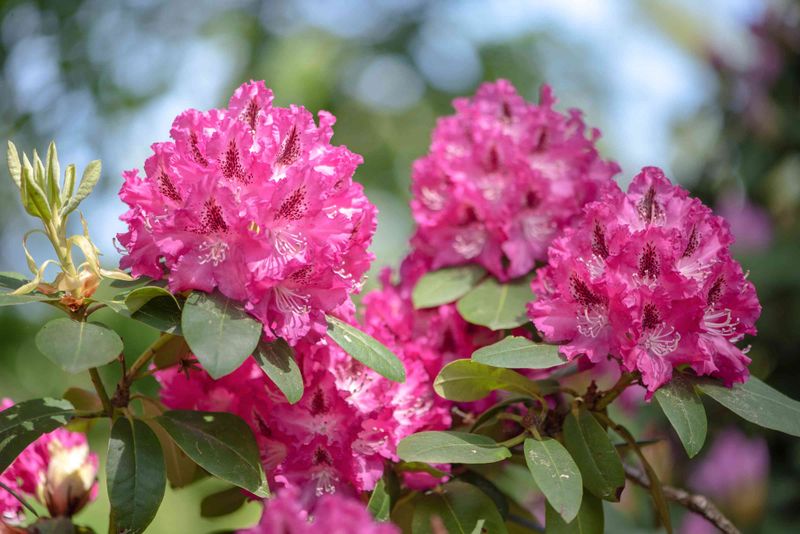
Evergreen structure forms the backbone of great gardens, and rhododendron delivers that foundation with style. The glossy, dark green leaves remain attractive all year, providing constant color and texture even when winter strips deciduous plants bare.
This year-round presence creates a sense of permanence and stability in your North Carolina yard, making the space feel established and intentional rather than empty during dormant months.
Shaded areas present challenges for many flowering plants, but rhododendrons evolved in woodland environments and actually prefer dappled light. That difficult north-facing bed or the space beneath mature trees becomes prime real estate for these shrubs.
Rhododendron produces clusters of white flowers in mid-spring, brightening shady spots that often lack blooms. The flowers appear in rounded trusses that stand out beautifully against the dark foliage.
Maintenance requirements stay minimal with this selection, bred specifically for disease resistance and adaptability to southeastern conditions. The naturally rounded growth habit rarely needs pruning beyond removing spent flowers.
A layer of organic mulch mimics the forest floor conditions these plants love, keeping roots cool and moist through our summers.
The shrubs create a sense of lushness and tranquility in shaded gardens, turning potentially problematic areas into peaceful green spaces that make your entire property feel more welcoming and complete.
7. Fizzy Mizzy® Sweetspire (Itea)
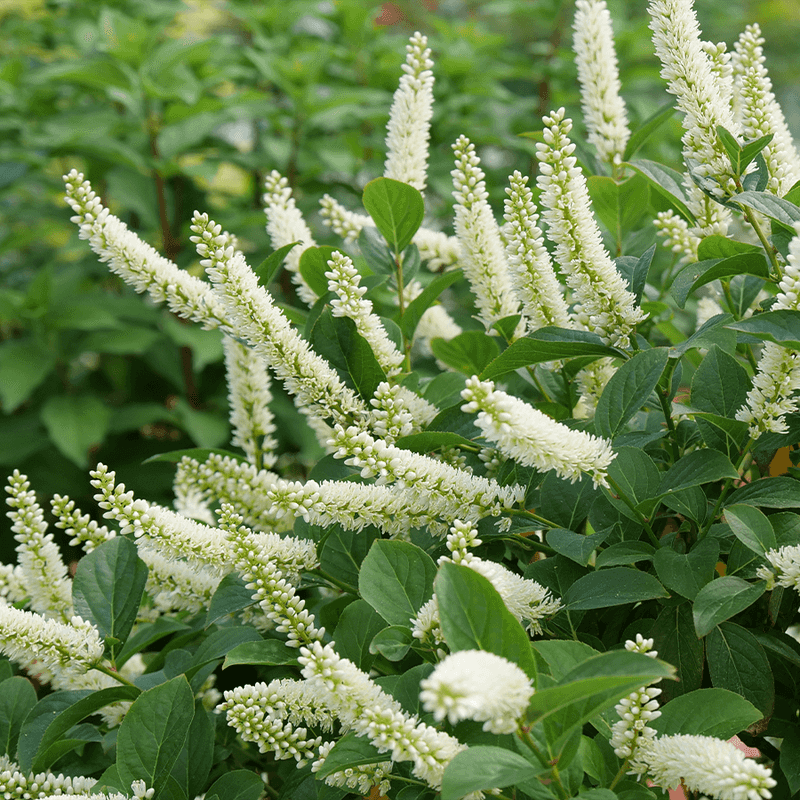
Native plants bring a special kind of rightness to North Carolina landscapes, and Fizzy Mizzy® sweetspire proves why natives deserve space in every garden.
This improved selection of Virginia sweetspire produces cascading wands of fragrant white flowers in late spring and early summer, creating a fountain effect that softens garden edges.
The honey-sweet scent attracts butterflies, bees, and other pollinators in impressive numbers, turning your yard into a buzzing, active ecosystem that feels alive with energy.
The real surprise comes in autumn when this unassuming shrub explodes into brilliant shades of crimson and burgundy. The fall color rivals any exotic import, proving that native plants can hold their own in the beauty department.
This multi-season appeal means you’re getting spring fragrance, summer structure, and fall fireworks from a single plant. The compact size, typically reaching three to four feet tall and wide, makes it perfect for smaller North Carolina gardens where space is precious.
Adaptability makes sweetspire a problem-solver for challenging sites. It tolerates both wet and dry soils once established, handling clay and occasional standing water better than many ornamental shrubs.
The suckering growth habit creates a colony effect over time, which you can either encourage for mass plantings or control easily through occasional division.
Plant several along a border or beside a water feature for maximum impact when those fragrant flowers bloom.
8. Spring Sizzle® Panicle Hydrangea (Hydrangea paniculata)
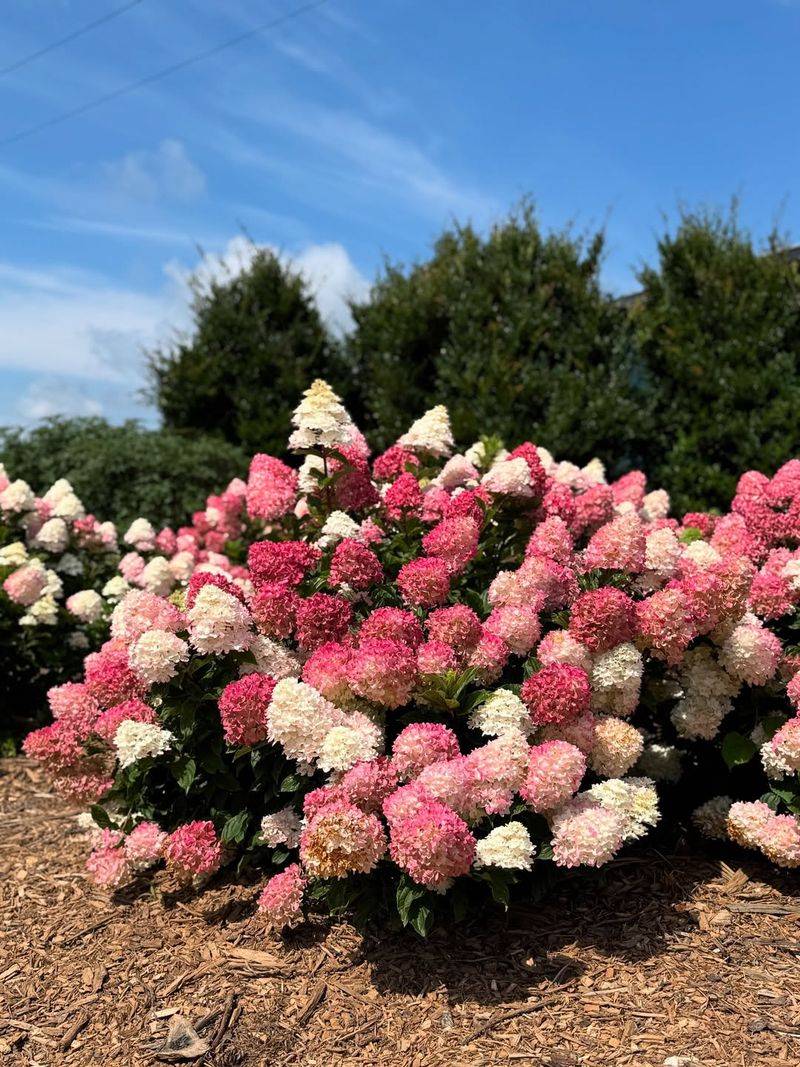
When you need serious flower power to anchor a garden bed, Spring Sizzle® panicle hydrangea delivers in spectacular fashion.
The enormous cone-shaped flower clusters emerge in mid-summer and can reach a foot long, creating dramatic vertical accents that command attention.
These blooms start white and gradually age to pink and rose tones, ensuring the shrub looks different throughout the season.
The sheer abundance of flowers creates a sense of abundance and generosity that makes your North Carolina garden feel lavish and well-tended.
Heat tolerance sets panicle hydrangeas apart from their bigleaf cousins. While many hydrangeas wilt dramatically in our summer sun, Spring Sizzle® stands up to the heat without complaint.
The upright growth habit and strong stems mean the heavy flowers don’t flop over after thunderstorms, maintaining a neat appearance with minimal staking or support.
This reliability makes it perfect for gardeners who want maximum impact with minimum fussing.
The shrub fits beautifully into mixed borders where its summer blooms fill the gap between spring bulbs and fall perennials. Planted in groups of three or five, Spring Sizzle® creates a stunning hedge or screen that provides both privacy and beauty.
Minimal upkeep keeps this plant looking great—just prune back in late winter before new growth starts, and the shrub handles everything else on its own, rewarding your small effort with months of spectacular flowering that energizes your entire outdoor space.