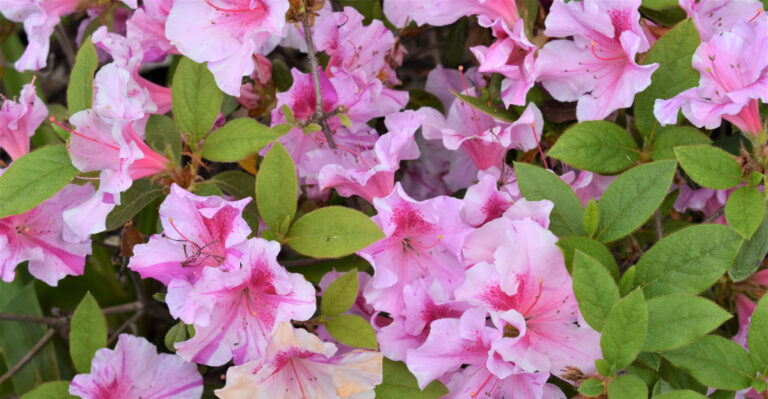
8 Garden Projects To Start Now In Georgia Before Spring Takes Off
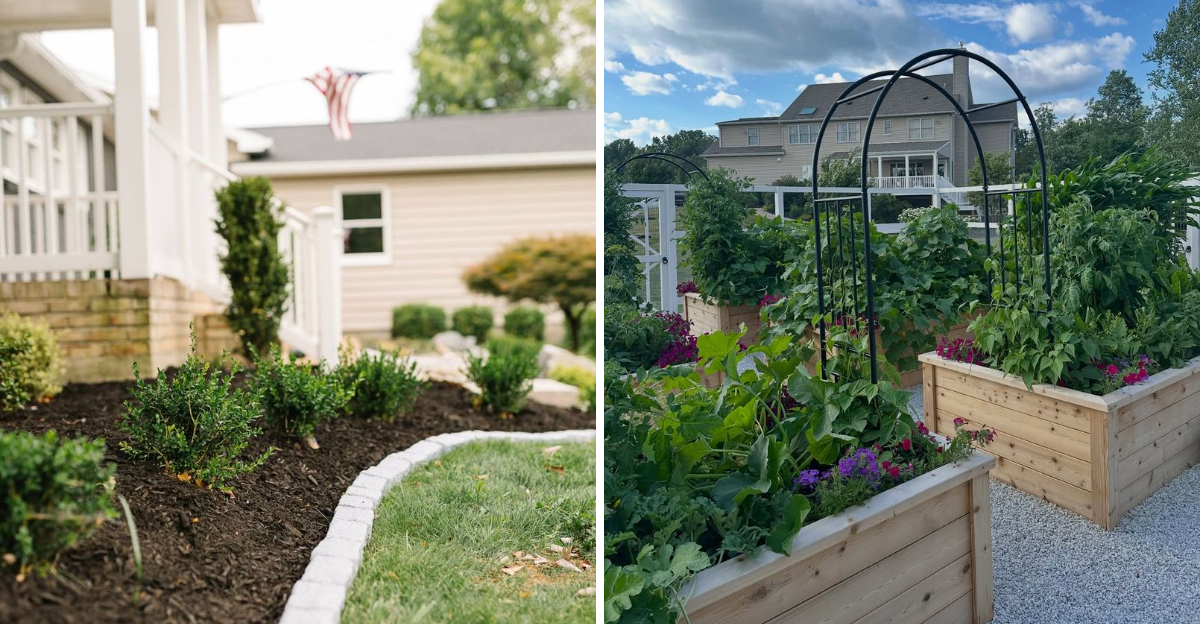
March in Georgia gives the garden a gentle nudge to start moving, and there’s a short window to get ahead before everything grows fast.
The soil is warming, buds are swelling, and a few smart moves now can make the season feel easier, more organized, and more rewarding.
This is the perfect time to look around the yard and notice what needs attention. Small tweaks, thoughtful plantings, or even refreshing garden beds can set up a smoother few months ahead.
You don’t have to do everything at once—just focusing on a handful of key projects can make a noticeable difference.
By taking action now, you give plants the best start possible, avoid scrambling later, and create a garden that thrives as spring fully arrives.
There’s something satisfying about seeing early efforts pay off in healthier growth, fuller blooms, and a landscape that looks ready for the season.
1. Refresh Garden Beds With Compost Before Spring Growth
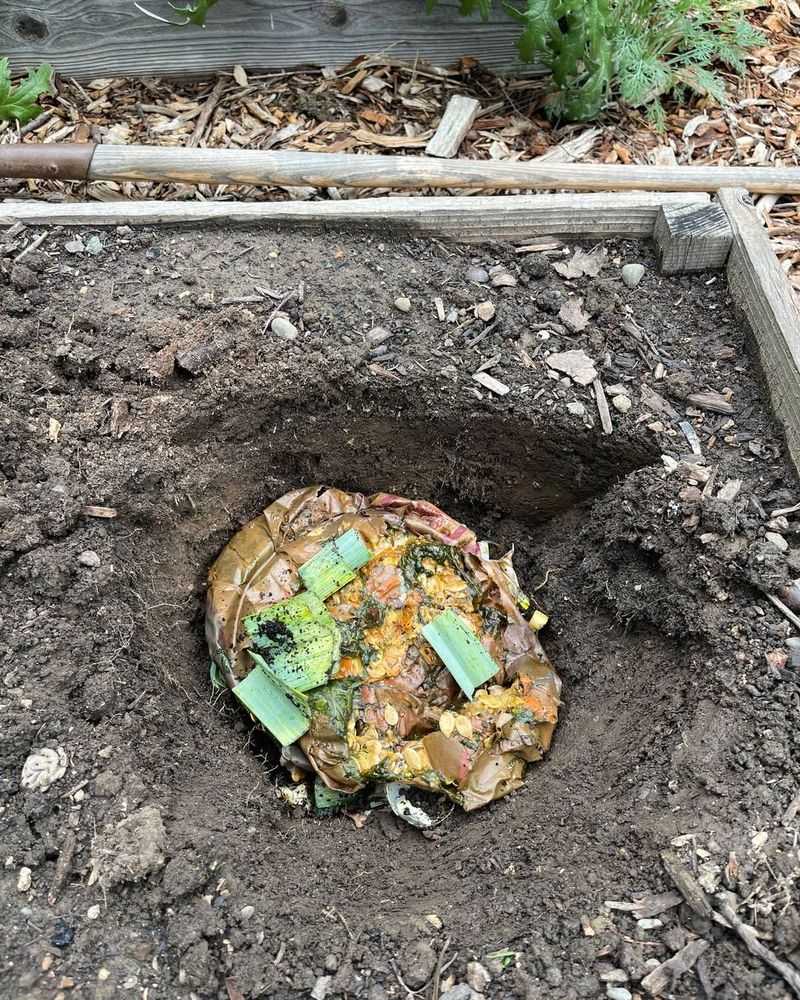
Compost is basically free food for your garden, and right now is the best time to get it into your beds before plants start pushing new growth.
Waiting too long means you end up working around stems and leaves, which gets messy and risks snapping off tender new shoots.
Spread a two to three inch layer across your beds and let the soil do the rest.
Georgia soil, especially in the Piedmont region, tends to be heavy clay that drains poorly and compacts easily.
Mixing in compost breaks up that clay over time, improves drainage, and adds the kind of organic matter that beneficial soil organisms absolutely thrive on.
You will notice the difference in how your plants look within just a few weeks of spring growth starting.
You do not need a perfect compost pile to make this work. Bagged compost from your local garden center works just fine, and many Georgia counties even offer free compost through municipal programs worth checking out.
Work it lightly into the top few inches with a garden fork, water the beds well, and you are set. Roots will have an easier time pushing through loose, nutrient-rich soil than through the hard-packed stuff that Georgia summers tend to leave behind.
Your garden will soak up nutrients faster and grow more vigorously.
Soil structure improves each season, making future planting easier and healthier.
2. Install Raised Beds Before The Main Planting Season
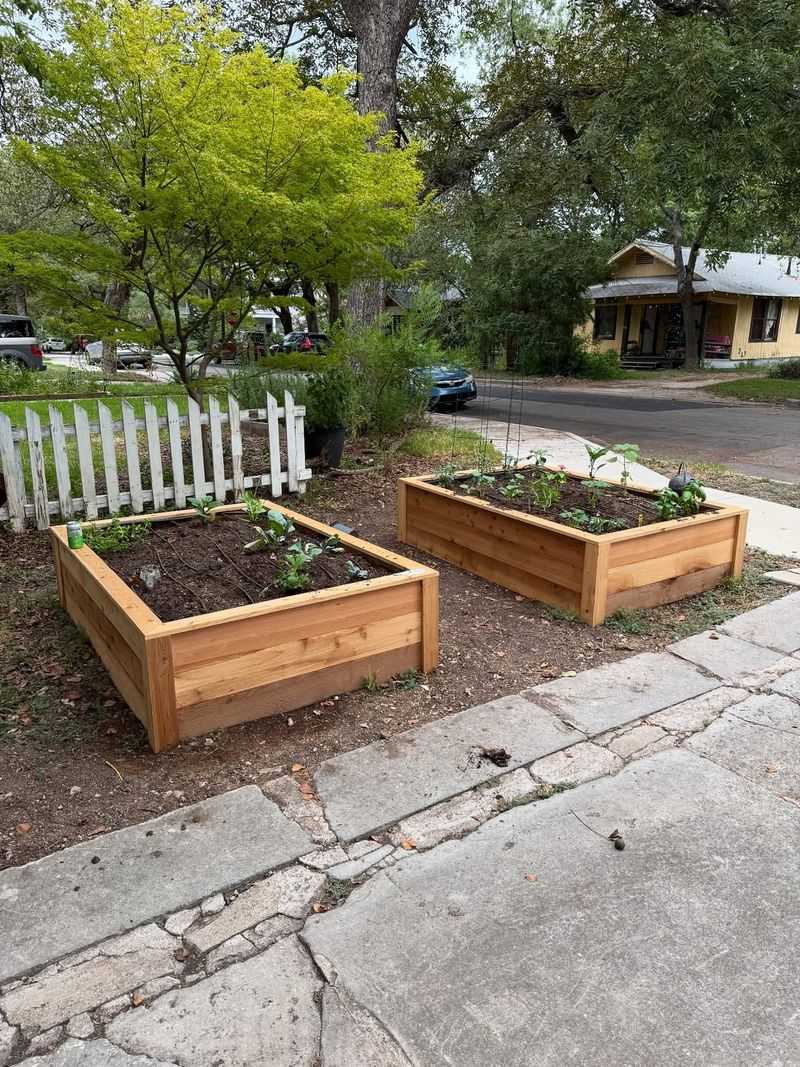
Building raised beds now, before planting season hits, gives you a real advantage. You get to fill them properly, let the soil settle, and have everything ready to go the moment your transplants or seeds are ready.
Rushing to build a raised bed in the middle of planting season is stressful and usually leads to shortcuts that cause problems later.
Cedar and pine are both solid choices for raised bed material here in Georgia. Cedar holds up better over time against moisture and humidity, but untreated pine is cheaper and still lasts several seasons if you are not ready to invest more upfront.
A standard four-by-eight foot bed is a great size because you can reach the center from either side without stepping in.
Fill your raised beds with a mix of topsoil, compost, and a bit of perlite or coarse sand to keep drainage strong. Georgia summers get hot and wet, so good drainage matters more than most people realize at first.
Position your beds where they will get at least six hours of direct sunlight daily, away from large tree roots that compete aggressively for water and nutrients.
Once your beds are in place and filled, you have a clean, weed-reduced growing space ready for whatever you want to plant this spring.
Over time, the soil will settle evenly, creating a strong foundation that supports healthy root growth. By getting everything in place now, your plants will be ready to thrive from the very start of the season.
3. Divide Overgrown Perennials To Encourage New Growth
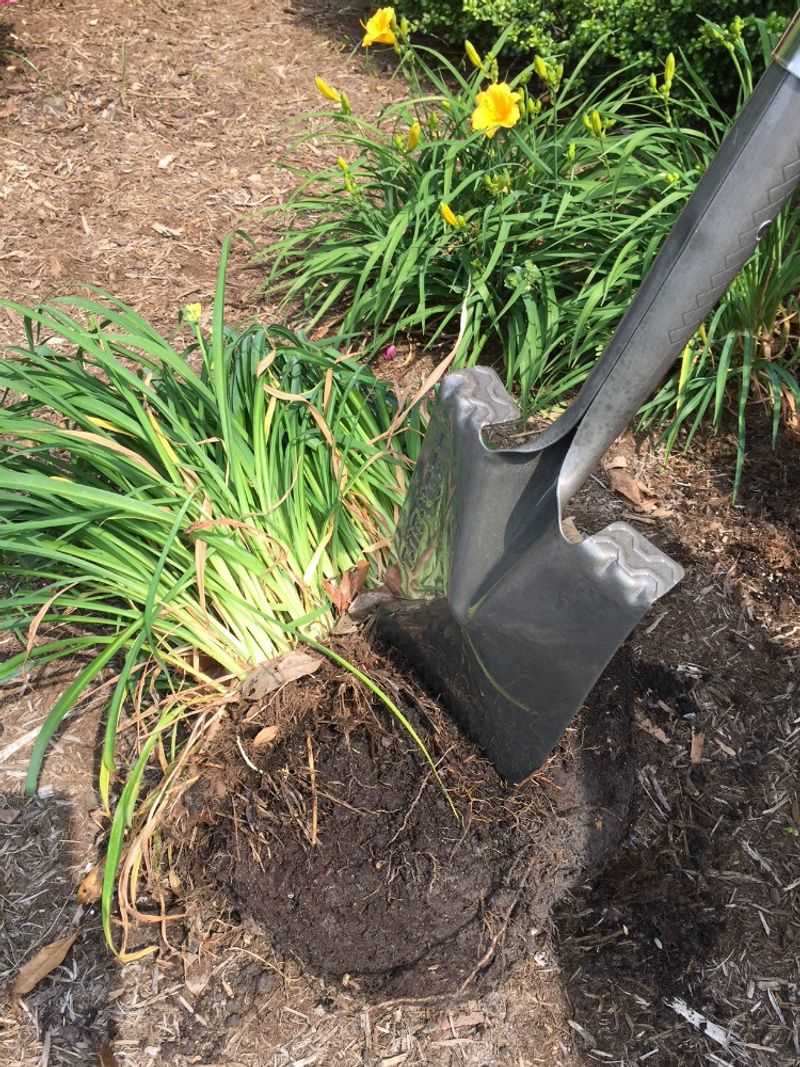
Perennials that have been sitting in the same spot for three or four years often start to look tired. Fewer blooms, crowded centers, and weak stems are all signs that a clump needs to be broken apart and given more room to breathe.
Early spring, before Georgia’s heat kicks in, is genuinely the right window to do this job.
Hostas, daylilies, black-eyed Susans, and ornamental grasses are all candidates for dividing right now. Use a sharp spade or garden fork to lift the whole clump, then cut or pull it apart into smaller sections.
Each section should have a few healthy roots and at least one or two growing points visible at the base.
Replant the divisions at the same depth they were originally growing, water them in well, and keep an eye on them for the first couple of weeks. Georgia spring weather is usually mild enough that divisions establish quickly without much fuss.
The sections you do not want to keep make excellent gifts for neighbors or can be dropped off at local plant swaps, which are surprisingly popular throughout the Atlanta metro and other Georgia communities.
Dividing perennials is one of those garden tasks that feels like a lot of work upfront but pays back with noticeably fuller, healthier plants by midsummer.
4. Start A Pollinator Garden With Early Blooming Plants
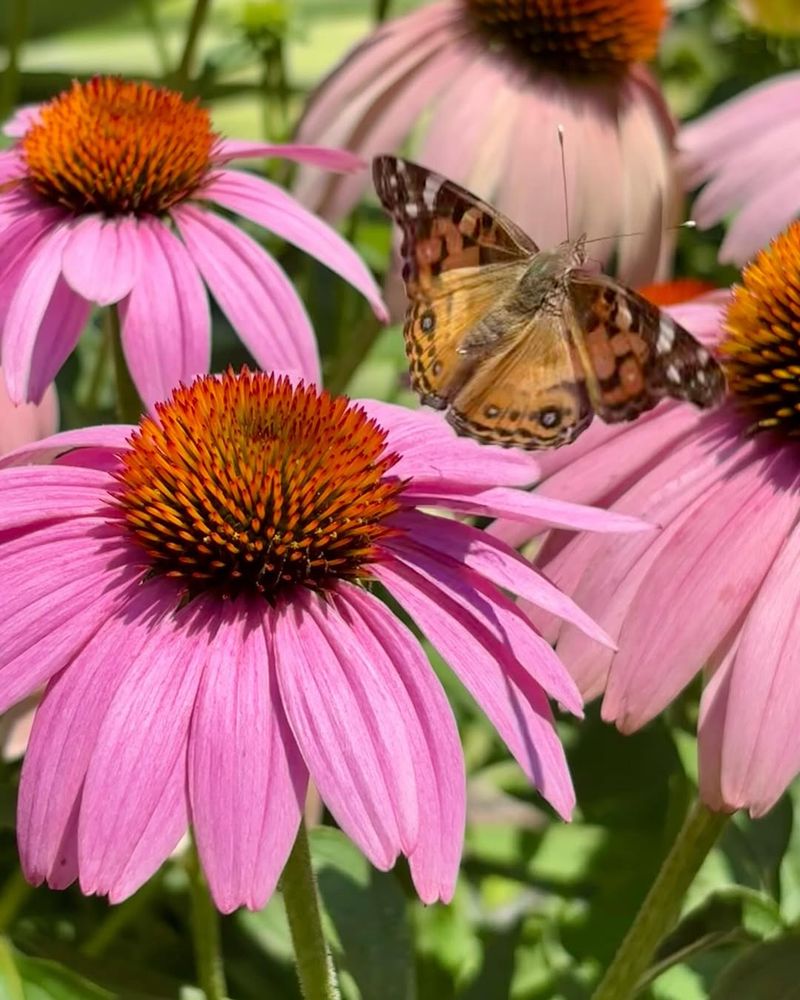
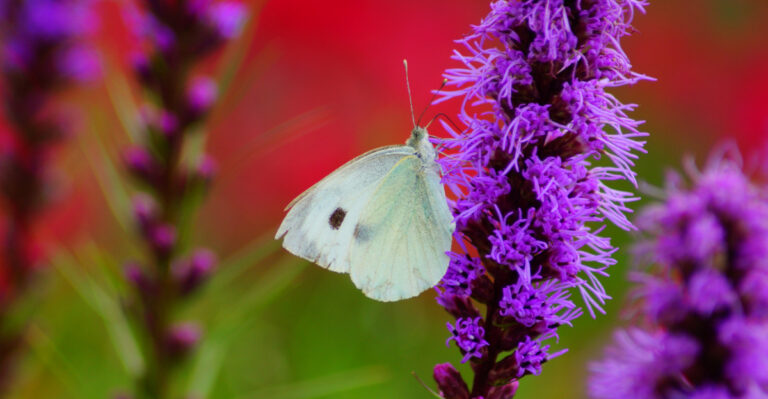
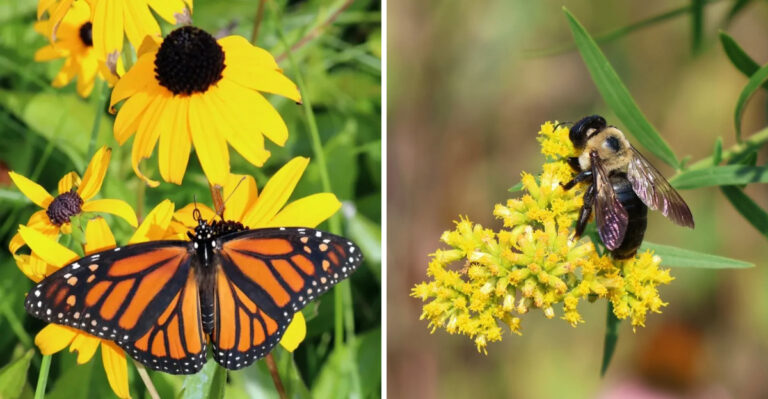
Bees and butterflies need food sources earlier than most people think, and Georgia gardeners are in a great spot to help.
Planting early bloomers now means pollinators will have something waiting for them as soon as temperatures rise and they start becoming active again.
A well-planned pollinator garden also makes your vegetable garden far more productive.
Native plants are your best bet here. Wild blue indigo, Eastern columbine, and native violets are all excellent early-season options that perform well across most of Georgia without needing a lot of extra care.
Carolina jessamine, which blooms bright yellow in late winter and early spring, is another crowd-pleaser that draws early pollinators reliably every year.
Skip the perfectly manicured bed layout and let things grow a little loose and natural. Pollinators prefer gardens that have variety in plant height, bloom shape, and color rather than tidy rows of a single species.
Group plants in clusters of at least three to five of the same type so visiting insects can move efficiently between blooms.
Even a small corner of your Georgia yard dedicated to pollinators will attract an impressive variety of native bees, butterflies, and even hummingbirds once spring gets going in full swing.
Starting now gives roots time to settle before the real warmth arrives.
5. Edge Garden Beds For A Cleaner Landscape Look
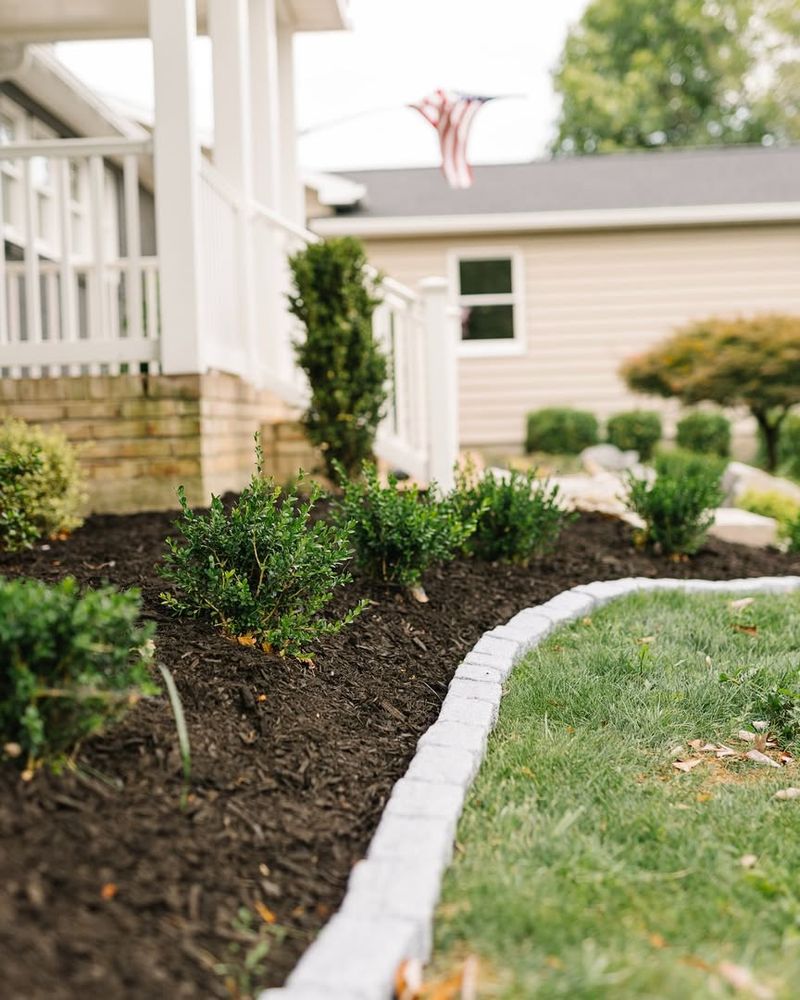
Crisp edges make even a simple garden look sharp and intentional. Right now, before grass starts actively spreading again, is the easiest time to redefine your bed edges without fighting aggressive runners or thick turf.
A sharp half-moon edger or a flat spade does the job well and gives you clean lines that hold up for months.
Georgia lawns, especially those with Bermuda or Zoysia grass, are notorious for creeping into garden beds the moment warm weather arrives.
Getting ahead of that now means far less hand-weeding and trimming later in the season when you would rather be doing other things.
Cut straight down at least three to four inches along the bed border to interrupt the root runners before they get established.
After edging, remove the soil and grass clippings from the trench and either compost them or bag them up. A clearly defined edge also makes applying mulch much easier and keeps it from spilling onto the lawn.
Some Georgia gardeners use a thin plastic or metal edging strip along the border to maintain the line longer between maintenance sessions. It is a small investment of time that dramatically changes how your entire yard looks from the street.
Clean edges signal that a garden is cared for, and that impression matters when you have put real work into your outdoor space.
6. Set Up Drip Irrigation Before Warmer Weather Arrives
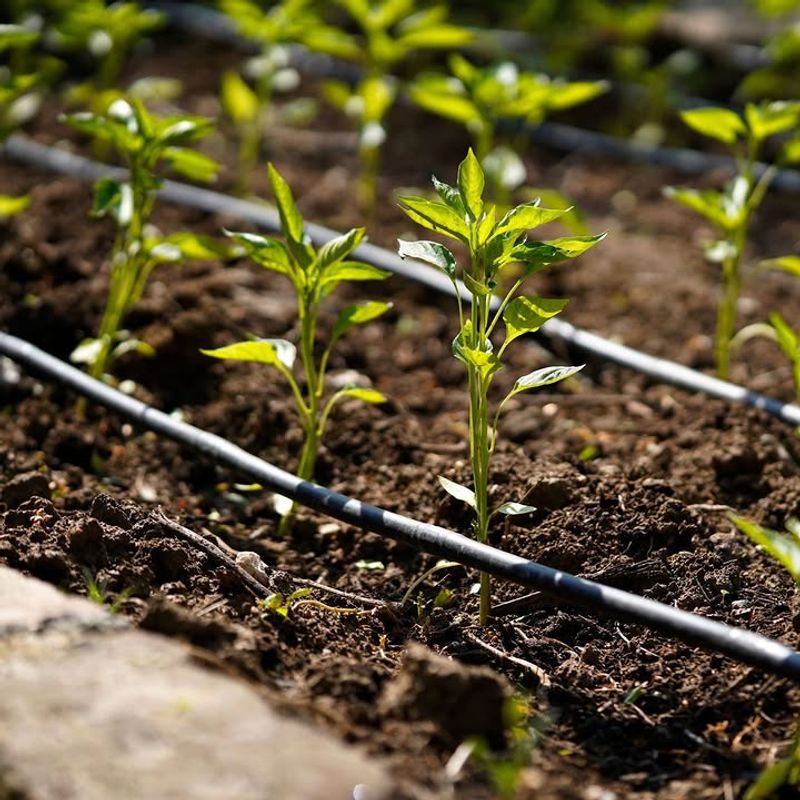
Nobody wants to stand in the Georgia summer heat holding a hose for thirty minutes every evening.
Setting up a drip irrigation system now, while the weather is still comfortable and your beds are mostly empty, is one of the smartest things you can do before the season gets busy.
You will have plenty of time to adjust placement before plants fill in.
Drip systems deliver water directly to the root zone, which cuts down on evaporation and keeps foliage dry.
Wet leaves in Georgia’s humid climate are an open invitation for fungal issues, so getting water to the roots instead of overhead makes a real difference in plant health through the summer.
Soaker hose setups work well too and are an affordable option for smaller beds.
Basic drip kits are available at most Georgia garden centers and home improvement stores, and they are easier to install than most people expect. Start at the water source, run your main line along the bed, and attach emitters near where each plant will grow.
A simple timer attached to the spigot takes the daily decision-making out of watering completely. Once temperatures climb past 85 degrees in Georgia, consistent soil moisture becomes critical for vegetables and flowering plants alike.
Having the system already in place means you are never scrambling to hand-water during a hot dry stretch mid-season.
7. Add Fresh Mulch To Protect Soil And Retain Moisture
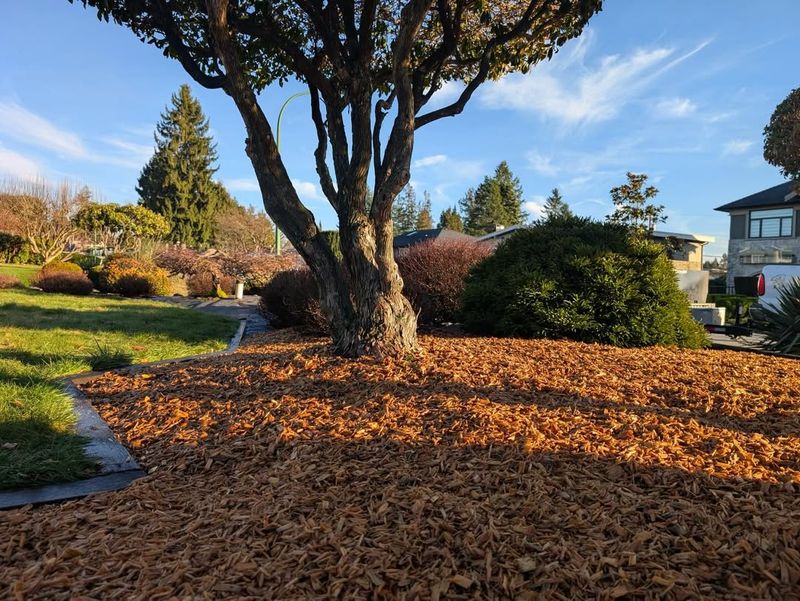
Fresh mulch is one of those things that makes an immediate visual difference while also doing serious work beneath the surface.
Laying it down before spring growth really takes off means your soil stays cooler longer as temperatures climb, weeds have a harder time establishing, and moisture sticks around after rain instead of evaporating within a day or two in the Georgia heat.
Aim for a layer two to three inches deep across your beds. Going deeper than four inches can actually cause problems by trapping too much moisture against plant stems and encouraging rot.
Pull the mulch back slightly from the base of each plant to give stems room to breathe, especially around shrubs and perennials that are already showing early growth.
Pine straw is incredibly popular across Georgia and works beautifully in beds with acid-loving plants like azaleas, blueberries, and gardenias.
Shredded hardwood mulch breaks down faster and adds more organic matter to the soil over time, making it a great choice for vegetable beds and annual flower borders.
Many Georgia tree services will drop off free wood chip mulch if you ask, which can save a significant amount of money if you have large areas to cover.
Getting this done now protects the soil structure you worked hard to improve and keeps your garden looking neat heading into the busy growing season.
8. Build Simple Trellises For Climbing Spring Vegetables
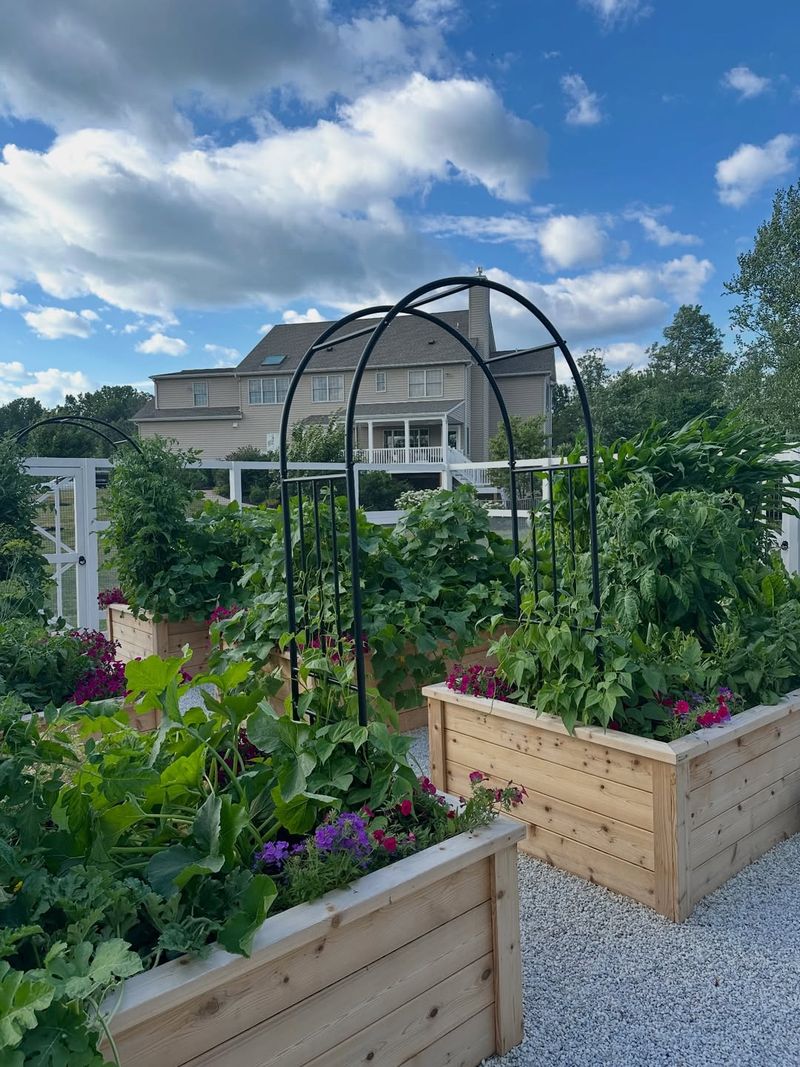
Vertical growing is a game changer, especially when garden space is limited.
Cucumbers, snap peas, pole beans, and even some squash varieties climb happily when given the right support, and building your trellises before you plant means the structure is already in place rather than awkwardly crammed in around established plants later.
Georgia gardeners with smaller yards benefit from this approach more than almost anyone.
Simple designs work just as well as elaborate ones. Two sturdy wooden stakes or metal T-posts with a few horizontal runs of jute twine or wire mesh stretched between them is genuinely all you need for most climbing vegetables.
Keep the trellis height appropriate for what you are growing, as snap peas rarely need more than four to five feet while pole beans can climb well past six feet if you let them.
Position your trellis on the north side of the bed so it does not shade shorter plants growing nearby.
In Georgia, afternoon shade from a trellis can actually be useful for heat-sensitive crops like lettuce planted on the shaded side during the warmer months.
Building now also lets you check that your structure is stable before vines load it with weight. A trellis that tips over mid-season is frustrating and can damage weeks of growth.
A little planning at the start of the season avoids a lot of headaches down the road.