9 Garden Projects You Can Start Now Instead Of Waiting For Spring In Colorado
Colorado’s long winters don’t have to put gardening plans on hold.
While snow still covers the ground in many areas, there are plenty of garden projects that make sense right now and pay off when spring arrives.
Cooler temperatures offer time to prep, repair, and plan without the pressure of planting deadlines.
From improving soil indoors to tackling small outdoor tasks on mild days, winter is ideal for getting ahead.
These projects save time later, reduce spring stress, and set gardens up for stronger growth once warm weather returns.
Starting now also helps gardeners stay connected to their space during the off-season.
These nine garden projects prove progress doesn’t have to wait for spring in Colorado.
1. Plan Your Garden Layout On Paper
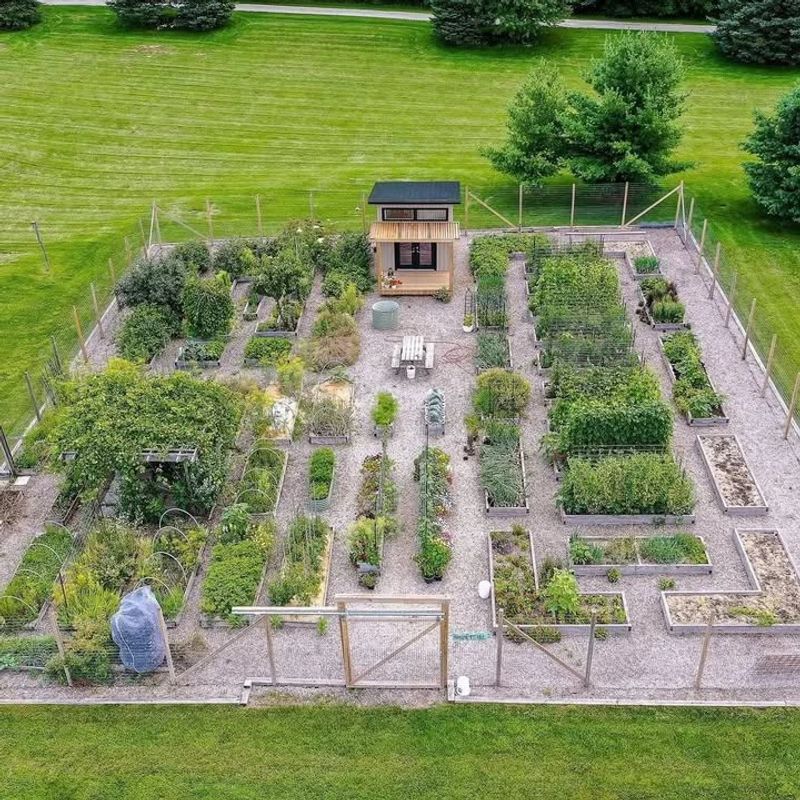
Winter offers the perfect opportunity to sketch out exactly where each plant will go when warmer weather returns to your Colorado garden beds.
Grab some graph paper and start mapping raised beds, pathways, and spots for sun-loving vegetables versus shade-tolerant herbs in your outdoor space now.
Planning ahead prevents overcrowding issues and helps you visualize how companion plants will work together to create a thriving ecosystem in spring months.
Consider sunlight patterns you observed last year and note which areas received morning light versus afternoon shade throughout the entire growing season successfully.
This quiet time allows you to research plant spacing requirements and rotation strategies without the pressure of actual planting deadlines looming over you.
You can also list supplies needed, calculate seed quantities, and budget for amendments before spring gardening expenses start piling up all at once.
Colorado gardeners benefit from planning cold-hardy varieties that can handle late frosts and temperature swings common in our unpredictable mountain climate here.
By spring, you will have a detailed blueprint ready to implement immediately when soil conditions become workable for planting your favorite crops.
2. Start Seeds Indoors Under Grow Lights
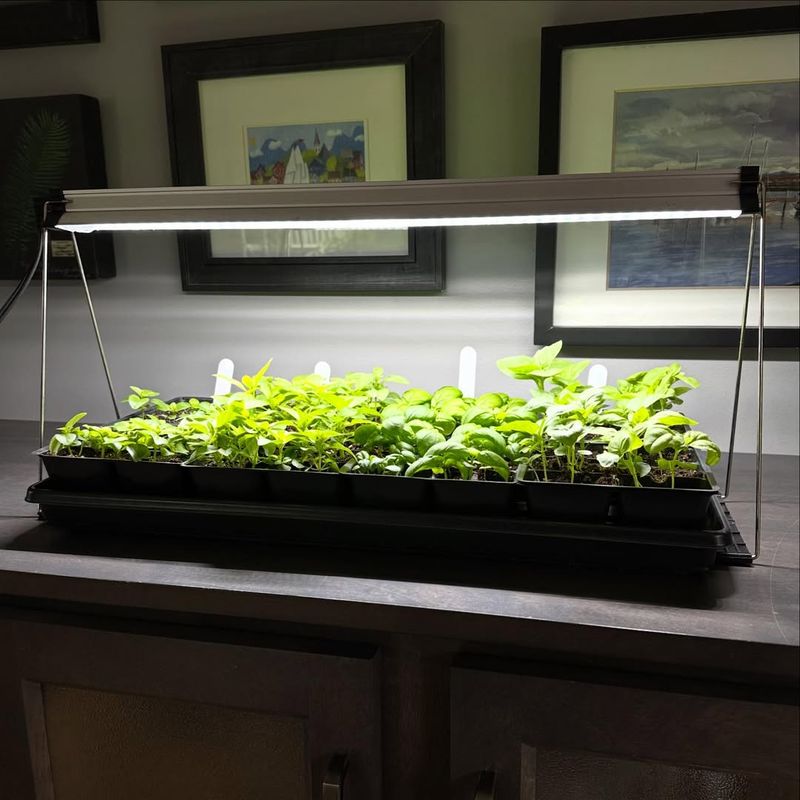
Growing seedlings indoors gives you a significant head start on the growing season, especially for crops that need longer maturation periods in Colorado.
Set up shelving with affordable LED grow lights in a basement, spare room, or sunny window where temperatures stay consistently warm throughout the day.
Tomatoes, peppers, and eggplants all benefit from indoor starting since they require eight to ten weeks of growth before transplanting outside after frost.
Use quality seed-starting mix rather than garden soil to prevent disease issues and ensure proper drainage for delicate roots developing in small containers.
Label everything clearly with plant names and starting dates so you can track progress and know exactly when each variety is ready for hardening off.
Rotate trays regularly under lights to promote even growth and prevent seedlings from leaning toward one direction while reaching for light sources overhead.
Colorado’s high altitude and intense sunlight mean your transplants will need gradual acclimation to outdoor conditions before permanent placement in garden beds later on.
Starting seeds now means you will have robust, healthy plants ready to transplant the moment your last frost date passes in your area.
3. Build Or Repair Raised Garden Beds
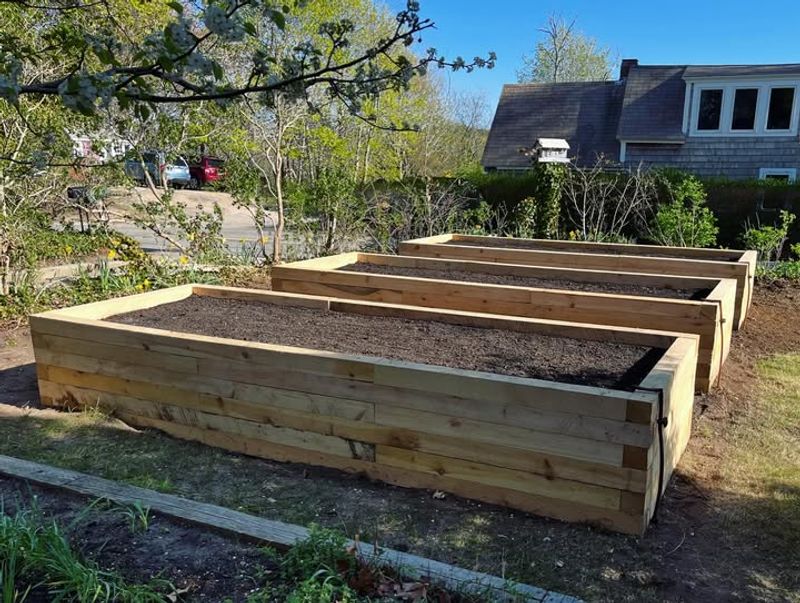
Constructing raised beds during winter means they will be ready for immediate filling and planting when soil temperatures rise in early spring months.
Choose rot-resistant cedar or composite materials that withstand Colorado’s freeze-thaw cycles without warping, cracking, or deteriorating over multiple seasons of use here.
Raised beds improve drainage, warm up faster than ground soil, and make gardening more accessible by reducing the need for constant bending or kneeling.
Build beds at least twelve inches deep for most vegetables, though deeper constructions work better for root crops like carrots, parsnips, and potatoes.
Position your beds in locations that receive six to eight hours of direct sunlight daily, away from tree roots that compete for water and nutrients.
Repair existing beds by replacing damaged boards, reinforcing corners with brackets, and ensuring structural integrity before the weight of soil and plants stresses them.
Colorado winters provide ample time to sand rough edges, apply natural sealants, and perfect your construction without rushing through the building process at all.
Having beds ready now means you can focus entirely on soil preparation and planting when the busy spring gardening season finally arrives at your home.
4. Improve Soil With Compost And Amendments
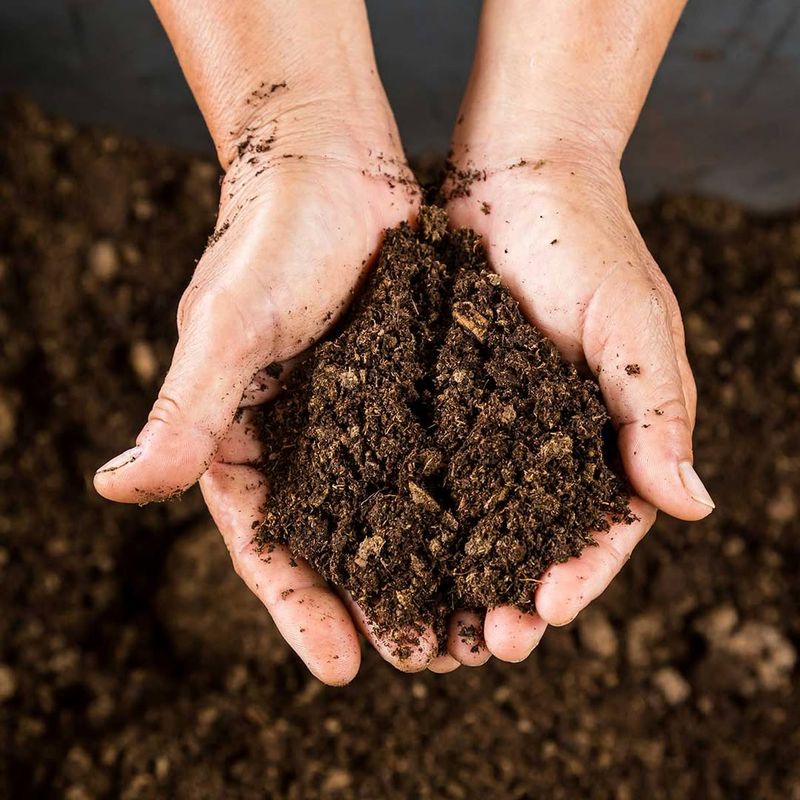
Amending soil during winter allows organic materials time to integrate fully before planting season begins, improving structure and nutrient availability for future crops significantly.
Add aged compost, well-rotted manure, or leaf mold to increase organic matter content, which Colorado’s clay or sandy soils desperately need for better performance.
Work amendments into the top six to eight inches of soil when conditions allow, avoiding working ground that is frozen solid or saturated with water.
Colorado soils often run alkaline, so incorporating sulfur or acidic amendments like pine needles helps balance pH for plants preferring slightly acidic growing conditions.
Test your soil now using an inexpensive kit to determine exact pH levels and nutrient deficiencies that need addressing before you plant anything this year.
Mulching beds with straw or shredded leaves after amending protects soil structure from erosion and temperature fluctuations throughout remaining winter months ahead here.
Improved soil drains better, retains moisture more efficiently, and supports beneficial microorganisms that help plants access nutrients and resist diseases naturally over time.
Prepping soil now means your plants will have the best possible foundation for vigorous growth when you finally transplant seedlings into garden beds.
5. Prune Dormant Trees And Shrubs
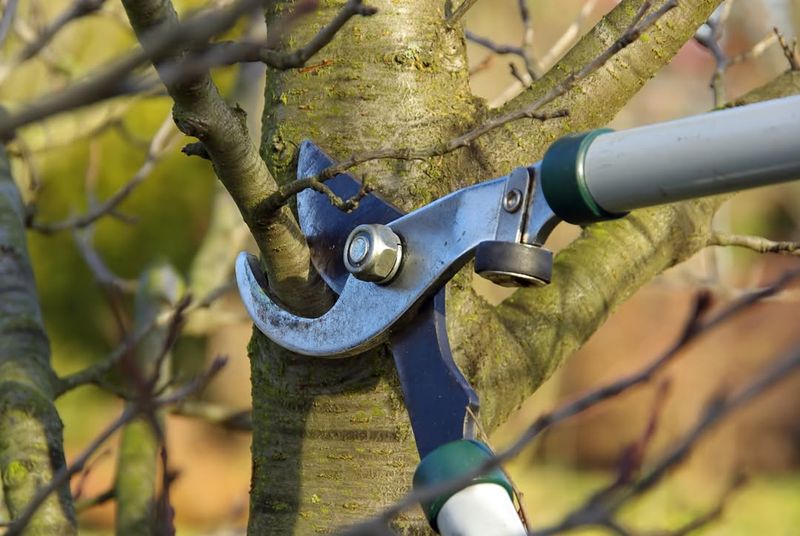
Dormant pruning during winter removes withered or diseased wood while the plant’s energy is focused underground, minimizing stress and promoting healthier spring growth patterns.
Fruit trees especially benefit from winter pruning, which improves air circulation, sunlight penetration, and overall fruit production when the growing season returns to Colorado.
Remove crossing branches, water sprouts, and any limbs growing toward the center of the tree to create an open, vase-like structure for optimal health.
Shrubs like lilacs, forsythia, and flowering quince can be shaped now without sacrificing spring blooms, as they set buds on new wood growth later.
Avoid pruning spring-flowering shrubs that bloom on old wood, such as rhododendrons or azaleas, since you would remove the flower buds already formed.
Sterilize pruning tools between cuts with rubbing alcohol to prevent spreading diseases from one plant to another throughout your entire landscape during this process.
Colorado’s dry winter air means pruning wounds seal quickly, reducing the risk of infection or pest invasion that can occur in more humid climates elsewhere.
Proper pruning now encourages vigorous new growth, better fruiting, and more attractive plant forms that enhance your garden’s beauty throughout the upcoming growing season.
6. Organize And Inventory Garden Supplies
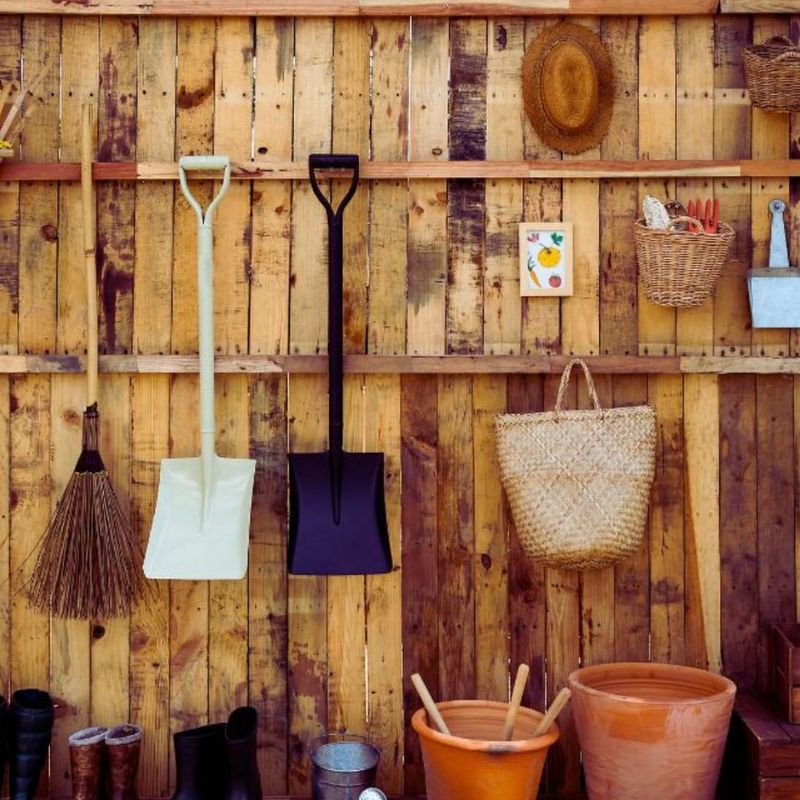
Taking inventory of tools, seeds, and supplies during winter helps you identify what needs replacing and what you already have before shopping season begins.
Clean and sharpen tools like pruners, hoes, and shovels so they are ready for immediate use when spring planting demands hit their peak intensity.
Check seed packets for expiration dates and viability, discarding old seeds that likely will not germinate well or produce strong, healthy plants this year.
Organize supplies into clearly labeled bins or shelves, grouping similar items together so you can quickly find what you need during busy gardening days.
Make a shopping list of depleted items like fertilizers, pest controls, row covers, and stakes before stores run low on popular products in spring.
Colorado gardeners should stock up on frost protection supplies like cloches, blankets, and row covers since late spring freezes remain common in our region.
Repair or replace damaged hoses, broken pots, and worn-out gloves now while you have time to shop around for the best deals available online.
An organized workspace saves time and frustration later, allowing you to focus on actual gardening tasks rather than hunting for misplaced tools or missing supplies.
7. Install Drip Irrigation Or Soaker Hoses
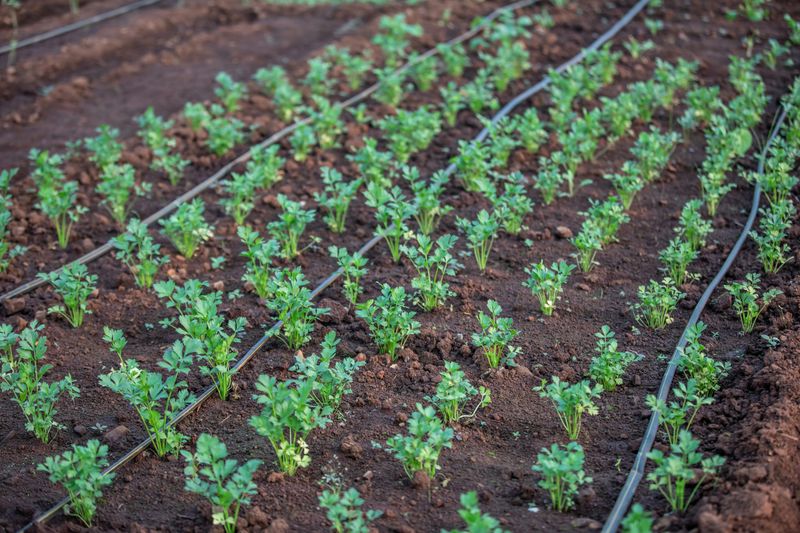
Setting up irrigation systems during winter ensures efficient watering is ready to go when plants need consistent moisture throughout Colorado’s dry summer growing months.
Drip irrigation delivers water directly to plant roots, reducing waste from evaporation and runoff while keeping foliage dry to prevent fungal disease problems later.
Measure your garden beds and sketch a layout showing where main lines, branch lines, and individual emitters will be positioned for maximum coverage efficiency.
Purchase quality components including timers, filters, pressure regulators, and UV-resistant tubing that withstand Colorado’s intense sunlight without degrading quickly over time here.
Install systems now while beds are empty, making it easier to position tubing without disturbing established plants or damaging fragile roots underneath soil.
Soaker hoses offer a simpler alternative, weaving through beds to slowly seep water along their entire length without requiring complex emitter placement or adjustments.
Test your system thoroughly before planting to identify leaks, adjust water pressure, and ensure every section of your garden receives adequate moisture coverage daily.
Automated irrigation saves time, conserves water, and keeps plants healthier by maintaining consistent soil moisture levels even during Colorado’s hot, dry summer afternoon periods.
8. Create A Cold Frame For Season Extension
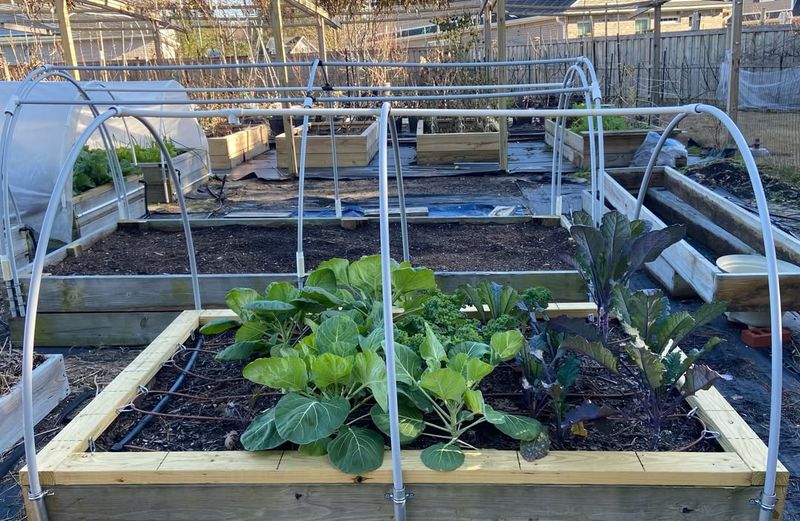
Cold frames extend your growing season by protecting plants from harsh weather while capturing solar heat to create a warmer microclimate inside the structure.
Build a simple frame using reclaimed windows, polycarbonate panels, or clear plastic sheeting over a wooden or concrete block base in your Colorado garden space.
Position the frame facing south to maximize sunlight exposure throughout the day, angling the lid slightly to shed snow and capture optimal solar radiation.
Cold frames allow you to start cool-season crops like lettuce, spinach, and radishes weeks earlier than direct sowing in open garden beds would permit.
Ventilation is crucial on sunny days when internal temperatures can spike rapidly, so install hinges that allow easy lid opening for temperature regulation and airflow.
Colorado’s intense sun and temperature fluctuations mean you must monitor conditions closely, opening frames during warm afternoons and closing them before evening temperatures plummet.
Use cold frames to harden off seedlings gradually, transitioning indoor-started plants to outdoor conditions without shocking them with sudden environmental changes all at once.
This simple structure provides protection from wind, frost, and snow while giving you fresh greens and vegetables much earlier than traditional outdoor planting schedules.
9. Design And Install Garden Pathways
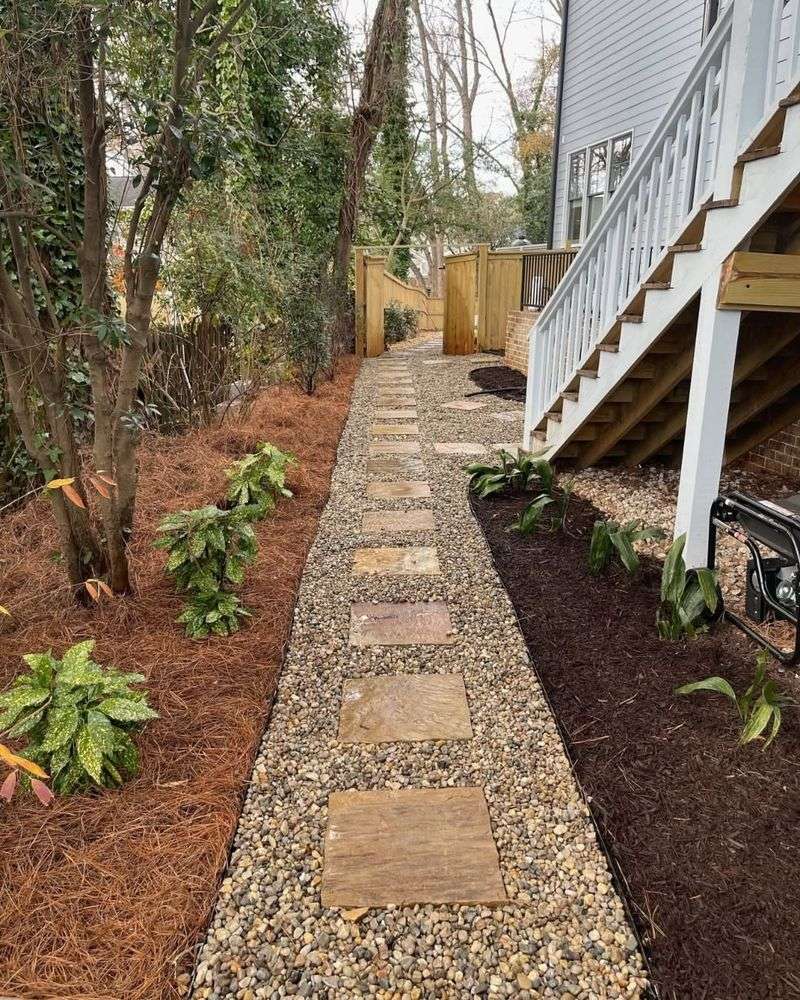
Creating pathways during winter prevents soil compaction in planting areas and provides clean, accessible routes through your garden regardless of weather conditions throughout the year.
Choose materials like gravel, flagstone, wood chips, or pavers that complement your landscape style while providing good drainage and stable footing in all seasons.
Mark pathway locations with stakes and string, ensuring adequate width for comfortable walking and wheelbarrow access between beds without damaging plants on either side.
Excavate pathways to a depth of three to four inches, removing grass and weeds before laying landscape fabric to suppress future weed growth underneath.
Fill paths with your chosen material, compacting layers firmly to create a stable surface that does not shift or sink under foot traffic over time.
Colorado’s freeze-thaw cycles can heave pathways, so proper base preparation with compacted gravel underneath prevents settling and maintains level surfaces throughout multiple seasons.
Well-designed pathways improve garden aesthetics, reduce maintenance time, and protect your carefully prepared planting beds from accidental trampling during harvest or weeding tasks later.
Installing paths now means you can step into your garden immediately when spring arrives without worrying about muddy boots or compacted soil around plants.