8 Garden Shed Essentials Illinois Gardeners Stock Before Spring
As winter winds down in Illinois, gardeners start thinking about what they’ll need ready before the first real signs of spring arrive.
A well-stocked garden shed saves time, frustration, and last-minute trips when planting season suddenly feels very close.
Having the right essentials on hand makes early spring tasks smoother and far more enjoyable.
This is the moment when preparation quietly sets the tone for the entire growing season ahead.
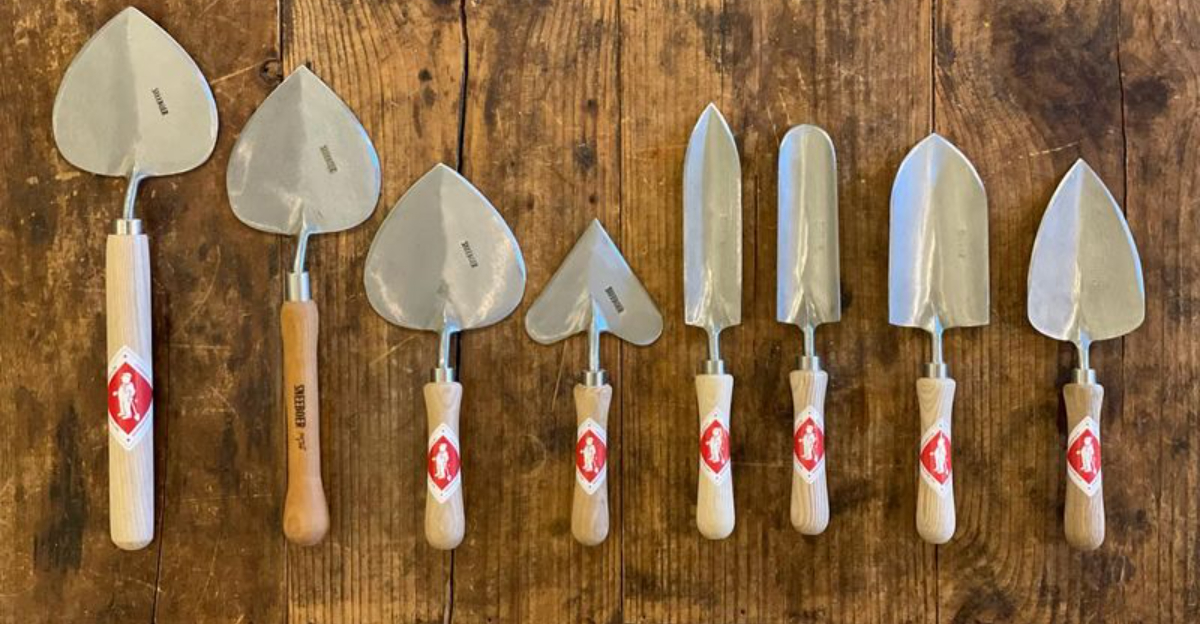
1. Quality Hand Trowel and Cultivator Set
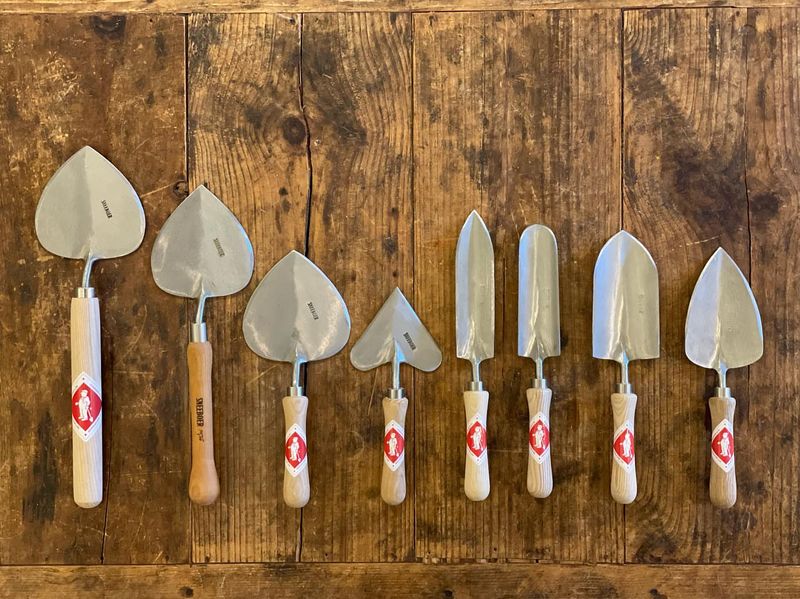
Every gardener needs reliable hand tools that withstand heavy use throughout multiple growing seasons without bending or breaking under pressure during tough jobs.
A quality trowel helps you transplant seedlings, dig small holes for bulbs, and scoop soil with ease in tight garden spaces.
Cultivators break up compacted soil, remove stubborn weeds, and mix compost into flower beds efficiently without damaging delicate plant roots nearby.
Illinois gardeners face clay-heavy soil in many areas, so choosing tools with strong stainless steel blades prevents frustration during spring preparation work.
Comfortable rubber grips reduce hand fatigue during long planting sessions, making gardening more enjoyable even when working for several hours straight.
Look for tools with lifetime warranties from trusted brands that stand behind their products and replace defective items without hassle or questions.
Keeping these essentials in your shed means you always have the right tool ready when inspiration strikes on beautiful spring mornings.
Clean and dry your hand tools after each use to prevent rust and maintain sharp edges that make gardening tasks easier.
Storing hand tools in a dry, organized space also helps you spot missing items quickly and protects wooden handles from cracking or warping over time.
2. Premium Organic Potting Mix
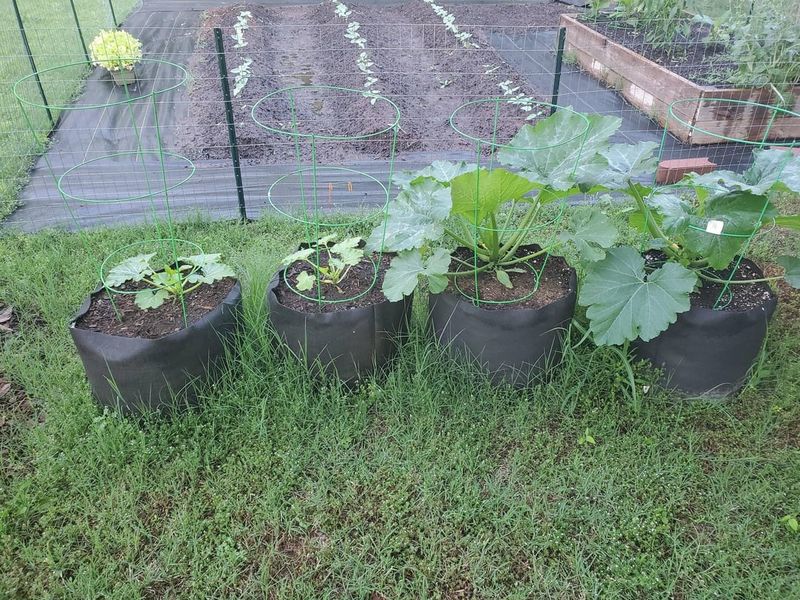
Starting seeds indoors or filling containers requires nutrient-rich soil that drains well while retaining enough moisture to support healthy root development patterns.
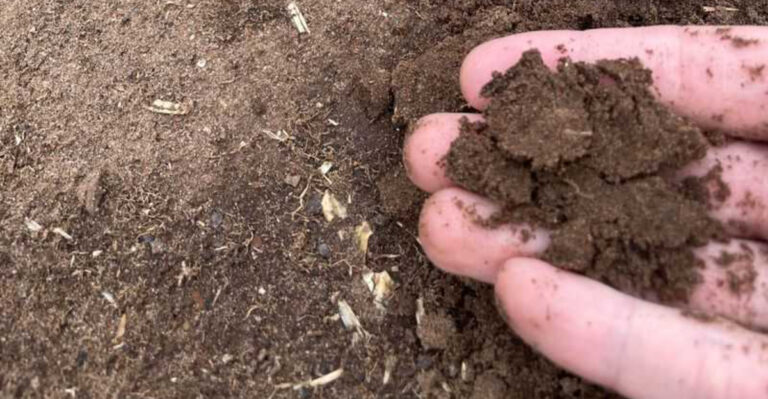
Premium organic potting mix contains peat moss, coconut coir, perlite, and composted materials that create perfect growing conditions for young plants.
Cheap soil often compacts quickly, suffocates roots, and lacks essential nutrients that seedlings need during their critical early growth stages before transplanting.
Stocking several bags before spring means you can start seeds immediately when the calendar says it is time without rushing to stores.
Illinois gardeners who grow tomatoes, peppers, and herbs indoors during March appreciate having quality mix ready for their seed-starting marathon sessions.
Organic options avoid synthetic chemicals that can harm beneficial soil microbes and earthworms that naturally improve garden health over time significantly.
Store potting mix in a dry shed area away from moisture to prevent mold growth and keep the product fresh until needed.
Label bags with purchase dates so you use older stock first and maintain the freshest possible materials for your precious seedlings.
Having extra mix on hand also makes repotting root-bound houseplants quick and stress-free when you notice slowed growth or drying soil between waterings.
3. Durable Garden Gloves
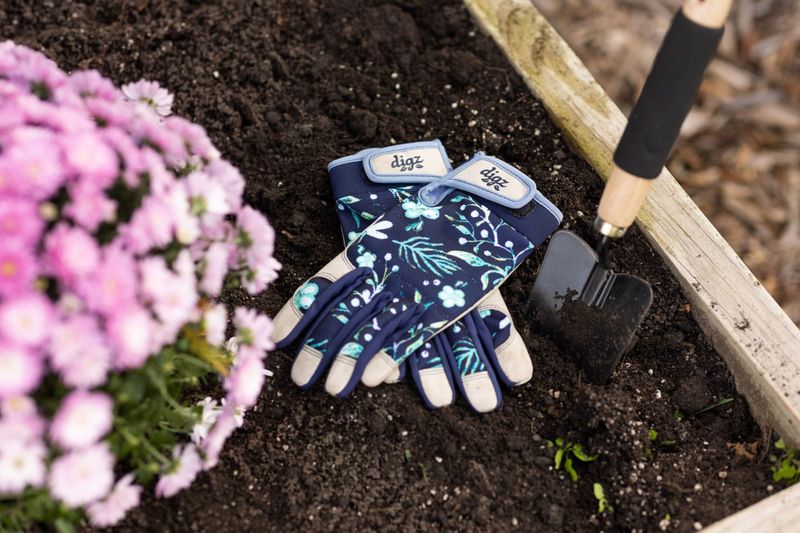
Protecting your hands from thorns, splinters, blisters, and dirt makes gardening more comfortable and prevents injuries that could sideline your spring activities.
Leather gloves offer excellent durability for heavy tasks like pruning roses, handling rough branches, and moving rocks around landscape beds without tearing.
Nitrile-coated gloves provide waterproof protection during wet tasks while maintaining excellent grip on slippery tools and muddy pots throughout the day.
Having multiple pairs means you always have clean, dry gloves available even when one set gets soaked during morning watering sessions.
Illinois weather can be unpredictable in early spring, so waterproof gloves keep your hands warm and dry during chilly, damp mornings outdoors.
Choose gloves that fit snugly without restricting movement, allowing you to handle small seeds and delicate seedlings with precision and confidence.
Replace worn gloves before they develop holes that let dirt in and reduce protection against sharp objects hiding in garden beds.
Hang gloves to dry completely after use to prevent mildew and extend their lifespan through many seasons of dedicated gardening work.
Keeping a backup pair in your shed or garden tote also saves time when one goes missing right as you’re ready to get started.
4. Sharp Bypass Pruning Shears
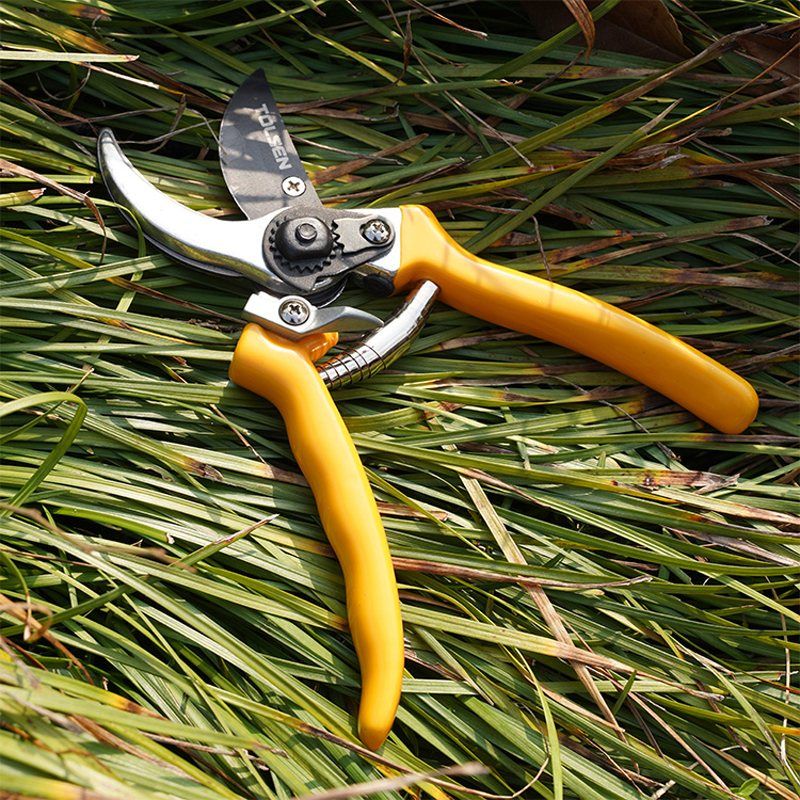
Trimming dead branches, shaping shrubs, and harvesting flowers requires sharp, clean cuts that heal quickly and prevent disease from entering plant tissue.
Bypass pruners work like scissors, with two sharp blades passing each other to create smooth cuts that are healthier for plants than crushing anvil-style tools.
Spring pruning prepares fruit trees, roses, and perennials for vigorous growth, so having quality shears ready before buds swell saves precious time.
Illinois gardeners prune apple trees, grapevines, and berry bushes in late winter or early spring before new growth emerges from dormant branches.
Sharp blades reduce hand strain and make cutting through thick stems effortless, allowing you to complete pruning tasks without developing sore muscles.
Look for shears with replaceable blades and springs so you can maintain them indefinitely rather than buying new tools every few years.
Clean pruners with rubbing alcohol between plants to prevent spreading diseases like fire blight that can devastate fruit trees in one season.
Store shears with safety locks engaged to protect the blades and prevent accidents when reaching into your shed for other supplies.
5. Reliable Garden Hose with Adjustable Nozzle
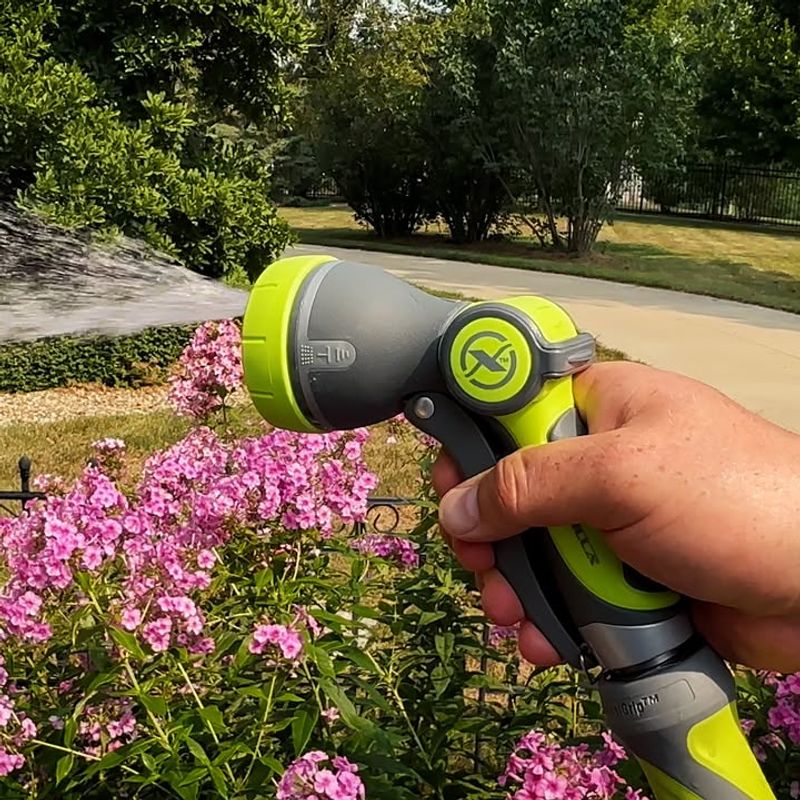
Watering newly planted seeds, transplants, and established gardens becomes much easier with a high-quality hose that reaches all areas without kinking constantly.
Adjustable nozzles let you switch from gentle mist for delicate seedlings to powerful jet spray for cleaning pots and tools efficiently.
Rubber hoses withstand freezing temperatures better than vinyl, making them ideal for Illinois gardeners who occasionally forget to drain them completely overnight.
Coiling your hose properly on a reel or hanger prevents tangles and extends its life by avoiding weak spots that develop from improper storage.
Spring watering demands increase dramatically as temperatures rise and plants emerge from dormancy, making a reliable hose absolutely essential for success.
Choose hoses with solid brass fittings that resist corrosion and leaks better than plastic connectors that crack after a few seasons of use.
Measure the distance from your water source to the farthest garden bed to ensure you purchase a hose long enough for convenience.
Drain hoses completely after each use during early spring when Illinois nights still dip below freezing and can damage water-filled lines.
6. Sturdy Garden Rake
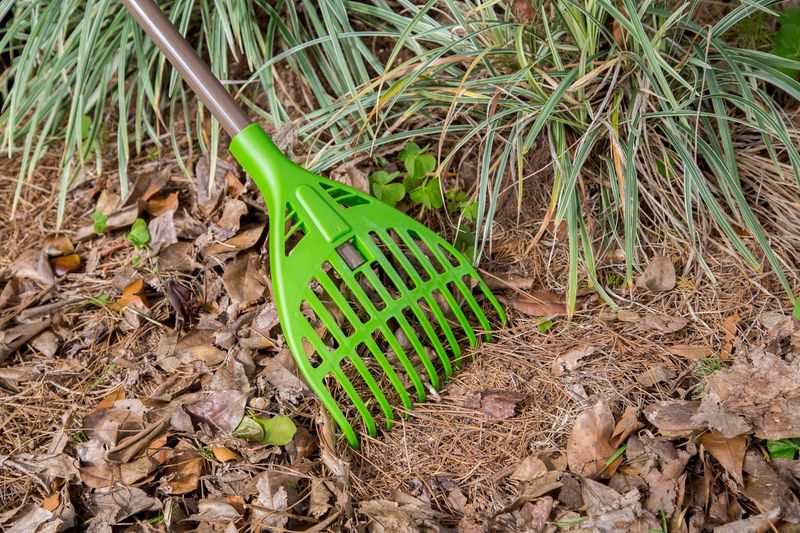
Preparing garden beds for spring planting requires leveling soil, removing debris, and breaking up clumps left behind after winter freezes and thaws.
Bow rakes feature short, sturdy tines that work perfectly for spreading compost, smoothing seedbeds, and gathering leaves from garden paths efficiently.
Spring cleanup in Illinois gardens means dealing with fallen branches, matted leaves, and winter debris that accumulated during months of snow and ice.
A quality rake with a strong connection between head and handle withstands years of heavy use without wobbling or breaking during tough jobs.
Lightweight aluminum rakes reduce fatigue during extended raking sessions, while steel versions offer maximum durability for rocky or compacted soil conditions.
Raking also helps you spot emerging perennials and bulbs that need protection from accidental damage during early spring cleanup and preparation work.
Store rakes with tines facing the wall to prevent tripping hazards and protect the sharp edges from damage caused by other tools.
Wooden handles develop splinters over time, so sand them smooth periodically and apply linseed oil to maintain comfort and prevent deterioration.
Keeping a dedicated spring rake ready saves time when a warm weekend suddenly opens the door for quick bed prep before planting season ramps up.
7. Organic Fertilizer and Soil Amendments
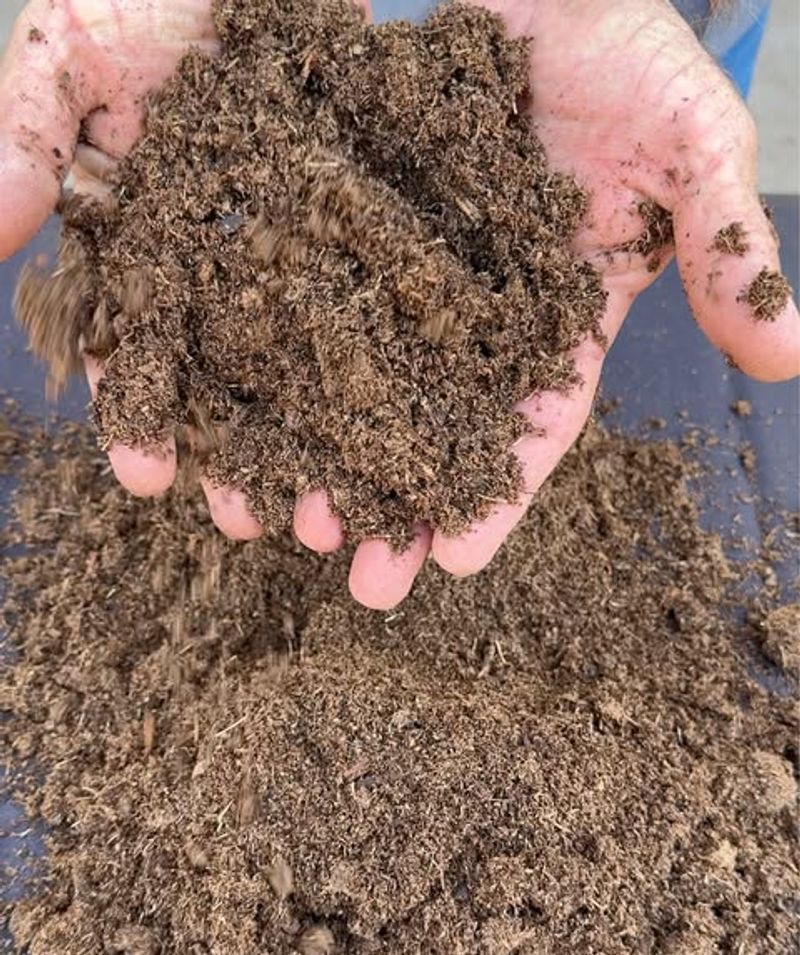
Replenishing nutrients depleted during the previous growing season ensures plants have the resources needed for vigorous growth and abundant harvests this year.
Organic fertilizers release nutrients slowly over time, feeding plants steadily without the risk of burning roots like synthetic products sometimes do unfortunately.
Bone meal adds phosphorus for strong root development, blood meal provides nitrogen for leafy growth, and kelp meal supplies trace minerals plants need.
Illinois soils vary widely across the state, so testing your soil helps you choose amendments that address specific deficiencies in your garden beds.
Spring is the perfect time to work compost and fertilizers into the soil before planting, giving amendments time to integrate thoroughly.
Stocking these products early means you can amend beds immediately when soil becomes workable rather than waiting for store shipments to arrive.
Organic options improve soil structure over time, encouraging beneficial microorganisms and earthworms that create healthy, living soil ecosystems naturally.
Store fertilizers in sealed containers to prevent moisture absorption and clumping that makes measuring and application difficult during busy planting days.
8. Seed Starting Trays and Labels
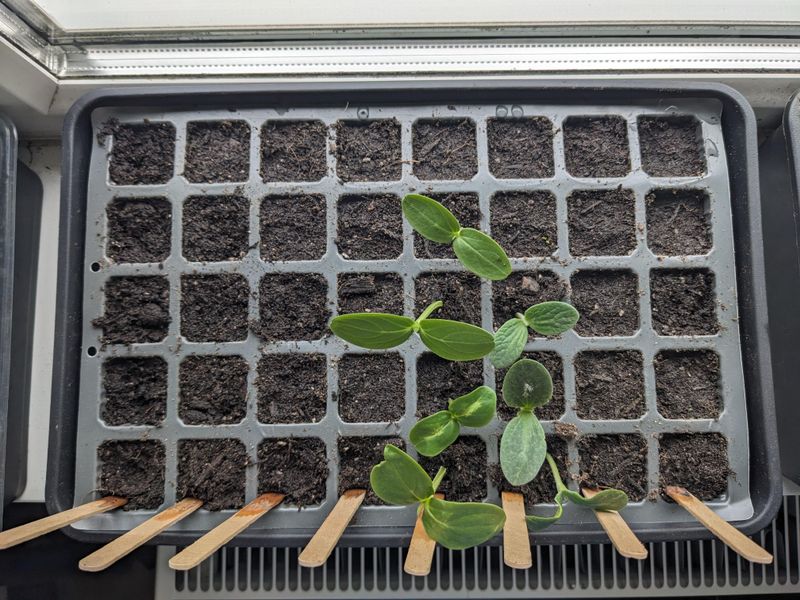
Growing your own seedlings indoors saves money compared to buying transplants and gives you access to unique varieties unavailable at local garden centers.
Reusable plastic trays with drainage holes and humidity domes create ideal conditions for germination, keeping soil moist without becoming waterlogged or soggy.
Starting seeds indoors six to eight weeks before the last Illinois frost date gives plants a head start for earlier harvests and longer blooming.
Labels help you remember which variety you planted where, preventing confusion when multiple types of tomatoes or peppers emerge looking identical initially.
Biodegradable pots made from peat or coconut coir allow you to transplant seedlings directly into the garden without disturbing fragile root systems.
Illinois gardeners typically start tomatoes, peppers, and eggplants indoors during March, so having trays ready ensures you do not miss the window.
Wash and sanitize trays after each use to prevent disease problems that can spread quickly among densely packed seedlings in confined spaces.
Organize your seed collection by planting dates so you start everything on schedule and avoid overcrowded trays or forgotten varieties sitting unplanted.
A small notebook kept with your trays lets you jot down germination dates and quick notes so you can track progress without relying on memory alone.