7 Garden Tasks Detroit Gardeners Should Tackle In Michigan This March
March in Detroit often feels like a false start to spring. One day brings sunshine and mild air, and the next reminds you that Michigan winter is not finished yet.
For many gardeners, this back and forth weather makes it hard to know when the real growing season will begin. But experienced Detroit gardeners understand that this in between month is far from wasted time.
Across Southeast Michigan, March is when the groundwork for a successful garden quietly begins. Seeds can be started indoors, garden beds can be planned, and tools can be prepared before the rush of spring arrives.
Taking a few smart steps now can make the entire growing season run more smoothly. By the time warmer weather settles into Detroit, gardeners who used March wisely are already well on their way to a productive Michigan garden.
1. Clean Up Garden Beds
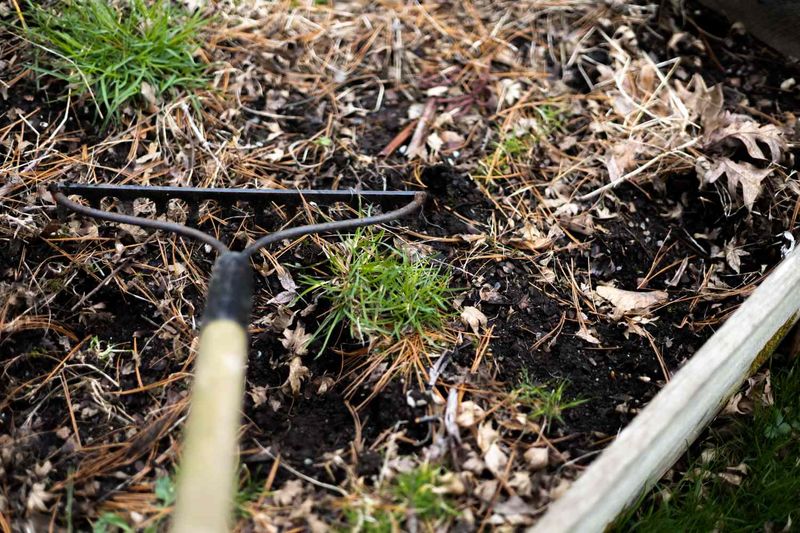
Nothing says “spring is coming” like rolling up your sleeves and clearing out the mess winter left behind.
Detroit gardeners know that March is the perfect window to remove old leaves, broken stems, and leftover plant material before new growth starts pushing through the soil.
Skipping this step can invite pests and fungal problems that will follow you through the entire season.
Start by raking out fallen leaves that have been sitting on your beds since fall. Wet, matted leaves block sunlight and trap moisture against the soil, which encourages mold and disease.
Tossing them into your compost pile is a smart move since they’ll break down into useful organic matter over time.
Once the debris is cleared, take a close look at your soil. If it looks compacted or gray, work in a two to three inch layer of compost to boost nutrients and improve drainage.
Detroit’s heavy clay soils especially benefit from this kind of attention in early spring. A clean, well-prepared bed warms up faster, giving your seeds and transplants the best possible start when the ground finally thaws for good.
2. Sharpen And Organize Tools
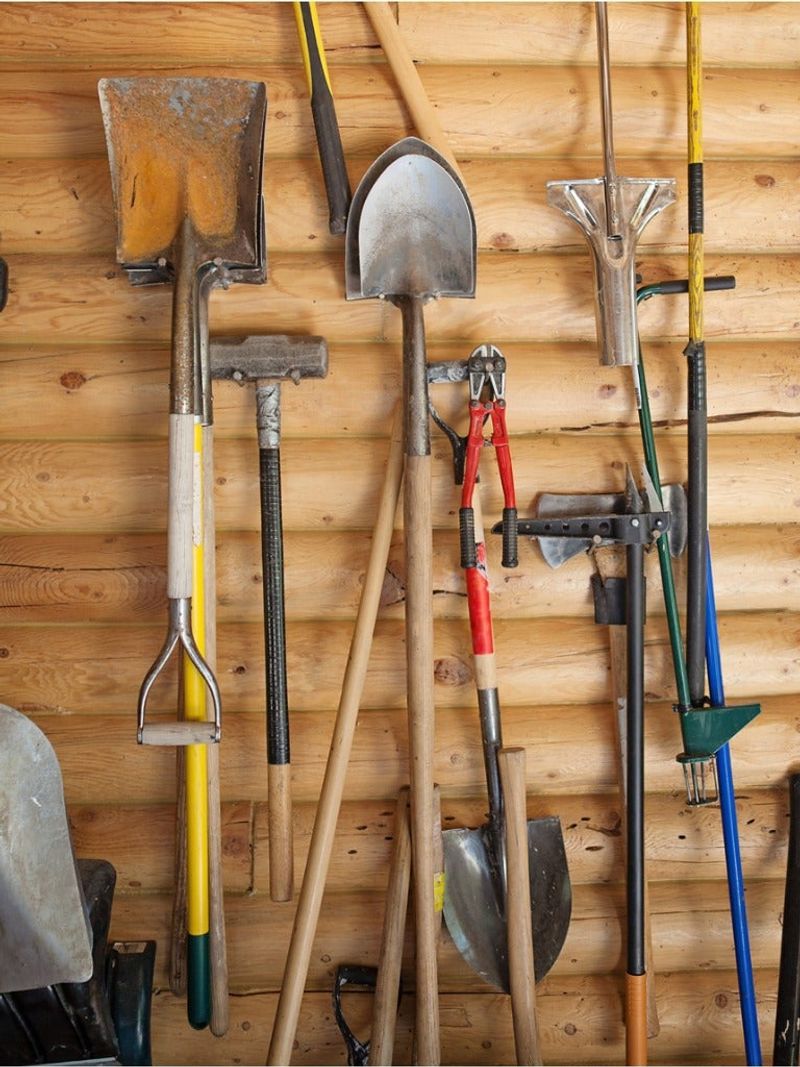
There’s something oddly satisfying about walking into the garden season with tools that are clean, sharp, and ready to go. Most Detroit gardeners toss their tools in the shed at the end of fall and forget about them entirely.
March is the ideal time to change that habit, because the soil is still too frozen and wet to work, giving you a perfect reason to focus indoors.
Pull out every shovel, hoe, pruner, and rake you own and give each one a proper inspection. Look for rust, dull edges, cracked handles, and loose connections.
A wire brush removes surface rust quickly, and a few swipes with a metal file sharpens blades back to a clean, functional edge. Sharp tools cut through soil and stems much more easily, which saves energy and reduces strain on your hands and wrists.
Once everything is cleaned up, wipe metal parts with a light coat of linseed oil to prevent future rust. Wooden handles can be sanded lightly and treated with the same oil to keep them from cracking.
Hang tools on a pegboard or store them upright so they stay organized and accessible. Being prepared this way means the moment Detroit’s soil thaws and spring planting begins, you won’t waste a single good gardening day searching for a misplaced trowel.
3. Start Seeds Indoors
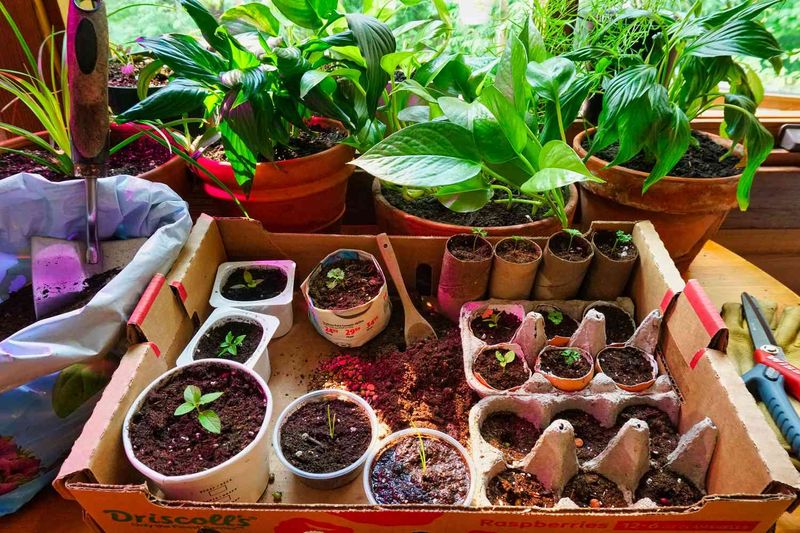
By the time May rolls around and Detroit’s last frost passes, your broccoli and cabbage should already be sturdy little plants, not tiny seeds.
Starting cool-season crops indoors in March gives them the six to eight week head start they need to thrive when transplanted outside.
Michigan’s growing season is shorter than many gardeners wish it were, so every week of indoor growth genuinely counts.
Broccoli, cabbage, kale, cauliflower, and many herbs are excellent candidates for indoor seed starting this month. Fill small trays or cell packs with a quality seed-starting mix, plant seeds at the depth listed on the packet, and water gently.
Place trays near a south-facing window or under grow lights for at least twelve to sixteen hours of light daily. Consistent moisture and warmth are key during germination, so check on them every day.
Once seedlings sprout, thin them so each cell holds only the strongest plant. Crowded seedlings compete for light and nutrients, which leads to weak, leggy growth.
About a week before transplanting outdoors, begin hardening them off by setting trays outside in a sheltered spot for a few hours each day.
This gradual exposure to Detroit’s outdoor conditions prepares seedlings for the real world without shocking their systems. Patience during this stage pays off with strong, productive plants all season long.
4. Prepare Compost And Mulch Supplies

Compost is basically free fertilizer, and March is the month to make sure yours is ready to use. Detroit gardeners who started a compost pile last year are in great shape.
Now is the time to turn the pile, check its moisture level, and assess how far along the decomposition process has come. A healthy compost pile should smell earthy, not sour, and the material at the bottom should be dark and crumbly.
If your pile has been sitting cold and still all winter, give it a good turn with a pitchfork to introduce oxygen and speed things up. Add a mix of brown materials like dry leaves and green materials like vegetable scraps if the pile seems unbalanced.
Moisture is important too since the pile should feel about as damp as a wrung-out sponge. If it dried out over winter, add water and mix it through thoroughly.
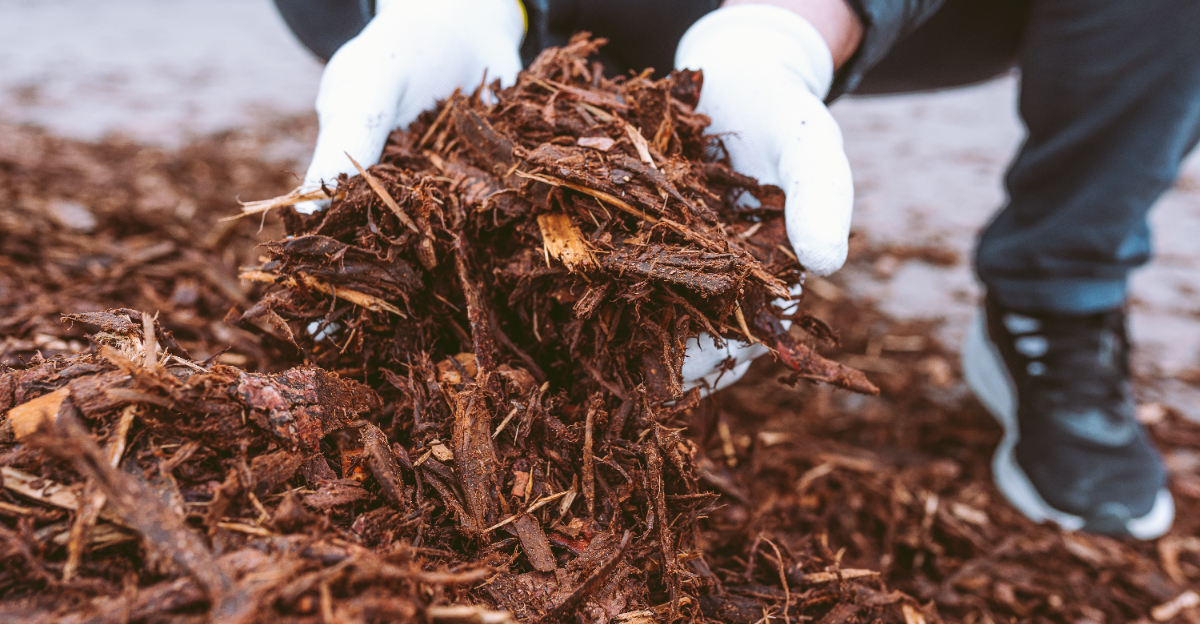
While you’re at it, check your mulch supply and plan how much you’ll need for the season ahead. Shredded wood mulch, straw, and leaf mulch all work beautifully in Detroit gardens.
Mulch helps retain soil moisture, regulate temperature, and suppress weeds once plants are in the ground. Ordering or gathering mulch now means you won’t be scrambling later when every garden center in Michigan is busy and supplies run low in late spring.
5. Plan Garden Layout And Crop Rotation
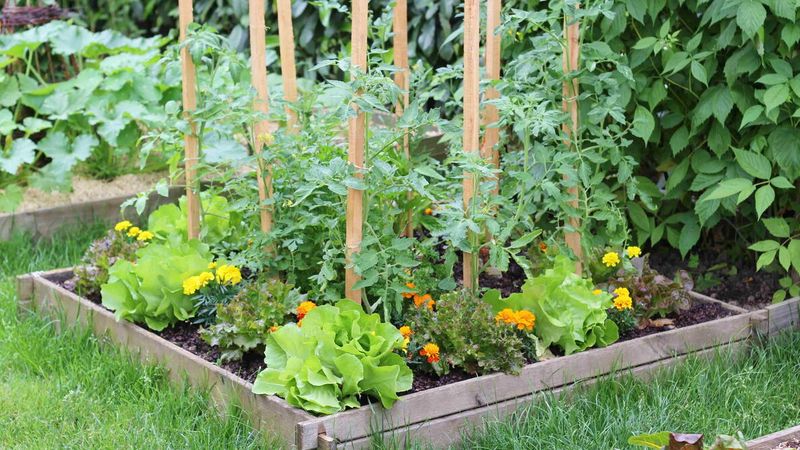
Grab a pencil, some graph paper, and your favorite seed catalog because March planning sessions are genuinely one of the most fun parts of gardening.
Detroit gardeners who map out their beds before the soil thaws avoid the chaotic scramble that happens when planting season hits all at once.
A solid plan means you know exactly what goes where, how much space each crop needs, and which areas need extra soil preparation.
Crop rotation is one of the most important concepts to build into your layout. Growing the same vegetables in the same spot year after year allows soil-borne diseases and pests to build up over time.
The general rule is to avoid planting the same plant family in the same bed more than once every three years.
Tomatoes, peppers, and eggplants all belong to the same family, as do broccoli, cabbage, and kale, so plan to move them around your Michigan garden beds each season.
Mark where early spring crops like peas and spinach will go, followed by notes on where warm-season crops will take over later in summer.
Think about sunlight patterns across your yard too, since Detroit’s spring sun angle is lower than summer, which can affect which spots get enough light early in the season.
A well-thought-out plan turns your garden into a productive, organized space rather than a guessing game every single year.
6. Prune Winter-Damaged Branches
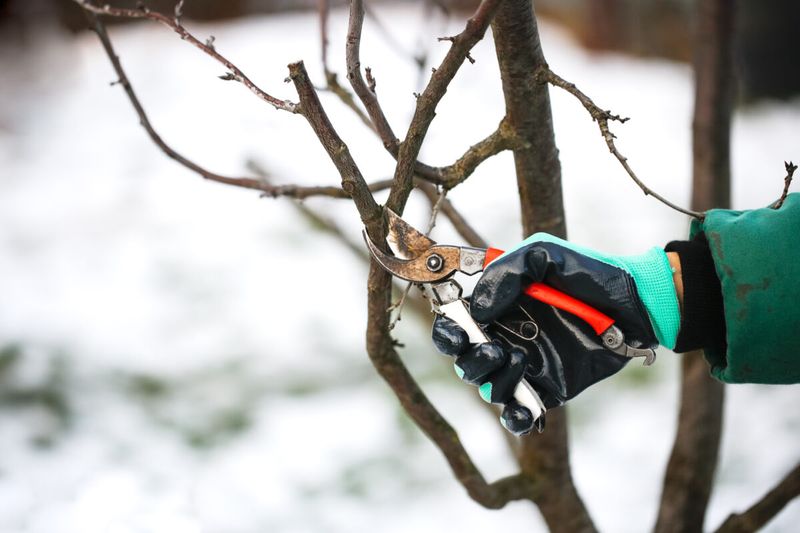
Winter in Michigan is tough on trees and shrubs, and the proof shows up every March in the form of bent, broken, and brittle branches.
Pruning winter-damaged wood before new growth begins is one of the most beneficial things Detroit gardeners can do for their fruit trees, ornamental shrubs, and established perennials.
Removing damaged growth improves airflow, reduces the risk of disease, and helps plants put their energy into healthy new shoots.
Start by walking your yard and identifying branches that look clearly broken, split, or discolored. Use sharp, clean pruning shears or loppers to make smooth cuts just above a healthy bud or branch junction.
Ragged cuts leave entry points for disease, so tool sharpness really matters here. Fruit trees like apples and pears benefit enormously from this kind of attention in early spring before buds begin to swell.
For shrubs and perennials, cut back any stems that feel hollow, mushy, or show signs of damage from heavy snow or ice. Many perennials that look completely finished in March will send up fresh growth from the roots once the soil warms.
Removing old top growth clears the way and lets sunlight reach the crown of the plant more easily. Detroit gardeners who stay on top of early spring pruning tend to have noticeably healthier, more vigorous plants by the time summer arrives in full force.
7. Check Cold Frames And Frost Protection
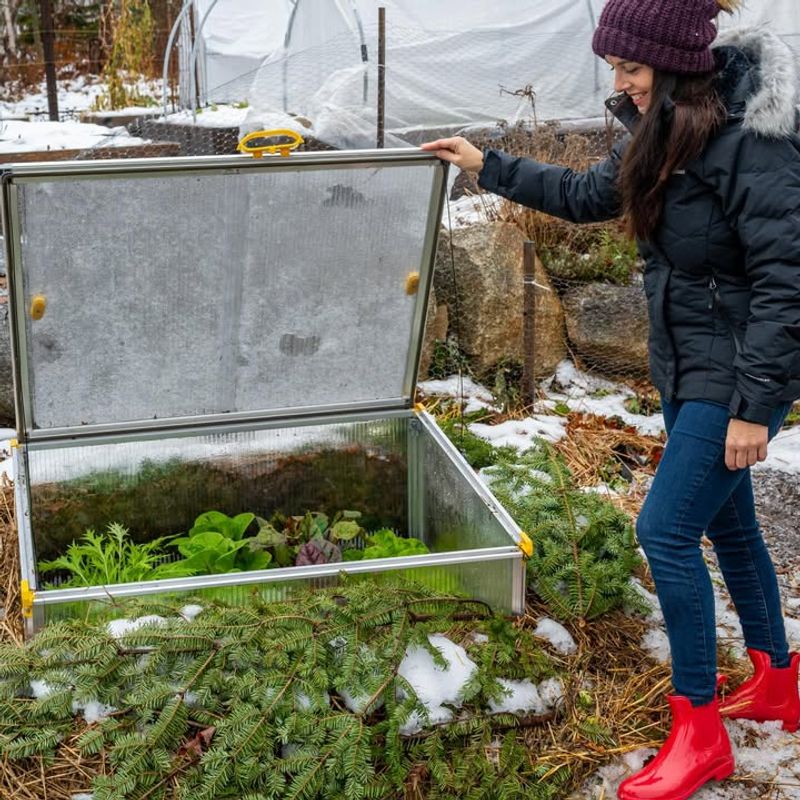
March in Detroit is unpredictable, and any gardener who has lived through a Michigan spring knows that a warm week can be followed by a hard freeze almost overnight.
Having your frost protection gear ready before you need it is one of the smartest habits you can build.
Cold frames, row covers, and cloches are all tools that extend your growing season and protect tender seedlings from those surprise late frosts that hit even in April.
Start by pulling out your cold frames and checking them for cracks, broken glass, or warped frames that might let cold air sneak in. Clean the glazing so light passes through efficiently, since seedlings in a poorly lit cold frame stretch and weaken quickly.
Row covers made from lightweight fabric are incredibly useful for covering raised beds or garden rows on nights when temperatures drop unexpectedly. Keep a few on hand and store them somewhere easy to grab quickly.
Cloches, which are individual covers placed over single plants or small clusters, work beautifully for protecting transplants during their first weeks outdoors. Even a simple plastic jug with the bottom cut off can serve as an effective cloche in a pinch.
Detroit’s last average frost date falls around mid-May, but cold snaps can occur well into spring across Michigan. Being prepared with the right protection means your seedlings survive those cold nights and keep growing strong toward a full, rewarding harvest season.