10 Garden Tasks Michigan Homeowners Should Finish Before Spring
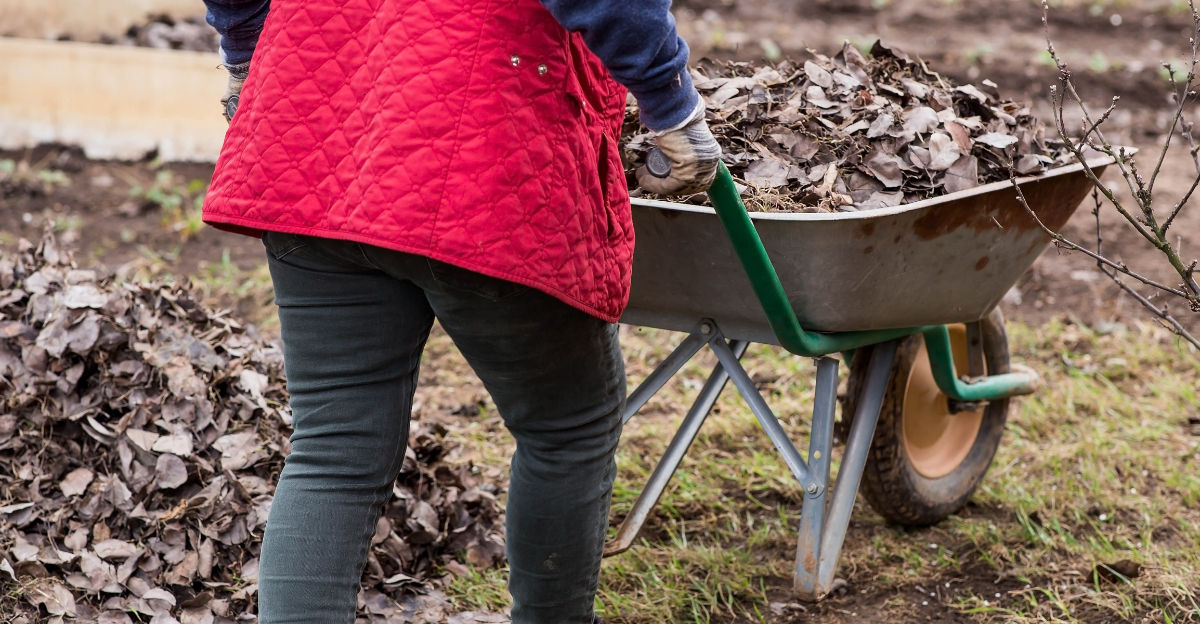
Long before the last snowbank disappears, the smartest Michigan gardeners are already preparing for spring. Winter may feel relentless, but it also offers a valuable window to set your yard up for success before growth explodes.
While the ground is still firm and trees remain bare, you can assess winter damage, prune wisely, plan soil improvements, and get tools ready for action.
Michigan’s freeze thaw cycles can shift soil, loosen plant crowns, and compact lawn areas, making early attention especially important.
Taking care of these details now reduces stress later when planting, weeding, and watering demand your time. A little effort before temperatures rise can prevent common setbacks and encourage stronger roots once the season begins in earnest.
Instead of scrambling when warm weather arrives, you will be stepping into spring with confidence and momentum. Roll up your sleeves now, because your healthiest, most productive Michigan garden starts before winter even ends.
1. Clean Up Fallen Leaves And Debris
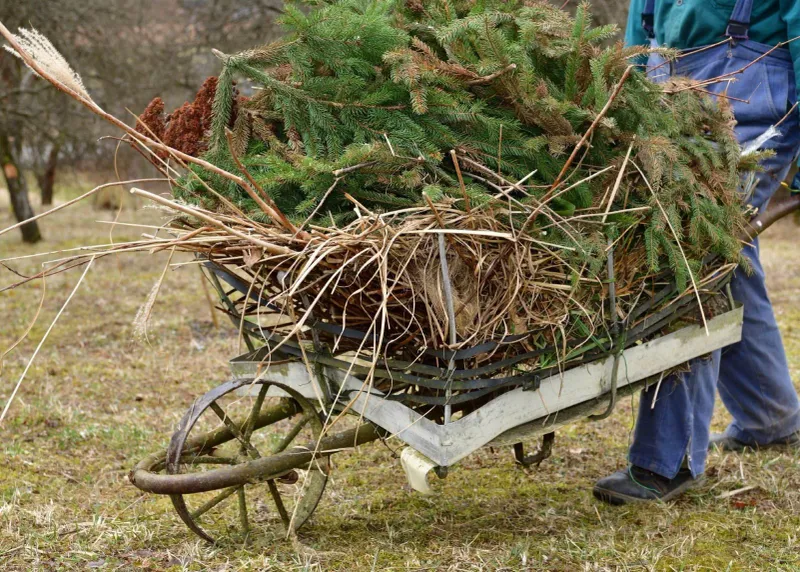
Matted leaves sitting on your garden beds through winter are basically a welcome mat for trouble. Fungi, mold, and rodents absolutely love damp, packed leaf piles, and they will take full advantage if you let them linger.
Getting that layer of debris cleared before spring arrives can make a real difference in how healthy your plants emerge.
Snow mold is a genuine concern for Michigan gardeners, and it thrives beneath thick layers of wet, decaying leaves. Once you spot that grayish-white fuzz creeping across your lawn in early spring, you already have a problem on your hands.
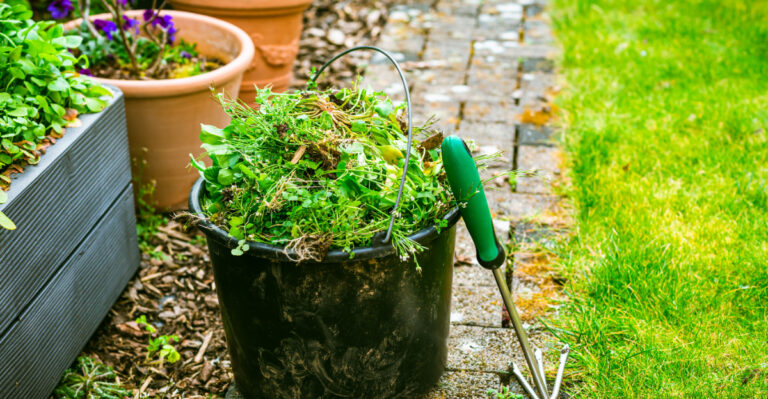
Removing leaves now cuts off that issue before it even gets started. Grab a sturdy rake and work through your beds section by section, clearing out old plant material, broken stems, and anything that has been sitting since fall.
Compost what you can and bag the rest, especially anything that showed signs of fungal disease last season.
A clean garden bed allows sunlight and airflow to reach the soil sooner, warming it up faster and giving your perennials the fresh start they deserve heading into the new growing season.
2. Prune Dormant Trees And Shrubs
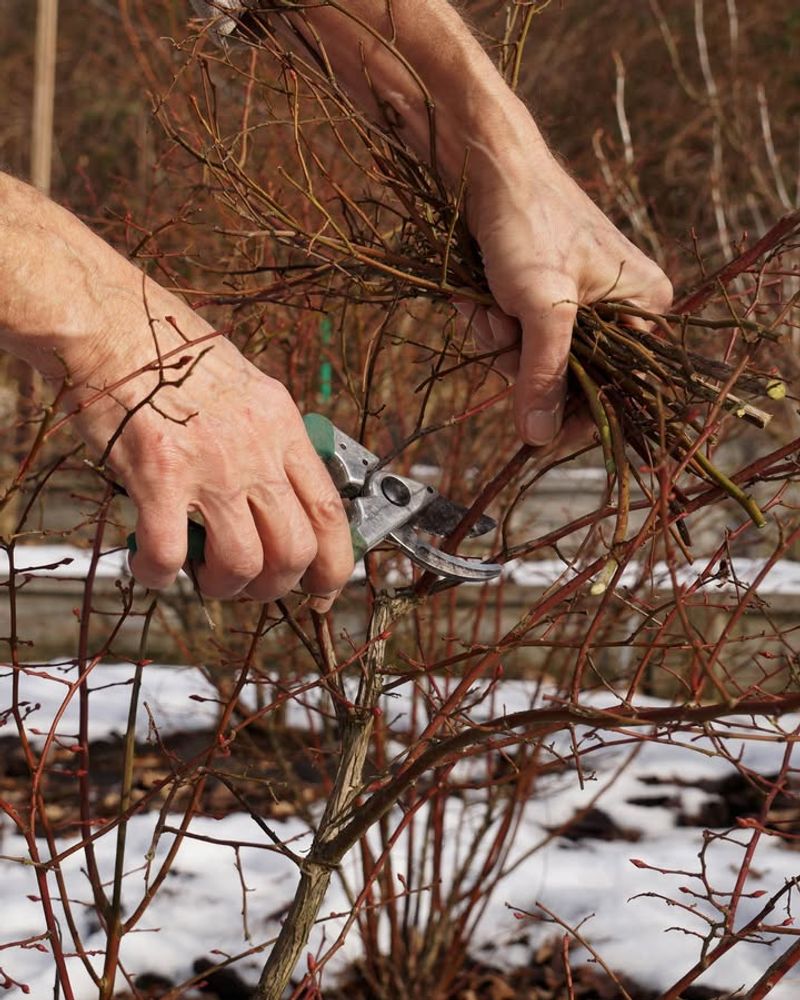
There is a sweet spot in late winter when trees and shrubs are still dormant but spring is quietly building beneath the surface. Pruning during this window gives you a clear view of the branch structure without leaves blocking your sight lines.
You can spot crossing branches, weak growth, and anything that needs to go before the plant puts energy into new buds.
Michigan gardeners have a real advantage here because the cold keeps pests and fungal spores mostly inactive during this period.
Fresh pruning cuts are vulnerable, and making them in late winter means they have a chance to begin sealing before insects and disease organisms become active again. Timing really does matter more than most people realize.
Focus on removing branches that rub against each other, any that grow inward toward the center of the plant, and anything that looks structurally weak or damaged from ice and wind.
Use clean, sharp tools and make smooth cuts just outside the branch collar for the best healing results.
Avoid pruning spring-blooming shrubs like lilac or forsythia now since those bloom on last year’s wood and you will cut off this season’s flower buds. Save those for right after they finish blooming and your yard will reward you with a gorgeous show every year.
3. Service And Sharpen Garden Tools
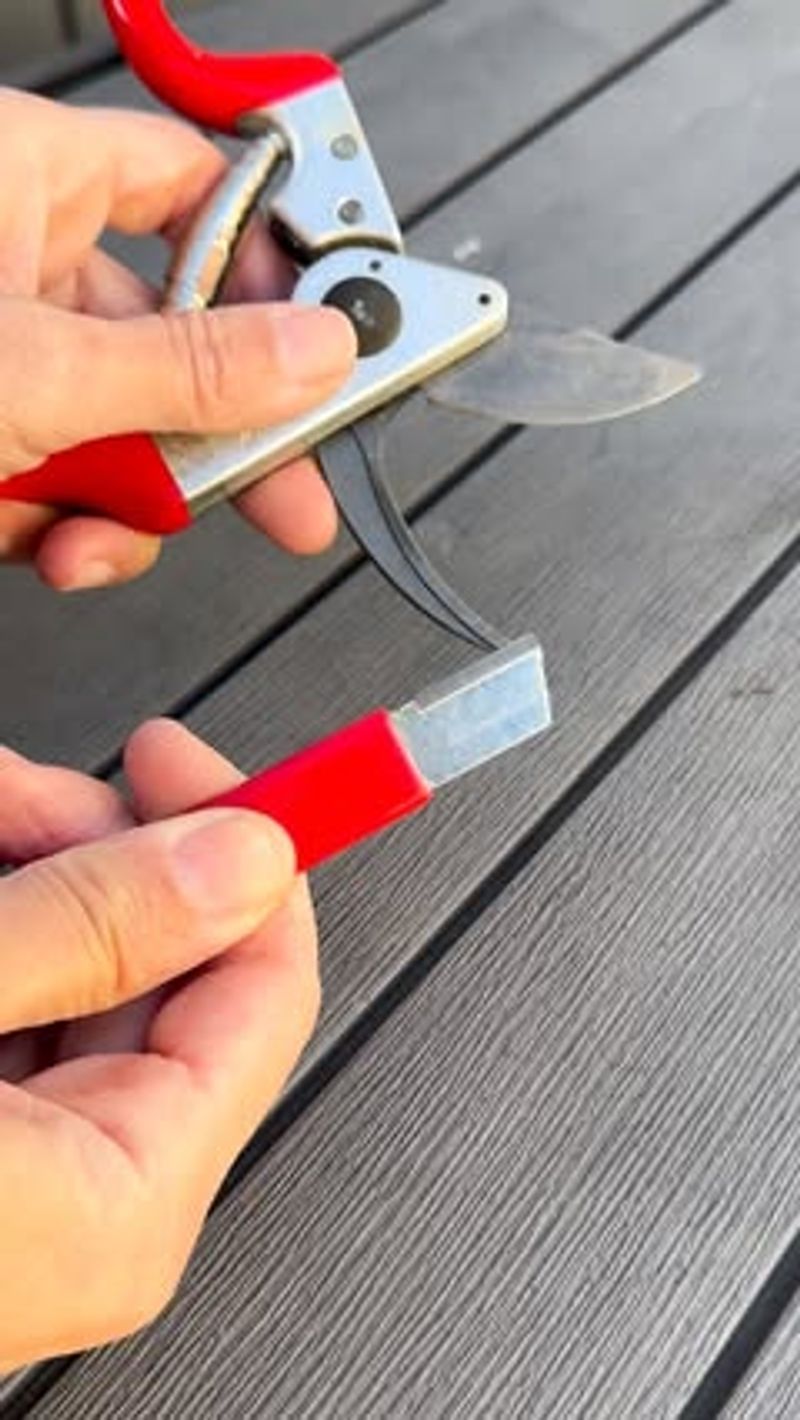
Dull tools are more than just frustrating to use. They actually cause real damage to your plants by tearing through stems and roots rather than making clean cuts, which opens the door to infection and stress.
Taking time now, while the ground is still frozen and there is nothing urgent to do outside, is the perfect opportunity to get everything sharp and ready.
Start by wiping down all metal surfaces with a rag and some oil to remove rust and moisture that built up over winter storage.
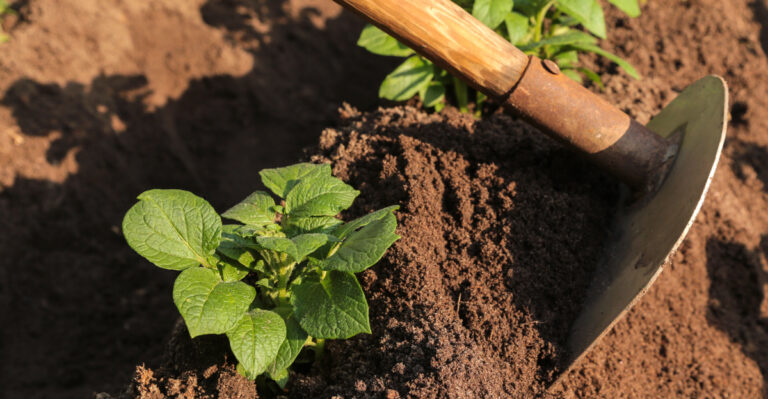
A flat file or sharpening stone works well for hoe blades, spades, and loppers, and the process takes only a few minutes per tool once you get into a rhythm.
Pruners and scissors benefit from a finer sharpening stone and a drop of oil on the pivot point to keep them moving smoothly.
Wooden handles deserve attention too since cracks and splinters can make tools uncomfortable and even unsafe to grip during long planting sessions.
Sand them lightly and rub in a coat of linseed oil to keep the wood strong and protected through another season of hard work.
Hanging tools on a wall-mounted rack rather than leaving them on a concrete floor helps prevent moisture damage going forward. A little maintenance now saves you from replacing expensive tools far sooner than you should have to.
4. Check Tree Guards For Winter Damage
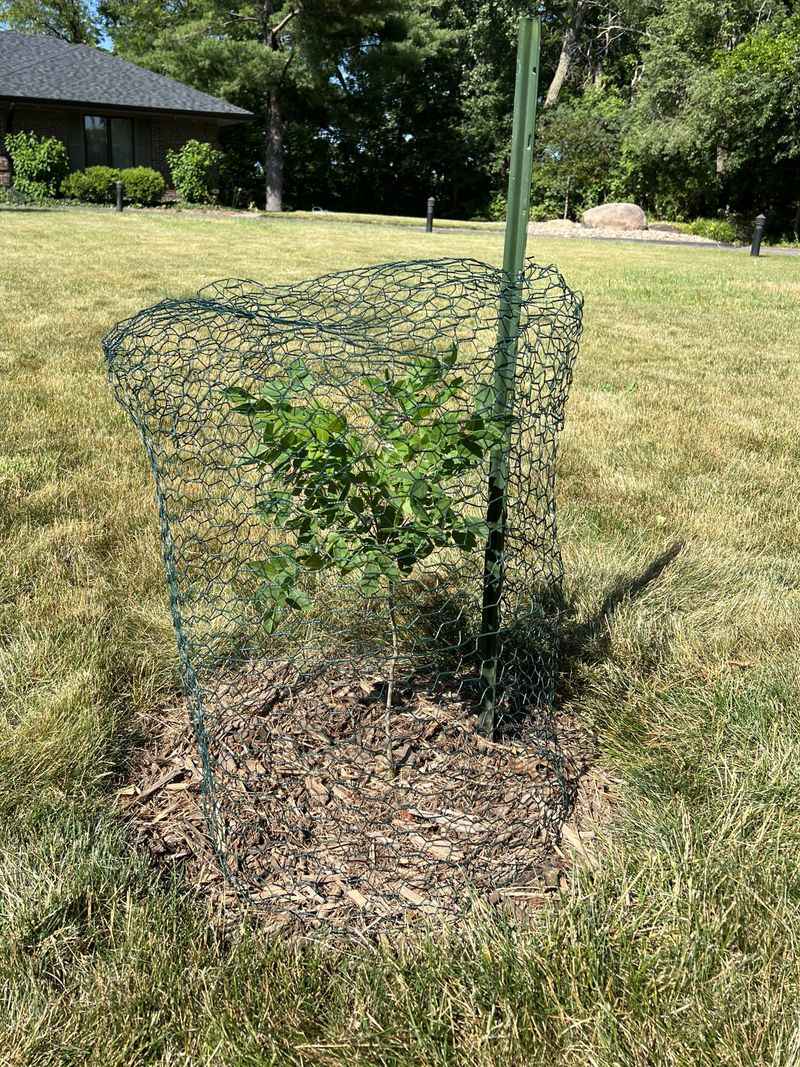
Rabbits and voles are surprisingly bold during Michigan winters, and young tree trunks are one of their favorite targets when food is scarce.
Bark damage from gnawing rodents can girdle a tree, meaning they chew all the way around the trunk and cut off the flow of nutrients between roots and branches.
Catching this early gives you options that simply will not exist once spring growth pushes forward.
Walk your property now and inspect every tree guard, wire mesh cylinder, and spiral wrap you put in place last fall. Check whether guards have shifted, cracked, or been pushed aside by frost heaving or wind.
Even small gaps at the base of a guard can be enough for a determined vole to squeeze through and cause significant damage over a long winter.
If you find chew marks that have not gone all the way around the trunk, the tree may recover on its own with proper care. Deeper or more complete damage may require a technique called bridge grafting, which a certified arborist can help you with.
Replace any guards that are cracked or no longer fitting snugly, and consider switching to a taller wire mesh cylinder for better protection next season.
Getting this checked off your list before spring growth starts means you are giving your young trees the best possible chance to thrive for years to come.
5. Plan And Order Seeds Early
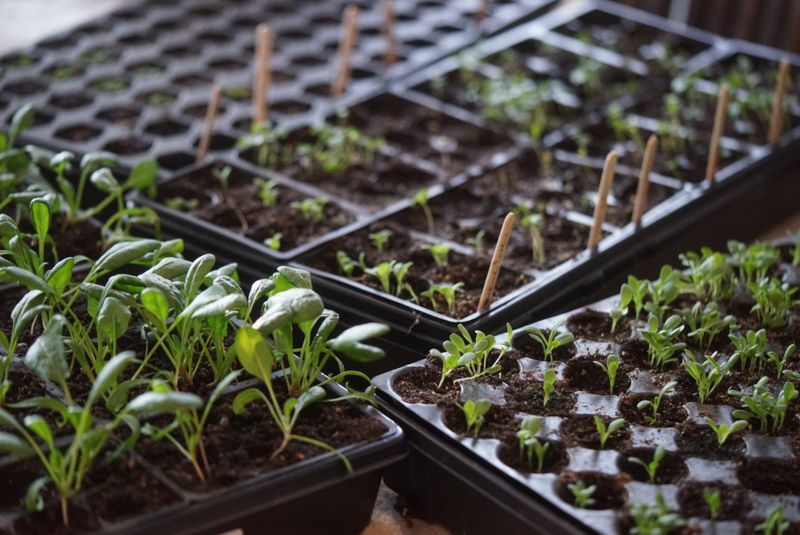
Every experienced Michigan gardener knows the quiet panic of reaching for a favorite tomato variety in March only to find it sold out everywhere.
Seed companies move through popular stock fast, and the gardeners who plan ahead in January and February consistently get the best selection. Ordering early is not just convenient, it is genuinely strategic.
Start by reviewing what worked in your garden last year and what you wished you had grown differently. Write out a rough planting plan based on your available space, your frost dates, and what your household actually eats and enjoys.
Michigan’s last frost typically falls between mid-April and mid-May depending on your region, so knowing your local zone helps you choose varieties with the right days-to-maturity for a successful harvest.
Look for open-pollinated or heirloom varieties if you want to save seeds from your best plants at the end of the season, which can save you money year after year.
Reputable seed companies like Baker Creek, Johnny’s Selected Seeds, and Seed Savers Exchange ship to Michigan and carry varieties well-suited to shorter northern growing seasons.
Once your seeds arrive, store them in a cool, dry location in labeled envelopes or airtight containers until planting time. Having everything organized and ready to go makes those first warm spring days feel exciting rather than chaotic and overwhelming.
6. Test Soil Before Planting Season

Healthy plants start with healthy soil, and the only way to truly know what your soil needs is to test it.
Michigan soils vary widely across the state, from sandy loam in the west to heavier clay-based soils in other regions, and each type comes with its own set of challenges and opportunities.
A soil test takes the guesswork out of fertilizing and amending, saving you money and preventing accidental over-application of nutrients.
Michigan State University Extension offers affordable soil testing kits that you can order online or pick up at your local extension office.
Results typically come back with specific recommendations for lime, sulfur, nitrogen, phosphorus, and potassium based on what you plan to grow.
Testing now, while the ground is beginning to thaw in late winter, gives you enough lead time to order and apply any amendments before your first planting date arrives.
If your soil pH is too low, adding agricultural lime several weeks before planting gives it time to begin raising the pH gradually rather than shocking your plants with a sudden shift.
Compost is always a welcome addition regardless of your test results since it improves drainage in clay soils and water retention in sandy ones.
Treat soil testing as an annual habit rather than a one-time fix, and you will notice your garden becoming more productive and resilient with each passing season in Michigan.
7. Check Drainage And Redirect Meltwater
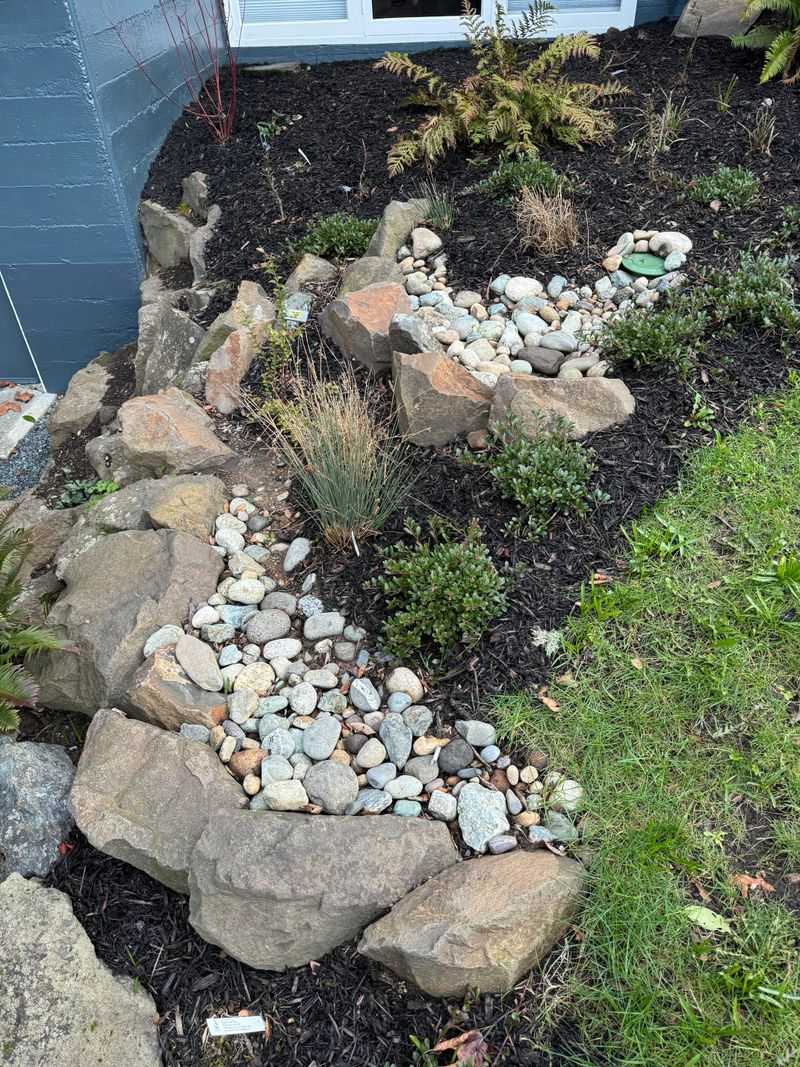
Snowmelt season in Michigan can arrive fast, and when it does, a lot of water moves across your property in a short amount of time.
If that water has nowhere good to go, it pools in low spots, saturates garden beds, and can cause serious root damage to perennials and shrubs that have been sitting in frozen soil all winter.
Watching where water naturally flows during a winter thaw tells you everything you need to know about your drainage situation.
Walk your yard on a mild day when some melting is happening and take note of any areas where water lingers for more than a few hours.
Downspout extensions are an easy first fix since many drainage problems start with gutters that dump water right at the foundation or into garden beds.
Redirecting that flow toward a lawn area, a rain garden, or a gravel drainage strip can solve a surprising number of persistent wet-spot problems.
For more serious low spots in the lawn, a top-dressing of compost and overseeding in early spring can gradually raise the grade and improve water movement over time.
French drains are a more permanent solution for chronically wet areas and involve burying a perforated pipe in a gravel-filled trench to carry water away efficiently.
Addressing drainage now, before the ground is saturated and plants are actively growing, protects everything you have worked hard to establish and keeps your spring garden looking its absolute best.
8. Remove Heavy Snow From Vulnerable Shrubs
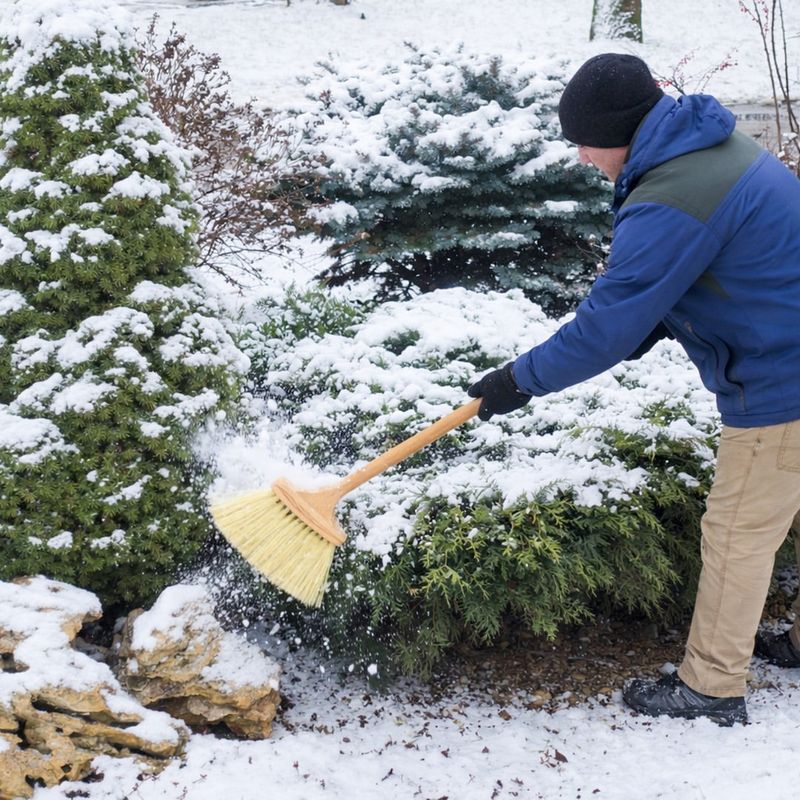
After a heavy wet snowfall, one of the smartest things you can do for your landscape is head outside and gently knock the snow off your shrubs before it has a chance to freeze solid overnight.
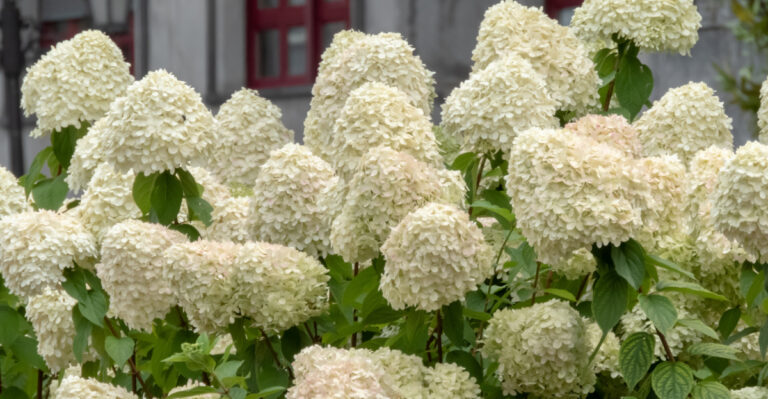
Arborvitae, juniper, boxwood, and hydrangea are especially prone to branch splitting under the weight of wet snow, and once a branch breaks at the main stem, the structural damage is permanent. Acting quickly makes a real difference.
Use a soft broom or your gloved hands to sweep upward from the bottom of the shrub rather than pushing down from the top.
Pushing down compresses the branches and can cause the same breakage you are trying to prevent, while sweeping upward mimics the natural way snow slides off when it melts.
Work gently and patiently, especially on evergreens with dense branch structures that tend to hold more snow weight.
If a branch does bend significantly but has not fully snapped, you may be able to loosely tie it back toward the main stem with soft garden twine and allow it to recover its shape over the coming weeks.
Avoid trying to force frozen branches back into position since cold wood is brittle and more likely to break under pressure.
Checking your shrubs after every major snowfall through late winter is a habit that pays off in a landscape that looks full, healthy, and beautifully shaped when spring finally arrives in Michigan.
9. Inspect Perennials For Frost Heaving
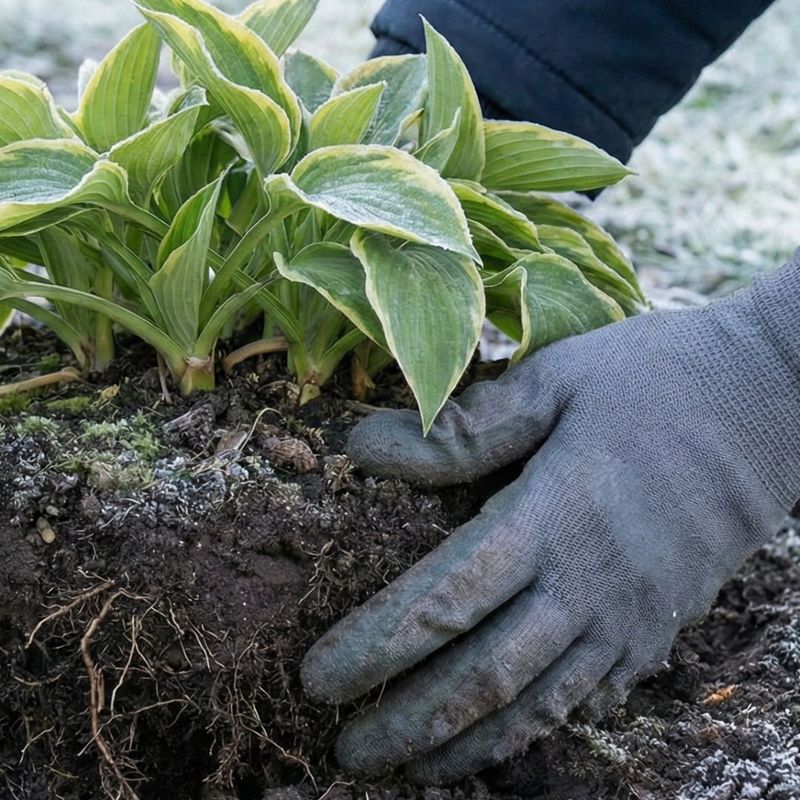
Frost heaving is one of those quiet problems that catches Michigan gardeners off guard every single year.
When the ground goes through repeated freeze-thaw cycles, soil expands and contracts, and shallow-rooted perennials can get pushed right out of the ground with their roots exposed to cold air and drying winds.
Plants like coral bells, creeping phlox, and newly planted perennials are especially vulnerable to this kind of displacement.
Walk your garden beds in late winter and look for plants that appear to be sitting higher than the surrounding soil or have visible roots above ground. Gently press them back down and firm the soil around the crown to restore good root-to-soil contact.
If the ground is still frozen solid, wait for a mild day when the top inch or two has softened enough to work with without compacting the soil beneath.
Adding a layer of mulch after you replant any heaved perennials helps moderate soil temperature and slow down the freeze-thaw cycle that caused the problem in the first place.
Two to three inches of shredded wood mulch or straw works well and should be pulled slightly back from the plant crown to prevent moisture buildup right at the base.
Making this inspection a regular part of your late-winter routine keeps your perennial garden looking full and intentional rather than patchy and uneven when warmer days finally arrive in Michigan.
10. Prepare Cold Frames And Raised Beds
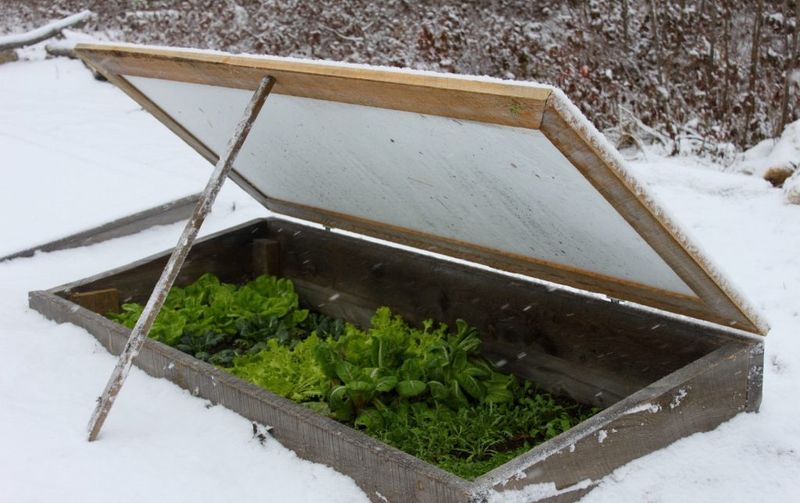
Raised beds are one of the best investments a Michigan gardener can make, and one of their biggest advantages is how much faster they warm up compared to ground-level soil in spring.
Getting them prepped now, before the gardening rush hits, means you will be ready to plant cool-season crops like lettuce, spinach, and kale weeks ahead of your neighbors who are still waiting on cold ground to thaw.
That head start adds up to real, harvestable food much sooner.
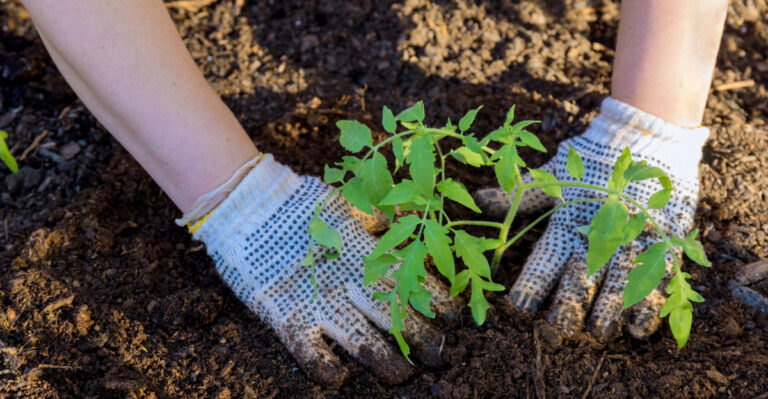
Top off your raised beds with a few inches of quality compost to replace what broke down over the growing season and give your spring crops a nutrient-rich environment to establish in.
Check the structure of the bed itself for any boards that have warped, cracked, or shifted over winter and make repairs before filling it back up.
A solid, well-maintained bed will serve you for many seasons without needing to be rebuilt from scratch.
Cold frames are essentially unheated mini-greenhouses that sit directly over a garden bed and trap solar heat to extend your growing season on both ends of the year.
A simple cold frame made from an old storm window propped over a low wooden frame can push your planting date back by three to four weeks in Michigan.
Position it on the south-facing side of a structure for maximum sun exposure and you will be harvesting fresh greens long before the official spring planting season even begins.