9 Garden Tasks Ohio Homeowners Should Finish Before Spring Starts
Late winter in Ohio feels quiet, but the smartest gardeners know this is when next season truly begins. While snow still lingers and the garden looks asleep, a short window opens to set everything up for a strong, healthy spring.
The difference between a struggling yard and a thriving one often comes down to what gets done right now.
A few well-timed tasks can wake up your soil, protect your plants, and prevent problems before they ever start. You do not need perfect weather or fancy tools, just a little preparation and a clear plan.
Knock out these essential tasks now, and when spring finally arrives, your Ohio garden will already be one step ahead and ready to explode with life.
1. Clean Up Winter Debris From Beds And Lawn
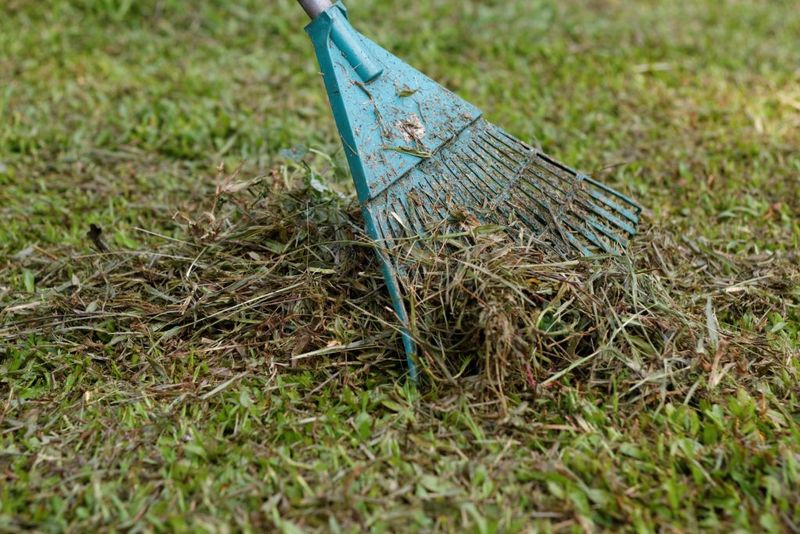
Winter leaves behind a surprising amount of mess in Ohio gardens. Fallen branches, matted leaves, and deceased plant material accumulate over months of cold weather, creating layers that block sunlight and trap moisture against the soil.
Removing this debris before spring growth begins helps your garden in several important ways. First, it eliminates hiding spots for overwintering pests and disease spores that could damage emerging plants.
Second, it allows soil to warm up faster when temperatures rise, giving your plants an earlier start.
Ohio State University Extension notes that heavy leaf cover can delay soil warming by several weeks, which matters significantly in our relatively short growing season. Rake beds gently to avoid disturbing shallow bulbs or perennial crowns just beginning to wake up.
Collect larger branches and twigs that could interfere with mowing or damage tender new shoots. Compost healthy plant debris, but discard anything showing signs of disease or pest infestation to prevent spreading problems.
Pay special attention to areas around the base of shrubs and trees where debris tends to pile up. A thorough cleanup now means cleaner beds, healthier plants, and less work once everything starts growing rapidly in April and May.
2. Prune Trees And Shrubs Before New Growth Begins
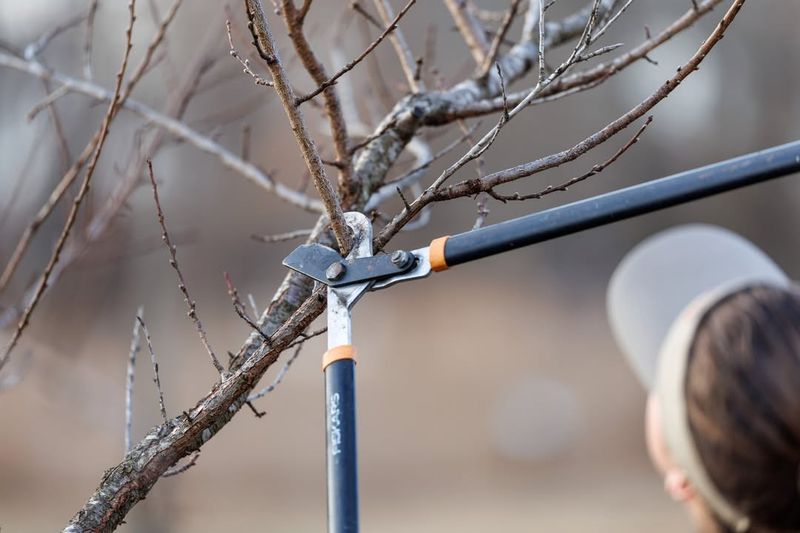
Late winter pruning takes advantage of plant dormancy when trees and shrubs are resting and their structure is clearly visible without leaves. This timing minimizes stress on plants and reduces the risk of disease transmission that increases during the growing season.
Focus first on removing any branches damaged by winter storms, ice, or heavy snow. Broken or cracked wood provides entry points for insects and pathogens, so cutting it back to healthy tissue protects the overall plant health.
Next, look for branches that cross or rub against each other, creating wounds that weaken both limbs. Remove the smaller or less favorably positioned branch to improve air circulation and structure.
Ohio State University horticulture guidance recommends pruning most deciduous trees and shrubs between late February and early April, before buds break. Make clean cuts just above outward-facing buds to encourage growth in the desired direction.
Avoid pruning spring-blooming shrubs like lilacs and forsythia now since they set flower buds the previous summer. Wait until right after they finish blooming to shape these plants.
Proper pruning encourages stronger growth, better flowering, and healthier plants throughout the growing season while preventing problems that would be harder to address later.
3. Test Soil And Plan Necessary Amendments
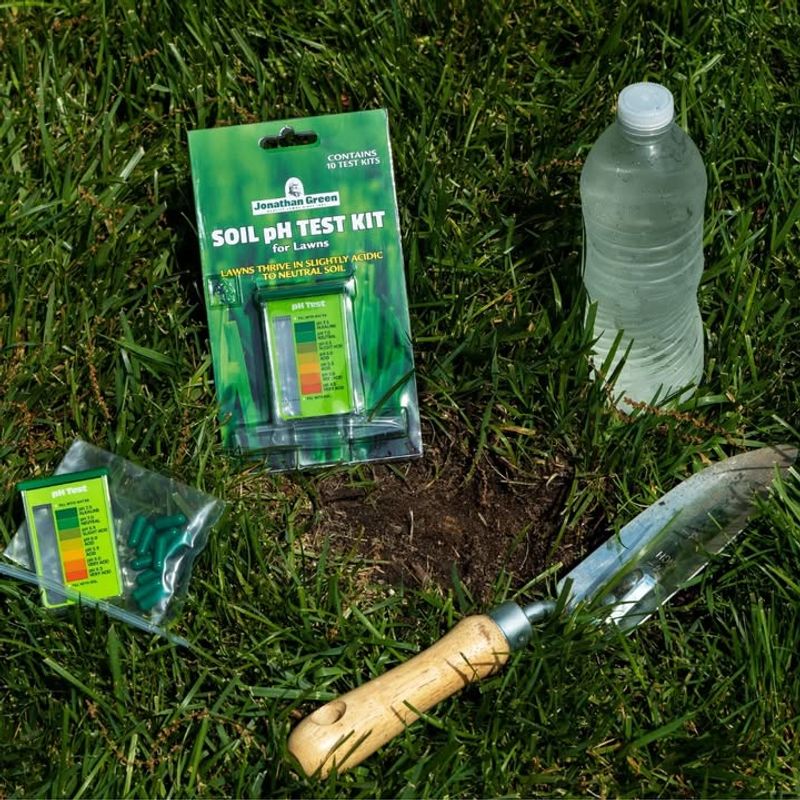
Understanding your soil’s current condition gives you a huge advantage before planting season begins. A proper soil test reveals pH levels, nutrient content, and organic matter percentage, taking the guesswork out of fertilizing and amending.
Ohio State University Extension offers affordable soil testing through county offices, providing detailed results and specific recommendations for your garden goals. Collect samples from different garden areas since soil composition can vary significantly even within a small yard.
Take samples when soil is workable but not saturated, usually in late February or March in most Ohio locations. Dig down about six inches, mix soil from several spots in each area, and follow testing instructions carefully for accurate results.
Test results typically arrive within two weeks and tell you exactly what your soil needs. You might discover pH is too low for certain vegetables, nitrogen levels need boosting, or phosphorus is adequate but potassium is lacking.
With results in hand, you can purchase the right amendments and work them into beds before planting. Lime takes several weeks to adjust pH, so early application ensures it’s effective when you need it.
Testing every few years keeps you informed about changing soil conditions and prevents over-fertilizing, which wastes money and can harm plants.
4. Sharpen And Prepare Garden Tools For The Season
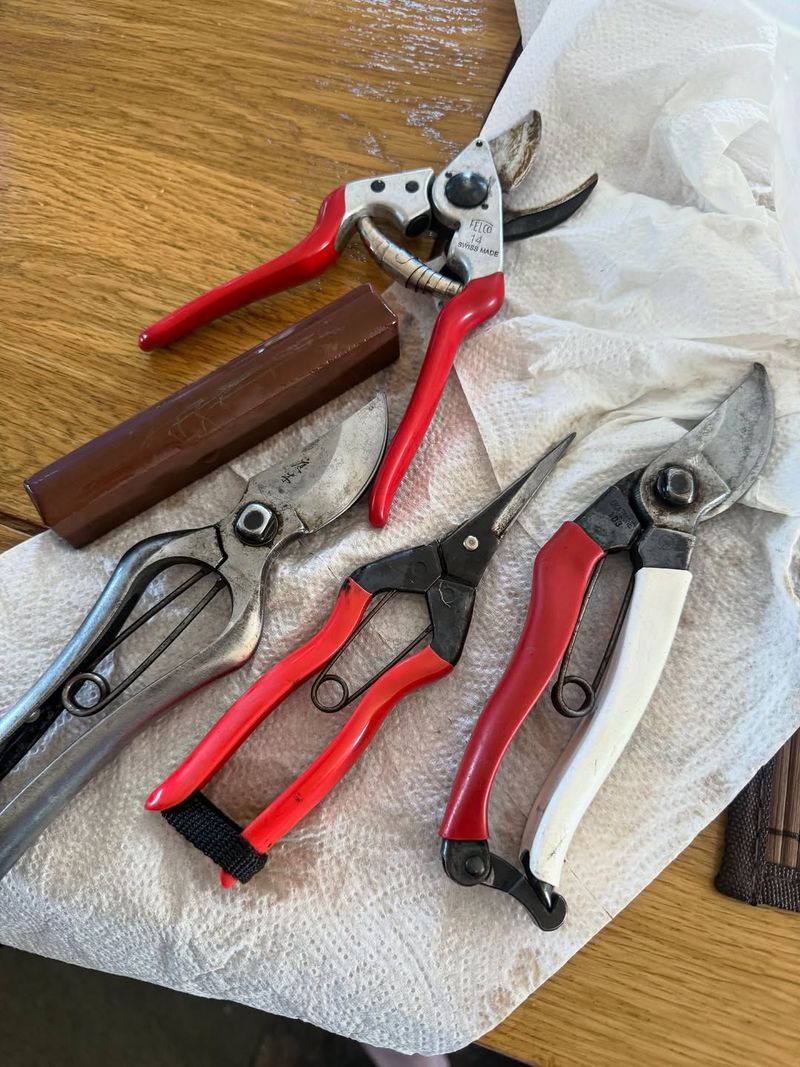
Sharp, clean tools make every garden task easier and protect plant health by making clean cuts that heal quickly. Dull blades tear and crush plant tissue, creating ragged wounds that take longer to heal and invite disease.
Start by cleaning each tool thoroughly, removing dried soil, sap, and rust. Use a wire brush or steel wool for stubborn buildup, then wipe everything down with a cloth dampened with rubbing alcohol to disinfect.
Sharpen pruning shears, loppers, hoes, and spade edges using a file or sharpening stone. Work at the original bevel angle, making smooth strokes away from your body.
Even modest sharpening makes a noticeable difference in cutting performance.
Apply a light coat of oil to metal parts to prevent rust during storage and keep moving parts functioning smoothly. Linseed oil works well for wooden handles, preventing drying and cracking that weakens the tool over time.
Check handles for splinters or cracks that could cause blisters or break during use. Replace or repair damaged handles before the busy season begins.
Inspect hoses for leaks and replace worn washers in spray nozzles.
Organized, maintained tools save time and frustration when spring arrives and you’re eager to get planting. Spending an afternoon on tool maintenance now pays off all season long.
5. Start Seeds Indoors For Early Spring Crops
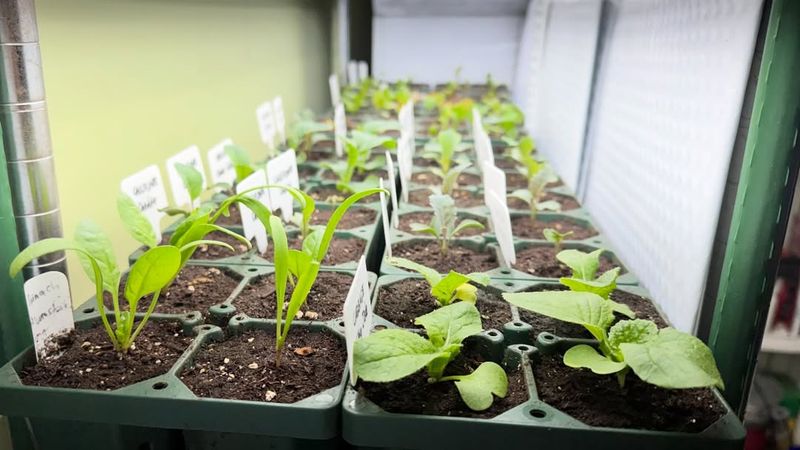
Indoor seed starting extends Ohio’s growing season by giving plants a head start before outdoor conditions are suitable. Cool-season crops like broccoli, cabbage, and lettuce benefit especially from early starts that allow harvest before summer heat arrives.
Timing matters significantly for successful transplants. Ohio gardeners typically start seeds six to eight weeks before the last expected frost, which falls around mid-April in central Ohio but varies slightly by region.
Use a quality seed-starting mix rather than garden soil, which is too heavy and may contain pathogens. Sterile mixes provide good drainage while retaining moisture, giving seeds the best environment for germination.
Place containers in a warm location and provide consistent moisture without waterlogging. Most seeds germinate best at temperatures between 65 and 75 degrees Fahrenheit.
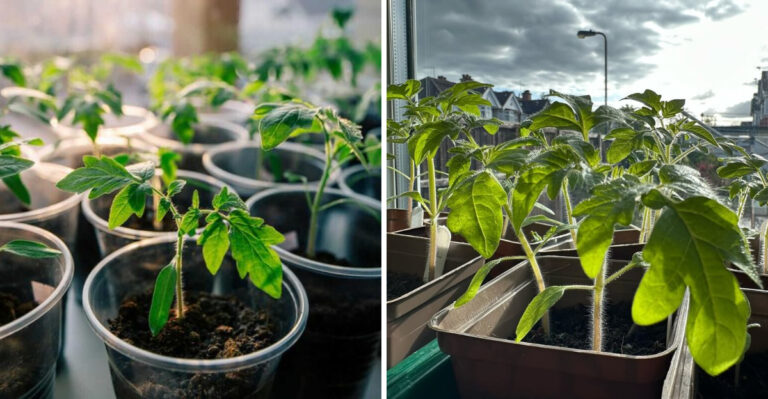
Once seedlings emerge, they need strong light to prevent stretching and weak growth. A sunny south-facing window works for some plants, but supplemental grow lights positioned just inches above seedlings produce stronger transplants.
Ohio State University Extension recommends gradually hardening off seedlings before transplanting by exposing them to outdoor conditions for increasing periods over seven to ten days. This adjustment period prevents transplant shock and helps young plants establish quickly once moved to the garden, giving you earlier harvests and healthier crops.
6. Divide Overgrown Perennials For Healthier Plants
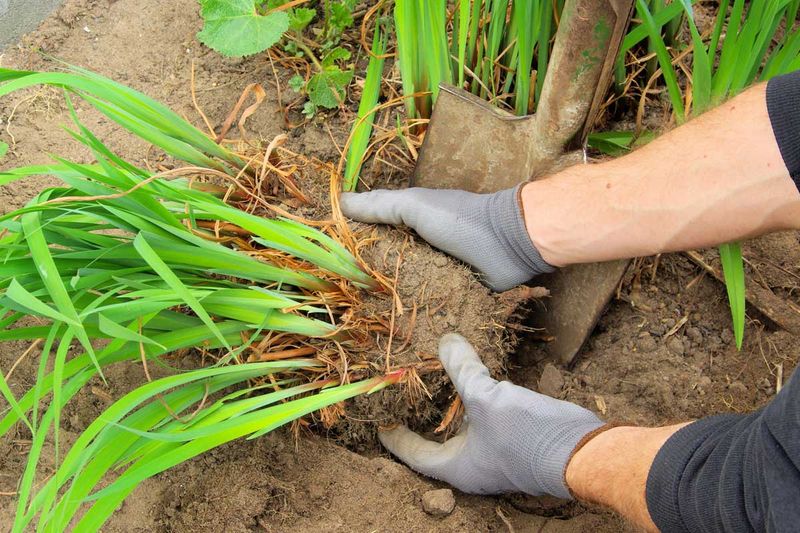
Perennials that have grown in the same spot for several years often become crowded, with dense root systems competing for nutrients and water. Division rejuvenates these plants, encouraging vigorous growth and better flowering in the coming season.
Late winter and early spring, before active growth begins, is ideal for dividing most perennials in Ohio gardens. The cool, moist conditions help divided plants establish new roots before summer heat arrives.
Look for perennials with declining bloom production, withered centers, or crowns pushing up out of the soil. These signs indicate plants that will benefit from division.
Hostas, daylilies, and ornamental grasses are common candidates.
Dig around the entire root mass, lifting the clump carefully to preserve as many roots as possible. Use a sharp spade or knife to cut through tough root systems, creating divisions with several healthy shoots and adequate roots.
Replant divisions at the same depth they were growing previously, spacing them appropriately for their mature size. Water thoroughly after planting to settle soil around roots and eliminate air pockets.
Division not only improves the health of existing plants but also gives you extras to fill other garden areas or share with neighbors. Research from university horticulture programs shows that regular division keeps perennials productive and attractive for many years.
7. Inspect Raised Beds And Repair Any Damage
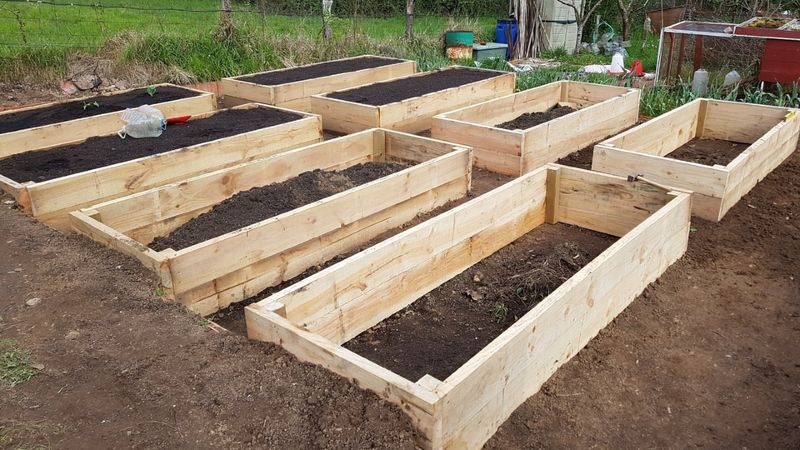
Raised beds endure significant stress from freezing temperatures, moisture cycles, and soil pressure throughout Ohio winters. Wood can rot, fasteners can loosen, and boards can warp or crack, compromising structural integrity before the growing season begins.
Walk around each bed carefully, checking corners and joints where stress concentrates. Push against sides to test for movement or weakness that could worsen once beds are filled with plants and regular watering begins.
Replace any rotted or severely damaged boards before they fail completely. Untreated cedar and other rot-resistant woods last longer than pine or other softwoods in ground contact.
Tighten loose screws or bolts, and add reinforcement where needed. Corner brackets can strengthen wobbly joints and extend bed life by several years.
Check soil levels inside beds, which often settle over winter. Top off with fresh compost or garden soil to restore proper depth for root growth.
Adequate soil depth matters for most vegetables, which need at least eight to twelve inches for healthy development.
Inspect irrigation lines if you use drip systems or soaker hoses. Repair leaks and clear clogged emitters before planting begins.
Well-maintained raised beds provide excellent growing conditions and last many years longer than neglected structures, making pre-season inspection time well spent.
8. Apply Fresh Mulch To Protect And Nourish Soil

A fresh layer of mulch provides multiple benefits that improve garden performance throughout the growing season. Mulch moderates soil temperature, retains moisture, suppresses weeds, and gradually breaks down to add organic matter that enriches soil structure.
Wait until soil has warmed slightly before mulching in spring, usually late March or early April in most Ohio locations. Mulching too early can trap cold in the soil and delay plant growth.
Apply two to three inches of organic mulch like shredded bark, wood chips, or compost around plants, keeping it a few inches away from stems and trunks. Mulch piled against plants can trap moisture and encourage rot or provide shelter for pests.
Ohio State University Extension research shows that mulched gardens require less frequent watering and have fewer weeds than unmulched areas. The moisture retention benefit becomes especially valuable during Ohio’s occasional dry spells in late spring and summer.
As mulch decomposes, it feeds beneficial soil organisms and improves soil structure gradually over time. This slow nutrient release supports plant health without the risk of over-fertilizing that comes with synthetic products.
Replenish mulch annually since it breaks down and thins over time. A consistent mulch layer creates a more stable growing environment and reduces garden maintenance throughout the season while improving long-term soil quality.
9. Plan Crop Rotation And Garden Layout Early
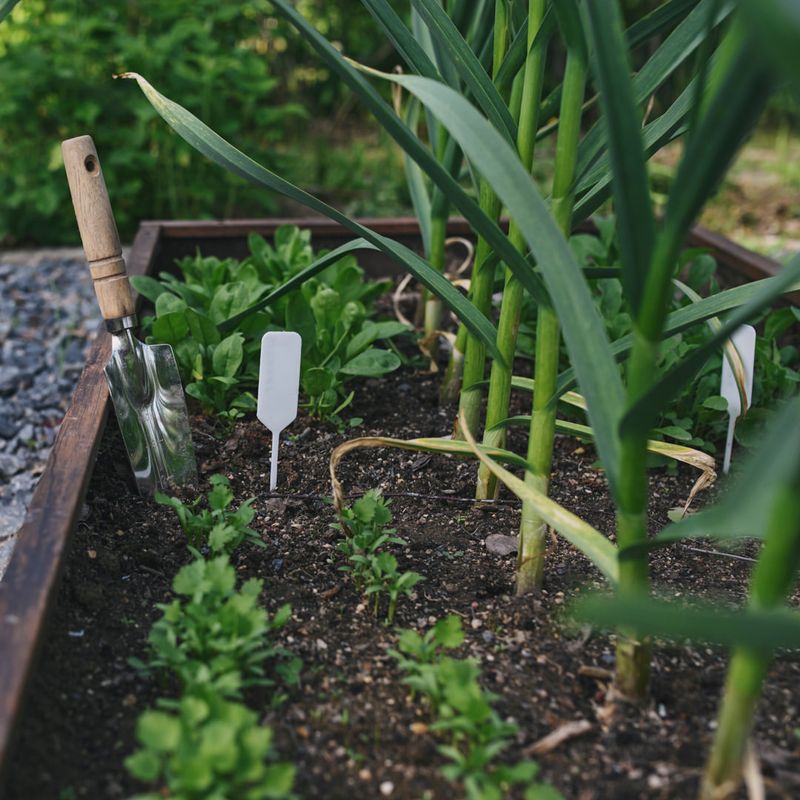
Thoughtful garden planning before planting prevents problems and maximizes productivity throughout the growing season. Crop rotation, the practice of growing different plant families in different locations each year, reduces pest and disease buildup while balancing soil nutrient use.
Vegetables in the same family often share pests and diseases, so rotating them disrupts pest life cycles. Tomatoes, peppers, and eggplants are all nightshades and should move to different beds each year to prevent soilborne disease accumulation.
Different crops also use nutrients differently. Heavy feeders like tomatoes and corn deplete soil nitrogen, while legumes like beans and peas actually add nitrogen through their root systems.
Strategic rotation maintains soil fertility naturally.
Sketch your garden layout on paper, noting what grew where last season. Plan to move each crop family to a new location, ideally following heavy feeders with nitrogen-fixing legumes or light feeders like root vegetables.
Consider sun exposure, water access, and spacing requirements as you design your layout. Tall crops like corn can shade shorter plants, so position them on the north side of beds where they won’t block sun from other vegetables.
USDA and university extension services provide crop rotation guides specific to common vegetables. Planning now, while you have time to think through details, leads to better organization and fewer problems once the busy planting season arrives.