10 Garden Tasks Oregon Homeowners Should Finish Before March
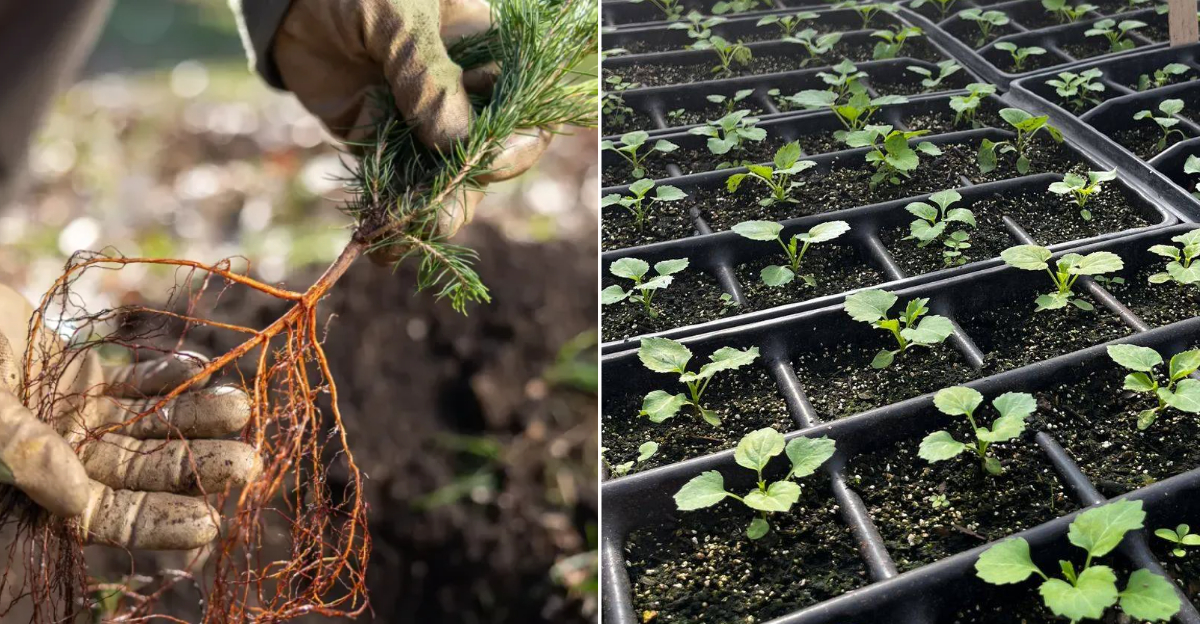
It’s easy to think of winter as a quiet pause in the garden, but in Oregon, the weeks before March are actually prime time to get a few things done.
I’ve had mornings where I step outside with a cup of coffee and realize, “If I don’t tackle this now, it’ll be chaos when spring hits.”
A little prep goes a long way.
From cleaning up beds and checking tools to pruning certain shrubs and prepping soil, finishing these tasks now saves headaches later.
Oregon’s mix of wet winters and early spring growth can turn small problems into bigger ones if you wait too long.
Spending a few focused hours now makes planting season smoother, healthier, and a lot more enjoyable.
Get a head start on spring!
1. Prune Your Fruit Trees
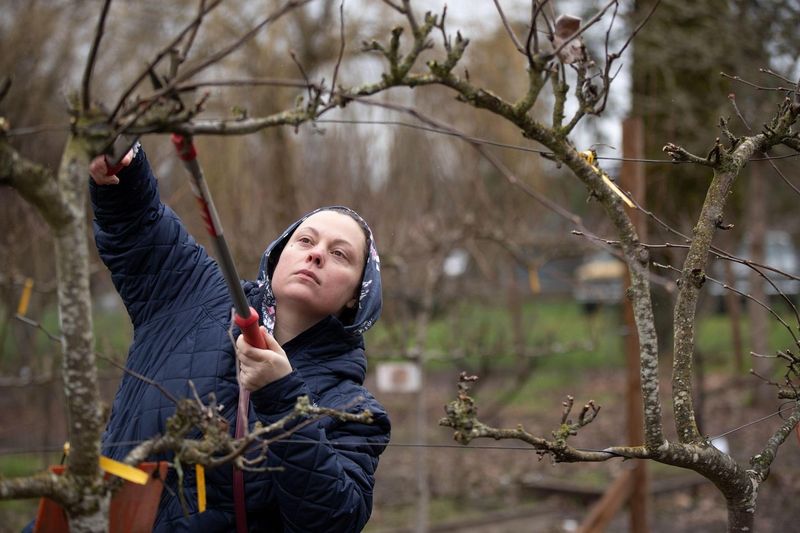
Late winter is the perfect window for shaping fruit trees before they wake up from dormancy.
Branches are bare, so you can see the structure clearly and make smart cuts that improve airflow and light penetration.
Apples, pears, cherries, and plums all benefit from a good trim right now.
Start by removing any damaged, diseased, or crossing branches that rub against each other.
Then focus on opening up the center of the tree to create a balanced shape.
This helps sunlight reach the inner branches and reduces the risk of fungal problems during Oregon’s damp spring months.
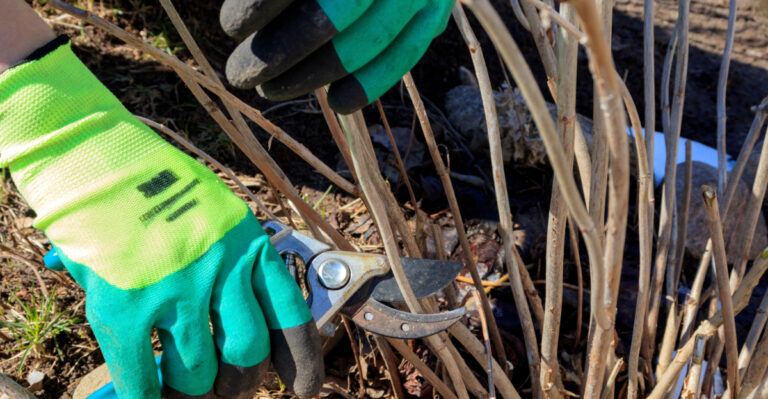
Use sharp, clean pruning shears to make smooth cuts at a slight angle just above a bud.
Avoid cutting too close or leaving long stubs, which can invite pests and disease.
If you have older trees, consider thinning out some of the smaller branches to encourage stronger growth.
Younger trees need lighter pruning to establish a strong framework.
Finish by collecting all the clippings and composting them if they are healthy, or disposing of diseased material properly.
Pruning now means better fruit production and healthier trees all season long.
2. Test And Amend Your Soil
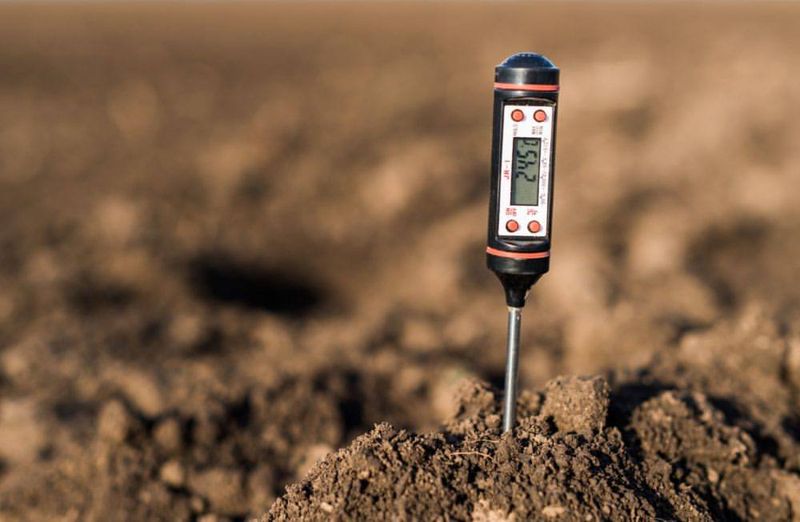
Healthy soil is the foundation of a thriving garden, and testing it now gives you time to make adjustments before planting season.
Oregon soils can be acidic, heavy with clay, or lacking in key nutrients depending on where you live.
Pick up a soil test kit from your local garden center or send a sample to the OSU Extension Service for detailed results.
The test will tell you the pH level and nutrient content, so you know exactly what your garden needs.
Most vegetables and flowers prefer a pH between 6.0 and 7.0, so you might need to add lime to raise the pH or sulfur to lower it.
If your soil is heavy clay, mixing in compost or aged manure improves drainage and adds organic matter.
Sandy soils benefit from compost too, which helps them hold moisture and nutrients better.
Spread amendments evenly across your beds and work them into the top few inches of soil with a garden fork or tiller.
Doing this now allows the amendments to break down and integrate before you start planting in March or April.
Well-prepared soil means stronger roots, healthier plants, and bigger harvests all summer long.
3. Clean And Sharpen Garden Tools
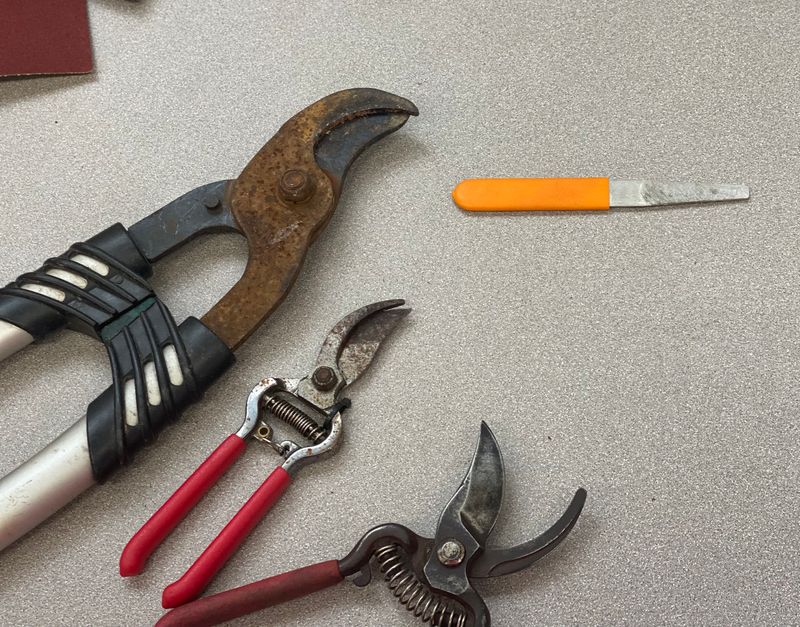
Your tools work hard all season, and a little maintenance now keeps them in top shape for the busy months ahead.
Rusty, dull blades make every job harder and can damage plants or spread disease.
Start by scrubbing off dried mud and debris with a stiff brush and warm soapy water.
Rinse everything thoroughly and dry each tool completely to prevent rust from forming.
Next, sharpen the blades on shovels, hoes, pruners, and shears using a metal file or sharpening stone.
Hold the file at the same angle as the existing bevel and push it across the blade in smooth, even strokes.
Sharp tools cut cleanly through roots and stems, which helps plants heal faster and stay healthier.
Once everything is clean and sharp, apply a thin coat of oil to metal parts to protect against moisture.
Check wooden handles for splinters or cracks, and sand them smooth if needed.
Replace any broken handles or worn-out parts before you need them in a hurry.
Store your tools in a dry spot where they will stay protected from the rain.
Taking care of your equipment now saves money and makes spring gardening so much more enjoyable.
4. Divide Overgrown Perennials
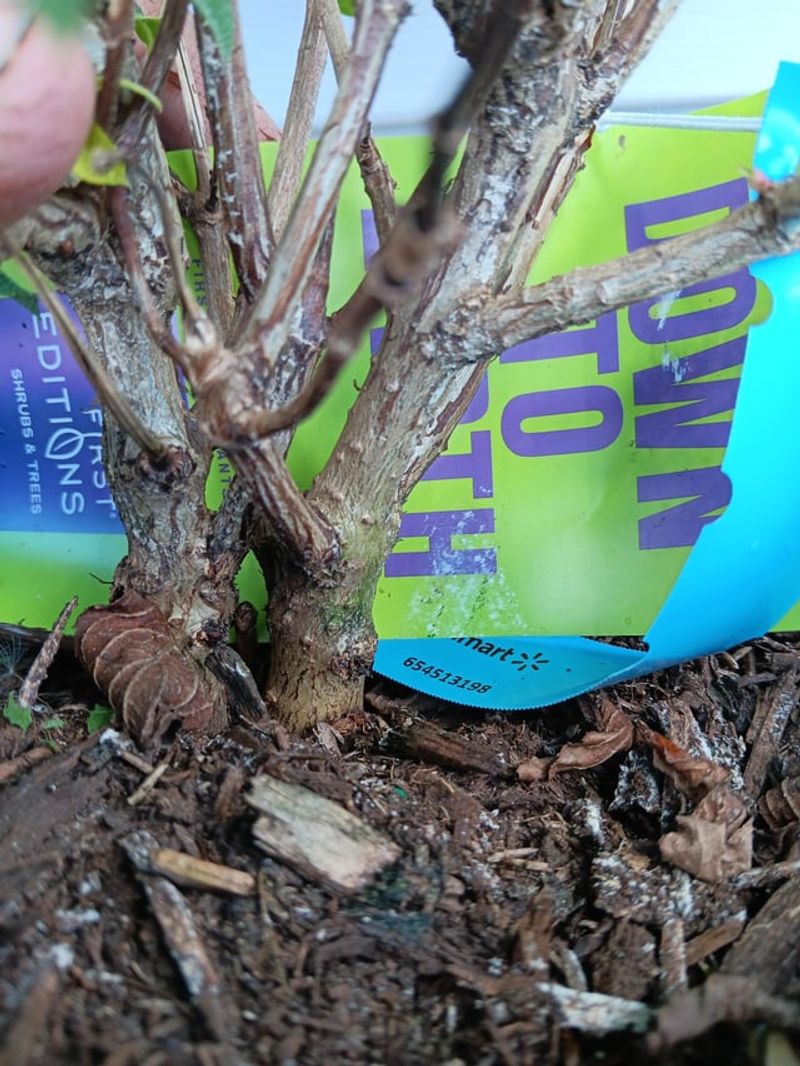
Perennials are tough plants that come back year after year, but they can get crowded and bloom less over time.
Dividing them now refreshes the plants and gives you extras to spread around the garden or share with friends.
Hostas, daylilies, ornamental grasses, and asters all benefit from being split every few years.
Wait for a dry day when the soil is workable but not frozen or soggy.
Dig up the entire clump using a spade or garden fork, working carefully around the roots.
Shake off excess soil so you can see where the natural divisions are.
Use your hands, a sharp knife, or two garden forks back-to-back to separate the clump into smaller sections.
Each new piece should have healthy roots and at least a few shoots or buds.
Replant the divisions at the same depth they were growing before, spacing them out so they have room to spread.
Water them well to help the roots settle in.
Dividing perennials encourages stronger growth, more flowers, and a fuller garden.
Plus, it feels great to multiply your plants without spending a dime.
5. Apply Mulch To Garden Beds
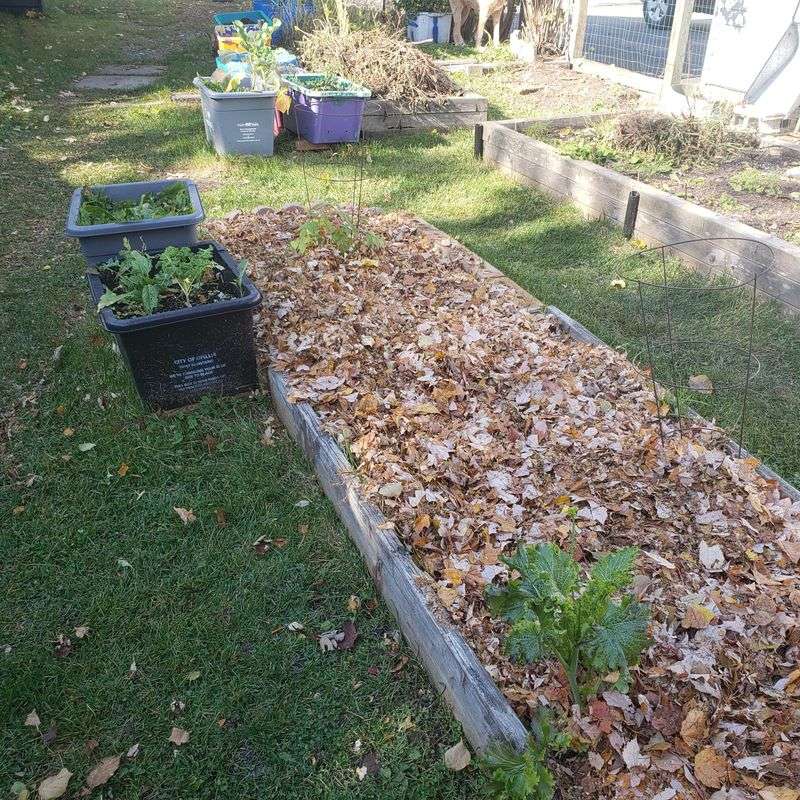
Mulch is one of the easiest ways to protect your soil and give your garden a polished, finished look.
Spreading a fresh layer now helps suppress weeds, retain moisture, and regulate soil temperature as spring approaches.
Organic mulches like bark chips, straw, or compost break down slowly and add nutrients to the soil over time.
Start by pulling any weeds that have popped up during the winter months.
Then spread a layer of mulch about two to three inches thick across your beds, keeping it a few inches away from plant stems and tree trunks.
Piling mulch against stems can trap moisture and encourage rot or pests.
Mulch also helps prevent soil erosion during heavy Oregon rains, which can wash away valuable topsoil.
In vegetable beds, straw or shredded leaves work well and can be turned into the soil at the end of the season.
Around shrubs and perennials, bark or wood chips provide long-lasting coverage
Mulching now means less watering, fewer weeds, and healthier plants throughout the growing season.
It also makes your garden look neat and cared for, even before the flowers start blooming.
6. Inspect And Repair Garden Structures
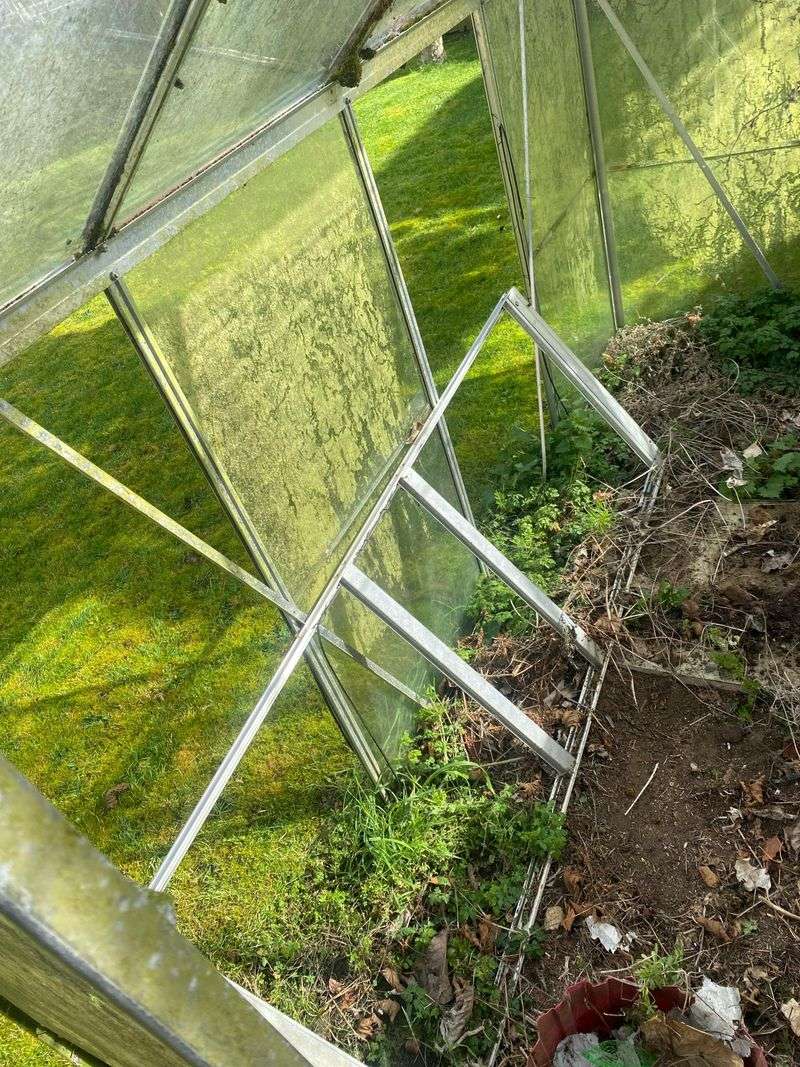
Winter weather can be rough on fences, trellises, raised beds, and other garden structures.
Taking time now to check for damage and make repairs prevents bigger problems later.
Walk through your garden and look for loose boards, wobbly posts, or rusted hardware.
Wooden raised beds sometimes develop cracks or rot after months of rain and cold.
Replace any damaged boards and reinforce corners with metal brackets if needed.
Trellises and arbors should be sturdy enough to support climbing plants once they start growing.
Tighten screws, replace broken slats, and check that everything is firmly anchored in the ground.
Fences might have loose pickets or sagging gates that need attention.
A little wood glue, a few screws, or a coat of weatherproof stain can extend the life of your structures for years.
If you have a greenhouse or cold frame, inspect the glazing for cracks and make sure the vents open and close smoothly.
Fixing things now means you can focus on planting and enjoying your garden once spring arrives.
Plus, well-maintained structures look better and last longer.
7. Plant Bare-Root Trees And Shrubs
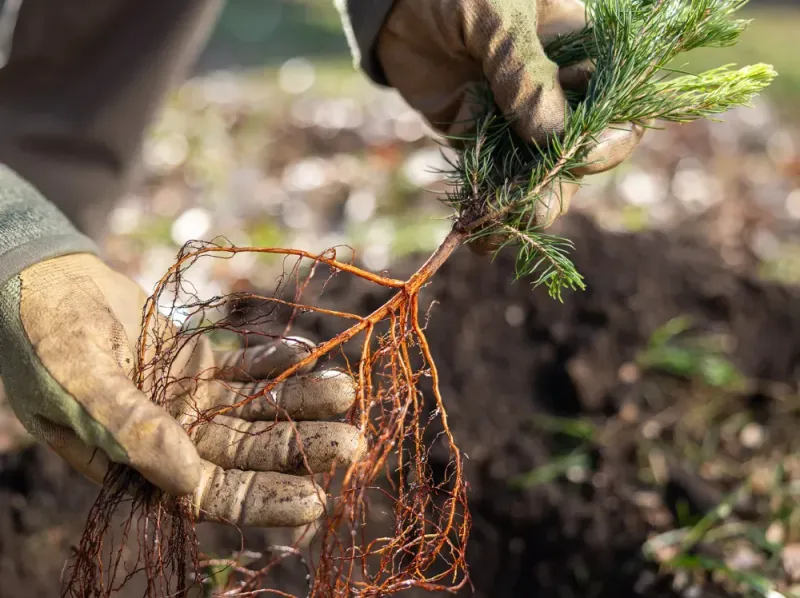
February is prime time for planting bare-root trees and shrubs in Oregon, before they break dormancy.
Bare-root plants are less expensive than potted ones and often establish faster because their roots spread out naturally.
Fruit trees, roses, berries, and ornamental shrubs are commonly sold this way at nurseries and garden centers.
Choose a dry day when the soil is not waterlogged or frozen.
Dig a hole wide enough to spread the roots out comfortably, but not deeper than the root crown.
The crown should sit at or just above ground level to prevent rot.
Soak the roots in water for a few hours before planting to rehydrate them.
Place the plant in the hole, spread the roots evenly, and backfill with native soil mixed with a bit of compost.
Firm the soil gently around the roots and water thoroughly to eliminate air pockets.
Mulch around the base to conserve moisture and protect the roots from temperature swings.
Planting now gives trees and shrubs time to settle in before the spring growth spurt begins.
They will have stronger roots and better survival rates than plants installed later in the season.
8. Start Seeds Indoors
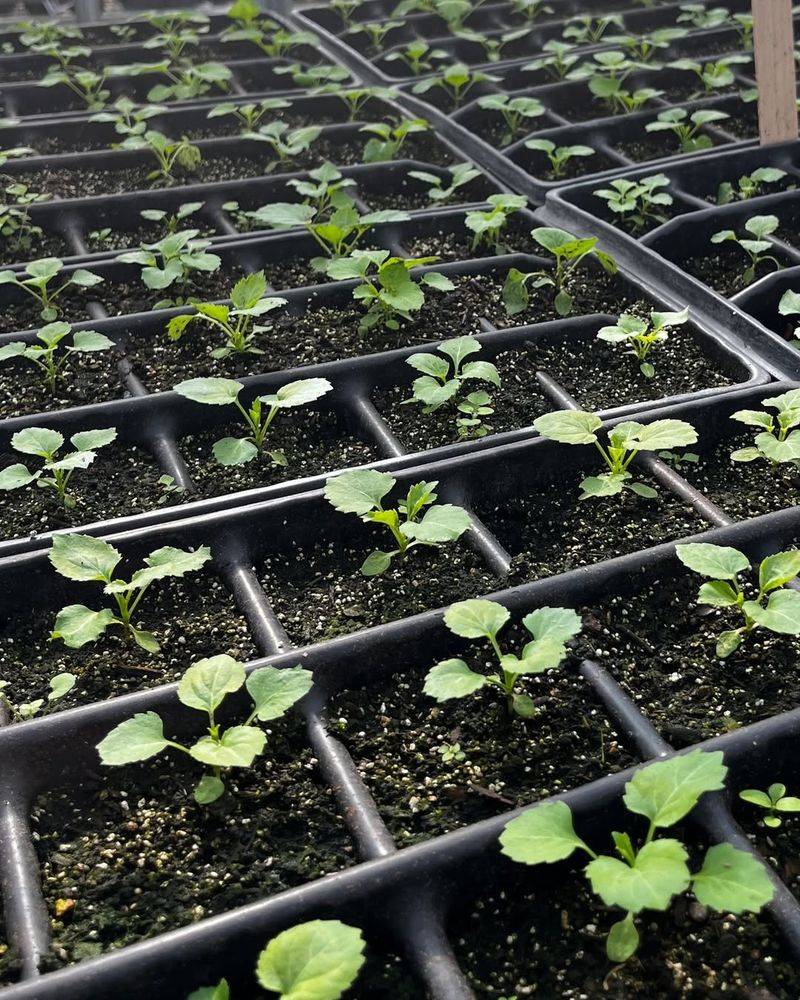
If you want homegrown tomatoes, peppers, or flowers by summer, now is the time to start seeds indoors.
Oregon’s cool spring means tender plants need a head start in a warm, protected environment.
Gather seed trays, pots, or recycled containers with drainage holes, and fill them with a light, sterile seed-starting mix.
Moisten the mix before planting so the seeds settle in evenly.
Sow seeds at the depth recommended on the packet, usually two to three times the size of the seed.
Cover the trays with plastic wrap or a humidity dome to keep moisture in until the seeds sprout.
Place them in a warm spot, like on top of the refrigerator or near a heating mat.
Once seedlings emerge, move them to a bright windowsill or under grow lights for at least 12 hours a day.
Keep the soil moist but not soggy, and turn the trays daily so seedlings grow straight.
Starting seeds indoors saves money and gives you access to varieties you might not find at the store.
By the time the weather warms up, your seedlings will be strong and ready to transplant outside.
9. Clear Out Winter Debris
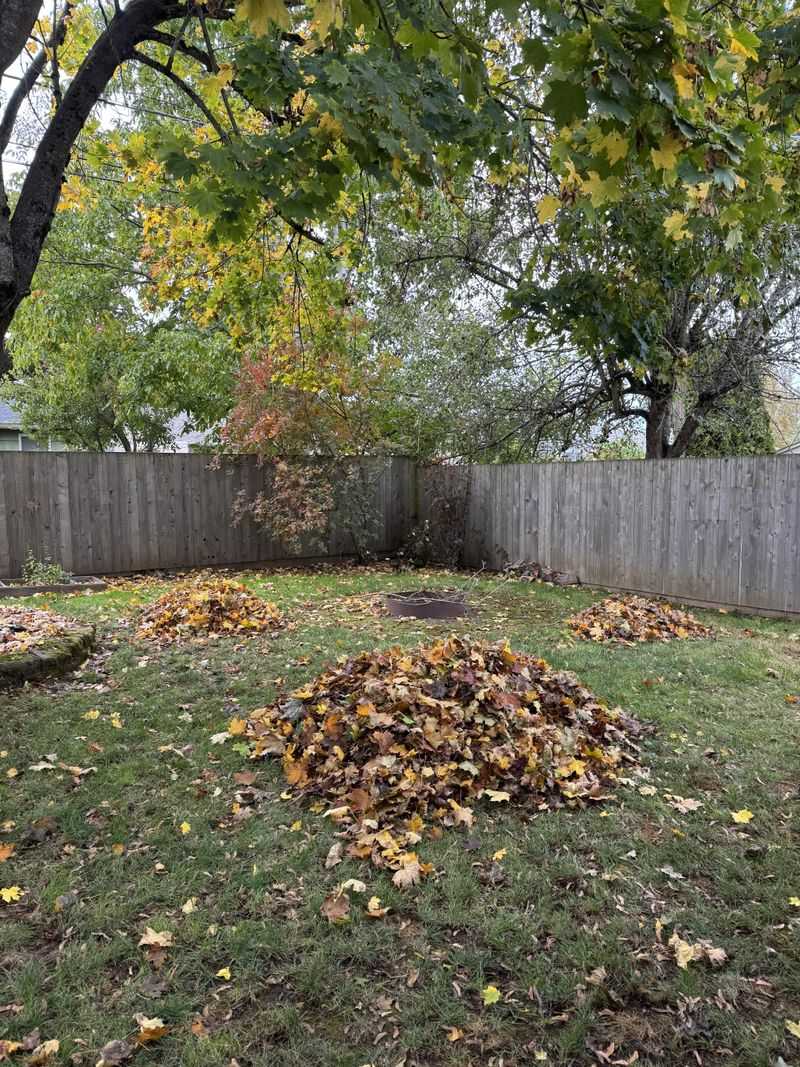
Winter leaves behind piles of leaves, broken branches, and soggy plant material that can smother new growth and harbor pests.
Spending a few hours clearing debris now makes your garden healthier and more attractive.
Start by raking up fallen leaves from lawns, paths, and garden beds.
Wet leaves can mat down and block air and water from reaching the soil.
Compost healthy leaves or use them as mulch around trees and shrubs.
Pick up any fallen branches and twigs, especially after windstorms, and add them to your yard waste bin or save them for kindling.
Cut back perennials that have collapsed or turned mushy over the winter.
Leave a few inches of stem to mark where plants are growing so you do not accidentally dig them up.
Check for slugs, snails, and other pests hiding under debris and remove them by hand.
Clearing out old plant material reduces the risk of disease and gives beneficial insects a clean slate.
A tidy garden looks inviting and ready for the new season.
Plus, it feels satisfying to see all that progress in just one afternoon.
10. Plan Your Garden Layout
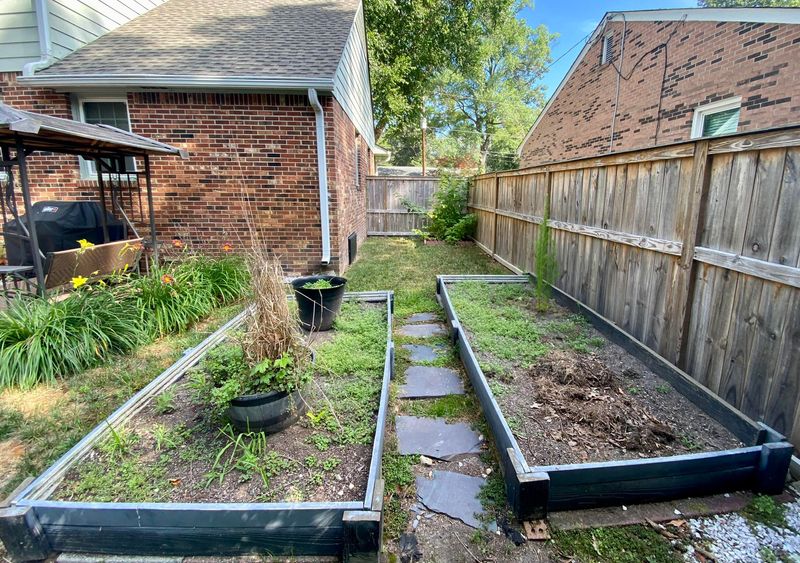
Before you start planting, take time to sketch out a garden plan that makes the most of your space and growing conditions.
Thinking ahead helps you avoid overcrowding, rotate crops, and place plants where they will thrive.
Grab a notebook or use a simple garden planning app to map out your beds.
Note which areas get full sun, partial shade, or stay damp after rain.
Group plants with similar water and light needs together so they are easier to care for.
If you grow vegetables, plan to rotate plant families each year to reduce pests and soil depletion.
For example, do not plant tomatoes in the same spot two years in a row.
Consider adding companion plants that support each other, like basil near tomatoes or marigolds around vegetables to deter pests.
Sketch in paths, trellises, and borders so you know where everything will go.
Planning now saves time and money by preventing impulse buys or planting mistakes.
You can also order seeds and plants early to get the varieties you really want.
A good plan sets you up for a productive, beautiful garden all season long.