15 Garden Upcycling Ideas That Save Money And Look Great In New York
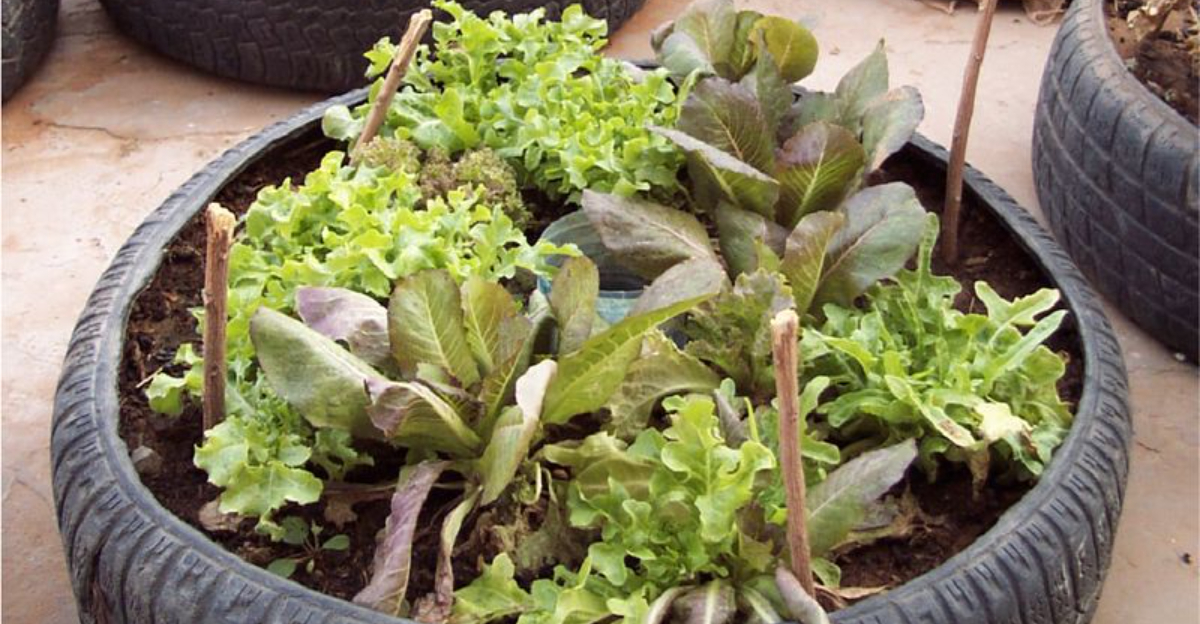
Gardening in New York doesn’t have to break the bank. With a little creativity, you can transform everyday items into beautiful, functional, and budget-friendly additions to your garden.
Upcycling not only saves money but also adds personality, sustainability, and a touch of artistry to your outdoor space. Who knew trash could become your garden’s next treasure?
From turning old pallets into planters, repurposing jars for mini herb gardens, or giving vintage furniture a second life as unique flower beds, these 15 upcycling ideas are as practical as they are eye-catching.
They allow New York gardeners to customize their spaces, reduce waste, and create one-of-a-kind landscapes that stand out. Your garden can be stylish, sustainable, and wallet-friendly all at once.
For homeowners and urban gardeners alike, these ideas show that gardening is about more than just plants—it’s about imagination, resourcefulness, and making every inch of space your own. With a little creativity, even small yards or balconies can feel like a personal paradise.
Think outside the pot—and watch your garden flourish on a budget!
1. Turn Old Wooden Pallets Into Vertical Garden Walls
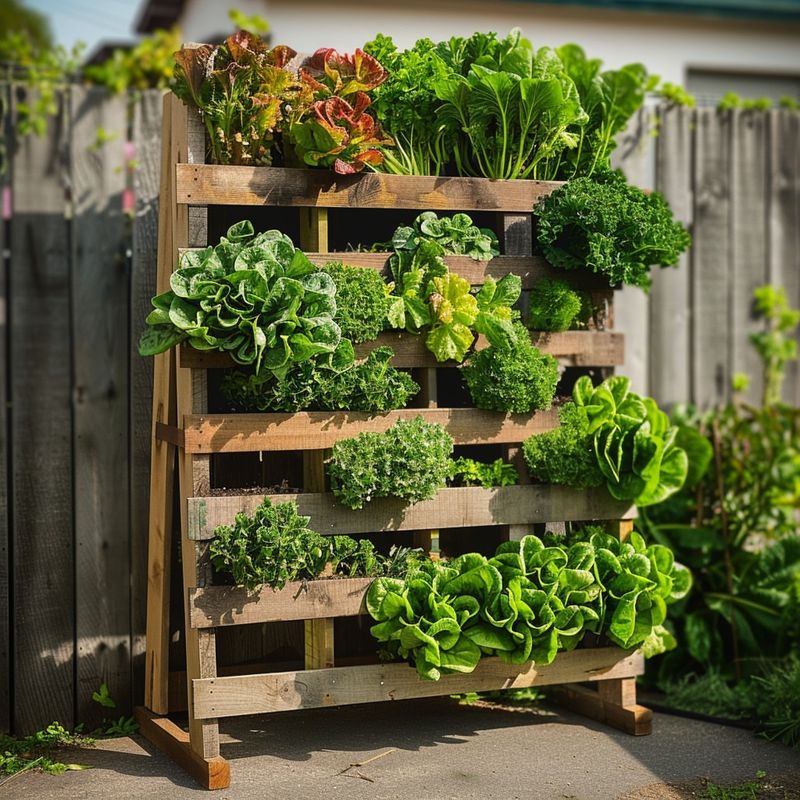
Wooden pallets offer New York gardeners an ingenious solution for growing upward when horizontal space runs short. These sturdy frames, often discarded by businesses and construction sites, transform into living walls that maximize every square inch of balconies, patios, and rooftops.
Securing a pallet vertically against a wall or fence creates instant planting pockets perfect for herbs, strawberries, lettuce, and trailing flowers.
Start by sanding rough edges to prevent splinters, then attach landscape fabric or burlap to the back to hold soil in place. Fill the gaps between slats with potting mix, then tuck seedlings or small plants into each opening.
The vertical arrangement encourages excellent drainage while giving roots plenty of room to spread through the wooden chambers.
Position your pallet garden where it receives adequate sunlight—south-facing walls work beautifully for sun-loving tomatoes and peppers, while shadier spots suit leafy greens and ferns. Water from the top and let gravity distribute moisture throughout the layers.
This setup not only saves money but also adds rustic charm that complements urban settings, turning forgotten lumber into a productive green feature that neighbors will admire all season long.
2. Use Broken Pots To Create Layered Planters
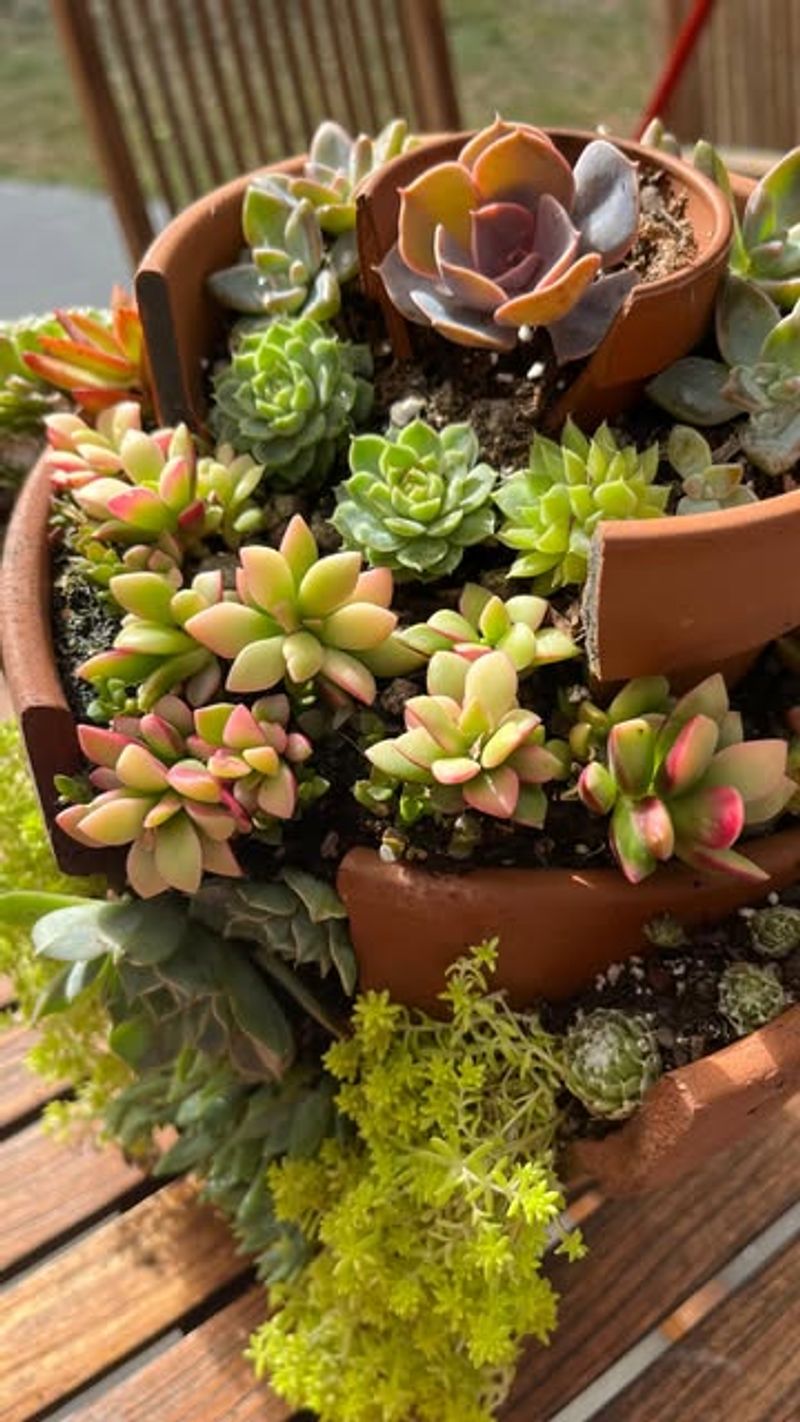
Cracked terracotta pots don’t belong in the trash—they belong in your garden as whimsical layered displays that spark conversation and creativity. Instead of mourning a chipped rim or broken side, embrace the imperfection and build miniature landscapes that cascade down like fairy-tale villages.
Stack pieces at angles, nestle smaller fragments inside larger bases, and fill the terraces with succulents, sedums, or miniature alpine plants.
Begin with your largest broken piece as the foundation, positioning it so the crack creates a natural opening or doorway effect. Add soil, then arrange progressively smaller shards to form tiers and levels.
Each layer becomes a planting zone where roots anchor into crevices and foliage spills over edges in charming abundance.
This technique works wonderfully on New York fire escapes, stoops, and small patios where space demands innovation. The weathered clay develops beautiful patina over time, blending vintage character with living color.
Broken pot gardens require minimal watering since succulents thrive on neglect, making them ideal for busy urbanites. What started as an accident becomes an artful centerpiece that proves gardening magic often emerges from unexpected mishaps and a willingness to see potential where others see waste.
3. Convert Old Drawers Into Raised Garden Boxes
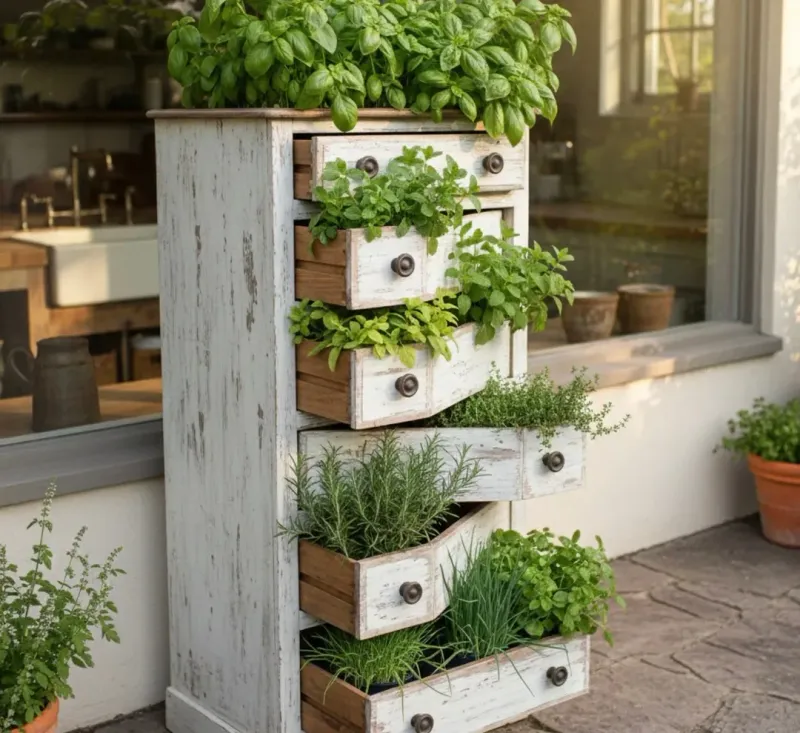
Discarded dressers and desks hide gardening gold in their drawers, which transform effortlessly into shallow raised beds perfect for balconies and compact yards.
These rectangular containers already feature built-in sides and convenient handles for moving, making them practical choices for renters who need portable planting solutions.
Pull out drawers destined for the curb and give them vibrant new life filled with blooms, vegetables, or fragrant herbs.
Preparation takes just minutes—drill several drainage holes in the bottom, then line the interior with landscape fabric to prevent soil from washing through cracks. Fill with quality potting mix enriched with compost, leaving about an inch of space below the rim.
Drawer gardens excel at growing shallow-rooted crops like lettuce, radishes, spinach, and annual flowers that don’t need deep soil.
Paint or stain the exterior to match your outdoor décor, or leave the wood natural for rustic appeal that weathers gracefully over seasons. Arrange multiple drawers at varying heights to create dynamic displays that add architectural interest to plain walls or boring corners.
New York gardeners appreciate how easily these boxes move to follow sunlight or escape harsh weather. What once organized socks now organizes your harvest, proving that furniture retirement doesn’t mean the end—just a beautiful new beginning outdoors.
4. Repurpose Mason Jars As Hanging Herb Gardens
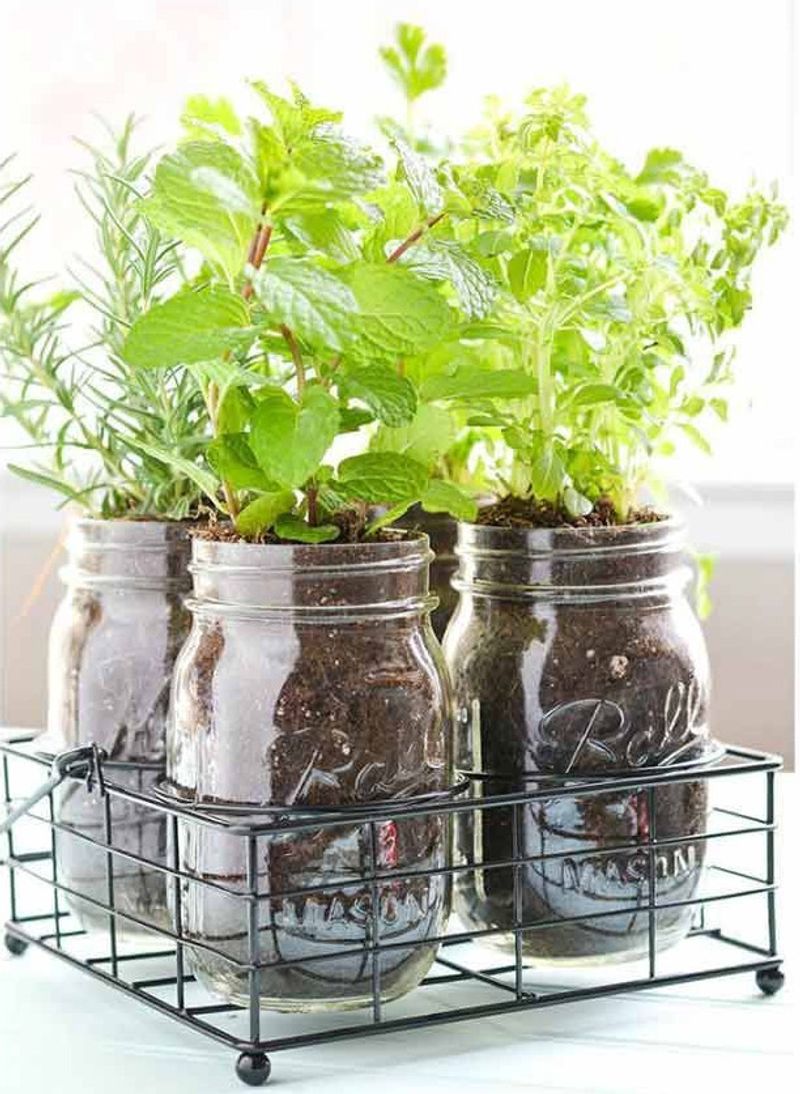
Mason jars bring vintage charm and practical function together in hanging herb gardens that thrive near sunny windows and fire escapes throughout New York apartments. These glass containers allow you to monitor root health and water levels while creating beautiful displays that double as kitchen décor.
Suspend jars with wire, twine, or metal clamps attached to wooden boards, then fill them with basil, cilantro, parsley, mint, and other culinary favorites you’ll snip fresh for every meal.
Choose jars with wide mouths for easier planting and harvesting, and add small drainage holes if you’re comfortable drilling glass, or simply monitor watering carefully to prevent root rot. Fill the bottom inch with pebbles for drainage, then add potting soil mixed with perlite for aeration.
Plant herb seedlings or cuttings, positioning jars where they receive at least six hours of sunlight daily.
The transparency of glass creates visual interest as roots develop and soil layers show through, turning functional containers into living art. Hanging arrangements save precious counter space while keeping fresh flavors within arm’s reach of your cutting board.
Label each jar with chalkboard paint or tied tags so guests know whether they’re admiring oregano or thyme. This simple upcycle costs almost nothing but delivers gourmet harvests and Instagram-worthy style that makes cooking at home feel like dining at a farm-to-table restaurant.
5. Use Wine Crates For Rustic Storage And Planters
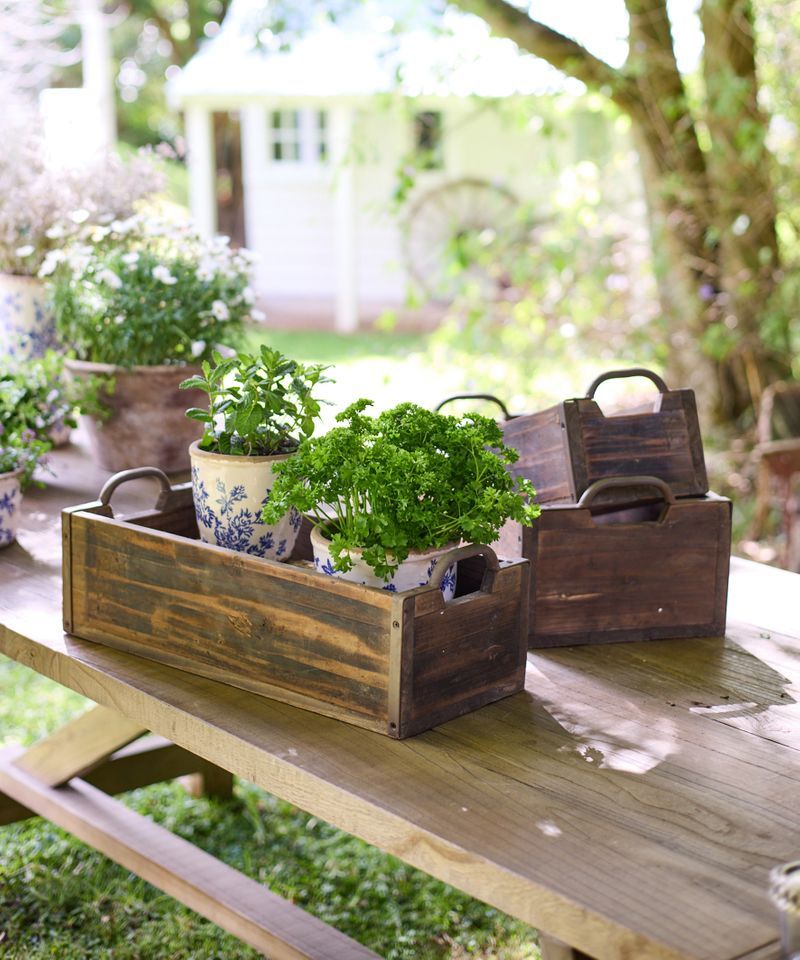
Wine crates carry an effortless elegance that elevates any New York garden space from ordinary to extraordinary. These wooden boxes, often branded with vineyard logos and vintage graphics, function beautifully as movable planters or storage solutions for tools, gloves, and seed packets.
Their slatted construction provides natural drainage, while sturdy handles make repositioning easy when chasing sunlight or rearranging your outdoor layout.
Line crates with landscape fabric or coconut coir to contain soil while allowing excess water to escape through gaps. Fill with potting mix and plant seasonal flowers, compact vegetables like cherry tomatoes, or cascading varieties that soften the angular edges with flowing foliage.
Stack crates vertically to build tiered displays that maximize vertical real estate, or arrange them horizontally along railings and walls.
The weathered wood develops rich patina as seasons pass, blending seamlessly with both modern and traditional garden aesthetics. Wine crates work especially well for renters since they’re completely portable and leave no permanent marks or installations.
Use them indoors during winter to start seedlings under grow lights, then move everything outside when frost danger passes. This flexibility makes them invaluable for New York’s unpredictable climate.
What once cradled bottles of Cabernet now cradles your gardening dreams, proving that sophisticated style and practical function grow beautifully together in repurposed containers.
6. Turn Old Ladders Into Flower Displays
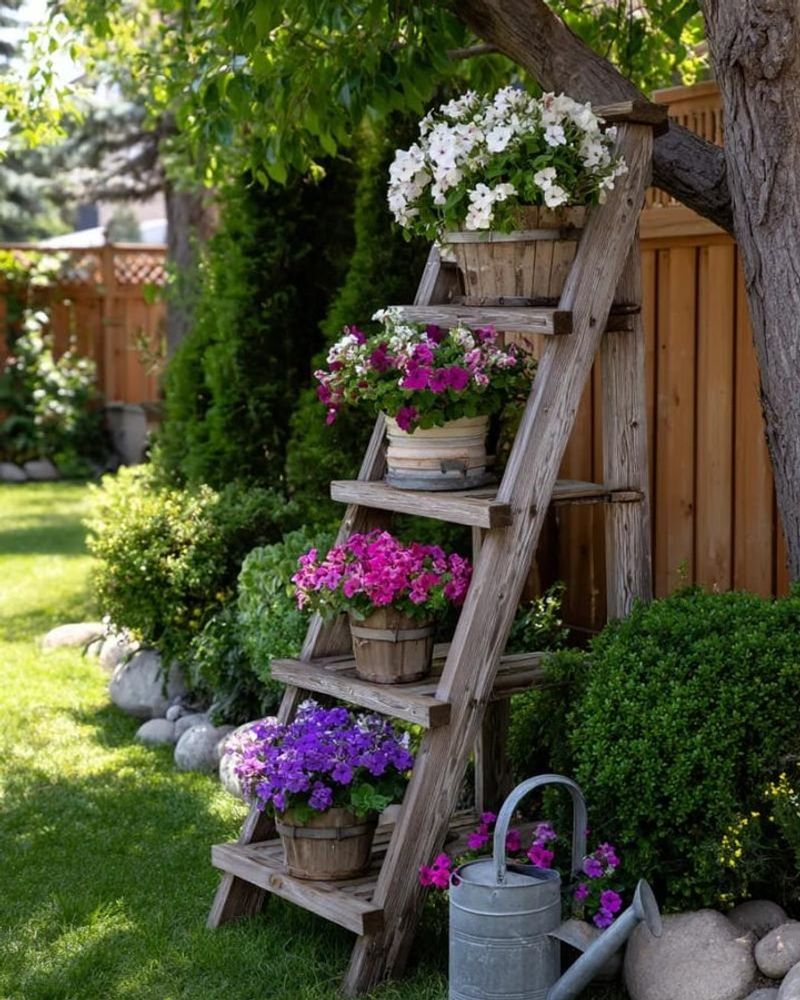
Retired ladders stand ready for their second act as vertical garden showcases that bring height, dimension, and nostalgic charm to cramped New York growing spaces.
Whether wooden or metal, these structures provide multiple tiers perfect for displaying potted plants, hanging baskets, and trailing vines that transform flat areas into lush three-dimensional landscapes.
Lean a ladder against a wall or fence, or position it freestanding in a corner where it becomes both functional and decorative.
Each rung serves as a shelf for containers of varying sizes, allowing you to create graduated arrangements that draw the eye upward and make small spaces feel larger. Mix flower colors and textures across levels—bright geraniums up high where they catch attention, shade-tolerant ferns lower down, and trailing petunias that drape between rungs like living curtains.
The gaps between steps provide excellent air circulation that keeps plants healthy and reduces disease risks.
Wooden ladders develop beautiful weathered finishes outdoors, while metal versions offer industrial chic that complements urban settings. Secure the base firmly to prevent tipping during summer storms that sweep through the city.
String fairy lights through the rungs for magical evening ambiance, or hang small tools and watering cans from hooks for convenient access. This clever upcycle costs nothing if you rescue a ladder from the curb, yet delivers garden impact that looks professionally designed and thoughtfully curated.
7. Use Reclaimed Bricks For Garden Paths
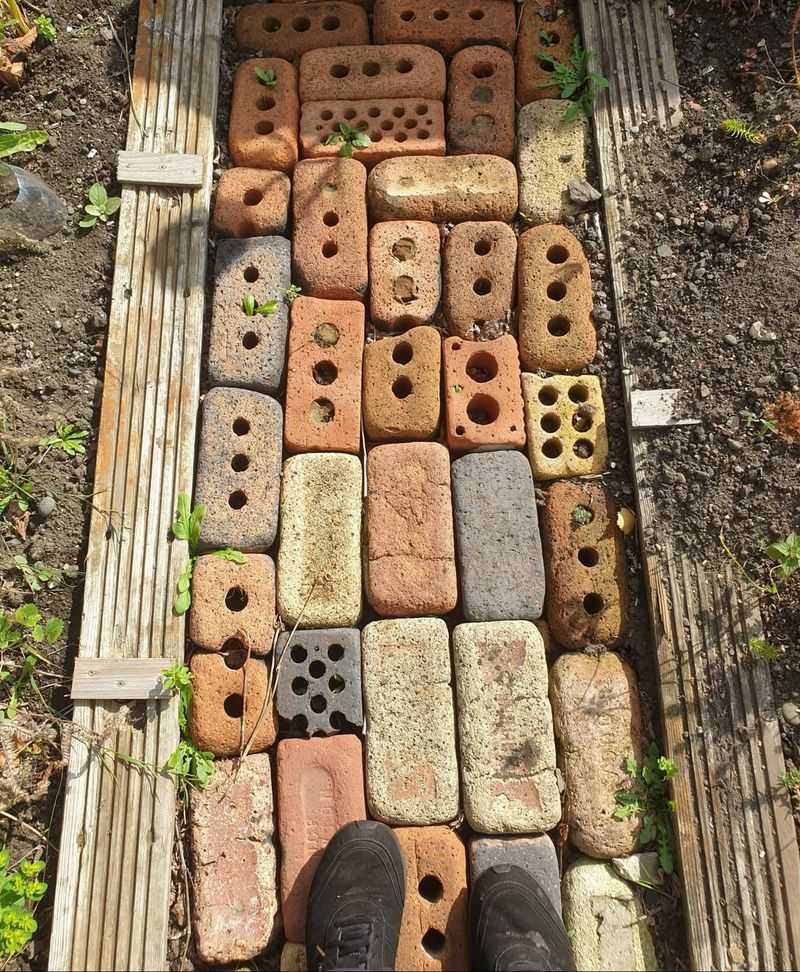
Salvaged bricks bring timeless character and practical function to New York gardens where pathways guide visitors through green spaces while protecting grass and soil from compaction. Construction sites, renovation projects, and demolition zones often yield beautiful old bricks with rich colors and weathered surfaces that new materials can’t replicate.
Collecting these castoffs costs little or nothing, yet the finished paths look like they’ve graced the garden for generations.
Lay bricks directly on leveled soil for casual paths, or set them in sand for more permanent installations that resist shifting and settling. Arrange them in classic patterns like herringbone, basket weave, or running bond to add visual interest beyond simple straight lines.
The gaps between bricks allow rainwater to permeate soil rather than running off, reducing puddles and supporting healthier plant roots nearby.
Brick paths work especially well in small urban yards where every design element must earn its keep through both beauty and utility. They define garden rooms, connect seating areas to planting beds, and provide clean walking surfaces even after storms.
Moss gradually colonizes the crevices, softening hard edges with living green that enhances the vintage aesthetic. This project requires patience rather than carpentry skills, making it accessible for beginners who want impressive results.
What once formed walls now forms walkways, proving that materials reinvented often surpass their original purpose in charm and satisfaction.
8. Convert Old Tires Into Raised Beds
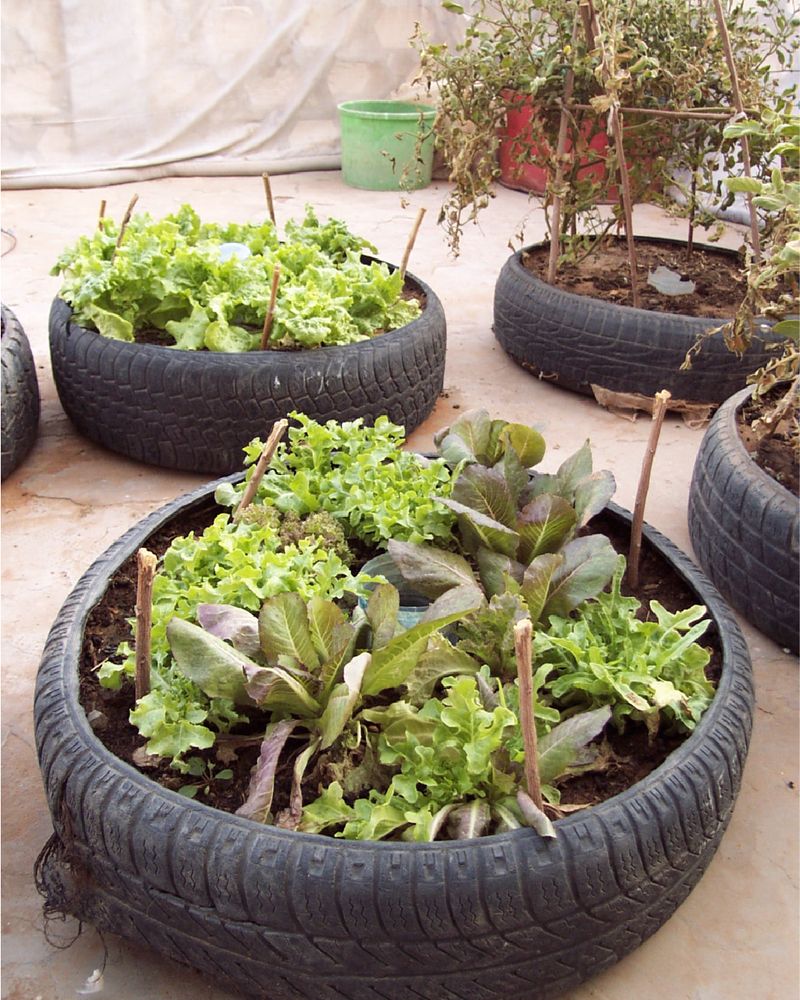
Discarded tires stack into surprisingly effective raised beds that provide deep soil for root vegetables, peppers, and other crops that appreciate extra growing depth. While some gardeners hesitate over rubber in edible gardens, research shows modern tires leach minimal chemicals when used for ornamental plants or lined with heavy plastic for vegetables.
Paint exteriors with bright colors or leave them black for heat absorption that extends the growing season in New York’s variable climate.
Stack two or three tires to create beds with twelve to eighteen inches of soil depth—perfect for carrots, potatoes, and tomatoes that need room to develop properly. Fill the bottom tire with gravel for drainage, then add quality potting mix blended with compost.
The rubber retains warmth beautifully, giving plants a head start in spring and protecting roots as autumn temperatures drop.
Position tire planters on concrete patios, rooftops, or anywhere traditional beds won’t fit. Their portability means you can rearrange layouts seasonally or move them entirely if you relocate.
Kids especially enjoy painting tire planters in wild patterns and bright hues that add playful energy to serious gardening. This upcycle diverts rubber from landfills while creating productive growing space that costs virtually nothing.
What once rolled down highways now anchors your harvest, demonstrating how materials dismissed as trash often hold hidden potential waiting for creative minds to unlock and celebrate.
9. Use Teacups And Bowls As Succulent Containers
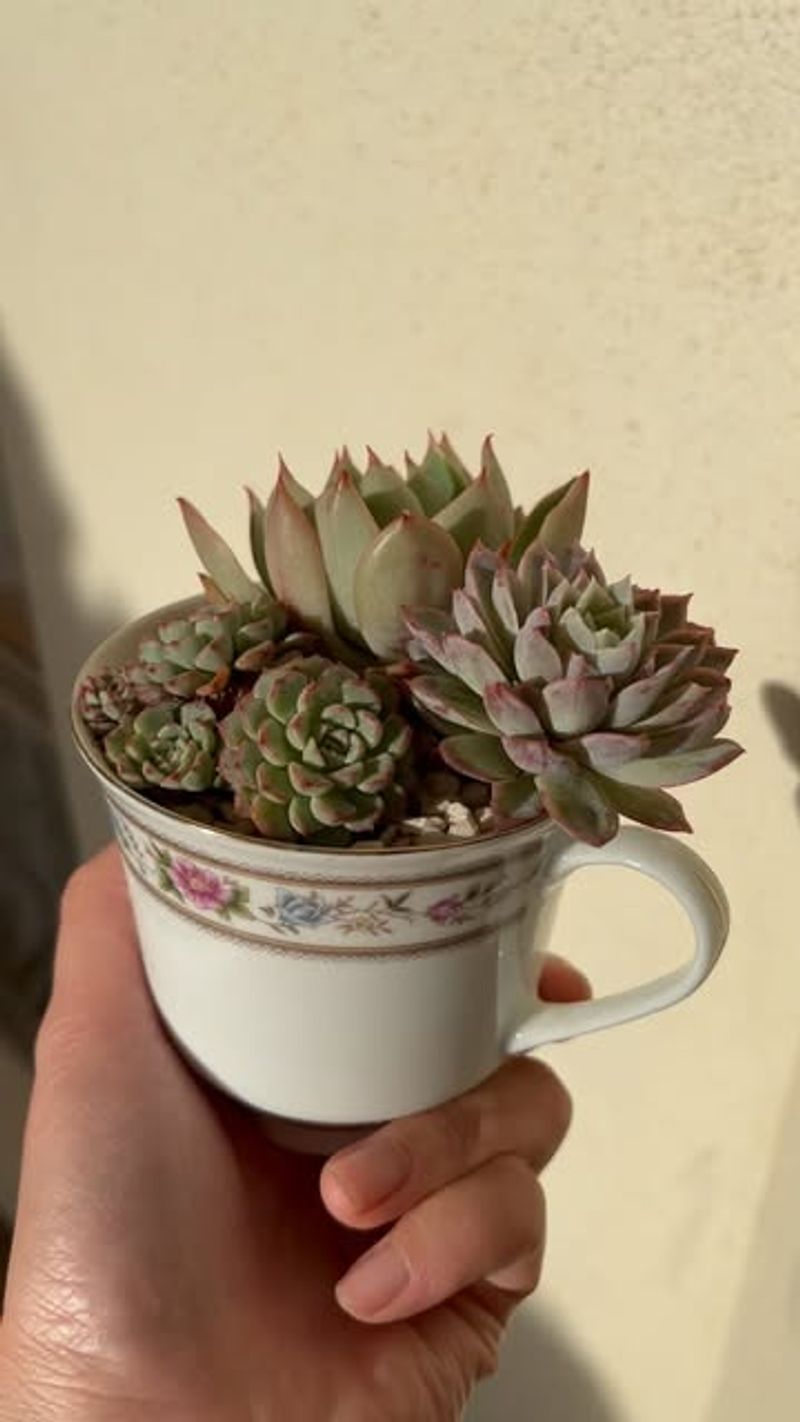
Chipped teacups and mismatched bowls find perfect second lives as charming succulent planters that bring personality and whimsy to windowsills throughout New York apartments. These small vessels suit the compact size of succulents beautifully, creating miniature gardens that require minimal care while delivering maximum visual impact.
Raid thrift stores, estate sales, or your own cupboards for vintage china that adds nostalgic elegance to modern spaces.
Succulents thrive in shallow containers with excellent drainage, though drilling ceramic can be tricky—consider layering pebbles at the bottom to prevent waterlogged roots instead. Fill with cactus-specific potting mix that drains quickly, then nestle in echeveria, jade, string of pearls, or any variety that catches your fancy.
The combination of delicate porcelain and hardy plants creates delightful contrast that visitors always notice and compliment.
Arrange collections of teacup gardens on trays or shelves where they form cohesive displays rather than scattered clutter. Mix patterns, colors, and sizes for eclectic appeal, or stick with matching sets for formal elegance.
These tiny gardens need watering only every week or two, making them ideal for busy urbanites who love greenery but lack time for fussy maintenance. Gift teacup succulents to friends as living favors that keep giving long after flowers fade.
This upcycle costs pennies but delivers joy measured in smiles, proving that small gestures often carry the biggest impact when thoughtfulness guides the creative process.
10. Turn Old Bathtubs Into Statement Planters
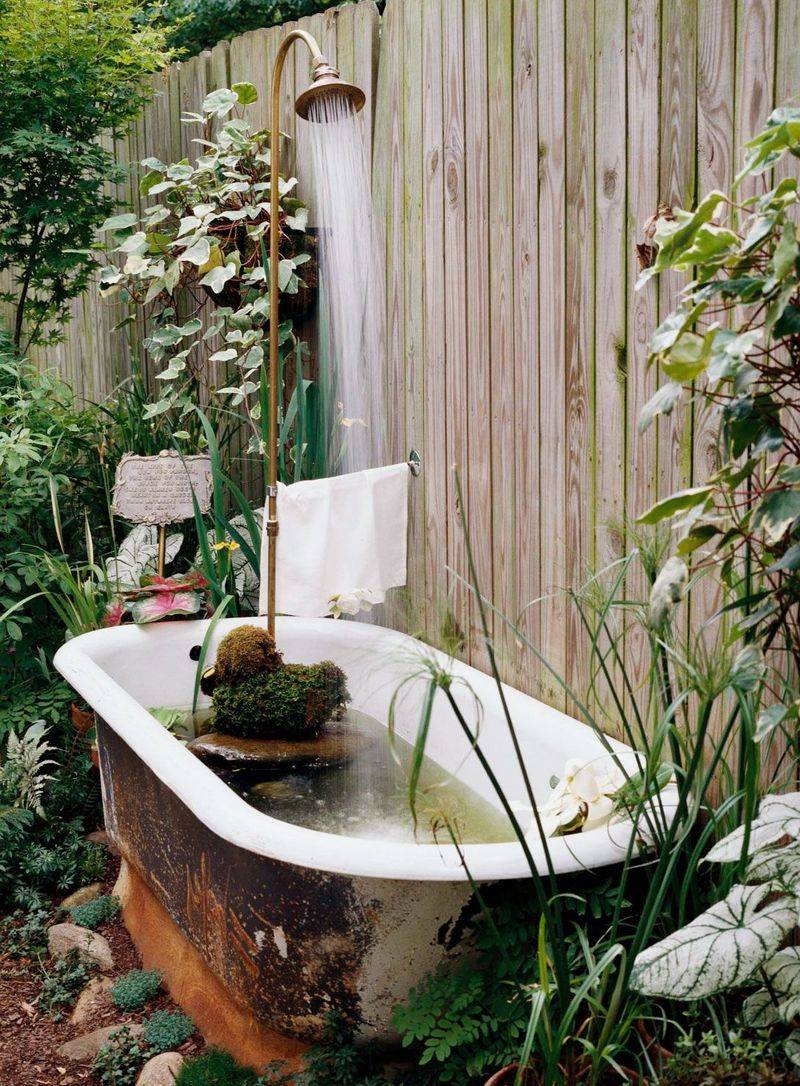
Cast iron bathtubs and clawfoot tubs make dramatic garden centerpieces that command attention while providing generous space for ambitious plantings. These heavyweight relics from bathroom renovations transform into statement planters that anchor New York gardens with vintage character and substantial presence.
Their built-in drainage holes simplify setup, while their deep basins accommodate large plants, mixed arrangements, or even water features that attract birds and beneficial insects.
Position tubs prominently where they become focal points—at garden entrances, in courtyard centers, or flanking pathways where visitors can admire them from multiple angles. Fill the bottom few inches with broken pottery or gravel for drainage, then add rich soil amended with compost.
Plant bold combinations like ornamental grasses with trailing sweet potato vine, or dedicate the entire tub to a single showstopper like a Japanese maple or hydrangea.
The porcelain or metal exterior develops gorgeous patina as weather works its magic, adding layers of history and texture that new containers lack. Some gardeners paint tubs in unexpected colors for playful contrast, while others embrace rust and chips as badges of authenticity.
Bathtub planters work especially well for vegetables like zucchini and cucumbers that need room to sprawl. This upcycle rescues heavy fixtures from landfills while creating garden features that spark conversations and Instagram posts.
What once held bubble baths now holds botanical beauty, proving that reinvention often surpasses original design in both function and flair.
11. Repurpose Wooden Crates For Compost Bins
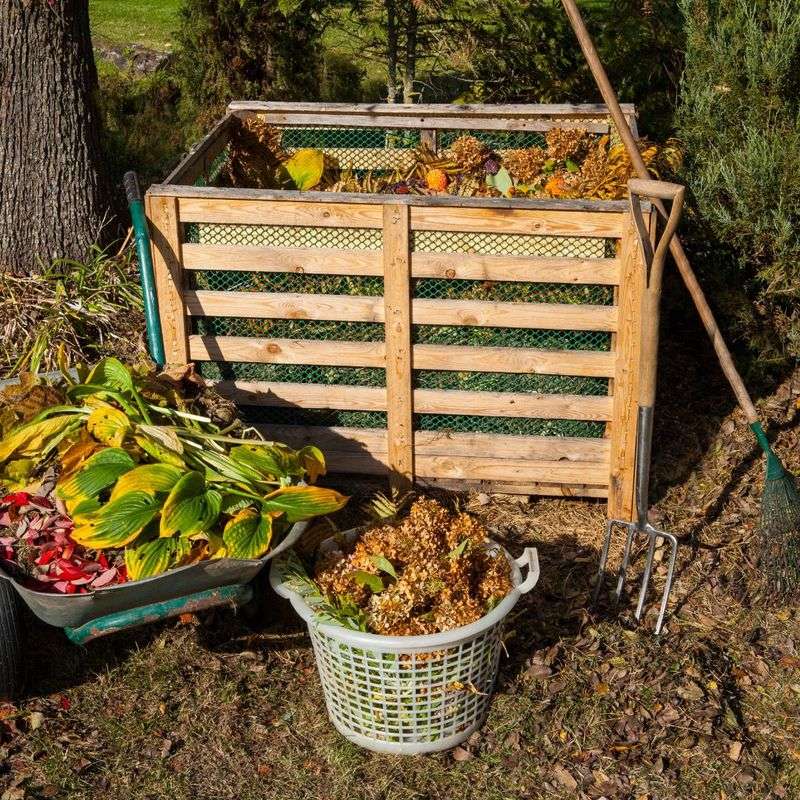
Scrap wooden crates stack into simple compost bins that turn kitchen scraps and yard waste into black gold for feeding hungry New York gardens.
Building a composter from salvaged wood costs almost nothing compared to manufactured tumblers, yet delivers the same nutrient-rich results that transform mediocre soil into plant paradise.
The slatted construction provides airflow essential for proper decomposition while containing materials in neat, manageable piles.
Assemble three or four crates into a square or rectangular enclosure, securing corners with zip ties, wire, or screws depending on your skill level and available tools. Line the interior with chicken wire if gaps are large, preventing compost from spilling while maintaining ventilation.
Start layering brown materials like leaves and shredded paper with green materials like vegetable peels and grass clippings, moistening as you build.
Position your bin in a shaded corner where it won’t dominate views but remains accessible for regular additions and turning. The wooden sides allow excess moisture to evaporate naturally while protecting contents from drying winds.
Within months, the bottom layers transform into rich, crumbly compost ready to enrich container gardens and planting beds. This closed-loop system reduces trash headed to landfills while creating free fertilizer that outperforms anything sold in bags.
What started as discarded crates becomes the engine driving your garden’s health and productivity, demonstrating how small sustainable choices compound into significant environmental and financial benefits over time.
12. Use Old Boots Or Shoes As Quirky Planters

Worn-out boots and shoes march into garden service as delightfully quirky planters that inject personality and humor into outdoor spaces. Rain boots, work boots, sneakers, and even dress shoes become conversation-starting containers that showcase your playful side while giving footwear one last hurrah before retirement.
Arrange a collection along steps, hang them from fences, or line them up like a whimsical parade across railings and ledges.
Punch drainage holes in soles using a drill or sharp tool, then fill with potting soil suited to your chosen plants. Trailing varieties like ivy, petunias, and lobelia work beautifully, spilling over boot tops in cascades of color and texture.
Succulents suit smaller shoes perfectly, requiring minimal water and thriving on neglect. The unexpected combination of practical footwear and living plants always draws smiles and questions from visitors.
Kids particularly enjoy this project, painting old sneakers in wild colors before transforming them into planters for their own mini gardens. The rubber and leather withstand weather reasonably well, though expect gradual deterioration that adds to the shabby-chic charm.
Position shoe planters where they’ll surprise and delight—peeking from under benches, climbing invisible stairs up walls, or marching across windowsills. This zero-cost upcycle proves that gardening creativity knows no bounds and that the best decorations often emerge from thinking sideways.
What once protected your feet now protects tender roots, completing a circle of usefulness that honors objects by extending their purpose beyond original intent.
13. Convert Old Picture Frames Into Mini Greenhouses
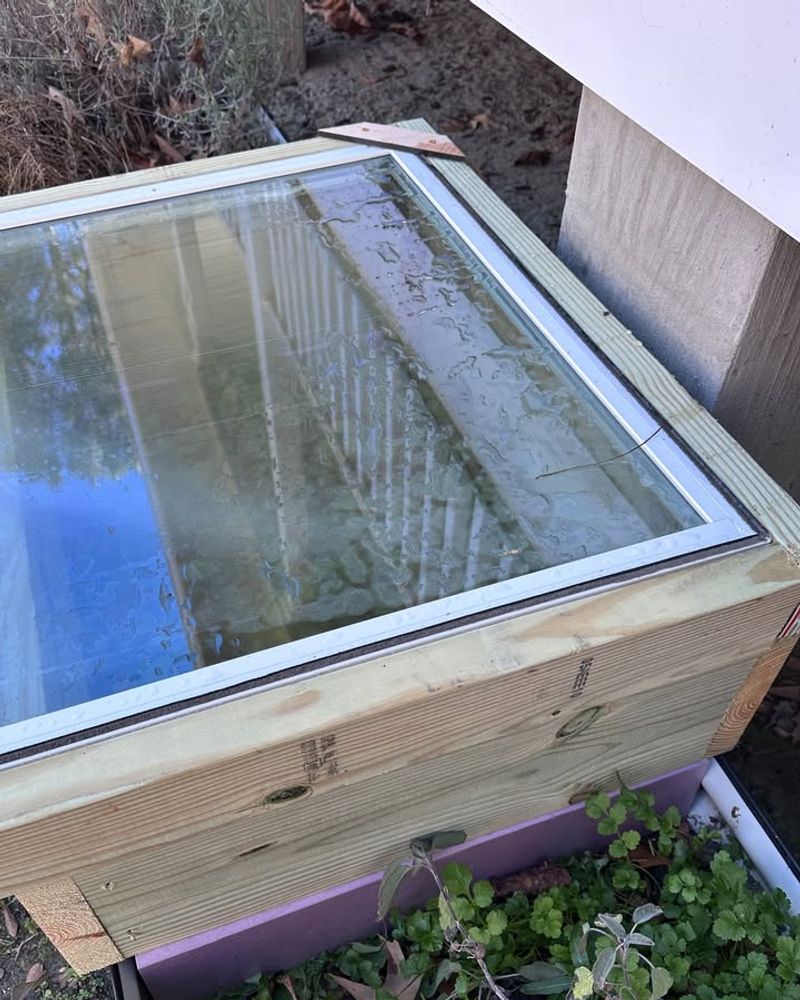
Glass picture frames assemble into charming mini greenhouses that protect tender seedlings during New York’s unpredictable spring weather when late frosts threaten young plants. These transparent shelters trap warmth and humidity while shielding delicate leaves from harsh winds and temperature swings.
Build simple boxes from reclaimed wood, then attach frames as hinged lids that open for ventilation and close for protection.
Collect frames from thrift stores or salvage matching sets from your own closets where they’ve gathered dust for years. Remove backing and photos, keeping only the glass and frame structure.
Construct a shallow wooden box sized to fit your frame dimensions, filling it with seed-starting mix. Position the frame on top at an angle to shed rain, propping it open during warm afternoons to prevent overheating.
These mini greenhouses excel at hardening off seedlings started indoors, gradually acclimating them to outdoor conditions before transplanting to final locations. The glass magnifies sunlight and extends the growing season by several weeks on both ends, allowing earlier planting and later harvests.
Paint frames in cheerful colors or leave wood natural for rustic appeal that complements garden aesthetics. This clever upcycle costs almost nothing but saves money on replacement plants when unexpected cold snaps strike.
What once preserved family memories now preserves your seedlings, proving that frames can capture living moments just as beautifully as frozen photographs, creating new stories worth remembering and sharing.
14. Turn Broken Furniture Into Garden Features
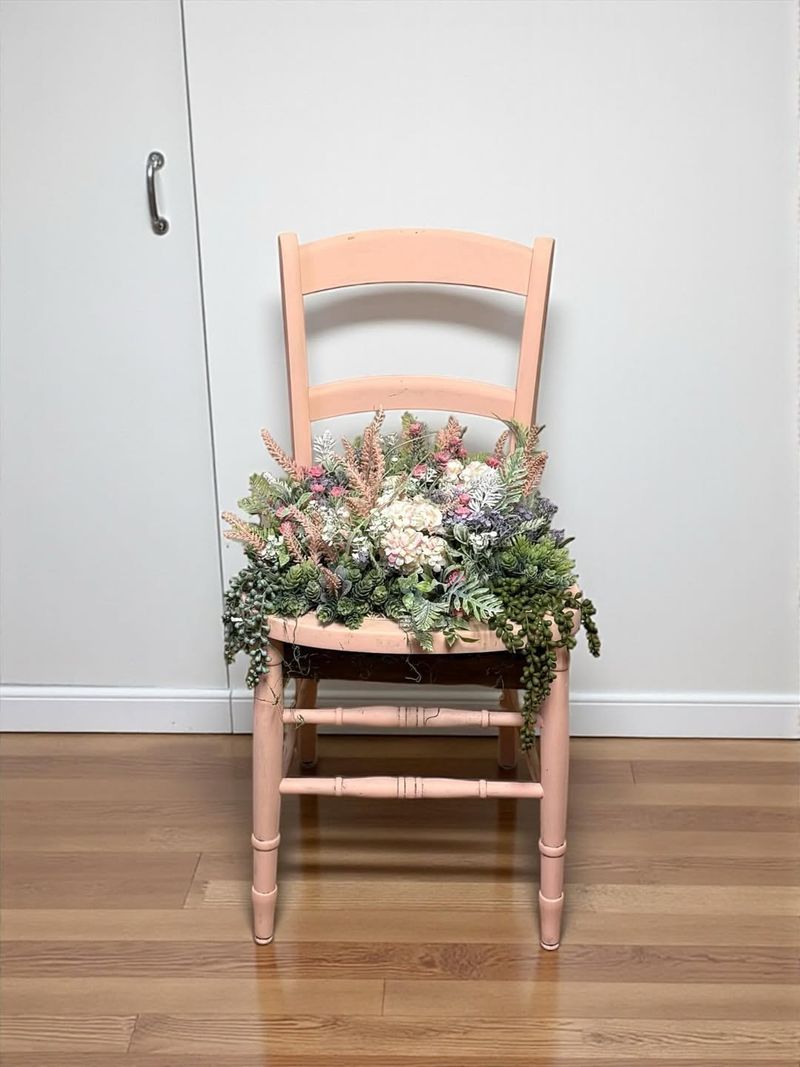
Chairs with wobbly legs, dressers with missing drawers, and tables with scarred surfaces find redemption as garden features that blend function with artistic flair. Rather than hauling furniture to the curb, reimagine pieces as planters, display stands, or decorative elements that add vertical interest and vintage character to New York gardens.
Remove seat bottoms from chairs to create planter frames, or leave dressers intact and fill open drawers with cascading flowers.
Wooden furniture weathers beautifully outdoors, developing silvery patina and mossy accents that enhance rather than detract from garden settings. Position a chair beside a pathway with potted plants resting on the seat, or lean it against a fence where climbing vines can scramble through the back slats.
Dressers become living walls when drawers are pulled out at varying depths and planted with succulents, herbs, or annual flowers.
Tables work wonderfully as potting benches or display platforms for collections of containers at varying heights. The legs lift plants off ground level, improving drainage and visibility while creating layered arrangements that feel professionally designed.
Paint furniture in bold colors for modern pop, or embrace peeling paint and rusty hardware for shabby-chic romance. This upcycle saves perfectly good materials from landfills while adding personality that mass-produced garden décor can never match.
What once furnished indoor rooms now furnishes outdoor rooms, demonstrating how objects transition gracefully between chapters when imagination guides the transformation and purpose evolves beyond original intent.
15. Save Money While Adding Personality To New York Gardens

Upcycling transforms gardening from an expensive hobby into an affordable creative outlet where imagination matters more than budget. New York gardeners face unique challenges—limited space, high costs, and urban constraints—but these obstacles spark innovation that suburban gardeners with unlimited resources might never discover.
Every salvaged pallet, broken pot, and discarded tire represents both environmental responsibility and financial savings that add up significantly over seasons.
Beyond monetary benefits, upcycled gardens tell stories that cookie-cutter landscapes purchased from big-box stores never can. Each repurposed item carries history and character that makes your outdoor space distinctly yours rather than a replica of every other yard on the block.
Visitors remember the bathtub overflowing with petunias, the ladder draped in morning glories, and the boots marching across your railing because these touches reveal personality and creativity.
Sustainability intertwines with savings when you divert materials from landfills and reduce demand for new manufacturing. This gentler approach to gardening honors resources while proving that beautiful, productive spaces don’t require expensive inputs or professional installation.
Start small with one project, then expand as confidence grows and inspiration strikes. The fifteen ideas explored here merely scratch the surface of possibilities waiting in alleys, thrift stores, and your own basement.
What seems like trash to others becomes treasure in your hands, transforming ordinary objects into extraordinary gardens that save money, express individuality, and demonstrate that the best creativity often emerges from working with what you already have rather than constantly acquiring more.