9 Garden Vegetables Not Worth Growing From Seed This Season In Ohio
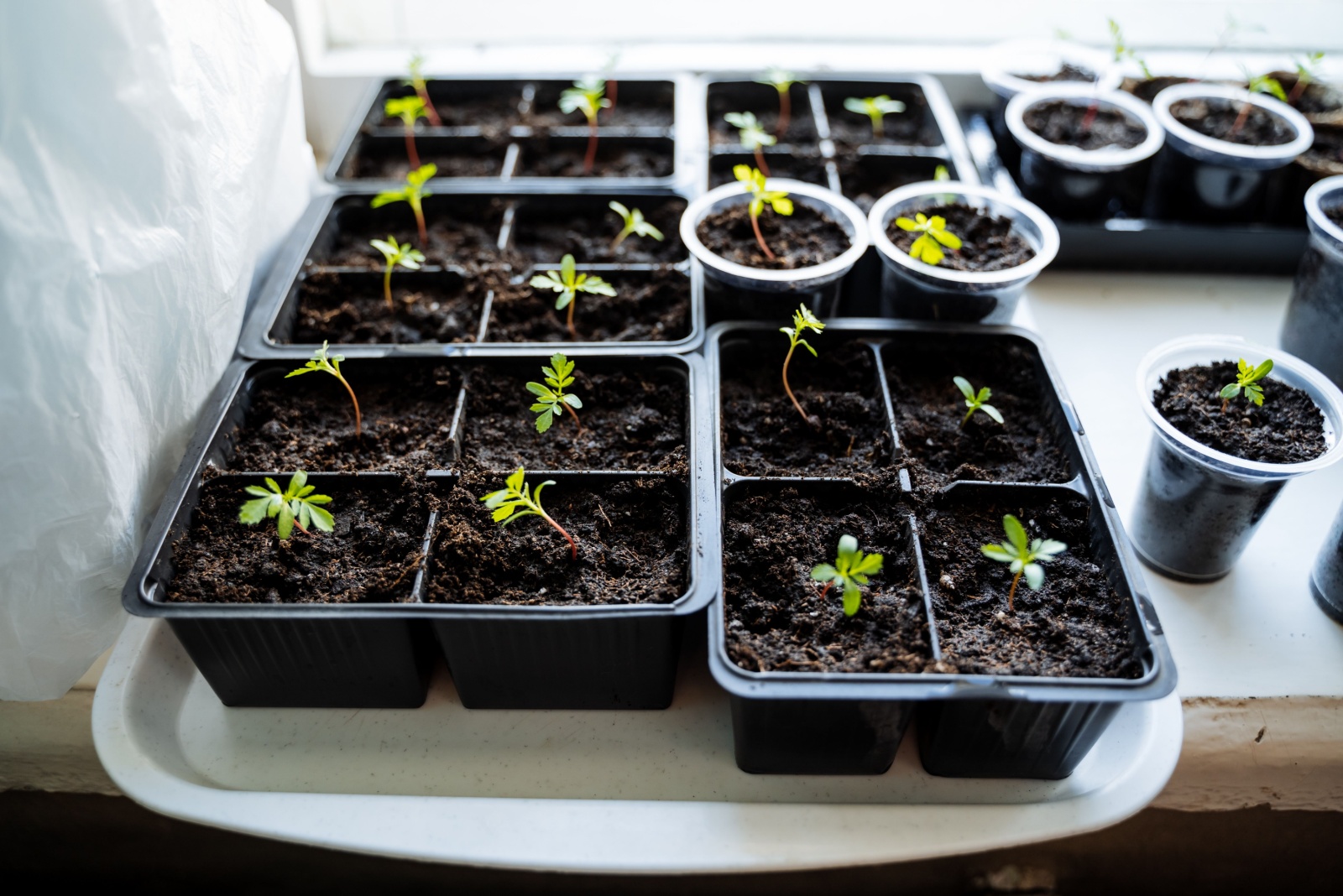
Have you ever wondered how some gardeners harvest baskets full of tomatoes, peppers, and cabbage, while your garden beds look empty and disappointing? I know that frustration well because I lived it for years.
My trays were full of seeds, my head was full of hope, yet spring still brought weak plants and poor harvests. Eventually, I discovered the real reason.
Did you start your vegetables from seed too? For many beginners in Ohio, starting seeds requires time, consistent warmth, strong light, and careful timing ; things busy schedules don’t always allow.
While some vegetables grow beautifully from seed, others simply aren’t worth the trouble in our Ohio climate. Unless you enjoy managing grow lights, indoor warmth, and extra care, you may want to skip starting seeds for the vegetables below.
1. Tomatoes Take Too Long To Start
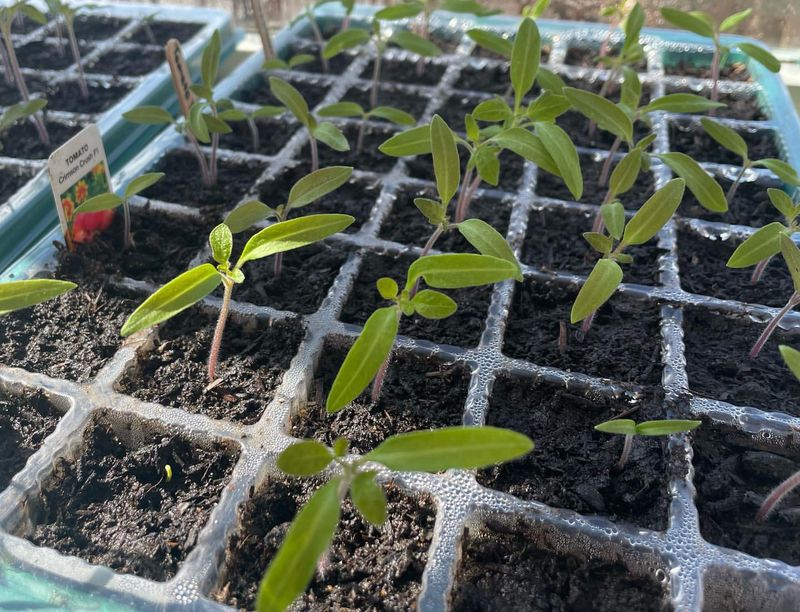
Starting tomatoes indoors requires six to eight weeks before your last frost date, which means Ohio gardeners need to begin in late March or early April. Seedlings demand consistent warmth, proper lighting, and careful watering to avoid common problems like damping off or weak stems.
Most home gardeners struggle to provide enough light without investing in grow lamps, and windowsills rarely offer sufficient brightness for stocky, healthy plants.
Temperature control becomes another headache since tomato seeds germinate best around 75 to 80 degrees, warmer than most Ohio homes maintain in early spring. Young seedlings then need slightly cooler conditions to prevent stretching, creating a balancing act that frustrates beginners.
Hardening off takes another week or two before transplanting, adding more time and effort to an already demanding process.
Local garden centers offer dozens of tomato varieties as sturdy transplants ready for your garden after the last frost. These plants have been professionally grown with ideal conditions, saving you months of indoor babysitting.
For new gardeners, buying sturdy transplants often leads to earlier harvests and fewer seed-starting challenges, though experienced gardeners can grow excellent tomatoes from seed in Ohio.
2. Peppers Grow Too Slowly Early On
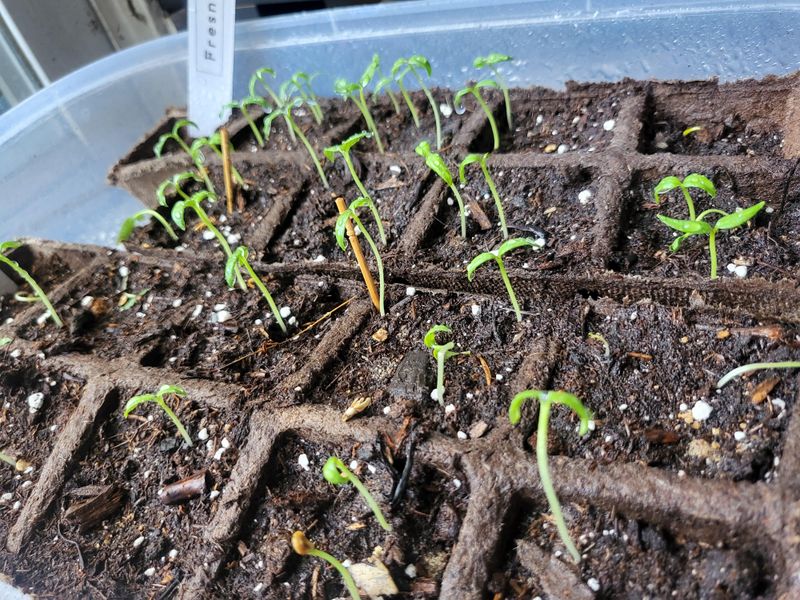
Pepper seeds take their sweet time germinating, often requiring ten to fourteen days even under perfect conditions. Ohio’s cool spring temperatures make indoor starting essential, but these plants grow incredibly slowly during their first weeks of life.
Seedlings need eight to ten weeks before transplanting, making them one of the most time-consuming vegetables to start from seed at home.
Hot peppers grow even slower than sweet varieties, and both types sulk if temperatures drop below 60 degrees at night. Providing consistent warmth for that long stretches the patience of even dedicated gardeners.
Leggy growth becomes common without bright artificial lighting, and weak stems struggle to support healthy fruit production later in the season.
Transplants from nurseries arrive already past those frustrating early stages, with established root systems ready to take off once planted in warm Ohio soil. You’ll find bell peppers, jalapeños, and specialty varieties as healthy young plants that adapt quickly to outdoor conditions.
Skipping the seed-starting phase makes peppers easier for beginners, although many skilled Ohio gardeners successfully grow peppers from seed with proper warmth and lighting.
3. Eggplant Needs A Long Warm Season
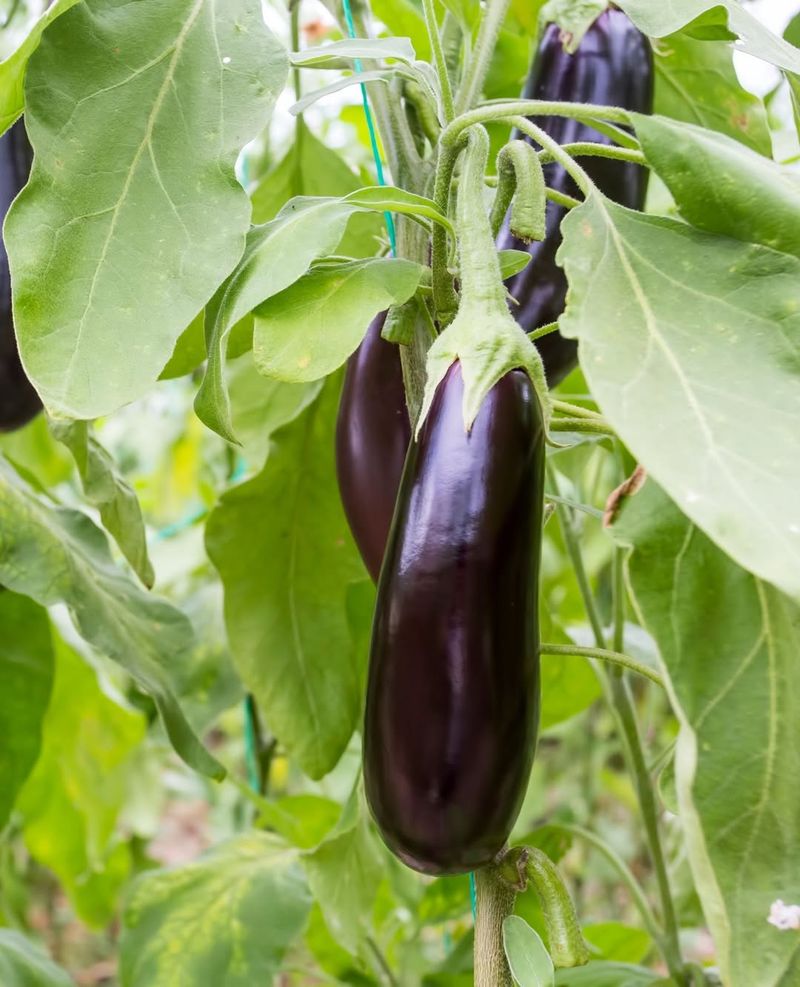
Eggplant ranks among the most challenging vegetables for Ohio gardeners starting from seed because it demands both warmth and time. Seeds require soil temperatures around 80 degrees for reliable germination, warmer than most vegetables prefer.
Seedlings then need eight to ten weeks of indoor growing before they’re ready for transplanting, making timing tricky in our climate.
These plants absolutely hate cold weather and will stall or suffer damage if exposed to temperatures below 50 degrees. Ohio’s unpredictable spring makes hardening off risky, and even a chilly night can set back weeks of careful indoor growing.
Root systems develop slowly in young eggplants, and transplant shock affects homegrown seedlings more severely than professionally grown starts.
Garden centers stock healthy eggplant transplants that have been grown under ideal greenhouse conditions with controlled temperatures and humidity. These plants establish faster in your garden and start producing fruit weeks earlier than seed-grown alternatives.
Beginners often get more reliable yields from transplants that have already developed strong stems and root systems, letting you focus on caring for mature plants rather than babying temperamental seedlings throughout Ohio’s unpredictable spring weather patterns.
4. Broccoli Can Be Tricky Early
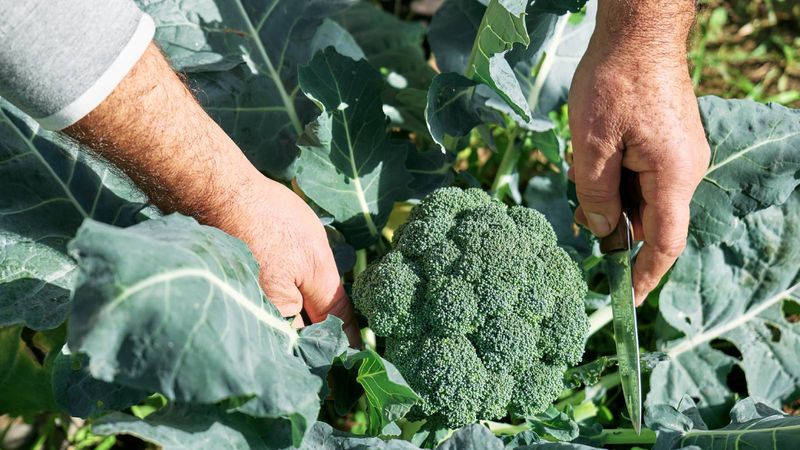
While broccoli can be started from seed successfully, beginners sometimes struggle with timing and temperature control for spring crops in Ohio. Seeds must be started indoors six to eight weeks before your last frost, giving you a narrow window for perfect timing.
Seedlings prefer cooler temperatures than most vegetables, around 60 to 65 degrees, which conflicts with keeping your home comfortable during late winter.
These plants grow quickly once established but can bolt prematurely if stressed during their seedling stage. Inconsistent temperatures, irregular watering, or insufficient light causes problems that affect head formation later.
Transplanting broccoli at the wrong size or time results in small heads or early flowering, wasting all your indoor growing efforts.
Buying broccoli transplants from local sources ensures plants are properly sized and hardened off for Ohio spring conditions. Nurseries time their broccoli starts perfectly for regional planting dates, taking the guesswork out of your gardening schedule.
Buying transplants can simplify timing for beginners and help ensure strong head development.
5. Cauliflower Often Struggles At The Start
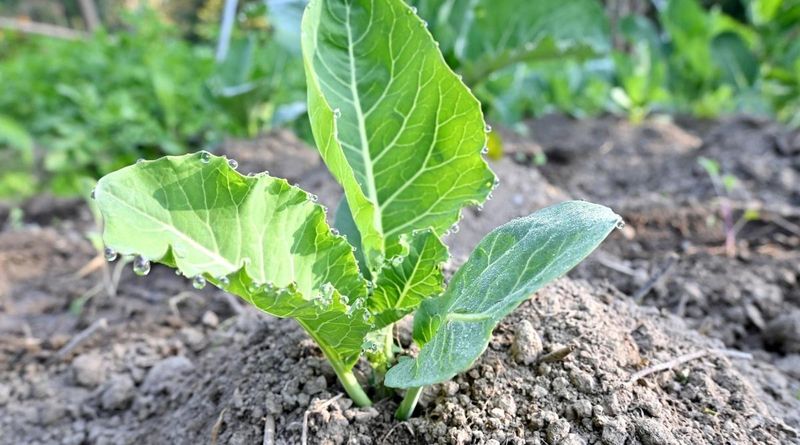
Cauliflower is often considered one of the more sensitive vegetables to start from seed because it’s extremely sensitive to stress during establishment. Seedlings need consistent cool temperatures, steady moisture, and perfect timing to develop properly.
Any interruption in their growth during those critical early weeks can cause buttoning, where tiny heads form prematurely instead of developing into full-sized cauliflower.
Starting seeds indoors requires careful attention for six to eight weeks, and transplanting must happen at exactly the right stage. Too young and plants struggle to establish; too old and they experience transplant shock that triggers premature heading.
Ohio’s variable spring weather makes timing especially difficult, and home conditions rarely match the controlled environment these picky plants prefer.
Garden centers sell cauliflower transplants that have been professionally managed through their temperamental seedling phase. These starts come hardened off and ready for your garden at the ideal size for successful establishment.
You’ll avoid the common frustrations of button heads and stressed plants by starting with healthy transplants that can focus their energy on producing large, beautiful cauliflower heads rather than recovering from less-than-perfect seedling conditions at home.
6. Cabbage Transplants Work Better For Beginners
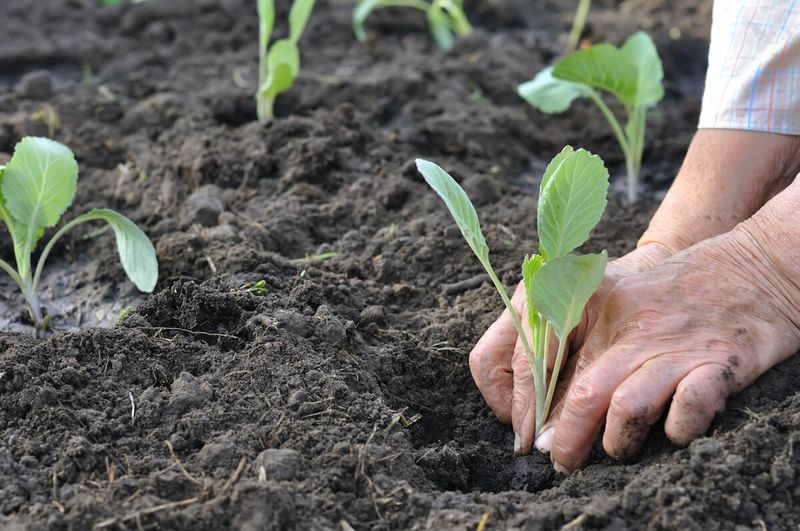
Cabbage grows well from seed, but beginners sometimes find it easier to start with sturdy transplants. Seedlings need cool temperatures around 60 degrees and extremely bright light to develop the stocky stems necessary for supporting heavy heads later.
Without professional growing conditions, homegrown cabbage seedlings often become leggy and weak, producing disappointing harvests even with good garden care afterward.
These plants also need four to six weeks of indoor growing before transplanting, and they’re susceptible to damping off disease in home seed-starting setups. Maintaining proper air circulation and moisture levels challenges beginners, and losses from fungal problems frustrate even experienced gardeners.
Hardening off takes extra time since cabbage must gradually adjust to outdoor temperatures and wind.
Purchasing cabbage transplants gives you robust plants with thick stems and healthy root systems already established. Local nurseries offer different varieties suited to Ohio growing conditions, from early season types to storage cabbages for fall harvest.
These professionally grown starts establish quickly in your garden and develop into productive plants without the weeks of indoor care and potential losses that come with starting cabbage from seed at home during our unpredictable Midwest spring.
7. Brussels Sprouts Need Extra Growing Time
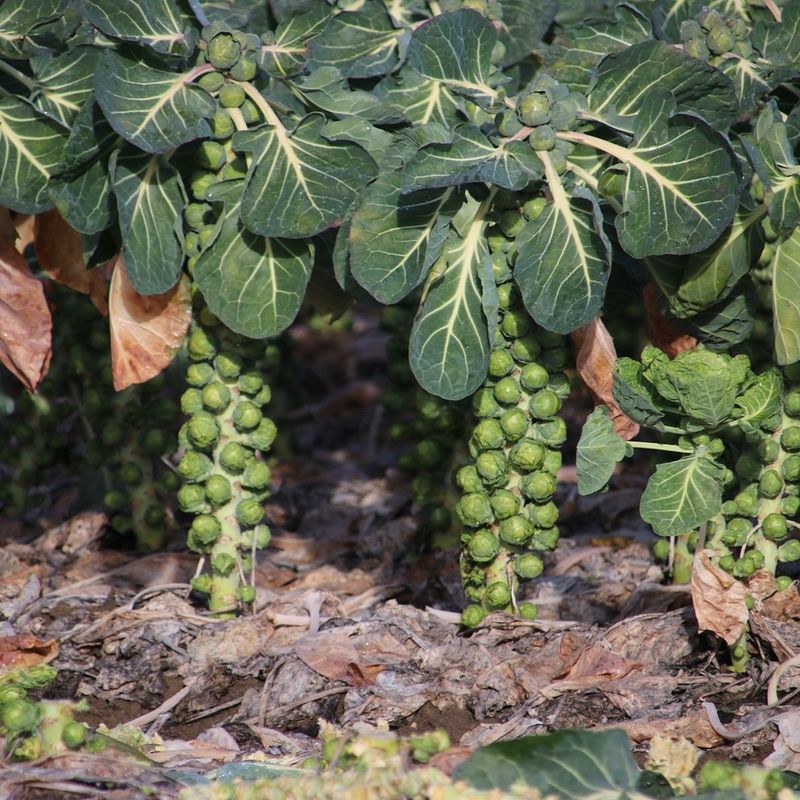
Brussels sprouts require an exceptionally long growing season, making them a slower crop that requires patience for Ohio gardeners starting from seed. Seedlings need four to six weeks indoors before transplanting, then another three to four months in the garden before harvest.
This extended timeline means starting seeds in early spring for fall harvest, demanding months of planning and patience.
Young plants grow slowly during their seedling stage and need consistent cool conditions that conflict with comfortable home temperatures. They’re also prone to pest problems like flea beetles and aphids that can devastate small seedlings before they establish strong growth.
Managing these issues indoors adds another layer of difficulty to an already demanding crop.
Buying Brussels sprouts transplants from garden centers eliminates the lengthy indoor growing period and lets you focus on garden care during the main growing season. These starts come ready to plant at the optimal time for Ohio conditions, properly hardened off and sized for quick establishment.
You’ll enjoy the satisfaction of harvesting fresh Brussels sprouts in fall without spending months babysitting temperamental seedlings or worrying about timing calculations for this long-season vegetable.
8. Celery Is Slow And Difficult Early
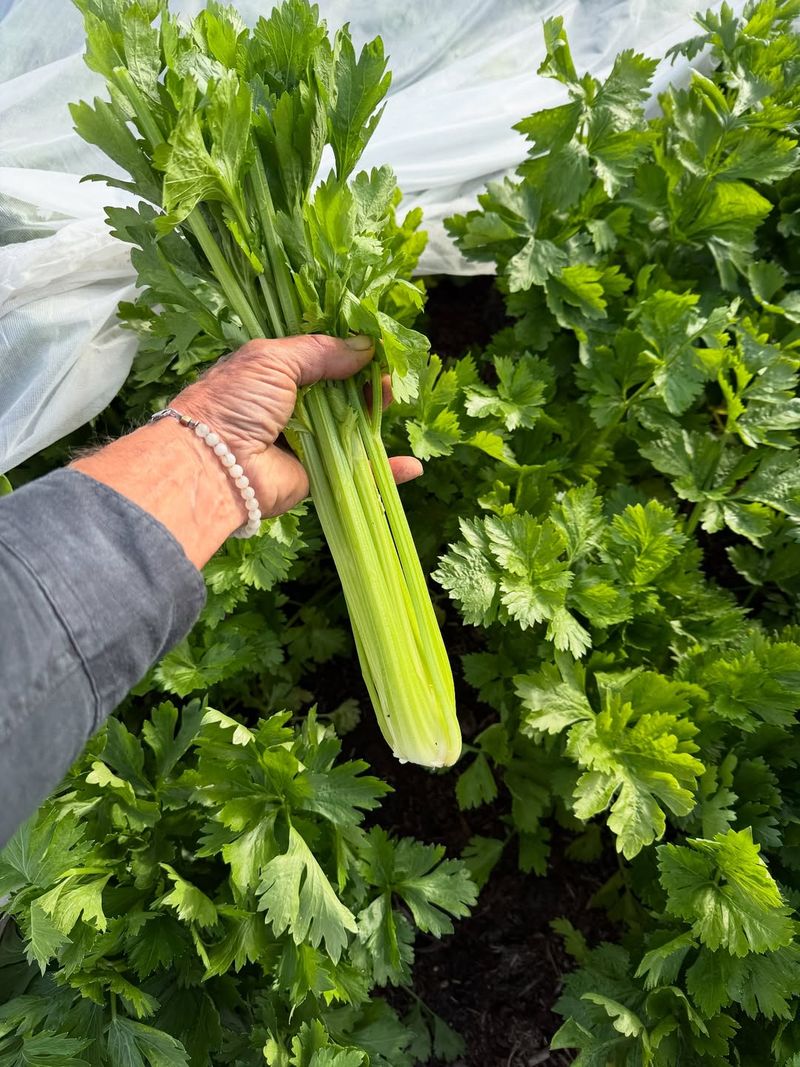
Celery seeds are notoriously slow and finicky about germination, often taking two to three weeks just to sprout. These tiny seeds need light to germinate and constant moisture without becoming waterlogged, creating a delicate balance that frustrates many gardeners.
Seedlings then require ten to twelve weeks of indoor growing before they’re ready for transplanting, making celery one of the longest commitments for seed starting.
Young celery plants grow incredibly slowly and need consistent temperatures around 70 degrees along with high humidity levels. Most Ohio homes can’t maintain these conditions naturally during late winter and early spring.
Seedlings also develop weak, thin stems without extremely bright lighting, and they’re sensitive to any stress that can cause bolting later in the season.
Garden centers offer celery transplants that have been grown under professional greenhouse conditions with perfect moisture, temperature, and light control. These plants arrive with established root systems ready to grow vigorously once planted in your Ohio garden.
You’ll save three months of intensive indoor care and avoid the common problems that make celery one of the more challenging vegetables to start from seed at home.
9. Onions Are Easiest For Beginners From Sets
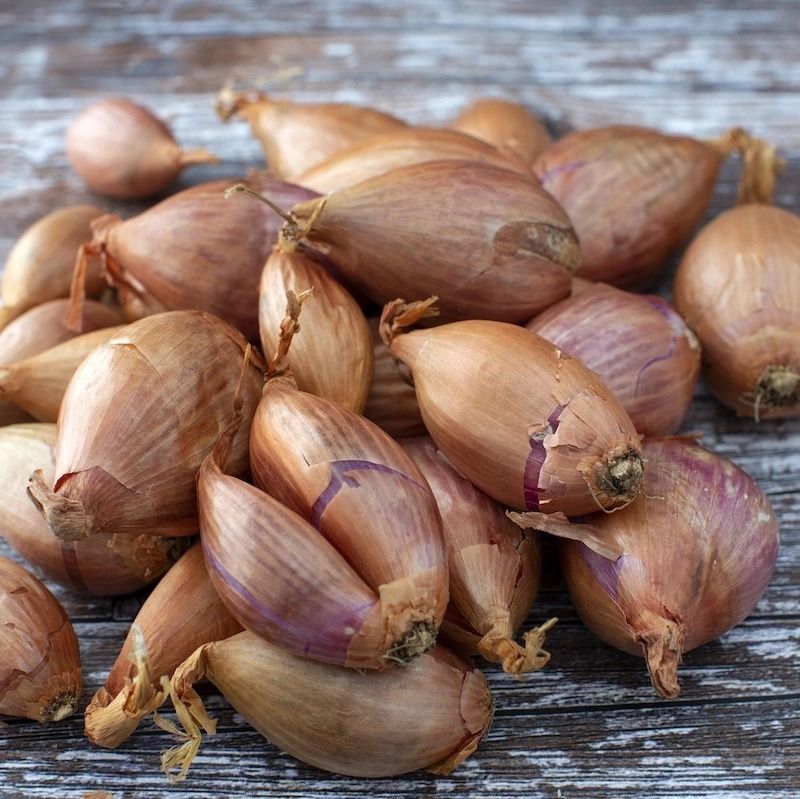
Growing onions from seed requires starting them indoors eight to ten weeks before your last frost date, much earlier than most vegetables. Seeds germinate slowly and produce grass-like seedlings that need constant attention to avoid drying out or becoming tangled.
These delicate starts are difficult to transplant without damage, and timing becomes critical for proper bulb development in Ohio’s climate.
Onion varieties must match your latitude for successful bulbing, and choosing the wrong type from seed leads to disappointing results. Long-day varieties work best in Ohio, but managing this detail adds complexity to seed selection.
Seedlings also need very bright light and cool temperatures, conditions that challenge most home setups during late winter months.
Onion sets, those small bulbs available at every garden center, offer the simplest and most beginner-friendly option that Ohio State University Extension recommends for home gardeners. Sets establish quickly when planted in early spring, require minimal care, and produce reliable harvests without the lengthy indoor growing period.
You’ll enjoy green onions within weeks and storage onions by midsummer without months of seedling management. Sets often cost less overall when you factor in time, supplies, and seed-starting equipment.
Many experienced gardeners still grow onions from seed for greater variety and better storage onions.