9 Garden Vegetables That Aren’t Worth Growing From Seed In Michigan
Michigan gardeners know spring planting is never just about picking seeds and getting started.
With a short growing season and frost dates that love to surprise, timing becomes one of the most important decisions you make all year. Starting seeds indoors can feel like a smart shortcut, but not every vegetable plays along.
Some grow too fast and outpace their containers, others hate root disturbance, and a few simply need warm outdoor soil to thrive. Instead of getting ahead, you can end up with stressed seedlings, stalled growth, and extra work that does not pay off.
Understanding which crops struggle with indoor starts helps you avoid frustration and focus your effort where it truly matters.
A little strategy now can lead to stronger plants, smoother transplanting, and a far more productive garden once real growing weather finally settles in.
1. Corn (Zea Mays)
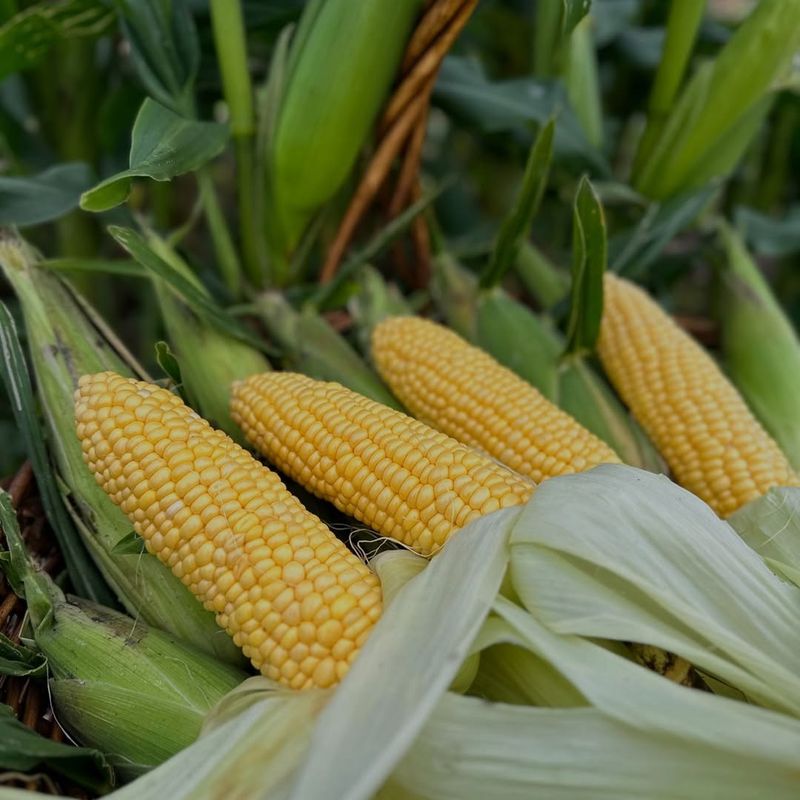
Corn roots are surprisingly sensitive and really don’t appreciate being disturbed. When you try to move corn seedlings from indoor pots to the garden, those delicate roots often suffer damage.
This setback can stunt growth for weeks or even prevent the plant from thriving at all. Starting corn indoors also creates timing problems.
Corn needs soil temperatures around 60 degrees Fahrenheit to germinate properly. If you start seeds too early indoors, they’ll be ready to transplant before your garden soil has warmed up enough.
Planting them in cold soil causes poor root development and attracts pests. Direct seeding works beautifully for corn in Michigan. Wait until late May when the soil feels warm to the touch. Plant seeds about an inch deep in blocks rather than single rows.
This planting pattern helps with pollination since corn relies on wind to move pollen between plants.
Corn grows incredibly fast once warm weather arrives. Seeds planted directly outdoors often catch up to transplants within a few weeks. You’ll save time, avoid transplant shock, and get healthier plants.
Plus, direct seeding is easier on your back and requires no special equipment or indoor growing space.
2. Cucumber (Cucumis Sativus)
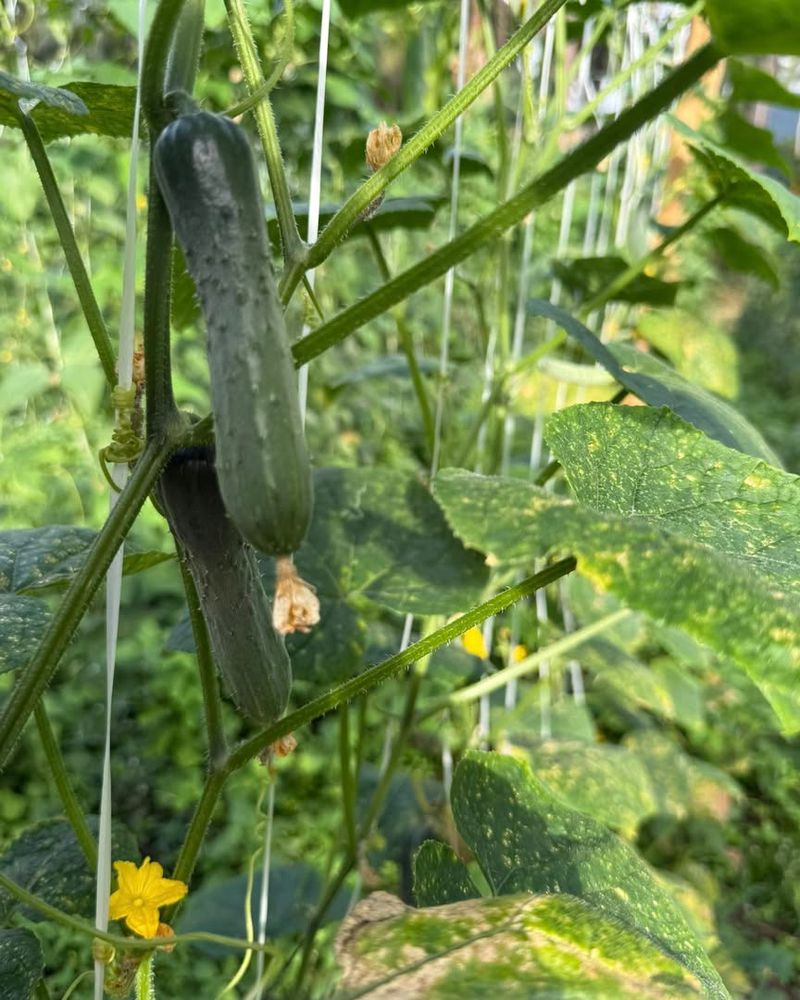
Cucumbers are speed demons in the plant world. They shoot up so quickly that starting them more than three weeks before transplanting creates problems. The seedlings become leggy and root-bound, struggling to adapt once moved outdoors.
Those tangled roots never quite recover their vigor. Root systems on cucumbers are particularly fussy about being disturbed.
When seedlings sit in pots too long, roots circle the container and become stressed. Transplanting stressed cucumbers often leads to slower fruit production and increased susceptibility to diseases like powdery mildew.
Michigan’s last frost date varies from mid-May in southern regions to early June up north. Starting cucumber seeds just three to four weeks before your transplant date gives you sturdy, healthy seedlings.
They’ll establish quickly in the garden without the setbacks that come from premature starting.
Consider using biodegradable pots if you do start cucumbers indoors. These pots can go directly into the ground, minimizing root disturbance. Better yet, direct seed cucumbers after soil temperatures reach 70 degrees.
They germinate in just a few days and grow vigorously without any transplant stress whatsoever.
3. Squash (Cucurbita Pepo / Maxima)
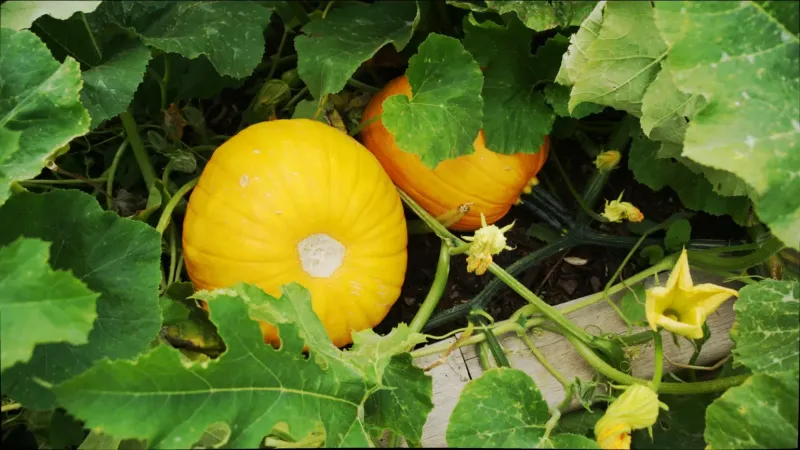
Squash plants develop massive root systems remarkably quickly. Starting them too early indoors means they’ll outgrow their containers long before garden conditions are suitable.
Those cramped roots lead to transplant shock that can set back your harvest by several weeks or more.
Transplant shock is particularly harsh on squash. These plants have thick, fleshy stems that don’t handle stress well. When moved from cozy indoor conditions to the variable outdoor environment, squash seedlings often wilt dramatically.
Some never fully recover their growth momentum. The smart approach involves starting squash seeds two to three weeks before your last expected frost.
Use larger pots to give roots more room. Even better, consider direct seeding once soil temperatures stay above 60 degrees consistently. Squash seeds are large and easy to handle, making outdoor planting simple.
Direct-seeded squash typically produces healthier plants with stronger disease resistance. They develop deep taproots that help them weather dry spells better.
In Michigan’s climate, seeds planted outdoors in late May often outperform transplants started indoors in early April. The plants establish faster and begin producing earlier too.
4. Pumpkin (Cucurbita Spp.)
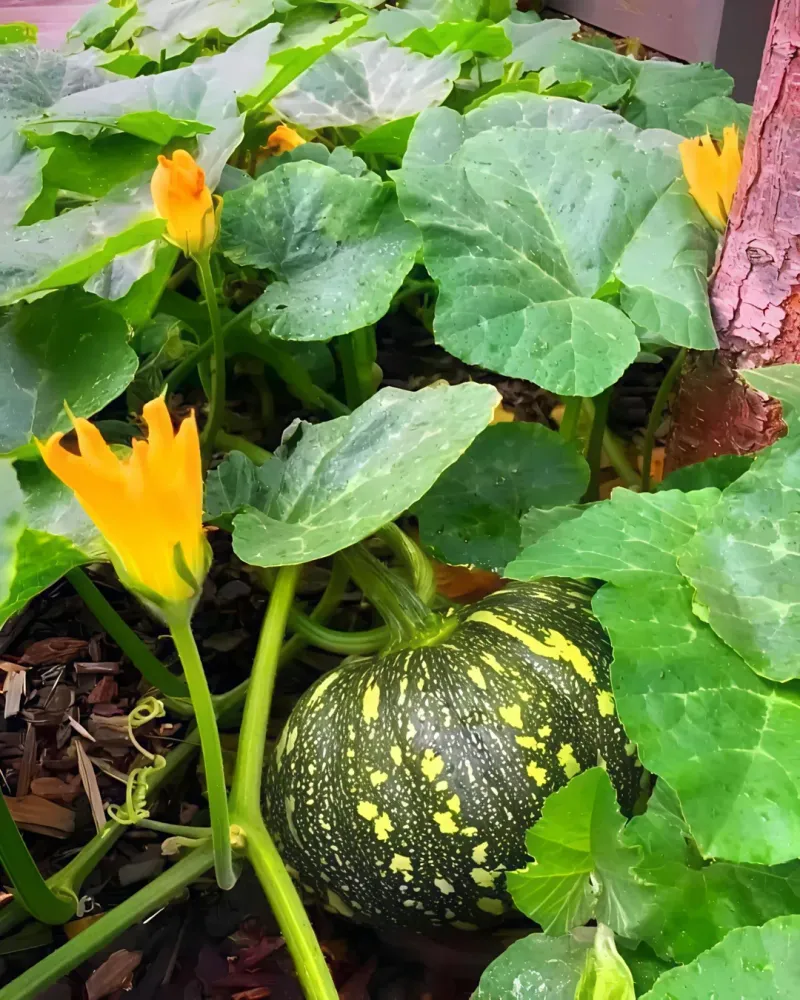
Pumpkins need warmth and lots of it. Starting seeds in February or March seems logical for fall harvest, but pumpkins actually grow best when planted much closer to summer. They require consistent temperatures above 65 degrees and long, sunny days to thrive properly.
Early indoor starting creates leggy, weak seedlings that struggle outdoors. Pumpkin plants grow so vigorously once warm weather arrives that early starts provide no real advantage.
Those extra weeks indoors often cause more harm than good, producing stressed plants with tangled roots.
Michigan gardeners should start pumpkin seeds just two to three weeks before the last frost date. This timing produces compact, healthy seedlings ready to explode with growth once transplanted.
The plants establish quickly and begin running across the garden with impressive speed. Direct seeding works wonderfully for pumpkins too.
Plant seeds outdoors after Memorial Day when soil feels warm. Pumpkins planted in early June still have plenty of time to mature before fall frost.
They’ll develop stronger root systems and show better drought tolerance than transplants. Plus, you’ll avoid the hassle of nurturing large, space-hogging seedlings indoors for weeks.
5. Watermelon (Citrullus Lanatus)
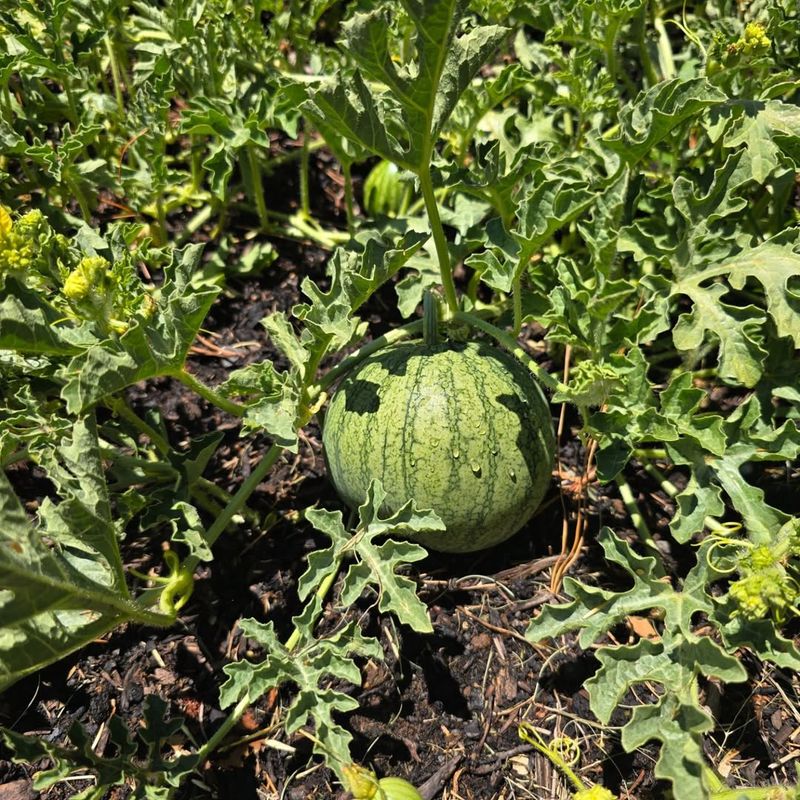
Watermelons are tropical plants at heart. They absolutely despise cold conditions and need soil temperatures above 70 degrees to germinate properly.
Starting them indoors during Michigan’s chilly spring sounds smart, but timing becomes incredibly tricky with these frost-sensitive plants.
Seedlings started too early become stressed waiting for warm enough outdoor conditions. Watermelon plants grow rapidly and become root-bound quickly in small containers.
Those circling roots never quite straighten out after transplanting, leading to stunted plants that produce smaller, fewer fruits.
The best strategy involves starting watermelon seeds three to four weeks before your area’s last frost date. Use biodegradable pots to minimize root disturbance during transplanting.
Keep seedlings in the warmest spot possible and don’t rush them outdoors until nighttime temperatures stay consistently above 60 degrees.
Many experienced Michigan gardeners skip indoor starting entirely for watermelons. Direct seeding in early June, when soil is thoroughly warm, produces vigorous plants that mature just fine.
The growing season is long enough in most Michigan areas for watermelons to ripen.
Plants started outdoors develop stronger roots and handle summer heat stress much better than pampered transplants.
6. Cantaloupe (Cucumis Melo)
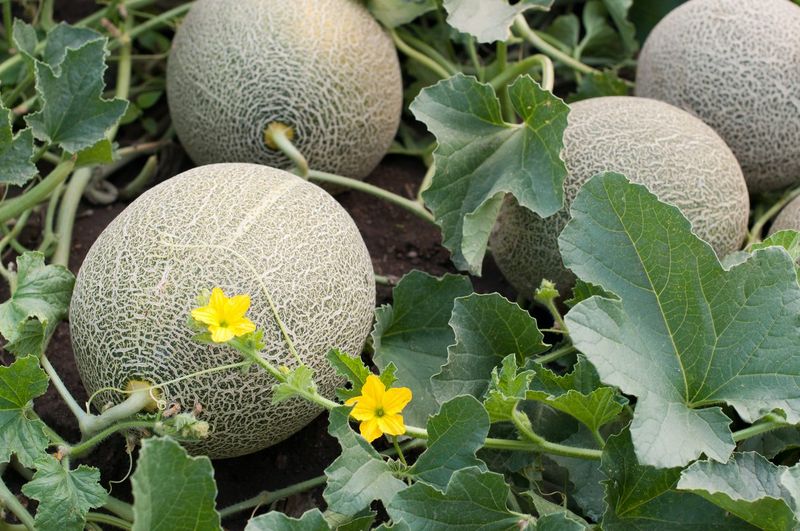
Cantaloupes share many characteristics with their cucumber cousins. They grow incredibly fast and develop extensive root systems that dislike being confined.
Starting seeds more than a month before transplanting creates problems rather than advantages for these quick-growing melons.
Cold sensitivity makes timing crucial for cantaloupes. These plants need warm soil and air temperatures to grow properly. Transplanting them too early into cool spring conditions causes severe stress.
The plants often sit there looking miserable for weeks, making no growth progress whatsoever.
Plan to start cantaloupe seeds three to four weeks before Michigan’s last frost date. This shorter indoor period produces stocky seedlings with healthy root systems. They’ll be ready to transplant right when soil temperatures reach the ideal 70-degree range.
The plants will establish quickly and begin flowering within weeks. Direct seeding cantaloupes works beautifully in Michigan’s climate.
Wait until early June when nights stay reliably warm. Plant several seeds per hill and thin to the strongest seedlings.
Direct-seeded plants often catch up to transplants and sometimes even surpass them in vigor. They develop deeper roots that access moisture better during summer dry spells.
7. Okra (Abelmoschus Esculentus)
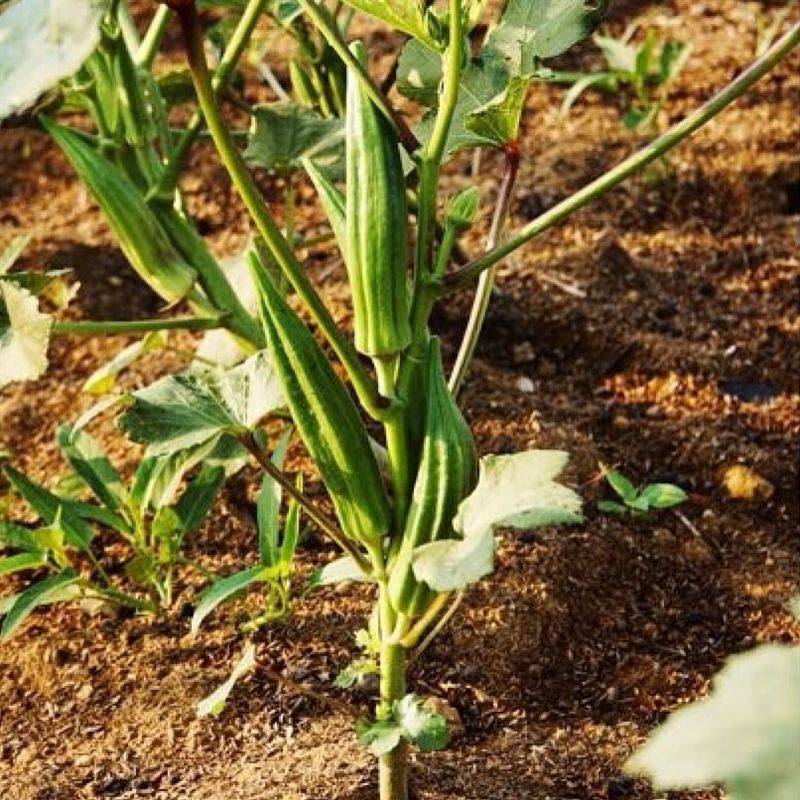
Okra hails from Africa and loves heat like few other vegetables. This warm-season crop refuses to germinate or grow in cool conditions.
Starting seeds indoors during Michigan’s cold spring creates challenges because okra needs temperatures around 80 degrees to sprout reliably.
Germination takes forever when conditions aren’t perfect. Okra seeds started indoors in cool temperatures can sit for weeks without sprouting. Even with heat mats, getting consistent germination proves frustrating.
Those slow-starting seedlings often develop poorly and never quite catch up once transplanted.
The smarter approach involves waiting until late spring to start okra seeds. Begin them indoors just two to three weeks before your last frost date. Keep them very warm using heat mats or placing them near heating vents.
Don’t transplant until soil temperatures stay above 65 degrees consistently. Many Michigan gardeners find direct seeding okra works better than transplanting.
Wait until June when soil is thoroughly warm and nights stay mild. Okra seeds germinate quickly in warm soil and plants grow rapidly.
They actually prefer being seeded directly rather than transplanted. The plants establish faster and begin producing pods sooner when started outdoors in proper conditions.
8. Melon Varieties (Honeydew, Galia, Etc.)
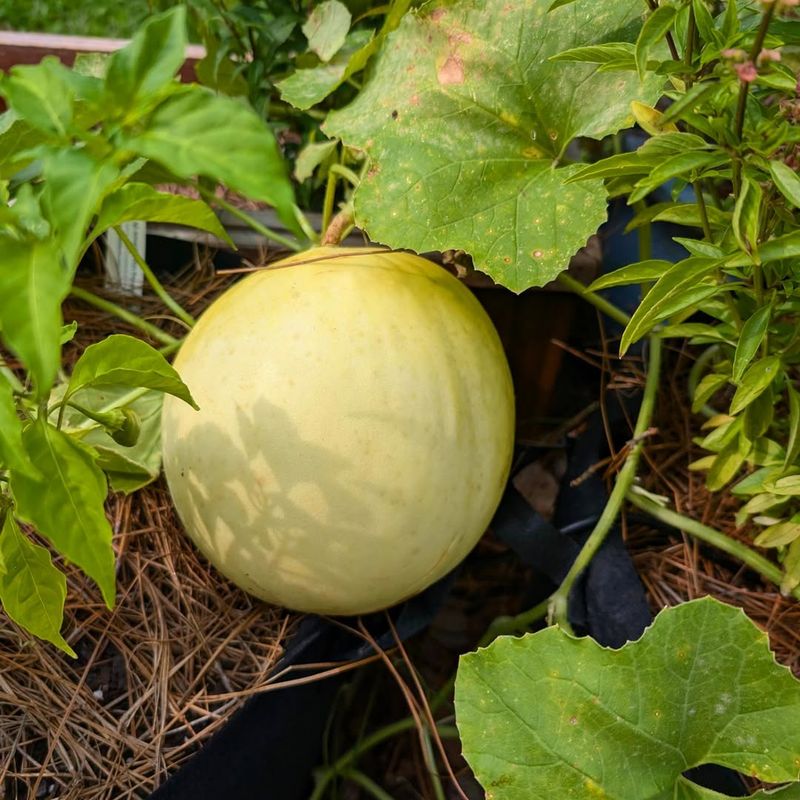
Specialty melons like honeydew and Galia share the same quirks as cantaloupes and watermelons.
They’re frost-sensitive, fast-growing, and fussy about root disturbance. Starting them too early indoors creates more problems than it solves for Michigan gardeners.
These melons need consistently warm conditions to thrive. Soil temperatures below 70 degrees lead to poor germination and weak seedlings. Air temperatures matter too since melons grow best when days are hot and nights stay mild.
Transplanting them into cool spring conditions causes severe setbacks. Start melon seeds three to four weeks before your area’s last expected frost. Use larger pots since melon roots grow quickly. Keep seedlings in the warmest indoor location possible.
Don’t rush transplanting even if the calendar says it’s time. Wait for truly warm, settled weather with nighttime temperatures above 60 degrees.
Direct seeding melons in early June often produces better results than transplanting. The plants develop stronger root systems and show better drought tolerance. Michigan’s growing season provides enough time for most melon varieties to mature.
Plants started outdoors grow vigorously without transplant shock. They establish quickly and begin setting fruit within weeks of sprouting.
9. Beans (Phaseolus Spp.)
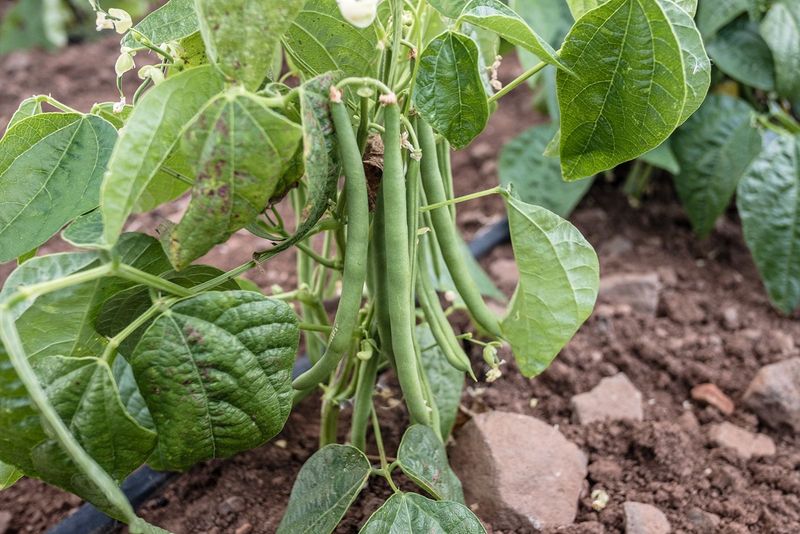
Beans are famously easy to grow, but they have one major quirk. These plants absolutely hate having their roots disturbed. Transplanting beans almost always causes stress that delays harvest and reduces yields.
The plants often wilt dramatically and take weeks to recover. Bean seeds germinate incredibly fast in warm soil. Within days of planting, you’ll see sprouts emerging. This quick germination makes indoor starting unnecessary.
By the time you’d transplant indoor-started beans, direct-seeded ones would already be catching up rapidly.
Michigan’s growing season is plenty long for beans. Most varieties mature in 50 to 60 days from planting. Direct seeding after the last frost date gives beans all the time they need.
Wait until soil temperatures reach at least 60 degrees for best germination rates.
Plant bean seeds about an inch deep directly in the garden. Space them according to variety recommendations. Bush beans need less room while pole beans require support structures.
The seeds are large and easy to handle, making planting simple even for beginning gardeners. Direct-seeded beans develop stronger root systems that support heavier yields. They show better drought tolerance and disease resistance too.