9 Garden Vegetables That Aren’t Worth Growing From Seed In North Carolina
Growing your own vegetables is one of the most satisfying parts of gardening, but starting every crop from seed indoors is not always the best move.
In North Carolina, where climate conditions vary across zones 6 through 8, some vegetables simply do not respond well to early indoor starts.
They may grow too fast, struggle during transplanting, or prefer warm soil and steady outdoor conditions from the very beginning.
Instead of gaining a head start, you can end up with weak seedlings, stalled growth, and extra work that does not pay off.
Many experienced gardeners skip indoor starting for certain crops and see better results with direct sowing or healthy transplants.
Choosing the right method saves time, reduces frustration, and often leads to stronger, more productive plants once the growing season is underway.
1. Corn (Zea Mays)
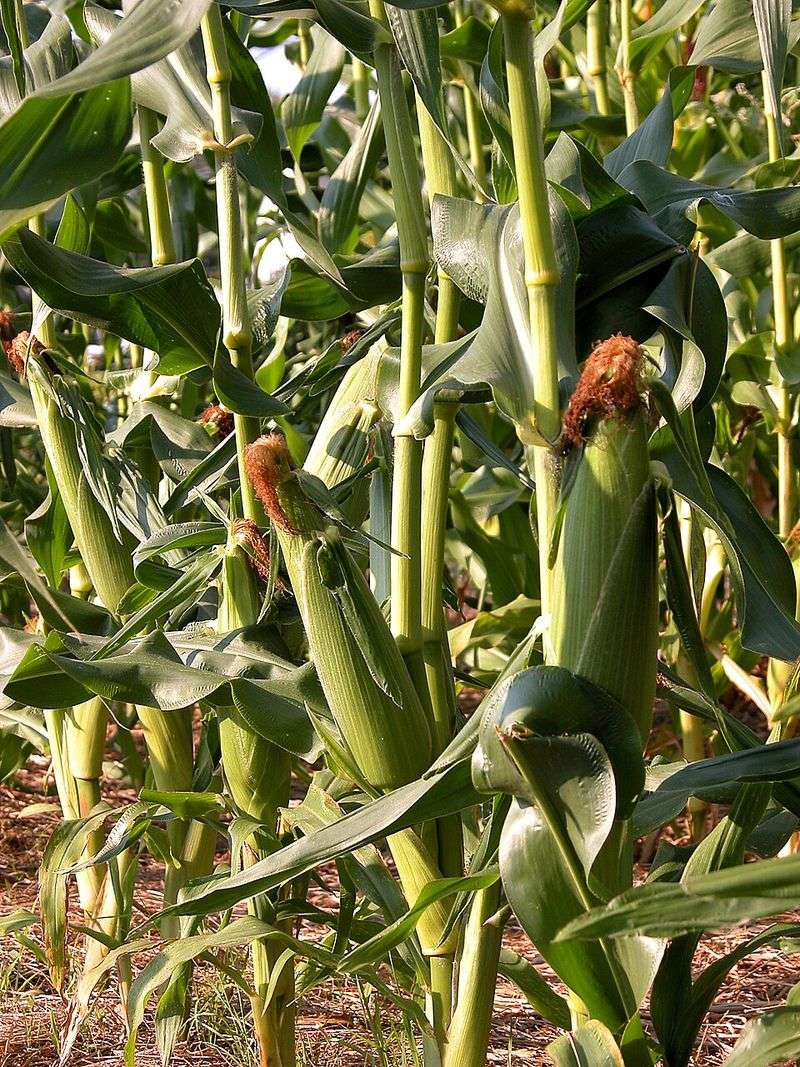
Starting corn indoors rarely makes sense for North Carolina gardeners. The root system develops quickly and becomes tangled within containers, making transplanting nearly impossible without causing serious damage.
Corn seedlings are particularly sensitive to any disturbance of their delicate roots. Direct seeding works best once soil temperatures consistently reach 60 degrees Fahrenheit or higher.
In most North Carolina regions, this happens between mid-April and early May. Planting too early in cold soil leads to poor germination and increased risk of seed rot.
The taproot system corn develops needs uninterrupted growth to establish properly. When you transplant corn seedlings, even carefully, the shock often stunts their growth significantly. Many plants never fully recover from the stress of being moved.
Corn also grows rapidly once conditions are right, so there’s little advantage to getting a head start indoors.
Within weeks of direct seeding, plants catch up to any transplants you might have started earlier. The warm North Carolina summers provide plenty of growing time for corn to mature successfully.
For best results, plant seeds directly in blocks rather than single rows. This arrangement helps with pollination, which is essential for good ear development. Space seeds about 8 to 12 inches apart in rows that are 30 to 36 inches wide.
2. Cucumber (Cucumis Sativus)
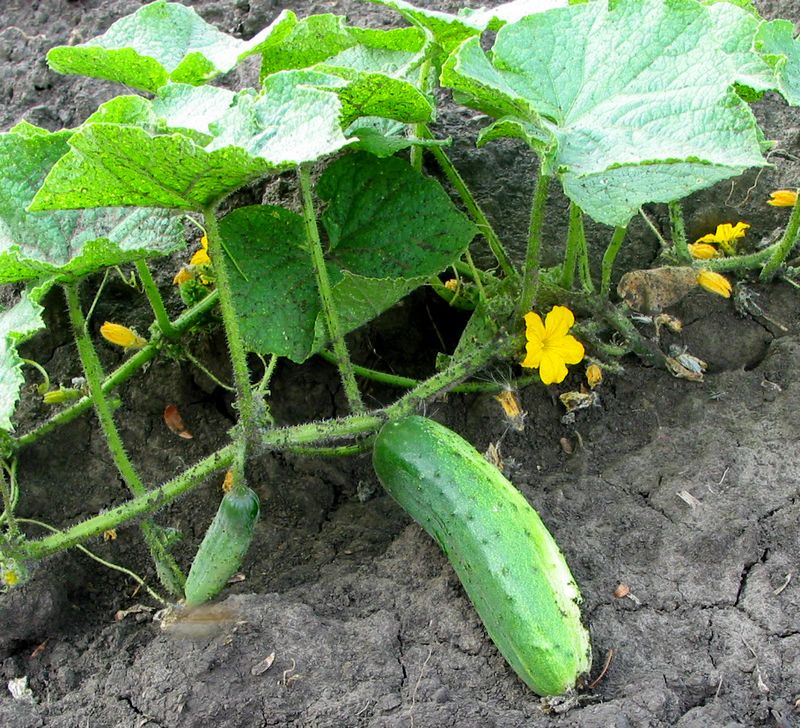
Cucumber plants grow at an impressive pace once germination occurs. Starting them too early indoors creates problems because seedlings quickly become leggy and weak when waiting for transplant time.
These stretched-out plants struggle to adapt once moved outdoors. The window between safe indoor starting and outdoor planting is surprisingly narrow in North Carolina.
Last frost dates typically fall between mid-March in the coastal plain and late April in the mountains. Cucumbers need warm soil above 65 degrees to thrive after transplanting.
Transplant shock affects cucumbers more than many gardeners realize. The plants have sensitive root systems that prefer minimal disturbance. Even when you’re careful, moving seedlings from containers to garden beds causes stress that delays fruit production.
Direct seeding around two weeks after your last frost date works beautifully for cucumbers. The seeds germinate quickly in warm soil, often within just five to seven days. Plants establish stronger root systems when grown in place from the start.
If you prefer a slight head start, wait until just two weeks before your planned outdoor planting date. Use biodegradable pots that can go directly into the ground, minimizing root disturbance. Keep seedlings in a warm location with plenty of light to prevent stretching.
3. Summer Squash (Cucurbita Pepo)
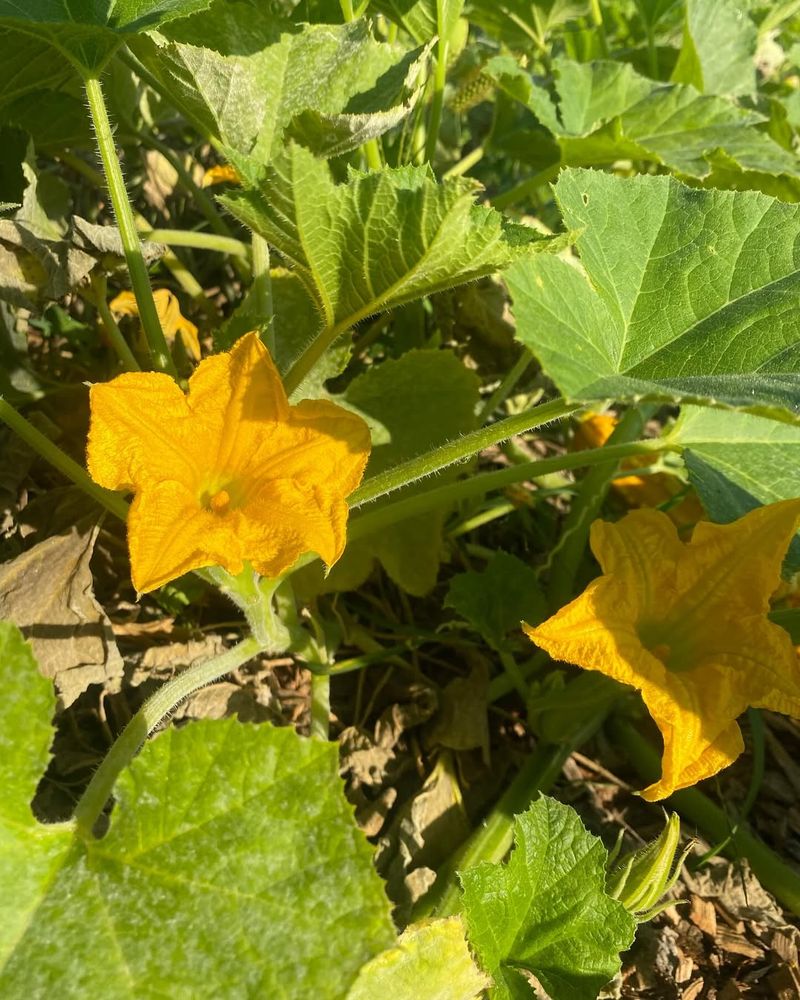
Summer squash varieties like zucchini and yellow squash are notorious for their vigorous growth habits.
These plants develop massive root systems and large leaves remarkably fast. Starting them indoors often results in pot-bound seedlings that suffer when transplanted.
North Carolina’s growing season provides ample time for summer squash to mature from direct seeding. Most varieties produce fruit within 45 to 55 days of planting. There’s simply no need to rush the process by starting seeds indoors weeks early.
Cold soil temperatures pose the biggest threat to young squash plants. Seeds won’t germinate well below 60 degrees, and seedlings exposed to chilly conditions develop poorly.
Waiting until soil warms naturally ensures better germination rates and healthier plants overall.
Transplanting squash seedlings frequently leads to setbacks rather than advantages. The plants experience shock from root disturbance and often take a week or more to resume normal growth. Direct-seeded plants catch up quickly and usually outperform transplants.
For optimal results, plant squash seeds directly in your garden after all danger of frost has passed.
In most North Carolina locations, late April through May works perfectly. Plant seeds about one inch deep and space them 24 to 36 inches apart to accommodate their spreading growth.
4. Pumpkin (Cucurbita Maxima)
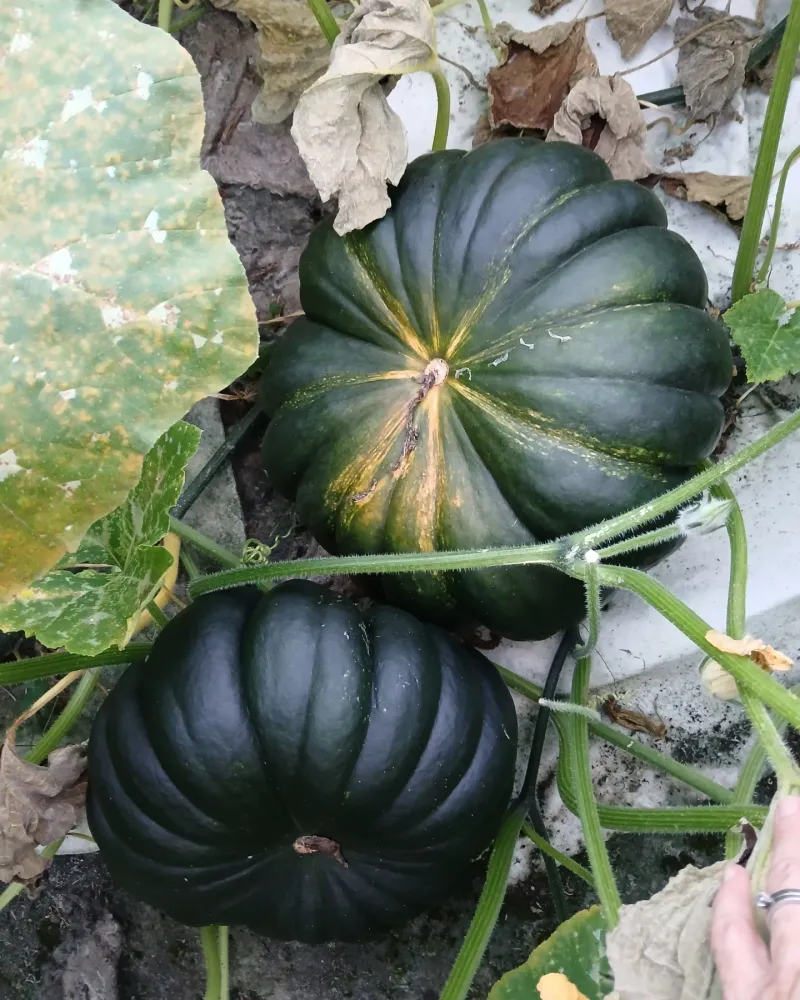
Pumpkins require a long growing season, which tempts many gardeners to start them indoors early.
However, this approach backfires more often than it succeeds. Pumpkin seedlings grow rapidly and become difficult to manage in containers within just a few weeks.
The ideal window for starting pumpkins indoors is extremely short, typically just two to three weeks before your last frost date. Any earlier and seedlings become leggy, root-bound, or both. These stressed plants struggle to establish themselves after transplanting.
Root disturbance causes significant problems for pumpkins. The plants develop extensive root systems that resent being confined or moved.
Transplant shock can delay vine growth and fruit development by several weeks, negating any advantage gained from early starting.
North Carolina’s frost-free period is long enough for pumpkins to mature successfully from direct seeding.
Coastal and piedmont regions have particularly generous growing seasons. Even mountain gardeners can grow pumpkins by choosing varieties with shorter maturity times.
Direct seeding after soil temperatures reach 70 degrees produces the strongest plants. In most of North Carolina, late May or early June works well for pumpkin planting.
Seeds germinate quickly in warm soil and plants establish robust root systems from the start, leading to better overall yields.
5. Watermelon (Citrullus Lanatus)
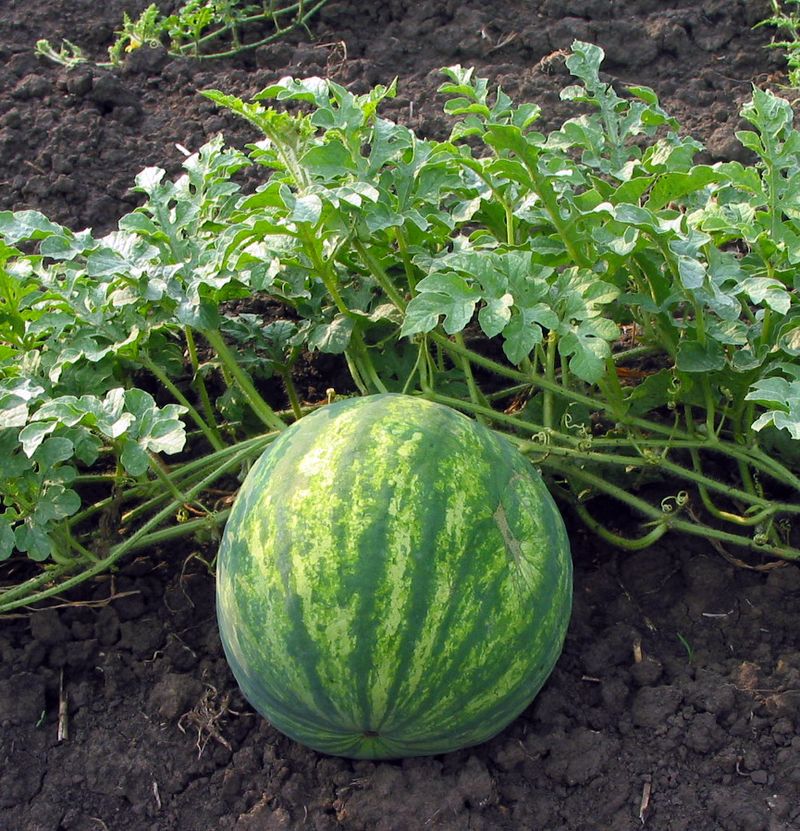
Watermelon seeds germinate slowly when conditions aren’t ideal, leading many gardeners to consider indoor starting.
Unfortunately, watermelon seedlings are notoriously finicky about transplanting. The plants prefer warm temperatures throughout their entire growth cycle.
Starting watermelons too early creates more problems than it solves. Seedlings held indoors beyond three weeks become stressed and stunted. The vines want to spread but can’t, leading to tangled, unhealthy plants that never quite recover after transplanting.
Cold sensitivity makes watermelons particularly challenging for early planting in North Carolina.
Even brief exposure to temperatures below 50 degrees can permanently damage young plants. Waiting until soil and air temperatures are consistently warm ensures much better success rates.
The long North Carolina growing season accommodates watermelons beautifully when direct-seeded at the right time.
Coastal plain gardeners can plant as early as late April, while mountain gardeners should wait until late May or early June. Piedmont regions fall somewhere in between.
Direct seeding eliminates transplant shock entirely and allows watermelons to establish strong, undisturbed root systems.
Plant seeds about one inch deep in hills spaced five to six feet apart. Warm soil temperatures above 70 degrees ensure quick germination, usually within seven to ten days.
6. Cantaloupe (Cucumis Melo)
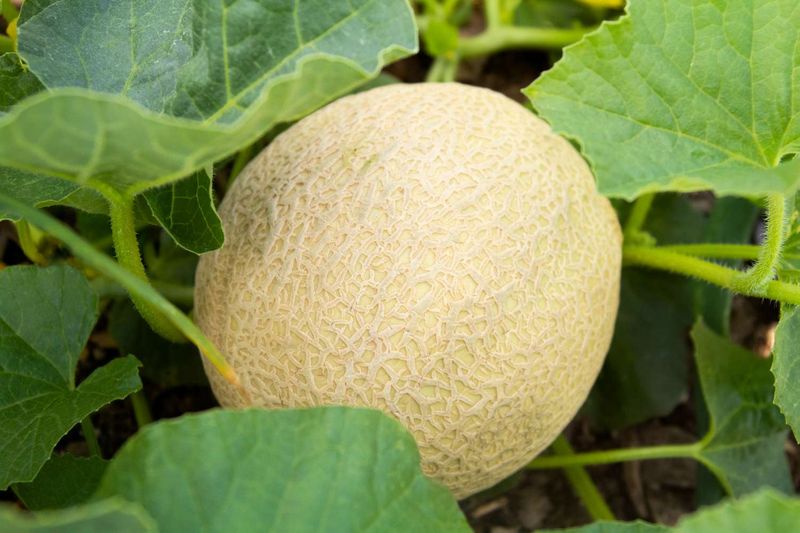
Cantaloupe shares many characteristics with its cucumber relatives, including rapid growth and sensitivity to cold.
Starting these melons indoors seems logical, but the practice often leads to disappointing results. Seedlings outgrow their containers quickly and become stressed.
The critical factor with cantaloupes is timing your planting to avoid late-season cold. North Carolina’s last frost dates vary considerably by region, but cantaloupes need consistently warm weather to thrive. Transplanting too early exposes plants to potential cold damage.
Transplant shock affects cantaloupes significantly, even when you use careful techniques. The plants have delicate root systems that prefer to grow undisturbed. Moving seedlings from indoor containers to outdoor beds causes stress that delays flowering and fruit set.
Direct seeding after all frost danger has passed produces the most reliable results. Cantaloupe seeds germinate quickly in warm soil, typically within five to ten days.
Plants establish stronger root systems and experience fewer setbacks when grown in place from germination.
For gardeners who prefer a slight head start, limit indoor growing to just two weeks before transplanting. Use biodegradable pots and maintain warm temperatures with plenty of light.
However, direct-seeded cantaloupes planted at the right time usually catch up and often surpass transplants in overall vigor and productivity.
7. Okra (Abelmoschus Esculentus)
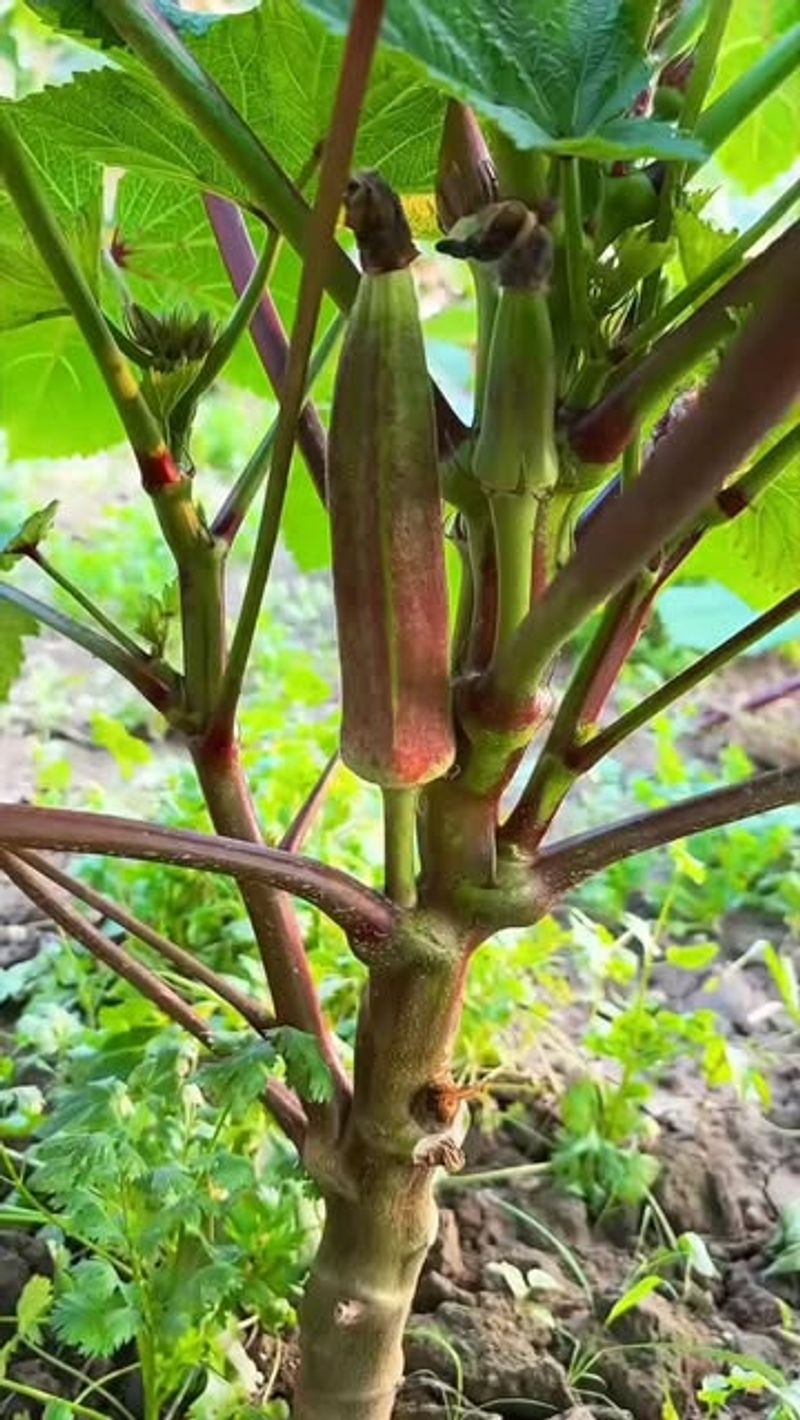
Okra thrives in hot weather and struggles when conditions are cool. This tropical vegetable requires consistently warm soil temperatures for successful germination and growth.
Starting seeds indoors might seem like a way to get a jump on the season, but okra seedlings don’t transplant well.
The seeds are notoriously hard and germinate slowly in cool conditions. However, once soil temperatures reach 70 degrees or higher, germination happens much more quickly and reliably. Trying to force early germination indoors often results in weak, spindly seedlings.
Okra develops a strong taproot that resents disturbance. Transplanting interrupts this root development and causes significant stress to the plants.
Even when transplanting appears successful initially, plants often struggle and produce less than those direct-seeded in the garden.
North Carolina’s warm summers are perfect for okra, and the growing season is long enough for direct-seeded plants to mature fully.
Coastal and piedmont gardeners can expect excellent results, while mountain gardeners should choose faster-maturing varieties.
Plant okra seeds directly in the garden after soil temperatures consistently reach 70 degrees.
In most of North Carolina, this occurs in late April through May. Soak seeds overnight before planting to speed germination, then plant them about one inch deep and 12 to 18 inches apart.
8. Melons (Honeydew And Others)
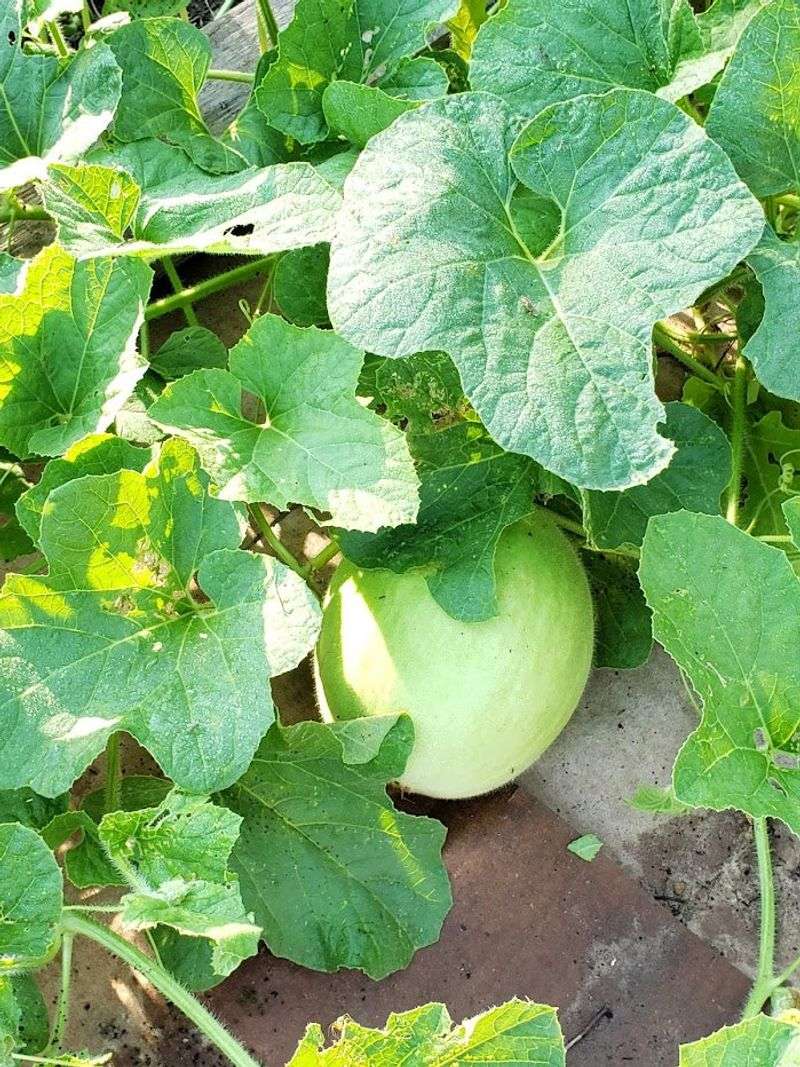
Honeydew, Galia, and other specialty melons share similar growing requirements with cantaloupes and watermelons.
These crops need warm temperatures throughout their growth cycle and don’t benefit from early indoor starting. Cold sensitivity makes them poor candidates for transplanting in spring.
Starting melon seeds indoors creates management challenges that outweigh any potential benefits. Seedlings grow quickly and need transplanting at just the right time. Wait too long and plants become root-bound and stressed.
Transplant too early and cold weather damages or destroys them. The root systems of melon plants prefer to grow without interruption.
Transplanting causes stress that delays vine growth and fruit development. Direct-seeded melons establish stronger, more extensive root systems that support better overall plant health and productivity.
North Carolina’s climate provides sufficient growing time for most melon varieties when direct-seeded at appropriate times.
Coastal areas have particularly long seasons, while piedmont and mountain regions can still grow melons successfully by choosing varieties with shorter maturity periods.
Wait until soil temperatures reach at least 70 degrees before planting melon seeds directly in your garden.
This typically occurs in late April through May across most of North Carolina. Plant seeds about one inch deep in hills spaced four to six feet apart, allowing plenty of room for vines to spread.
9. Beans (Phaseolus Species)
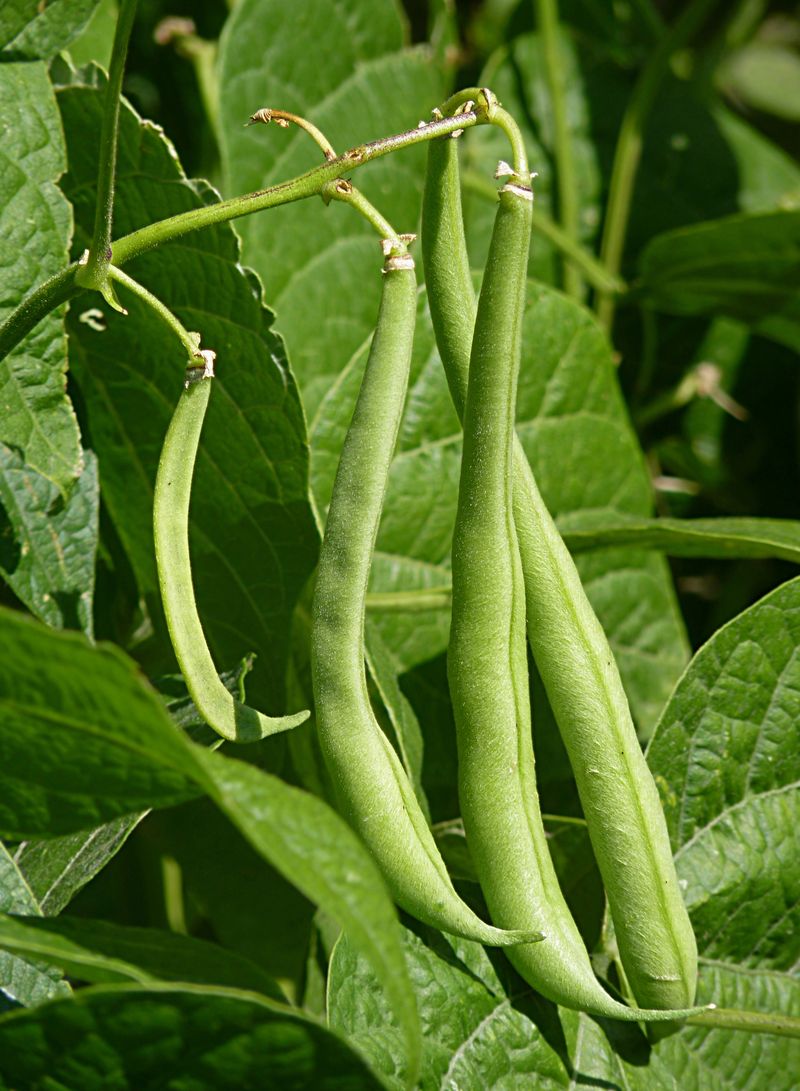
Beans rank among the easiest vegetables to grow from seed, yet some gardeners still attempt to start them indoors.
This practice almost never works well because bean plants are extremely sensitive to root disturbance. The seedlings simply don’t tolerate transplanting.
Both bush and pole beans develop quickly once planted in warm soil. Seeds germinate within a week when conditions are right, and plants begin producing pods within 50 to 60 days. There’s no advantage to starting beans indoors since they grow so rapidly outdoors.
Transplanting beans causes severe stress that often proves fatal to the plants. Even seedlings that survive the move typically struggle for weeks before resuming normal growth.
The root systems are delicate and become damaged easily during the transplanting process. North Carolina’s growing season is long enough for multiple successive plantings of beans.
Gardeners can direct-seed beans every two to three weeks from spring through midsummer for continuous harvests. This approach works far better than trying to gain a few weeks by starting seeds indoors.
Plant bean seeds directly in the garden after all danger of frost has passed and soil temperatures reach at least 60 degrees.
In most of North Carolina, this means late April through May for the first planting. Space seeds about three to four inches apart and one inch deep.