Gardeners In Massachusetts Are Finding Roses With Double Petals — Here’s What Is Causing It
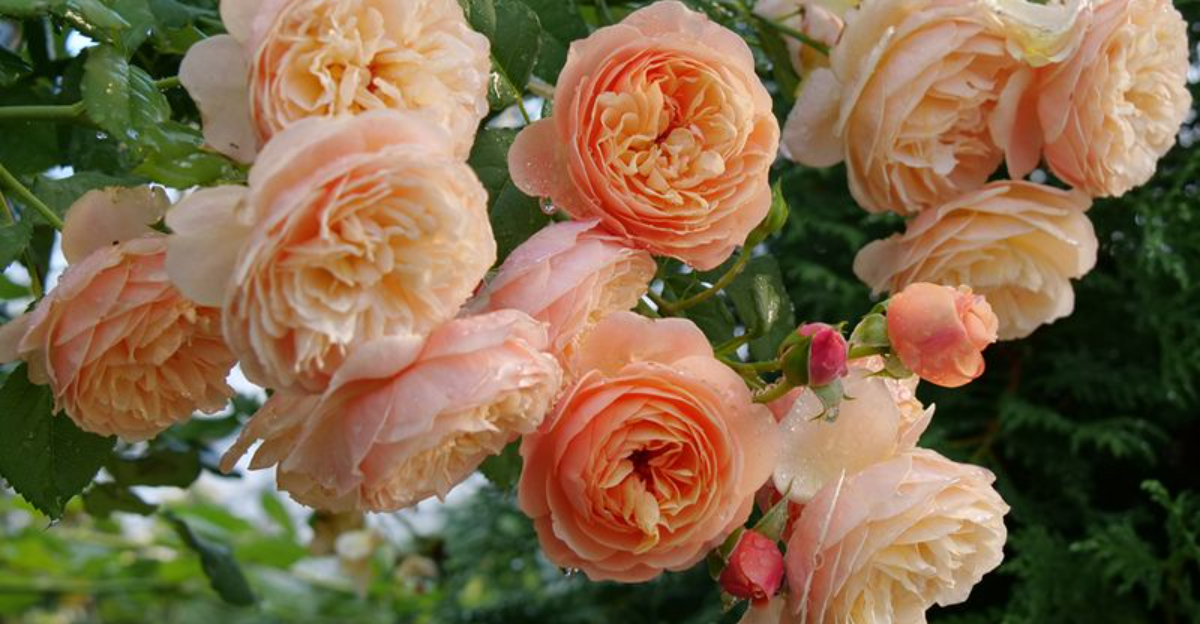
Massachusetts gardeners are stopping mid-prune this season as their rose bushes put on an unexpected show: blooms packed with extra layers of petals, creating lush, almost peony-like flowers that look straight out of a catalog.
At first glance, these fuller blossoms might seem like an exciting upgrade — a little gardening magic delivered overnight.
But horticulturists say the trend isn’t random or purely aesthetic.
Instead, it stems from a mix of environmental stress, genetic oddities, and even certain plant viruses that can subtly influence how rose buds form.
As reports of these showy, double-petaled blooms spread across the state, experts are digging into what’s driving the transformation and what it means for garden roses in Massachusetts.
1. Genetic Mutations Are Triggering Extra Petals
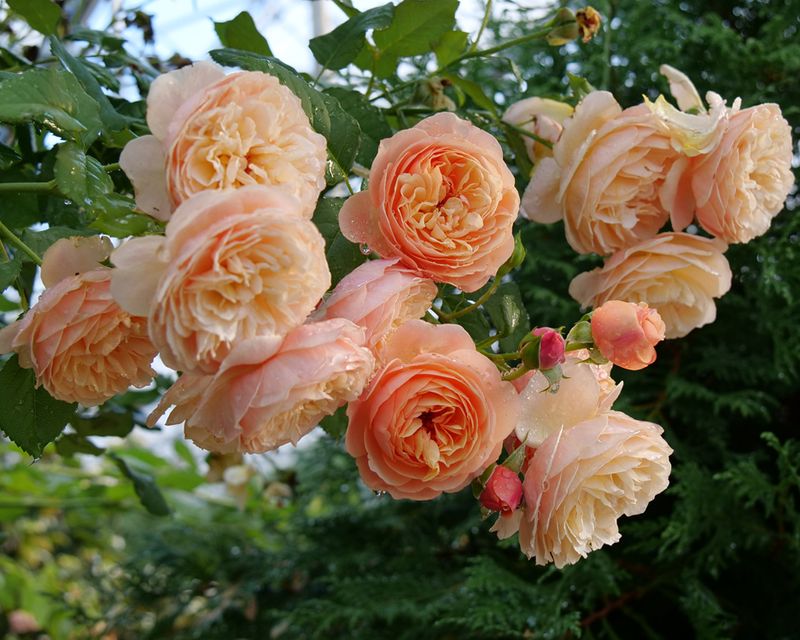
Random changes in a rose’s DNA can cause stamens to transform into petals, creating those gorgeous multi-layered blooms.
Stamens are the parts of flowers that normally produce pollen, but when genetic signals get crossed, they develop into colorful petals instead.
This natural mutation has been happening for centuries, which is why we have so many stunning double-rose varieties today.
Massachusetts gardeners might be seeing more of these mutations because they’re growing older heirloom varieties that carry these genetic traits.
When conditions are just right, these hidden genes can suddenly express themselves in dramatic ways.
Temperature fluctuations during bud formation can also trigger genetic expression changes.
Cool spring nights followed by warm days might flip the switch on genes that control petal development.
Some rose bushes carry recessive genes for double petals that only show up occasionally.
When two plants with these hidden traits cross-pollinate, their offspring might display the full double-petal characteristic.
Scientists have identified specific genes responsible for petal multiplication in roses.
Understanding these genetic mechanisms helps breeders create new varieties with predictable petal counts and arrangements.
2. Warmer Springs In New England Are Changing Growth Patterns
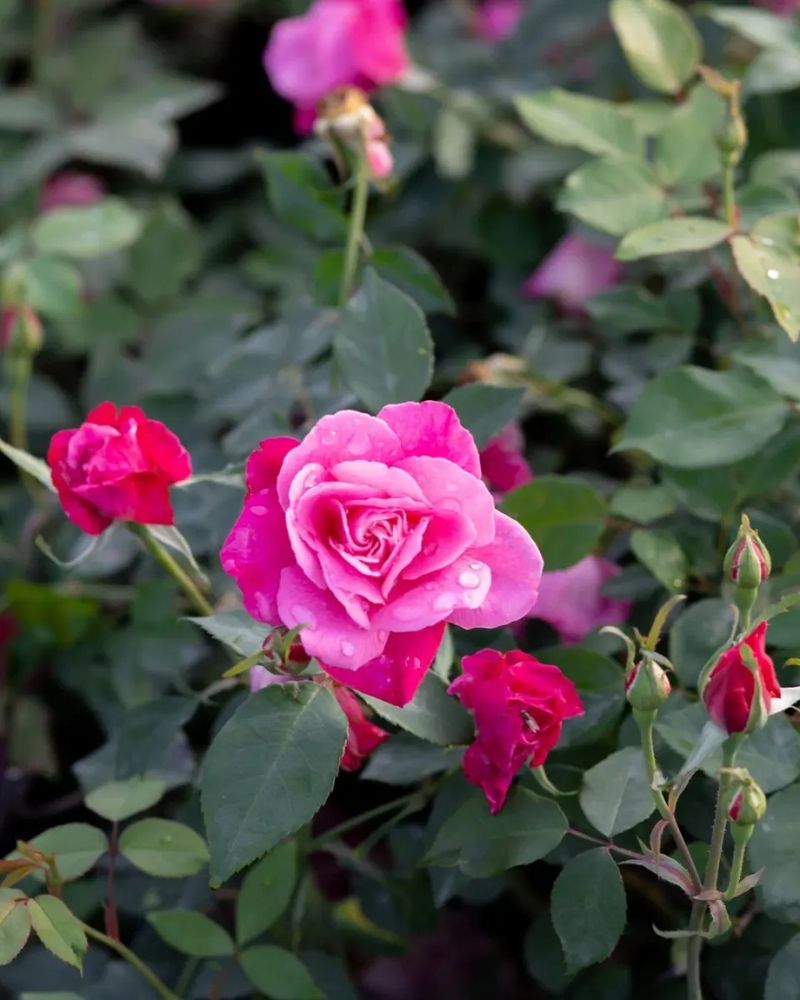
Climate shifts have brought earlier and warmer springs to Massachusetts, fundamentally altering how roses develop their blooms.
Roses are incredibly sensitive to temperature during their critical bud formation stage in late winter and early spring.
When temperatures stay mild for extended periods, the plant’s internal chemistry changes, sometimes triggering additional petal development.
Data from weather stations across Massachusetts shows that average spring temperatures have increased by nearly two degrees over the past decade.
This seemingly small change can have dramatic effects on plant development and flowering patterns.
Extended warm periods allow rose bushes to store more energy before flowering begins.
This extra energy can fuel the production of additional petals, transforming simple blooms into complex, multi-layered flowers.
Gardeners in Boston, Worcester, and Springfield have all reported noticing these changes in their rose gardens.
The phenomenon isn’t limited to one region but appears widespread across the state.
Warmer conditions also mean longer growing seasons, giving roses more time to develop their full genetic potential.
Plants that might have produced simpler flowers in cooler years now have the resources to create elaborate double blooms.
3. Soil Enrichment Practices Are Boosting Bloom Complexity
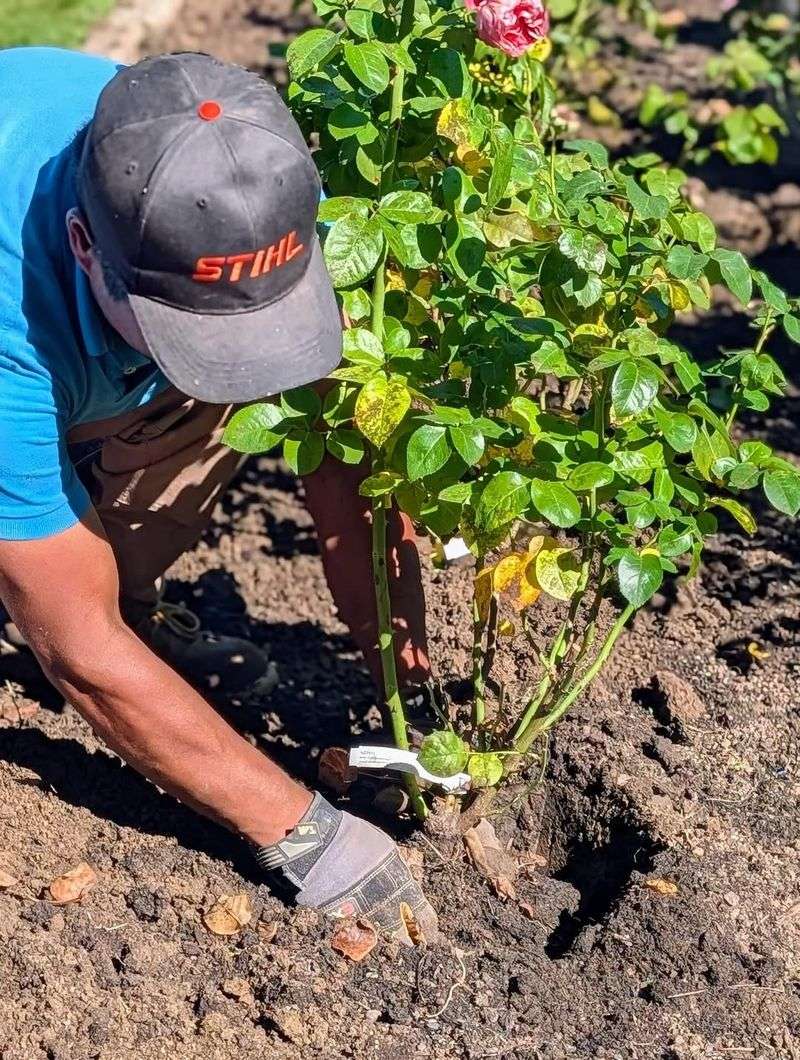
Many Massachusetts gardeners have become more sophisticated about soil health, and their roses are responding with spectacular results.
Rich, nutrient-dense soil provides roses with the building blocks they need to create complex flowers with multiple petal layers.
When plants have access to abundant nitrogen, phosphorus, and potassium, they can invest more resources into flower development.
Composting has become increasingly popular across New England, with community programs and home gardens producing high-quality organic matter.
This compost feeds beneficial soil microorganisms that help roses absorb nutrients more efficiently.
Trace minerals like magnesium, iron, and boron play crucial roles in flower formation.
Well-amended Massachusetts soil often contains these elements in balanced proportions, supporting the biochemical processes that create extra petals.
Gardeners who regularly test their soil and adjust pH levels create optimal conditions for rose growth.
Most roses prefer slightly acidic soil between 6.0 and 6.5, and maintaining this range enhances their ability to produce elaborate blooms.
Organic fertilizers release nutrients slowly over time, providing steady nourishment throughout the growing season.
This consistent feeding allows roses to maintain the energy levels needed for producing those stunning double-petaled flowers.
4. Specific Rose Varieties With Double-Petal Genes Are Gaining Popularity
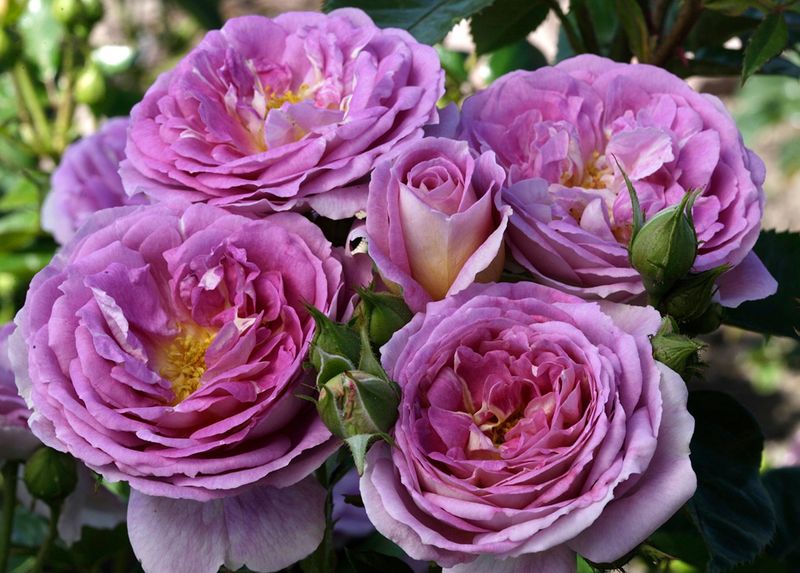
Nurseries throughout Massachusetts have been stocking more double-petal rose varieties, and gardeners are eagerly planting them.
Varieties like ‘David Austin’ roses, ‘Bourbon’ roses, and old-fashioned ‘Cabbage’ roses naturally produce flowers with dozens or even hundreds of petals.
These cultivars have been bred specifically for their lush, romantic appearance and are becoming garden favorites.
Local garden centers report that sales of heirloom and English roses have increased significantly over the past five years.
These varieties tend to have more complex genetics that favor double-petal formation.
Social media has played a role in spreading awareness of these beautiful varieties.
When gardeners share photos of their spectacular blooms online, others want to grow the same stunning plants in their own yards.
Many of these double-petal varieties also offer incredible fragrance, making them doubly appealing to home gardeners.
The combination of visual beauty and delightful scent creates an irresistible package.
Garden clubs across Massachusetts frequently feature these varieties in tours and competitions.
This exposure encourages more gardeners to experiment with double-petaled types, explaining why they’re appearing more frequently in neighborhood gardens.
5. Pruning Techniques Are Encouraging Fuller Blooms
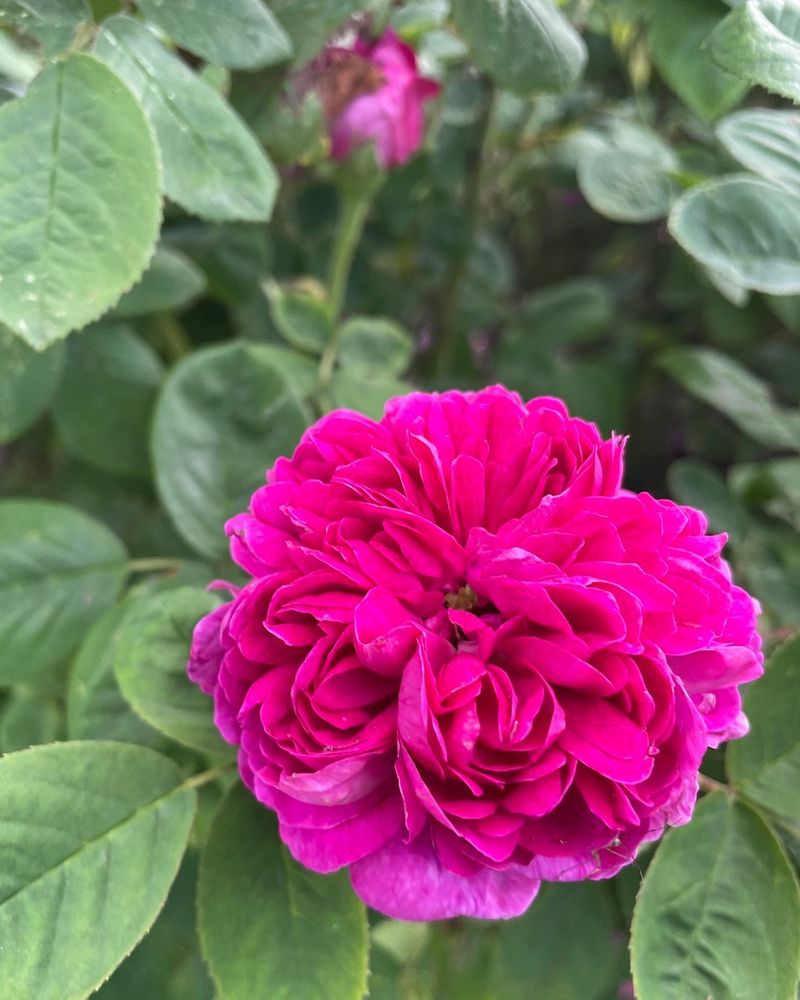
Proper pruning redirects a rose bush’s energy into fewer but more elaborate flowers, often resulting in double-petaled blooms.
When gardeners remove weak or excess canes in early spring, the plant concentrates its resources into the remaining strong stems.
This focused energy allows each flower to develop more fully, potentially expressing double-petal characteristics.
Massachusetts gardeners have access to excellent educational resources through extension services and botanical gardens.
Workshops on proper pruning techniques have helped home gardeners improve their skills dramatically.
Timing matters enormously when it comes to pruning roses in New England.
Cutting back bushes just as forsythia blooms ensures roses have maximum time to develop strong new growth before flowering begins.
Removing spent flowers throughout the season, a practice called deadheading, also encourages plants to produce more elaborate blooms.
Each successive flush of flowers may become more complex as the plant matures through the growing season.
Strategic pruning creates better air circulation and sunlight penetration throughout the plant.
These improved growing conditions support healthier development and can trigger the expression of genes responsible for additional petal formation in susceptible varieties.
6. Increased Water Availability During Bud Formation Matters
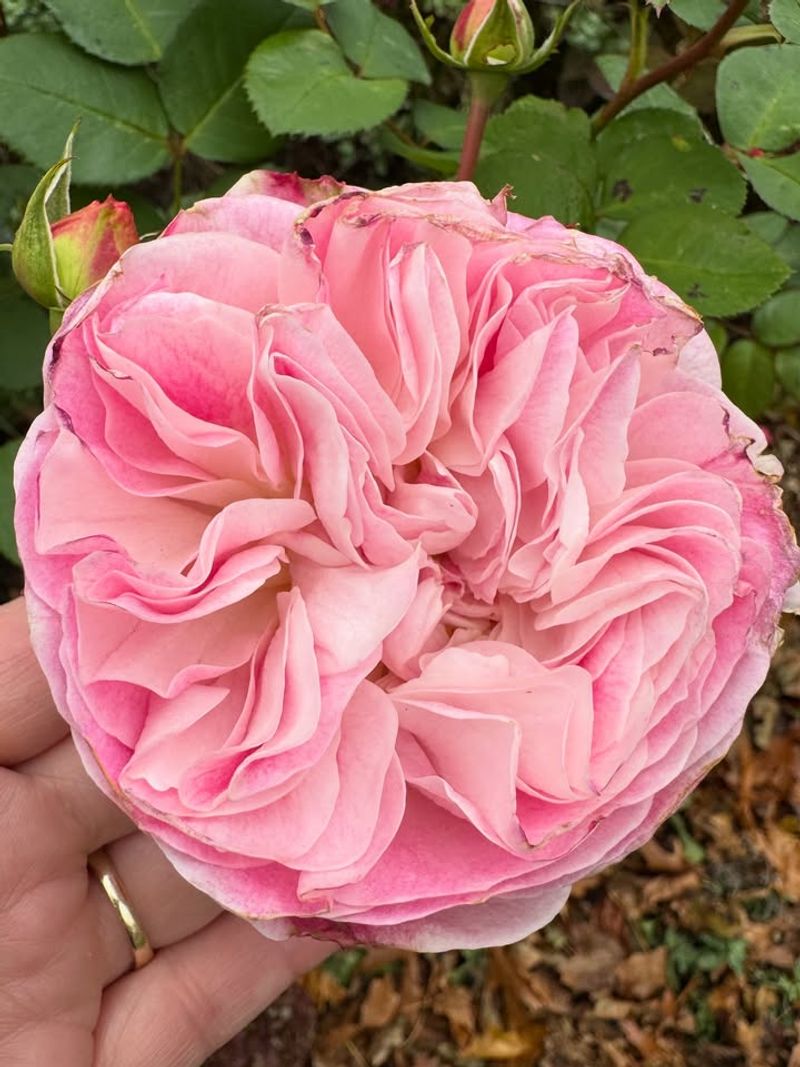
Adequate moisture during critical development stages can be the difference between simple and spectacular rose blooms.
Massachusetts has experienced more consistent rainfall patterns in recent years, providing roses with steady hydration during their crucial bud formation period.
When water stress is eliminated, plants can fully express their genetic potential for petal production.
Many gardeners have also installed drip irrigation systems or soaker hoses that deliver consistent moisture directly to root zones.
This reliable water supply supports the biochemical processes involved in creating complex flower structures.
Roses developing buds need especially consistent moisture to build the cellular structures that become petals.
Even brief periods of drought during this stage can limit petal development, while adequate water encourages maximum petal count.
Mulching around rose bushes helps retain soil moisture and maintain even hydration levels.
This practice has become standard among serious rose growers throughout the state, contributing to the proliferation of double-petaled blooms.
Water quality also plays a role in flower development.
Rainwater and well water in many Massachusetts communities contain beneficial minerals that support healthy growth and elaborate bloom formation better than chlorinated municipal water might.
7. Pollinator Activity Is Influencing Rose Genetics
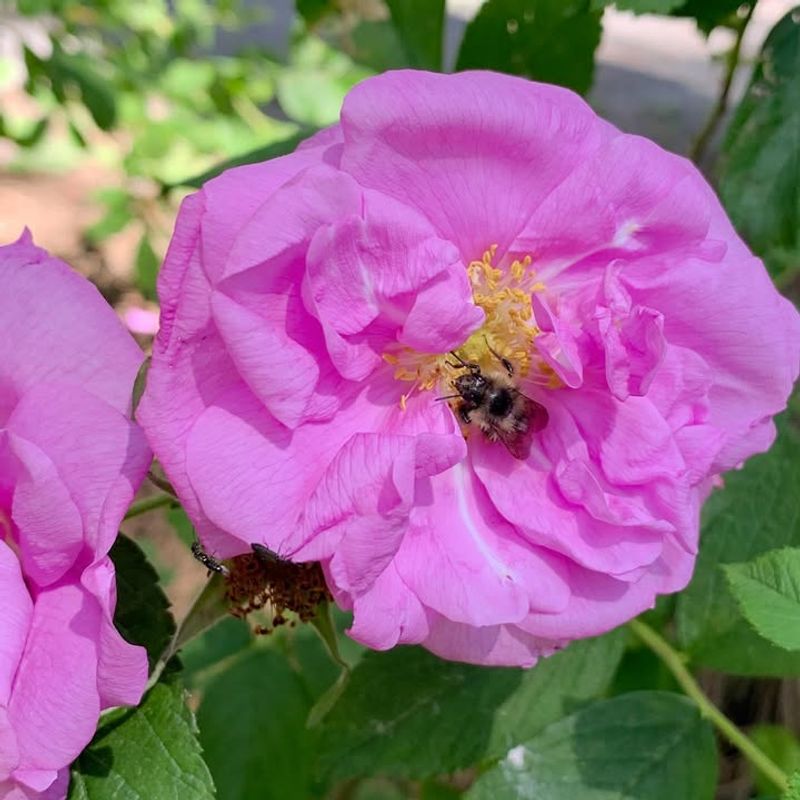
Bees, butterflies, and other pollinators are creating unexpected genetic combinations that result in roses with extra petals.
When pollinators visit different rose varieties in the same neighborhood, they transfer pollen between plants.
This cross-pollination can combine genetic traits in surprising ways, sometimes producing offspring with double-petal characteristics neither parent displayed prominently.
Massachusetts has seen a resurgence in pollinator populations thanks to conservation efforts and reduced pesticide use.
More active pollinators mean more genetic mixing among rose populations, increasing the chances of double-petal traits appearing.
Seeds from these chance crosses often germinate naturally around established rose bushes.
Gardeners who allow these volunteers to grow might discover they’ve sprouted plants with more elaborate flowers than the original.
Community gardens and neighborhood plantings create ideal conditions for this genetic exchange.
When many different rose varieties grow close together, pollinators facilitate natural hybridization that can produce exciting new characteristics.
Some gardeners intentionally leave rose hips on plants through winter, allowing seeds to develop and disperse.
The resulting seedlings represent a genetic lottery, and some winners display stunning double-petaled blooms that surprise their growers.
8. Fungal And Bacterial Treatments Are Having Unexpected Effects

Products designed to protect roses from disease might be inadvertently triggering changes in flower development.
Many modern rose treatments contain compounds that affect plant hormones and growth regulators.
While their primary purpose is disease prevention, some of these substances can influence how flowers develop, occasionally promoting additional petal formation.
Beneficial soil bacteria and mycorrhizal fungi have become popular additions to Massachusetts gardens.
These microscopic helpers form partnerships with rose roots, improving nutrient uptake and potentially affecting the hormonal signals that control petal development.
Organic treatments containing seaweed extracts and fish emulsions provide growth hormones that roses naturally respond to.
These hormones can sometimes stimulate cells that would normally become stamens to develop into petals instead.
Gardeners applying preventative sprays for black spot and powdery mildew often use products containing sulfur or copper.
These elements can influence enzymatic processes within the plant that regulate flower structure and complexity.
Healthy, disease-free roses have more energy to invest in elaborate flower production.
By keeping foliage clean and functional throughout the growing season, treatment programs indirectly support the development of those gorgeous multi-layered blooms gardeners are noticing.
9. Stress Factors Are Triggering Survival-Based Mutations
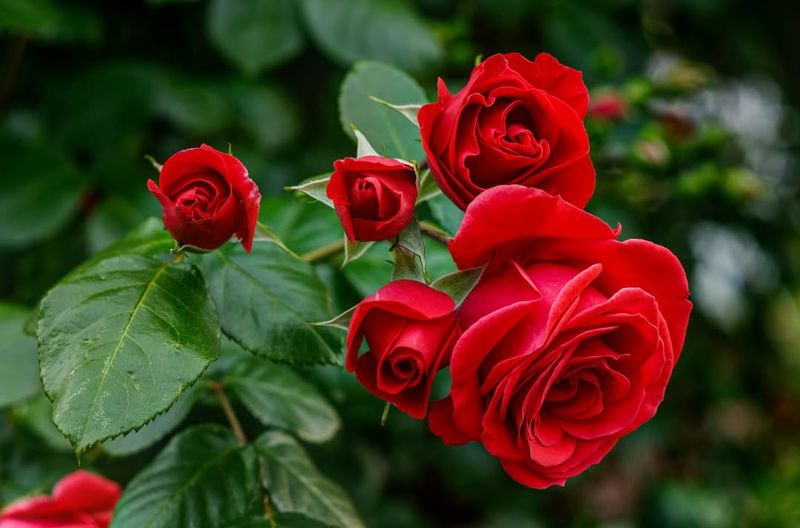
Roses facing environmental challenges sometimes respond by altering their reproductive structures, including petal formation.
When plants experience moderate stress from factors like temperature swings or brief nutrient shortages, they may activate dormant genetic programs.
These survival responses can include producing more elaborate flowers to attract pollinators more effectively.
Massachusetts weather can be unpredictable, with late frosts sometimes threatening early spring growth.
Roses that survive these challenges may produce unusually complex blooms as part of their recovery and reproductive strategy.
Competition for resources in crowded garden beds can also trigger changes in flower development.
Roses growing near other vigorous plants might invest more heavily in showy, double-petaled blooms to ensure pollinator attention.
Salt exposure from winter road treatments affects some Massachusetts gardens, particularly those near streets and driveways.
Roses tolerating low levels of salt stress sometimes display altered flowering patterns, including increased petal counts.
These stress-induced changes aren’t always permanent, but they can persist for a season or more.
Gardeners might notice their roses producing especially elaborate blooms following a challenging winter or a particularly dry summer, representing the plant’s adaptive response.
10. Grafting Practices Are Spreading Double-Petal Traits
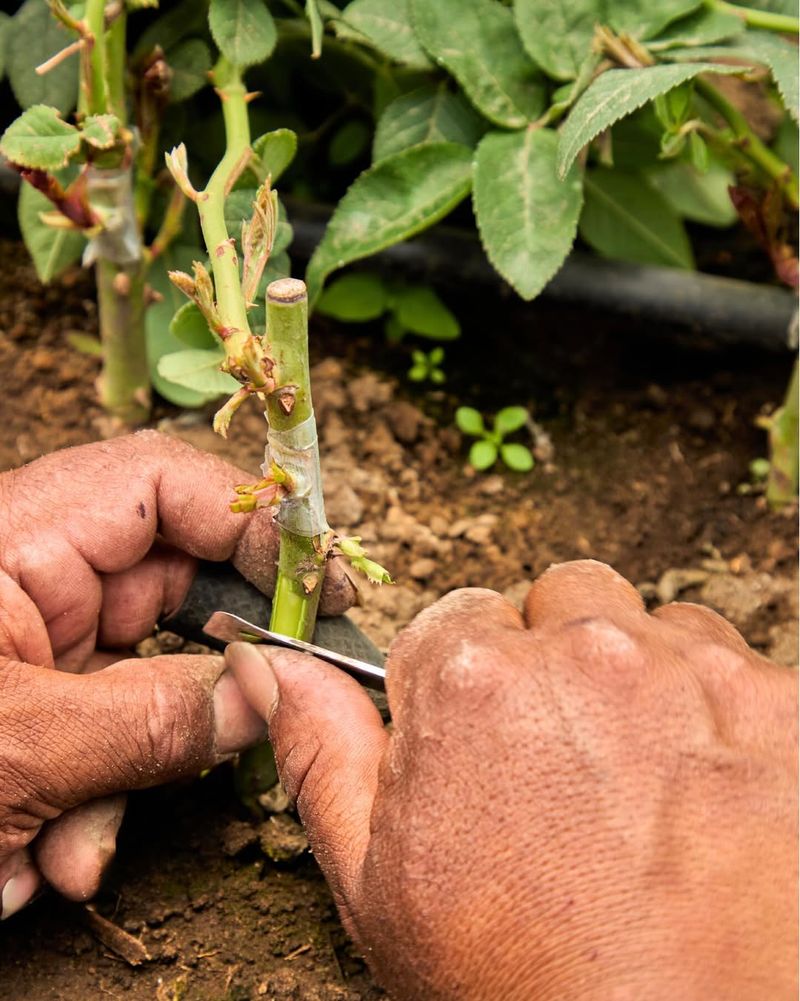
Professional and amateur rose growers frequently graft desirable varieties onto hardy rootstock, sometimes with unexpected flowering results.
Grafting combines two different rose plants, with the rootstock providing strong roots and disease resistance while the grafted portion produces flowers.
Occasionally, genetic material from the rootstock influences the grafted variety, altering bloom characteristics including petal count.
Massachusetts gardeners often use rootstock varieties that perform well in New England’s challenging climate.
Some of these hardy varieties carry genes for double petals that can occasionally express themselves even in the grafted portion above.
Hormonal signals from vigorous rootstock can affect how the grafted variety develops its flowers.
Strong, healthy roots send powerful growth signals upward that may trigger more elaborate bloom production than the variety would typically display on its own roots.
Garden centers and nurseries throughout the state sell grafted roses as their standard offering.
The widespread use of grafted plants means many gardens contain roses with complex genetic interactions that might produce surprising flowering variations.
Suckers that emerge from below the graft union sometimes display different characteristics than the intended variety.
Observant gardeners who notice these differences contribute to our understanding of how grafting affects rose flower development and petal formation.