9 Gardening Activities Massachusetts Homeowners May Need Permission For
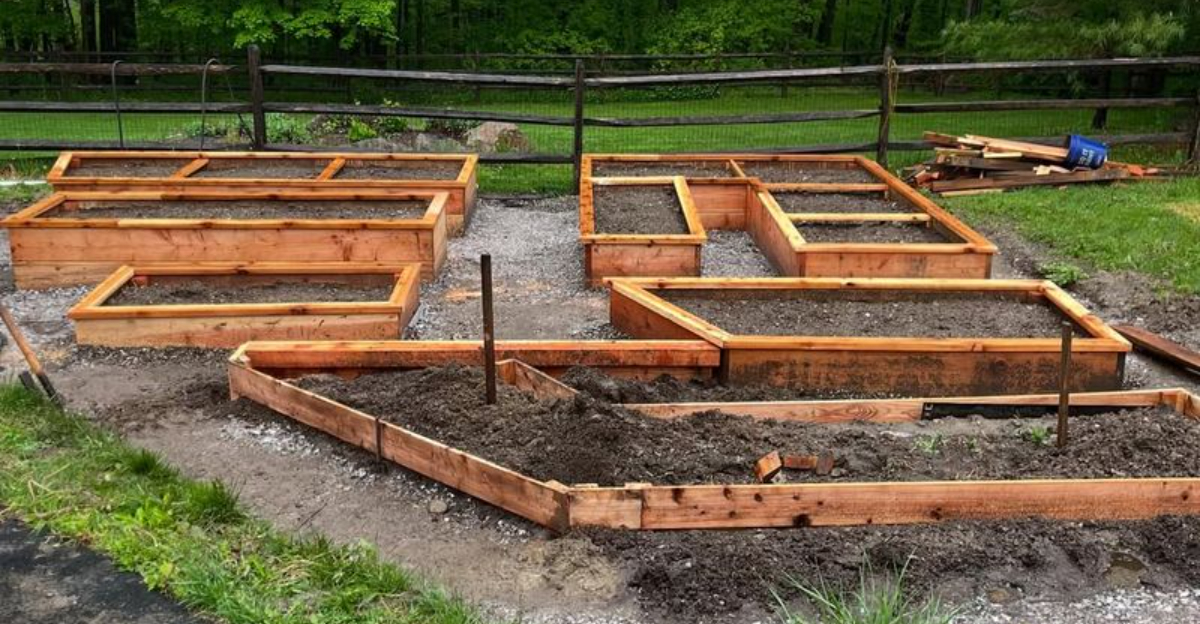
Gardening projects in Massachusetts often begin with excitement and big plans, especially when homeowners want to improve how their yard looks and functions.
What many people do not realize at first is that certain gardening activities can quietly fall under local permission rules.
Planting, building, or reshaping outdoor spaces may seem harmless, but some changes are treated more seriously by cities and towns. These rules often appear only after work has already started, which is when frustration usually sets in.
Massachusetts municipalities regulate more than just home additions and fences, and gardens are not always exempt.
Front yard updates, drainage changes, and permanent features tend to raise the most questions from local offices. Those areas can affect sidewalks, neighbors, and shared systems beyond a single property.
Assumptions about what is allowed often cause confusion for homeowners trying to improve their landscape.
Rules also vary widely across Massachusetts, even between nearby towns and similar neighborhoods.
Knowing this ahead of time can prevent delays, fines, and uncomfortable reversals once a project is underway.
1. Installing Fences Around Your Garden
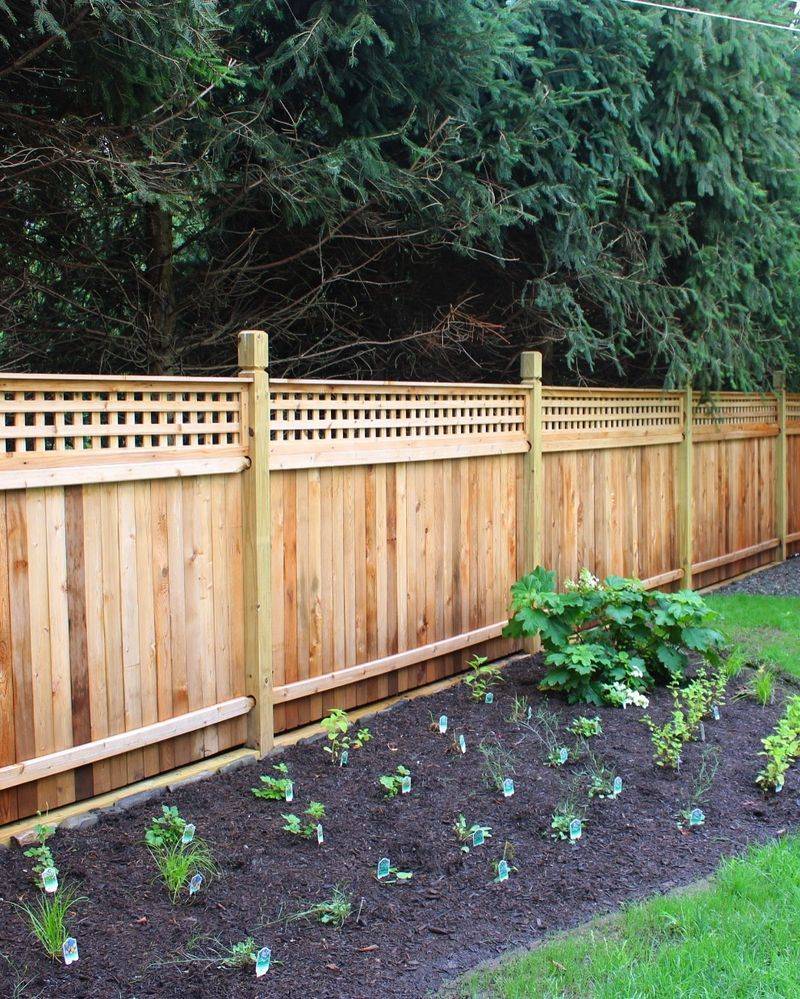
Property boundaries might seem straightforward, but Massachusetts towns have specific height limits and setback rules that govern fence installation.
Most communities require permits when fences exceed certain heights, typically six feet for backyard fences and four feet for front yards. Your local building department reviews applications to ensure fences don’t create safety hazards or violate neighborhood character guidelines.
Homeowner associations in Massachusetts often impose even stricter rules about fence materials, colors, and styles.
Some neighborhoods ban chain-link entirely, while others require natural wood tones or specific picket designs. Checking both municipal codes and HOA bylaws prevents costly mistakes before you purchase materials.
Corner lots face additional scrutiny because fences can obstruct driver visibility at intersections. Traffic safety regulations in Massachusetts mandate clear sight lines, which may force you to position fences farther back than you’d prefer.
Surveyors can help identify exact property lines, preventing disputes with neighbors and ensuring compliance with all setback requirements throughout the Bay State.
Taking time to confirm these details early helps avoid redesigns, delays, or removal orders after installation has already begun.
Clear approval from local authorities gives homeowners confidence that their fence meets Massachusetts regulations and won’t create future disputes.
2. Building Raised Garden Beds Over Certain Sizes
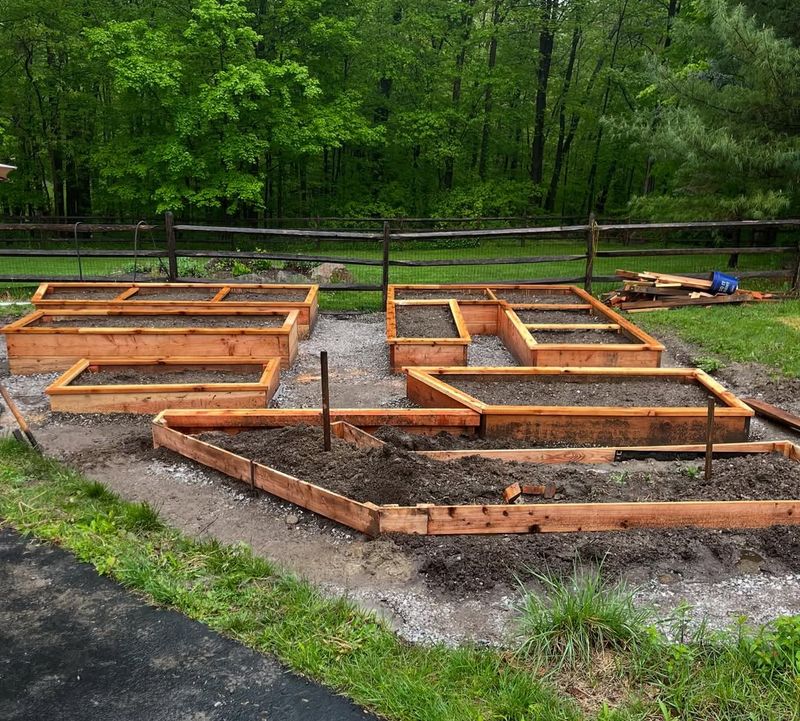
Size matters when constructing raised beds in Massachusetts, especially when projects involve significant earth moving or structural elements. Beds that exceed certain dimensions may qualify as structures requiring building permits, particularly if they include permanent foundations or retaining walls.
Local building codes treat large raised beds differently than simple planting containers because they can affect drainage patterns and property grading.
Water runoff becomes a concern when raised beds alter how rain flows across your Massachusetts property.
Officials want to ensure your gardening project doesn’t redirect water onto neighboring lots or toward building foundations.
Properly designed beds include drainage considerations that protect both your investment and surrounding properties from moisture damage.
Historic districts throughout Massachusetts impose additional layers of review for any visible alterations to properties.
Even raised garden beds might require approval from historical commissions if they’re visible from the street. These boards evaluate whether proposed changes maintain the architectural integrity and historical character that makes these Massachusetts neighborhoods special and worth preserving for future generations.
Understanding these requirements ahead of time helps gardeners plan raised beds that enhance their yards without triggering unexpected permit issues.
Careful design and early communication with local offices make it much easier to complete projects smoothly across Massachusetts communities.
3. Removing or Planting Trees Near Wetlands
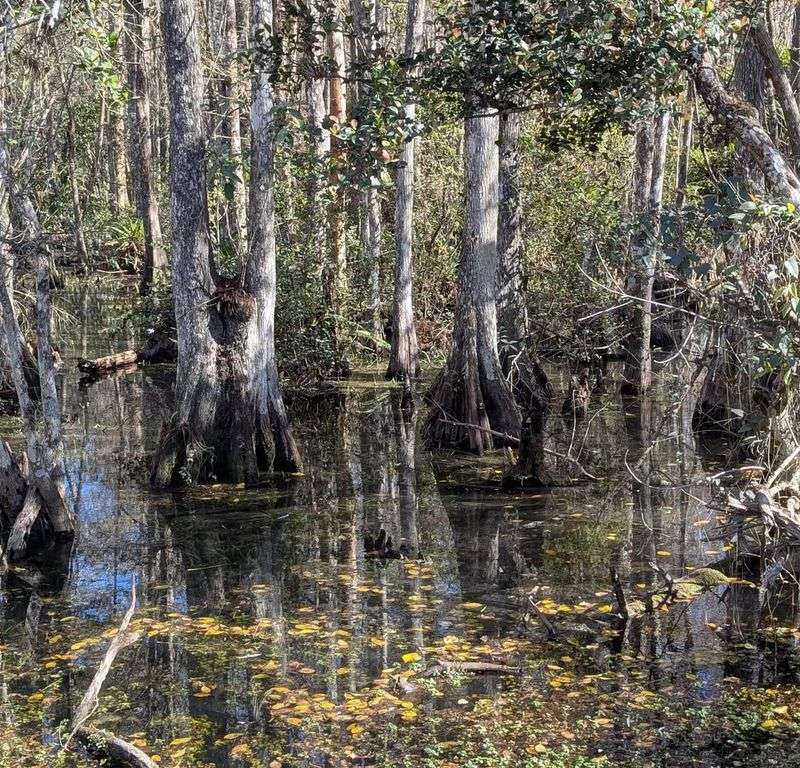
Wetland buffer zones in Massachusetts extend far beyond the visible water’s edge, sometimes reaching 100 feet or more from streams, ponds, and marshy areas.
Conservation commissions regulate activities within these protected areas to preserve water quality and wildlife habitat. Any tree work within buffer zones typically requires filing a Notice of Intent or Request for Determination of Applicability before you start.
Massachusetts General Laws protect wetlands rigorously because they provide critical flood control and groundwater recharge functions.
Removing trees near these sensitive areas can increase erosion, reduce wildlife corridors, and compromise the ecological services wetlands provide to entire communities.
Even planting certain species might require approval if they’re invasive or could alter wetland hydrology.
Professional wetland delineations help Massachusetts homeowners identify exactly where protected areas begin on their property.
Conservation agents review proposed tree work to assess potential impacts and may require mitigation measures like replanting native species.
The permitting process protects both environmental resources and homeowners from inadvertently violating state wetland protection laws that carry significant penalties throughout the Commonwealth.
Confirming wetland boundaries and permit requirements in advance helps homeowners avoid delays, fines, and costly restoration orders after work has already begun.
Early coordination with local conservation commissions ensures tree projects move forward responsibly while respecting Massachusetts wetland protections.
4. Creating Ponds or Water Features
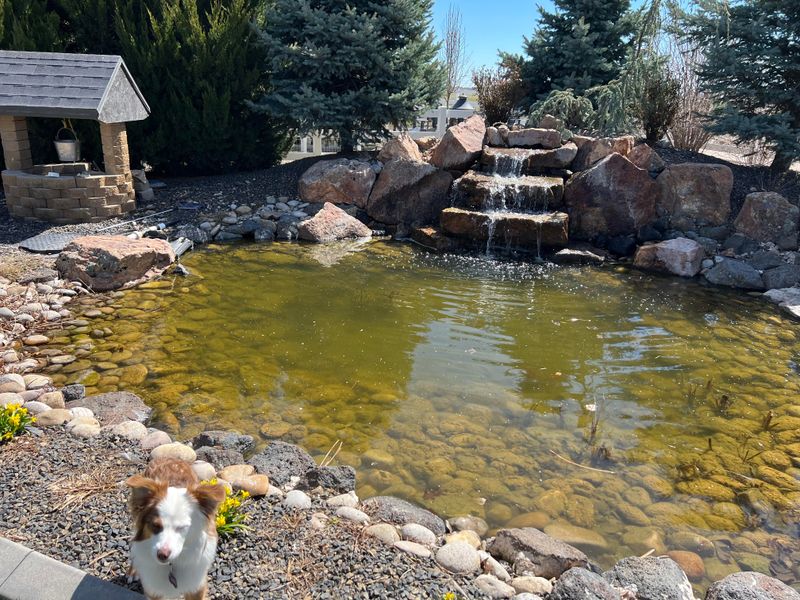
Artificial ponds and fountains can attract mosquitoes, alter groundwater flow, and create safety concerns that Massachusetts municipalities address through permitting requirements.
Building departments typically require permits for water features exceeding certain depths or volumes because they function as permanent structures.
Electrical components for pumps and lighting trigger additional inspections to ensure safe installation that meets state codes.
Proximity to property lines influences whether your Massachusetts pond project needs special approvals or setback variances.
Neighbors have legitimate concerns about water seepage, noise from pumps, and potential flooding if features overflow during storms. Properly permitted installations include overflow provisions and liner specifications that prevent these common problems.
Homeowner associations frequently regulate water features separately from municipal codes, sometimes prohibiting them entirely or requiring specific design approvals.
Massachusetts communities near public water supplies face extra scrutiny because ponds can introduce contaminants or affect aquifer recharge areas.
Conservation commissions may assert jurisdiction if proposed ponds sit near wetlands or could alter natural drainage patterns, adding another layer of required permissions before you start excavating your backyard oasis.
Reviewing all applicable permit requirements early helps homeowners design water features that meet safety, environmental, and neighborhood standards without costly revisions later.
Proper approvals also provide peace of mind that ponds and fountains are installed responsibly within Massachusetts regulations and community expectations.
5. Installing Irrigation Systems
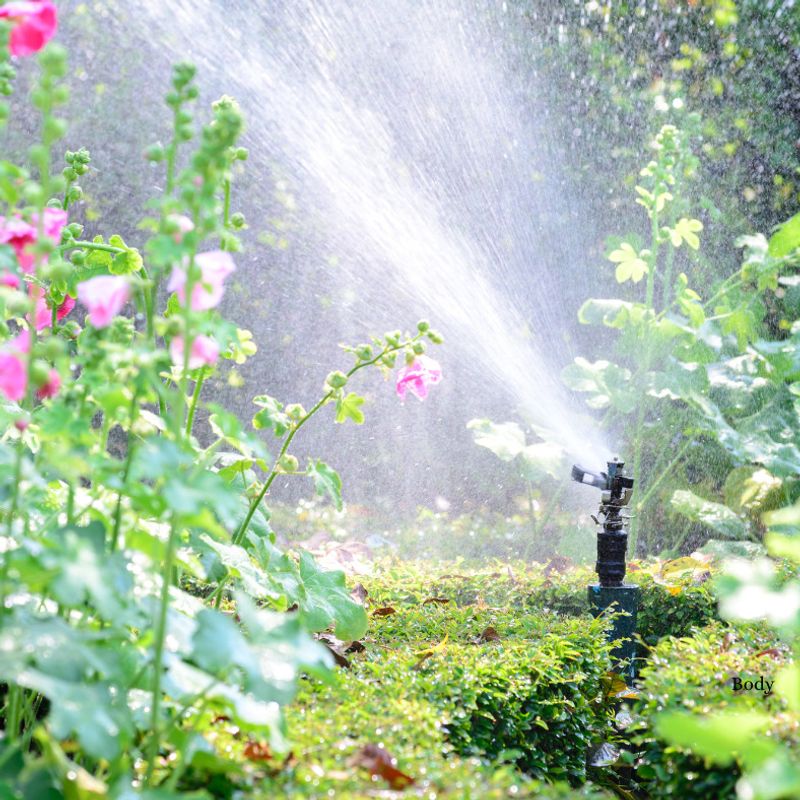
Underground sprinkler systems require permits in many Massachusetts communities because installation involves trenching, electrical connections, and tapping into water supplies.
Backflow prevention devices are mandatory throughout the state to protect drinking water from contamination if irrigation water reverses flow into supply lines.
Plumbing inspectors verify that certified backflow preventers are properly installed and tested annually as required by Massachusetts regulations.
Water conservation ordinances in drought-prone Massachusetts areas may restrict irrigation system capabilities or require rain sensors and moisture monitors.
Some communities limit watering days and times, which affects how you design and program automated systems. Checking current water use restrictions before installing irrigation prevents investing in systems you can’t legally operate as intended.
Electrical permits cover the low-voltage wiring that connects controllers to valve boxes throughout your Massachusetts property. Licensed electricians typically handle connections to household circuits, ensuring safe installation that won’t overload existing systems.
Homeowner associations may restrict visible components like valve boxes and require landscaping that conceals irrigation infrastructure, adding aesthetic requirements beyond basic municipal permits needed for functional installation.
Planning for permits, inspections, and local restrictions ahead of time helps homeowners install irrigation systems that operate smoothly without costly modifications later.
Careful coordination with inspectors and utility requirements ensures underground sprinklers function safely, efficiently, and in full compliance with Massachusetts regulations.
6. Building Greenhouses or Garden Structures
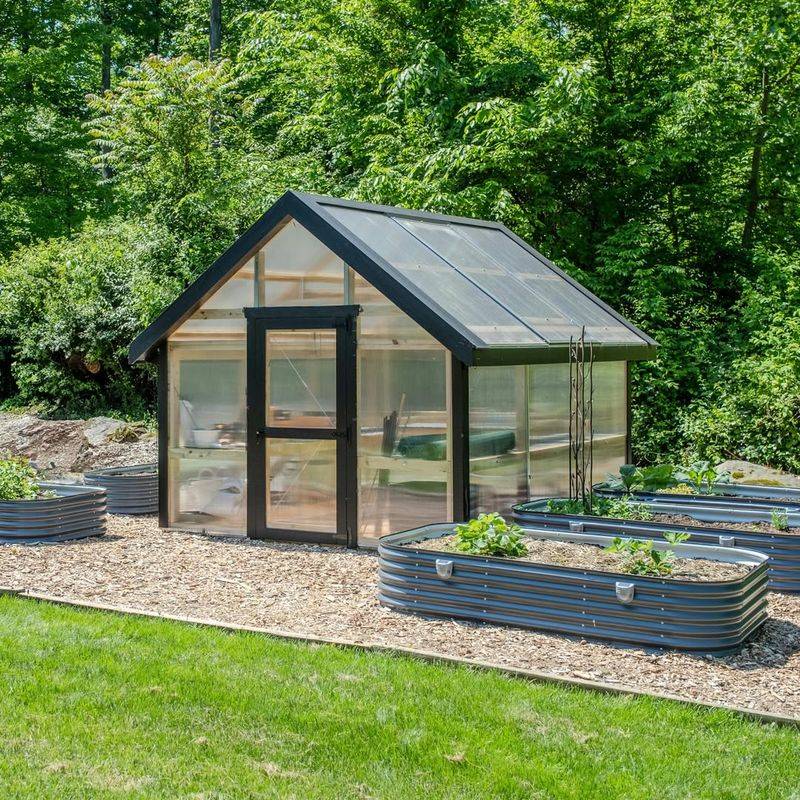
Permanent greenhouses count as accessory structures under Massachusetts building codes, triggering permit requirements that cover foundation design, electrical systems, and structural integrity.
Size limitations often apply to accessory buildings, with many towns allowing structures up to certain square footage without special zoning variances.
Exceeding these thresholds means appearing before zoning boards to justify why your greenhouse needs exceed standard allowances.
Setback requirements keep greenhouses away from property lines, septic systems, and wetlands throughout Massachusetts.
These spacing rules prevent structures from encroaching on neighbors’ light and views while maintaining safe distances from utilities and environmental resources.
Foundation specifications depend on frost depth requirements in your Massachusetts region, typically requiring footings that extend below the frost line to prevent seasonal heaving.
Heating systems and electrical service for lights and ventilation fans require separate permits and inspections in the Commonwealth. Fire safety codes may restrict certain heating methods in structures with plastic or glass panels.
Historic district commissions review greenhouse designs for compatibility with neighborhood architecture, sometimes requiring specific materials or positioning that minimizes visibility from public streets in preservation-minded Massachusetts communities.
Understanding these layered requirements early helps greenhouse projects move forward without unexpected delays, redesigns, or costly compliance issues later on.
Clear approvals also ensure permanent greenhouses remain safe, durable, and fully aligned with Massachusetts building, zoning, and preservation standards.
7. Removing Protected or Heritage Trees
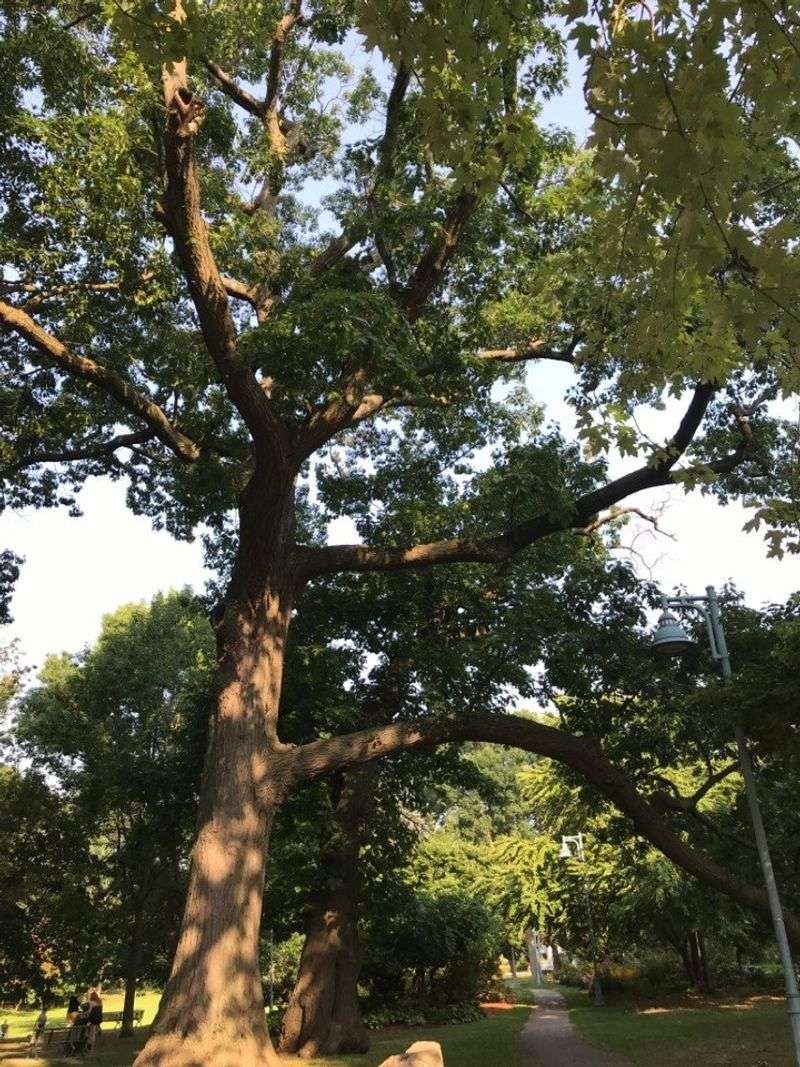
Tree protection bylaws in many Massachusetts communities designate certain species, sizes, or historically significant trees as protected resources requiring permits before removal.
These ordinances recognize trees as valuable assets that provide shade, stormwater management, and neighborhood character worth preserving.
Applications for removal permits typically require arborist reports documenting tree health and explaining why removal is necessary rather than treatment or preservation.
Heritage trees with historical significance or exceptional size receive special protection status in Massachusetts towns with active tree committees.
Some communities maintain inventories of notable specimens and require public hearings before allowing their removal. Replacement requirements often mandate planting multiple smaller trees when protected specimens come down, ensuring the community maintains its tree canopy over time.
Property owners in Massachusetts can face substantial fines for removing protected trees without authorization, sometimes including the cost of replacement trees plus penalties.
Homeowner associations may impose their own tree protection rules beyond municipal requirements, creating multiple approval layers for tree removal projects.
Consulting with certified arborists and reviewing all applicable regulations helps Massachusetts homeowners navigate tree removal requirements while maintaining good relationships with neighbors and local officials throughout the process.
8. Keeping Chickens or Bees for Garden Purposes
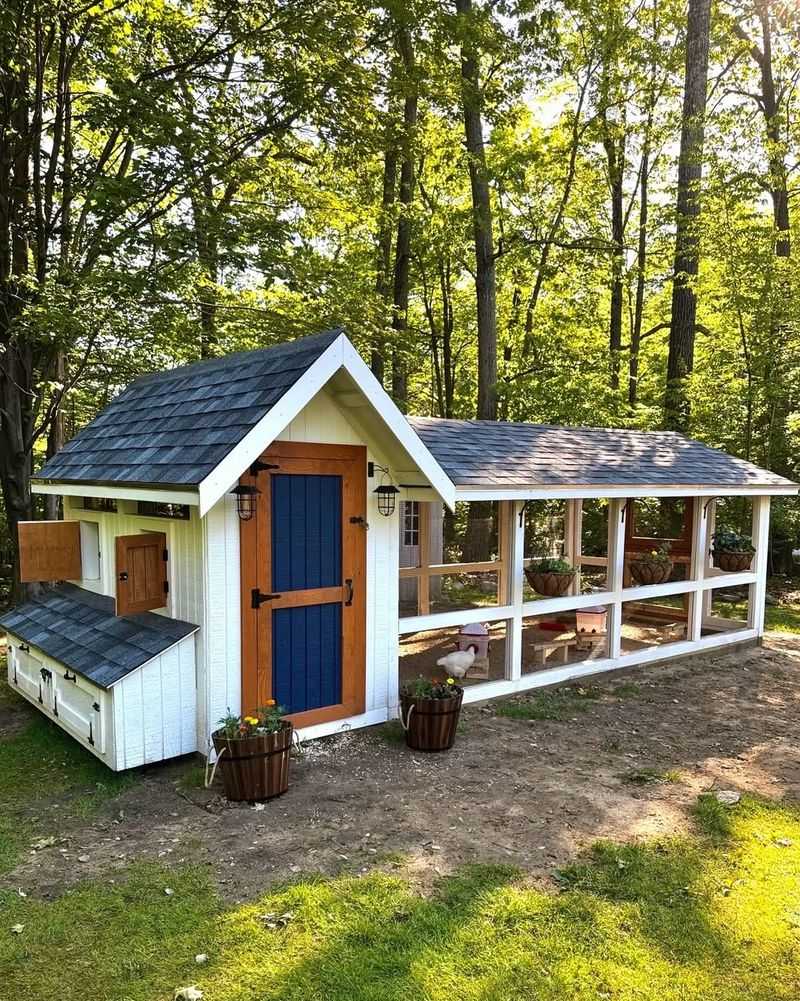
Urban and suburban chicken keeping has grown popular among Massachusetts gardeners seeking fresh eggs and natural pest control, but local ordinances strictly regulate backyard poultry.
Many communities limit flock sizes, ban roosters due to noise concerns, and establish minimum distances between coops and neighboring properties.
Special permits or licenses are often required before you can legally keep chickens within Massachusetts town boundaries.
Beekeeping regulations address concerns about stings, swarming, and impacts on neighbors who may have allergies.
Massachusetts communities typically require beekeepers to register hives with local authorities and maintain liability insurance covering bee-related incidents. Hive placement rules mandate specific distances from property lines and often require water sources that prevent bees from congregating at neighbors’ pools or birdbaths.
Homeowner associations frequently prohibit chickens and bees entirely, regardless of municipal allowances throughout Massachusetts.
Agricultural exemptions may apply to larger properties, but suburban lots rarely qualify for these exceptions.
Health departments oversee sanitation requirements for coops, ensuring proper waste management that doesn’t attract rodents or create odor problems.
Successfully keeping backyard chickens or bees in Massachusetts requires researching multiple regulatory layers and obtaining all necessary permissions before bringing animals home.
Taking the time to understand and comply with these rules helps prevent complaints, fines, or orders to remove animals after you’ve already invested time and money.
Clear approvals also make it easier to enjoy the benefits of backyard chickens or bees while maintaining positive relationships with neighbors and local officials in Massachusetts.
9. Altering Property Drainage or Grading

Changing how water flows across your Massachusetts property requires careful planning and often formal approvals because drainage alterations affect neighboring lots and municipal stormwater systems.
Grading permits ensure that soil movement doesn’t redirect runoff in ways that cause flooding, erosion, or property damage beyond your boundaries.
Engineering plans may be required for significant grade changes, demonstrating that proposed alterations won’t create downstream problems.
Massachusetts stormwater regulations have grown increasingly strict as communities address flooding and water quality concerns. Projects that disturb substantial areas of soil trigger requirements for erosion control plans and sediment barriers during construction.
Conservation commissions review drainage projects near wetlands to ensure they don’t compromise protected resources or violate buffer zone restrictions common throughout the Commonwealth.
French drains, swales, and other drainage improvements often require permits even when they seem like simple landscaping projects.
Building officials want to verify that drainage solutions actually solve problems rather than shifting them to neighboring properties.
Homeowner associations may require approval for visible drainage features like berms or dry creek beds that alter landscape appearance.
Professional site plans help Massachusetts homeowners obtain necessary approvals by demonstrating that drainage improvements comply with all applicable regulations and engineering best practices.
Addressing drainage changes properly from the start helps homeowners avoid disputes, enforcement actions, and costly repairs caused by unintended water movement.
Early consultation with professionals and local officials makes it far more likely that drainage improvements succeed without creating new problems elsewhere on the property or nearby.