8 Gardening Mistakes To Avoid At The End Of Winter In Massachusetts
The end of winter in Massachusetts feels tempting, because gardens start calling for attention before they’re truly ready.
That early burst of motivation is exactly when small mistakes tend to sneak in and cause problems later.
Many gardeners act with good intentions, not realizing how timing and habits matter more during this transition period.
Avoiding a few common missteps now can make the difference between a rough start and a smooth spring ahead.
1. Pruning Spring-Blooming Shrubs Too Early
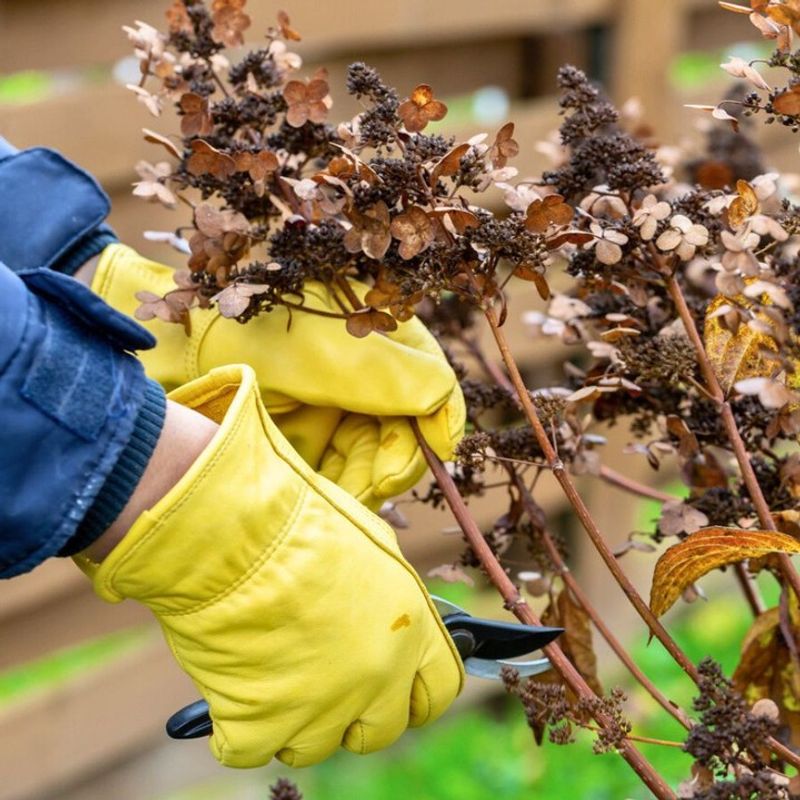
Many Massachusetts gardeners make the mistake of grabbing pruning shears the moment temperatures rise slightly above freezing in late February or March.
Spring-blooming shrubs like forsythia, lilac, and rhododendron set their flower buds during the previous summer, so cutting branches now removes this season’s blooms.
Patience pays off when you wait until right after these shrubs finish flowering, typically in late spring, before doing any significant trimming.
Pruning at the wrong time won’t harm the plant’s health, but you’ll sacrifice the beautiful spring display you’ve been waiting months to enjoy.
Across Massachusetts, experienced gardeners know that timing matters tremendously when it comes to maintaining flowering shrubs and maximizing their ornamental value each year.
Instead of pruning now, focus on removing only dead, damaged, or diseased wood that clearly won’t produce any growth this coming season.
Save the shaping and major cutbacks for after the flowers fade, when the plant can recover quickly and set next year’s buds properly.
This simple timing adjustment ensures your yard bursts with color when spring finally arrives in full force throughout the Bay State region.
2. Working Soil That’s Still Too Wet

Eager gardeners often rush to till or turn their garden beds as soon as the snow melts, but working waterlogged soil causes serious damage.
Compaction occurs when you step on or work wet soil, squeezing out essential air pockets that plant roots need for healthy growth and development.
Massachusetts clay soils are particularly vulnerable to compaction problems, and once soil structure is damaged, it takes years of amendments to restore proper texture.
A simple squeeze test tells you if your soil is ready: grab a handful, squeeze it tight, then tap the resulting ball lightly.
If the soil ball crumbles apart easily, you’re good to go, but if it stays stuck together in a muddy clump, wait longer.
Garden beds across the state dry out at different rates depending on sun exposure, drainage, and soil composition, so check each area individually.
Waiting an extra week or two might feel frustrating, but protecting your soil structure pays dividends throughout the entire growing season ahead.
Healthy soil with good structure retains moisture better, drains excess water efficiently, and allows roots to penetrate deeply for strong plant establishment and growth.
3. Removing Winter Mulch Too Quickly
As temperatures start warming up in late winter, many Bay State gardeners hastily pull back all the protective mulch from their perennial beds.
Sudden exposure to temperature swings can shock plants that are just beginning to emerge, especially when late frosts and freezes remain common through April.
Gradual removal works much better: start by loosening the mulch layer to allow air circulation without completely exposing tender new growth to elements.
Massachusetts weather is notoriously unpredictable during March and early April, with warm spells followed by sudden cold snaps that damage unprotected plant tissues.
Monitor your perennials closely and remove mulch in stages as green shoots grow taller and temperatures stabilize more consistently above freezing overnight.
Leaving some mulch in place also helps retain soil moisture and suppress early weed growth, giving your desired plants a competitive advantage.
Complete mulch removal should wait until you’re confident that hard freezes are truly behind you and plants are actively growing with sturdy stems.
This patient approach protects your investment in perennials and ensures they emerge strong and healthy rather than stressed from premature exposure to harsh conditions.
4. Starting Seeds Indoors Too Late

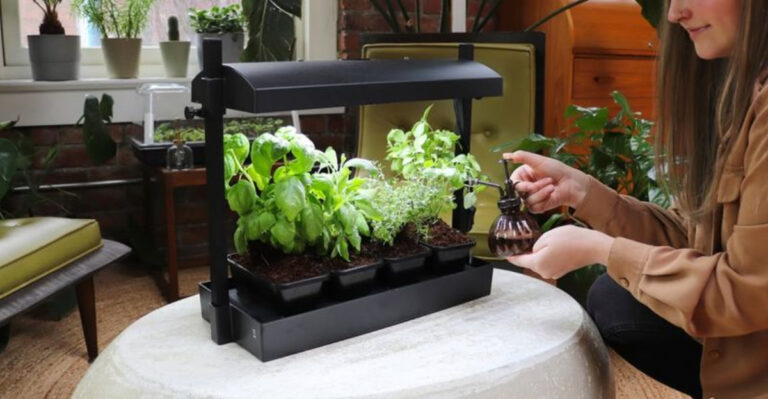
Procrastination strikes many Massachusetts gardeners who suddenly realize in late March that they haven’t started their tomato, pepper, and other warm-season vegetable seeds.
Most vegetables need six to eight weeks of indoor growth before they’re ready for transplanting outside after the last frost date passes.
For Massachusetts, the average last frost falls between mid-April and mid-May depending on your specific location within the state’s various hardiness zones.
Count backward from your local last frost date to determine the ideal seed-starting window, which typically falls in late February or early March.
Starting too late means either planting immature seedlings that struggle to establish or purchasing expensive transplants from garden centers to compensate for lost time.
Proper planning ensures your seedlings develop strong root systems and sturdy stems before facing outdoor conditions, leading to better harvests and healthier plants.
Keep a gardening calendar that notes important dates for seed starting, transplanting, and direct sowing so you never miss critical windows of opportunity again.
Massachusetts gardeners who start on schedule enjoy robust plants that produce earlier and more abundantly throughout the entire growing season ahead in summer.
5. Fertilizing Perennials Too Early
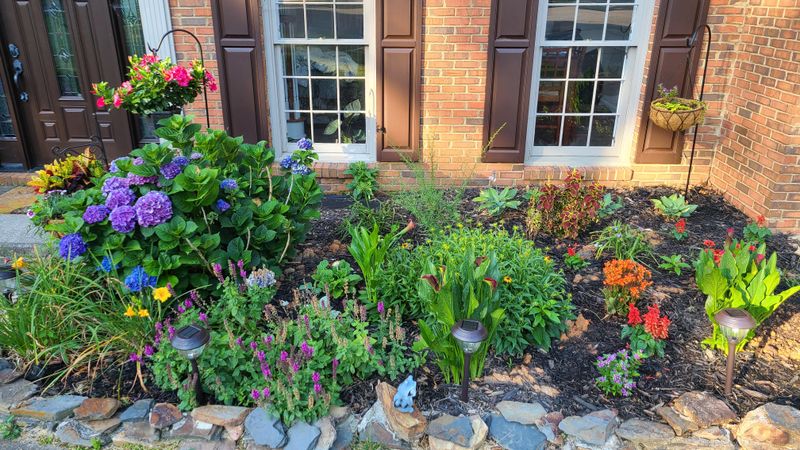
Applying fertilizer to dormant or barely-emerging perennials seems productive, but it actually encourages tender new growth vulnerable to late-season frost damage throughout Massachusetts.
Early fertilization can also stimulate weak, leggy growth that lacks the strength to support flowers later in the season when plants mature fully.
Waiting until plants show active growth with several inches of green foliage ensures they can actually use the nutrients you’re providing effectively.
Another concern involves nitrogen runoff from frozen or waterlogged soil that can’t absorb fertilizer, leading to environmental pollution in local waterways and wasted money.
Massachusetts experiences significant spring rainfall that washes away fertilizer applied too early, before plant roots are actively growing and taking up available nutrients.
A better strategy involves waiting until mid to late spring when soil temperatures warm consistently and plants demonstrate vigorous growth patterns and development.
Slow-release organic fertilizers applied at the right time provide steady nutrition throughout the growing season without the risks associated with premature feeding schedules.
Observing your plants carefully and responding to their actual growth stage rather than calendar dates leads to healthier perennials and more spectacular bloom displays.
6. Neglecting to Check for Winter Damage
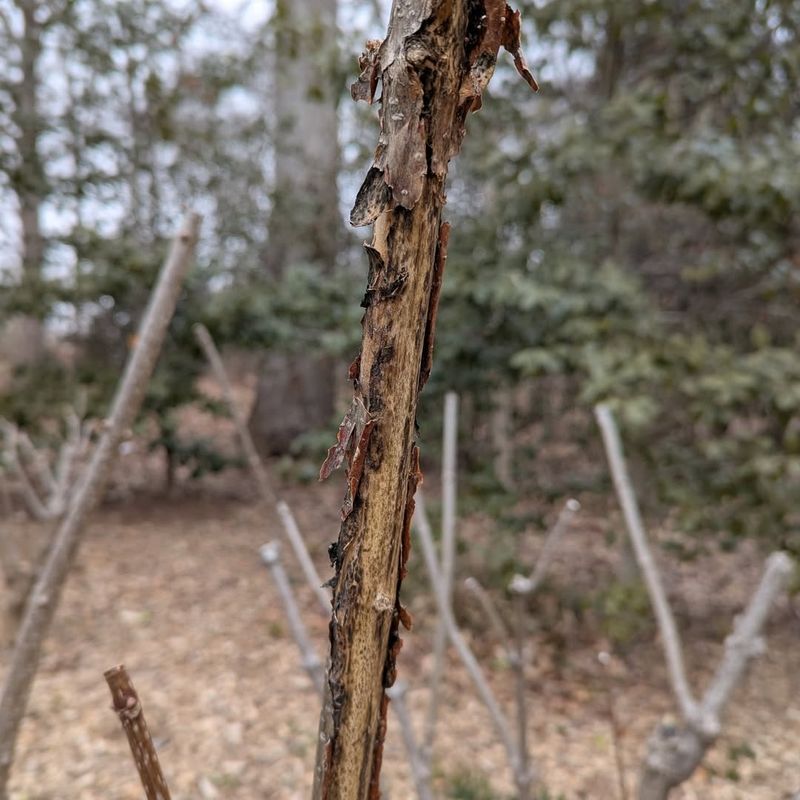
After months of snow and cold, Massachusetts gardeners sometimes jump straight into spring tasks without carefully inspecting plants for damage from harsh conditions.
Broken branches, frost cracks in bark, rodent damage to stems and roots, and heaving that exposes root systems all require prompt attention.
Walking through your entire property systematically allows you to identify problems early when corrective action is most effective and prevents further deterioration.
Shrubs and trees with broken branches need proper pruning cuts to prevent disease entry and promote healthy healing as the growing season progresses.
Perennials pushed out of the ground by freeze-thaw cycles need gentle pressing back into soil contact before roots dry out completely and compromise survival.
Rodent damage to bark requires assessment to determine if the plant can recover or needs replacement, saving you from nurturing a tree destined to decline.
Taking inventory now helps you plan purchases, prioritize repairs, and understand what succeeded or failed in your Massachusetts landscape during the challenging winter months.
This assessment phase might seem tedious, but it provides valuable information that improves your gardening success and helps you make smarter plant choices going forward.
7. Planting Cool-Season Crops Too Late

Unlike warm-season vegetables, cool-season crops like lettuce, peas, spinach, and broccoli actually thrive in the chilly conditions of early spring across Massachusetts.
Waiting until soil warms significantly means these crops mature during hot weather, causing them to bolt, turn bitter, or produce poorly overall.
Many of these vegetables can go directly into garden beds as soon as soil is workable, often in late March or early April.
Some hardy varieties tolerate light frosts without any damage, making them perfect for extending your harvest season at both ends of the calendar.
Massachusetts gardeners who plant cool-season crops at the optimal time enjoy tender, flavorful harvests before summer heat arrives and diminishes crop quality significantly.
Succession planting every two weeks maximizes your harvest window and ensures a steady supply of fresh greens throughout the spring months ahead.
Missing this early planting window means waiting until fall for another chance to grow these crops successfully in New England’s climate conditions.
Plan your cool-season plantings as carefully as your warm-season crops to take full advantage of Massachusetts’ spring weather and extend your homegrown food supply.
8. Ignoring Lawn Care Fundamentals
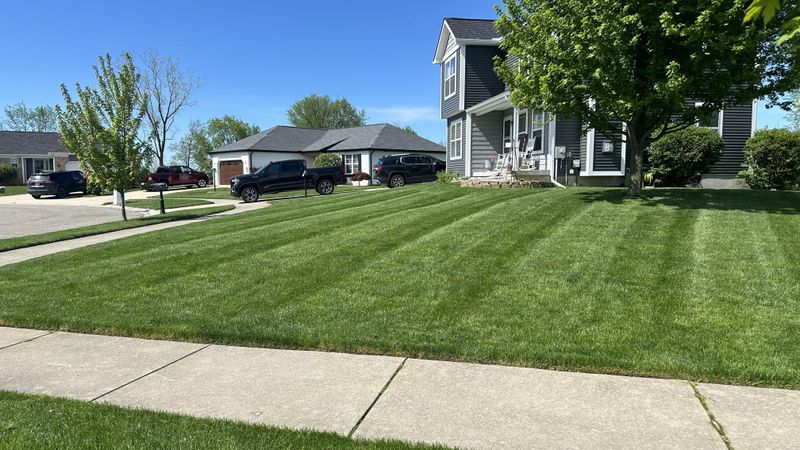
Lawns across Massachusetts often get neglected at winter’s end, yet this period is actually critical for establishing healthy turf for the entire year.
Raking up matted leaves and debris allows air circulation to reach grass crowns, preventing fungal diseases that thrive in damp, smothered conditions.
Early spring also represents the ideal time for core aeration if your lawn suffers from compaction issues that prevent water and nutrient penetration.
Overseeding bare patches now takes advantage of cool temperatures and spring moisture that help grass seed germinate successfully without heavy irrigation requirements.
However, avoid applying pre-emergent herbicides if you plan to overseed, since these products prevent all seeds from germinating, including the grass you want.
Massachusetts lawns benefit from a light application of slow-release fertilizer once grass shows active green growth, typically in mid to late April.
Mowing too short too early stresses grass that’s still recovering from winter dormancy, so keep your mower blade set at three inches initially.
Proper attention during this transition period establishes strong, dense turf that naturally resists weeds, diseases, and drought stress throughout the challenging summer months ahead.