9 Gardening Mistakes To Avoid When Growing Zinnias In California
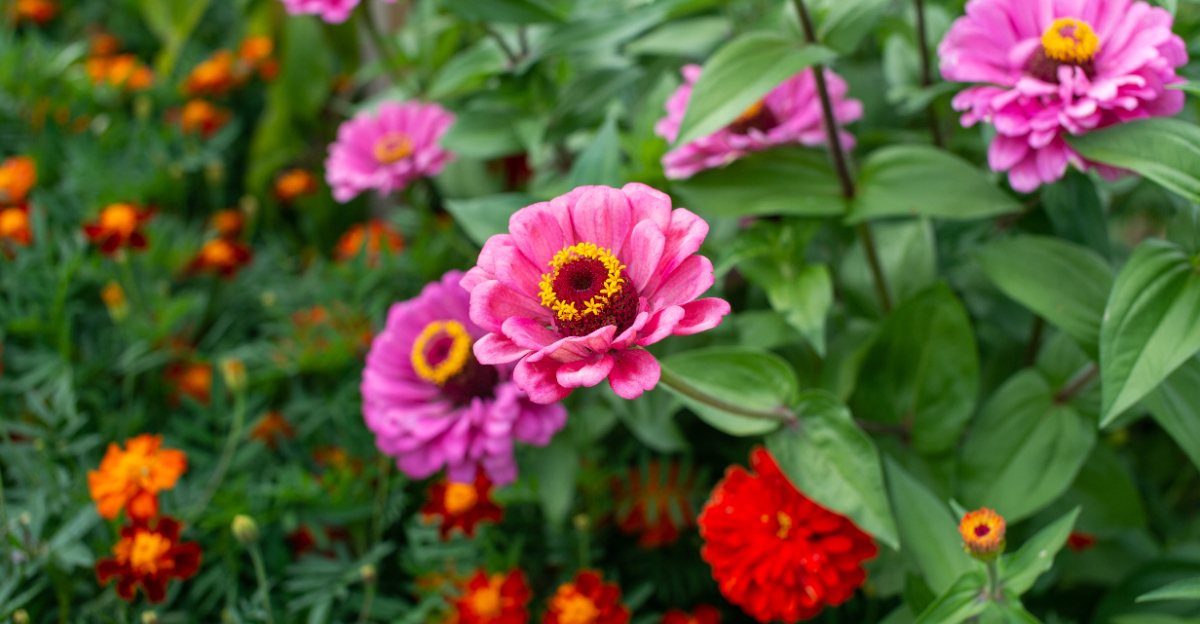
Zinnias are the life of a California garden. Bright, bold, and blooming like they have something to celebrate, these sun lovers can turn even a simple yard into a colorful show.
They thrive in the heat, attract butterflies nonstop, and reward you with armfuls of cheerful flowers all summer long. Sounds easy, right?
Sometimes it is, but a few common missteps can leave your zinnias looking tired, spotty, or disappointingly sparse.
Many gardeners run into trouble without realizing it. Too much water, not enough airflow, poor spacing, or planting at the wrong time can all hold these vibrant bloomers back.
The good news is that zinnias are forgiving and quick to bounce back once you know what to avoid.
With a few smart tweaks, you can keep your plants healthy, blooming heavily, and glowing with color through California’s long, sunny season. Let’s make sure your zinnias truly shine.
1. Planting Too Early
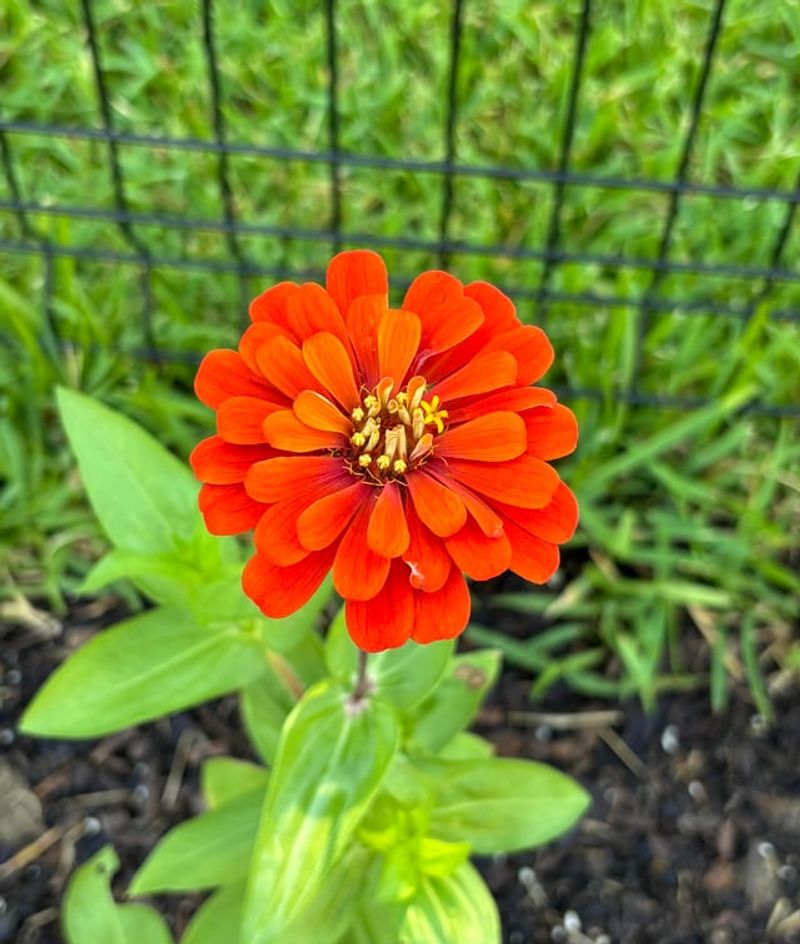
California weather can be tricky. Many gardeners get excited when February or March rolls around and rush to plant their zinnias outside.
But zinnias are warm-season flowers that really dislike cold soil. Planting too early is one of the most common mistakes made across the state.
Zinnias need soil temperatures of at least 60 degrees Fahrenheit to germinate well. In most parts of California, that means waiting until late April or even May, especially in inland areas and higher elevations.
Coastal regions can be even cooler in spring than people expect.
If you plant too soon, seeds may rot in the ground or sprout slowly and struggle. Seedlings planted in cold conditions often get stunted and never fully recover.
You might actually end up with weaker plants than if you had just waited a few more weeks.
A simple soil thermometer can help you know exactly when the time is right. You can find them at most garden centers in California for just a few dollars.
Patience pays off big when it comes to zinnias. Wait for consistently warm days, and your flowers will sprout quickly and grow strong from the very start.
2. Overwatering
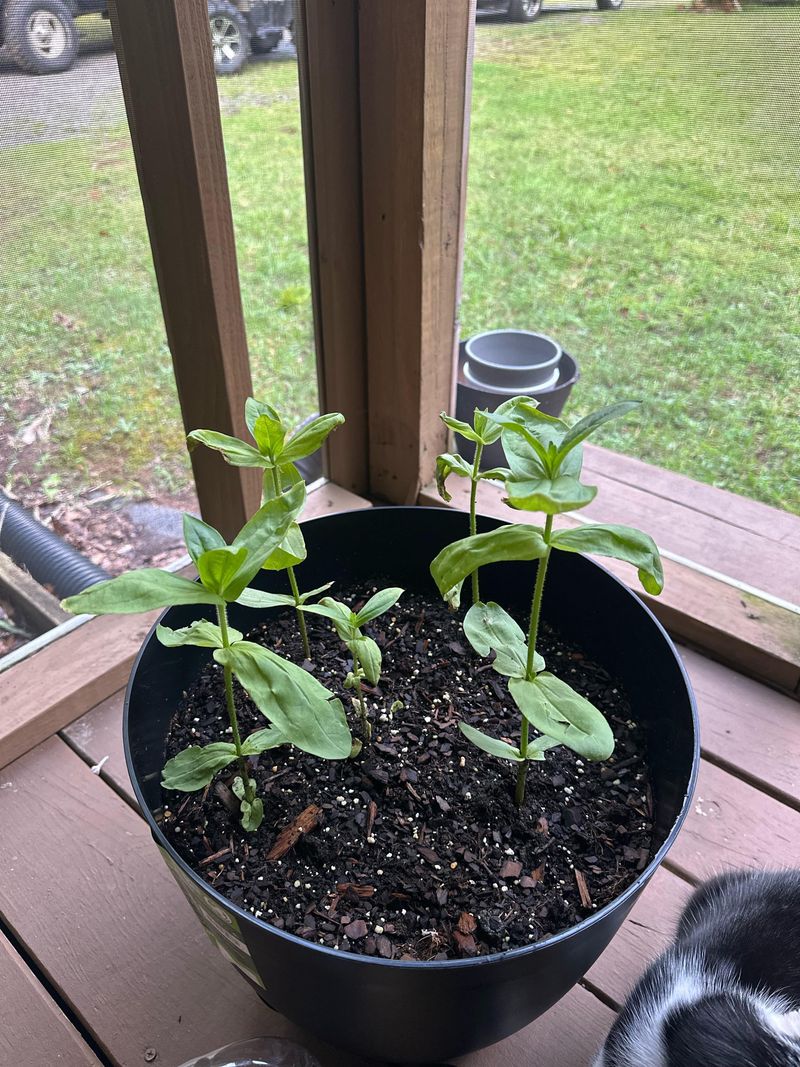
Zinnias are tough, sun-loving flowers that actually prefer things on the drier side. Overwatering is a mistake that trips up a lot of California gardeners, especially those who are used to watering vegetable gardens more frequently.
Too much water can cause serious problems for zinnia roots.
When the soil stays wet for too long, roots can rot and the plant becomes weak. You might notice yellowing leaves, drooping stems, or a general lack of growth.
These are all signs that your zinnias are getting more water than they need.
In most parts of California, zinnias do well with deep watering once or twice a week during the hottest months. In cooler coastal areas, even less water is often needed.
The key is to let the top inch or two of soil dry out between waterings.
Stick your finger into the soil before you reach for the hose. If it still feels damp, wait another day.
Zinnias that are slightly underwatered will bounce back quickly once watered. But plants that have been overwatered for weeks are much harder to save.
Less is truly more when it comes to keeping zinnias happy in California gardens.
3. Crowding Plants
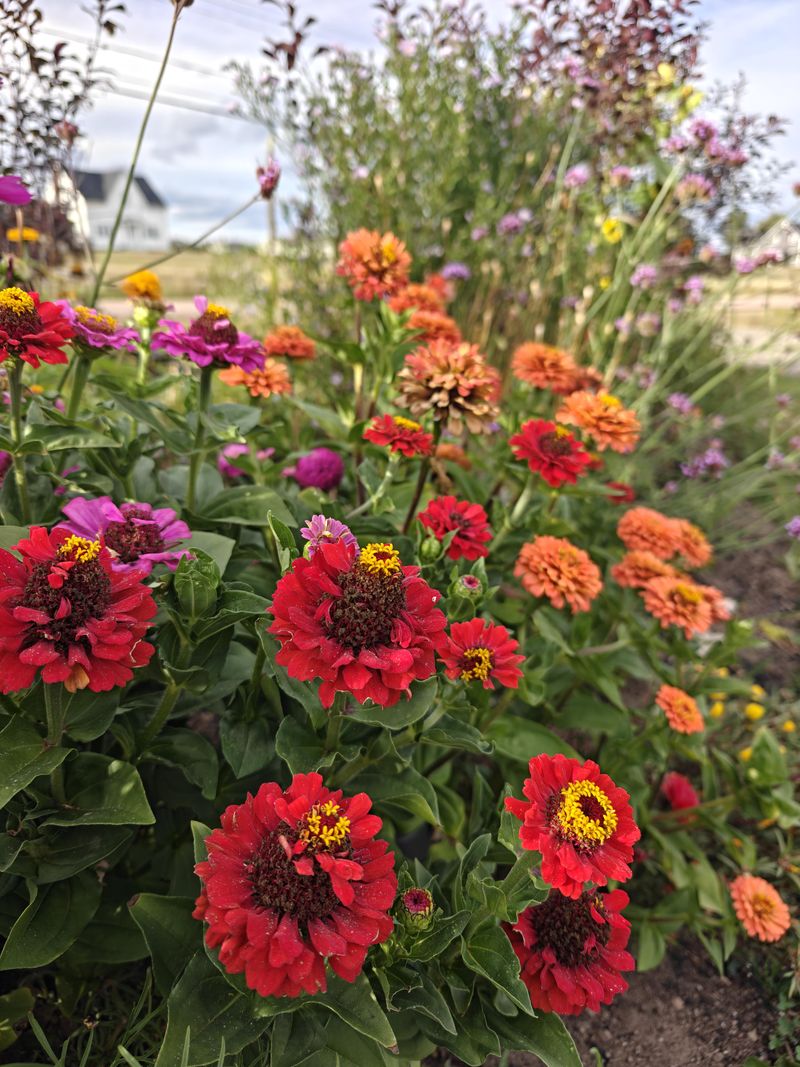
Giving your zinnias enough personal space is more important than most people realize. When plants are crowded together, they compete for water, nutrients, and light.
This leads to weaker plants that produce fewer blooms and are more likely to get sick.
Many gardeners in California plant their zinnias too close because the seeds are small and easy to scatter. It feels natural to just toss a handful into a bed and see what comes up.
But that approach almost always leads to overcrowded plants that never really thrive.
Most zinnia varieties need about 12 to 18 inches of space between plants. Larger varieties, like the giant cactus types, may need even more room.
When plants have enough space, air can move freely between them, which keeps leaves dry and reduces the chance of fungal issues.
Thin your seedlings early, even if it feels wasteful. It is much better to have eight strong, healthy plants than twenty weak and struggling ones.
Use scissors to snip extra seedlings at the soil line rather than pulling them out, which can disturb nearby roots. California gardeners who give their zinnias room to breathe are almost always rewarded with fuller, more impressive plants throughout the season.
4. Too Much Shade
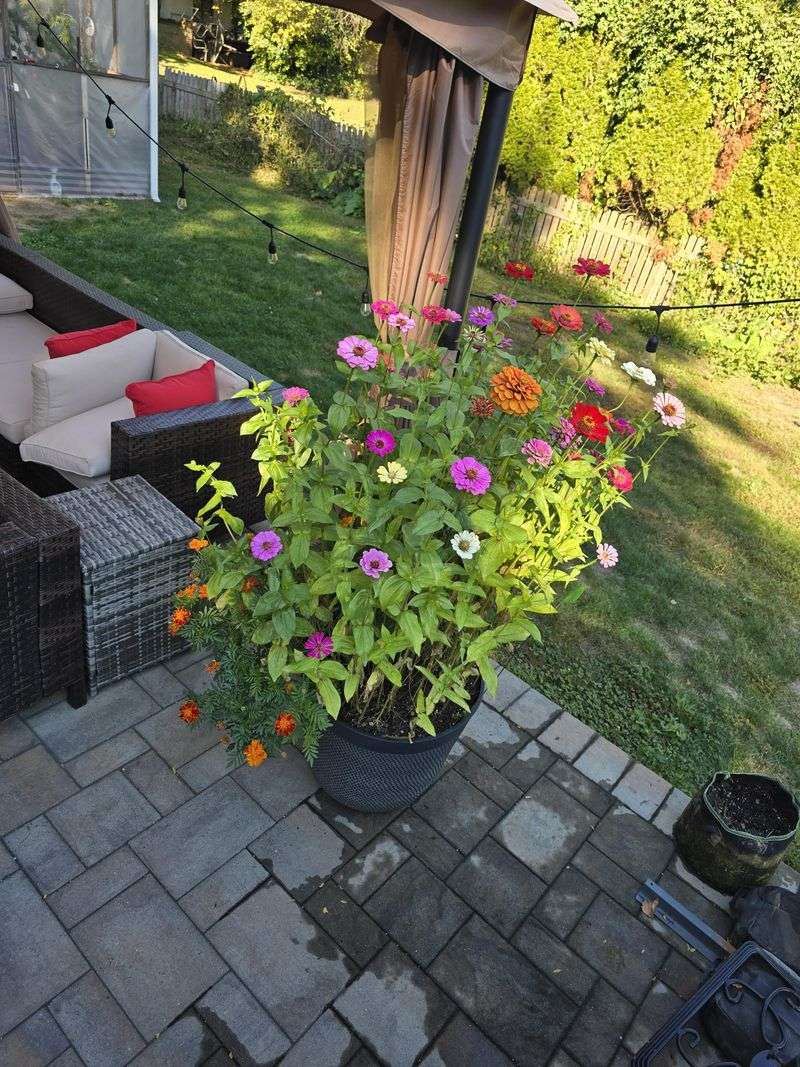
Zinnias are true sun worshippers. They need at least six to eight hours of direct sunlight every day to grow well and produce lots of blooms.
Planting them in a shady spot is one of the fastest ways to end up with a disappointing garden.
In California, it can be tempting to give plants some afternoon shade during the hottest summer months. While some plants do appreciate shade in the intense heat of the Central Valley or Southern California, zinnias are not among them.
They actually handle heat very well when they have enough sunlight.
When zinnias do not get enough light, they grow tall and leggy as they stretch toward the sun. The stems become weak and floppy, and the plants produce fewer flowers.
The blooms that do appear tend to be smaller and less colorful than they should be.
Before choosing a spot for your zinnias, spend a day watching how sunlight moves across your yard. Pick the sunniest location available.
South-facing garden beds tend to get the most light in California. Even a couple of extra hours of sun per day can make a noticeable difference in how many flowers your plants produce throughout the growing season.
5. Soil Too Rich
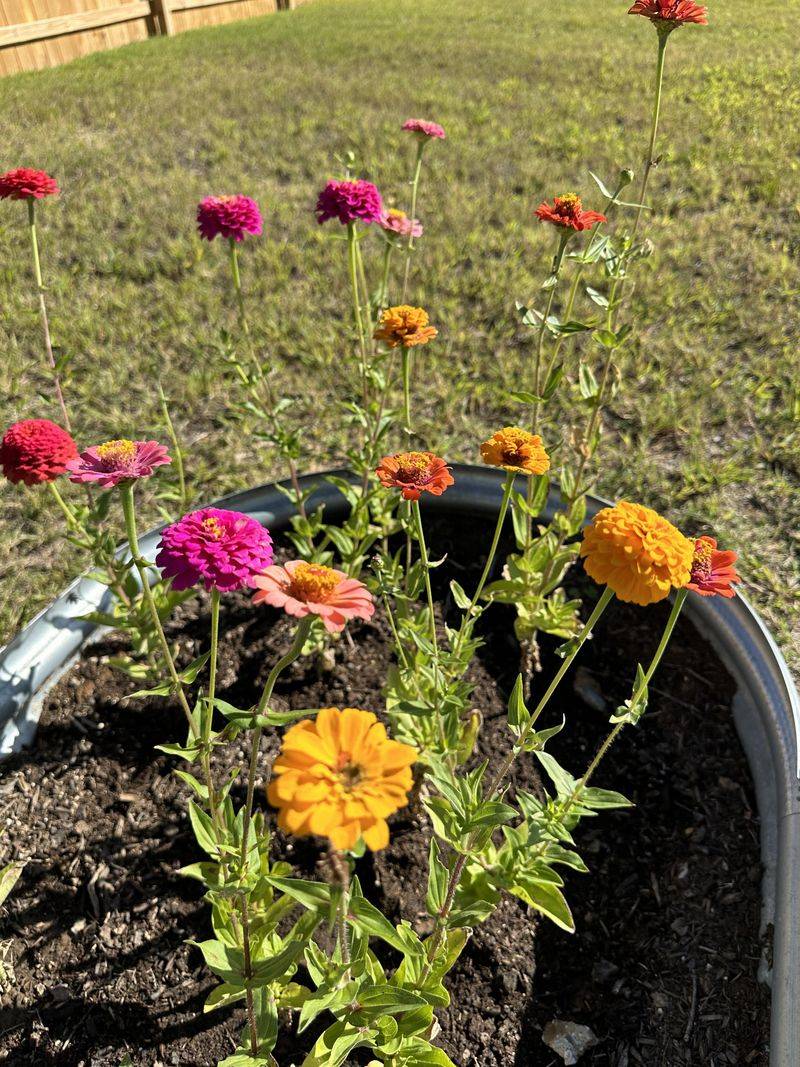
More fertilizer does not always mean better flowers. Many California gardeners make the mistake of adding too much compost or using high-nitrogen fertilizers when growing zinnias.
The result is usually a plant with beautiful, lush green leaves but very few blooms.
Zinnias actually prefer average soil. They come from Mexico and parts of Central America, where the soil is not particularly rich.
When they get too much nitrogen, they put all their energy into growing big leaves and stems instead of producing flowers. It is a classic case of too much of a good thing.
Before planting, do a quick soil test. Many California cooperative extension offices offer affordable soil testing services.
If your soil is already decent, you may not need to add anything at all. A light application of a balanced, slow-release fertilizer at planting time is usually enough.
Once your zinnias are blooming, skip the heavy feeding. A diluted liquid fertilizer applied once a month is plenty.
Focus instead on good watering practices and proper spacing. Zinnias that grow in slightly lean soil tend to bloom more freely and stay healthier throughout the California growing season than those that are overfed from the start.
6. Overhead Watering
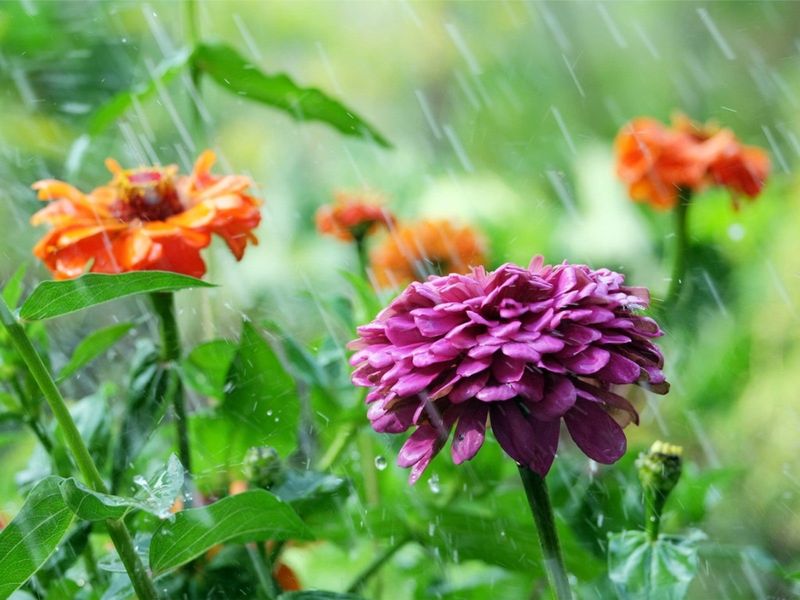
How you water your zinnias matters just as much as how often you water them. Using a sprinkler or watering overhead might seem convenient, but it is one of the biggest mistakes you can make with zinnias.
Wet leaves create the perfect conditions for powdery mildew and other fungal problems.
California summers are often dry, which is great for zinnias in general. But when water sits on leaves for hours, especially in areas with warm nights or coastal humidity, fungal spores can spread quickly.
Once mildew gets going, it is hard to stop and can spread to other plants nearby.
The best way to water zinnias is at the base of the plant, directing water straight to the soil and roots. A soaker hose or drip irrigation system works extremely well for this.
These methods also conserve water, which is always a smart move in California where drought conditions can be a concern.
If you must use a sprinkler, try to water early in the morning so leaves have time to dry before evening. Avoid watering late in the afternoon or at night.
Making this one simple change in your watering routine can dramatically improve the health and appearance of your zinnia garden all season long.
7. Skipping Deadheading
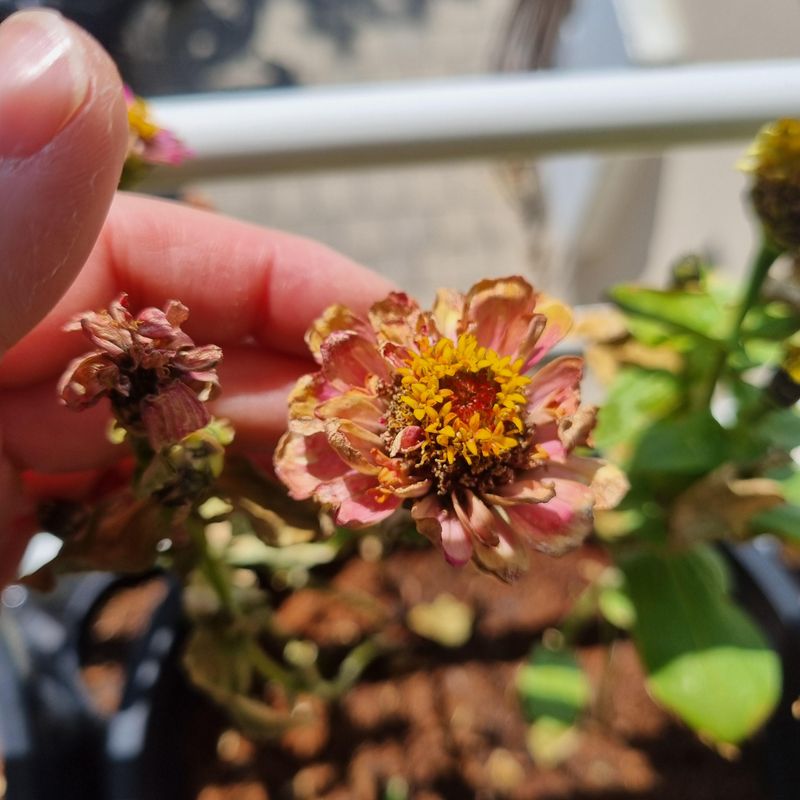
Deadheading sounds like a strange gardening term, but it simply means removing flowers that have already bloomed and faded. Skipping this step is a mistake that can slow down your zinnia production significantly.
Once a flower goes to seed, the plant thinks its job is done and starts putting less energy into making new blooms.
Zinnias are incredibly generous bloomers when you keep up with deadheading. In California, where the warm season can stretch from late spring all the way into fall, regular deadheading can give you months of continuous color.
That is a long time to enjoy a gorgeous garden.
All you need is a pair of clean, sharp scissors or pruning shears. Snip off faded flowers just above a set of healthy leaves or a side branch.
New buds will form quickly in their place. Many gardeners find that deadheading every few days keeps their plants looking fresh and encourages even more blooms than they expected.
Make it a habit to walk through your garden every few days with your scissors in hand. It only takes a few minutes and makes a huge difference.
Think of it as a reward for your plants. The more you remove old blooms, the harder your zinnias will work to fill your California garden with fresh, vibrant color.
8. Ignoring Mildew
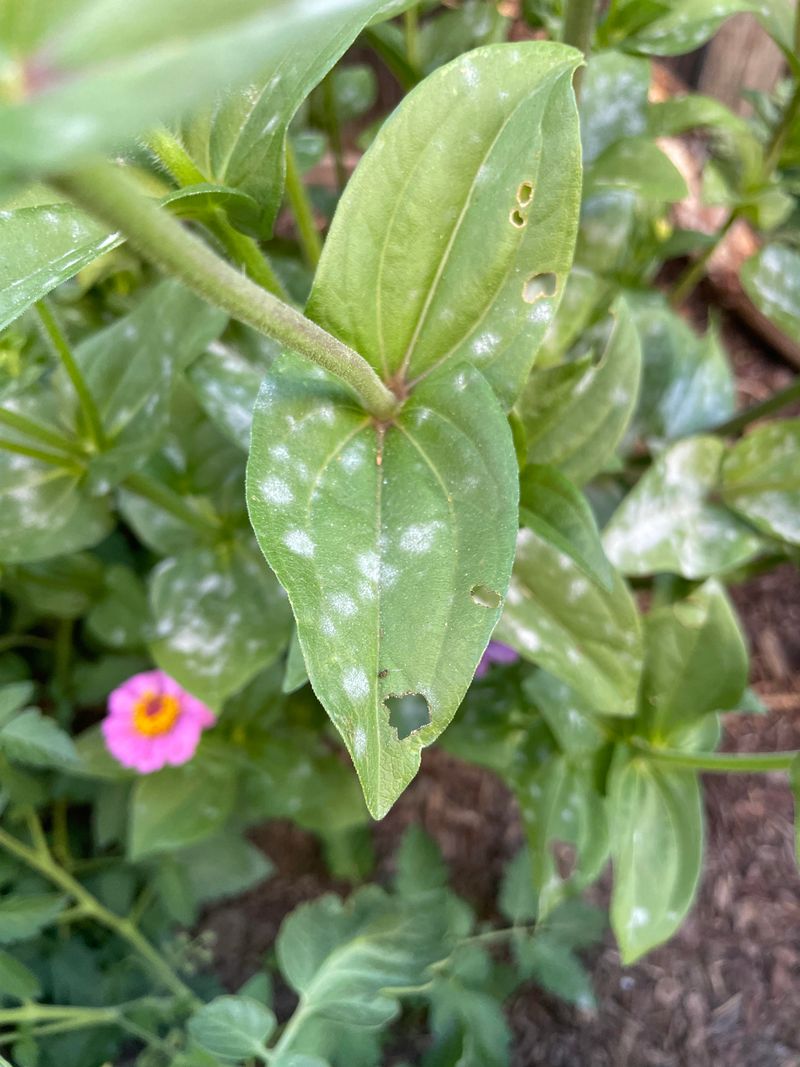
Powdery mildew is one of the most common problems zinnia growers face in California. It shows up as a white or grayish powder on the leaves and stems of the plant.
Many gardeners notice it but do nothing, hoping it will go away on its own. It almost never does.
Mildew spreads quickly, especially in areas with warm days and cool nights, which describes a lot of California in late summer and early fall. Once it gets established, it can cover entire plants and spread to neighboring zinnias in just a few days.
Ignoring it is never a good strategy.
Catching mildew early makes it much easier to manage. At the first sign of white coating on leaves, remove the affected leaves and throw them in the trash, not the compost bin.
Spray the remaining plant with a solution of water and baking soda, or use a diluted neem oil spray, which is widely available at California garden centers.
Choosing mildew-resistant zinnia varieties is also a smart move. Look for labels that mention disease resistance when shopping for seeds.
Good air circulation, proper spacing, and avoiding overhead watering all help prevent mildew from taking hold in the first place. A little attention early in the season can keep your plants looking great all the way through fall.
9. Not Succession Planting
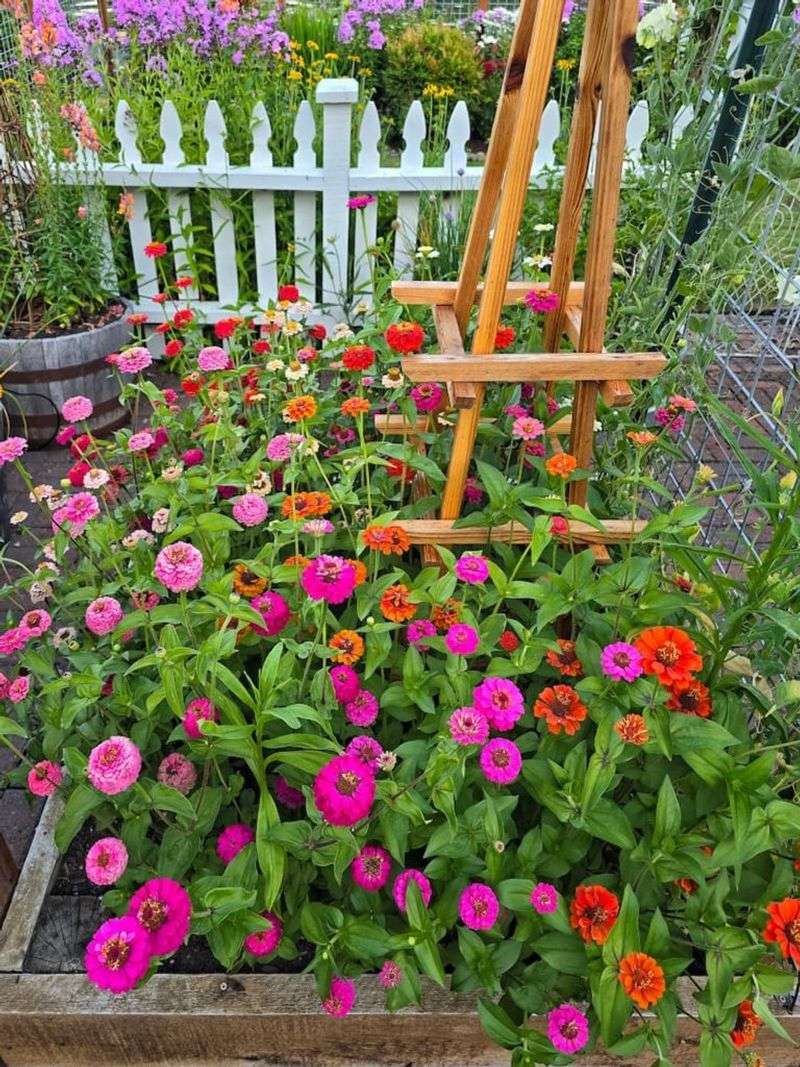
Planting all your zinnias at once is a common mistake that leads to a garden that looks amazing for a few weeks and then fades out.
Succession planting means staggering your plantings every two to three weeks so you always have fresh flowers coming in as older ones wind down.
California is one of the best places in the country for succession planting because the warm season is so long. In many Southern California locations, you can start planting zinnias in April and keep going with new plantings all the way through July or even August.
That gives you an incredibly long window to work with.
Start your first batch of seeds directly in the ground or in small pots. Then, two to three weeks later, plant another batch.
Repeat this process three or four times. When your first group of zinnias starts to look tired and worn out, your next round will just be hitting its stride.
This approach also gives you flexibility to try different varieties and colors throughout the season. Maybe your first planting is all red and orange, and your second is pink and white.
Succession planting keeps your California garden looking lively, colorful, and full of life from early summer all the way through the first cool nights of autumn.