Gardening Never Has To End With These Winter Tasks For California Homeowners
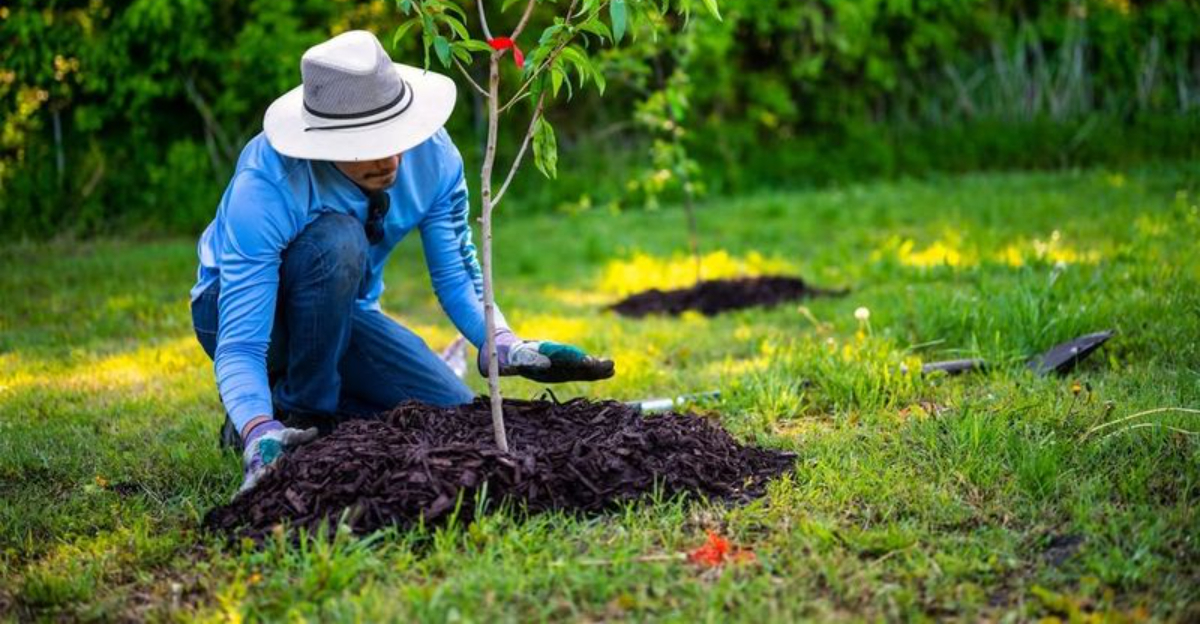
California winters offer gardeners a unique opportunity to keep their hands in the soil while most of the country stays indoors.
Mild temperatures and occasional rainfall create perfect conditions for many outdoor projects that prepare your yard for a spectacular spring bloom.
Winter gardening tasks help maintain plant health, improve soil quality, and ensure your landscape remains vibrant throughout the cooler season ahead.
These ten essential activities will keep you connected to your garden and set the stage for a beautiful year of growth.
1. Prune Dormant Fruit Trees
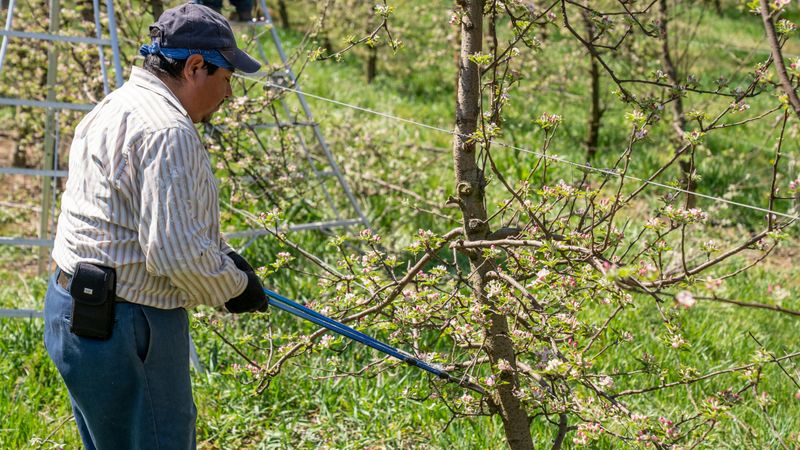
Winter months provide the ideal window for shaping fruit trees when they rest peacefully without leaves blocking your view of their structure.
Removing withered branches, crossing limbs, and crowded growth allows better air circulation and sunlight penetration throughout the entire canopy structure below.
California fruit trees like apples, pears, and stone fruits benefit tremendously from strategic cuts made during their dormant period each year.
Proper pruning encourages stronger branch development and significantly increases fruit production when warm weather returns to your backyard orchard or garden space.
Sharp, clean tools prevent disease transmission between cuts, so sanitize your shears regularly with rubbing alcohol or bleach solution between each tree.
Focus on creating an open center that resembles a vase shape, which maximizes light exposure and makes harvesting easier come summer or fall.
Avoid removing more than one-third of the tree during a single session to prevent shocking the plant or causing excessive stress.
This task keeps you active outdoors while setting up your trees for abundant harvests in the months ahead when fruit ripens beautifully.
2. Plant Bare-Root Roses
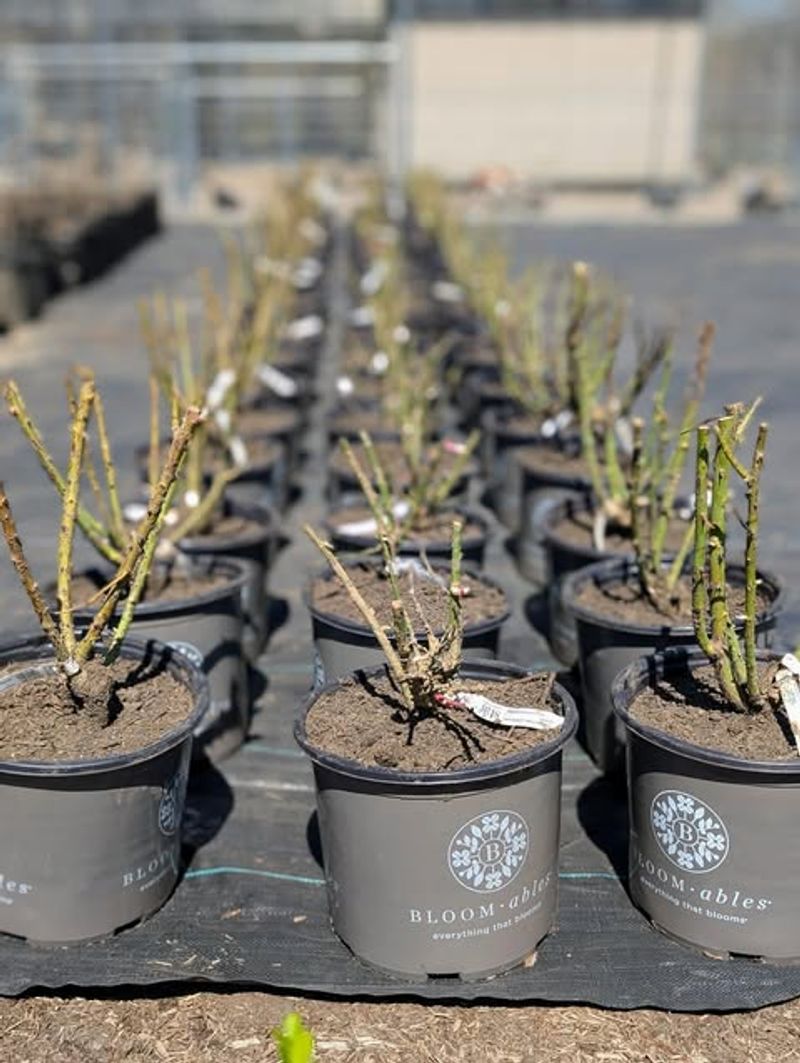
Bare-root roses arrive dormant and ready for planting during California’s cooler months when soil remains workable and temperatures stay mild throughout.
These roses cost less than container-grown varieties and establish stronger root systems because they adapt directly to your garden’s unique soil composition.
Soaking roots in water for several hours before planting rehydrates them and prepares the plant for its new permanent home location.
Digging a wide hole that accommodates spreading roots without crowding or bending them ensures healthy growth patterns from the very beginning stage.
Mixing compost into native soil creates a nutrient-rich environment that supports vigorous root development and encourages robust flowering later in spring.
Position the bud union slightly above ground level in warmer regions or at soil level in cooler coastal areas for optimal performance.
Watering thoroughly after planting settles soil around roots and eliminates air pockets that could dry out delicate root tissue during establishment.
Mulching around the base conserves moisture, regulates soil temperature, and suppresses weeds that compete for nutrients and water throughout the growing season.
3. Amend Garden Soil
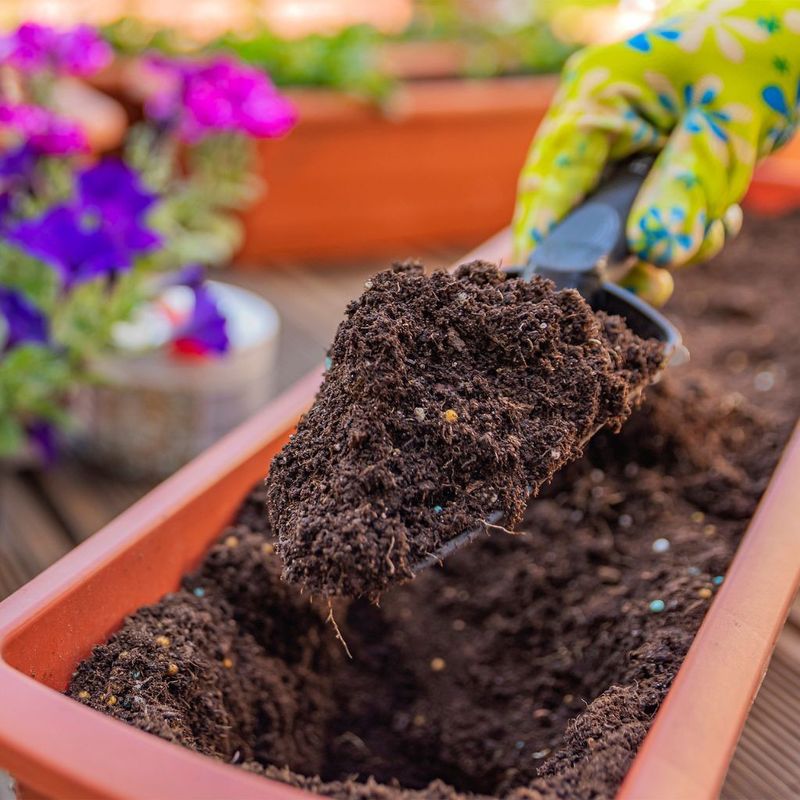
Winter offers a perfect opportunity to enrich your garden beds with organic matter that breaks down slowly and improves soil structure naturally.
Adding compost, aged manure, or leaf mold increases nutrient availability and enhances water retention capacity, which benefits plants throughout the upcoming growing period.
Turning amendments into the top several inches of soil encourages beneficial microorganisms and earthworms that create healthy, living earth beneath your plants.
California’s winter rains help incorporate these materials deeply into the soil profile, making nutrients more accessible to roots when spring growth begins.
Testing soil pH and nutrient levels guides your amendment choices and prevents over-application of certain elements that could harm rather than help.
Covering amended beds with mulch protects the soil surface from erosion and maintains consistent moisture levels during periods of heavy rainfall or dry spells.
This preparation work pays enormous dividends when planting season arrives and your vegetables, flowers, and shrubs thrive in nutrient-dense, well-draining earth.
Taking time now to build soil health creates a foundation for years of successful gardening and reduces the need for chemical fertilizers.
4. Divide Perennial Plants
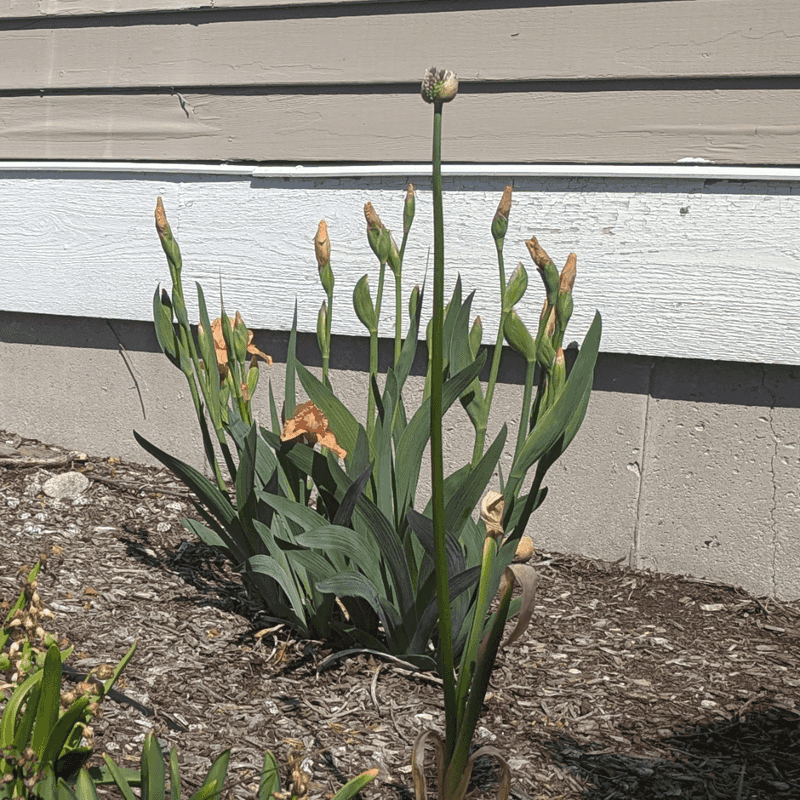
Many perennials grow too large and crowded after several seasons, and winter provides an excellent time to separate them into smaller sections.
Dividing plants rejuvenates tired clumps, increases bloom production, and gives you extra plants to spread throughout your garden or share with neighbors.
California’s mild winter temperatures allow perennials to establish new roots without the stress of extreme heat or active growth that occurs later.
Digging up the entire clump carefully and using a sharp spade or knife to cut through the root mass creates individual plants ready for replanting.
Each division should contain healthy roots and several growth points or shoots that will develop into full-sized plants by the following season.
Replanting divisions immediately at the same depth they grew previously prevents drying out and ensures they settle quickly into their new locations.
Watering generously after replanting helps roots make contact with surrounding soil and reduces transplant shock that sometimes occurs with this process.
Perennials like daylilies, ornamental grasses, and Shasta daisies respond particularly well to winter division and reward you with spectacular displays next year.
5. Control Weeds Before Spring
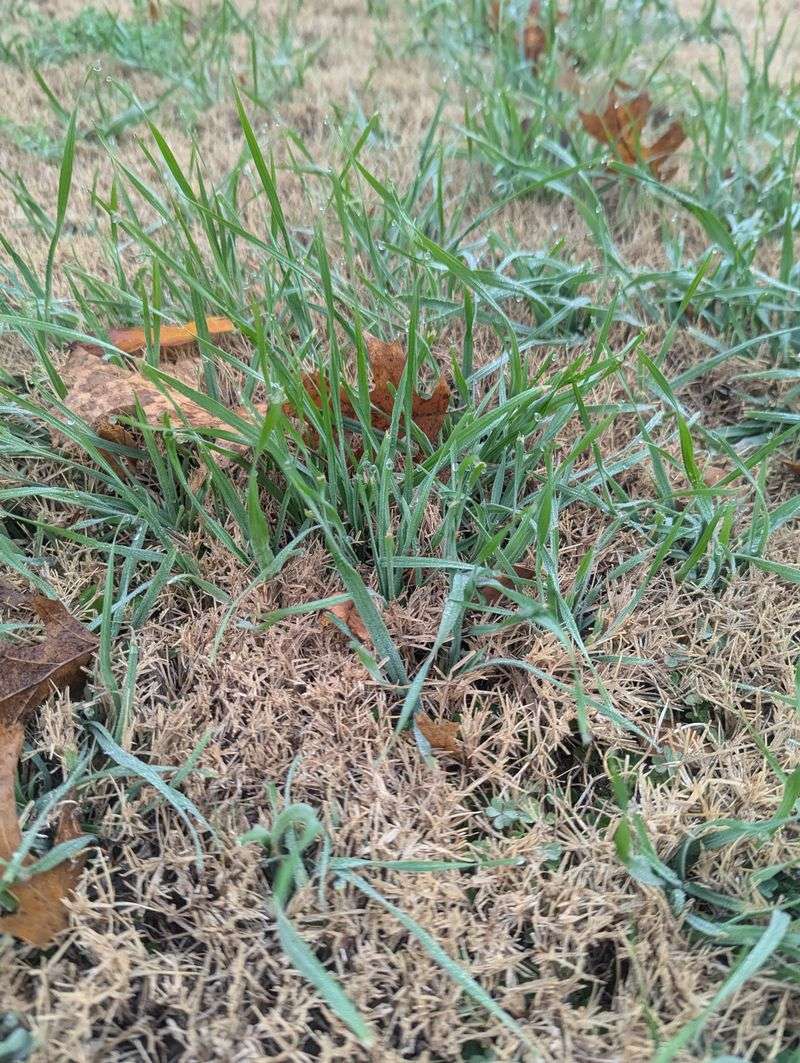
Winter weeds germinate during California’s rainy season and can quickly overtake garden beds if left unchecked through the cooler months ahead.
Removing weeds now prevents them from producing thousands of seeds that would create ongoing problems for years throughout your entire landscape area.
Hand-pulling works best when soil is moist from recent rain, allowing you to extract entire root systems without breaking them off underground.
Many winter weeds like chickweed, henbit, and annual bluegrass thrive in cool weather and spread rapidly across bare soil or thin lawn areas.
Mulching after weeding creates a barrier that blocks light and prevents new weed seeds from germinating successfully in your carefully maintained beds.
Regular weeding sessions every few weeks keep populations manageable and prevent small problems from becoming overwhelming tasks that consume entire weekends later.
Composting pulled weeds that haven’t gone to seed recycles nutrients back into your garden system and reduces waste sent to landfills.
Staying ahead of winter weeds means less competition for your desirable plants and fewer hours spent on this tedious chore when spring arrives.
6. Plant Cool-Season Vegetables
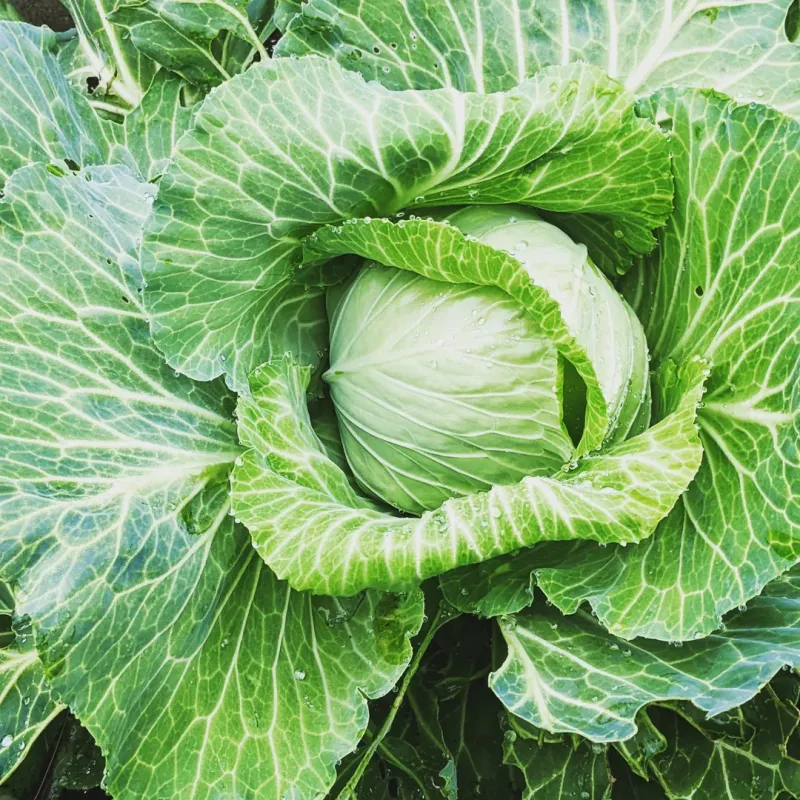
California’s Mediterranean climate allows year-round vegetable gardening, with winter being prime time for crops that prefer cooler temperatures and shorter days.
Leafy greens like lettuce, spinach, and kale thrive in winter conditions and provide fresh, nutritious harvests throughout the coldest months of winter.
Brassicas including broccoli, cauliflower, and cabbage develop sweeter flavors after exposure to light frost and grow vigorously during this season now.
Root vegetables such as carrots, beets, and radishes mature slowly in cool soil and store well in the ground until you’re ready to harvest.
Planting in succession every few weeks ensures a continuous supply of fresh produce rather than one overwhelming harvest that goes to waste.
Protecting tender seedlings with row covers or cold frames extends the growing season and shields plants from occasional hard frosts in inland areas.
Winter vegetable gardens require less water than summer crops and face fewer pest pressures, making them easier to maintain for busy homeowners.
Harvesting your own vegetables during winter months saves money, reduces grocery store trips, and provides unmatched freshness and flavor on your table.
7. Mulch Garden Beds
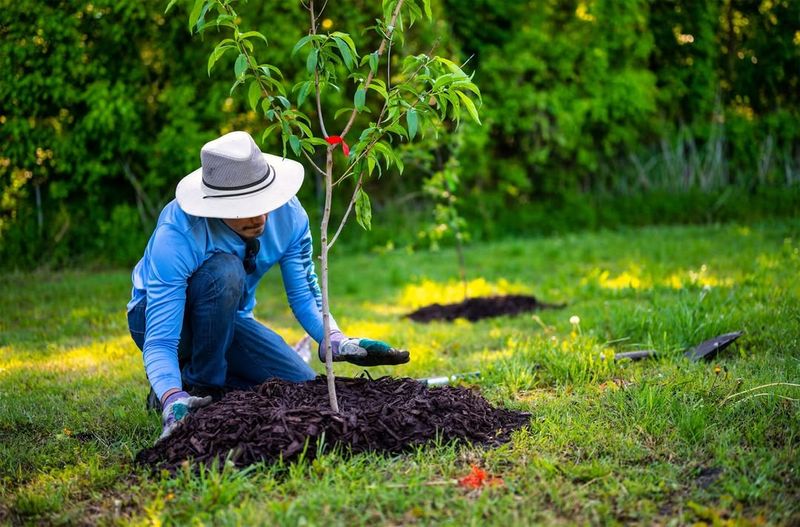
Applying a fresh layer of mulch during winter protects soil from erosion caused by heavy rains and helps regulate temperature fluctuations underground.
Organic mulches like wood chips, shredded bark, or compost slowly decompose and add valuable nutrients to the soil as they break down naturally.
A three to four-inch layer insulates plant roots from cold snaps and keeps soil consistently moist between rainstorms throughout the entire season.
Mulch suppresses weed growth by blocking sunlight from reaching seeds buried in the soil surface, which reduces your maintenance workload significantly over time.
Keeping mulch a few inches away from plant stems and tree trunks prevents moisture buildup that encourages rot and provides hiding places for pests.
Winter mulching improves soil structure gradually as earthworms and microorganisms pull organic matter deeper into the earth beneath your garden plants below.
Using locally sourced mulch materials reduces transportation costs and environmental impact while supporting regional businesses and sustainable gardening practices throughout your community area.
This simple task makes a dramatic difference in plant health and garden appearance while requiring minimal effort and expense from you now.
8. Clean and Sharpen Garden Tools
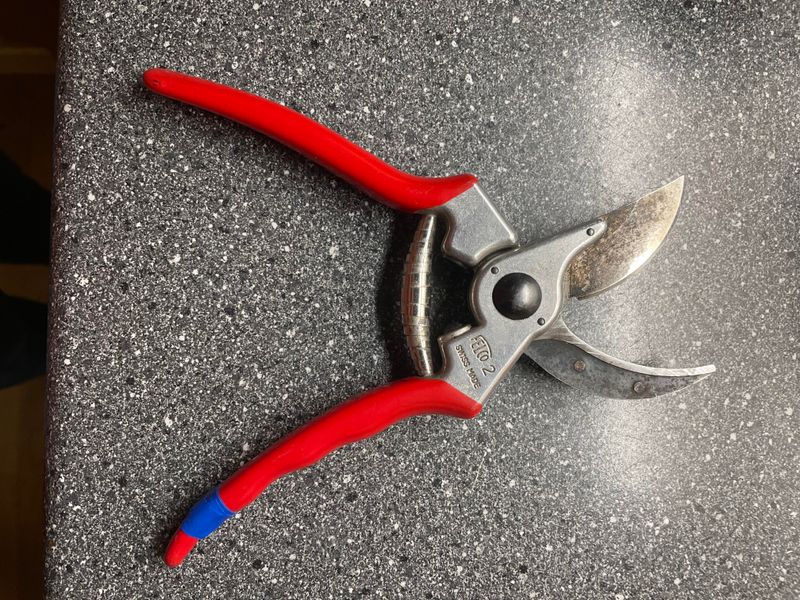
Winter downtime provides the perfect opportunity to inspect, clean, and maintain all your gardening tools so they’re ready when spring arrives soon.
Removing dried soil and plant residue prevents rust and corrosion while eliminating disease organisms that could spread to healthy plants during future use.
Sharpening pruners, shears, and hoes creates clean cuts that heal faster and reduces the physical effort required to complete gardening tasks efficiently.
Oiling metal parts and wooden handles protects tools from moisture damage and extends their useful life by many years beyond what neglect allows.
Checking for loose screws, damaged handles, or worn parts allows you to make repairs now rather than discovering problems mid-project later on.
Organizing your tool shed or storage area makes finding the right tool easier and helps you identify missing items that need replacement before busy season.
Properly maintained tools perform better, last longer, and make gardening more enjoyable by reducing frustration and physical strain during heavy use periods ahead.
This indoor project keeps you connected to your garden during rainy days when outdoor work becomes impractical or uncomfortable for extended periods outside.
9. Protect Frost-Sensitive Plants
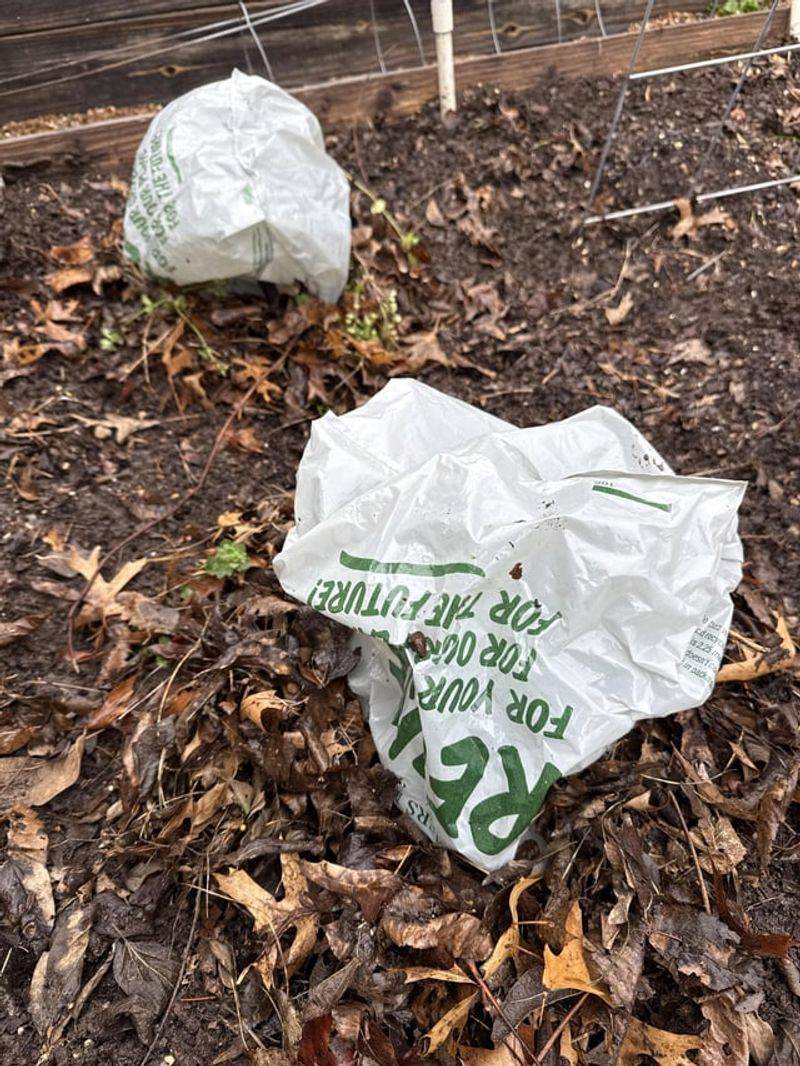
Even California experiences occasional cold snaps that threaten tender plants unused to freezing temperatures that arrive suddenly during winter nights ahead.
Identifying vulnerable plants like citrus trees, succulents, and tropical specimens allows you to prepare protection strategies before damaging cold weather strikes your area.
Covering plants with frost cloth, old sheets, or burlap traps heat radiating from the ground and creates a warmer microclimate around foliage overnight.
Watering thoroughly before a predicted frost helps soil retain and release heat more effectively than dry soil throughout the coldest nighttime hours.
Moving container plants under eaves, into garages, or closer to the house provides extra warmth from building heat that radiates outward constantly.
String lights wrapped around small trees or shrubs generate enough heat to prevent frost damage while creating attractive landscape lighting during dark evenings.
Removing covers during the day allows plants to receive sunlight and prevents excessive heat buildup that could harm foliage or encourage disease development.
Taking these precautions preserves your investment in tender plants and prevents the disappointment of losing beloved specimens to preventable cold damage events.
10. Plan Next Season’s Garden
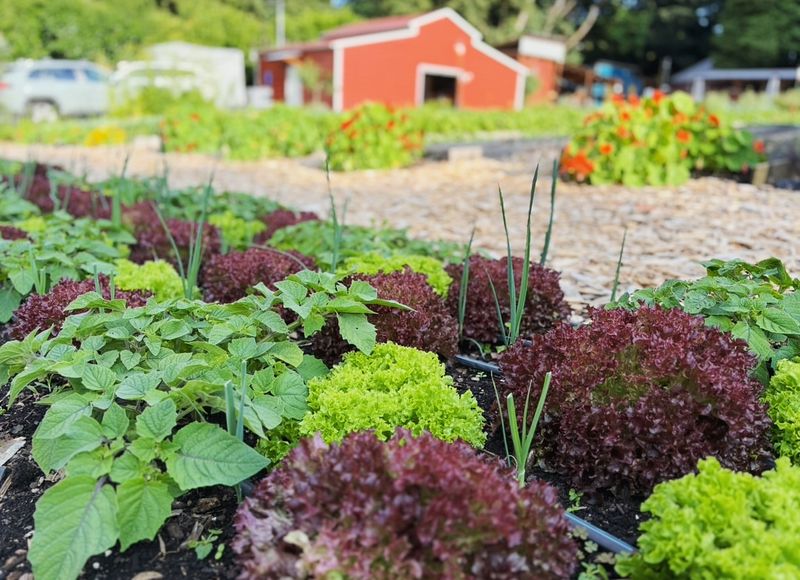
Winter evenings provide ideal time to review the past year’s successes and challenges while dreaming about next season’s garden possibilities and improvements.
Browsing seed catalogs and gardening websites introduces you to new varieties, innovative techniques, and inspiring ideas that spark creativity and enthusiasm for spring.
Sketching garden layouts on paper helps you visualize plant placement, companion planting strategies, and crop rotation plans that improve soil health naturally.
Ordering seeds and plants early ensures you get desired varieties before popular items sell out and gives you time to prepare beds properly.
Recording observations about what worked well and what didn’t helps you make informed decisions and avoid repeating mistakes from previous growing seasons.
Researching pest and disease solutions proactively prepares you to handle problems quickly when they appear rather than scrambling for information during crises.
Setting realistic goals for the upcoming season keeps your garden manageable and prevents overwhelming yourself with overly ambitious projects that create stress instead.
Planning transforms winter from a dormant period into an exciting time of anticipation and preparation that enhances your overall gardening experience tremendously.