10 Gardening Tasks Georgia Gardeners Should Not Skip In February
February can feel quiet in Georgia gardens, but it’s actually a crucial time to prepare for a productive spring. I remember ignoring tasks one February and paying the price with a slower, less vibrant garden later.
Taking action now sets the stage for healthier plants and bigger blooms. The right winter prep makes spring gardening much easier.
These ten tasks include pruning fruit trees and roses, fertilizing shrubs, preparing garden beds, checking irrigation systems, starting seeds indoors, controlling weeds, inspecting tools, and planning new plantings.
Completing these chores now reduces spring stress, prevents disease, and encourages vigorous growth. Early attention to garden tasks leads to stronger plants and a smoother season.
Georgia gardeners who tackle these February tasks enjoy a more productive, beautiful, and low-maintenance garden when spring arrives. Prep your garden now and reap the rewards all season.
1. Finish Pruning Dormant Trees And Summer-Blooming Shrubs
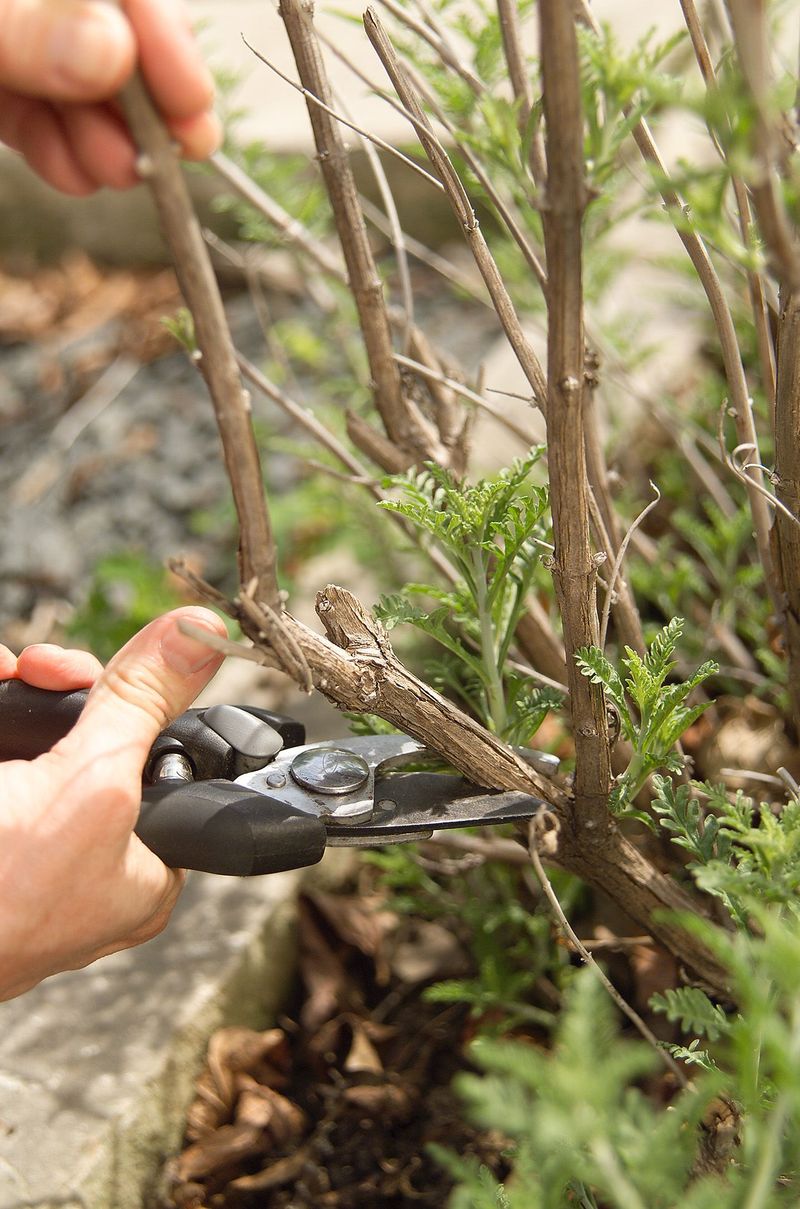
Late winter in Georgia offers a perfect window for shaping your landscape plants before they wake up from their winter rest.
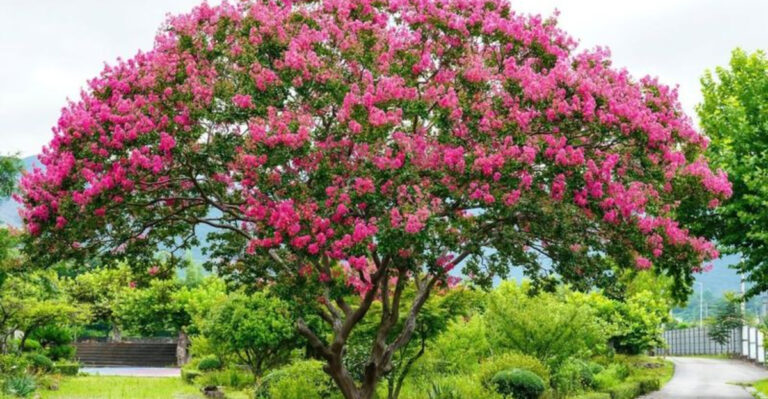
Roses, crape myrtles, fig trees, vitex, and butterfly bushes all benefit tremendously from February pruning because their energy is still stored in the roots rather than pushed into new leaves and flowers.
Cutting them back now encourages stronger branching, better airflow, and more abundant blooms once warm weather arrives. Timing matters more than you might think.
Pruning too early risks exposing fresh cuts to harsh freezes, while waiting too long means you might accidentally snip off flower buds that are already forming.
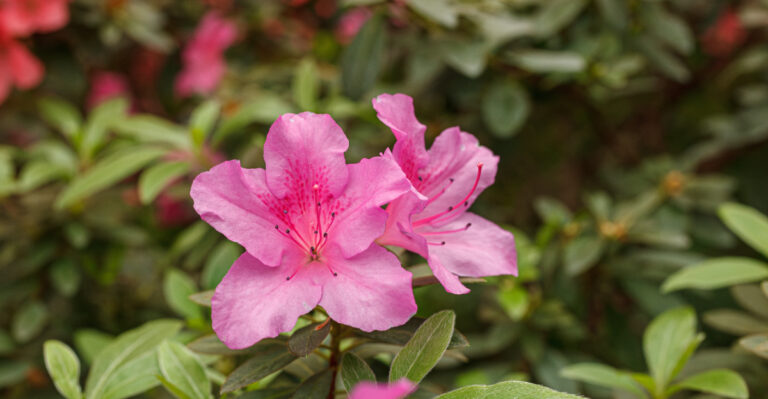
February sits right in that sweet spot when temperatures are milder but growth has not yet begun in earnest. One important caution involves early spring bloomers like azaleas, forsythia, and flowering quince.
These plants set their flower buds the previous fall, so pruning them now removes the blooms you have been waiting for all winter. Save those for trimming right after they finish flowering.
Focus your February efforts on plants that bloom on new growth produced during the current season, and your garden will respond with vigor and beauty that lasts all summer long.
2. Prepare Vegetable Beds For Spring Planting
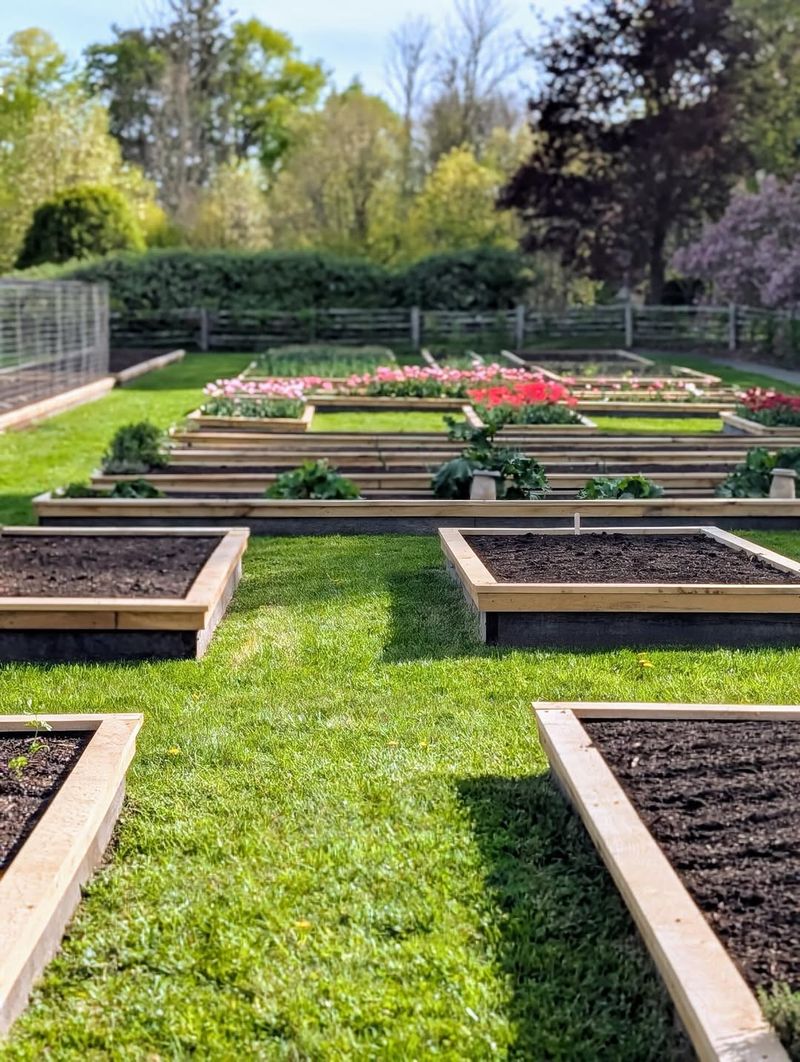
Georgia clay soil can be a real challenge for vegetable gardeners, but February offers the ideal conditions to get beds ready before planting season kicks into high gear.
Working the soil when it is slightly moist but not soaking wet prevents compaction and makes the job much easier on your back and your garden fork.
Start by pulling out any winter weeds that have taken root, then loosen the top several inches of soil to improve drainage and allow roots to penetrate more easily.
Adding compost or well-aged organic matter transforms heavy clay into a more workable growing medium.
A two to three inch layer mixed into the top six to eight inches of soil increases nutrient availability, improves water retention during dry spells, and creates air pockets that roots love.
This preparation step pays dividends throughout the entire growing season because plants establish faster and produce more abundantly in well-prepared beds. Do not rush this process even if you are eager to plant.
Beds prepared properly in February will be ready when the last frost passes and temperatures stabilize.
Your tomatoes, peppers, squash, and beans will thank you with healthier growth and bigger harvests all summer long.
3. Test Soil And Adjust pH If Needed
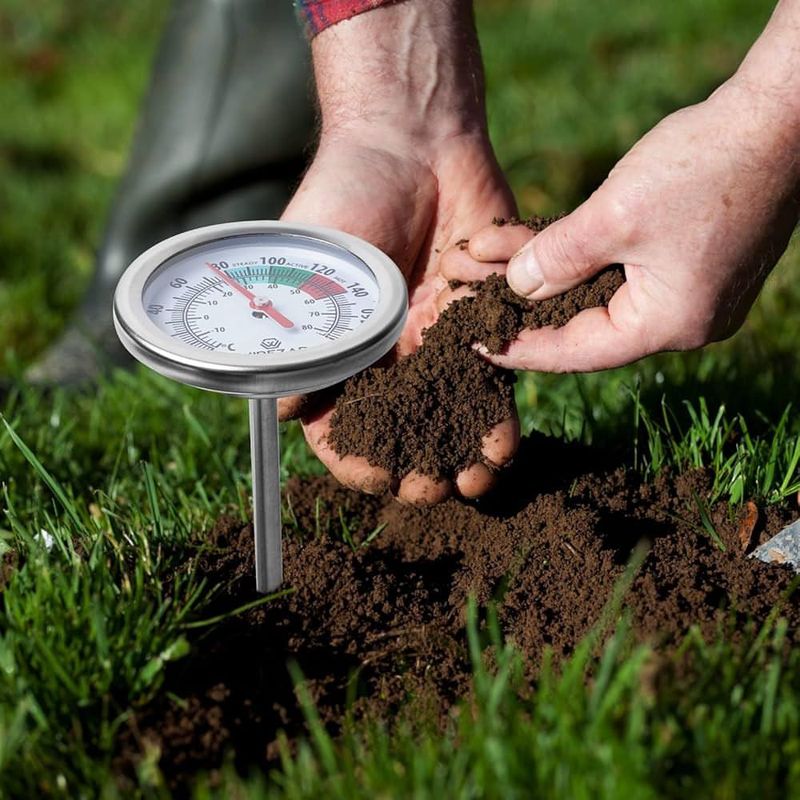
Understanding what is happening beneath the surface of your garden can make the difference between plants that struggle and plants that thrive.
Soil testing through the University of Georgia Extension provides detailed information about nutrient levels, pH balance, and specific recommendations tailored to what you plan to grow.
February is the perfect time for this task because it gives amendments like lime or sulfur several weeks to begin working before you start planting.
Georgia soils tend to run acidic, which suits blueberries and azaleas beautifully but can limit the performance of vegetables like tomatoes, peppers, and beans.
Most edible crops prefer a pH between 6.0 and 6.8, where nutrients are most available to plant roots. If your test results show your soil is too acidic, adding lime raises the pH gradually over several weeks.
Conversely, if your soil is too alkaline, sulfur brings it back into the ideal range. The testing process is simple and affordable.
Collect samples from different areas of your garden, mix them together, and submit them following the extension office instructions.
Within a couple of weeks, you will receive a report that takes the guesswork out of fertilizing and amending your soil for the best possible results.
4. Start Warm-Season Seeds Indoors
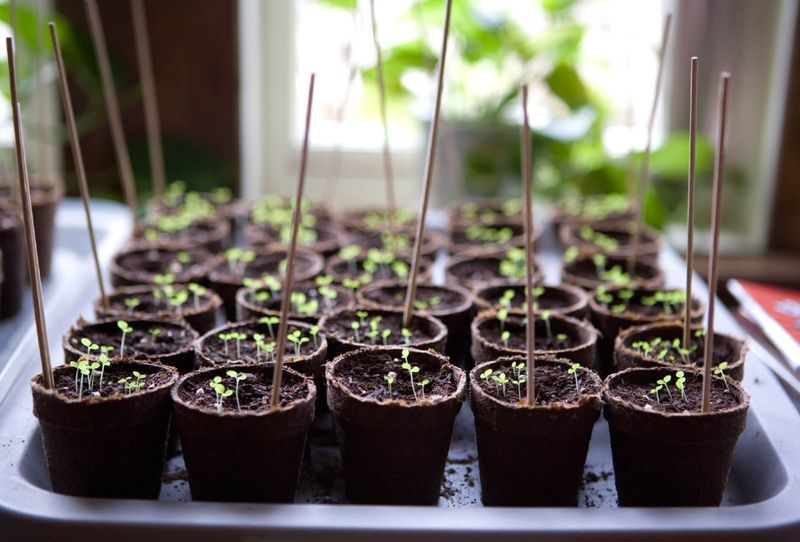
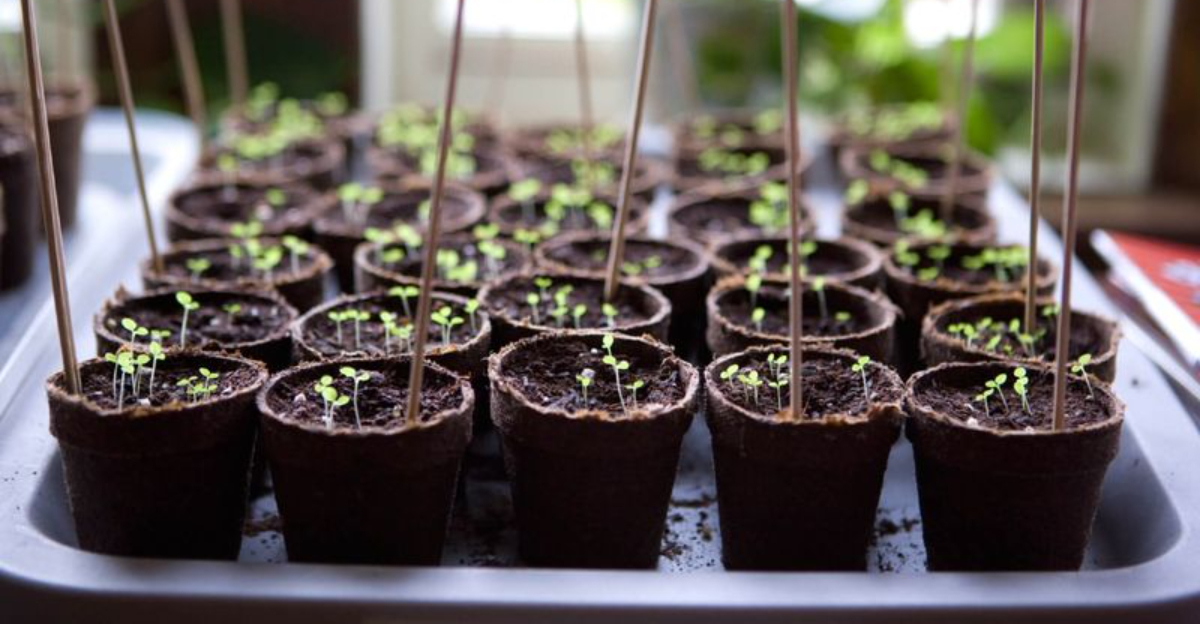
Growing vegetables from seed indoors gives you a head start on the season and opens up varieties you will never find at the garden center.
Tomatoes, peppers, eggplant, and herbs like basil all benefit from indoor starting because they need a long growing season to produce their best.
February is the ideal month to begin this process, giving seedlings six to eight weeks of growth before Georgia’s last average frost date arrives in mid to late March. Light and temperature are the two most important factors for success.
Seedlings need strong, direct light for at least 12 to 14 hours each day, which usually means setting up grow lights just a few inches above the plants.
Windowsill light rarely provides enough intensity, and seedlings grown there tend to stretch and become weak. Keep the soil temperature between 70 and 75 degrees for best germination, using a heat mat if your home runs cool.
Start with fresh seed-starting mix rather than garden soil, which can harbor pathogens and drains poorly in containers. Label everything clearly because seedlings all look similar at first.
Water gently from the bottom to avoid disturbing tiny roots, and watch for that magical moment when the first true leaves appear and your indoor garden begins to take shape.
5. Apply Fresh Mulch To Garden Beds
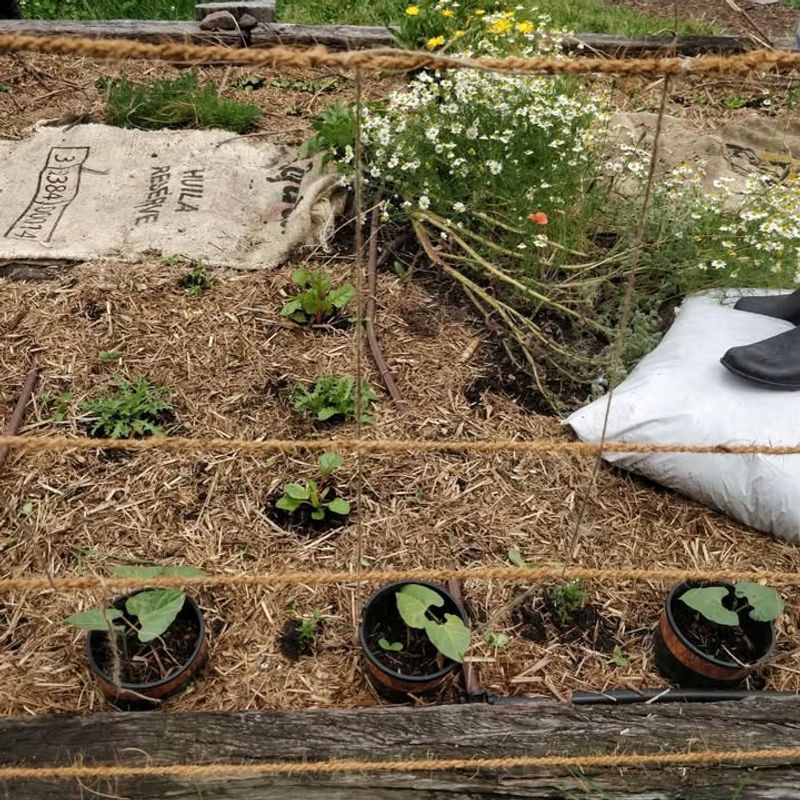
Refreshing mulch in February sets your garden up for success by creating a protective layer that works hard all season long.
Pine bark and pine straw are both excellent choices for Georgia landscapes because they break down slowly, improve soil structure over time, and suit the aesthetic of Southern gardens beautifully.
A two to three inch layer spread evenly around plants helps conserve moisture during dry spells, regulates soil temperature as weather fluctuates, and suppresses weed seeds before they have a chance to sprout.
Proper mulch application makes a real difference in plant health. Pull mulch back a few inches from the base of trees and shrubs to prevent moisture buildup against bark, which can encourage rot and provide hiding spots for pests.
Spread mulch all the way to the drip line of trees and across entire bed areas rather than piling it up like a volcano around individual plants. February application timing is strategic.
Mulch applied now moderates soil temperature swings that can stress shallow roots during late winter cold snaps and early spring warm spells.
As the mulch breaks down throughout the growing season, it adds organic matter to the soil and feeds beneficial microorganisms that help plants access nutrients more efficiently.
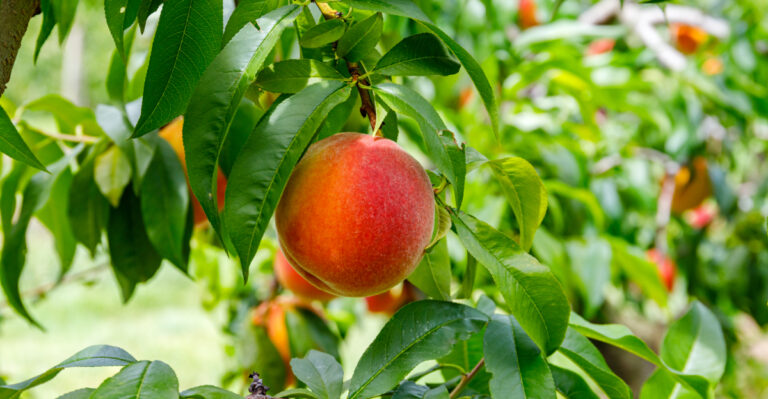
6. Inspect Fruit Trees And Apply Dormant Care Practices
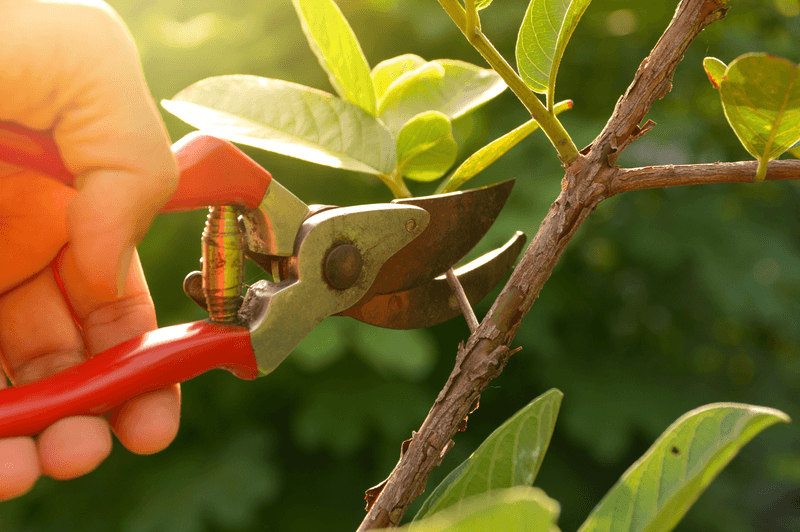
Fruit trees in Georgia benefit greatly from a thorough February inspection while branches are still bare and easy to examine.
Walk around each tree and look for broken limbs, crossing branches that rub together, or areas where growth seems crowded.
Structural issues are much easier to spot and correct before leaves emerge and hide potential problems. Addressing these concerns now prevents bigger issues later when the tree is loaded with fruit.
Sanitation around the base of fruit trees often gets overlooked but plays a crucial role in preventing problems.
Rake up and remove any remaining fallen leaves, shriveled fruit, and broken branches from the ground beneath trees.
These materials can harbor fungal spores, insect eggs, and other issues that will reappear as soon as warm weather arrives. A clean area around your trees reduces the likelihood of problems spreading to new growth.
Proper spacing and airflow make a tremendous difference in fruit tree health. Branches that grow too close together create humid pockets where fungal issues thrive.
Thinning out crowded areas allows sunlight and air to reach all parts of the tree, which improves fruit quality and reduces the need for interventions later in the season. Your February efforts create a strong foundation for a productive harvest.
7. Plant Cool-Season Vegetables Outdoors
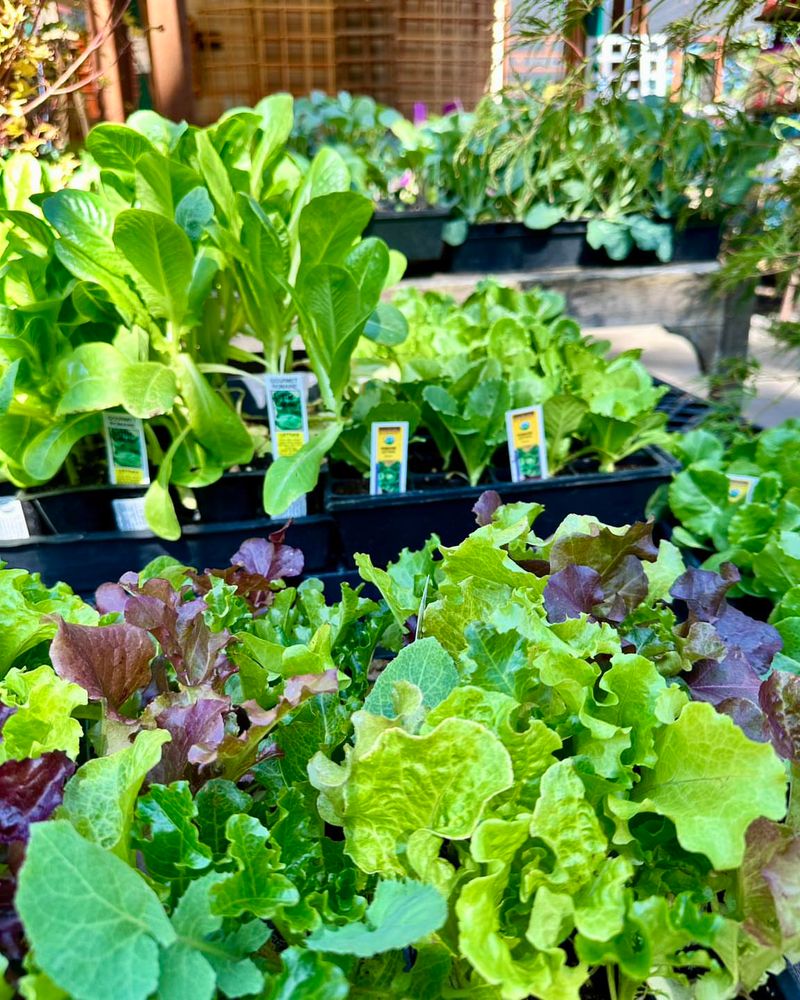
February in Georgia brings conditions that cool-season vegetables absolutely love. Peas, lettuce, spinach, carrots, beets, and onions all thrive when planted now because they prefer cooler temperatures and can handle light frosts without missing a beat.
These crops actually taste sweeter when they mature in cool weather rather than summer heat, which makes February planting a smart strategy for the best flavor and texture.
Frost tolerance varies among cool-season crops, so understanding each plant’s limits helps you protect your investment.
Peas and onions handle cold extremely well and rarely need protection, while lettuce and spinach benefit from row covers on nights when temperatures dip below 28 degrees.
Carrots and beets germinate slowly in cool soil but establish strong root systems that support rapid growth once temperatures warm slightly in March. Direct seeding works beautifully for most of these crops.
Plant peas and carrots directly where they will grow since they dislike transplanting. Lettuce and spinach can be started in containers or sown in rows, making them flexible for different garden setups.
Onion sets or transplants give you a head start compared to seeds. With proper spacing and consistent moisture, your February plantings will provide fresh harvests long before summer vegetables even begin flowering.
8. Service Garden Tools And Equipment

Sharp, clean tools make gardening safer, more efficient, and easier on both you and your plants. February offers the perfect opportunity to give your equipment some attention before the busy spring season arrives.
Start with your pruners, loppers, and shears, which benefit tremendously from sharpening and cleaning.
Sharp blades make clean cuts that heal quickly, while dull tools crush stems and create entry points for problems.
A simple sharpening stone or file takes just minutes per tool and makes a noticeable difference in performance. Cleaning goes hand in hand with sharpening.
Remove dried sap, soil, and plant residue from blades using a stiff brush and soapy water, then dry thoroughly to prevent rust. A light coating of oil on metal parts protects tools during storage and keeps moving parts operating smoothly.
Check wooden handles for splinters or cracks, sanding rough spots and applying linseed oil to preserve the wood. Do not forget about irrigation systems and hoses.
Inspect hoses for cracks or leaks, test connections for secure fits, and flush out any debris that accumulated over winter. Check drip irrigation emitters to ensure they are not clogged.
Taking care of these details now means you can focus on planting and growing when spring arrives rather than scrambling to fix broken equipment in the middle of busy gardening days.
9. Inspect Lawns For Compaction And Bare Spots
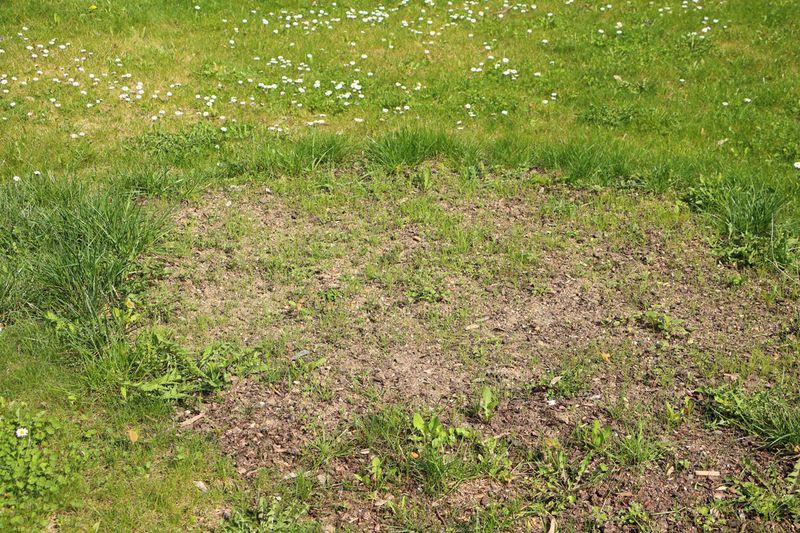
Winter foot traffic, heavy equipment, and natural settling can leave your lawn compacted and struggling by the time February arrives.
Compacted soil prevents water, air, and nutrients from reaching grass roots, which weakens the turf and creates opportunities for weeds to move in.
Walking across your lawn and noting areas where water puddles or grass seems thin helps you identify problem spots that need attention before spring growth begins.
Light raking in February removes matted leaves and debris that accumulated over winter and allows sunlight to reach the soil surface. This simple step encourages dormant grass to green up faster when temperatures warm.
Avoid aggressive raking that tears at grass crowns, focusing instead on gentle strokes that lift debris without damaging the turf beneath. Planning for aeration makes sense if your lawn shows significant compaction.
Core aeration removes small plugs of soil, creating channels for air, water, and nutrients to penetrate deep into the root zone.
February is too early for actual aeration in Georgia since warm-season grasses are still dormant, but identifying problem areas now lets you schedule this task for late spring when grass is actively growing and can recover quickly.
Your advance planning ensures a healthier, more resilient lawn throughout the growing season.
10. Plan Spring Planting Layouts And Order Seeds Early
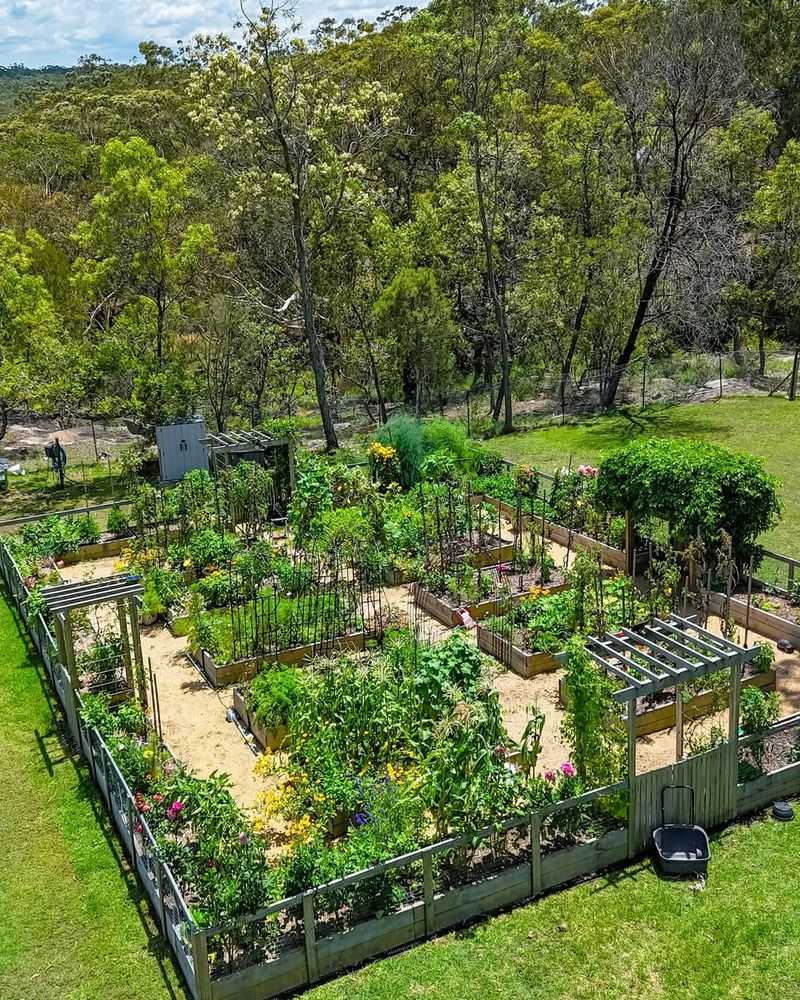
Successful gardens begin with thoughtful planning long before the first seed goes into the ground. February gives you time to map out your growing spaces, consider crop rotation strategies, and make decisions without the pressure of planting deadlines looming.
Sketching your garden layout on paper or using a simple computer program helps you visualize spacing requirements, companion planting opportunities, and succession planting schedules that keep harvests coming all season long.
Crop rotation prevents soil nutrient depletion and reduces the buildup of specific problems in any one area. If you grew tomatoes in a particular bed last year, plan to grow beans, lettuce, or root vegetables there this season.
Rotating plant families around your garden every year maintains soil health and reduces the need for interventions.
Your February planning session is the perfect time to review what grew where last year and make smart decisions for the coming season. Ordering seeds early prevents disappointment when popular varieties sell out as spring approaches.
Seed companies experience their biggest rush in March and April, and many heirloom and specialty varieties become unavailable quickly.
Placing orders now guarantees you get exactly what you want and gives seeds time to arrive before you need them.
Your advance preparation transforms gardening from a rushed scramble into an enjoyable, well-organized process that sets you up for success.